




Global oil prices climbed to their highest level since 2022 after reports that the U.S. military is preparing to brief Donald Trump on possible new military options in the conflict involving Iran.
Get today's headlines by email 
Benchmark Brent crude briefly surged nearly 7% to more than $126 a barrel before retreating later in the day. The spike followed a report by Axios that United States Central Command had prepared plans for a wave of “short and powerful” strikes aimed at breaking a deadlock in negotiations with Tehran.
The BBC said it had contacted both Central Command and the White House for comment.
Oil markets react to escalating tensions
Energy markets have been volatile throughout the week as diplomatic efforts appear to have stalled. The situation has been compounded by disruption around the Strait of Hormuz, a crucial shipping route for global energy supplies.
Roughly one-fifth of the world’s oil and liquefied natural gas shipments normally pass through the narrow waterway linking the Persian Gulf to international markets. Ongoing tensions have effectively closed the route, sending energy prices sharply higher.
Brent crude reached $126.31 a barrel earlier Thursday, its highest level since Russia's full-scale invasion of Ukraine. Prices later fell back to around $114.
Analysts partly attributed the sudden drop to technical factors linked to oil trading contracts.
Futures contracts add to price swings
The June Brent futures contract expired on Thursday, contributing to the sharp change in price, according to Naveen Das, a senior oil analyst at Kpler. Futures contracts are agreements to buy or sell an asset at a specified price on a future date.
The more actively traded July contract was priced lower, at roughly $110 a barrel.
Despite the late-day decline, the recent surge in crude prices has pushed up costs for motorists and businesses, raising concerns about broader inflation.
Rising costs for consumers
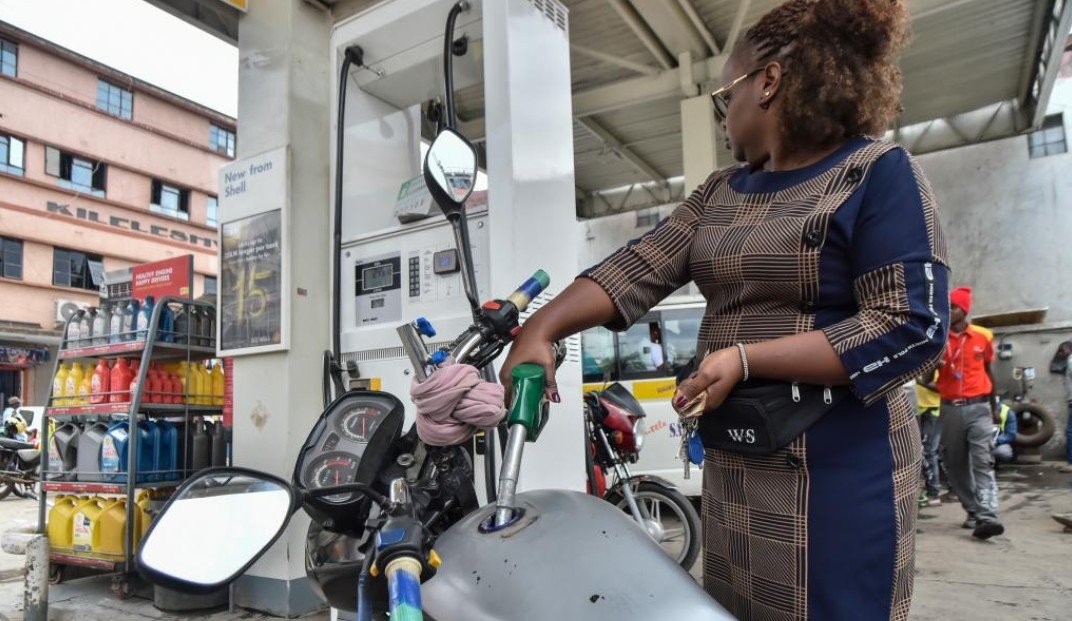
Crude oil is a key component in the production of petrol and diesel. Since the start of the Iran conflict, fuel prices have climbed significantly in several countries.
In the UK, petrol now averages 157 pence per litre, according to the motoring group RAC, about 24 pence higher than before the war began. Diesel prices stand at 188.5 pence per litre, up 46 pence compared with pre-war levels.
Simon Williams, head of policy at RAC, said wholesale petrol costs have reached their highest point since the conflict began, even though prices at the pump have eased slightly in recent days.
He added that diesel prices, which have fallen modestly in wholesale markets, could decline further.
Wider economic impact feared
Governments and analysts warn the effects may extend beyond fuel prices.
Higher energy costs could push up the price of food, electricity and air travel. Fertiliser prices have already started rising after shipments of urea, a key fertiliser component, were disrupted.
Some airlines have begun raising fares or reducing services as fuel costs increase.
Axios reported that one U.S. proposal involves targeting infrastructure in Iran through limited strikes. Another option reportedly focuses on securing parts of the Strait of Hormuz in order to reopen the route to commercial shipping, potentially involving ground troops.
Meanwhile, a statement attributed to Iran’s Supreme Leader Mojtaba Khamanei said Tehran would safeguard the waterway and end what it described as “abuses” by adversaries.
Washington has warned it may blockade Iranian ports as long as Tehran threatens shipping in the strait, a move that could further disrupt global energy flows.
Analysts say the escalation risk has left markets unsettled, with investors increasingly concerned about the potential inflationary impact of rising oil prices.
Join the discussion? 
Already a member? 
 Adapted by ASEAN Now. Source 1 May 2026
Recommended Comments
Create an account or sign in to comment