



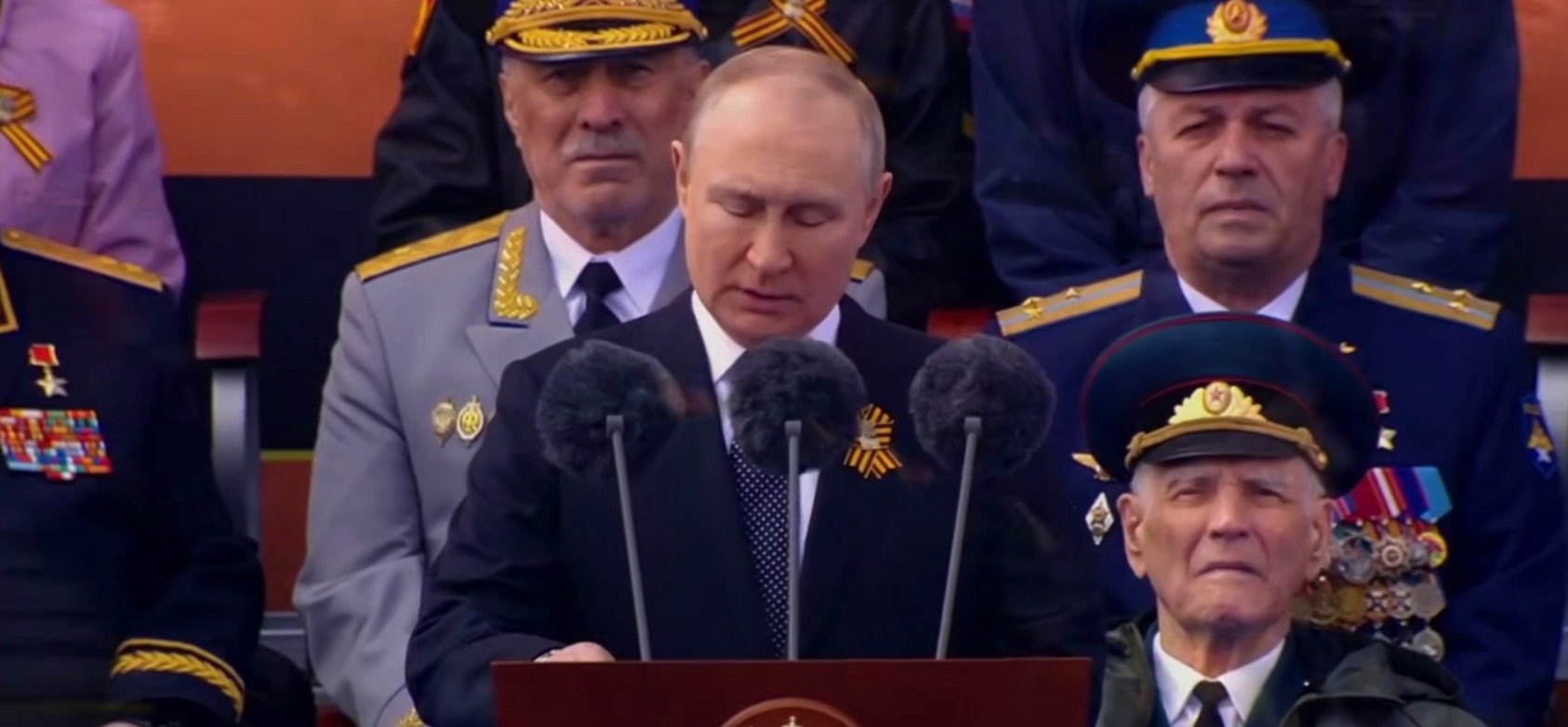

Russia will mark its annual Victory Day with a reduced military parade this year, with tanks and other heavy equipment absent from Moscow’s Red Square as the war in Ukraine enters its fifth year.
Get today's headlines by email 
The parade on 9 May commemorates the Soviet Union’s defeat of Nazi Germany in World War Two and has become Russia’s most important national holiday. But unlike previous years, the event will feature soldiers marching without the usual display of military hardware.
Officials say the decision reflects both security concerns and the continued demands of the war in Ukraine.
Parade without tanks
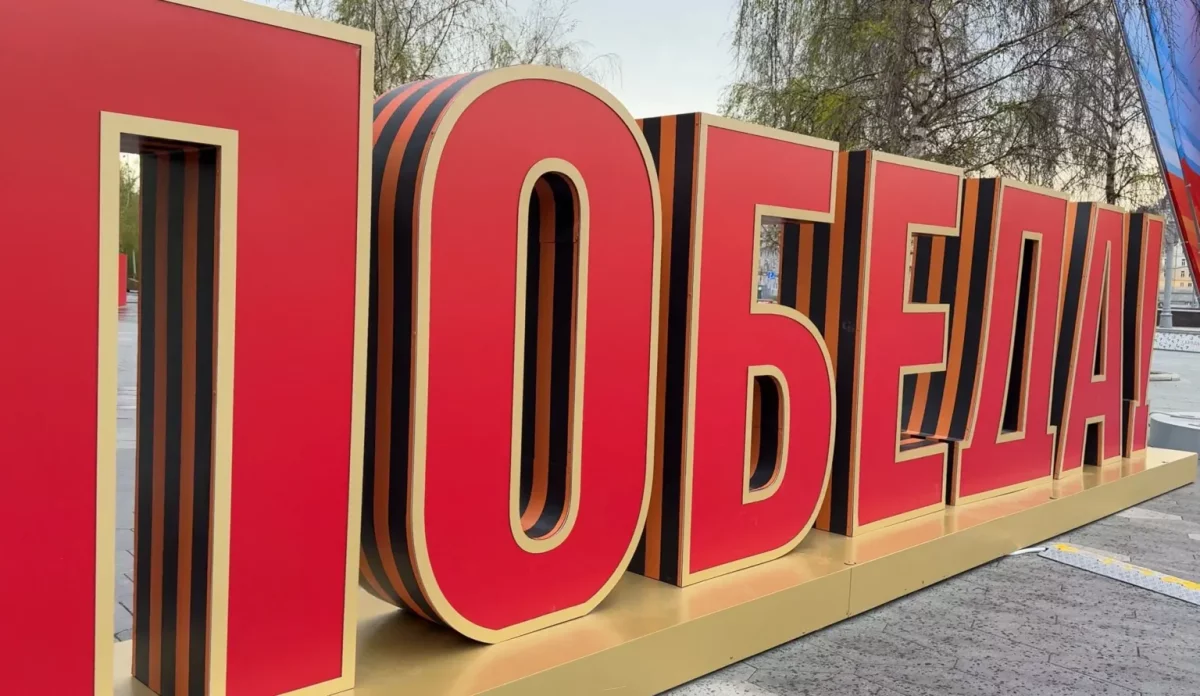
Across Red Square, banners and digital displays proclaim the word “Pobeda” – meaning “Victory” – as soldiers rehearse for the annual ceremony. The term dominates the square, appearing on large red signs and public installations where visitors pose for photographs.
Victory Day is central to Russia’s national narrative, particularly under President Vladimir Putin, whose government has long emphasised the Soviet Union’s role in defeating Nazi Germany in what Russians call the Great Patriotic War.
Yet this year’s parade will differ significantly from previous ones. For the first time in nearly two decades, there will be no tanks, missile launchers or other heavy weapons on display.
Russian lawmaker Yevgeny Popov said the absence of military hardware was linked to the ongoing war.
“Our tanks are busy right now,” he said. “They are fighting. We need them more on the battlefield than on Red Square.”
War reaches closer to Russia
The scaled-back parade comes as the conflict with Ukraine continues with no clear end in sight more than four years after Russia launched its full-scale invasion in February 2022.
In recent days the war has also affected areas inside Russia. Authorities reported that two people were killed and more than 30 injured after a long-range Ukrainian missile and drone strike on the city of Cheboksary.
The night before, a drone breached Moscow’s air defences and struck a luxury apartment building about 6km from the Kremlin. No one was injured, though the upper floors of the building were damaged.
Russian officials say the risk of drone attacks has influenced security planning for the Victory Day events.
Kremlin spokesman Dmitry Peskov referred to what he described as a “terrorist threat” from Ukraine. Russia’s defence ministry has warned it could carry out a “massive retaliatory missile strike” against central Kyiv if Moscow comes under attack on 9 May.
Mixed reactions among residents
Among people in Moscow, the reduced parade has drawn mixed responses.
Some residents say safety concerns justify the changes. Others believe the absence of military equipment weakens the symbolic power of the event.
“There is a safety issue,” said Sergei, a passer-by near Red Square. “But parading our military hardware shows our strength on the world stage.”
Yulia, another resident, said the decision was understandable but could also signal vulnerability.
“It would be foolish to showcase equipment if something could happen during the parade,” she said. “But it also means we are afraid of something.”
Another resident, Vladimir, said the parade remained an important national symbol but accepted that circumstances had changed.
“If conditions do not allow the full parade this year, we will have to wait until next year,” he said.
War fatigue and domestic pressures
The conflict has now lasted longer than the Soviet Union’s fight against Nazi Germany between 1941 and 1945, a milestone reached earlier this year.
Recent polling, including surveys conducted by state-run agencies, suggests President Putin’s domestic approval ratings have declined.
Observers in Moscow also report growing public fatigue over the war, along with concerns about rising living costs and frustration over new internet restrictions imposed by the authorities.
Officials say temporary shutdowns of mobile internet services, expected again during Victory Day celebrations, are intended to reduce the risk of drone attacks and sabotage.
The restrictions have proven unpopular in several Russian cities where similar measures have been implemented in recent months.
But Popov defended the policy, saying security must take priority.
“It’s not your business what we are doing with our internet,” he said. “It would be better to have no internet than to be killed by a Ukrainian missile or drone.”
Join the discussion? 
Already a member? 
 Adapted by ASEAN Now. Source 8 May 2026
Recommended Comments
Create an account or sign in to comment