



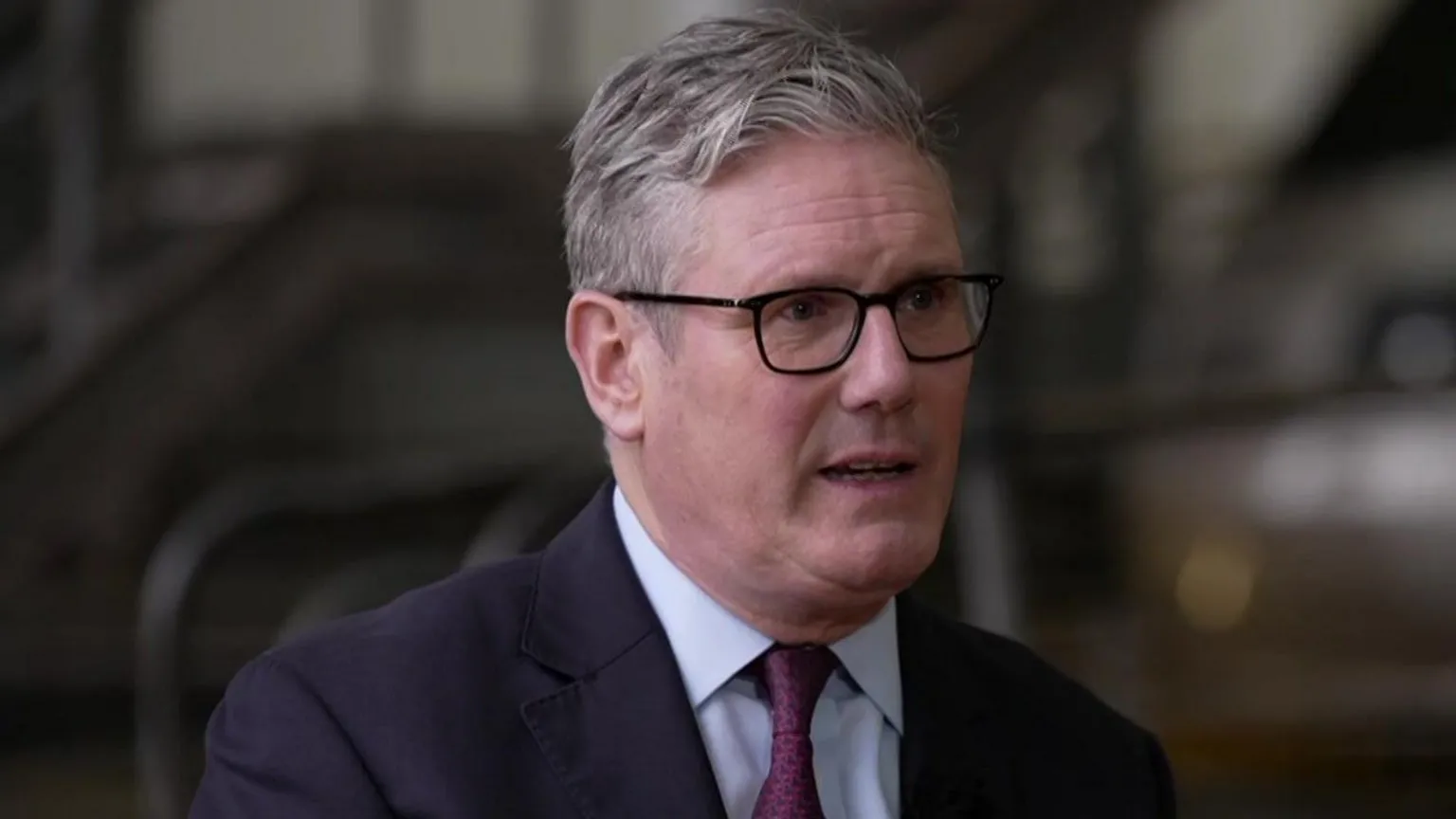

Sir Keir Starmer has said the “vast majority” of Labour MPs back his leadership, as speculation grows about a potential challenge to his position as prime minister. Speaking to the Sunday Times after a week of mounting political pressure, Sir Keir said internal party support remained strong despite criticism from opposition parties and some dissent within Labour ranks.
Get today's headlines by email 
“In politics, you get this sort of thing all of the time,” he said, adding that there was always speculation about leadership.
Leadership speculation grows
Questions about Sir Keir’s future intensified following controversy over his decision to appoint Lord Mandelson as the UK’s ambassador to the United States.
Opposition figures have called for the prime minister to step down, pointing to concerns raised by UK security officials during the vetting process for the appointment.
Shadow home secretary Chris Philp said Sir Keir should resign over the decision. Speaking on the BBC’s Sunday with Laura Kuenssberg, Philp said some ministers had been “equivocating” about the prime minister’s future.
He also said a small number of Labour MPs had publicly urged Sir Keir to go and argued that MPs should remove him if he did not step down voluntarily, saying it would be “in the national interest”.
Sir Keir rejected suggestions that criticism reflected wider dissatisfaction among Labour MPs.
“What you never hear from are all the people who are supportive, loyal and just want to get on with the job,” he told the newspaper. “That is the vast majority of people in the Parliamentary Labour Party.”
He added that many MPs were focused on governing rather than internal disputes.
“They’re pleased to be in power,” he said. “They’ve waited a long time to be in power and they just want to get on with their job.”
Dispute over security vetting
The controversy centres on concerns raised by security officials during Lord Mandelson’s vetting process.
Sir Keir told MPs earlier in the week that officials had recommended against granting security clearance but that this information had not been passed on to him at the time.
He also defended his decision to dismiss the Foreign Office’s most senior civil servant, Sir Olly Robbins, who had not informed him of the concerns.
“When there’s a double red flag not to give clearance and showing high concern, then I do not accept the argument that that is something which should not be told to the prime minister,” Sir Keir said.
Sir Olly later told MPs he had not been told there was a formal recommendation to deny clearance. Instead, he said officials had been “leaning against” approving it, and he ultimately authorised the clearance with mitigation measures in place.
Sir Keir dismissed criticism that he should have sought further clarification about the vetting outcome.
“When I’m told there’s security clearance, should I go back and quiz officials and say, ‘Are you telling me the truth?’” he said.
“If I questioned every bit of information put in front of me I would never get anything done.”
Focus on wider challenges
The prime minister said his attention was focused on international conflicts rather than domestic political speculation.
He pointed to the wars in Ukraine and Iran as the most pressing issues facing the UK.
“This is the urgent issue of our time,” he said. “This is going to reshape our country.”
Sir Keir added that tensions involving Iran were having wider effects, including the use of proxies inside the UK.
Meanwhile, Philp said the parliamentary Privileges Committee should investigate whether the prime minister had misled Parliament over the Mandelson appointment. Any inquiry would require approval from MPs in the House of Commons.
Darren Jones, the government’s chief secretary to the Treasury, said the administration had “nothing to hide” over the appointment and described the ongoing debate as frustrating.
He acknowledged that upcoming elections in May would be challenging for Labour and said the controversy had made campaigning more difficult. However, he added that voters he had spoken to during campaigning had not raised the Mandelson issue.
Join the discussion? 
Already a member? 
 Adapted by ASEAN Now. Source 27 April 2026
Recommended Comments
Create an account or sign in to comment