



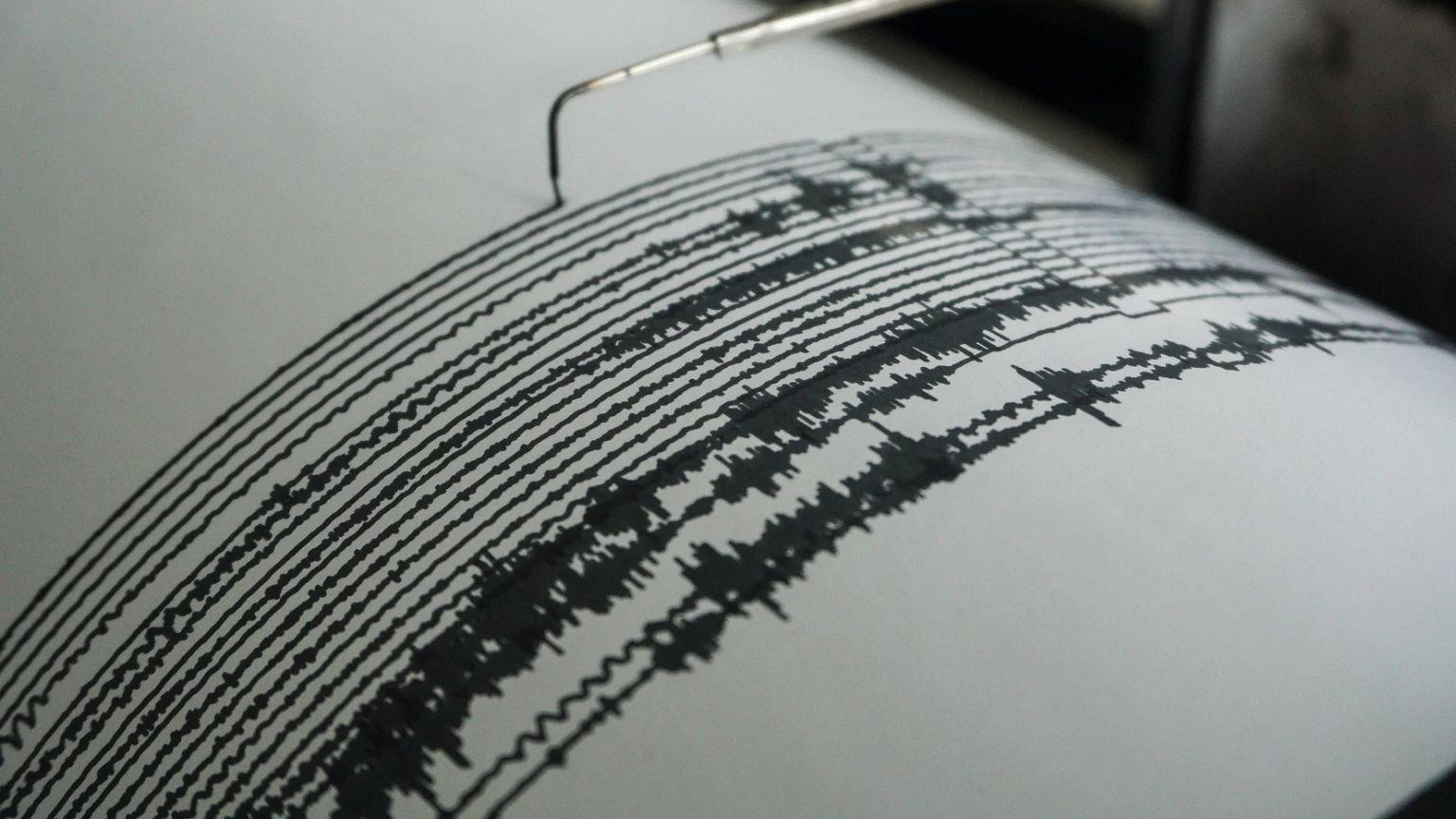

A powerful earthquake struck off the northeastern coast of Japan on Monday, triggering tsunami warnings and prompting evacuations along parts of the Pacific shoreline.
Quake hits Sanriku coast
The earthquake, measured at magnitude 7.5, occurred off the Sanriku coast at a relatively shallow depth of around 10 kilometres. Shallow quakes are typically more likely to cause stronger ground shaking at the surface.
Tremors were felt across a wide area, including parts of northern Honshu and Hokkaido. Authorities moved quickly to assess the situation as emergency protocols were activated.
Tsunami alerts and evacuations
Following the quake, tsunami warnings were issued for coastal regions. Initial waves of around 80 centimetres were recorded in some locations, with officials warning that larger waves of up to three metres could follow.
Residents in vulnerable coastal zones were ordered to evacuate to higher ground. Local authorities urged people to stay away from the shoreline and river mouths, where tsunami surges can travel inland.
Transport services were also affected. Some bullet train operations were suspended as a precaution while safety checks were carried out.
Early reports show limited damage
Initial reports did not indicate major damage or confirmed casualties. Officials cautioned that assessments were ongoing and that the situation could change as more information becomes available.
There were no immediate reports of issues at nuclear facilities in the affected region, a key concern in the aftermath of strong earthquakes in Japan.
Ongoing risks and response
The government established an emergency response task force to coordinate actions and monitor developments. Authorities warned that aftershocks are likely in the coming days and could pose additional risks.
Japan is one of the most earthquake-prone countries in the world, and its infrastructure is designed to withstand seismic activity. Even so, officials continue to stress caution following significant offshore quakes due to the potential for tsunamis and secondary hazards.
Residents have been advised to follow official guidance, remain alert for updates, and avoid returning to coastal areas until warnings are lifted.
Situation still developing
While early indications suggest the impact may be limited, the situation remains fluid. Authorities continue to monitor sea levels and seismic activity closely, with further updates expected as assessments continue.
Join the discussion? 
Already a member? 
 Adapted by ASEAN Now. Source20 April 2026
Recommended Comments
Create an account or sign in to comment