




Medicare drug coverage subsidies introduced during the Biden administration are set to end at the close of this year, raising concerns that higher premiums will fall on millions of seniors and undercut the Trump White House’s wider message about lowering drug costs.
The Centers for Medicare and Medicaid Services (CMS) said the Medicare Part D subsidy programme will not be offered in 2027. Advocacy groups and policy organisations warned that removing the extra premium support could increase monthly costs for people enrolled in Medicare plans that rely on the subsidy.
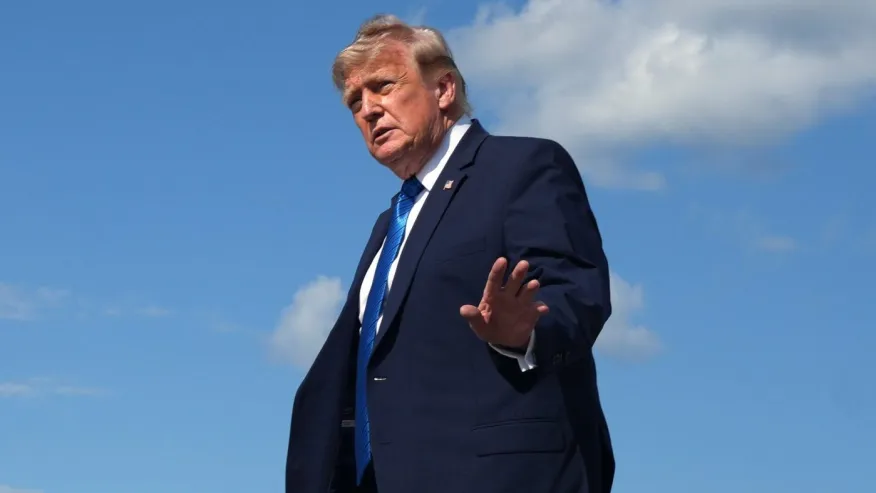
The decision comes as President Donald Trump has promoted steps aimed at improving access to cheaper medicines, including the TrumpRx platform and “most-favored-nation” style deals with drug companies.
Part D Subsidies Due to Stop
Medicare Part D is optional coverage that helps pay for brand-name and generic prescription drugs. It is sold through private insurers either as a stand-alone plan or as part of a Medicare Advantage package that includes drug benefits.
CMS said the Biden-era subsidies for Part D will expire at the end of the year and will not be renewed for 2027. The agency made the announcement after the programme was restructured by the Biden administration, which included a $2,000 annual cap on out-of-pocket prescription drug spending and allowed Medicare to negotiate prices for certain high-cost drugs.
The Part D subsidy programme was created in 2024 as a response to the effects of the 2022 Inflation Reduction Act. CMS said at the time that the measure could last for at least three years. It is now ending a year early, with the change landing just months ahead of midterm elections in which affordability has been a leading issue.
Bids, Costs and Upcoming Estimates
CMS said it would publish updated monthly cost estimates for Part D coverage between mid- and late September.
For 2027, the agency estimated the national average monthly bid amount—described as the cost per patient for insurers—at $296.05. That would be up from $239.27 in the previous year.
CMS Administrator Mehmet Oz also posted on social media that the Biden administration provided “BILLIONS of taxpayer money” directly to insurers, calling that “unacceptable”. Oz argued that the end of the subsidy support would mean premium increases of less than $10 for most people, while some beneficiaries would see lower premiums.
A report by the Government Accountability Office said the programme cost a total of $9.8 billion across 2025 and 2026. In 2025, about 23 million people were enrolled in stand-alone Medicare Part D drug plans.
Criticism From Advocacy Groups and White House Reply
Healthcare and policy groups disputed the claim that the removal would be limited in impact. Juliette Cubanski, vice president and director of the Program on Medicare Policy at KFF, said the end of the subsidies could move in the opposite direction from efforts to reduce drug costs, because it may translate into higher premiums for millions of beneficiaries.
Cubanski said the subsidy had made a measurable difference. In 2026, she said the average premium reduction attributable to the programme was $16 a month, adding that the figure should be compared with average stand-alone plan premiums, which she said were $36 a month this year.
Leslie Dach, founder and chair of Protect Our Care, said any savings would be incremental while the effect on Medicare patients would be significant. David Lipschutz, co-director of the Center for Medicare Advocacy, said CMS had not provided a clear justification for ending the programme now, pointing to concerns that it has the effect of supporting enrolment in Medicare Advantage plans. He also said Medicare Advantage can cost the Medicare programme more overall.
When asked for comment, the White House referred to Oz’s social media posts. A CMS spokesperson said the subsidies were intended to be temporary and argued that plan bids had stabilised. The spokesperson said that, among roughly a quarter of Medicare beneficiaries affected by the previous demonstration, more than 85% would have access to a Part D plan that was either lower cost or would involve less than a $10 increase next year, adding that for most beneficiaries premiums would decline, remain flat, or rise by less than $10.
Join the discussion? 

3 August 2026
-
 1
1
-
 1
1
Recommended Comments
Create an account or sign in to comment