



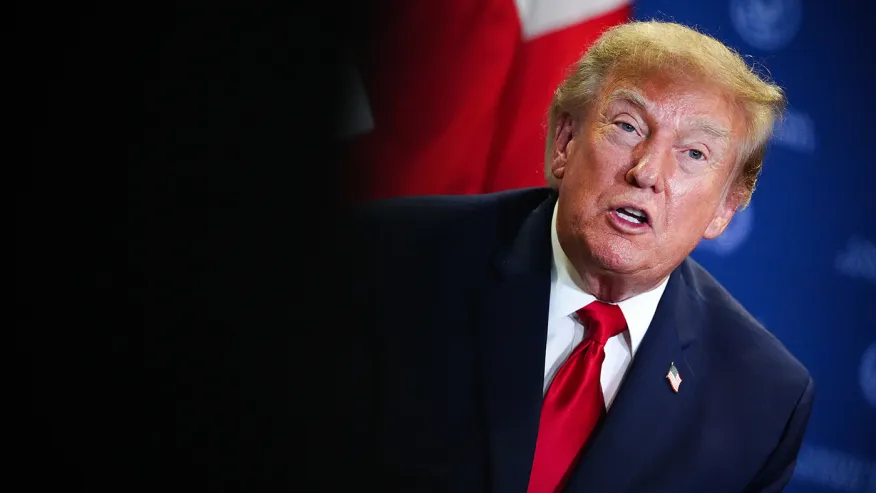

Tensions between the United States and Cuba have risen again after President Donald Trump told world leaders at the UN General Assembly that his administration is seeking “fundamental change” in Cuba and said “freedom will be coming to Cuba”.
The Trump administration has not withdrawn threats about the possibility of military intervention. Cuban officials were asked this week about the issue after a CBS News report described planning documents that officials said referred to sending Army Reserve staff to support Southern Command, the Pentagon unit focused on the Caribbean.
At the UN meeting, Cuban officials rejected Trump’s characterisation of their country and criticised US sanctions measures they say have worsened daily life on the island. Speaking on Saturday, Cuba’s Foreign Minister Bruno Rodríguez Parrilla denounced Trump for calling Cuba a “failed state”, while also arguing the US had imposed steps such as a fuel blockade and secondary sanctions.
“Why did they have to impose a fuel blockade? Why did they impose secondary sanctions? Why do they have to threaten, persecute and exert pressures on other states?” Rodríguez Parrilla said during his speech.
Fuel Blockade, Sanctions And Cuba’s Power Crisis
Cuba’s government has said the US blockade has choked off oil supplies and left the island’s electricity system largely unable to function. According to reporting cited in the article, power is available for only an hour or two each day.
The UN coordinator for Cuba, Francisco Pichón, told The New York Times earlier this month that shipping companies carrying goods not covered by sanctions, including food and medical supplies, were showing signs of “over-compliance”, limiting deliveries out of fear of violating US sanctions rules.
Cuba has also implemented economic changes that US officials had long urged, including steps to open the economy to foreign investment. However, Rodríguez Parrilla and other officials said new sanctions introduced by the Trump administration are still aimed at undermining Cuba’s political leadership.
Trump’s UN Remarks And Claims About Subversion
During the UN General Assembly, Trump referenced Secretary of State Marco Rubio, who is Cuban American, saying he would “someday in the near future drop him off in the middle of Cuba”. Trump also gave pointed remarks about Cuba during his address.
He said his administration is seeking “fundamental change” because the communist government is under “the biggest pressure they’ve ever been under”, and he asserted that the regime “will fall”. He also accused Cuba of maintaining claims it has long denied, and alleged without evidence that Cuba has “cultivated ties” to what he described as subversive groups including the Communist Party USA, antifa and the Democratic Socialists of America.
Rodríguez Parrilla rejected the idea that Cuba poses a threat to the US and denied involvement in US domestic affairs in an interview with NBC News, while arguing that a small developing country could not plausibly endanger a major nuclear and military power. He also said Cuba was preparing for any scenario and has adopted measures to increase its defensive capability with participation from the public.
Cuba’s Economic Reforms Under Pressure From Sanctions
In June, Cuba announced a package of 176 economic reforms that included major changes intended to expand private activity and facilitate foreign investment. The measures reduced the number of industries in which the private sector cannot operate and removed a cap set at 100 on the number of employees that private businesses could hire.
Still, the reforms’ impact and durability were under scrutiny. Ricardo Torres, a Cuban economist, said the timing is difficult: many proposals had been discussed for years, but Cuba adopted them only after the worsening of the crisis linked to an oil embargo and US executive orders. He argued that sanctions relief would likely be needed to attract capital and that foreign investment would remain limited under continuing restrictions.
Cuba’s President Miguel Díaz-Canel described the reforms as “necessary” while also calling them a concession. He said in an interview with Brazilian newspaper Folha de S.Paulo that expanding the private sector is not an ideal of socialism, and he argued that the communist party still retains the backing of the people. Torres said the position amounted to a contradiction, arguing that portraying reforms as a concession suggests the government is not fully committed.
For months, US and Cuban officials have been engaged in negotiations, including secret meetings in February in St Kitts. Both sides have kept details largely private, and Rodríguez Parrilla told NBC that the talks had not produced meaningful progress.
Join the discussion? 

29 September 2026
Recommended Comments
Create an account or sign in to comment