



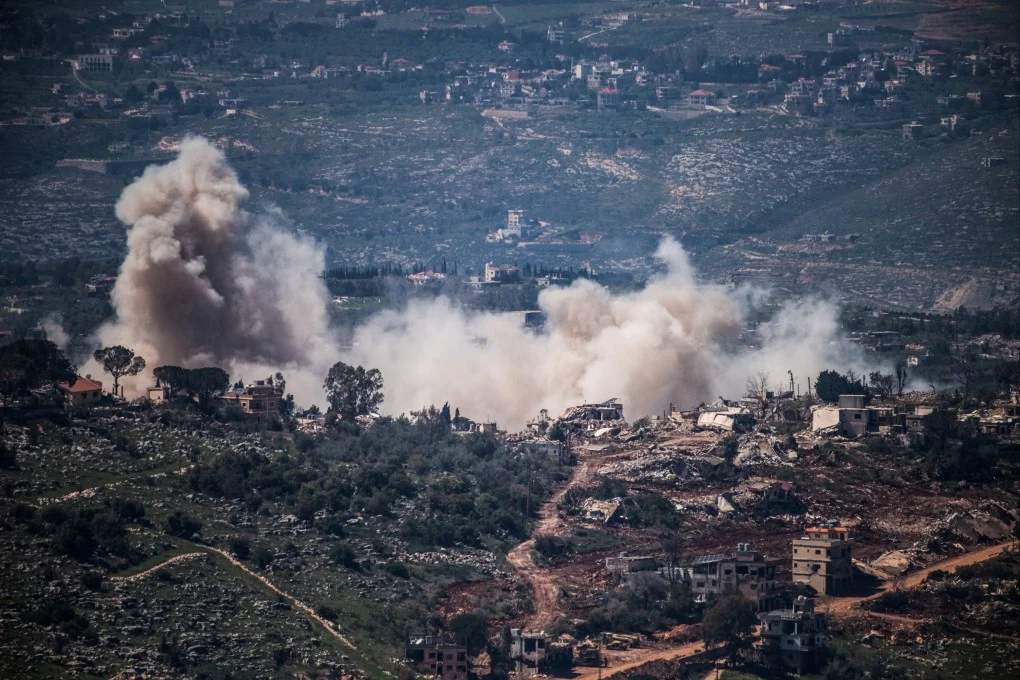

The administration of Donald Trump will host Lebanese and Israeli representatives at the White House on Thursday for a new round of discussions aimed at extending a fragile ceasefire between the two sides. Officials in Lebanon plan to request a one-month extension of the truce, which was brokered by the United States and is scheduled to expire on Sunday. The ceasefire followed weeks of hostilities between Israel and the Iran-backed militant group Hezbollah.
The talks come as Washington seeks to stabilise tensions on the Lebanese front while broader efforts to negotiate an end to the regional conflict with Iran remain stalled.
Get today's headlines by email 
Talks Move to the White House
The meeting was initially expected to take place at the US State Department, following an earlier round of negotiations last week led by Secretary of State Marco Rubio. However, the venue was moved to the White House, where Trump will personally greet the delegations.
According to a US official speaking on condition of anonymity, the president plans to welcome the envoys upon their arrival.
Both Israel and Lebanon will be represented by their ambassadors in Washington. In addition, the US ambassador to Israel, Mike Huckabee, will participate in the discussions — an addition to the negotiating team compared with the previous round.
Lebanon Seeks Ceasefire Extension
Lebanese officials say they will formally ask for the ceasefire to be prolonged for another month. The extension request includes maintaining a halt to attacks on civilian infrastructure and populated areas.
Lebanese President Joseph Aoun said the extension should also ensure an end to the destruction of homes and strikes affecting civilians, places of worship, journalists and the medical and education sectors.
A Lebanese official confirmed that Beirut intends to propose a one-month continuation of the current truce.
Aoun also expressed hope of visiting Washington to meet Trump in person. However, he rejected suggestions that he planned to hold a telephone conversation with Israeli Prime Minister Benjamin Netanyahu, contradicting an earlier statement by Trump.
Israel and Lebanon have technically remained in a state of war for decades and have rarely held direct talks. The current negotiations represent one of the most direct diplomatic contacts between the two sides since 1993.
Violence Continues Despite Truce
Hostilities have continued even as negotiations proceed. Israeli strikes killed five people in Lebanon on Wednesday, according to local authorities.
Lebanon’s state-run news agency reported that an Israeli drone strike on Thursday targeted a vehicle near Nabatieh, about 35 kilometres north of the Israeli border.
Under the terms of the ceasefire, Israel says it retains the right to strike against threats it considers imminent.
Hezbollah said it had carried out at least two attacks on Israeli troops in southern Lebanon and claimed it had targeted an Israeli reconnaissance drone. The group described the operations as retaliation for what it called Israeli violations of the ceasefire.
Among those killed in Wednesday’s strikes was Lebanese journalist Amal Khalil.
Israeli forces have also established a security zone extending roughly 10 kilometres inside southern Lebanon, taking control of several villages near the border.
Israeli Foreign Minister Gideon Saar said Hezbollah remained the primary barrier to normal relations between the two countries.
Wider Regional Tensions
The ceasefire negotiations are taking place against the backdrop of wider regional tensions involving Iran and the United States.
Tehran had previously called for a truce in Lebanon as a condition for resuming negotiations with Washington over ending weeks of fighting in the region. However, Iran declined to attend a second round of talks with the United States this week, citing a continuing US naval blockade.
Despite the impasse, Trump has said the truce with Iran would be extended indefinitely.
Join the discussion? 
Already a member? 
 Adapted by ASEAN Now. Source 24 April 2026
Recommended Comments
Create an account or sign in to comment