



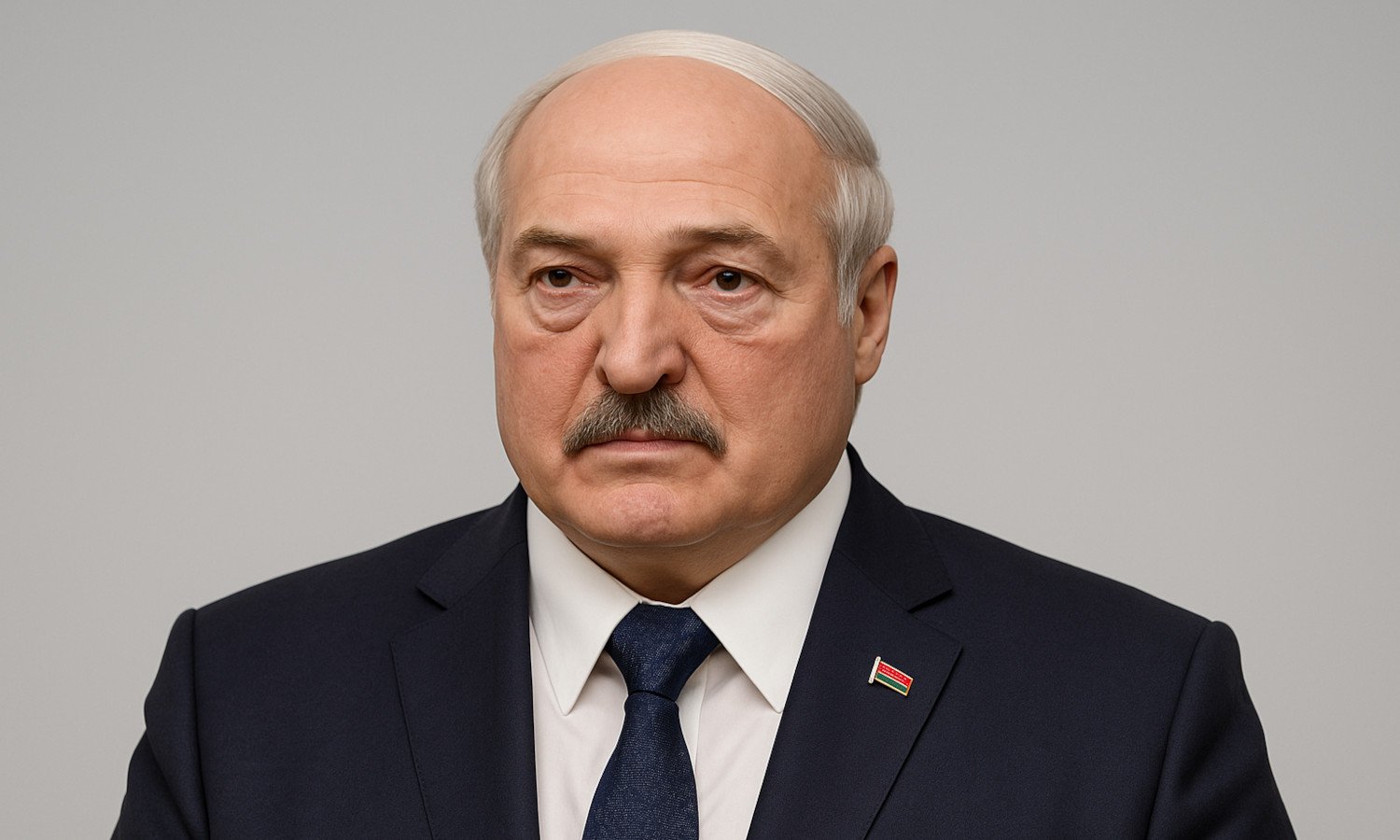

Belarusian President Alexander Lukashenko appears to be emerging from years of Western isolation as U.S. President Donald Trump moves to improve relations with one of Russia’s closest allies.
Get today's headlines by email 
Earlier this month, Trump publicly thanked Lukashenko for his role in securing the release of political prisoners from Belarusian custody, praising his “cooperation and friendship.” Washington has also gradually eased some sanctions on Belarusian state institutions and companies that were imposed after Belarus supported Russia’s 2022 invasion of Ukraine by allowing its territory to be used as a staging ground.
Lukashenko has responded positively, expressing hopes for a broader agreement with the United States and signaling interest in closer engagement with the Trump administration.
Opposition Figures Voice Concern
For many Belarusians, however, Lukashenko remains a deeply controversial figure. In power since 1994, he has been widely accused of suppressing political opposition, restricting independent media and overseeing extensive human rights abuses.
His government launched a sweeping crackdown after the disputed 2020 presidential election, which official results said he won with more than 80% of the vote. The election was widely viewed by critics and Western governments as fraudulent. Large-scale protests were followed by arrests, prosecutions and the imprisonment or exile of opposition figures.
Former Belarusian diplomat Pavel Slunkin said repression in Belarus has reached unprecedented levels in recent years. Meanwhile, Franak Viacorka, an adviser to exiled opposition leader Sviatlana Tsikhanouskaya, described Trump’s praise of Lukashenko as difficult to hear, though he acknowledged that prisoner releases had come at a diplomatic price.
Around 250 prisoners were released in March as part of efforts that coincided with the easing of certain U.S. sanctions. Nevertheless, according to a recent report by the United Nations, at least 1,131 people remain imprisoned on politically motivated charges.
Balancing Between Washington and Moscow
Lukashenko remains heavily dependent on Russian President Vladimir Putin, whom he has repeatedly described as a close ally. Belarus relies extensively on Russia economically and has allowed Moscow to station tactical nuclear weapons on its territory. The two countries also conducted joint nuclear-force exercises this month.
Despite warming ties with Washington, Belarus has continued military preparations. State media recently reported that Lukashenko ordered a selective mobilization exercise to improve military readiness. Ukrainian President Volodymyr Zelenskyy has warned of unusual activity along Ukraine’s northern border with Belarus, although Lukashenko has denied plans to become directly involved in the war unless Belarus itself is attacked.
Some analysts have suggested that improved U.S.-Belarus relations could give Washington additional leverage in efforts to end the war in Ukraine. However, U.S. officials have said engagement with Belarus is separate from ongoing negotiations related to the conflict.
Search for International Legitimacy
Analysts say Lukashenko has long sought recognition from Western leaders while maintaining firm control at home. Previous attempts by Western governments to encourage reforms through engagement produced limited results and failed to significantly reduce Belarus’ dependence on Russia.
For Lukashenko, a future meeting with Trump at the White House or at Mar-a-Lago would represent a major diplomatic achievement. During a visit to Minsk in September, Trump envoy John Coale reportedly presented Lukashenko with White House-themed cuff links, a gesture viewed by some observers as symbolic of the improving relationship.
Opposition figures argue that such recognition would provide Lukashenko with the international legitimacy he has sought throughout his three decades in power, even as concerns over political repression in Belarus persist.
Join the discussion? 
Already a member? 
 Adapted by ASEAN Now. Source 31 May 2026
-
 1
1
Recommended Comments
Create an account or sign in to comment