



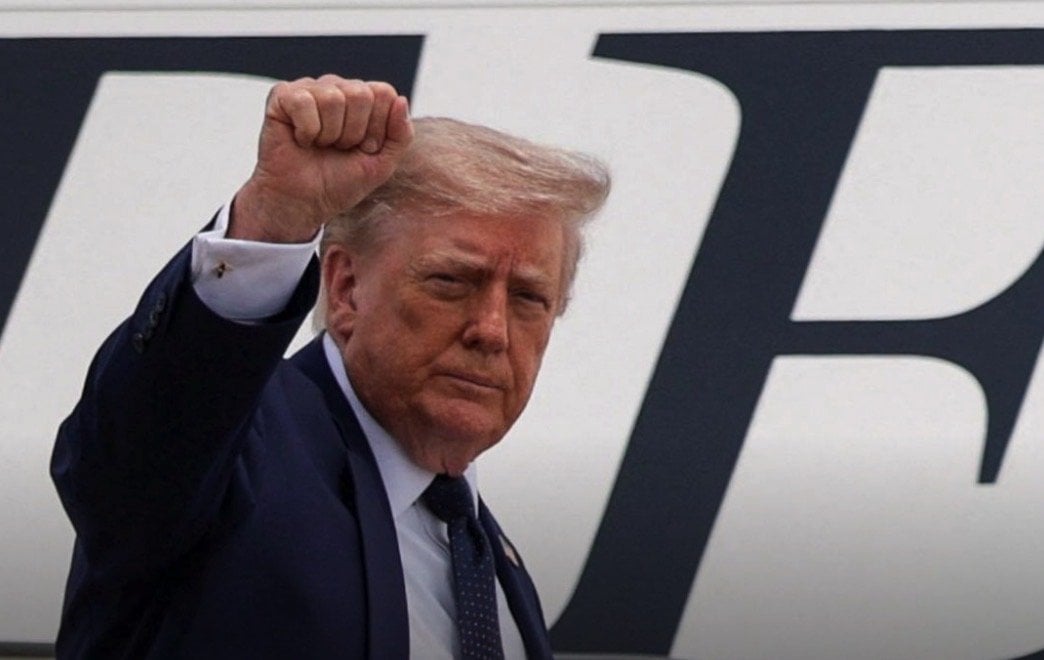

President Donald Trump warned Iran it would "pay" after three American service members were killed over the weekend, as U.S. forces continued military operations against Iran despite ongoing diplomatic efforts to end the conflict.
Trump announced "major combat operations" against Iran on Feb. 28, when the United States and Israel launched large-scale strikes targeting Iranian military, government and infrastructure sites.
Delegations from the United States and Iran later opened negotiations in June in an effort to reach a peace agreement based on a memorandum of understanding signed by both sides. However, the talks have failed to halt hostilities, with both countries continuing to exchange strikes and the Strait of Hormuz remaining the main flashpoint.
US launches new strikes
At 4 p.m. ET on Monday, the United States carried out another round of strikes against Iran, marking the 10th consecutive day of military operations.
U.S. Central Command (CENTCOM) said the attacks were intended to further weaken Iranian military capabilities used in attacks on commercial shipping in the Strait of Hormuz.
Jordan's armed forces said they intercepted three Iranian missiles, according to state television.
Trump issues warning
Responding to the deaths of the three U.S. service members, Trump said Iran would face severe consequences.
"Every time Iran kills an American Soldier they will pay for that killing many times over!" he wrote on Monday.
Trump did not say whether he was referring to additional military action beyond the strikes already underway.
He added that he had issued a directive to Defense Secretary Pete Hegseth, Chairman of the Joint Chiefs of Staff Gen. Dan Caine and other military leaders, but did not disclose its contents.
Lebanon remains diplomatic focus
Lebanese President Joseph Aoun is scheduled to meet Trump at the White House on Tuesday in his first face-to-face meeting with the U.S. president, a White House official confirmed.
Washington has sought to keep Lebanon separate from the conflict with Iran. Trump said in April that any agreement with Tehran was "not in any way tied to Lebanon," although Iran has maintained that Lebanon remains an important issue in negotiations.
Last month's memorandum of understanding included provisions to end military operations, including in Lebanon, but the agreement later collapsed. Nevertheless, U.S.-brokered talks between Lebanon and Israel took place in Rome last week, with a State Department official describing them as "productive and positive."
Aoun met Secretary of State Marco Rubio on Sunday. The State Department said on Monday that pilot operations under the framework agreement had begun in three Lebanese villages.
According to Aoun's office, the Lebanese president will use Tuesday's meeting to press for strengthening the ceasefire, restoring security and stability, and securing the withdrawal of Israeli forces.
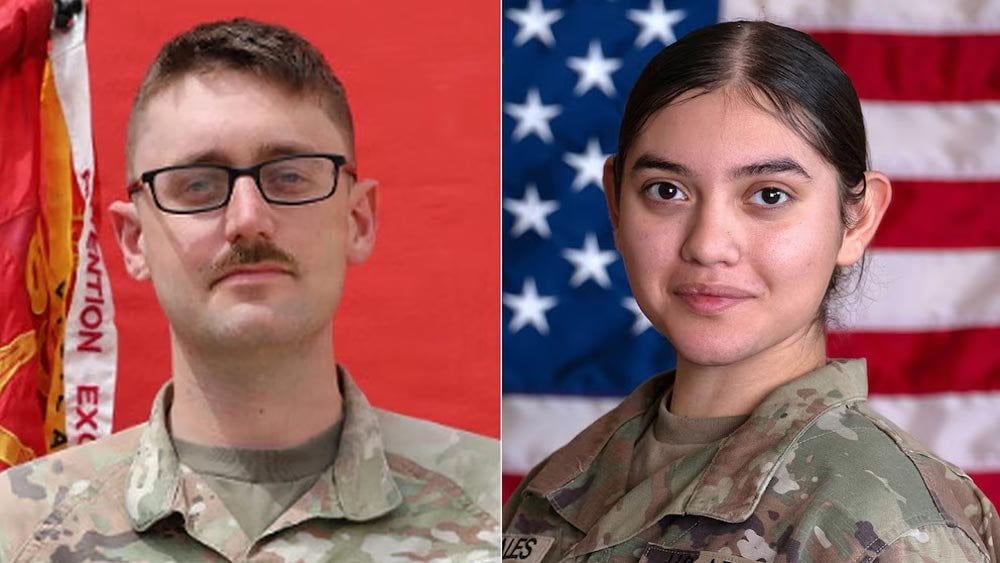
The Pentagon on Monday identified the two U.S. service members killed in Friday's Iranian missile and drone attack on Muwaffaq Salti Air Base in Jordan.
Join the discussion? 

21 July 2026
-
 1
1
Recommended Comments
Create an account or sign in to comment