



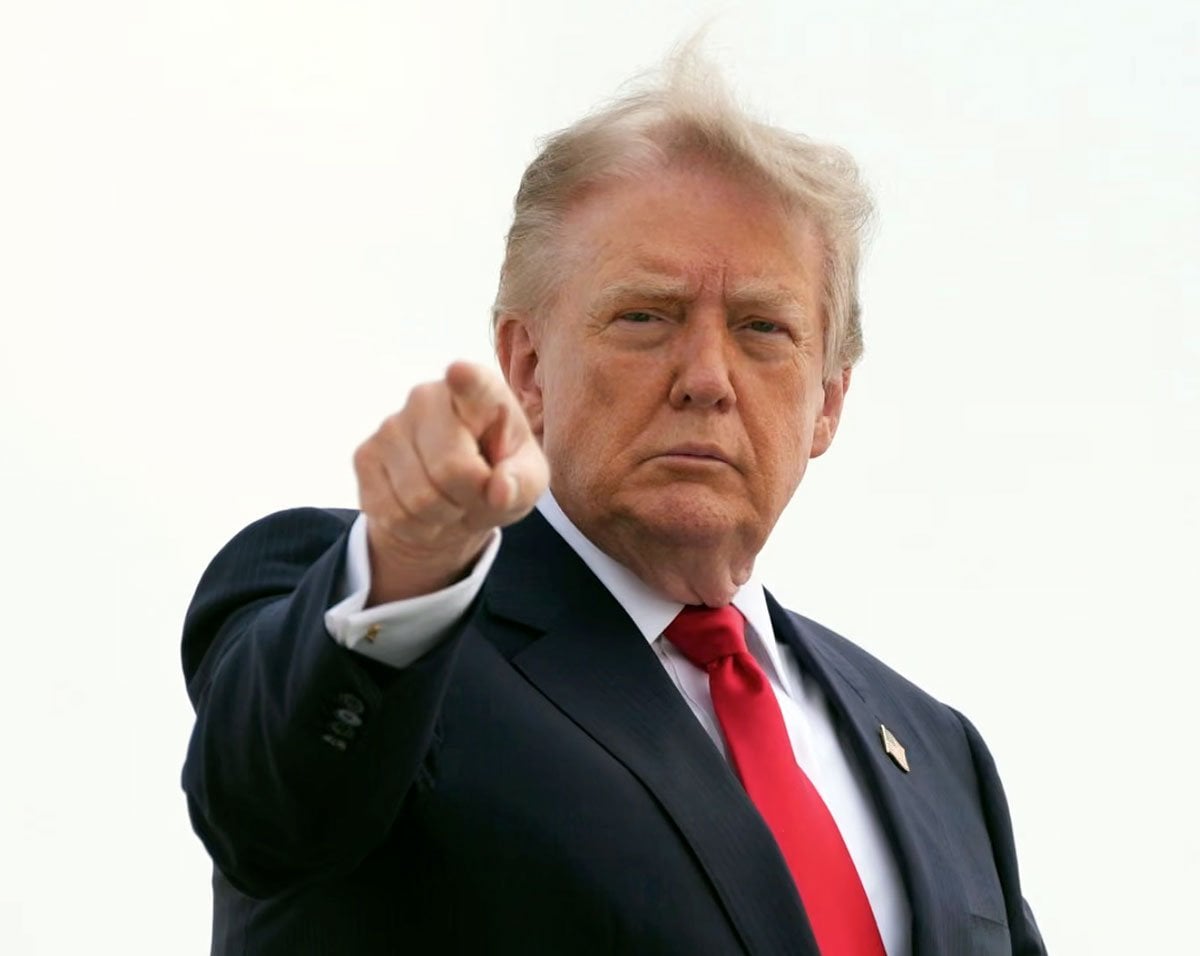

US President Donald Trump has warned that the United States will return to "very strong military action" against Iran if ongoing diplomatic efforts fail to produce a rapid breakthrough.
Trump Sets Deadline for Diplomacy
Speaking to Axios on Monday, Trump said Washington was engaged in intensive discussions with Tehran but stressed that negotiations had limited time to succeed. "We are in very deep talks with Iran. If they don't work out, we will go back to very strong military action," he said. Asked how long he would allow negotiations to continue, Trump replied: "Not much time. Either it goes fast or not at all."
He repeated the message to reporters aboard Air Force One, saying Iran had sought talks only because of sustained US military pressure. At a campaign rally in Michigan later the same day, Trump said negotiations were currently "very friendly" but warned the US would use force if necessary.
Tehran Rejects Claims of Direct Talks
Iran, however, denied that direct negotiations with the United States were taking place.
Foreign ministry spokesperson Esmaeil Baqaei said mediators continued to pass messages between the two sides but insisted Tehran was not engaged in direct discussions with Washington over the conflict, which began in late February following a series of US-Israeli strikes.
The differing accounts came as Iran and Oman continued discussions on the future management of the Strait of Hormuz. Although the two countries reportedly moved closer to a broad understanding, they remain divided over Iran's proposal to charge transit fees for ships using the strategically important waterway.
Hormuz Negotiations Continue
Technical talks between Iranian and Omani officials took place in Tehran on Friday and Saturday. Diplomats believe progress in those discussions, supported by China, Qatar and Pakistan, contributed to Washington's decision to pause military operations after nearly two weeks of strikes.
According to reports, senior US officials also cautioned Trump about shrinking munitions supplies and the risks posed by Iranian retaliation against American bases in the region, including facilities in Kuwait and Jordan. The top US military commander in the Middle East, Adm Brad Cooper, reportedly advised ending the bombing campaign around the Strait of Hormuz after concluding it had reached the limits of its effectiveness.
Washington has said its military campaign responded to repeated Iranian violations of a memorandum of understanding signed in June, including attempts to restrict commercial shipping using a southern route protected by the United States. Iran rejects that interpretation, arguing the southern route breaches the ceasefire arrangement and that Tehran retains primary authority over reopening the strait.
Dispute Over Shipping Fees
Oman has been seeking to persuade Iran to adopt a voluntary contribution system similar to the one used in the Strait of Malacca, where users help fund environmental and navigational services. The proposal would require international backing, including from the United Nations and the International Maritime Organization.
Iran has instead developed a plan allowing it to collect fees from vessels based on factors such as ship type, cargo, navigation history and environmental impact. Iranian officials argue the heavy volume of shipping through the Strait of Hormuz justifies compensation for pollution and other costs.
Baqaei described the talks with Oman as constructive but said they were unrelated to US diplomacy. He said the discussions were intended to create mechanisms for safe navigation while protecting the rights and security interests of the two coastal states.
Meanwhile, the United States has continued encouraging commercial vessels to test the Iranian blockade. Iranian officials said six ships with disabled navigation systems attempted to use the southern route on Sunday. They said one vessel came under fire while the others turned back.
The United Nations Office for Project Services reported that shipping through the Strait of Hormuz has fallen sharply, averaging about five vessels a day over the past week, compared with almost 130 daily before the conflict began.
Join the discussion? 

28 July 2026
Recommended Comments
Create an account or sign in to comment