



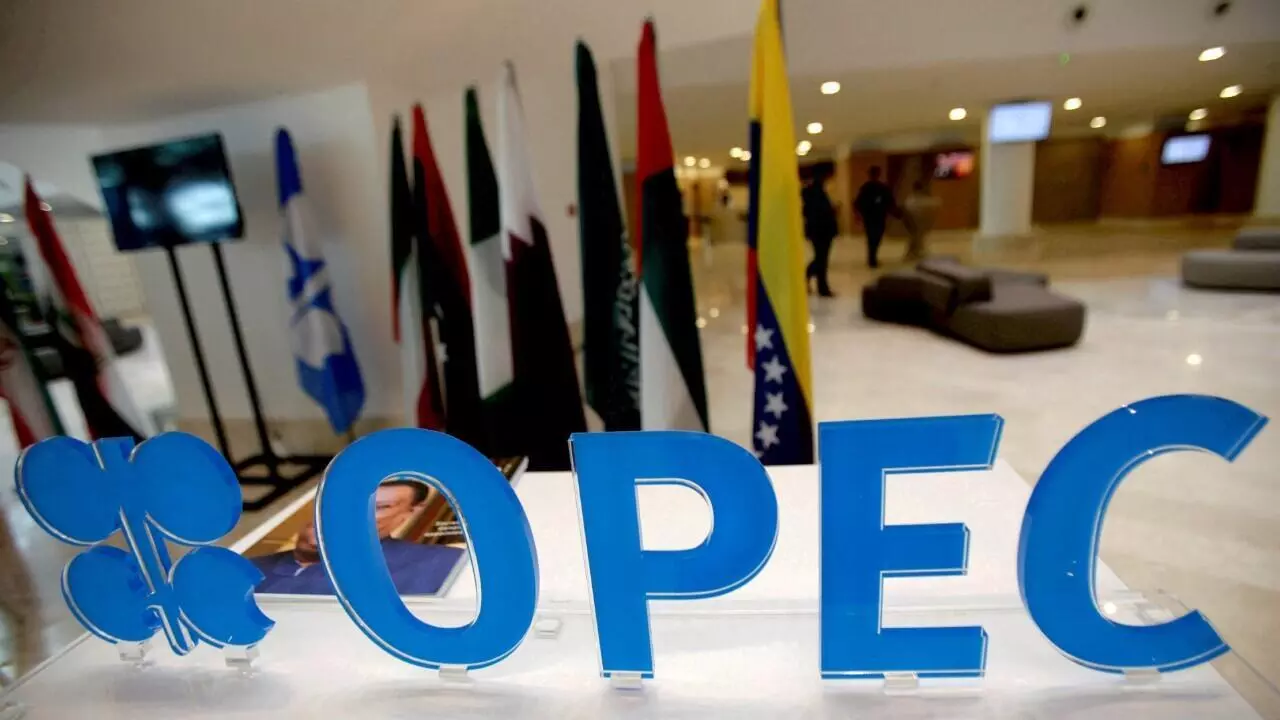

The Organization of the Petroleum Exporting Countries (OPEC) faces a significant setback after the United Arab Emirates announced it will leave the oil producers’ group, highlighting growing tensions among Gulf states during the ongoing conflict involving Iran.
Get today's headlines by email 
The decision, confirmed on Tuesday, ends the UAE’s longstanding membership in OPEC and its broader alliance known as OPEC+. Analysts say the move could undermine the group’s ability to maintain unity at a time when the global energy market is already strained.
UAE Energy Minister Suhail Mohamed al-Mazrouei said the withdrawal followed a review of the country’s long-term energy policies and production strategy.
“This is a policy decision,” he told Reuters. “It has been done after a careful look at current and future policies related to the level of production.”
He added that the UAE did not consult other members about the move, including OPEC’s leading producer, Saudi Arabia.
Disruptions in Gulf Energy Routes
The announcement comes during a period of severe disruption in the region’s energy trade.
Oil exporters in the Gulf have faced growing difficulties moving shipments through the Strait of Hormuz, a narrow waterway between Iran and Oman that normally handles roughly one-fifth of global crude oil and liquefied natural gas flows.
Iranian threats and attacks on vessels during the conflict have raised security risks in the area, complicating exports from Gulf producers.
Mazrouei suggested the UAE’s departure from the producer alliance would have limited impact on global markets because of the already strained conditions in the strait.
Political Fallout and US Reaction
The decision may also carry geopolitical implications.
The UAE’s exit from OPEC could be seen as a political win for US President Donald Trump, who has repeatedly criticised the organisation for driving up oil prices.
In a speech to the United Nations General Assembly in 2018, Trump accused OPEC of “ripping off the rest of the world” through high energy prices. He has also argued that Gulf states benefit from US military protection while keeping oil prices elevated.
The UAE, a key US partner and regional financial hub, has recently expressed frustration with the response of neighbouring Arab states to Iranian attacks during the conflict.
Gulf Frustration Over Security Response
Anwar Gargash, diplomatic adviser to the UAE president, criticised the reaction from regional organisations during a discussion at the Gulf Influencers Forum.
He said that while countries within the Gulf Cooperation Council provided logistical assistance, their political and military response had been historically weak.
Gargash added that the lack of a stronger stance from the Arab League was expected, but he had anticipated greater support from Gulf allies.
Strategy Shift in Global Energy Market
Mazrouei emphasised that the UAE had been a member of both OPEC and OPEC+ for many years, but argued that global demand for energy will continue to grow.
Operating outside the producer alliance will allow the UAE to pursue its own production strategy and fully utilise its capacity to supply oil.
Officials say the country can increase output of some of the world’s lowest-cost and lowest-carbon barrels, potentially improving supply flexibility in a tight market.
The departure comes at a time when global spare oil production capacity is already at historically low levels, leaving markets vulnerable to further supply disruptions.
UAE leaders argue that leaving the group could ultimately benefit consumers by supporting a more responsive and reliable global energy supply.
Join the discussion? 
Already a member? 
 Adapted by ASEAN Now. Source 28 April 2026
Recommended Comments
Create an account or sign in to comment