



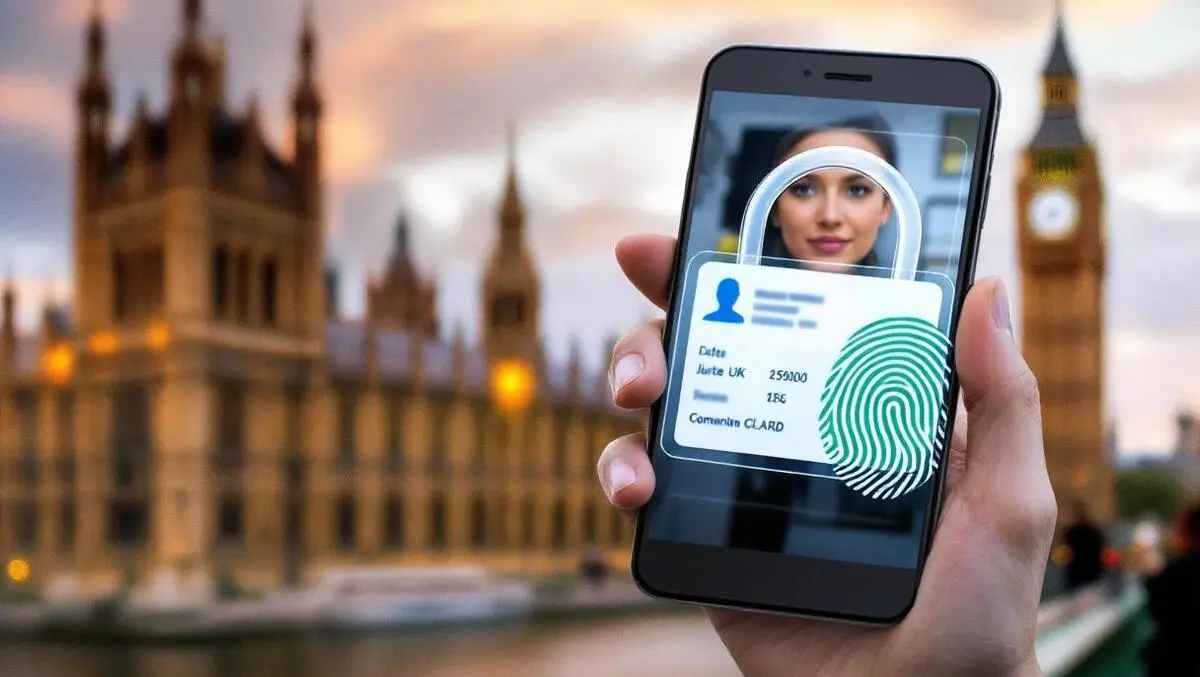

A parliamentary committee has sharply criticised the British government’s handling of plans to introduce digital identification, describing the initial rollout as “nothing short of a fiasco”.
Get today's headlines by email 
In a report examining the policy, the UK Home Affairs Select Committee said ministers failed to properly explain their intentions when the scheme was first announced, sparking public concern and political backlash.
Prime Minister Keir Starmer unveiled plans in September last year to introduce compulsory digital identification for workers. The proposal was designed in part to combat illegal employment by making identity checks easier for employers.
However, the government reversed course three months later after strong criticism from opposition politicians and civil liberties groups.
Sudden announcement sparks backlash
According to the committee’s findings, the initial announcement came as a surprise to the public and lacked sufficient detail.
Committee chair Karen Bradley said the government’s communication had created unnecessary alarm about the scope of the programme.
“The government’s early attempts to set out its plans for digital ID were nothing short of a fiasco,” she said in the report.
Bradley said the proposal appeared suddenly and left ministers unable to answer key questions about how the system would operate or how personal data would be protected. As a result, many people feared the policy could represent excessive government intrusion into private life.
She added that public opinion had previously been broadly supportive of moving away from paper documents toward digital identification but that the poorly explained rollout had unsettled voters.
Shift from mandatory to voluntary system
The government has since abandoned the idea of compulsory digital identification.
Instead, it is continuing with plans to offer a voluntary digital ID that people can store on their smartphones, similar to digital payment cards.
The app-based identification would include basic personal information such as name, nationality, date of birth, photograph and residency status. It could be used to confirm a person’s age or their right to live and work in the United Kingdom.
Ministers initially argued that digital verification could help reduce the use of fraudulent documents or borrowed National Insurance numbers by people working illegally.
But the proposal quickly attracted criticism from privacy advocates. Campaign group Big Brother Watch warned that digital identification systems could raise serious privacy concerns.
A petition submitted to UK Parliament opposing digital ID gathered around three million signatures, with critics arguing the policy risked enabling mass surveillance.
By January, the government dropped the requirement that digital IDs be mandatory.
Effort to rebuild trust
The policy was relaunched in March as a voluntary programme, with ministers presenting it as a tool to simplify access to government services.
Cabinet Office minister Darren Jones opened an eight-week public consultation and established a “people’s panel” of 100 individuals from across the country to help shape the scheme.
Bradley welcomed the decision to remove the mandatory element but said consultation should have taken place earlier rather than after the policy was relaunched.
She also welcomed assurances that the government would not create a centralised database for the digital identification system.
However, the committee warned that public trust would be crucial for the project’s success.
Bradley said digital ID could only gain widespread use if people believed their information was secure, stressing the need for strong privacy protections and cyber security standards.
“Digital ID will not achieve widespread adoption unless the majority of people can trust that their data is secure,” she said.
She added that rebuilding confidence would take time and warned that further mistakes could seriously damage public support for the programme.
Join the discussion? 
Already a member? 
 Adapted by ASEAN Now. Source 21 May 2026
Recommended Comments
Create an account or sign in to comment