



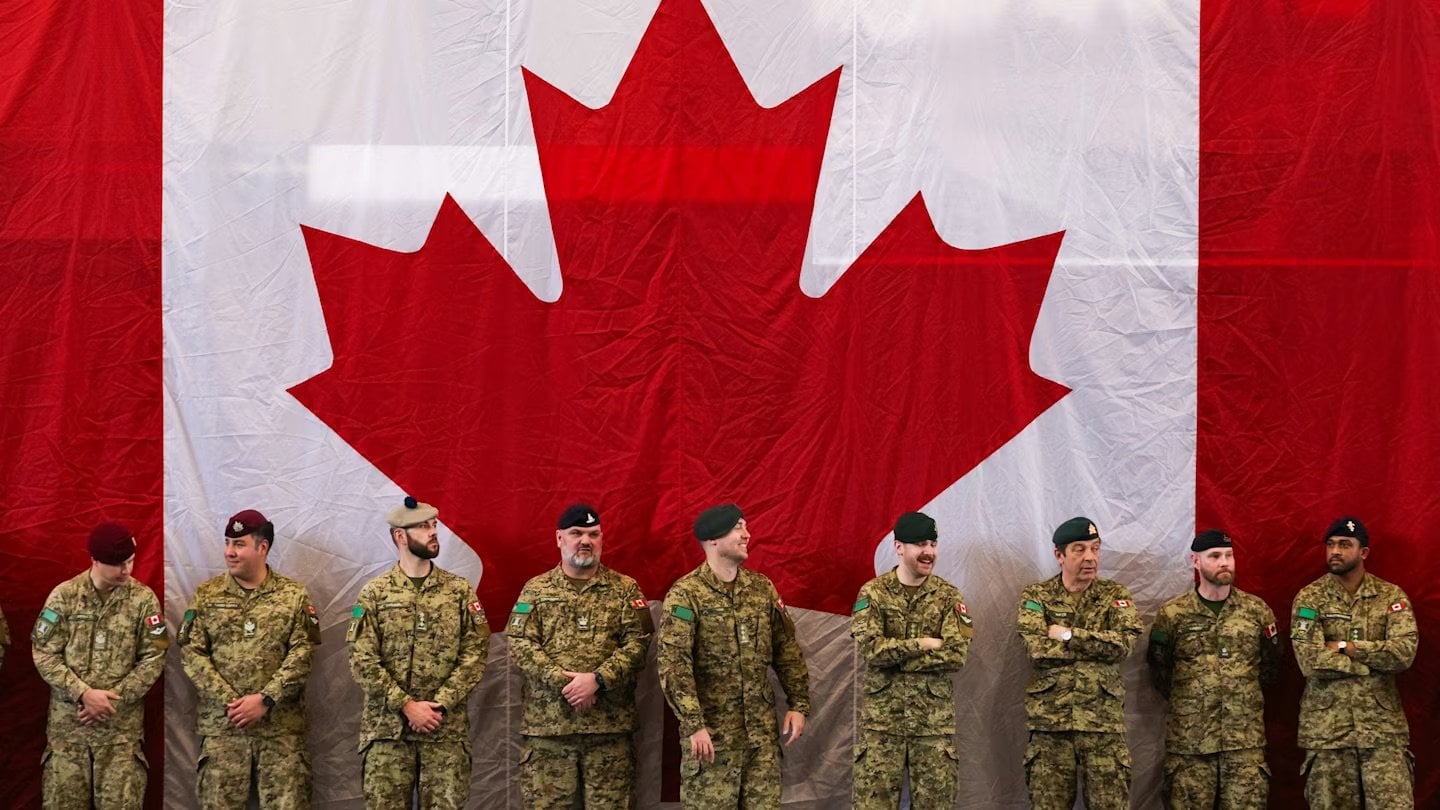

The UK government is considering whether to join a Canada-led multilateral investment bank intended to help fund defence spending by allowing countries to borrow at lower cost.
Chancellor John Healey is weighing a potential bid to become a member of the Defence, Security and Resilience Bank (DSRB), following the rejection of the idea by his predecessor, Rachel Reeves. Treasury officials said no final decision has been made, while a government spokesperson said ministers are working with international partners to expand defence industrial capacity.
Canada Leads Setup Of Defence Bank
Canada has been at the forefront of efforts to create the DSRB. Supporters say the bank would enable governments to access financing on more favourable terms, allowing them to increase military spending.
The DSRB is backed by a range of countries, including Albania, Bulgaria, Belgium, Greece, Latvia, Luxembourg, Romania, Turkey and Ukraine. Membership for the UK and other G7 countries would involve an upfront investment cost of about £870m, spread over three years.
Officials have also pointed to links with other international initiatives. The government said it is working closely with Canadian allies to ensure the Multilateral Defence Mechanism and the DSRB operate in a complementary way.
Costs And Budget Deadlines For Healey
For Healey, paying for the UK’s expanding defence commitments is a major challenge as he prepares for the Budget in October and a spending review next year.
So far, the government has avoided committing to raising defence spending to 3% of national income by 2030. Instead, it has repeated a longer-term target of 3.5% by 2035.
As defence secretary, Healey had privately pushed for the UK to join the DSRB as a way to raise additional funds. He later resigned in June, saying the Treasury was not willing to provide the resources he believed were needed to defend the country. In his resignation letter, he cited what he described as credible ways to fund extra defence spending, including working multinationally.
Ahead of that period of political and defence diplomacy, Prime Minister Andy Burnham had been due to meet Canada’s Prime Minister Mark Carney in the UK on Wednesday before commitments were cancelled after the death of Burnham’s father.
Nato Secretary General Mark Rutte is also travelling to the UK for his first meeting with the prime minister. He will speak in Oxfordshire, where he is expected to tell the UK it is serious about security and to praise UK support for Ukraine. He is also due to say Nato would not be deterred by Russia’s campaign of hostile actions, adding that Russia’s attempts to limit assistance to Ukraine would instead lead Nato countries to do more.
Security Tensions On Nato’s Eastern Flank
The latest discussions over defence financing come as security tensions persist along Nato’s eastern flank. Nato forces shot down a drone over Lithuania in the most recent incident raising concerns about risks in the region.
Denmark has also accused a Russian warship of firing two emergency flares at one of its helicopters while the helicopter was tracking the vessel in the Baltic Sea.
Join the discussion? 

16 September 2026
Recommended Comments
Create an account or sign in to comment