



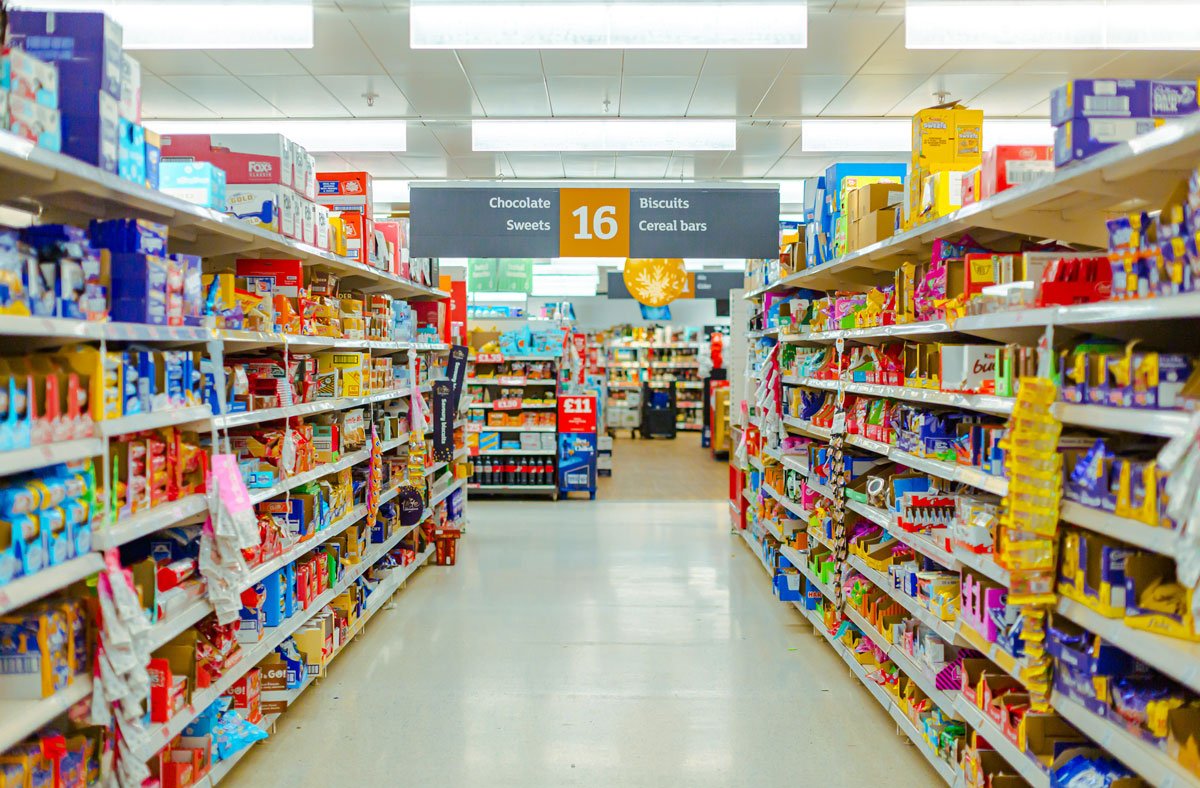

The UK government is intensifying contingency planning to guard against possible food and fuel shortages linked to the ongoing conflict involving Iran, as disruptions to global energy routes raise concerns about supply chains and economic stability.
Get today's headlines by email 
Prime Minister Keir Starmer is set to chair another meeting of a Cabinet committee on Tuesday tasked with addressing potential shortages. A separate group of ministers is meeting twice weekly to monitor supply levels and assess any emerging risks to food, fuel and other essential goods.
The preparations follow the closure of the Strait of Hormuz, a vital maritime route through which roughly one-fifth of the world’s oil and liquefied natural gas normally travels. Since the conflict began, oil prices have surged, prompting governments and businesses to evaluate the potential economic fallout.
Government Planning for Supply Disruptions
Earlier this month, officials drafted a worst-case scenario outlining possible food shortages by the summer if the conflict continues. Among the items highlighted were poultry and pork, both of which rely heavily on stable supply chains and agricultural inputs.
Authorities have also moved to reassure the public. Drivers have been encouraged to continue refuelling as normal and avoid altering travel plans, amid concerns that panic buying or behavioural changes could worsen potential supply pressures.
The contingency planning group is being led by Darren Jones, the government’s Chief Secretary to the Prime Minister. He said the UK had taken the correct decision to stay out of the fighting while taking defensive measures to safeguard national interests.
Jones said ministers were working to prepare for and reduce any domestic consequences of the conflict, including effects on the economy and security.
Economic Risks and Energy Concerns
The potential impact of the conflict has already prompted warnings from international financial institutions. The International Monetary Fund said the energy shock linked to the war could hit the UK more severely than other advanced economies.
The IMF recently lowered its forecast for UK economic growth this year to 0.8%, down from an earlier prediction of 1.3%.
Officials have also been examining risks to the supply of carbon dioxide (CO2), a gas widely used in food production and preservation. CO2 is used in processes such as animal slaughter and packaging that helps keep food fresh.
To strengthen domestic supply, the government has provided funding to restart the Ensus Bioethanol Plant, which produces CO2 as a by-product during bioethanol manufacturing.
A spokesperson for the facility said the company was confident it could continue producing CO2 to meet national demand for the foreseeable future.
Jones said shipments of jet fuel were continuing to reach the UK and that supplies of CO2 had been secured, emphasising that motorists should continue using their vehicles as usual.
Industry and Political Response
Supermarkets have been working with ministers to prepare for possible supply disruptions if the conflict persists.
The National Farmers' Union has warned that some food prices could rise in the coming weeks. It said cucumber and tomato prices may increase within six weeks, while other agricultural products such as milk could see price pressures within three to six months.
Airlines have also sought to reassure travellers, saying they are not currently experiencing shortages of jet fuel because purchases are typically made in advance and airports maintain reserves.
Opposition politicians have called for broader measures to protect consumers. The Liberal Democrats urged the government to prioritise food security legislation in the next King’s Speech and proposed a reduction in fuel duty along with lower public transport costs.
Strait of Hormuz at Centre of Dispute
Tensions remain high around the Strait of Hormuz. Iranian negotiators have said reopening the waterway would be impossible while a US naval blockade of Iranian ports continues.
US President Donald Trump has sought to pressure Iran by targeting the country’s shipping tolls through the strait and its oil revenues. Tehran has described the blockade as piracy.
Delegations from Iran were in Islamabad, Pakistan on Saturday for talks aimed at ending the conflict.
Join the discussion? 
Already a member? 
 Adapted by ASEAN Now. Source 26 April 20
Recommended Comments
Create an account or sign in to comment