




The United States is weighing the possibility of holding another round of in-person negotiations with Iran as tensions persist despite a fragile ceasefire and the start of a US naval blockade targeting Iranian ports.
Get today's headlines by email 
Officials involved in the diplomatic efforts say discussions about a potential follow-up meeting are underway, although it remains uncertain whether the talks will take place before the current ceasefire is due to expire on 21 April.
The latest developments follow a lengthy round of negotiations in Islamabad over the weekend that lasted more than 20 hours but failed to produce a breakthrough agreement between the two sides.
Preparations for possible new talks
According to officials familiar with the discussions, the administration of President Donald Trump is exploring possible dates and venues for a second meeting with Iranian representatives should indirect diplomacy through regional mediators show progress in the coming days.
These preparations are described as preliminary, with officials saying they want to be ready to convene talks quickly if conditions improve.
While the White House remains open to further negotiations, significant disagreements remain. Iranian officials have resisted several key US demands, raising doubts about whether Tehran would accept the terms proposed by Washington.
Despite the stalled negotiations, US officials say communication between the two sides has continued through intermediaries in the region.
Regional governments, including Turkey, Pakistan, Egypt and Oman, have been involved in facilitating contacts between Washington and Tehran. Another round of talks could again be hosted in cities such as Geneva, Vienna or Islamabad, officials said.
Blockade adds pressure amid ceasefire
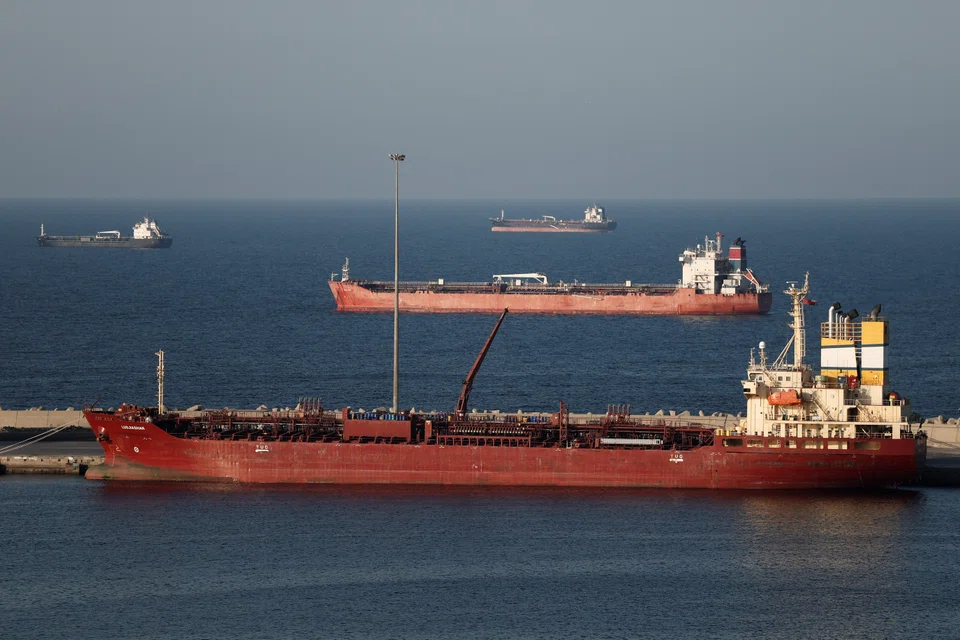
The diplomatic effort is unfolding alongside a US naval blockade aimed at restricting Iranian maritime trade.
Washington views the blockade as a way to increase pressure on Tehran following weeks of conflict that have left both countries seeking a path toward de-escalation.
President Trump said on Monday that Iran had contacted his administration earlier in the day expressing interest in reaching an agreement. He did not provide details about who initiated the contact.
Officials close to the president say the administration believes Iran’s position has weakened after weeks of fighting and economic strain. From Washington’s perspective, the blockade is intended to encourage Iran to return to negotiations with greater willingness to compromise.
However, the move also introduces new uncertainty. Analysts say it remains unclear how aggressively the United States would enforce the blockade and how Iran might respond militarily in the coming weeks.
The Strait of Hormuz, a vital route for global oil shipments, remains a central point of contention in the conflict.
Nuclear dispute remains unresolved
The most difficult issue in negotiations continues to be Iran’s nuclear programme.
US officials say Washington’s non-negotiable demands include Iran ending all uranium enrichment activities, dismantling its major enrichment facilities and accounting for more than 400 kilograms of highly enriched uranium believed to be stored underground.
These conditions have long been rejected by Tehran and were a central factor in the collapse of earlier negotiations before the conflict escalated.
During the Islamabad talks, both sides presented proposals intended to address the nuclear dispute. One proposal from US negotiators would involve Iran pausing uranium enrichment for 20 years, according to people familiar with the discussions.
Another earlier idea under consideration involved the United States supplying Iran with nuclear fuel for civilian energy needs if Tehran agreed to halt enrichment.
Iran’s foreign minister said the weekend talks had progressed constructively for much of the meeting but ultimately broke down near the final stages. In a message posted online, he accused the United States of shifting its negotiating position and introducing new demands.
Economic and energy implications
The blockade is also closely tied to the broader strategic goal of reopening the Strait of Hormuz, which has become a key objective for US policymakers during the conflict.
Iran has demonstrated its ability to disrupt shipping in the waterway using mines, drones and small attack boats, creating risks for naval forces operating in the area.
Energy analysts say the blockade could place increasing financial pressure on Iran but may take several weeks before the economic effects become severe.
Iran has been able to export additional oil in recent weeks after the United States temporarily eased some sanctions earlier in the conflict, providing Tehran with a financial buffer.
At the same time, the disruption to Iranian exports could tighten global oil supplies and push fuel prices higher, creating new economic pressures for the United States and other countries.
Officials involved in the negotiations say they still hope a diplomatic solution can be reached before the ceasefire deadline, though significant gaps between the two sides remain.
Join the discussion? 
Already a member? 
 Adapted by ASEAN Now. Source 14 April 2026
Recommended Comments
Create an account or sign in to comment