




US inflation accelerated to 3.8% in April, driven largely by rising energy costs linked to the conflict involving Iran, according to new government data.
Get today's headlines by email 
Figures from the Bureau of Labor Statistics (BLS) showed prices increased at their fastest pace since May 2023, as higher gasoline and food costs pushed the Consumer Price Index (CPI) upward. The annual rate rose from 3.3% in March.
The jump marks the highest inflation level since prices reached 4% three years ago.
Energy Costs Drive Price Surge
Nearly half of April’s increase was attributed to rising energy prices, the BLS said. Housing and food costs also contributed to the overall rise in consumer prices.
The increase comes as the conflict involving Iran and Israel has disrupted global oil markets. The effective closure of the Strait of Hormuz — a key route for global energy shipments — has pushed oil prices higher.
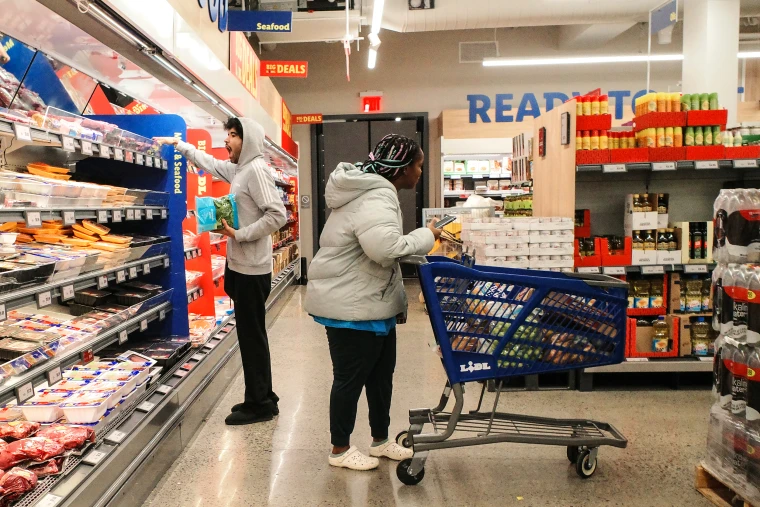
As a result, gasoline prices in the United States have surged. Data from the AAA motoring group shows the national average price for a gallon of unleaded fuel has climbed to $4.50 (£3.33), the highest level since July 2022.
Air travel has also become significantly more expensive. The price of jet fuel has risen sharply due to the shipping disruption, and US airlines — many of which do not hedge their fuel costs — have passed the increases on to passengers.
Government figures show average airfares increased by 20.7% in April compared with a year earlier.
Prices for clothing also rose during the period, while the cost of new cars declined slightly.
Pressure on Interest Rate Outlook
The rise in inflation has reduced expectations that the Federal Reserve will cut interest rates later this year.
Isaac Stell, investment manager at Wealth Club, said the data could even reopen the possibility of rate increases.
“The latest inflation increase leaves possible interest rate hikes firmly on the table,” he said.
The figures come just days before Kevin Warsh, appointed by President Donald Trump, is due to take over as chair of the Federal Reserve from Jerome Powell.
Stell said the incoming central bank chief would enter the role with “little room for manoeuvre” and may have to adopt a cautious policy stance.
Trump had previously clashed with Powell over the Fed’s reluctance to lower interest rates, arguing that cuts would support economic growth. The president has indicated he expects Warsh to pursue rate reductions.
Political Challenge Before Midterms
The inflation rise also presents a political challenge for the Republican administration ahead of November’s midterm elections.
Trump’s 2024 re-election campaign focused heavily on pledges to bring inflation down.
Responding to the latest figures on Tuesday, the president described the increase as temporary and said Americans would support his focus on preventing Iran from obtaining a nuclear weapon.
He also pointed out that inflation had been higher under his predecessor Joe Biden, when the rate peaked at 9.1% in June 2022.
Danni Hewson, head of financial analysis at AJ Bell, said fuel costs have an especially strong impact on public sentiment.
“Americans are supremely sensitive to the price of gasoline,” she said, noting that voters had backed Trump partly because of his promise to reduce living costs.
“With the midterms approaching, rising grocery bills could again become political kryptonite for the governing party,” she added.
Wage Growth Falls Behind Prices
April’s inflation data also showed that wages are no longer keeping pace with rising prices.
While consumer prices increased by 3.8% over the year to April, average pay grew by 3.6%, marking the first time in three years that wage growth has lagged inflation.
Financial markets reacted negatively to the data. US stock markets opened lower, with the S&P 500 falling 0.6% and the Dow Jones Industrial Average down 0.7%.
Join the discussion? 
Already a member? 
 Adapted by ASEAN Now. Source 13 May 2026
Recommended Comments
Create an account or sign in to comment