




Negotiators from the United States and Iran have agreed on the framework of a proposal that would extend the current ceasefire for 60 days and open talks on the future of Iran’s nuclear programme, according to US officials.
Get today's headlines by email 
The proposed agreement has not yet been approved by President Donald Trump or Iran’s leadership, the officials told the BBC.
However, reports from Tehran suggested the arrangement was not yet settled. Iran’s semi-official Tasnim News Agency cited a source close to the negotiations who said the proposal had neither been finalised nor formally confirmed.
Ceasefire remains fragile
The developments come after several days of renewed tensions between the two countries, which have accused each other of violating the ceasefire.
Iran’s Islamic Revolutionary Guard Corps said it had targeted a US military base in the region following overnight American strikes on Iranian targets.
On Wednesday, Iranian state media published what it described as elements of an unofficial 14-point memorandum of understanding. The reported draft included provisions for lifting Washington’s naval blockade of Iranian ports, withdrawing US forces from areas near Iran, and restoring non-military shipping through the Strait of Hormuz under joint Iranian and Omani management.
The White House rejected the reported document, calling it a “complete fabrication”.
Shipping and sanctions at centre of talks
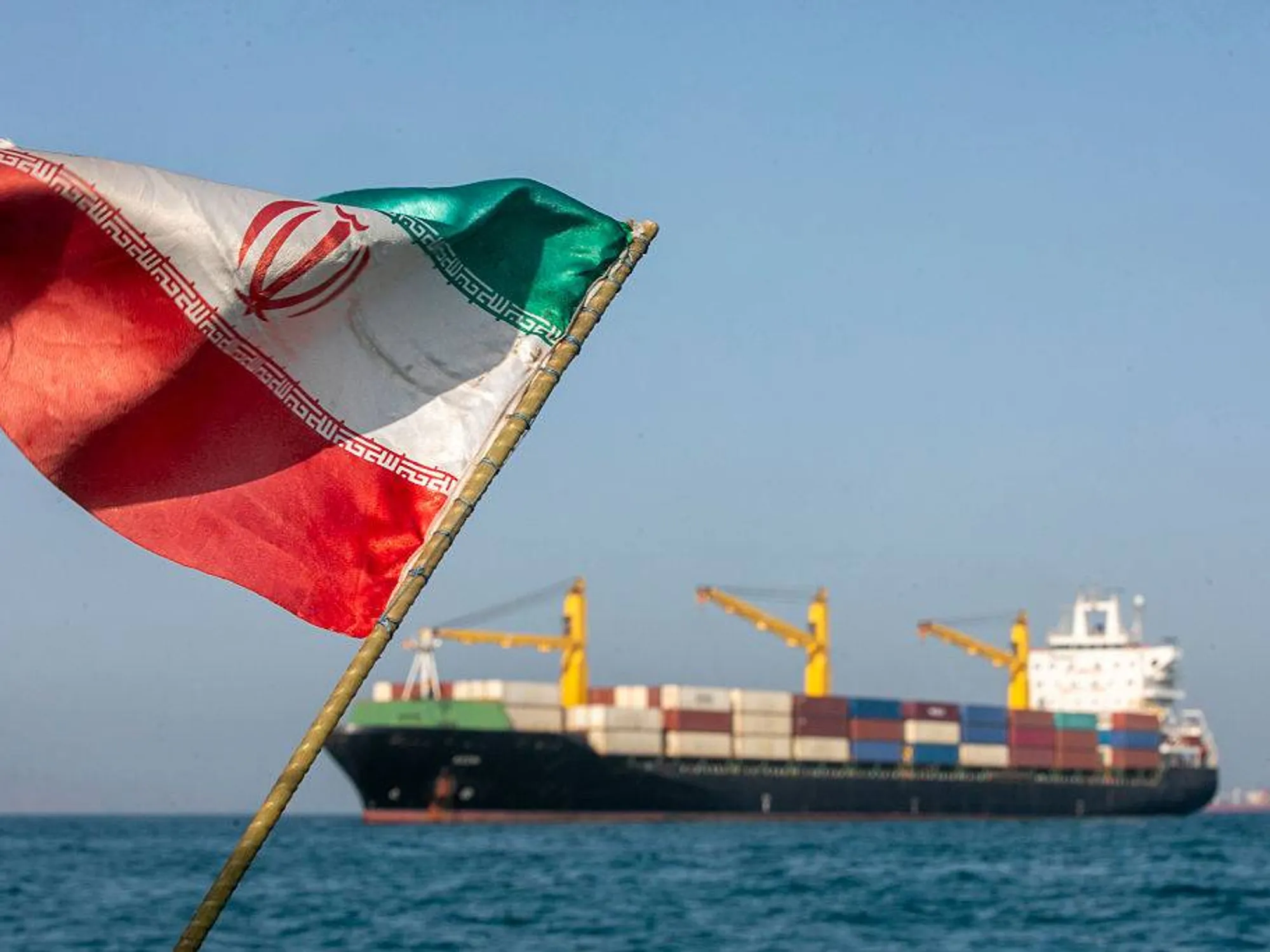
The Strait of Hormuz remains a key issue in the negotiations. Around one-fifth of global oil and liquefied natural gas supplies normally pass through the waterway, and recent disruptions have affected international energy markets.
Reports suggest the proposed deal would allow unrestricted commercial passage through the strait, while Iran would have 30 days to remove naval mines from the channel.
The agreement could also include US sanctions waivers enabling Iran to resume oil exports, alongside the lifting of the American naval blockade.
Progress uncertain despite optimism
Both governments had indicated last week that progress was being made towards an agreement, fuelling expectations of a breakthrough announcement.
Since the ceasefire began on 8 April, Trump has repeatedly said the two sides were nearing a deal. Yet previous rounds of diplomacy have failed to produce lasting agreements.
Negotiations held in Islamabad days after the ceasefire took effect ended without a substantive outcome.
Senior US officials, including Trump himself, have continued to warn that military action remains an option if talks collapse. Last week, Trump said he had come within an hour of authorising new strikes on Iran before deciding against it following appeals from US allies.
Speaking during a cabinet meeting on Wednesday, Trump said discussions were moving forward but described the Iranian proposal as “not there yet”.
Questions remain over whether Trump will ultimately approve the latest framework agreement.
Nuclear programme still unresolved
Any extension of the ceasefire would allow negotiators to move to more complex issues surrounding Iran’s nuclear programme, including the future of its remaining stockpile of highly enriched uranium.
Trump has previously suggested the uranium could either be removed by the US or diluted in Iran or a third country.
The news website Axios, which first reported the tentative agreement, said Trump had been briefed on the proposal but had not yet approved it and planned to consider it for several days.
Treasury Secretary Scott Bessent declined to confirm reports of an agreement during a White House briefing.
“It’s always a mistake to get out ahead of the president,” he said, adding that any final decision would rest with Trump.
Asked whether a future peace settlement could include reconstruction assistance for Iran, Bessent replied: “We’ve got to get to the deal before we get to the other side.”
Join the discussion? 
Already a member? 
 Adapted by ASEAN Now. Source 29 May 2026
Recommended Comments
Create an account or sign in to comment