



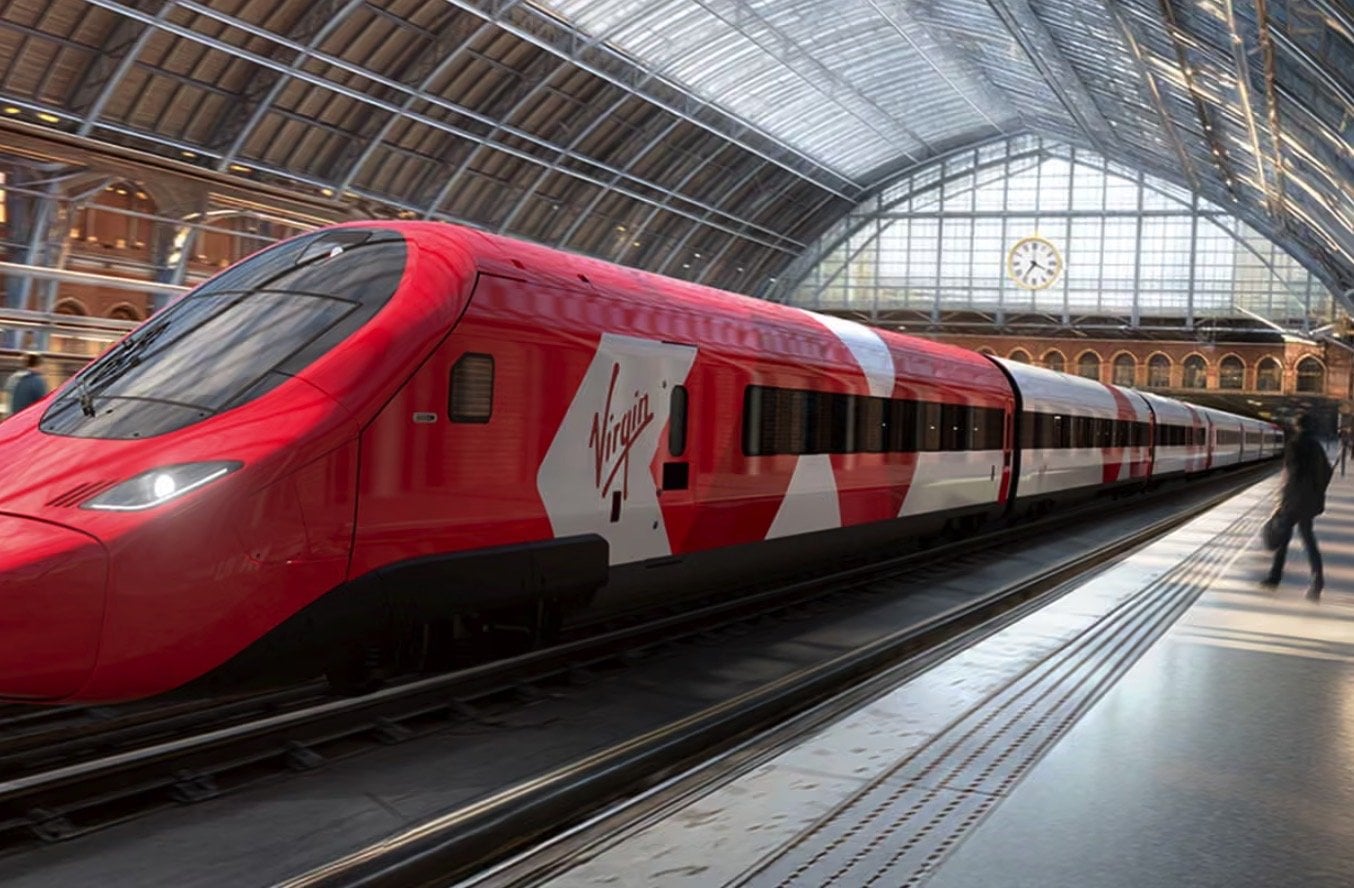

Virgin Trains has been granted access to UK rail infrastructure that would allow it to run services from London to Paris, Brussels and Amsterdam from 2030, in another step towards challenging Eurostar’s cross-Channel dominance.
The Office of Rail and Road (ORR) said it has approved track access for Richard Branson’s company to use the High Speed 1 (HS1) route between London St Pancras and the Channel tunnel. Under the arrangement, Virgin would be able to operate up to 20 daily return services for the period from 1 October 2030 to 31 December 2040.
HS1 runs from St Pancras to the tunnel terminals, but the approval covers only that UK section of the journey. Virgin still needs to obtain access to the tunnel and rail networks in mainland Europe before it can begin running the planned international services.
Access Covers HS1 Only
The ORR said the decision represents an important move forward, allowing Virgin to progress through the regulatory process required to launch international operations. The track access agreement is limited to the HS1 line, meaning further permissions will still be required for the parts of the route beyond the UK.
Virgin previously cleared another hurdle last October, when it was granted permission to share Eurostar’s Temple Mills depot in east London. The depot is the only one that can be accessed from HS1 for maintenance and storage.
More Approvals Needed For 2030 Launch
Alongside securing access to continental infrastructure, Virgin must also obtain safety approvals from the ORR and the relevant EU regulators ahead of the start date in 2030.
The ORR said its approval was an “important next step” but added that additional work remains before services can run. Martin Jones, the ORR’s deputy director of access and international, said the regulator was supporting Virgin and the wider industry as international rail services grow, while noting further steps are required to complete the process.
Virgin plans to operate from St Pancras to the same destination stations in Paris, Brussels and Amsterdam that are currently served by Eurostar.
The ORR’s decision comes as competition pressures remain focused on the Channel tunnel passenger market. Eurostar has held a monopoly on cross-Channel passenger services since the tunnel opened in 1994, and Eurotunnel operates the LeShuttle service for vehicles.
Pressure Builds As UK-To-Europe Demand Rises
Eurostar, which is controlled by the French rail operator SNCF, has faced scrutiny over ticket prices and has reduced its network over the past decade, withdrawing services from Ashford and Ebbsfleet in Kent.
Virgin has said it is aiming to break that 30-year monopoly and has previously described its plans as a way to bring more competition to the route.
More broadly, demand for international rail travel from the UK has been increasing. Eurostar announced last year that it would introduce double-decker trains through the tunnel, while a joint UK-German taskforce is considering proposals for direct services from London to Berlin.
Virgin has said it intends to invest £700m in its cross-Channel project and create about 400 jobs in the UK.
A Virgin Group spokesperson said the track access pre-approval is moving the plans “at pace”, adding that it would allow the company to bring competition and its approach to customer service to the Channel tunnel route.
Eurostar said the ORR decision confirms the “huge potential for growth” in international rail and that it would continue to pursue its own plans, including investing in its fleet and carrying 30 million passengers a year.
Join the discussion? 

18 August 2026
Recommended Comments
Create an account or sign in to comment