Bacon1
Global Moderator
-
Joined
-
Last visited
Everything posted by Bacon1
-
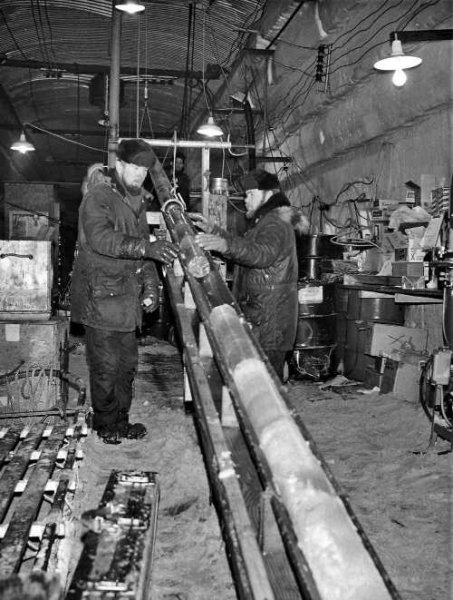
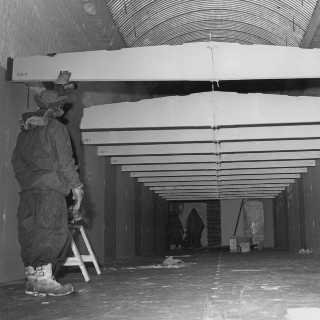
NASA has unexpectedly rediscovered a long-forgotten U.S. military base buried beneath about 30 metres (100 feet) of Greenland’s ice during a flight in April aimed at testing advanced ice-mapping radar. The relic, known as Camp Century, lies hidden under the vast ice sheet in northwestern Greenland and its rediscovery has reignited discussions about Cold War history and environmental risks. � Futura +1 Camp Century was built in secret beginning in 1959 by the U.S. Army Corps of Engineers as part of a Cold War project called Project Iceworm. The facility consisted of 21 interconnected tunnels with living quarters, power systems—including a small nuclear reactor—and research spaces carved into the frozen ice. Although publicly presented as a scientific research station, its covert purpose was to explore the feasibility of deploying U.S. nuclear missiles under the ice close to Soviet territory, a plan never realised. � Futura +1 By 1964, shifting and melting ice threatened the structural integrity of the tunnels, forcing abandonment by 1967. The base was decommissioned, the nuclear reactor removed, and snow and ice have since completely buried the installation beneath the ice sheet. Camp Century faded from public view after declassification in the 1990s, with scientists only now able to map its remnants in three dimensions using NASA’s Uninhabited Aerial Vehicle Synthetic Aperture Radar (UAVSAR). � Futura +1 Experts are watching the rediscovery closely because of the environmental implications: buried chemical, biological, and radioactive waste left at the site could eventually re-emerge as Greenland’s ice melts due to climate change. Researchers stress the importance of monitoring the base’s remains as ice conditions continue to evolve. � Futura Looking ahead, scientists plan further analysis of the radar data to refine models of ice sheet structure and assess how climate-driven melting might expose historical sites like Camp Century. The findings may also influence future policies on managing legacy waste in ice-covered regions. � NASA Science Key Takeaways NASA’s April radar flight unexpectedly mapped the buried remains of the Cold War-era Camp Century base beneath Greenland’s ice. Built in 1959 under Project Iceworm, the installation was abandoned by 1967 due to unstable ice and never housed nuclear missiles. Researchers warn that climate-driven ice melt could eventually expose hazardous materials left at the site. Adapted From various sources. https://www.futura-sciences.com/en/nasa-rediscovers-secret-military-base-buried-under-greenlands-ice-sheet_22884/ https://deadline.com/2025/02/r-j-cutler-camp-century-project-iceworm-documentary-1236281322/
-
Inflammatory post removed @theshu25 Community Standards Be polite and respectful to other users. Do not post defamatory, offensive, or discriminatory content.
-
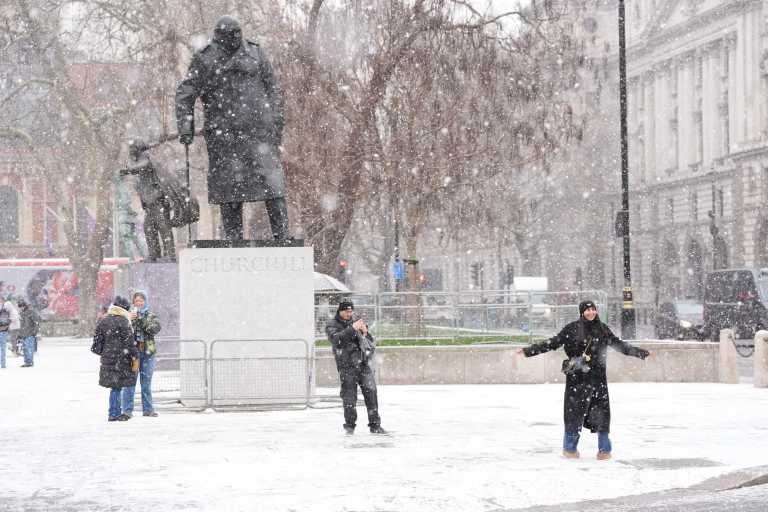
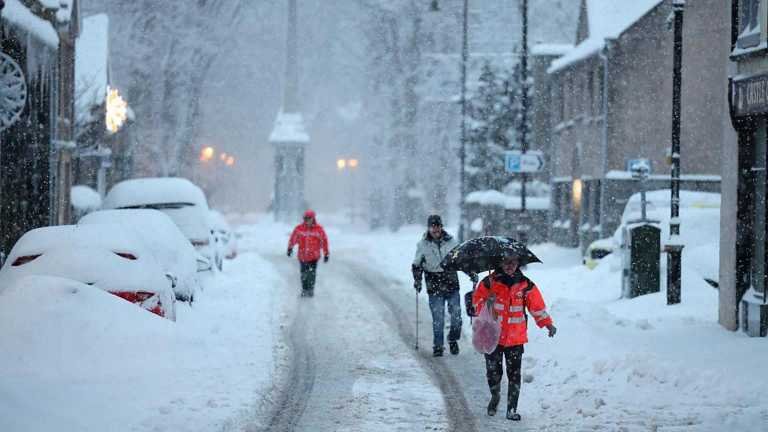
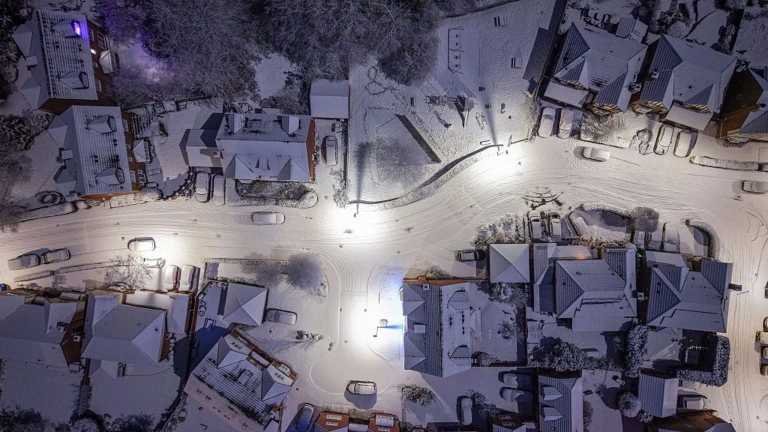
The Met Office has issued fresh yellow weather warnings for snow and ice as Storm Goretti sweeps across the United Kingdom. This latest weather system is expected to bring significant travel disruption, power outages, and potential risk to life in the hardest-hit regions. This storm follows a period of volatile winter weather that has already left many parts of the country struggling with freezing temperatures. Meteorological experts identified the low-pressure system earlier this week, prompting a series of escalated alerts for Scotland, Northern Ireland, and Northern England. Forecasters warn that coastal areas may face dangerous conditions due to high winds and large waves crashing onto sea fronts. Local authorities have advised residents to secure outdoor property and avoid unnecessary travel until the peak of the storm passes. Emergency services and gritters have been deployed across the national road network to mitigate the impact of heavy snowfall. The Met Office indicates that while the most intense conditions will subside by the weekend, icy patches and freezing fog will likely persist into early next week. Key Takeaways Storm Goretti has triggered a new series of yellow weather warnings for snow and ice across several UK regions. The Met Office warns of significant travel delays and the possibility of power cuts in areas affected by the low-pressure system. Cold temperatures and icy conditions are expected to remain a concern for several days after the storm's initial passage. Adapted From https://www.bbc.com/news/articles/cx2x6z4n2wzo
-
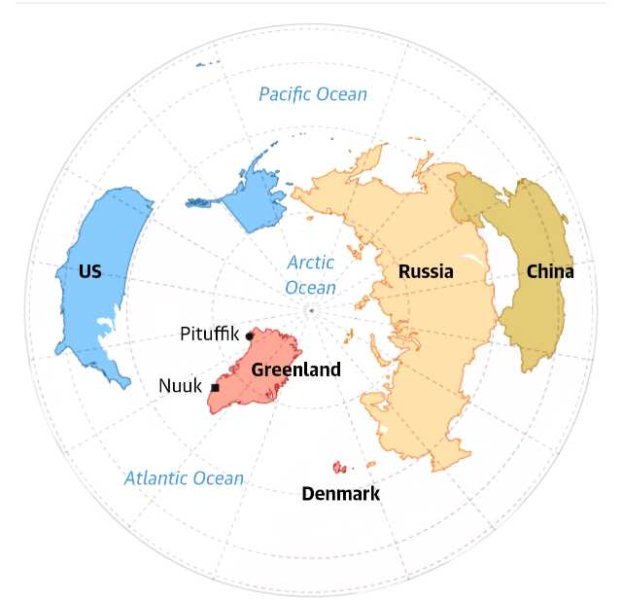
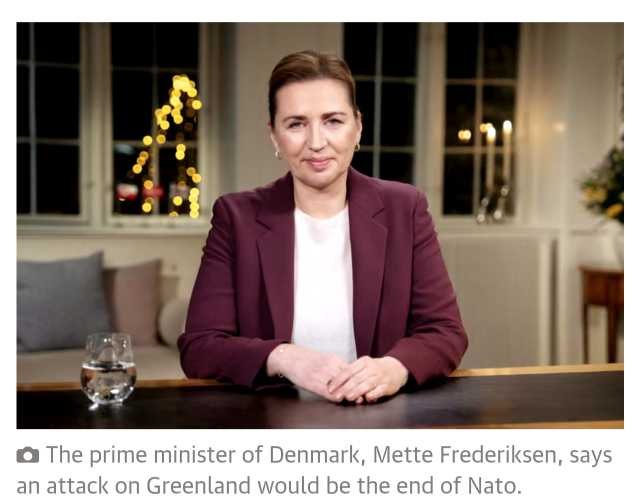
Major European powers have unified to defend Greenland after top White House aide Stephen Miller suggested the U.S. could use military force to seize the territory. The White House confirmed on Tuesday that acquiring the Arctic island is a "national security priority" and that utilizing the military remains an option. This escalation has sparked international alarm and immediate pushback from several NATO allies. The controversy intensified after the recent U.S. military operation in Venezuela and a social media post by Katie Miller, the wife of Stephen Miller, showing Greenland draped in a U.S. flag with the caption “SOON.” President Donald Trump reiterated on Sunday that the U.S. needs the mineral-rich territory "very badly." Despite Greenland being a semi-autonomous part of Denmark, the Trump administration has repeatedly challenged Danish sovereignty over the region. Danish Prime Minister Mette Frederiksen warned that any U.S. attack on Greenland would signify the end of the NATO alliance. Stephen Miller argued that military intervention might not even be necessary because "nobody is going to fight the United States" over the island. Leaders from the UK, France, Germany, Italy, Spain, and Poland issued a joint statement emphasizing that Greenland’s future must be decided solely by its own people and Denmark. Greenland’s Prime Minister, Jens-Frederik Nielsen, has urged the U.S. to abandon "fantasies about annexation" and engage through proper diplomatic channels. European allies are now meeting in Paris to discuss collective security and the implications of U.S. threats against a fellow NATO member. The situation remains tense as the U.S. administration continues to evaluate a "range of options" for the acquisition. Key Takeaways The White House officially stated that using the U.S. military to acquire Greenland is "always an option" for the commander-in-chief. Danish Prime Minister Mette Frederiksen declared that a U.S. attack on the territory would lead to the total collapse of the NATO alliance. Seven major European nations issued a joint statement asserting that Greenland’s sovereignty is a matter for Denmark and the Greenlandic people alone. Adapted From https://www.theguardian.com/world/2026/jan/06/stephen-miller-donald-trump-threats-take-over-greenland
-
An interesting read yes, but without diluting it by introducing Covid - whatever that was, then consider this. The real problem isn’t that DNA is junk science. It’s that good science gets turned into a piece of technology, run through human judgment, and then waved through by courts that don’t really understand probability or uncertainty.
-
@Sir Dude Your posts have been removed due to inappropriate and insulting language. Please ensure future contributions remain respectful. Thank you.
-
Flame removed: Again.
-
Tiktok video from official CNN account dcf82066d4827795efc551219a6815cc.mp4 https://vt.tiktok.com/ZS5aMxYN3/
-
A Paris court has convicted 22 people for their involvement in a massive online harassment campaign targeting French First Lady Brigitte Macron. The defendants were handed sentences ranging from suspended prison terms to fines for their roles in spreading a transphobic conspiracy theory. The legal action followed a viral misinformation campaign that falsely claimed the First Lady was born male under the name Jean-Michel Trogneux. This smear began in 2021 and was amplified by various online personalities and social media users, causing significant personal distress. Legal experts and government officials have praised the ruling as a major victory against digital hate and the spread of fake news. The prosecution argued that the coordinated attacks were not merely "opinions" but a targeted effort to dehumanize a public figure. Looking ahead, the defense has indicated that some of the convicted individuals may appeal the court's decision. This landmark ruling is expected to set a legal precedent for how French courts handle large-scale cyberbullying and gender-based online violence in the future. Key Takeaways A total of 22 individuals were found guilty by a Paris court for the online harassment of Brigitte Macron. The harassment stemmed from a debunked 2021 conspiracy theory claiming the First Lady was born a man. Sentences for the convicted parties included both fines and suspended prison time to deter future digital abuse Adapted From https://edition.cnn.com/2026/01/05/europe/brigitte-macron-online-harassment-convictions-intl

-
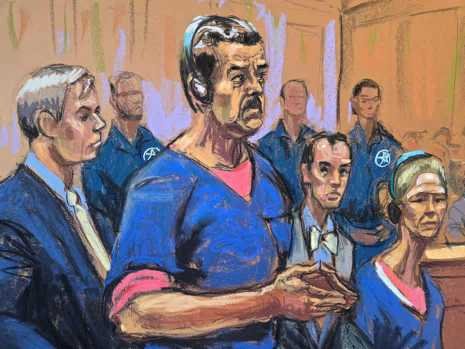
Deposed Venezuelan president Nicolás Maduro pleaded not guilty on Monday in a Manhattan federal court to four U.S. criminal charges including narco-terrorism, cocaine-importation conspiracy, and possession of machine guns and destructive devices. Maduro’s court appearance followed a dramatic capture by U.S. forces in Caracas over the weekend that left at least 40 people dead and saw both him and his wife, Cilia Flores, flown to New York for arraignment. In court, the 63-year-old former leader declared himself “innocent,” “a decent man,” and “still president of my country,” insisting his seizure was tantamount to a kidnapping. The charges stem from a long-running U.S. criminal case first filed in 2020 that accuses Maduro and associates of partnering with drug cartels and rebel groups to traffic cocaine into the United States, a case now expanded to include his wife and other Venezuelan officials. Flores also pleaded not guilty and both defendants have not sought bail at this stage, with their next court hearing set for March 17, 2026. The U.S. operation has triggered global controversy. Several UN Security Council members condemned the military action as a “crime of aggression,” while U.S. officials, including President Donald Trump, defended the move as part of anti-drug efforts and denounced the Maduro government’s corruption. Protesters have been divided outside the courthouse, with some celebrating the arrest and others decrying U.S. intervention as imperialism. Maduro’s defense team has signaled plans to challenge the legality of his capture, citing his status as a head of state and raising questions about international law. The case is expected to unfold over months or possibly years, with legal battles over jurisdiction, extradition issues, and the broader political fallout for U.S.–Venezuela relations and regional stability. Key Takeaways Maduro and his wife Cilia Flores pleaded not guilty in New York to narco-terrorism and related charges. U.S. forces captured Maduro in Caracas in a raid that provoked international condemnation and protests. The next scheduled court appearance for the couple is on March 17, 2026 Adapted From https://www.theguardian.com/us-news/2026/jan/05/maduro-pleads-not-guilty
-
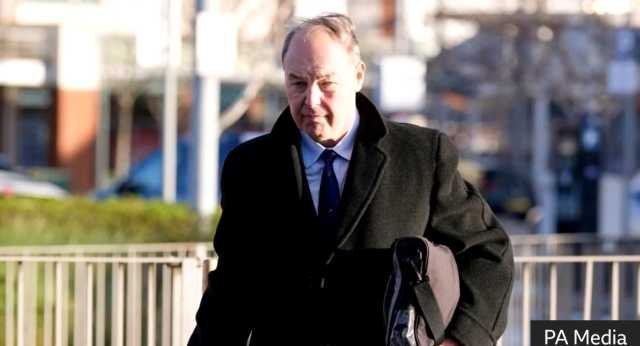
A 66-year-old man from Llandudno has pleaded guilty to wearing a military uniform without permission during a Remembrance Sunday service. Michael Higgins admitted to the charge at Llandudno Magistrates’ Court following an investigation into his appearance at the local cenotaph. The incident occurred during the solemn public event held on November 10, where he appeared dressed as a high-ranking naval officer. The court heard that Higgins attended the ceremony wearing a Royal Navy officer’s uniform, complete with a greatcoat and a peaked cap. He was seen sporting several medals and the rank insignia of a Rear Admiral while walking among genuine veterans and dignitaries. Witnesses at the event became suspicious of his credentials, leading to a police investigation into his true military standing. Prosecutors stated that Higgins had no right to wear the uniform or the decorations he displayed during the service. This type of offense is prohibited under the Uniforms Act 1894, which aims to protect the integrity of military dress and honors. The case has sparked significant local interest due to the sensitive nature of the event where the impersonation took place. Higgins has been granted unconditional bail while the court awaits further reports before sentencing. He is expected to return to court later this month to discover his punishment for the charade. Authorities have emphasized that such actions undermine the respect intended for those who have legitimately served in the armed forces. Key Takeaways Michael Higgins pleaded guilty to wearing a Royal Navy uniform without authority during a Remembrance Sunday service in Llandudno. The 66-year-old defendant appeared at the cenotaph dressed as a Rear Admiral despite having no right to the rank or medals. The court has adjourned the case for sentencing while Higgins remains on unconditional bail. Adapted From https://www.bbc.com/news/articles/c78e548p9nno

-
Inflammatory post & reply removed
-
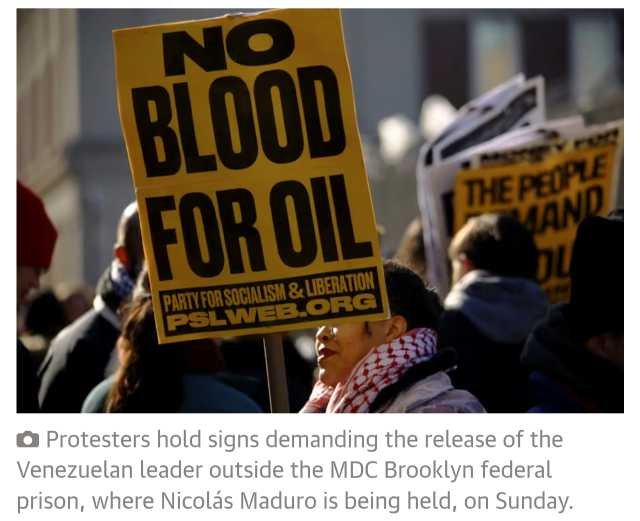
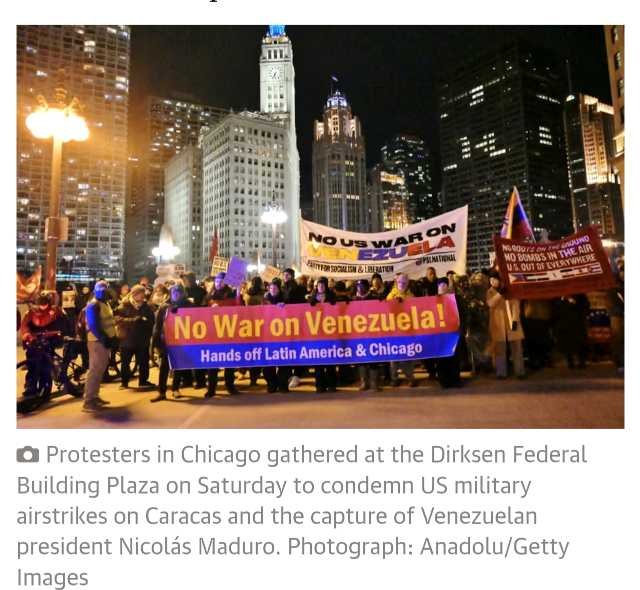
The United States says it will not directly govern Venezuela after its military operation that ousted and captured President Nicolás Maduro and his wife in Caracas, but it has not ruled out further military involvement. U.S. Secretary of State Marco Rubio reiterated that Washington would instead use tools like an oil blockade to press for changes, as tensions continue to roil both Latin America and cities across the U.S. in protest. U.S. forces carried out a major strike in Venezuela on 3 January 2026 that resulted in Maduro and Cilia Flores being flown to New York to face federal charges tied to drug trafficking and corruption. Venezuelan institutions named Vice President Delcy Rodríguez as interim president, a move she and Maduro loyalists denounced as illegitimate. The Trump administration’s actions followed months of escalating pressure, sanctions, and interdictions aimed at weakening Maduro’s grip on power. Reactions were swift and sharply divided. Hundreds protested in cities like New York, San Francisco and Chicago, condemning the intervention as illegal and warning it could drag the U.S. into endless conflict. Internationally, several Latin American governments called the U.S. action a dangerous precedent under international law, risking regional peace and civilian safety. U.S. Democrats criticized the administration for bypassing Congress and lacking a clear post-capture plan. Experts warn the legality of the intervention is contested, with some jurists saying there was no imminent threat justifying unilateral force and that only Congress can authorize acts of war under the U.S. Constitution. The continuation of an oil blockade and pressure tactics signal Washington’s strategic intent to influence Venezuela’s future without assuming direct governance. Looking ahead, Maduro’s federal court appearance in New York is scheduled for Monday, and the U.S. government is expected to maintain pressure through diplomatic channels, sanctions, and economic levers. The Venezuelan interim government’s response and potential resistance from domestic and regional actors will shape what comes next. Key Takeaways The U.S. says it won’t govern Venezuela but may still use military and economic pressure. Protests erupted in U.S. cities and international leaders condemned the intervention’s legality. Maduro and his wife face U.S. federal charges as Venezuela’s interim leaders reject U.S. influence Adapted From https://www.theguardian.com/world/2026/jan/04/venezuela-trump-protests-us-cities
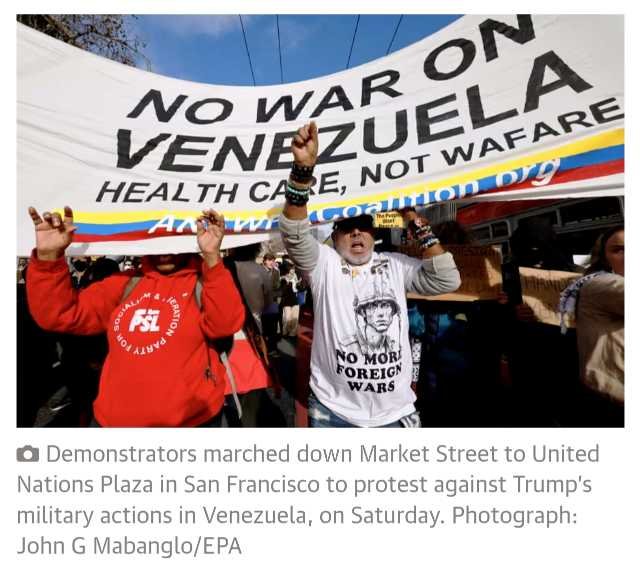
-
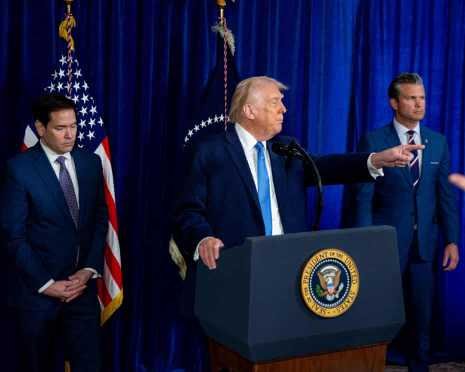
After the dramatic US military operation that captured Venezuelan president Nicolás Maduro in early January 2026, the prospect of Washington directly governing Venezuela has softened — but the risk of further intervention and conflict remains. In the days following the raid, President Donald Trump suggested the United States might “run” Venezuela temporarily as it transitions away from Maduro’s rule, though top US officials, including Secretary of State Marco Rubio, later clarified that Washington does not plan to administer the country’s day-to-day affairs. Maduro and his wife, Cilia Flores, face federal charges in New York related to drug trafficking and narco-terrorism, and their high-profile capture has energized critics who argue the operation violated international law and undermines Venezuelan sovereignty. Many Latin American and European governments have condemned the attack and warned it sets a dangerous precedent for regional peace and security. With Maduro removed, Venezuela’s Supreme Court appointed Vice-President Delcy Rodríguez as acting leader. Rodríguez publicly denounced Maduro’s detention as an “atrocity” and has tried to balance firm resistance with cautious engagement with US officials. Her willingness — or lack thereof — to meet US demands could influence whether Washington escalates its involvement, including the possibility of a second intervention if Caracas frustrates Washington’s strategic objectives. US military forces remain positioned in the Caribbean with about 15,000 troops, and economic pressure — including a blockade of Venezuelan oil exports — continues to reinforce US leverage over the country’s future. Amid uncertainty in Caracas, Venezuelans are grappling with instability, shortages, and anxiety about what comes next. International observers remain divided on whether the crisis will lead to a negotiated political transition, renewed violence, or further foreign intervention. Key Takeaways The US downplays plans to run Venezuela directly, but maintains military strength nearby and economic pressure. Maduro’s capture and prosecution in the US intensifies global debate over legality and regional stability. Venezuela’s interim leadership and internal divisions may shape whether further US intervention occurs. Adapted From https://www.theguardian.com/world/2026/jan/04/us-running-venezuela-now-seems-less-likely-but-second-intervention-possible
-
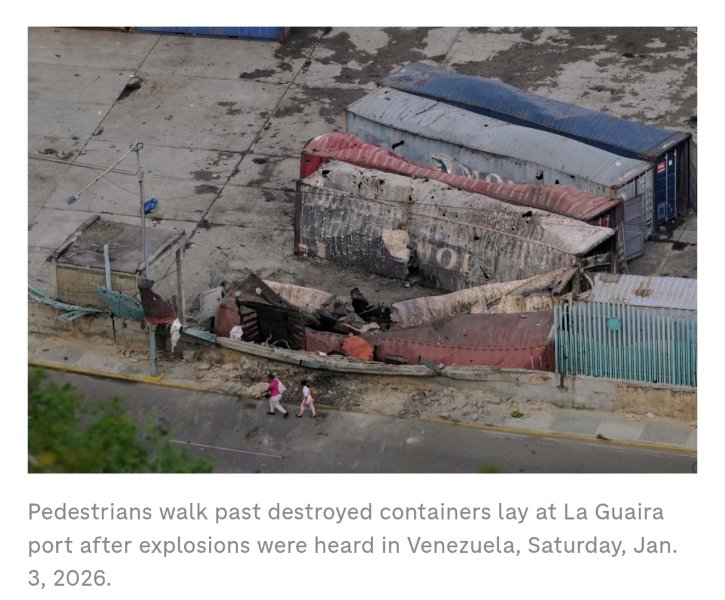
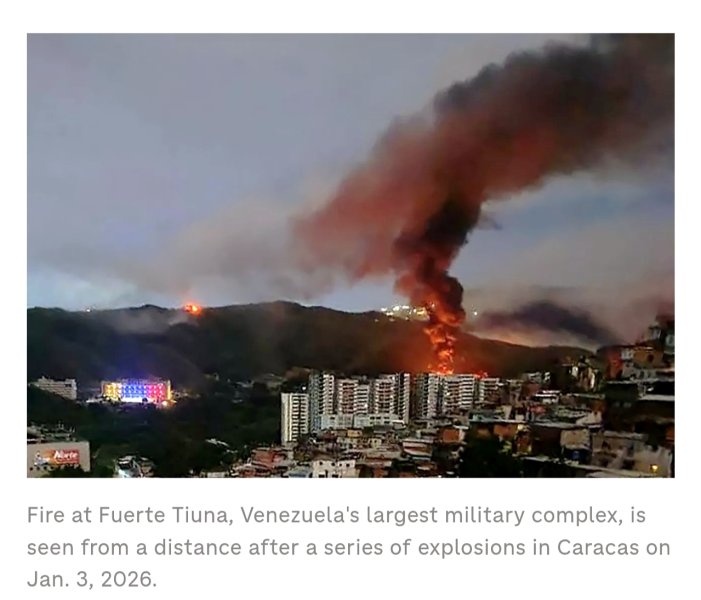
Photographs from Venezuela reveal the heavy aftermath of a sudden overnight U.S. military operation that shook the country’s capital, Caracas, and key infrastructure sites. The images, published as a visual report on January 3, show widespread damage, civilian reactions and turbulent scenes following explosions and low-flying aircraft that marked the dramatic intervention. The U.S. strike came as part of a major campaign in which American forces targeted strategic military positions, including Fuerte Tiuna — Venezuela’s largest military complex — and locations such as the port at La Guaira. Flames and smoke rising from destroyed buildings and shipping containers underline the scale of the bombardment, while photos depict Venezuelans fleeing or observing the aftermath in shock. Amid shattered infrastructure, everyday life in Caracas has been disrupted. Market lines, blocked roads and solicited crowds at supermarkets suggest both economic strain and uncertainty about the nation’s immediate future. Other visuals show pro-government armed civilians patrolling city streets and military personnel guarding key compounds, hinting at heightened security presence amid unfolding power shifts. The international response to the operations has been swift and mixed, with protests breaking out outside the White House as demonstrators expressed outrage over what they view as U.S. military overreach. Meanwhile, celebrations in cities abroad — such as Madrid and Santiago — reflect divided global sentiment about the unfolding crisis. Supporters of Venezuelan President Nicolás Maduro are shown in emotional rallies, even as the political situation remains fluid. The images collectively paint a picture of a nation in shock: grappling with immediate physical destruction, deep societal tensions, and far-reaching political consequences after one of the most controversial foreign interventions in recent Latin American history. Key Takeaways Visible destruction: Photos highlight extensive damage to military complexes, ports and urban areas after U.S. strikes. Civilian impact: Scenes show Venezuelans reacting to explosions, market disruption and increased armed presence. Global reactions differ: Celebrations abroad and protests in Washington illustrate the polarized international response. Adapted From https://www.npr.org/sections/the-picture-show/2026/01/03/g-s1-104359/photos-aftermath-of-strikes-in-venezuela
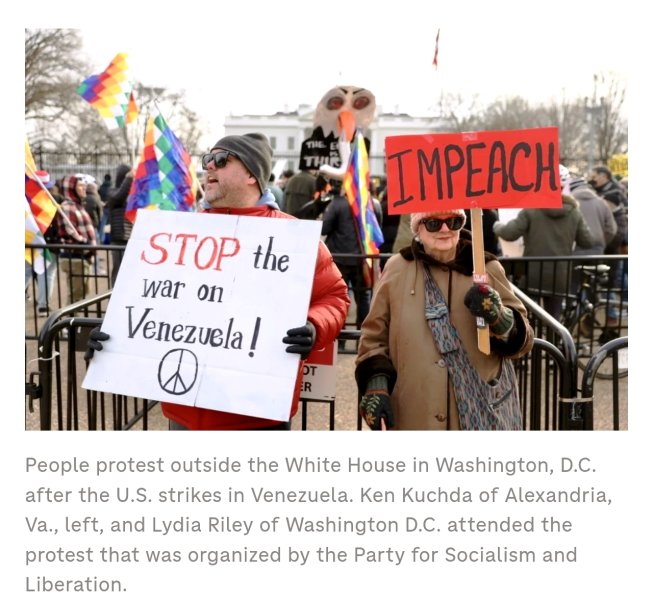
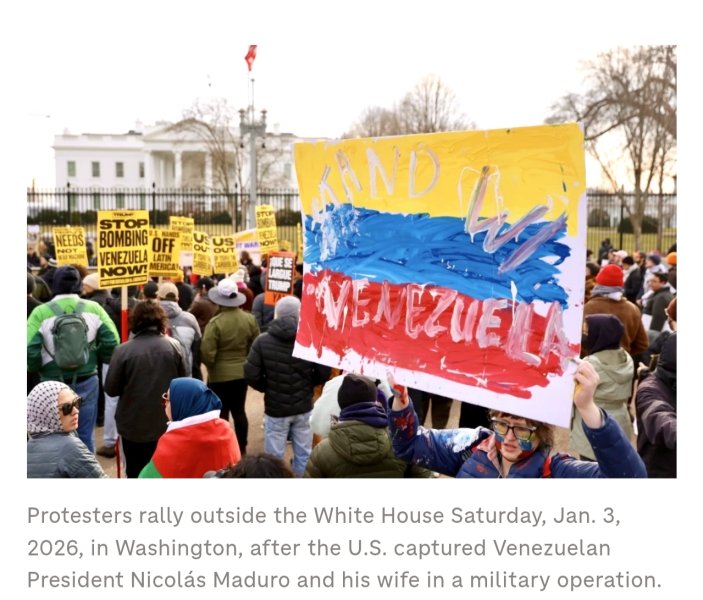 The recent U.S. military action in Venezuela — including the capture of President Nicolás Maduro — has drawn comparisons to the 1989 invasion of Panama, but experts say the two episodes are fundamentally different. On January 3, 2026, U.S. forces entered Venezuela and detained Maduro, flying him to the United States to face drug-related charges. President Trump announced that the U.S. would oversee a transition in Venezuela, suggesting it might “run” the country temporarily. The 1989 Panama intervention, ordered by President George H.W. Bush, targeted dictator Manuel Noriega. That mission’s outcomes are largely seen as positive: Panama transitioned to democratic rule, its economy grew, and the U.S. quickly withdrew its troops. Veteran U.S. diplomat John Feeley points out key differences between Panama’s relatively short and structured intervention and the ongoing Venezuela operation. Panama already had a viable political opposition ready to assume power and an existing U.S. military presence nearby, allowing a rapid exit. In contrast, Venezuela is larger, more populous, and deeply divided. There is no clear successor with widespread domestic support, and opposition leaders such as Nobel Prize winner María Corina Machado lack unified backing at home. Maduro’s vice-president, Delcy Rodríguez, has rejected U.S. claims, calling the intervention a “barbarity.” While both interventions aimed to depose authoritarian leaders, analysts warn that Venezuela’s economic crisis, oil wealth, and social fragmentation create a far more complex and potentially unstable situation than Panama’s transition. Key Takeaways Different Scale, Different Stakes: Venezuela’s size, population, and political fragmentation make U.S. involvement far more complicated than the Panama intervention. Panama Compared to Venezuela: The 1989 Panama mission saw a swift transfer to democracy; Venezuela currently lacks a universally accepted successor. Domestic Pushback: Venezuelan officials and citizens are divided, with some rejecting the U.S. presence and others uncertain about the country’s future. Adapted From https://www.npr.org/2026/01/04/nx-s1-5665800/u-s-interventions-venezuela-panama
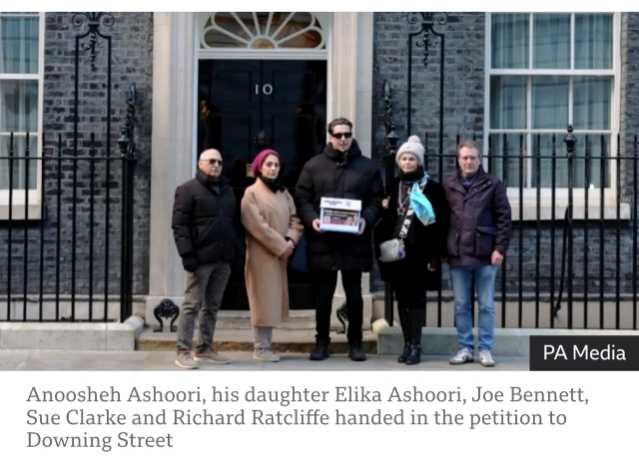
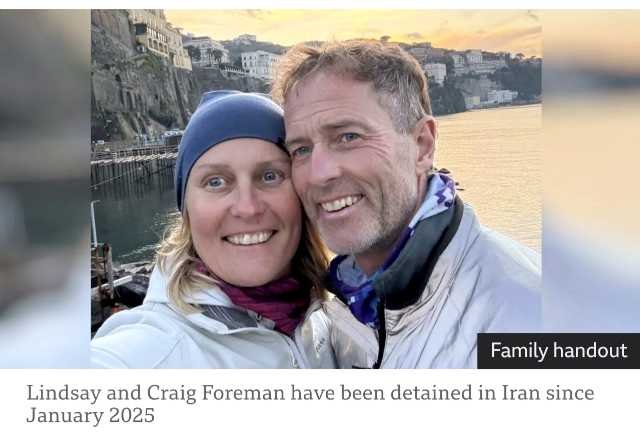
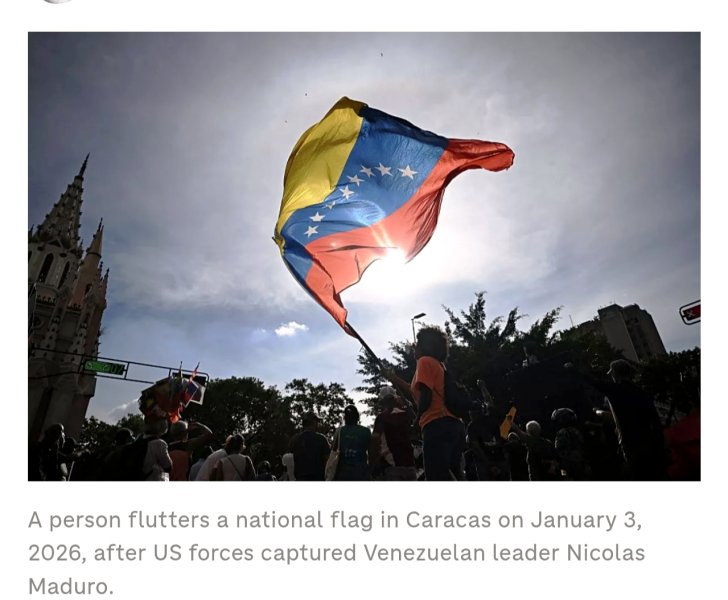 Several troll posts removed. The OP asks a valid question, wanting advice. If you do answer, ensure it's helpful & respectful. Thank youFrom CNN official account on Tiktok https://www.tiktok.com/@cnn?_r=1&_t=ZS-92mP7K8bY1s 4e2c88d693665468f24c75095e5f6288.mp4-adrenaline spike -lactic acidosis -Electrolyte depletion That's all it is. Nothing else.The family of Lindsay and Craig Foreman, a British couple currently detained in Iran, has taken their fight for justice directly to the heart of the UK government. This week, relatives gathered at 10 Downing Street to deliver a petition urging the Prime Minister to intervene and secure the couple's immediate release. The Foremans were reportedly detained while traveling, a situation that has left their loved ones in a state of constant anxiety. Family spokespeople described the couple as ordinary citizens caught in a complex geopolitical web, emphasizing that they have no involvement in political affairs. The petition, which has garnered thousands of signatures from the public, calls for the Foreign, Commonwealth & Development Office (FCDO) to escalate the case to a "top priority" status. During the gathering at No 10, family members expressed their growing frustration over what they perceive as a slow diplomatic response. They highlighted the deteriorating mental and physical health of the couple, noting that communication with them has been extremely limited and strictly monitored. The family’s primary objective is to ensure the UK government uses every available diplomatic lever—including direct high-level negotiations—to bring Lindsay and Craig home. Human rights advocates have joined the family’s call, pointing to a worrying trend of foreign nationals being used as "diplomatic leverage" in the region. The FCDO has stated it is providing consular support and remains in contact with Iranian authorities, but the Foreman family maintains that "support" is no longer enough. They believe that only a concerted effort from the highest levels of the British government can break the deadlock and end this nightmare for their family. Key Takeaways Urgent Petition: Family members delivered a mass-signed petition to 10 Downing Street demanding government action for the couple's release. Diplomatic Pressure: The family is calling on the UK Prime Minister to upgrade the couple's status to a diplomatic priority to expedite negotiations. Health Concerns: There are growing fears regarding the physical and mental well-being of Lindsay and Craig Foreman due to prolonged detention and isolation. Adapted by ASEAN Now from BBC 2026-01-04
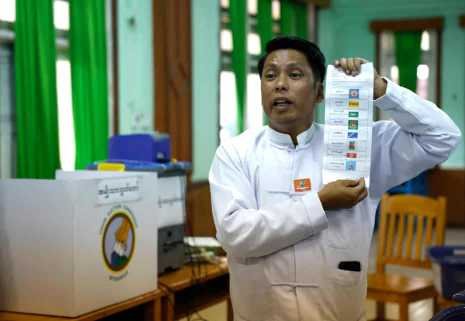
 Myanmar’s military-backed party has secured a dominant lead following the first phase of the country’s first general election since the 2021 coup. Early results released by the state-run Union Election Commission (UEC) confirm that the Union Solidarity and Development Party (USDP), led by retired generals, has won 38 out of the first 40 seats tallied for the lower house. While the ruling junta describes the three-phase vote as a necessary step toward political stability, international observers and human rights groups have widely condemned the process as a "sham." Low Turnout and Allegations of Fear Official data indicates a 52% voter turnout, a significant drop from the roughly 70% seen in the 2015 and 2020 elections. Critics argue that even this figure is inflated or driven by coercion. In cities like Yangon, residents reported a climate of anxiety, with many voting only to avoid potential military retaliation or forced conscription. A One-Sided Race The lopsided results were largely expected. The National League for Democracy (NLD), formerly led by the detained Nobel laureate Aung San Suu Kyi, was dissolved last year after refusing to register under strict new military laws. With the primary opposition removed, the USDP faced little competition outside of a few small, ethnic-based parties. The election is being held in three stages, with the next rounds scheduled for January 11 and January 25. However, large portions of the country are excluded from the vote due to ongoing civil war and resistance control. Despite the lack of domestic and Western legitimacy, the junta maintains support from regional allies like China and Russia. Key Takeaways Military Dominance: The junta-backed USDP has won the vast majority of early seats, consolidating the military's grip on formal political power. International Backlash: The UN and Western nations have dismissed the election as a "theatre of the absurd" due to the exclusion of the NLD and the imprisonment of opposition leaders. Fragile Turnout: Voter participation has plummeted compared to previous democratic polls, reflecting widespread public distrust and fear under the current regime. Adapted by ASEAN Now from The Guardian 2026-01-04
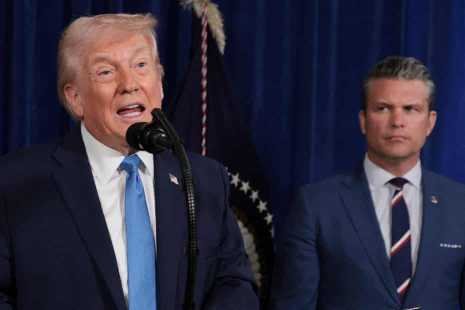
 Following the dramatic capture of Nicolás Maduro, President Donald Trump has announced a bold plan for the United States to "run" Venezuela and revitalize its crippled energy sector. In a press conference following the military operation, Trump revealed that major American energy firms will lead the charge in repairing the nation’s failing infrastructure and tapping into its massive crude reserves. A New Chapter for Venezuelan Energy The transition marks a radical shift in U.S. foreign policy. Trump emphasized that the goal is not just a political overhaul but an economic rescue mission powered by American industry. He stated that the world’s "greatest oil companies" will invest billions to fix broken pipelines and refineries that have suffered through years of neglect and sanctions. According to the administration, these private investments will be used to modernize the oil sector without costing U.S. taxpayers. The "money coming out of the ground" is expected to reimburse costs and eventually generate wealth for a "rich, independent, and safe" Venezuela. Global Market Stability While the military intervention has sparked international debate, Trump moved to reassure global markets. He dismissed concerns regarding supply disruptions to major buyers like China, insisting that the U.S. would ensure a steady flow of crude to the global market. "We’re in the oil business," Trump noted, signaling a future where Venezuela becomes a primary global exporter once again under U.S. guidance. Despite the ambitious plans for reconstruction, the administration confirmed that the existing oil embargo and sanctions remain in full effect for now. This ensures that the U.S. maintains strict control over the transition process and the flow of resources during the initial phase of the new administration. Key Takeaways US Corporate Leadership: The Trump administration plans to utilize major American oil companies to rebuild Venezuela’s energy infrastructure through multi-billion dollar private investments. Economic Self-Sufficiency: The plan aims to fund the national transition using Venezuela's own oil revenue, ensuring the operation is "reimbursed" by the country’s natural resources. Market Assurance: Trump has promised that the U.S. involvement will stabilize global oil supplies and maintain export relations with international partners, including China. Adapted by ASEAN Now from The Guardian2026-01-04
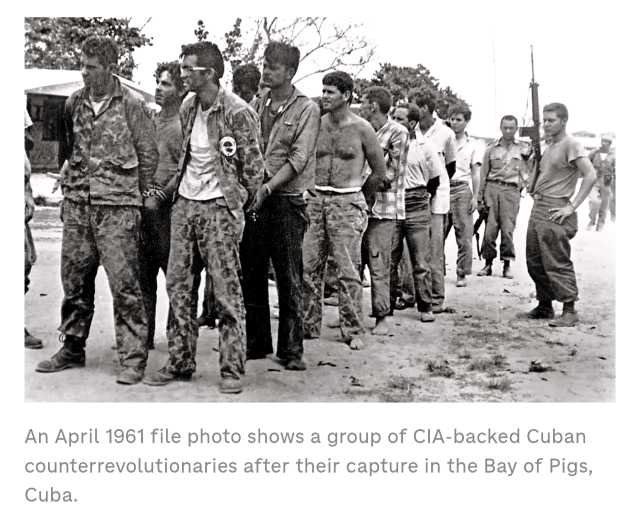
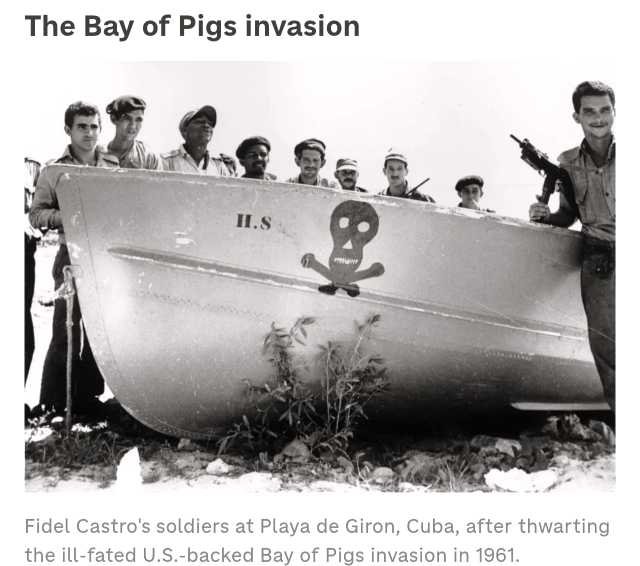
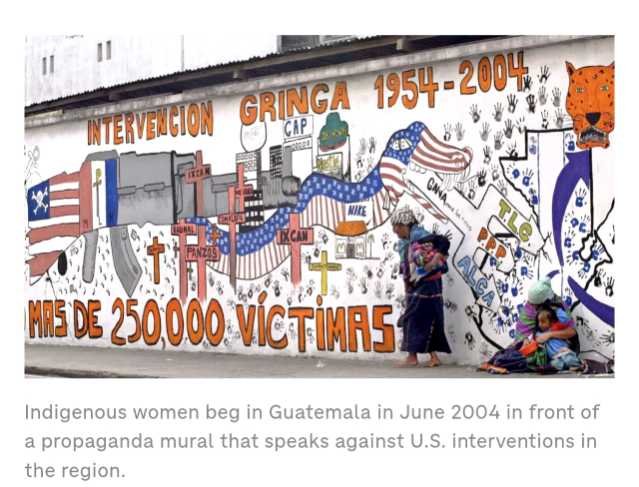
 The recent surge in U.S. military activity in Venezuela has sent shockwaves through the Western Hemisphere. On January 3, 2026, the Trump administration conducted a series of high-profile airstrikes in Caracas and confirmed the capture of Nicolás Maduro. This dramatic escalation, described as the most significant regional intervention since the 1989 invasion of Panama, marks a boiling point for U.S.-Latin American relations. While the White House frames these actions as a necessary "Big Stick" approach to combat drug trafficking and restore order, the move has ignited a firestorm of criticism across the Caribbean and South America. Leaders from Brazil, Colombia, and Mexico have condemned the strikes, warning that such unilateral force violates international law and threatens the region's hard-won stability. This latest chapter is deeply rooted in the Monroe Doctrine of 1823 and the Roosevelt Corollary, historical frameworks that have seen the U.S. intervene in Latin American affairs over 40 times in the last century. From the 1954 CIA-backed coup in Guatemala to the failed Bay of Pigs invasion, history shows that while military force can remove a leader, it often fails to build lasting democracy. Instead, these actions frequently result in unintended consequences, such as mass migration, economic destabilization, and the rise of nationalist sentiment. As the international community monitors the crisis, the focus shifts to whether this "regime change" will lead to a peaceful transition or a new cycle of regional unrest. With global powers like Russia and China weighing in, the stakes for regional sovereignty and global diplomacy have never been higher. Key Takeaways Historic Escalation: The 2026 airstrikes and capture of Maduro represent the boldest U.S. intervention in Latin America in over three decades. Regional Backlash: Major powers like Brazil and Mexico have labeled the move a "dangerous precedent" and a violation of the U.N. Charter. Historical Pattern: This action follows a long-standing U.S. policy of interventionism that dates back to the 19th century, often resulting in prolonged regional instability. Adapted by ASEAN Now from NPR 2026-01-04
 Multiple flame, insults & baiting posts removed. I strongly advise you to stop this pointless behaviour, or sanctions may follow. @Harrisfan @fredwiggy