Bacon1
Global Moderator
-
Joined
-
Last visited
Everything posted by Bacon1
-
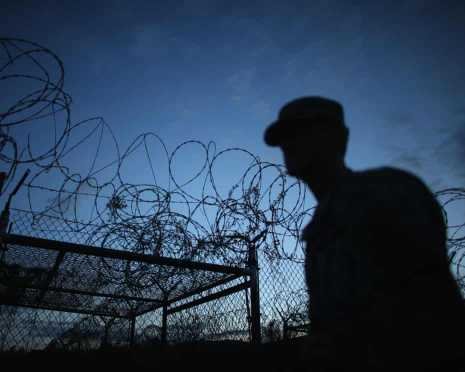
In a landmark legal resolution, the British government has agreed to pay a "substantial" financial settlement to Abu Zubaydah, a long-term Guantánamo Bay detainee. The payout concludes a high-profile civil claim alleging that UK intelligence agencies were complicit in his brutal interrogation and torture by the CIA. A Decades-Long Legal Battle Abu Zubaydah, a 54-year-old stateless Palestinian, was captured in Pakistan in 2002. Initially labeled a high-ranking Al-Qaeda operative—a claim the U.S. government has since retracted—he became the first person subjected to the CIA’s notorious "enhanced interrogation techniques." These methods, widely condemned as torture, included being waterboarded 83 times in a single month and being confined in a coffin-sized box. While the UK did not directly carry out the abuse, Zubaydah’s legal team argued that MI5 and MI6 played a pivotal role. Evidence from a 2018 parliamentary report revealed that British agents provided specific questions for CIA interrogators to use, fully aware that the prisoner was being tortured at secret "black sites" across Thailand, Poland, and North Africa. Seeking Accountability The settlement follows a 2023 UK Supreme Court ruling that allowed Zubaydah to sue the government under English law. Although the exact sum remains confidential, his lawyers described the payment as a significant acknowledgment of his "intolerable suffering." Despite the settlement, the UK government has made no formal admission of liability. Abu Zubaydah remains a "forever prisoner" at Guantánamo Bay, held for over two decades without charge or trial. Human rights advocates continue to pressure the UK and its allies to secure his release and address the ongoing legal and moral implications of their cooperation with the U.S. during the "war on terror." Key Takeaways Substantial Settlement: The UK government paid a significant, undisclosed sum to settle claims of complicity in the torture of Abu Zubaydah. Intelligence Complicity: MI5 and MI6 were accused of feeding questions to CIA interrogators while knowing the detainee was being subjected to illegal torture methods. Ongoing Detention: Despite the payout, Abu Zubaydah remains imprisoned at Guantánamo Bay without charge, 24 years after his initial capture. Adapted From https://www.theguardian.com/us-news/2026/jan/11/uk-pays-substantial-sum-to-tortured-guantanamo-bay-detainee
-
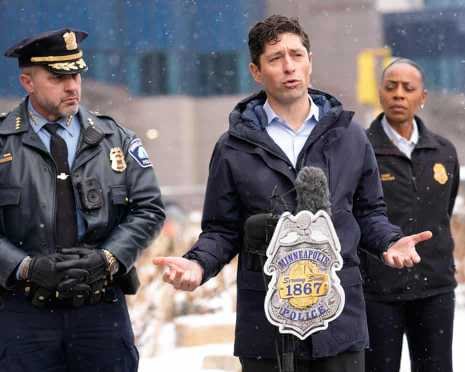
Minneapolis Mayor Jacob Frey is demanding transparency following the fatal shooting of Renee Nicole Good, a 37-year-old mother and poet, by an Immigration and Customs Enforcement (ICE) officer. The incident, which occurred on January 7, 2026, has sparked a fierce jurisdictional battle as federal authorities seized control of the investigation, effectively barring state investigators from the process. A Narrative Under Fire The confrontation began during a large-scale federal immigration sweep in South Minneapolis. While the Trump administration quickly labeled the shooting an act of "self-defense" and characterized Good as a "domestic terrorist," Mayor Frey has dismissed these claims as "garbage." Eyewitness video and newly surfaced cellphone footage appear to contradict the official federal narrative. The recordings show Good attempting to drive away from the scene—rather than toward the officer—just seconds after she was heard calmly telling agents, "I’m not mad at you." Blocked Investigations The Minnesota Bureau of Criminal Apprehension (BCA) was initially set to co-lead the inquiry. However, the FBI has since reversed course, taking sole custody of the scene evidence, including Good’s vehicle. Frey and Minnesota Governor Tim Walz argue that excluding local oversight undermines the integrity of the probe. "This is not a time to hide from the facts," Frey stated, emphasizing that a fair outcome is unlikely if the federal government "jumps to a conclusion" before the evidence is fully analyzed. As tensions rise, the Department of Homeland Security has pledged to deploy hundreds of additional agents to the city, despite local leaders' calls for federal forces to leave. Key Takeaways Federal Exclusion: The FBI has taken full control of the shooting investigation, preventing Minnesota state investigators from accessing critical evidence and interview materials. Contradictory Evidence: Local officials and witness videos dispute the federal claim of self-defense, showing the victim was turning away from the officer when shots were fired. Rising Tensions: Mayor Frey has called for ICE to leave Minneapolis, while the federal government has responded by surging more agents into the Twin Cities. Adapted From: https://www.theguardian.com/us-news/2026/jan/11/minneapolis-jacob-frey-renee-nicole-good-fbi-inquiry
-
“Regrets? I’ve had a few, but then again, too few to mention" I’ve had a great life, full of ups and downs; it’s been a real rollercoaster. Would I be unhappy if I died tomorrow? Well, I wouldn’t know. I’m 70 this year. But I do want another 20 years. I’m hopeful, since both of my parents lived to 89. A very dear friend of mine died two weeks ago. He was 66, and he was ready to go. He said: '‘I don’t care if I die tomorrow" But I’ve got more to do. More to learn, more to enjoy. I have a great wife, a lovely dog, and a nice home. And I live here in Thailand, which is wonderful. I’m happy. I can’t ask for anything more.
-
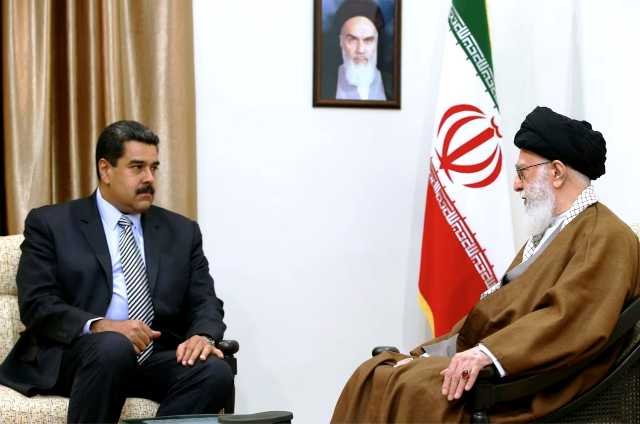
Post removed @rattlesnake Let members share their own commentsAntagonistic comment removed @FrankieGoesToHollyOffensive comment removed @PackerInflammatory post removed @daveAustinTrust them.As Donald Trump prepares for his second term, the geopolitical landscape of the Middle East faces a dramatic shift. The central question for diplomats and economists alike is whether the Islamic Republic of Iran can survive a renewed "Maximum Pressure" campaign. During his first term, Trump dismantled the 2015 nuclear deal and imposed crippling sanctions. However, experts suggest the second iteration will be even more intense. A key signal of this hardline approach is the appointment of Marco Rubio as Secretary of State. Rubio, a long-standing hawk on Tehran, has consistently advocated for total economic isolation of the regime to prevent it from funding regional proxies. A primary driver of this strategy is the unwavering support for Israel. The Trump administration is expected to give Israel significantly more latitude to dismantle Iran’s "Ring of Fire"—the network of militant groups like Hezbollah and Hamas. By neutralizing these proxies, the U.S. and Israel aim to leave the Iranian leadership vulnerable and without its traditional "forward defense" layers. Domestically, the Iranian government is already on shaky ground. Following the "Woman, Life, Freedom" protests and a crumbling economy, the regime faces a massive legitimacy crisis. If the U.S. successfully chokes off Iran’s remaining oil exports—largely destined for China—the resulting hyperinflation could trigger a level of civil unrest that the Islamic Republic cannot suppress. While some analysts believe the regime is "coup-proof" due to the power of the Revolutionary Guard, the combination of external military pressure from Israel and internal economic collapse creates a "Venezuela scenario." In this outlook, Iran doesn't just change its behavior; it faces a fundamental struggle for survival. Key Takeaways Aggressive Diplomacy: The appointment of Marco Rubio signals a return to "Maximum Pressure," aiming to bankrupt the Iranian regime through strict sanction enforcement. Strengthened Alliances: The U.S. is likely to provide expanded support for Israel’s operations to dismantle Iran-backed militant groups across the region. Internal Vulnerability: Economic isolation, combined with existing domestic dissent, may push the Islamic Republic toward a total systemic collapse similar to Venezuela. Adapted From: Adapted by ASEAN Now from Source

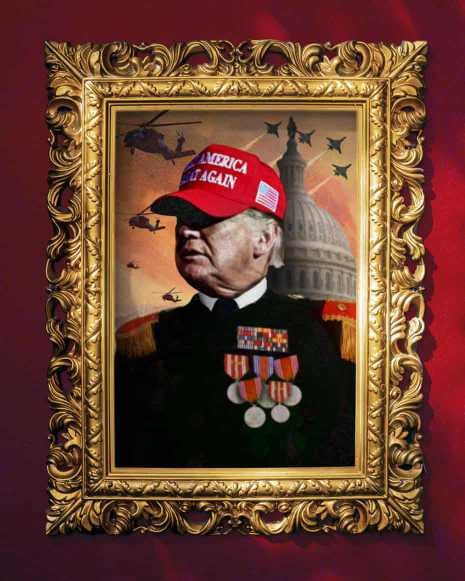
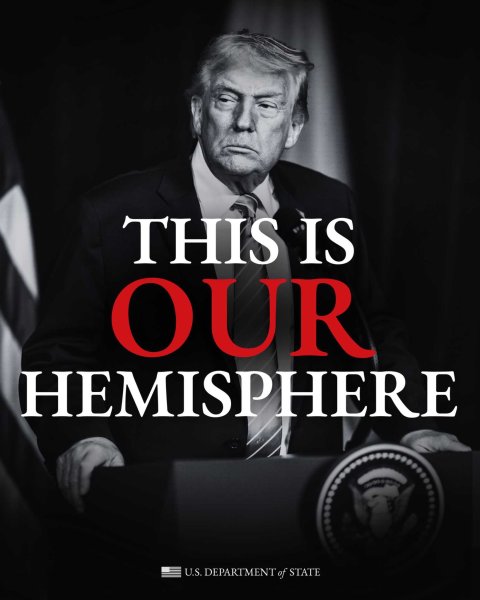
 Post removed. Let members share their own commentsLest there was any doubt about the scale of Trump’s territorial ambitions, his administration posted its message to the world in capital letters, some of them red, on social media “This is OUR hemisphere,” the state department declared on X above a black and white picture of Trump looking grimly determined. The White House deputy chief of staff, Stephen Miller, went on CNN to provide the rationale for Trump’s new approach to foreign policy. “We live in a world, in the real world, Jake, that is governed by strength, that is governed by force, that is governed by power. These are the iron laws of the world since the beginning of time,” he said. Miller is one of the few aides to have served in high positions in both the first and second Trump tenures. He has emerged as chief ideologue, channelling the impulses of the president and packaging them as policy. In a social media post on Monday, Miller addressed the bigger picture and argued it was time for the west to stop apologising for its imperialist past. “Not long after World War II the West dissolved its empires and colonies and began sending colossal sums of taxpayer-funded aid to these former territories (despite have [sic] already made them far wealthier and more successful),” Miller wrote: “The neoliberal experiment, at its core, has been a long self-punishment of the places and peoples that built the modern world.” The US has invaded a long list of countries and changed regimes many times over the past few decades, but this is the first time it has done so since the second world war as a self-proclaimed exercise in imperialism. The extraordinary change in rhetoric coming from Washington means all three of the world’s military superpowers are overtly pursuing revanchist aims, the recovery of lost Vladimir Putin has taken on the mantle of Peter and Catherine the Great in restoring historical Russian lands, at the cost so far of a million Russian troops killed or injured in Ukraine, according to the British Ministry of Defence, the culmination of a string of conquests in Chechnya and Georgia. Xi Jinping has dedicated himself to China’s “great rejuvenation”, which includes recovering the territorial expanse of the Qing empire at its high-water mark before the “century of humiliation” at the hands of foreign powers from the mid-19th to mid-20th centuries. Beijing’s projection of force with military bases around the South China Sea draws from that rationale, but Xi has repeatedly made clear the mission will not be completed until Taiwan is back under Beijing’s rule. Like the other two ageing autocrats, Trump’s vision for his country harks back to a bygone imperial past. His favourite president is William McKinley, who led the US through a surge of territorial expansion at the end of the 19th century, including the military takeover of Cuba and the annexation of Hawaii, Puerto Rico, Guam, the Philippines and American Samoa. Trump has also looked to the early 19th century for inspiration for his new bout of territorial acquisitiveness, in the form of the Monroe docwas very important, but we forgot about it. We don’t forget about it any more,” the president said on Saturday. The reference not only reflected a view of the past uncomplicated by any detailed reading on Trump’s part, but also the changing relationship between the US and the notion of empire. The country was founded as a rejection of British imperialism and when President James Monroe developed his doctrine in 1823, setting out the leading US role in the Americas, it was to act as a barrier to any further European colonialism. The version of the doctrine that Trump appears to embrace, however, is its repurposing by Teddy Roosevelt in 1904 at the height of a US exercise in traditional imperialism. Under the “Roosevelt corollary”, the US took on the role of “police power” which would intervene in any country in the region where it perceived there to be “flagrant cases of wrongdoing or impotence”. In its national security strategy document published in November, a blueprint for the expansionism of early 2026, the White House laid out a “Trump corollary” to the Monroe doctrine “to restore American pre-eminence in the western hemisphere”. Trump calls it the “Donroe doctrine”, copying a New York Post front page from a year earlier. The difference from previous versions, he boasted characteristically, was that it would be bigger and better. For all the febrile talk of doctrine and the sharp swerve in rhetoric coming from the White House, it is far from clear how it intends to proceed in Venezuela. There appears to be disagreement within the administration – to the extent there is detailed discussion at all – on how to turn the president’s self-image of hemispheric emperor into a plan of action. Until that happens, what Trump has done in Venezuela is arguably not out of line with what the US has done around the world, but particularly in the Americas, when it was supposed to be abiding by the post-1945 “rules-based order”. Some argue that, as seen from the global south, US imperialism has remained a constant, and that all Trump has done is to drop the mask of hypocrisy “The idea that this is new is ridiculous,” said Kehinde Andrews, a professor of black studies at Birmingham City University in the UK and the author of The New Age of Empire: How Racism and Colonialism Still Rule the World. “The US has been doing this all along, but the only difference here is it’s just brazen. There’s nothing new about this at all. This is what the west does; Trump’s just honest about it. I actually find it refreshing to be honest.” Andrews added that if Trump carried out his threat to seize Greenland, directing his imperialist appetites towards another western state and thereby crippling Nato, it would mark a significant break with the past. But for that same reason, he doubted it would happen. “If it was a black or brown place, it would have happened already,” Andrews said.trine.perial greatness.prove search Trump Revives Imperialism with Bold "Donroe Doctrine" President Donald Trump has signaled a radical shift in American foreign policy, openly embracing a new era of territorial expansion and "modern imperialism." While the President has temporarily postponed discussions regarding a potential takeover of Greenland—a semi-autonomous Danish territory—he remains firm that the move is essential for U.S. national security. This shift is spearheaded by chief ideologue Stephen Miller, who argues that the West should stop apologizing for its colonial past. Miller contends that the post-WWII "neoliberal experiment" was a form of "self-punishment" and that the world is fundamentally governed by "strength, force, and power." To codify this, the administration has introduced a "Trump Corollary" to the 1823 Monroe Doctrine. Branded the "Donroe Doctrine," this policy asserts total U.S. pre-eminence in the Western Hemisphere and positions the U.S. as a dominant "police power." This "brazen" rhetoric places Trump alongside other global leaders pursuing revanchist aims. Just as Vladimir Putin seeks to restore "historical Russian lands" and Xi Jinping pursues the "great rejuvenation" of the Qing empire’s borders, Trump is looking back to the late 19th-century expansionism of William McKinley. Critics and scholars, such as Professor Kehinde Andrews, argue that while U.S. interventionism is nothing new, the administration has finally "dropped the mask." While the U.S. has a long history of regime change, this marks the first time since 1945 that such actions are being framed as a self-proclaimed exercise in imperialism. Whether this translates to the actual seizure of territory like Greenland remains to be seen, but the shift in language marks a definitive end to the "rules-based order" of the previous century. Key Takeaways The "Donroe Doctrine": Trump has updated the Monroe Doctrine to assert aggressive U.S. dominance over the Western Hemisphere, prioritizing "power and force" over traditional diplomacy. Territorial Ambitions: Despite a temporary delay, the administration remains focused on acquiring Greenland and restoring U.S. expansionist policies reminiscent of the late 1800s. A New Global Era: The U.S. joins Russia and China in a trend of "revanchist" foreign policy, where military superpowers openly seek to reclaim or seize territory for national greatness. Adapted by ASEAN Now from THE GUARDIAN
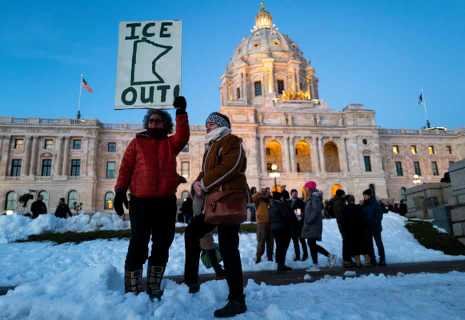
 The Trump administration has officially suspended $129 million in federal benefit payments to Minnesota, citing concerns over systemic fraud and a lack of transparency from state officials. The decision was announced by U.S. Department of Agriculture (USDA) Secretary Brooke Rollins, who issued a formal notice to Minnesota Governor Tim Walz and Minneapolis Mayor Jacob Frey. The move follows long-standing federal investigations into the "Feeding Our Future" scandal, where prosecutors estimate nearly $250 million was stolen from pandemic-era food programs. The Fight Over Federal Funding Secretary Rollins stated that the administration will not allow federal funds to be "mismanaged" and has demanded a full justification for all state spending dating back to January 2025. Moving forward, Minnesota must provide rigorous documentation before any new federal payments are released. State leaders have hit back at the decision, calling it a politically motivated attack. Minnesota Attorney General Keith Ellison vowed to take the matter to court, while a spokesperson for the city of Minneapolis accused the administration of "targeting" the state for political gain. This suspension coincides with a broader federal crackdown on social programs in Democratic-led states. While a federal judge recently blocked the administration from freezing childcare subsidies in five states—including Minnesota—this latest USDA action represents a new front in the legal and political battle over federal oversight. Escalating Tensions The administration’s focus on Minnesota has intensified over the last year, particularly regarding allegations of fraud within the state's Somali American community. Governor Walz, who recently announced he will not seek a third term, criticized the move as an attempt to "sow division." As the legal battle looms, thousands of Minnesotans who rely on these federal benefits face growing uncertainty. Key Takeaways Massive Funding Freeze: The USDA has suspended $129 million in federal payments to Minnesota, citing a history of fraud within the state’s aid programs. Legal Pushback: Minnesota Attorney General Keith Ellison has pledged to sue the administration to restore the benefits, calling the freeze an illegal overreach. Strict Oversight: The Trump administration now requires Minnesota to provide detailed justification for all federal spending before future funds are released Adapted by ASEAN Now from THE GUARDIAN
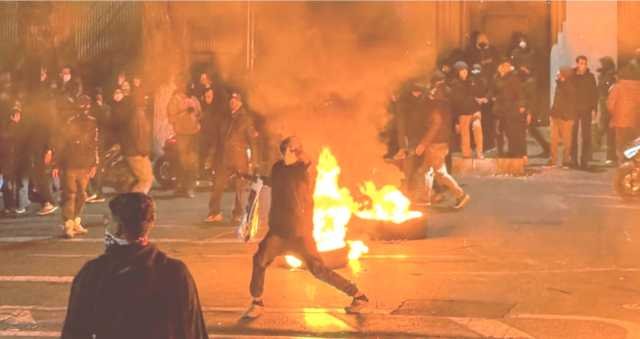
 Medical professionals across Iran are reporting a healthcare system in crisis as nationwide demonstrations enter their fourteenth consecutive day. From major cities like Tehran to smaller regional hubs, hospitals are struggling to manage a massive influx of patients while facing severe pressure from state authorities. Medical Crisis and Overwhelmed ERs Doctors and nurses, speaking anonymously for fear of retaliation, describe scenes of chaos within emergency departments. Wards are reportedly filled beyond capacity with individuals suffering from various injuries, ranging from respiratory distress caused by heavy tear gas use to more severe trauma. In many facilities, medical supplies—including basic bandages and oxygen—are running dangerously low due to the unexpected volume of casualties. A Climate of Fear in Healthcare The crisis is not just medical but political. Reports indicate that security forces have established a presence inside several hospitals to identify and detain injured protesters. This has created a terrifying dilemma for the wounded; many are choosing to treat serious injuries at home rather than risk arrest at a clinic. Doctors have also voiced concerns over being forced to falsify medical records to hide the true cause of injuries, further complicating the delivery of ethical care. Strained Resources and Global Concern As the unrest continues into its third week, the mental and physical exhaustion of healthcare workers is reaching a tipping point. With internet outages hindering communication between medical networks, many practitioners are working in isolation. International human rights organizations are now calling for the protection of medical neutrality, urging that hospitals remain safe havens for all citizens regardless of their political involvement. Key Takeaways Systemic Collapse: Iranian hospitals are facing critical shortages of beds and essential medical supplies as protests hit the two-week mark. Security Interference: The presence of security forces in medical wards is deterring injured protesters from seeking professional life-saving treatment. Ethical Pressure: Healthcare providers are reportedly being pressured to misreport injury causes, raising significant human rights concerns. Adapted From Adapted by ASEAN Now from BBC
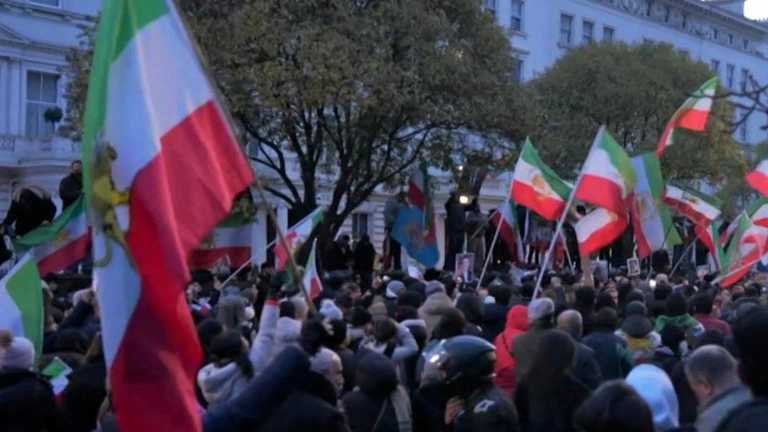
 Dramatic scenes unfolded in central London as a demonstrator climbed onto the balcony of the Iranian Embassy to replace the national flag with a historic opposition symbol. On Saturday, January 10, 2026, a high-profile demonstration outside the Iranian Embassy in Kensington escalated when a protester scaled the building. Viral social media footage captured the man standing on the embassy’s balcony, where he removed the flag of the Islamic Republic and unfurled the "Lion and Sun" flag—a pre-1979 revolution symbol often used by groups opposing the current regime. The incident occurred during a rally of approximately 1,000 people gathered to show solidarity with ongoing anti-government protests in Iran. The Metropolitan Police responded by deploying additional officers to the scene near Hyde Park. Authorities confirmed that two individuals were arrested: one for aggravated trespass and another for both aggravated trespass and assault on an emergency worker. Police are currently searching for a third suspect. The London protest reflects the intensifying unrest within Iran, which began in late December 2024. These demonstrations, sparked by economic hardship and spiraling inflation, have evolved into a significant challenge to the Iranian government. Reports suggest that dozens of protesters have been killed in Iran, with thousands more detained amid a nationwide internet blackout. UK Prime Minister Sir Keir Starmer recently condemned the violence in Iran, urging Tehran to "exercise restraint." Meanwhile, the Iranian Embassy later shared an image on social media showing the official flag restored to its position, stating that "Iran’s flag is flying high." The Met Police remained on-site late into the evening to ensure the building’s security. Key Takeaways Security Breach: A protester scaled the Iranian Embassy in London, replacing the official flag with a pre-revolution symbol. Police Action: The Metropolitan Police arrested two people for aggravated trespass and continue to monitor the area for further disorder. Global Solidarity: The event was part of a larger international movement supporting Iranian citizens protesting against the regime's economic and social policies Adapted by ASEAN Now from BBC
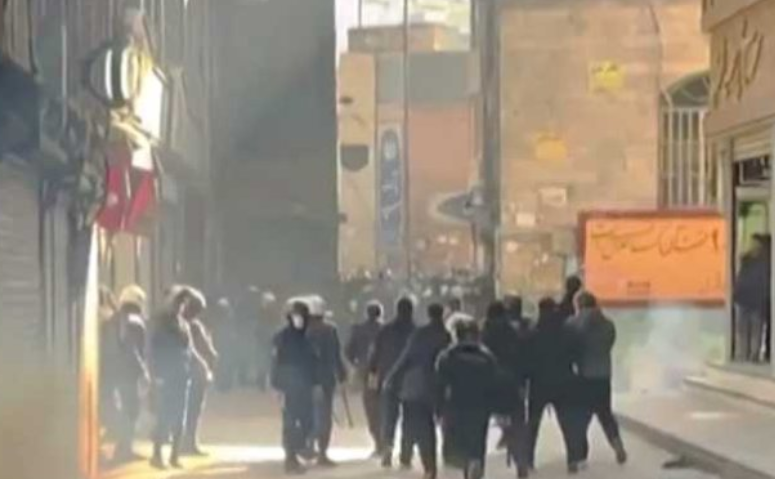
 The Iranian military has formally pledged to defend the nation’s strategic interests and public property following a series of bold statements from U.S. leadership supporting anti-government demonstrators. As protests across Iran enter their second week, the army's entry into the crisis signals an escalating standoff between the clerical establishment and a growing domestic opposition. A Stiff Warning from Tehran In a statement released on Saturday, January 10, the Iranian army warned that it would "resolutely protect" the country against what it described as foreign-led "sedition." The military accused the United States and Israel of orchestrating the unrest to undermine Iran's national security. This mobilization follows nearly 14 days of nationwide rallies sparked by economic collapse and soaring inflation, which have since evolved into a broader challenge against the ruling government. US Support Intensifies The Iranian military's rhetoric comes directly after U.S. President Donald Trump and Secretary of State Marco Rubio voiced strong support for the protesters. President Trump issued a stern warning to Iranian leaders, stating the U.S. is "ready to help" and cautioned against the use of lethal force. Rubio echoed this sentiment, praising the "brave people of Iran" for their determination. Despite a near-total internet blackout imposed by Tehran, reports continue to leak of intense clashes in cities like Tehran, Karaj, and Mashhad. Human rights groups estimate the death toll has climbed to over 70 people, while the Iranian government has countered by labeling protesters as "enemies of God"—a charge that carries the death penalty. Regional Stakes The unrest is unfolding in a volatile regional climate. Recent U.S. military actions in Venezuela and past strikes on Iranian infrastructure have heightened fears of a direct confrontation. While the Iranian army claims to be focusing on protecting infrastructure, the deployment indicates that the state is shifting from a standard police response to a full military footing to maintain control. Key Takeaways Military Involvement: The Iranian army has officially joined the security effort, vowing to protect critical infrastructure against "foreign-backed rioters." US Intervention Warning: President Trump has signaled that the U.S. may take a more active role if the Iranian government continues a violent crackdown on peaceful demonstrators. Severe Legal Threats: Iranian authorities have escalated their judicial response, warning that those participating in the protests will face the "enemy of God" charge, punishable by death. Adapted by ASEAN Now from Source
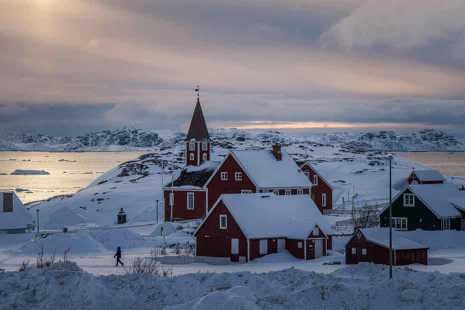
 Inflammatory post removed @YellowtailThe United States said they will take action regarding Greenland: “whether they like it or not" President Donald Trump declared on 9 January 2026, warning that strategic rivals could seize the island if Washington does not move. Trump made the comments during a White House meeting with oil and gas executives, emphasising that U.S. national security requires a decisive role in the Arctic. Trump said he prefers a negotiated approach to Greenland’s future but insisted that if a peaceful solution fails, the White House will pursue harder options to prevent Russia or China from gaining influence in the region. He argued that the U.S. cannot rely on temporary military arrangements and must secure full control to defend its interests. Greenland is an autonomous territory of Denmark with its own government, and both Danish and Greenlandic leaders have firmly rejected the idea of ceding the territory. Officials there have stressed that Greenland is not for sale and urged respect for its sovereignty, highlighting deep diplomatic resistance to Trump’s demands. European allies have also reacted strongly, with some warning that any forced attempt to take control could strain or even jeopardise NATO unity. Denmark’s prime minister has cautioned that unilateral action would mark the end of the alliance, amid broader concerns over diplomatic fallout. Trump’s remarks follow a period of heightened U.S. foreign policy assertiveness, including recent military action in Venezuela, where American forces captured President Nicolás Maduro. Analysts say the Greenland rhetoric fits a broader pattern of prioritising strategic influence. The U.S. government may continue to pursue diplomatic negotiations with Denmark and Greenland, while also signalling that military or coercive measures remain on the table. The coming days are likely to reveal how European leaders and U.S. lawmakers respond to these escalating tensions. Key Takeaways President Trump said the U.S. will act on Greenland to prevent Russia or China gaining control. Danish and Greenlandic officials have rejected U.S. acquisition, stressing sovereignty. European allies warn that forced action could damage NATO and diplomatic ties. Adapted From https://www.theguardian.com/us-news/2026/jan/09/trump-greenland-threats-white-house
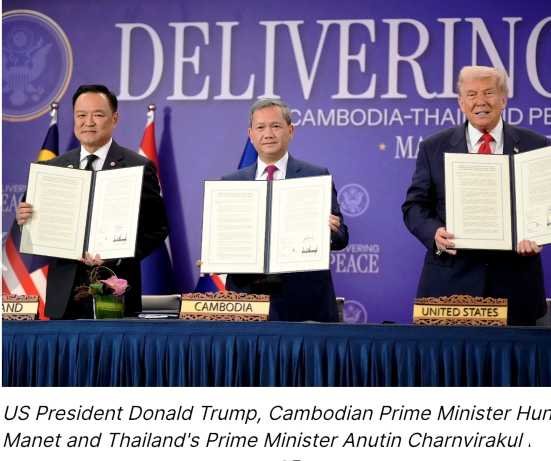
 The United States has announced a $45 million aid package for Thailand and Cambodia to bolster a fragile ceasefire following deadly border clashes. This financial support aims to stabilize the region and assist hundreds of thousands of civilians displaced by the recent violence. U.S. Assistant Secretary of State Michael DeSombre confirmed the funding during a regional visit to solidify peace efforts. The conflict, rooted in long-standing territorial disputes over an 800-kilometer border, escalated significantly in late 2025. Recent fighting involved fighter jets and heavy artillery, resulting in at least 101 deaths and displacing more than 500,000 people. Although a peace deal was brokered in October at the Kuala Lumpur Peace Accord, the truce collapsed in December before a new pact was signed on December 27. The aid package includes $15 million for border stabilization and $10 million for demining operations to clear unexploded ordnance. An additional $20 million is dedicated to combating drug trafficking and cyber-scam centers that have targeted American citizens. DeSombre stated, “The United States will continue to support the Cambodian and Thai governments as they implement the Kuala Lumpur Peace Accords.” Diplomatic efforts will continue as DeSombre meets with senior officials in Bangkok and Phnom Penh this week. The U.S. remains focused on implementing the 2025 ceasefire terms to prevent further military escalation. Success depends on the sustained cooperation of both nations to restore essential services and manage the return of displaced populations. Key Takeaways The United States is providing $45 million in aid to Thailand and Cambodia to support regional stability and the Kuala Lumpur Peace Accords. The funding includes $20 million for law enforcement initiatives and $25 million for border recovery, demining, and humanitarian support for 500,000 displaced persons. The aid follows a period of intense military conflict that killed over 100 people and triggered significant regional displacement late last year. Adapted From: https://www.euronews.com/2026/01/09/us-to-provide-45-million-in-aid-to-thailand-and-cambodia-in-a-bid-to-ensure-regional-stabi
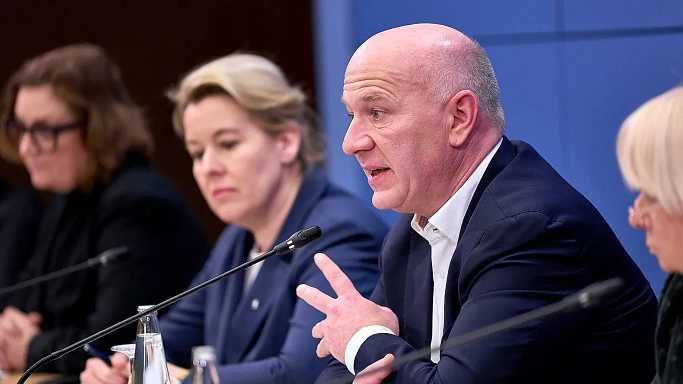
 Berlin Mayor Kai Wegner is facing intense criticism after it was revealed he played tennis while a major blackout left approximately 50,000 households without power. The outage, which struck the German capital late Thursday, has been linked to a suspected arson attack on high-voltage power lines. Opposition leaders and residents have slammed the mayor's choice to continue his leisure activities while the city entered a state of emergency. Wegner’s office confirmed he was at a private sports club during the initial hours of the crisis, leading to calls for his immediate resignation. The blackout was triggered by a fire at a critical substation in the Lichtenberg district, an act later claimed by a far-left extremist group. This group cited opposition to urban development and high energy costs as the primary motivation for the targeted sabotage of the city's infrastructure. Public reaction has been swift, with political rivals describing Wegner’s behavior as a "gross dereliction of duty." Experts suggest this incident could severely damage the mayor’s approval ratings and weaken the current coalition government’s standing regarding public safety and crisis management. Repair crews worked throughout the night to restore electricity, but several districts remained in the dark for over twelve hours. The disruption caused chaos in public transport, with several U-Bahn lines suspended and traffic lights failing across major intersections. Authorities have launched a high-level investigation into the security breach that allowed the arsonists to access the substation. Federal police are now involved, as the incident is being treated as a domestic terrorism threat against Germany’s critical energy grid. Looking ahead, the city senate is scheduled to hold an emergency session on Monday to discuss improved security measures for utility sites. Wegner is expected to face a formal inquiry regarding his timeline of events and decision-making during the start of the blackout. Key Takeaways Mayor Kai Wegner stayed at a private tennis club while 50,000 Berlin households lost power due to a suspected arson attack. A far-left extremist group claimed responsibility for the sabotage, citing protests against energy costs and urban development projects. The city senate will hold an emergency session Monday to address the mayor's conduct and the vulnerability of Berlin's power infrastructure. Adapted From: https://www.euronews.com/2026/01/09/berlin-mayor-kai-wegner-under-fire-for-playing-tennis-during-major-blackout-caused-by-atta
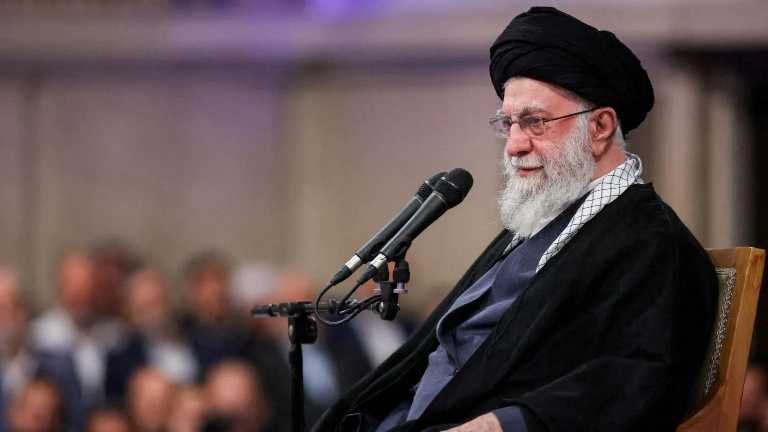
 Iran’s Supreme Leader Ayatollah Ali Khamenei has labeled anti-government protesters as "vandals" and "thugs" who are serving the interests of enemies. He claimed the unrest, sparked by rising fuel prices, is a security matter rather than a popular movement. The government has implemented a near-total internet blackout to curb the spread of information and demonstrations. The protests began on Friday after the government unexpectedly announced a fuel price hike of at least 50 percent. This economic shift aimed to provide subsidies for the poor but triggered immediate outrage across dozens of cities. Tensions have remained high as the country faces severe economic pressure due to international sanctions. Khamenei stated that "all the centers of the world's wickedness" are encouraging these "thugs" to create chaos. He specifically linked the unrest to the "sinister" Pahlavi royal family and the Mujahedeen-e-Khalq (MEK) opposition group. Officials confirmed that one person was killed in the city of Sirjan, though unofficial reports suggest a higher death toll. Authorities have warned of a "decisive" crackdown if the demonstrations continue to disrupt public order. While some officials have signaled a willingness to listen to peaceful economic grievances, the security apparatus remains on high alert. The international community is closely monitoring the situation as the internet remains restricted across the nation. Key Takeaways Supreme Leader Khamenei branded protesters as vandals and accused them of being manipulated by foreign enemies and the Trump administration. The unrest was triggered by a sudden government decision to increase fuel prices by at least 50 percent to fund subsidies. Iranian authorities have imposed a widespread internet shutdown and warned of a forceful response to ongoing civil disobedience. Adapted From: https://www.bbc.com/news/articles/c4g49djqqjgo
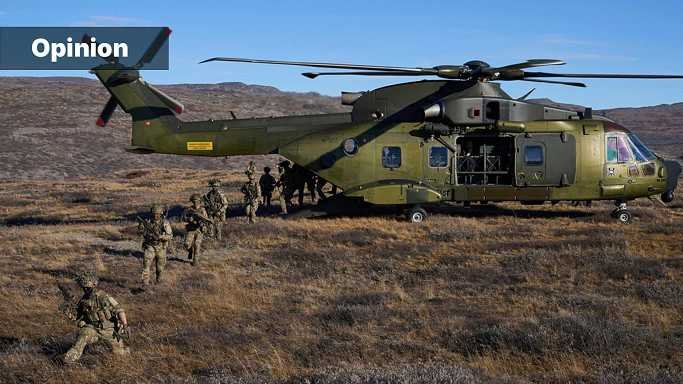
 European leaders are stepping up defenses around Greenland after U.S. President Donald Trump renewed efforts to acquire the island, triggering one of the most serious diplomatic rifts in recent NATO history. The push has heightened fears across Europe that a unilateral U.S. move could destabilize Arctic security and fracture long-standing military alliances. The dispute intensified after Trump appointed Louisiana Governor Jeff Landry as a special envoy to streamline Washington’s bid for Greenland. Trump argues the island is essential to U.S. national security due to its minerals and its strategic position amid increased Russian and Chinese activity in the Arctic. His remarks revived concerns that the U.S. may consider direct action if negotiations fail. Danish Prime Minister Mette Frederiksen urged European nations to treat the U.S. threats as credible, noting that any attack on Greenland would be considered an attack on NATO itself. French President Emmanuel Macron and German Chancellor Friedrich Merz backed Denmark, while analysts warned that European Union troops might ultimately be required to deter a potential U.S. escalation. The brewing conflict has pushed EU leaders to explore defense options not seen since the Cold War. The next stage will revolve around upcoming talks between U.S. Secretary of State Marco Rubio and Danish officials, who hope to defuse tensions before they reach a critical point. Meanwhile, European governments are preparing potential countermeasures, including seizing U.S. military bases in Germany, Italy, and Romania should Washington pursue annexation. The outcome of these negotiations will likely determine whether Arctic diplomacy holds—or collapses into the most serious transatlantic crisis in decades. Key Takeaways Trump’s appointment of Jeff Landry as special envoy signals a renewed and aggressive U.S. push to acquire Greenland. European leaders warn that unilateral U.S. action could unravel NATO and destabilize Arctic security. EU nations are considering troop deployments and the seizure of U.S. bases as possible responses to American annexation attempts Adapted From Euronews https://share.google/7iAYqRFrYPdbBv4nn
 Post removed. @KhunHeineken 17.News articles are collected from recognised sources and may be consolidated or rewritten with AI assistance. Respectful discussion of the article content is welcome. Disrespectful comments about the articles, the use of AI, or the news team (e.g. “clickbait,” “slow news day,” mocking grammar, or AI taunts) are not permitted. Posts breaching this rule will be removed, and posting suspension or account closure may result. If you see an error in an article, please use the report function.Then you can know her phone service provider. Then check the coverage. Zero-click s/w......