Bacon1
Global Moderator
-
Joined
-
Last visited
Everything posted by Bacon1
-
Offensive comment removed @Reddavy 9. You will not post disruptive or inflammatory messages. You will respect other members and post in a civil manner. Personal attacks, insults or hate speech posted on the forum or sent by private message are not allowed.
-
Post removed @Yellowtail
-
Three negative news comments removed. @TopGun10 @Purdey @JonnyF 17.News articles are collected from recognised sources and may be consolidated or rewritten with AI assistance. Respectful discussion of the article content is welcome. Disrespectful comments about the articles, the use of AI, or the news team (e.g. “clickbait,” “slow news day,” mocking grammar, or AI taunts) are not permitted. Posts breaching this rule will be removed, and posting suspension or account closure may result. If you see an error in an article, please use the report function.
-
Post removed. Quoted two members, without comment. @rattlesnake
-
Scathing & unnecessary comment removed. Reply also. @TopGun10
-
Flame post removed @KhunLA
-
Post in another language removed. @Simon 55 I have asked you three times to only post in English, & quoted Forum Rule # 16. If you do not abide by the rules, to which you agreed to on signing up, you will most likely be sanctioned. 16. English is the only permitted language anywhere on ASEAN NOW, except within the Thai language forum, where using Thai is allowed. Short Thai translations of technical terms are permitted in specialty forums. While we make allowances for members who do not speak English as their first language, we expect everyone to make an effort to post in a manner that allows others to understand their posts. As an international forum we have members from many countries in the world, and English is not the first language of every
-
Weather update https://www.express.co.uk/news/weather/2126736/uk-snow-maps-latest-huge-white-barrage-in-hours
-
Negative news comment removed @Upnotover
-
Remember the big freeze of '62/63? My first real experience of snow. Fantastic fun 😊
-
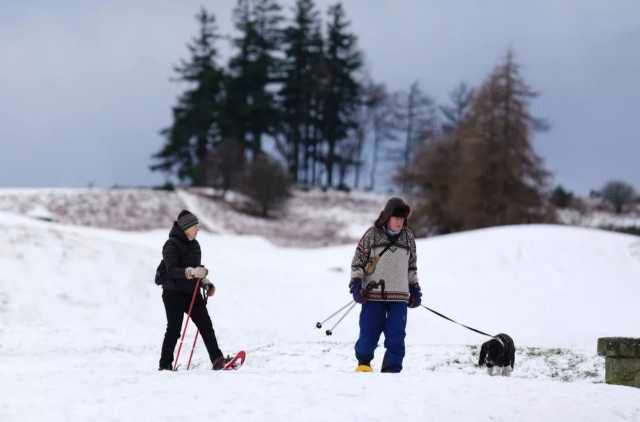
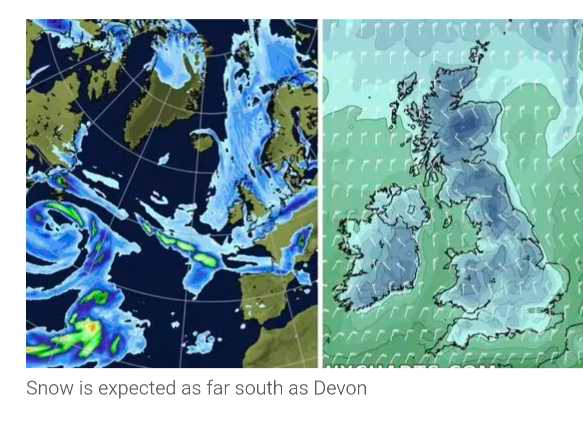
New detailed weather maps reveal that the UK is facing a sudden snow and cold weather event across large parts of the country in the coming days. Data from forecasting services show that temperatures will dip sharply, and precipitation may fall as snow in regions not accustomed to wintry conditions this time of year. Forecasters highlight that the cold air mass moving in could trigger a “snow bomb” scenario, with several centimetres of snow possible in a 24-to-36 hour window, especially over high ground and northern parts of England. Meanwhile, other areas may see a mix of sleet and rain followed by icy conditions overnight. The impetus behind these maps is to give better lead time for travel disruption, school closures and potential power outages. Transport authorities are already being advised to prepare for slippery roads and rail delays, while residents in vulnerable areas are urged to check weather alerts and plan accordingly. Meteorological models indicate that the cold front will move swiftly but will linger enough to bring a significant change from the mild, unsettled weather that’s characterised much of the season so far. This upgraded visual guidance—showing the likely snow-risk zones, temperature drop trajectories and timing of onset—allows individuals, businesses and emergency services to respond more quickly and effectively. Although the event is expected to be relatively short lived, it’s the suddenness and intensity that is causing concern: the UK has not yet fully transitioned into winter mode, meaning groundwork for snow management may be less robust in some places. Forecasters emphasise that while the most extreme accumulations will likely be confined to upland areas, lower-lying regions are not immune from disruptions. Key Takeaways: 1. Sudden cold snap and snow risk: Forecasting maps highlight a rapid onset of snow in many UK regions within 24-36 hours. 2. Preparedness matters: Transport, emergency services and residents are urged to act early as conditions could worsen quickly. 3. Visual forecasting tools: The new maps help pinpoint risk zones—giving clearer guidance than standard bulletins. Adapted From https://www.mirror.co.uk/news/uk-news/new-uk-weather-maps-show-36018306
-
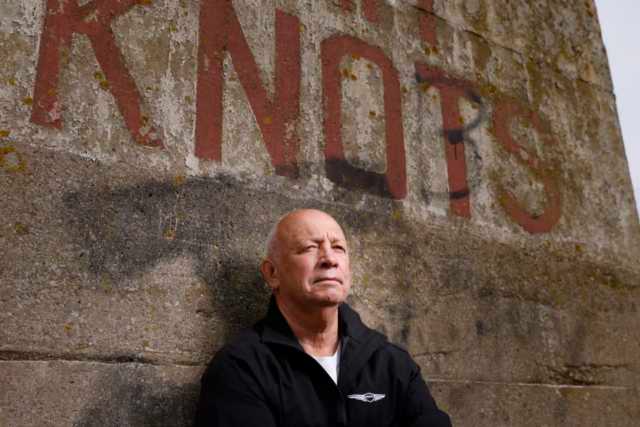
On 6 July 1988, the massive offshore oil platform Piper Alpha, situated around 120 miles off Aberdeen, suffered catastrophic explosions and collapse killing 167 of the 228 crew aboard. One of the survivors, Joe Meanen, recounts his desperate escape: when the rig erupted, he found himself on the helideck, engulfed in oil-fired inferno and thick black smoke with no alarms or announcements sounding to warn the men. Recognising that staying on board meant certain death, Meanen strapped on a lifejacket and leapt 175 ft (53 m) into the North Sea — his only chance of survival. After hitting the water, he clung to a floating lifeboat roof and swam until rescue came. He was one of only five in his group of 14 on the helideck to make it out alive. Before the disaster, Piper Alpha had been a cornerstone of North Sea output — accounting for roughly 10 % of regional oil and gas production and producing up to 300,000 barrels of oil a day. An error triggered by activating a gas pump undergoing maintenance (which lacked a safety valve) led to an explosion that rocked the platform, igniting a fire and destroying the control room; the aftermath revealed major safety failings by the operator Occidental Petroleum (Caledonia) Ltd (OPCAL). In the years since, Meanen has spoken publicly about the disaster, the physical and psychological scars he carries, and how he now works to keep the memory of Piper Alpha alive and promote offshore safety. Key Takeaways: The Piper Alpha platform disaster was one of the worst offshore accidents in history, with 167 lives lost. Joe Meanen’s 175-ft jump into the North Sea exemplifies the split-second decisions survivors faced amid chaos and death. The incident exposed serious safety failures and led to a major inquiry and reforms in offshore oil rig operations. Adapted From https://www.theguardian.com/lifeandstyle/2025/oct/28/the-piper-alpha-oil-rig-exploded-and-collapsed-and-i-made-a-desperate-175ft-jump-into-the-sea


-
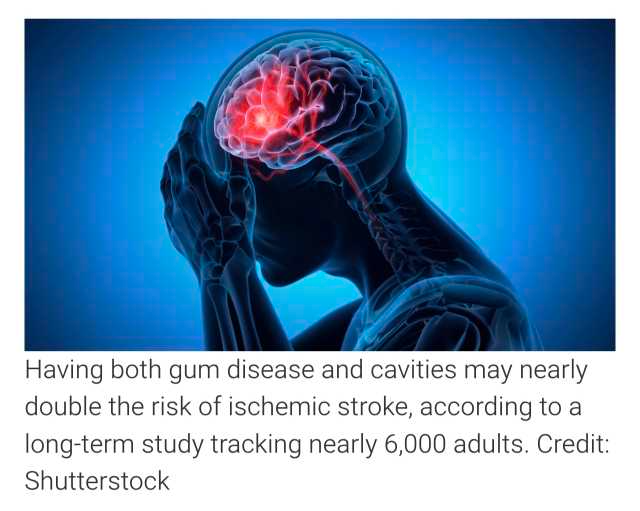
Poor gum health combined with cavities may significantly raise your stroke and heart-disease risk, a new study reveals. In a long-term study involving nearly 6,000 adults tracked over 20 years, researchers found those with both dental cavities and gum disease faced an 86% higher risk of ischemic stroke (caused by blocked blood flow to the brain) compared to participants with healthy mouths. Individuals who had gum disease alone still showed a 44% increased stroke risk. Beyond stroke, participants with both conditions also had a 36% higher chance of major cardiovascular events including heart attack, fatal heart disease, or stroke. Importantly, regular dental visits appeared to strongly reduce these risks. Participants who went to the dentist routinely were 81% less likely to have both cavities and gum disease, and faced substantially lower odds of stroke and cardiovascular problems. The study authors emphasize that while this research shows a strong association—not a proven cause—its findings suggest that maintaining oral health may be a simple but often overlooked element of stroke prevention. The investigation began with adults averaging age 63 who had no prior strokes. Dental exams classified each person into groups: healthy mouth, gum disease only, and gum disease with cavities. Over two decades, medical records and interviews tracked which participants suffered strokes. Though the researchers only assessed oral health at the start—without tracking changes over time—and other lifestyle factors may also play a role, the results reinforce a growing understanding that oral health and brain/heart health are interconnected. Key Takeaways 1. Having both dental cavities and gum disease is linked to almost double the risk of ischemic stroke compared to healthy oral status. 2. Regular dental check-ups are strongly associated with lower odds of combined cavities/gum disease and therefore may help reduce stroke and cardiovascular risk. 3. Although this study shows correlation not causation, its large size and long follow-up make the case: oral health could be a meaningful component of heart- and brain- he alth strategy. Adapted From: https://www.sciencedaily.com/releases/2025/10/251027023759.htm Link To Neurology Article: https://www.neurology.org/doi/10.1212/WN9.0000000000000036

-
Vulgar post & reply removed @Cameroni
-
An unnecessary meme against another member, has been removed. @BLMFem Oversized font is not acceptable.
-
There are multiple potential reasons for ASD and neurodevelopmental disorders, including genetic, environmental, gestational, and iatrogenic (side effects of drugs) factors. Vaccines are only one among these many factors, not the dominant or primary cause. Your headline is incorrect because it overstated the role of vaccines. Vaccines were not found to be the: "Dominant Risk Factor"
-
Thread started: https://aseannow.com/topic/1377229-napoleon’s-return-from-elba-the-start-of-the-hundred-days/#elShareItem_449971965_menu
-
In early 1815, Napoleon Bonaparte made a dramatic return to France from his exile on Elba, igniting a brief but intense period known as the Hundred Days. After abdicating the throne in April 1814, Napoleon was exiled to Elba, a small island off the coast of Italy. However, he retained the title of Emperor and commanded a personal guard of 1,100 veterans. On February 26, 1815, he set sail for France, capitalizing on a moment when British Colonel Sir Neil Campbell, who had been assigned to monitor him, was absent. French naval patrols failed to intercept his convoy, allowing him to land at Golfe Juan on March 1. Napoleon's arrival sparked widespread support among the French populace. On March 7, he reached Grenoble, where a company of Royalist troops, ordered to fire upon him, instead defected to his side. By March 10, he had entered Lyon, and on March 13, he began issuing Imperial decrees. Meanwhile, King Louis XVIII declared Napoleon a traitor and dispatched two armies to confront him. Marshal Michel Ney, initially loyal to the Bourbon regime, defected to Napoleon's cause on March 14. Louis XVIII fled Paris on March 19, and Napoleon entered the city on March 20, reclaiming the throne in just 20 days with minimal bloodshed. This swift and decisive return set the stage for the ensuing conflicts that would culminate in the Battle of Waterloo. Key Takeaways: Napoleon's return from Elba was facilitated by British oversight and French naval inaction. His arrival in France was met with widespread support, leading to rapid defections from the Royalist forces. Napoleon's swift march to Paris demonstrated his enduring influence and the fragility of the Bourbon monarchy. Adapted From: https://warandsecurity.com/2015/06/15/napoleon-returns-from-elba/?utm_source=chatgpt.com


-
Why not start a thread, I'm sure many members would appreciate it.
-
Go ahead. Mods like being appreciated 👍
-
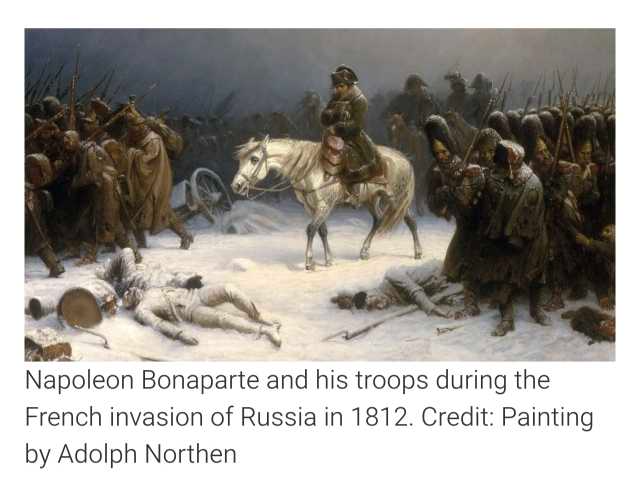
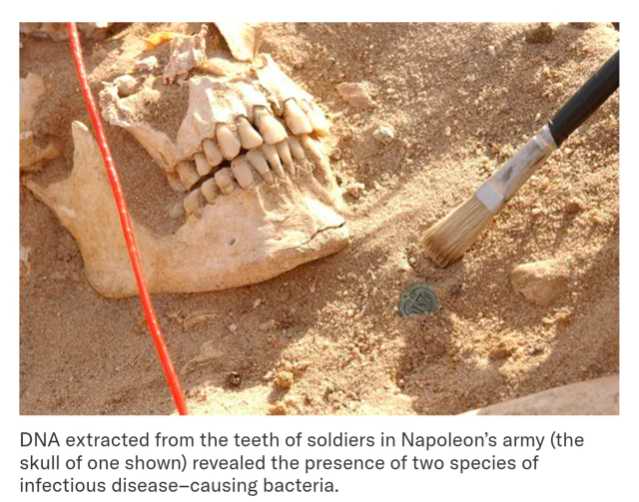
Researchers from the Institut Pasteur and Aix‑Marseille University have sequenced DNA from 13 soldiers who died during Napoleon Bonaparte’s ill-fated 1812 Russian campaign, uncovering direct evidence of two lethal infections: Paratyphoid fever and Relapsing fever. They identified traces of Salmonella enterica Paratyphi C in four individuals, and Borrelia recurrentis, which causes relapsing fever, in two others. These pathogens match historical descriptions of burning fevers, exhaustion and digestive distress that ravaged the army enduring starvation, bitter cold and lice infestations. Though the sample is small compared with the thousands of fallen soldiers, this marks the first genetic confirmation of these infections in Napoleon’s troops. The study highlights how infectious disease—in concert with weather, supply failures and combat losses—likely played a major role in the catastrophic collapse of the campaign. By applying next-generation sequencing techniques to century-old remains, the researchers also offer a fresh window into how pathogens circulated and evolved in historical populations, shedding light on both military history and infectious-disease evolution. Key Takeaways: Ancient DNA from 1812 soldiers confirms presence of paratyphoid fever and relapsing fever in Napoleon’s Russian campaign. These infections, combined with cold, hunger and poor sanitation, likely worsened the army’s massive losses. The study demonstrates how genomic archaeology can link historical events with microbial evolution, offering insights for both history and disease research. Adapted From: https://www.sciencedaily.com/releases/2025/10/251026021727.htm

-
Short clip of that dastardly Dr Zachary!! Vid_20251028_053449.mp4
-
Brings back memories from long ago... She was so good. Motherly & brave.

-
Offensive meme removed @Celsius
-
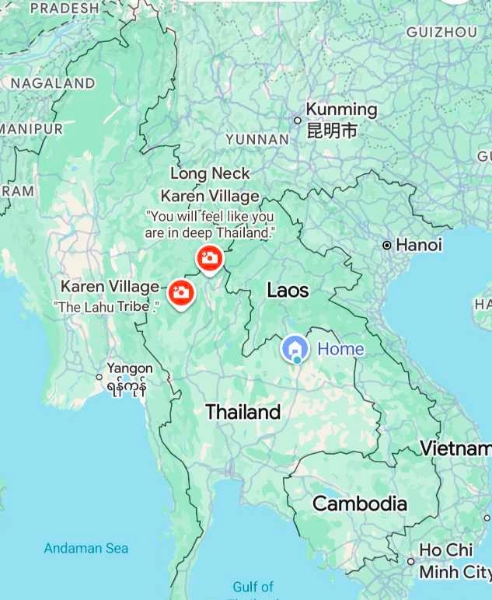
In the highland region of northern Thailand’s Chiang Mai province, the Indigenous Pgaz K’Nyau Karen community of Huay Ee Khang village relies on sacred and community-managed forests to maintain a spiritual and ecological balance. Church-free of outside exploitation and steeped in animist beliefs, the Karen link everyday life to the natural world—embedding rituals, prayers and customary rules into land stewardship. For example, newborns’ umbilical cords are carefully placed in containers hung from trees, forging a symbolic bond between child and forest. These traditional forests—such as “umbilical-cord forests”, women’s refuges and watersheds where logging, farming and hunting are forbidden—cover around 60 % of the 1,600 hectare territory surrounding the village. Within them, the Karen find up to 200 edible and medicinal plant species, and women in particular gain social and financial independence by harvesting herbs, dyes and forest foods. Yet this system faces serious threats. National conservation policies often lump the Karen’s small-scale rotational farming into “slash-and-burn” practices tied to deforestation, undermining their land rights and customs. The loss of farming knowledge also imperils seed diversity—with varieties shrinking from about 200 to just 80 in some cases. While Thailand’s new Ethnic Protection Bill marks progress for Indigenous rights and may support community-driven conservation, experts warn that without deep recognition of Indigenous worldviews, forests risk being viewed purely as resources instead of vibrant systems co-shaped by humans and nature. In sum, the Karen highland model offers an example of how spirituality, culture and ecological resilience intertwine—and how conservation efforts must respect Indigenous systems to succeed. Key Takeaways: Sacred forests managed by the Karen in northern Thailand support both cultural practices and biodiversity through traditional rituals and land-use systems. Modern exclusionary conservation policies and declining traditional farming threaten seed diversity, cultural identity and environment health. Legal recognition of Indigenous rights is advancing, but true conservation must integrate Indigenous perspectives—not just protect land, but also the people and beliefs linked to it. Original article: https://news.mongabay.com/2025/10/forest-sanctuaries-and-spiritual-balance-in-the-karen-highlands-of-thailand/