
Bacon1
Global Moderator
-
Joined
-
Last visited
Everything posted by Bacon1
-
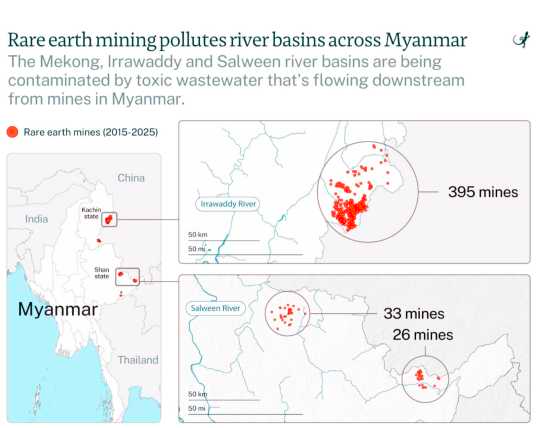
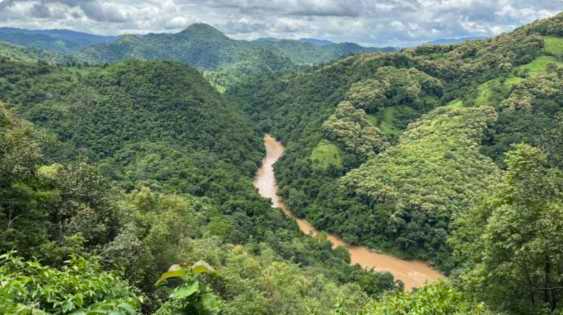
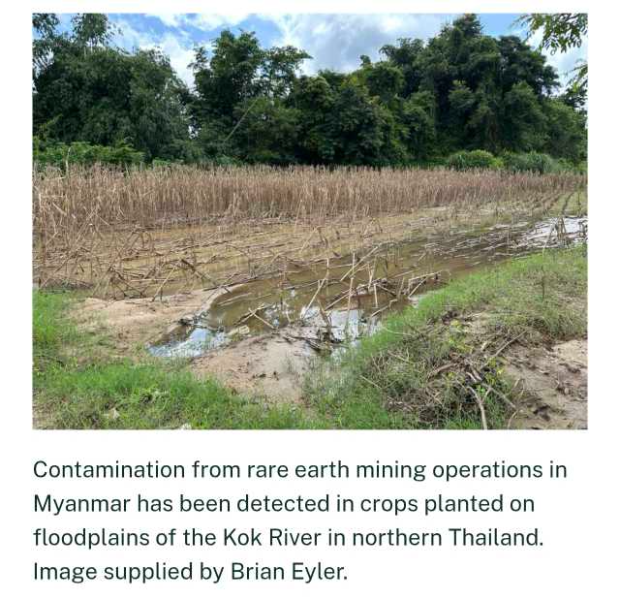
Satellite imagery and analysis reveal a sharp rise in rare-earth mining sites in northern Myanmar—estimated at 513 locations across tributaries of the Mekong River, Salween River and Irrawaddy River basins—up from previous estimates of just tens of sites. Many of these mines sit upstream of Thailand’s northern provinces of Chiang Mai and Chiang Rai, where rivers such as the Kok River and Sai River have already carried toxic runoff into Thai territory. The contamination—heavy metals and chemicals released during mining—has disrupted agriculture, fisheries and tourism in these provinces, causing estimated losses of around US $40 million. In Myanmar’s Kachin and Shan states, the boom in rare‐earth extraction has been driven by global demand and loosened regulation amid conflict, allowing mining to expand rapidly into ecologically sensitive zones. Because many of these operations are unregulated, the pollution risks extend beyond Myanmar’s borders into Thailand and potentially Cambodia and Vietnam. Researchers call for comprehensive water, sediment and soil testing in downstream countries, as heavy rainfall and seasonal flooding can flush stored toxic wastes into river systems. Thai grassroots communities and advocacy networks have petitioned the Thai government to halt mineral imports from Myanmar, establish local heavy‐metal testing, and secure alternative safe water sources for impacted communities. Without coordinated regional regulation and intervention, the ecological and human health threats posed by downstream rare‐earth mining are expected to escalate—impacting freshwater ecosystems and cross‐border communities across Southeast Asia. For the original article, see: Mongabay – More Thai rivers and downstream communities at risk from Myanmar’s rare earth mines From: https://news.mongabay.com/2025/10/more-thai-rivers-and-downstream-communities-at-risk-from-myanmars-rare-earth-mines/
-
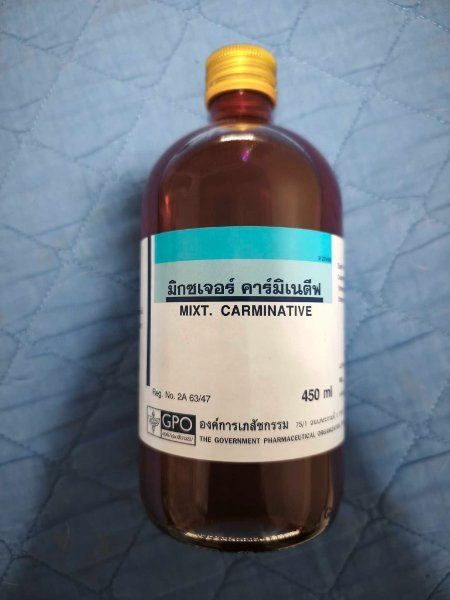
Yes, go & see a doctor. In the meantime, maybe try this. Speak with the pharmacist about it.
-
So all those Virologists apparently know nothing, compared to you. Is that correct?
-
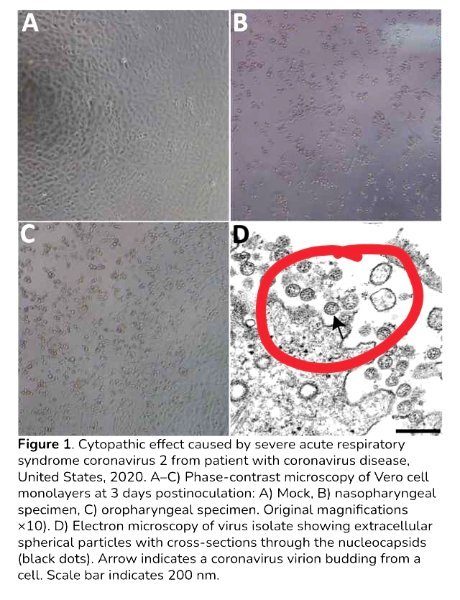
https://wwwnc.cdc.gov/eid/article/26/6/20-0516_article Severe Acute Respiratory Syndrome Coronavirus 2 from Patient with Coronavirus Disease, United States Cytopathic effect caused by severe acute respiratory syndrome coronavirus 2 from patient with coronavirus disease, United States, 2020. A–C) Phase-contrast microscopy of Vero cell monolayers at 3 days postinoculation: A) Mock, B) nasopharyngeal specimen, C) oropharyngeal specimen. Original magnifications ×10). D) Electron microscopy of virus isolate showing extracellular spherical particles with cross-sections through the nucleocapsids (black dots). Arrow indicates a coronavirus virion budding from a cell. Scale bar indicates 200 nm. I've circled it in red, in image D Explained Simply Scientists took samples from a COVID-19 patient and added them to healthy cells in a lab dish. The healthy cells (the control) looked normal. The cells with the patient samples started to break apart and die — meaning the virus was attacking them. Image D When the scientists looked with a super-powerful microscope, they could see tiny round virus particles coming out of the infected cells.
-
John Wedger, a retired police officer has spoken out about this on many occasions.
-
There are a lot of News topics posted, every day. I post about 3 or 4 every morning & there are dedicated News teams that post all day long
-
There are many good news threads, on different subjects. Please have a look at them
-
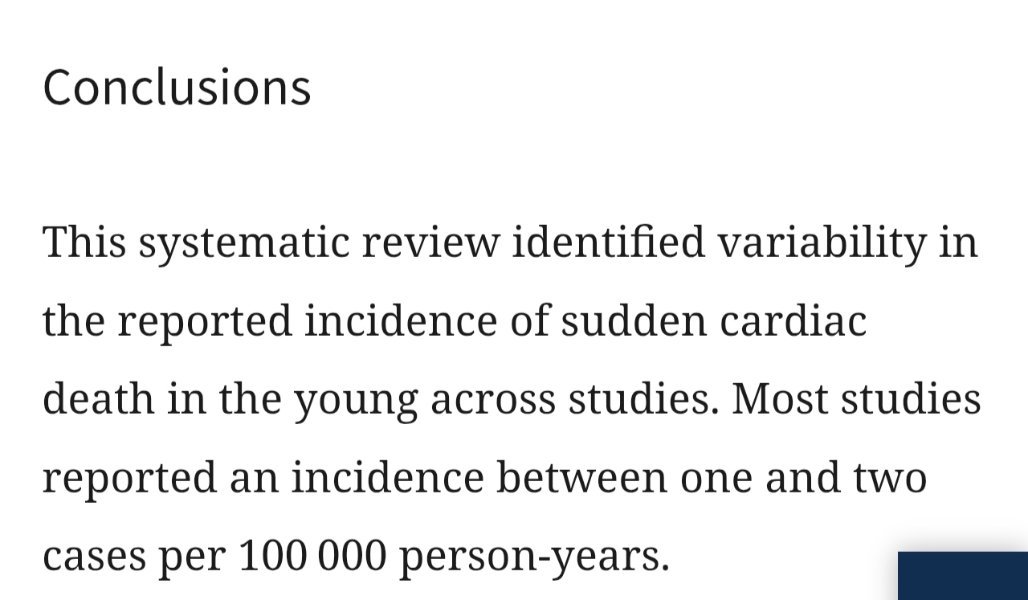
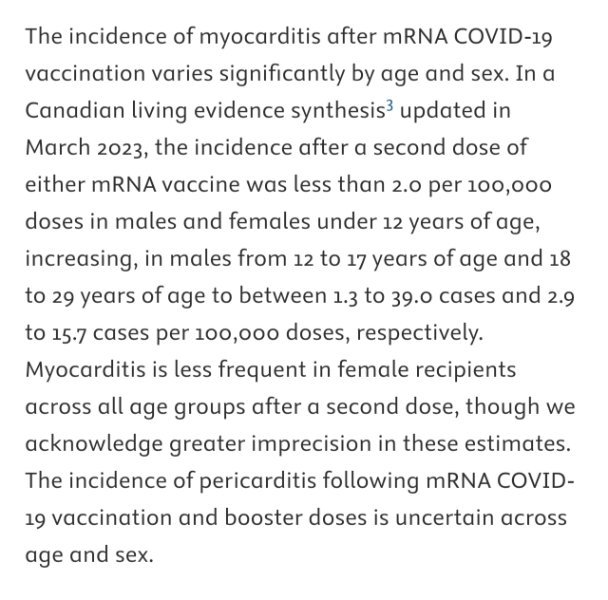
I’ve posted two studies: one on myocarditis following COVID vaccination and another on sudden cardiac death in young men. What I think is often misunderstood is that sudden cardiac death in young men already occurs naturally. Whether or not a COVID vaccine might contribute to myocarditis, you cannot simply say that “they had a COVID injection, they got myocarditis, therefore the vaccine is bad.” It’s much more complicated than that. I expect some people might just dismiss my point and assume I’m wrong, but the truth is that cardiology is a very complex and involved science. Statements about causation should be made cautiously unless one has a full understanding of the data. I do have extensive experience in cardiology. Defibrillators, for instance, were introduced because young men, particularly athletes, would sometimes suffer sudden cardiac arrest on the field. These events happen despite appearing healthy, and that context is essential when interpreting risks like vaccine-associated myocarditis. Please keep these factors in mind. https://onlinecjc.ca/article/S0828-282X(24)00277-0/fulltext?utm_source=chatgpt.com https://pmc.ncbi.nlm.nih.gov/articles/PMC7542928/?utm_source=chatgpt.com
-
Offensive post removed @short-Timer
-
Post discussing another member in a negative way, removed. @KhaoHom
-
The UK government has taken a firm stance in its escalating dispute with doctors, asserting it will not be “held to ransom” by strike action. The disagreement centres on pay and working conditions across the national health system. Government officials have warned that further industrial action will not result in unconditional pay increases or concessions without broader reforms. The dispute follows months of tense negotiations, with no deal yet reached. A key sticking point remains whether the government will approve additional wage rises beyond inflation, and under what terms. The government insists that any increase must be sustainable and form part of a long-term plan to reform health-service staffing and pay structures. Ministers say that while they respect the right to strike, they must protect public service obligations and avoid setting a precedent that could lead to more pay demands across the public sector. Meanwhile, medical unions accuse the government of devaluing healthcare workers and driving many to consider leaving the NHS or working abroad. Patient care continues to face strain as the stalemate deepens. Healthcare leaders warn that morale is at a low point and that ongoing uncertainty could worsen recruitment and retention challenges. Both sides remain entrenched, with doctors demanding a credible pay offer to restore trust and the government standing firm on financial constraints. Unless a compromise is found soon, the NHS may face further disruption and long-term workforce instability. Key Takeaways: 1. The government refuses to grant unconditional pay rises and insists on linking any deal to wider health-service reforms. 2. Doctors argue that low morale and poor pay are worsening staff shortages and pushing workers out of the NHS. 3. Ongoing strikes risk disrupting patient care and deepening the NHS staffing crisis if no agreement is reached. Original source: https://www.bbc.com/news/articles/cqjwqll257do BMA Payscales https://www.bma.org.uk/pay-and-contracts/pay/resident-doctors-pay-scales/pay-scales-for-resident-doctors-in-england

-
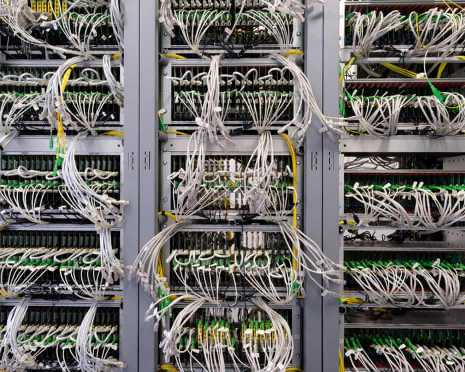
The internet may feel seamless and always-on, but according to a recent article in The Guardian, it rests on a surprisingly fragile foundation. Beneath everyday services like streaming, banking and smart-home devices lies an aging framework of data centres, undersea cables and vital protocols — many of which are concentrated in only a few providers. For example, major data hubs in Virginia and Iowa — run by giants like Amazon Web Services, Google Cloud and Microsoft Azure — are critical to operations worldwide. This means that natural disasters, cyber-attacks or cascading software failures could trigger major outages. The article outlines a “worst-case” scenario: a tornado takes out a data cluster in Iowa, a heatwave cripples a Virginia centre, and a cyber-attack hits Europe — creating a ripple effect that disables major cloud services, smart devices and online infrastructure. It emphasises that while the internet itself might technically still run (two networked devices connected still count), the services people rely on would vanish. Experts point to weak spots in key systems: DNS (“internet phone book”), BGP routing and the dominance of a handful of providers. Although a full collapse is improbable, the article argues we’re under-prepared for large-scale failures that expose how dependent society has become on digital infrastructure. Key Takeaways: Our global internet infrastructure is highly centralised and concentrated in a few providers and data hubs — creating critical single-points of failure. A combination of natural disaster, cyber-attack or software glitch could cascade into widespread outages of everyday services — even if the “internet” technically remains connected. While full collapse is unlikely, the scale of our dependency means we’re vulnerable and inadequately prepared for a major systemic disruption. Original source: https://www.theguardian.com/technology/2025/oct/26/internet-infrastructure-fragile-system-holding-modern-world-together

-
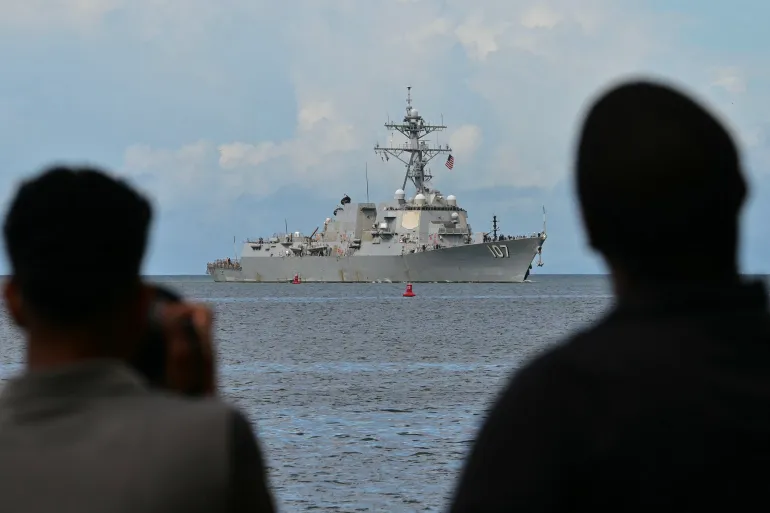
A United States Navy destroyer, the USS Gravely, has arrived in the Caribbean island nation of Trinidad and Tobago, docking in its capital, Port of Spain, as part of an expanded U.S. military presence in the region. The vessel, equipped with advanced weapons systems and helicopter-capable platforms, carries personnel from the United States Marine Corps and is set to participate in joint exercises with Trinidad’s armed forces. The move comes amid heightened tension between the U.S. and neighbouring Venezuela, where the U.S. has increased its military footprint, including a recent deployment of the USS Gerald R. Ford aircraft carrier. Venezuela’s President Nicolás Maduro has criticised the U.S. presence as a fabricated war threat. While Trinidad’s defence minister reassured citizens that the warship’s visit was routine and not a prelude to conflict, many locals voiced fears over potential spill-over from Venezuela tensions. Analysts suggest the deployment forms part of Washington’s broader strategy to project naval power in the Caribbean amid anti-drug operations, which in August involved eight U.S. Navy ships, ten F-35 aircraft and a nuclear-powered submarine — the largest U.S. build-up in the region since 1989. Key Takeaways: The US warship USS Gravely docks in Trinidad amid joint exercises and regional naval coordination. The deployment reflects the US’s intensified military posture near Venezuela during ongoing tensions. Local authorities deem the visit routine, but public concern remains high over regional spill-over risks. Original source: https://www.aljazeera.com/news/2025/10/26/us-warship-arrives-in-trinidad-and-tobago-near-venezuela
-
Unnecessary personal comment removed. Discuss the topic, not other members. @thesetat
-
Two libellous comments removed @watchcat @Screaming 14. You will not post slurs, degrading, or overly negative comments directed towards Thailand, Thai people, Thai culture,Religion, Thai institutions such as the military, judicial or law enforcement system, or specific locations within Thailand.
-
Off Topic post removed @georgegeorgia
-
Yes, all the + 4000 Virologists & all the related medical personnel around the world, are wrong. However, a "Midwestern doctor" who often has been struck off etc, is right.
-
Recombinant Zoster Vaccine (Shingrix): Real-World Effectiveness in the First 2 Years Post-Licensure Hector S Izurieta et al. Clin Infect Dis. 2021. https://pubmed.ncbi.nlm.nih.gov/33580242/ Conclusions: This large real-world observational study of the effectiveness of Shingrix demonstrates the benefit of completing the 2-dose regimen. Second doses administered beyond the recommended 6 months did not impair effectiveness. Our effectiveness estimates were lower than the clinical trials estimates, likely due to differences in outcome specificity.- Vaccine Chance of shingles after vaccination No vaccine ~1 in 3 people (≈ 33%) over a lifetime Common with age Vaccine Shingrix ~3–10 in 1,000 (≈ 0.3–1%) V 0.2% means 2 people out of every 1,000. ery strong protection
-
There is a difference between calling someone a 'fool' or 'stupid'. Your post, is inaccurate in your critique.
-
Bought a Xiaomi 15t Pro yesterday. Very good, great screen, easy to use & the camera is awesome! Got a free backpack, mini fan, power bank & a speaker too!
-
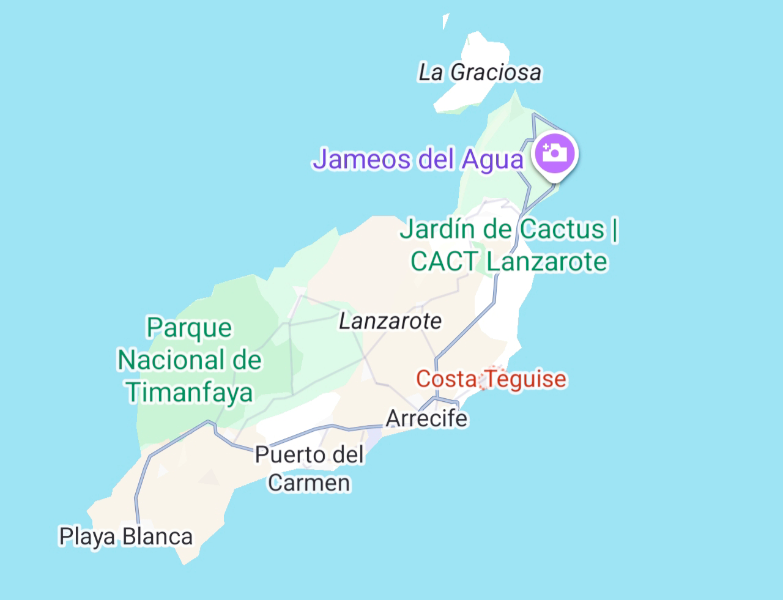
A British holidaymaker has died following a fall of approximately 20 feet from a hotel balcony in the resort town of Costa Teguise, on the Spanish island of Lanzarote. The incident occurred around 1:30 a.m. when the railing of the balcony reportedly broke loose, causing both the 56-year-old man and another British guest aged 54 to plunge from the height. The 56-year-old was pronounced dead at the scene while the 54-year-old remains in critical condition at the Doctor José Molina Orosa Hospital intensive-care unit. Authorities from the Spanish Civil Guard have initiated an investigation into the balcony’s maintenance and overall structural safety of the hotel. The name of the hotel has not yet been disclosed and officials have not confirmed whether the two men were friends or relatives. Key Takeaways: A 56-year-old British tourist died after falling about 20 feet from a hotel balcony in Costa Teguise, Lanzarote. A second British guest, aged 54, survived but remains in critical condition after the railing reportedly collapsed. The Spanish Civil Guard is investigating the hotel's balcony maintenance and structural safety as the hotel has not yet been named. Original source: https://www.theguardian.com/world/2025/oct/25/british-tourist-dies-after-20ft-fall-from-lanzarote-hotel-balcony
.png.2c5d57a6da5eeb0f534d5906cf11a382.png)
-
Former U.S. Vice President Kamala Harris has suggested she remains in the political game and may launch a presidential campaign in 2028. In a recent interview with the BBC program Sunday with Laura Kuenssberg, Harris said, “I am not done,” describing her career as “a life of service” and indicating that the idea of a woman occupying the White House is “inevitable.” Although she emphasised she has not officially decided to run, Harris made her strongest public Harris also used the interview to sharply criticise former President Donald Trump, describing him as a “tyrant with thin skin”hint yet at a second presidential bid—despite currently trailing in polls and being considered a long-shot. She dismissed poll numbers as unreliable indicators of potential and cited her own unexpected ascent to her first offices as proof that outcomes can defy predictions. Harris also used the interview to sharply criticise former President Donald Trump, describing him as a “tyrant with thin skin” who is weaponising institutions, including the justice system, and exerting undue influence over business leaders. She pointed to recent media and regulatory events as evidence of what she calls the consolidation of power under Trump-style authoritarianism. Harris is currently promoting her memoir, 107 Days, which recounts her brief 2024 presidential campaign and reflects on factors that led to her landslide loss. With the 2028 race still over two years away, political watchers will be keeping a close eye on whether she turns her intention into action—and whether the Democratic party will rally behind her or move on to new leadership. Key Takeaways: Harris indicates she may run for president again in 2028, saying her political career is far from over. She challenges the validity of poll numbers and emphasises her personal belief in defying expectations. She strongly criticises Donald Trump’s influence, accusing him of undermining institutions and democracy. Original source: https://www.theguardian.com/us-news/2025/oct/25/kamala-harris-bbc-interview

-
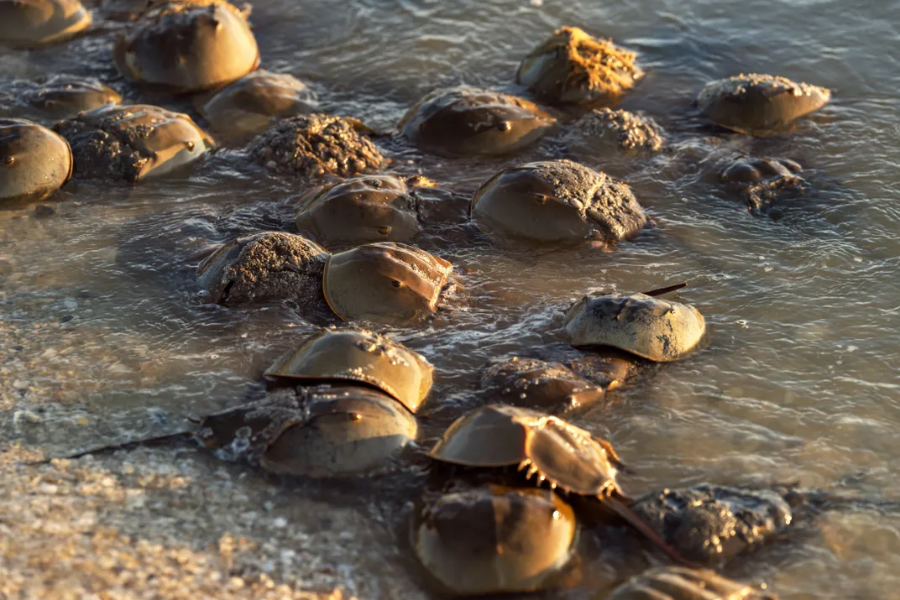
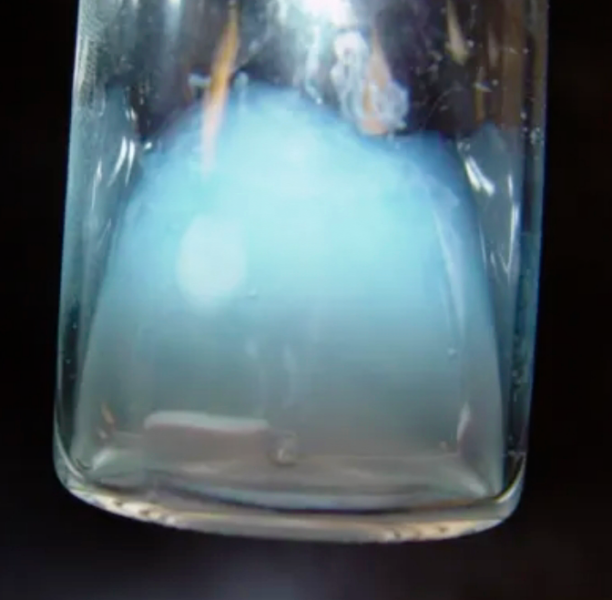
For decades, the unique blue blood of the ancient Horseshoe Crab has played an essential role in the safety of vaccines and other injectable medicines. Scientists discovered that a protein in the crab’s blood — known as Factor C — would clot in the presence of bacterial endotoxins, an early warning system pharmaceutical companies use to ensure drugs are safe. However, the medical reliance on this natural resource has raised sustainability concerns. The species is considered vulnerable, and scientists have reported reduced egg densities on spawning beaches, suggesting side-effects from the bleeding and harvesting practices. Now, a major shift may be underway. Regulators recently approved lab-grown alternatives that replicate the endotoxin-sensing capabilities of horseshoe crab blood — without draining a living animal. Several pharmaceutical firms, including industry leaders, are already adopting or planning to adopt these “crab-free” tests. One company reported that 80 % of its new products are now tested using the synthetic method. While these innovations are promising, the transition isn’t instantaneous. Many legacy products still rely on the traditional method, and full regulatory harmonisation is ongoing. Yet the trend toward synthetic endotoxin-detection tests marks a significant advance for both drug safety and species conservation. The hope is that as this technology becomes more widely accepted, the ancient horseshoe crab can remain in the wild — undisturbed — even as medicines continue to meet rigorous safety standards. Horseshoe Crab blood is light blue Key Takeaways: The horseshoe crab’s blue blood has been critical for detecting endotoxins in medicines for over 40 years. New recombinant technologies now offer equivalent safety testing without harvesting the animals. The pharmaceutical industry is shifting toward these crab-free alternatives, but a full transition will take time. Original article: https://www.smithsonianmag.com/science-nature/horseshoe-crab-blood-has-long-helped-us-make-safe-medicines-now-alternatives-that-spare-the-ancient-creatures-might-be-breaking-through-180987553/
-
Take one for the team. Get your wife to teach you, then post it up! All those in favour, say: "Aye"
-
Offensive meme removed @darbie-foos