
Social Media
Advanced Member
-
Joined
-
Last visited
Everything posted by Social Media
-
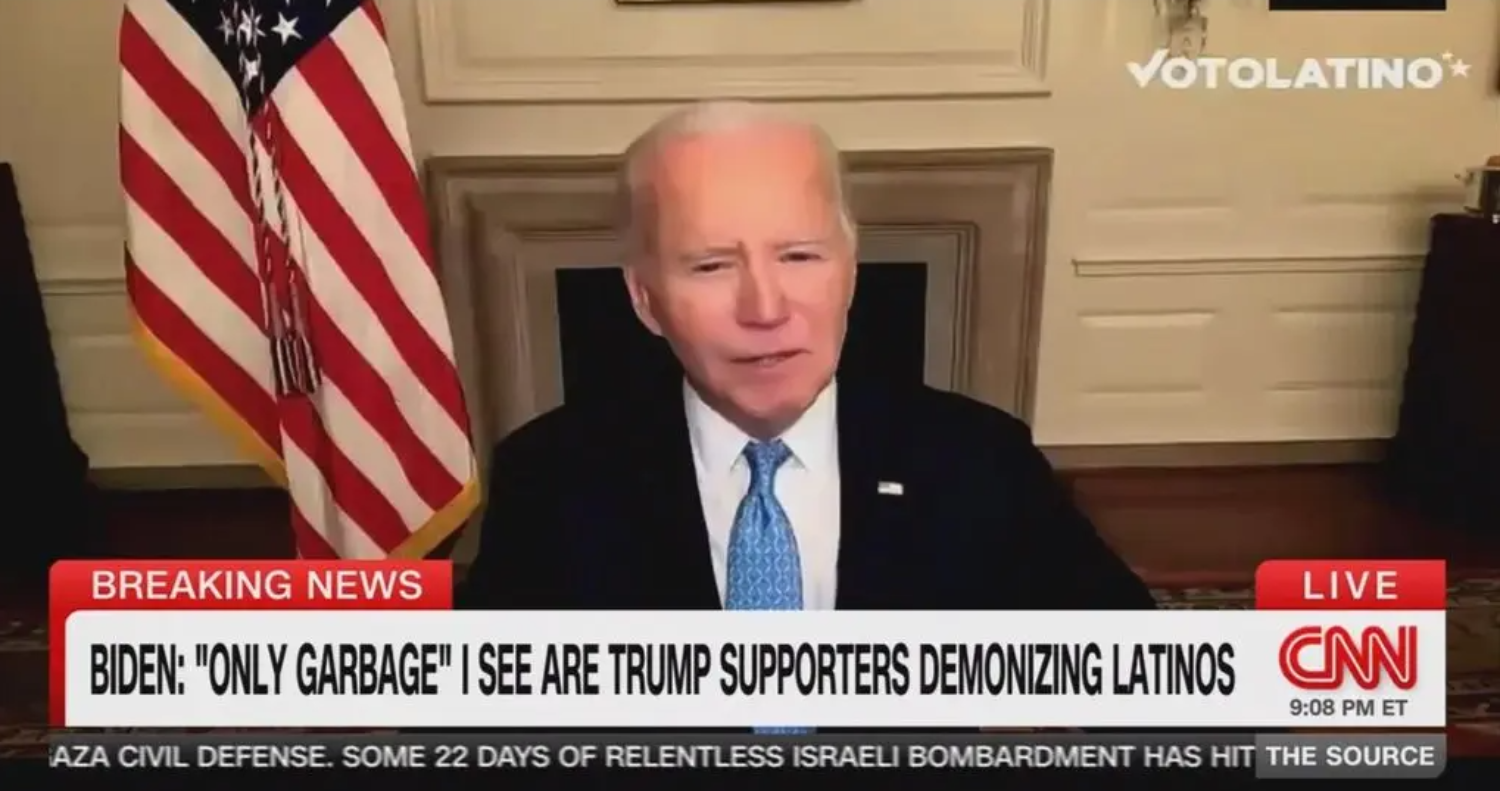
President Biden’s recent remarks, where he referred to former President Donald Trump’s supporters as “garbage,” have stirred political controversy, with Trump using the incident to rally his supporters. Speaking to a crowd in Allentown, Pennsylvania, Trump urged his supporters to “forgive” Biden for his choice of words. President Biden, aware of the stir his comments had caused, also addressed the issue directly on social media, aiming to clarify his intentions. Writing on X (formerly Twitter), Biden said, “Earlier today I referred to the hateful rhetoric about Puerto Rico spewed by Trump’s supporter at his Madison Square Garden rally as garbage—which is the only word I can think of to describe it. His demonization of Latinos is unconscionable. That’s all I meant to say. The comments at that rally don’t reflect who we are as a nation.” Despite the White House’s efforts to clarify, the incident underscores the delicate balance Biden must maintain in an already polarized political climate. Some analysts suggest that the comment could have already inflicted damage, giving Trump an opening to remind his base of past moments when mainstream politicians dismissed or criticized his supporters. As Biden works to unite a divided electorate, his “garbage” remark may be yet another instance where his words echo in ways that carry unintended consequences. Based on a report by CNN 2024-10-31
-
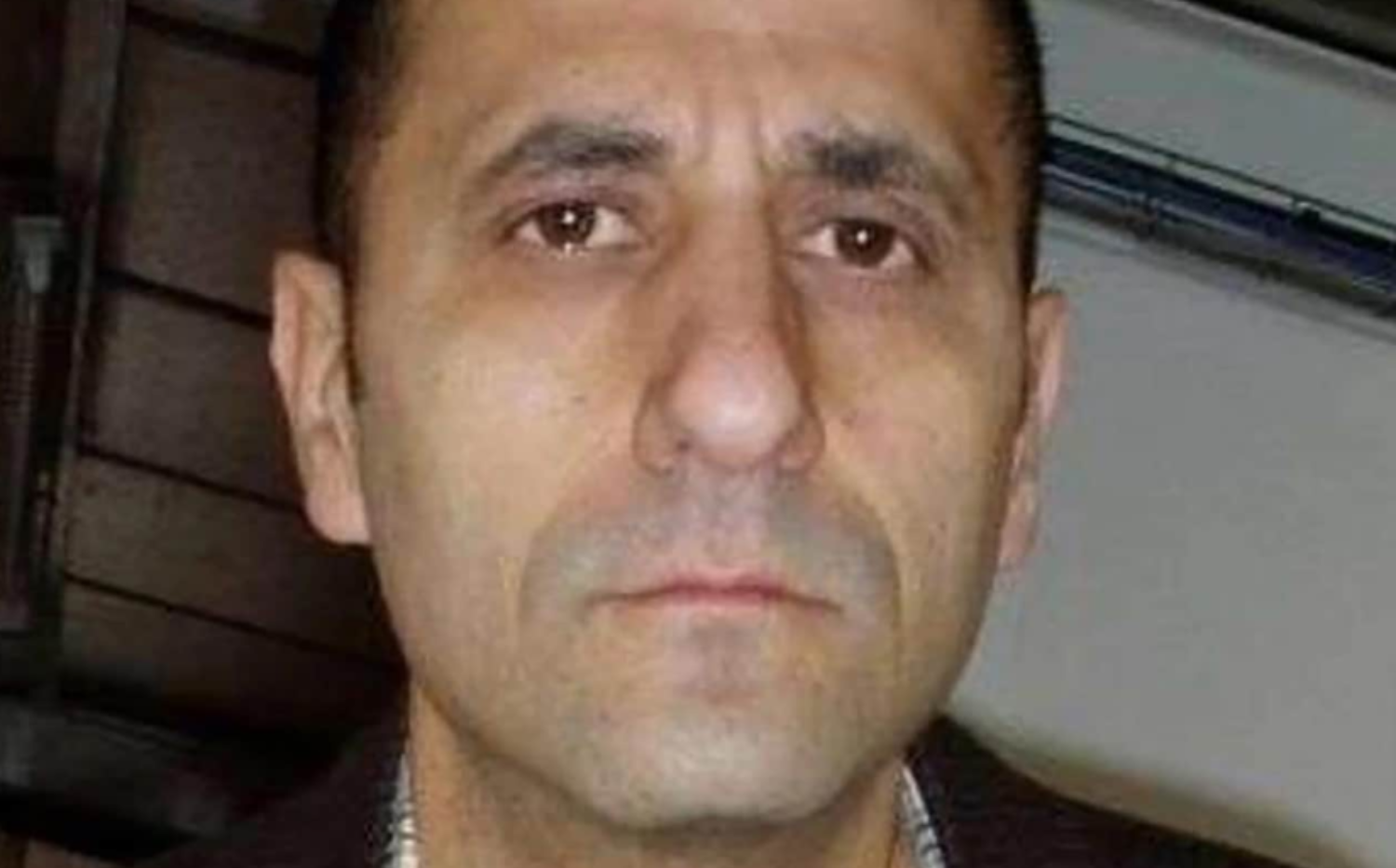
An animator for Disney and Pixar orchestrated rapes of young girls in the Philippines that were livestreamed to his devices in France and the US, a court heard on Tuesday. Bolhem Bouchiba, 59 – whose film credits include Ratatouille, Up and The Incredibles – is accused of ordering livestreams of more than 1,000 acts of sexual and physical abuse. The father of two boys appeared in a Paris criminal court on Tuesday on charges of complicity in repeated rapes and sexual assaults on minors, human trafficking and child pornography offences. He faces life imprisonment if convicted. The victims in the Philippines ranged in age from as young as three to 15. The offences are alleged to have taken place between 2012 and 2021 when the graphic designer lived in the west of France and the US. According to documents seen by Le Figaro, on Bouchiba’s orders, the adults, often poverty-stricken mothers, relatives or neighbours, tortured young girls. He also told investigators he ordered mothers to manipulate the positions of children on the livestreams because he “couldn’t see very well, perverted as I was, I wanted to see”. In the Philippines, about one in three people live below the poverty line. Le Figaro reported that one in 100 children is thought to be a victim of sexual violence in exchange for money. Bouchiba’s arrest in 2021 came after Europol reported suspicious financial transactions from the Frenchman to a Filipina national, known to authorities as the local “money-maker” who centralised payments for sexually exploiting minors. Prosecutors estimate he spent £41,600 for up to 1,000 acts of sexual abuse over nine years. He also raised red flags with American authorities at a San Francisco airport in 2020 for having lied about his past as a sexual offender. Bouchiba was convicted of sexually assaulting an eight-year-old girl in 2014 and served a two-year suspended sentence. Testimonies from his family in court documents, however, used words like “caring”, “gentle” and “kind” to describe him. “The image of the single paedo-criminal, living alone and unemployed is completely erroneous,” commissioner Gabrielle Hazan, of the office of minors, told Le Figaro. “Perpetrators of sexual violence against minors span all ages, all socio-professional categories, all regions.” Bouchiba admitted watching child pornography on his smartphone but denied having downloaded any of the content. The trial continues. Based on a report by the Daily Telegraph 2024-10-31
-
Scientists believe they may have found clues to the location of Noah's Ark on what could be the world’s oldest map. This 3,000-year-old Babylonian artifact has long baffled archaeologists, but recent breakthroughs suggest it may offer directions to the fabled ark. The artifact, a clay tablet discovered in the Middle East and housed at the British Museum since 1882, displays map-like symbols along with paragraphs of cuneiform on its backside. These writings describe the Earth's formation and boundaries, portraying ancient Mesopotamia—modern-day Iraq—encircled by a “Bitter River,” a double-ring barrier marking the known world’s limits, an artifact often called the Imago Mundi. Over the last month, researchers have decoded portions of these inscriptions, and now believe they reference Biblical tales. They propose that the tablet’s reverse side serves as a guide for a journey, detailing landmarks and potential hazards. One passage describes a vessel “thick as a parsiktu,” a measurement that hints at the size required for a boat capable of surviving a great flood. This interpretation stems from other ancient Babylonian texts, which detail the construction of such a vessel to survive a catastrophic deluge. Another passage seems to give directions toward “Urartu,” the legendary resting place of an ark, believed to be situated in modern Turkey’s mountainous regions, where Noah and his family reportedly landed after the 150-day flood. Dr. Irving Finkel, a cuneiform specialist at the British Museum, suggests the tablet’s description aligns with that of Noah’s Ark. He explains, “Because it is the description of the Ark which was built, theoretically, by the Babylonian version of Noah.” In the Babylonian version of the flood story, similar to the Biblical account, a god named Ea sent a flood to cleanse humanity, sparing only one family. The chosen survivor, Utnapishtim, received divine instructions to build an ark and fill it with animals. During six months of flooding, Utnapishtim and his family endured the storm, finally finding refuge atop one of Urartu’s peaks as the waters receded. Finkel notes that the Babylonian account meticulously details the ark’s construction, including the god's specific commands, with Utnapishtim replying, “I did this, this and this. I’ve done it!” He even describes building the vessel with the thickness of a “parsiktu” vessel, emphasizing the ark’s sturdiness. The similarities between the Babylonian flood tale and the Biblical account of Noah’s Ark have long intrigued scholars. Babylonian stories, like the *Epic of Gilgamesh*, which also recounts a great flood, date back over 3,000 years. In contrast, the Biblical flood is believed to have occurred around 5,000 years ago. This recent analysis adds weight to the theory that both stories may share common origins. Though debate continues over whether Mount Ararat in Turkey, mentioned in Babylonian texts, truly exists, the map’s inscriptions offer a fascinating new perspective. According to Finkel, “It shows that the story was the same, and of course that one led to the other, but also, that from the Babylonian point of view, this was a matter of fact thing. That if you did go on this journey you would see the remnants of this historic boat.” While the claim of locating Noah’s Ark remains speculative, the discovery of an ancient map that might provide directions to its resting place offers an intriguing chapter in the ongoing search for historical truths behind ancient myths. Based on a report by NYP 2024-10-31

-
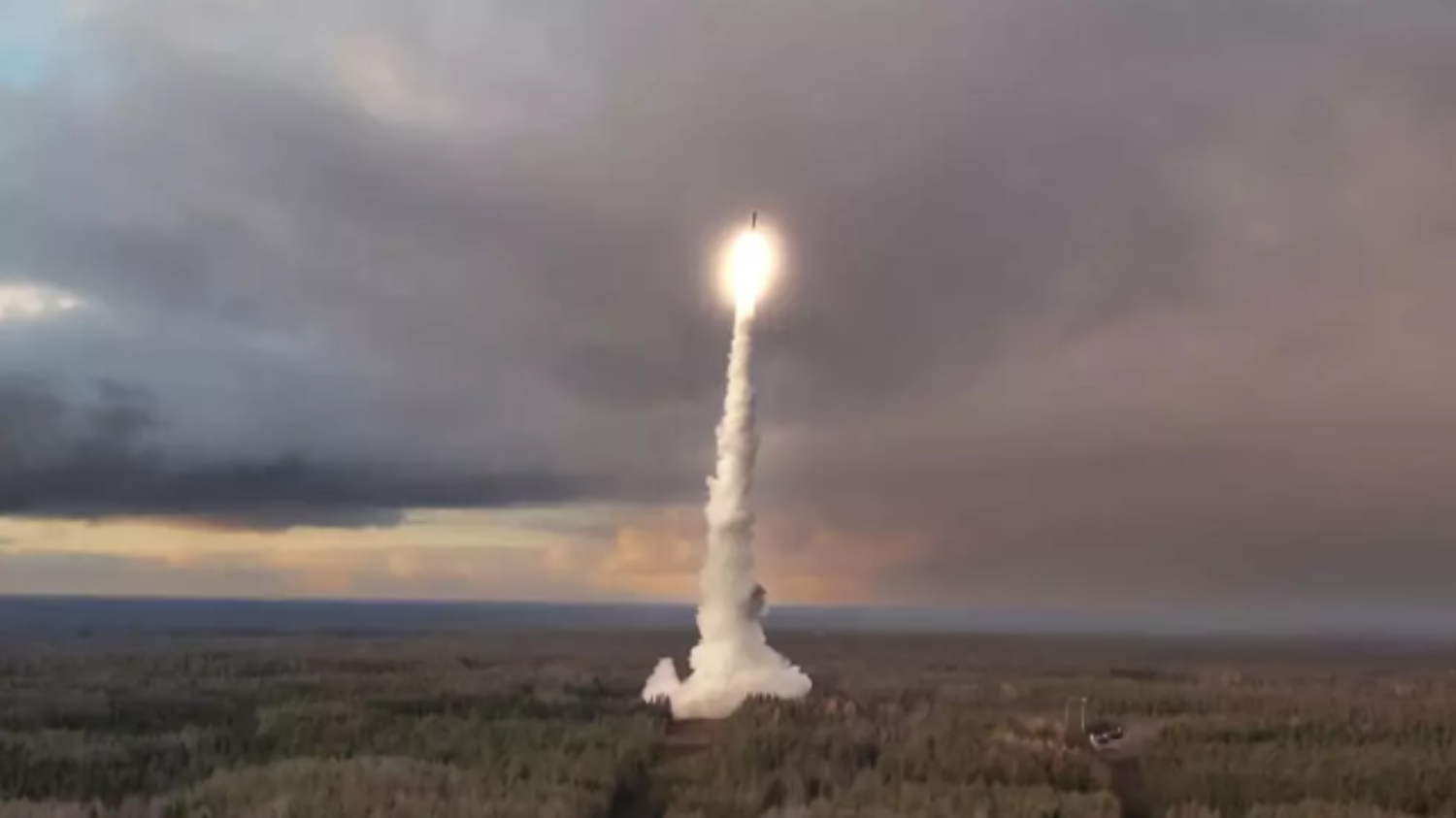
Russia recently conducted a nuclear drill that included missile launches from land, sea, and air, the nation’s defense ministry reported. These exercises simulate a comprehensive nuclear response to a potential first strike from an adversary. President Vladimir Putin, who has revised Russia’s nuclear policy since the onset of the conflict in Ukraine over two years ago, stated that it is "important to have modern and constantly ready-to-use strategic forces," considering increasing geopolitical pressures and emerging threats. The drill underscored Moscow’s commitment to maintaining a robust nuclear force that can quickly respond to external risks. Taking place during a critical phase in the Russia-Ukraine war, the exercise sends a strong message to the West, particularly as U.S. allies deliberate over the potential supply of longer-range missiles to Ukraine. Russia has previously cautioned the West against enabling Kyiv to target locations deep within Russian territory, warning of serious repercussions. Russian Defense Minister Andrei Belousov outlined the exercise’s objectives in televised comments, telling President Putin that the drill aimed to rehearse "a massive nuclear strike by strategic offensive forces in response to a nuclear strike by the enemy." Russia’s entire nuclear "triad"—land, sea, and air-launched missiles—participated in the drill. The launch involved a Yars intercontinental ballistic missile fired from the Plesetsk cosmodrome, traveling thousands of miles across the country to reach its target on the Kamchatka Peninsula. Additionally, submarines launched Sineva and Bulava ballistic missiles, while strategic bombers deployed cruise missiles. This test comes at a time when the war in Ukraine has escalated into what Russian officials describe as its most dangerous phase yet. Russian forces have been advancing in the eastern regions of Ukraine, while the West considers providing Kyiv with increased military support. Despite the heightened tensions, Putin has described nuclear weapons as an "extremely exceptional measure." He emphasized that Russia has no intention of engaging in a new arms race but aims to keep its nuclear capabilities "at the level of necessary sufficiency." He further noted that Russia is developing new missile systems that reduce launch preparation times and can evade missile defenses, ensuring that the country remains prepared. The recent exercise also follows an October 18 operation in Russia’s Tver region, where units equipped with Yars missiles conducted field movements. These missiles have the capability to strike targets across the globe, including U.S. cities, underscoring the serious reach of Russia's nuclear capabilities. Putin has sent multiple signals to the West regarding nuclear force since the beginning of the conflict in Ukraine. His administration has altered Russia's stance on several major nuclear treaties and announced the deployment of tactical nuclear weapons to Belarus. These moves have drawn accusations of nuclear blackmail from Ukraine, while NATO has maintained that it will not be swayed by Russian threats. In a recent update to its nuclear doctrine, Russia expanded the conditions under which it would consider using nuclear weapons, specifically including scenarios where an attack on Russia receives support from a nuclear-armed ally of the aggressor. This amendment serves as a caution to the United States, warning against aiding Ukraine in launching significant attacks on Russian soil with conventional weapons. Despite the escalations, Putin has insisted that achieving victory in Ukraine does not necessitate the use of nuclear force. Russia holds the largest nuclear arsenal globally, with itself and the United States possessing 88% of the world's nuclear warheads. Although U.S. officials have noted no change in Russia’s nuclear deployment since the war began, concerns have remained high. In 2022, Central Intelligence Agency Director Bill Burns revealed that the United States warned Putin of serious consequences if Russia employed tactical nuclear weapons, signaling the gravity of such a threat. As tensions continue to rise, Russia's recent drills highlight the nation’s readiness and willingness to use its nuclear capabilities in extreme scenarios, sending a potent reminder to global powers of its strategic capabilities. Based on a report by Reuters 2024-10-31
-
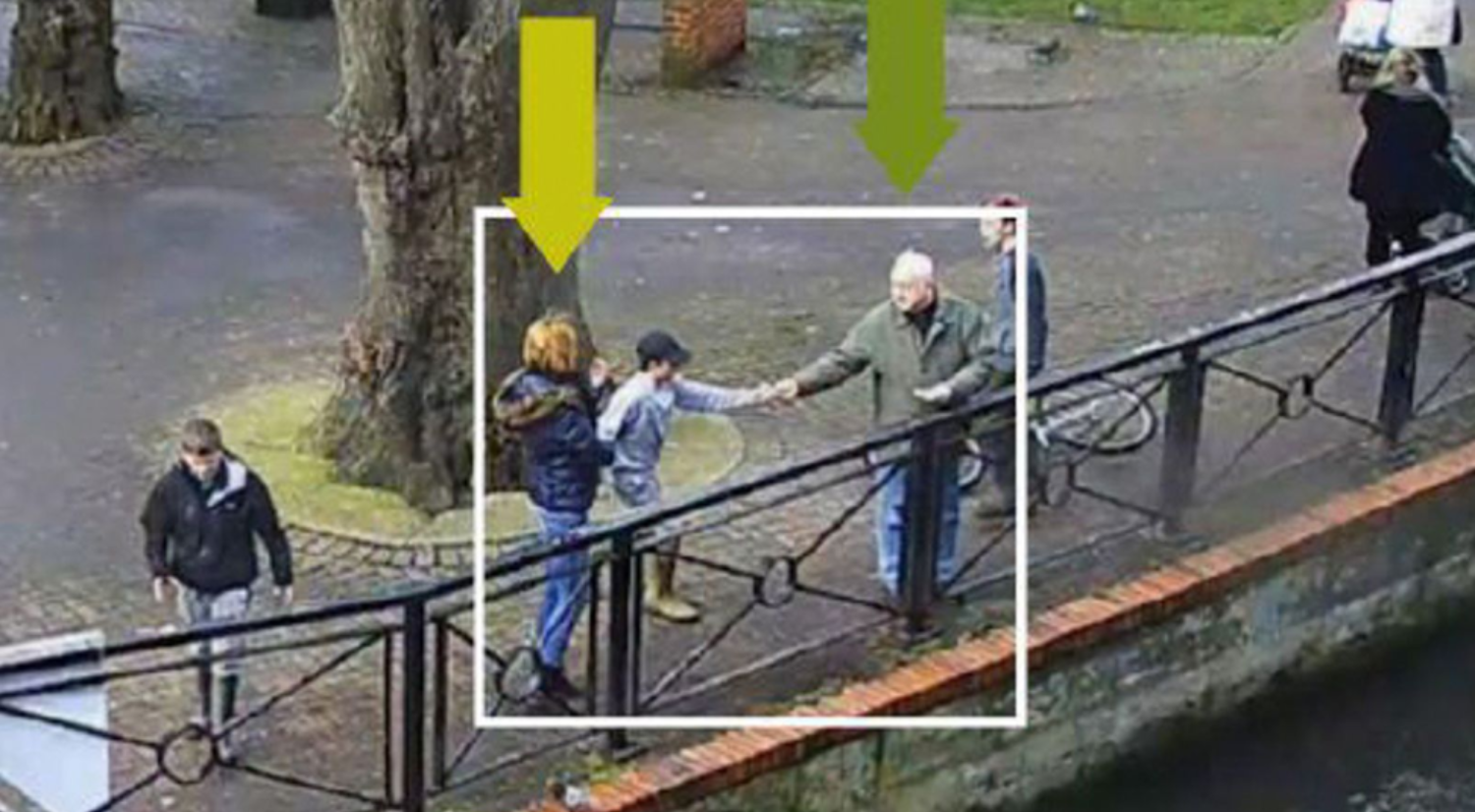
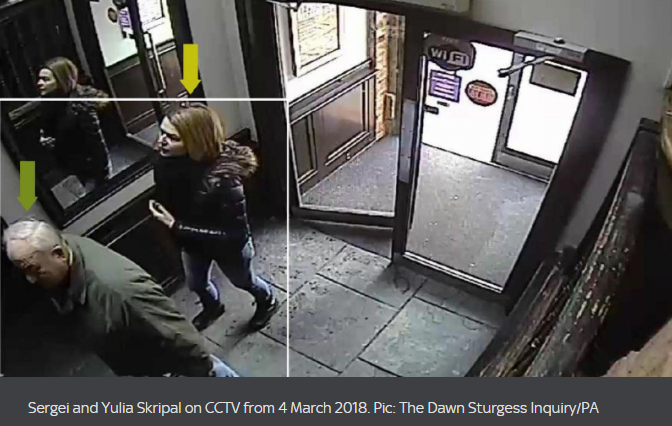
The ongoing inquiry into the tragic 2018 Salisbury poisoning has revealed new, troubling details involving a young boy who reportedly fell ill after an encounter with Sergei Skripal. On March 4, 2018, the former Russian spy, who later collapsed from novichok poisoning, handed the boy bread to feed ducks, an inquiry at the International Dispute Resolution Centre in London has confirmed. The boy, along with two other children he was with, became unwell shortly after Skripal provided them with the bread in Salisbury city center. Although public health authorities quickly tracked down the children following the Skripals’ collapse on a nearby bench, tests revealed no traces of novichok in their systems. The children only experienced mild symptoms for a day or two, escaping the lethal effects that plagued Skripal, his daughter Yulia, and police officer Nick Bailey, who responded to the incident. Dawn Sturgess tragically succumbed to novichok poisoning months later in Amesbury after handling a contaminated perfume bottle. Her boyfriend, Charlie Rowley, who had unknowingly given her the bottle, survived, as did the Skripals and Officer Bailey. British authorities have held the Russian government responsible for both poisonings, sparking international tensions and ongoing investigations. The inquiry, chaired by former Supreme Court judge Lord Hughes of Ombersley, is currently delving deeper into the timeline and unfolding events to ascertain how and when the novichok contamination occurred. Ross and Maureen Cassidy, neighbors and close friends of Skripal since his arrival in Salisbury in 2010, provided a detailed timeline that aided police in pinpointing when the novichok was likely applied to the Skripals’ home. According to Ross Cassidy, Skripal had voiced his fears about President Vladimir Putin, confiding that Putin would “get him” if he ever returned to Russia. Just one day before the poisoning, the Cassidys had driven Skripal to Heathrow Airport to pick up Yulia. During the drive back, Ross Cassidy suspected they were being followed. He recounted to the inquiry how he noticed a black BMW and an unmarked white car tailing them on the M3 motorway. Reflecting on the day’s events, Cassidy later connected these observations to the poisoning, though police later determined the vehicles were involved in unrelated law enforcement activities. The timeline evidence offered by the Cassidys suggests that the novichok was likely applied to Skripal’s door handle between the evening of March 3 and the afternoon of March 4. CCTV footage from March 4 captured the Skripals heading into the Salisbury city center, where Skripal handed the boy bread to feed ducks by a pond. Afterward, they were seen having drinks at The Mill pub before dining at Zizzi restaurant, where they reportedly began feeling unwell. The pair later collapsed on a bench in a nearby park, triggering widespread emergency response. On Tuesday, Alison McCourt, a former chief nurse for the British Army, described the moment she came to the Skripals’ aid. In response to Russian claims implicating her in the poisonings, McCourt stated these allegations were “malicious” and baseless, clarifying that she was only in Salisbury at her children’s urging to stop at a Nando’s restaurant. “I had no prior knowledge of the individuals on the bench—I had never seen them before in my life,” she asserted. Initially, she mistook the Skripals for individuals under the influence and hesitated to intervene until her daughter encouraged her to help. McCourt added that she had no reason to suspect a nerve agent was involved and emphasized that had she known, she would have refrained from risking exposure without protective equipment. The inquiry continues, shedding light on the complex events surrounding the Salisbury poisonings and the deadly presence of novichok on British soil. Based on a report by Sky News 2024-10-31
-
-
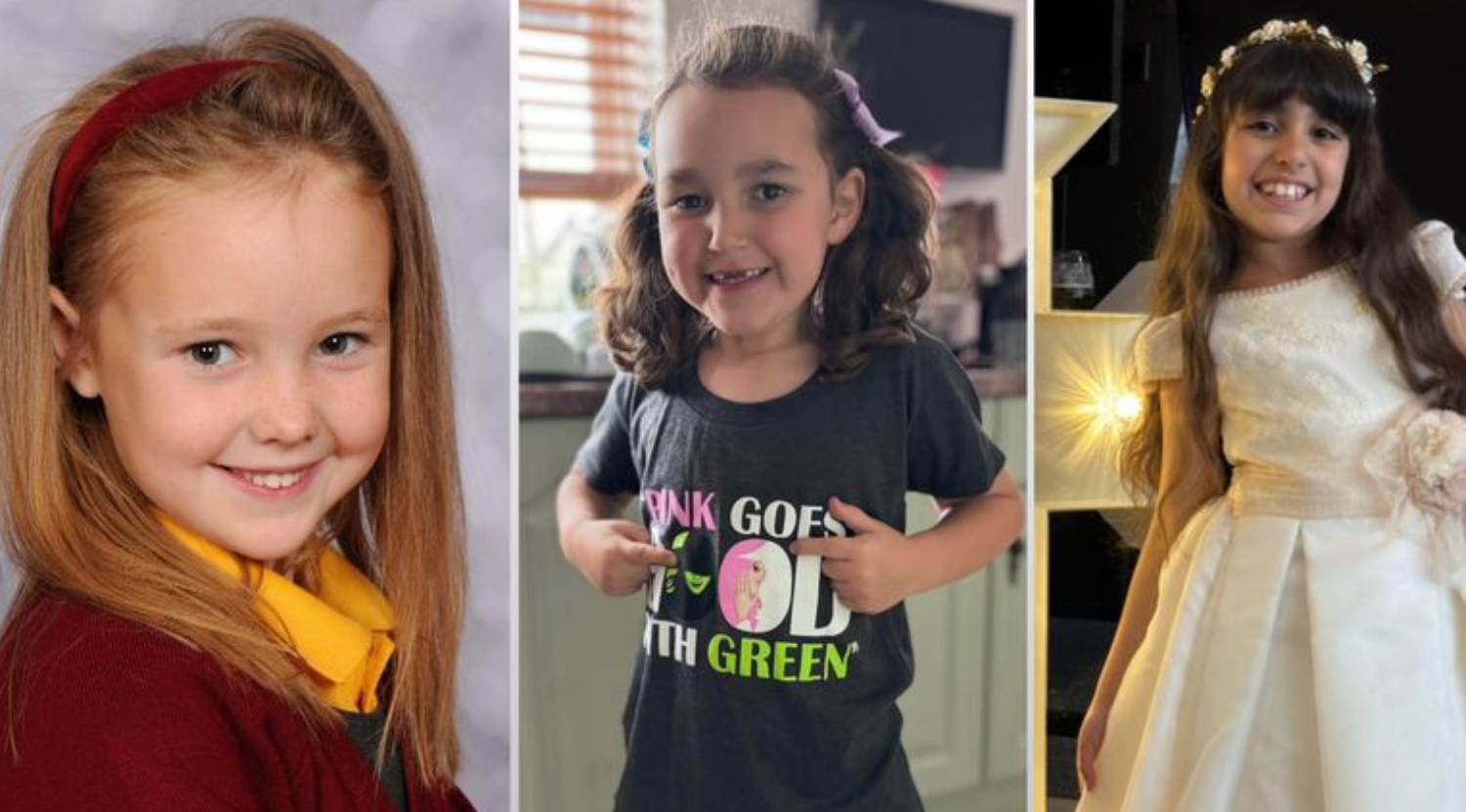
Axel Rudakubana, an 18-year-old suspect in the Southport murders, has been formally charged with producing the deadly poison ricin and possessing a terrorist manual. Merseyside Police confirmed that, in addition to accusations related to the fatal stabbings of three young girls, Rudakubana faces serious terror charges. These charges include manufacturing the biological toxin ricin and holding information related to terrorist activities. The suspect stands accused of fatally stabbing three young girls—Bebe King, six, Elsie Dot Stancombe, seven, and Alice Da Silva Aguiar, nine—at a Taylor Swift-themed holiday club this past July. Along with these tragic deaths, Rudakubana also faces charges for ten attempted murders and the possession of a knife. Following the attack, misinformation spread rapidly on social media, leading to riots across various UK towns and cities. According to Chief Constable Serena Kennedy, the Crown Prosecution Service granted authorization to charge Rudakubana with terror-related offenses, including “Military Studies in the Jihad Against the Tyrants: The Al-Qaeda Training Manual.” Additionally, he is accused of possessing information deemed valuable for those preparing or committing acts of terrorism. Former immigration minister and current Tory leadership candidate Robert Jenrick expressed “serious concerns” regarding potential delays or omissions of information provided to the public. Jenrick remarked, “The Government and authorities told us for months they were not treating this as a terrorist incident. This atrocity was of immense public concern. The public had a right to know the truth straight away.” The police’s initial statements after the July 29 attack indicated the “motivation for the attack was unclear” and asserted it was “not believed to be terror-related.” Yesterday’s revelation of the terror charge prompted widespread questions regarding the police’s initial conclusions and their timing. Jenrick emphasized the critical need for public transparency, saying, “Any suggestion of a cover-up will permanently damage public trust in whether we’re being told the truth about crime in our country.” He further called on Keir Starmer to clarify his awareness and knowledge of the incident, stating, “Keir Starmer must urgently explain to the country what he knew about the Southport attack and when he learned it.” Some commentators, including Jenrick, speculate about broader issues with government transparency, particularly concerning crime and migration. He suggested, “Across the board, the hard reality of mass migration is being covered up. We need the truth—and we need to change.” Related Topic: Southport Stabbing: Child Killed and Several Injured in Taylor Swift-Themed Workshop Attack Based on a report from the Daily Mail 2024-10-30
-
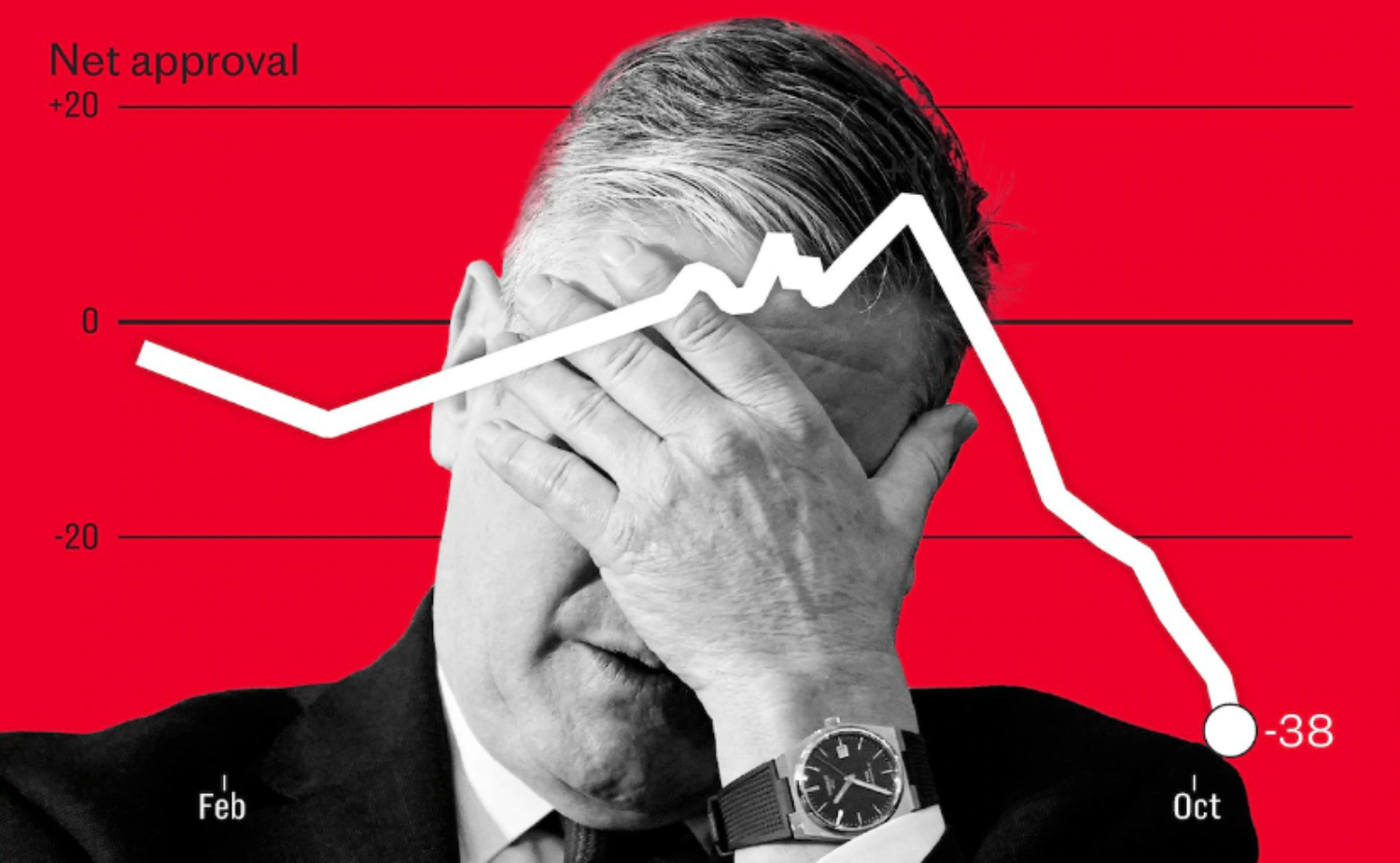
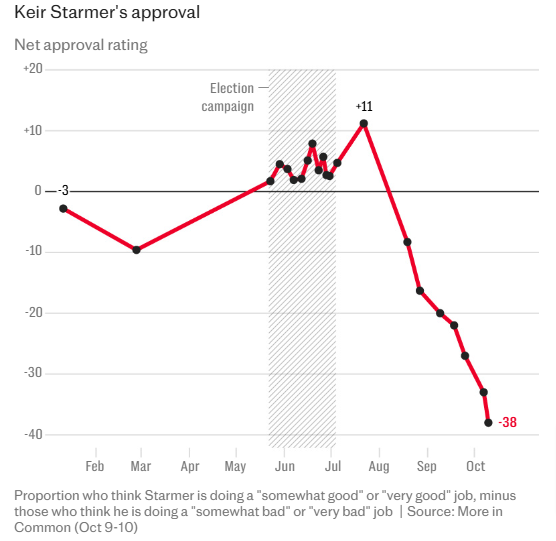
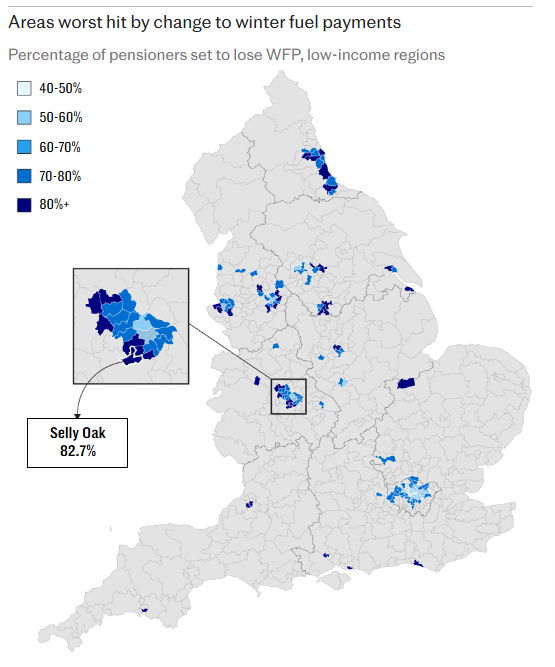
Sir Keir Starmer has experienced a dramatic drop in popularity since his initial surge following Labour's landslide victory, marking the steepest fall for any prime minister in the modern era after an election win. Starmer’s approval rating had soared to plus 11 in July, shortly after Labour’s historic victory with a 174-seat majority – the largest in over two decades. However, recent polling by More in Common indicates that his approval rating has plummeted to -38, resulting in a staggering net decline of 49 points. This puts him below the approval rating of his predecessor, Rishi Sunak, whose rating has marginally improved to -31 from -37, even after losing the election. By contrast, Sir Tony Blair, who won a comparable landslide victory in 1997, retained a positive approval rating of plus 46 three months after his win, only seeing it dip into the negative in mid-2000. Similarly, David Cameron maintained a positive rating after the 2010 election when he entered into a coalition government with the Liberal Democrats, only seeing a significant drop to below -30 with the controversial “omnishambles” Budget of April 2012. Boris Johnson, after his 2019 election victory, began with a lower rating of -20 but managed to boost it to plus 14 by March the following year. Luke Tryl, executive director of More in Common, described Starmer's drop as “unprecedented,” noting that, unlike previous leaders, Starmer’s government lacks a buffer of goodwill, making it vulnerable to rapid shifts in public sentiment. Tryl pointed to a more volatile electorate, which he believes has become less forgiving in recent decades. “Although they had a landslide, in terms of popularity they didn’t have the slack to spare that other new governments had,” he commented. Two particular issues appear to have negatively impacted public perception of Starmer’s government. The first is the decision regarding the winter fuel allowance, a significant concern during a time of rising energy costs. The second is the controversy surrounding the early release of prisoners, which has sparked public outcry over security concerns. Tryl noted that when survey respondents were asked what stood out about the new government, “by a country mile it is the decision on the winter fuel allowance and the early release of prisoners.” Additionally, ethical controversies have further complicated Starmer’s approval trajectory. Recent scrutiny has focused on alleged “freebies” received by government ministers, along with controversy over donations from Labour donor Lord Alli, whose gifts to prominent Labour figures, including Starmer, have raised questions. Other polling conducted by More in Common reveals that, in the eyes of the public, Starmer’s administration does not stand out as a significant departure from the previous government. Nearly 69 percent of those surveyed indicated that his government “felt more like the same” compared to Sunak’s, with only a slim minority seeing it as a genuine change. Moreover, the survey showed a prevailing pessimism among the public: 66 percent felt that the country’s trajectory was worsening, while just nine percent saw improvement and 21 percent felt things were largely unchanged. In terms of party support, the More in Common poll has Labour and the Conservatives tied at 27 percent, with Reform UK at 21 percent and the Liberal Democrats trailing at 13 percent. As Rachel Reeves prepares to present her Budget on Wednesday, Starmer faces a challenging political landscape marked by both slipping approval and competition from opposition parties, which could complicate his efforts to regain public confidence. Based on a report by the Daily Telegraph 2024-10-30
-
The Trump campaign made a rare move to publicly distance itself from a comedian’s offensive remarks about Puerto Rico during a rally on Sunday, an action suggesting fears over alienating key voter demographics. As the 2024 presidential race intensifies, Donald J. Trump and his supporters are projecting confidence about his chances of victory. However, behind the scenes, there are growing concerns that accusations of racism and fascism could be resonating with undecided voters. Although some Trump allies expressed concern, others downplayed the issue. Senator JD Vance, Trump’s running mate, seemed to dismiss the backlash. “Maybe it’s a stupid, racist joke, as you said,” he told reporters, “Maybe it’s not. I haven’t seen it.” Vance argued that Americans need to stop taking offense so readily. In response, Democratic strategist Chuck Rocha, known for his work mobilizing Latino voters, began raising funds to spread the comedian’s offensive comments to Puerto Rican voters in Pennsylvania. By Monday morning, Rocha had reached his goal, launching a text campaign targeting 250,000 voters with a brief clip of the comedian’s remarks. “Puerto Ricans have a unique affinity for their homeland,” Rocha explained. “When you attack the island, it cuts so deep with the community.” Following these events, the Trump campaign launched efforts to refute accusations of extremism. After Vice President Kamala Harris labeled Trump a “fascist,” the campaign released a video featuring Holocaust survivor Jerry Wartski, who condemned the comparison and demanded an apology from Harris. Wartski also appeared at the rally, where Trump allies countered accusations of extremism. Real estate developer Steve Witkoff, a close friend of Trump, told the audience, “Accusations of extremism, they couldn’t be further from the truth.” New York radio host Sid Rosenberg responded to recent comparisons of Trump’s rallies to Nazi gatherings by joking, “It’s out of character for me to speak at a Nazi rally; I was just in Israel.” Hulk Hogan, taking a lighter approach, told the crowd, “I don’t see no stinkin’ Nazis in here.” Trump himself sought to highlight his support from diverse groups, asserting that “Jews, Muslims, and Catholics alike were all lining up behind him.” He added, “The Republican Party has really become the party of inclusion,” signaling his campaign’s intent to broaden its appeal despite the controversy surrounding the recent rally. Based on a report by the NYT 2024-10-30

-
At Donald Trump’s Madison Square Garden rally, a single phrase summed up the exaggerated efforts of Democrats to paint him as a modern Hitler. Wrestling icon Hulk Hogan shouted, “I don’t see no stinking Nazis in here!” — words that cut through the tense atmosphere surrounding Trump’s opponents’ narrative. The rally, far from the dark comparison made by critics, was filled with diverse supporters, including Jewish attendees and pro-Israel banners, hardly the symbols of fascism. Yet, Hillary Clinton went as far as claiming Trump’s rally would be a “re-enactment” of the 1939 German-American Bund rally held in the same venue. In 1939, the German-American Bund, an organization aligned with Nazi ideals, gathered at Madison Square Garden in what was a celebration of Hitler’s Third Reich and an expression of anti-Semitism. Clinton’s decision to compare Trump’s rally to this infamous event seems less a critique than a continuation of the trend among liberals to label Trump a fascist and existential threat to democracy. Since stepping onto the 2024 Democratic ticket, Kamala Harris initially promised to bring a message of “joy,” though her campaign, now nearing Election Day, has largely pivoted to a steady stream of anti-Trump rhetoric. The liberal media, MSNBC included, has enthusiastically joined in the “Trump is Hitler” refrain. After years of linking Trump to unfounded allegations of Russian collusion in 2016, their coverage of his recent rally continued this narrative. “That jamboree happening right now... is particularly chilling because in 1939, more than 20,000 supporters of a different fascist leader, Adolf Hitler, packed the Garden for a so-called pro-America rally,” one MSNBC anchor said, juxtaposing footage from Trump’s rally with clips from 1939. Ironically, Trump’s rally included Jerry Wartski, a Holocaust survivor, and a crowd of individuals with close ties to Judaism. Trump’s family itself reflects his connections to Jewish culture, with his daughter Ivanka’s conversion to Judaism and marriage to Jared Kushner. For MSNBC to compare this crowd to Nazis is to ignore these facts altogether. At the rally, Elon Musk echoed the frustration of many Trump supporters, calling MSNBC “scum of the Earth.” When questioned on the comparison between Trump’s rally and the 1939 Bund gathering, Kamala Harris did not refute it but instead accused Trump of stoking hate and division. Yet, this statement seemed ironic, as many felt that the narrative of “Trump as Hitler” was itself a divisive move that insulted those attending his events. Framing Trump supporters as Nazis is a damaging approach to take, especially when the country is already deeply polarized. Reflecting on the events, one of the author’s last visits to Madison Square Garden was just after Trump’s 2016 victory. At that time, the comedian Chris Rock had offered an analogy: “If someone’s murdered eight people, don’t go around saying he’s murdered nine.” Rock didn’t mean Trump had committed actual murders, but that exaggerating Trump’s faults with far-fetched claims makes real criticism lose credibility. Yet, here we are, with the Democratic Party returning to the Hitler analogy in what appears to be a bid to scare Americans into avoiding a Trump vote. Despite these efforts, polls indicate that Kamala Harris’s popularity suffers when she goes on the offensive. With inflation high and immigration issues unresolved, Americans seem to trust Trump more on these concerns. Harris, on the other hand, has struggled to provide a clear plan in interviews, giving Trump an edge on critical issues. Rather than uplifting voters with the “joy” Harris promised, the tone of her campaign has reinforced the grim reality of rising costs and economic uncertainty, which does little to inspire confidence. Perhaps most telling was the turnout at the Garden. The Secret Service reportedly expected thousands of protestors against Trump, yet only 150 showed up. In 2016, large crowds of outraged liberals crowded New York streets at the very mention of Trump. But if they truly saw him as an imminent threat or a fascist leader, it’s likely they would have found the energy to make their voices heard again. The smaller protest turnout and strong rally attendance seem to indicate a shift in public sentiment. The hyperbolic rhetoric of painting Trump as the next Hitler may finally be losing its potency, suggesting that the election will come down to voters’ core concerns rather than to emotional and extreme comparisons. Based on an opinion by Piers Morgan NYP 2024-10-30


-
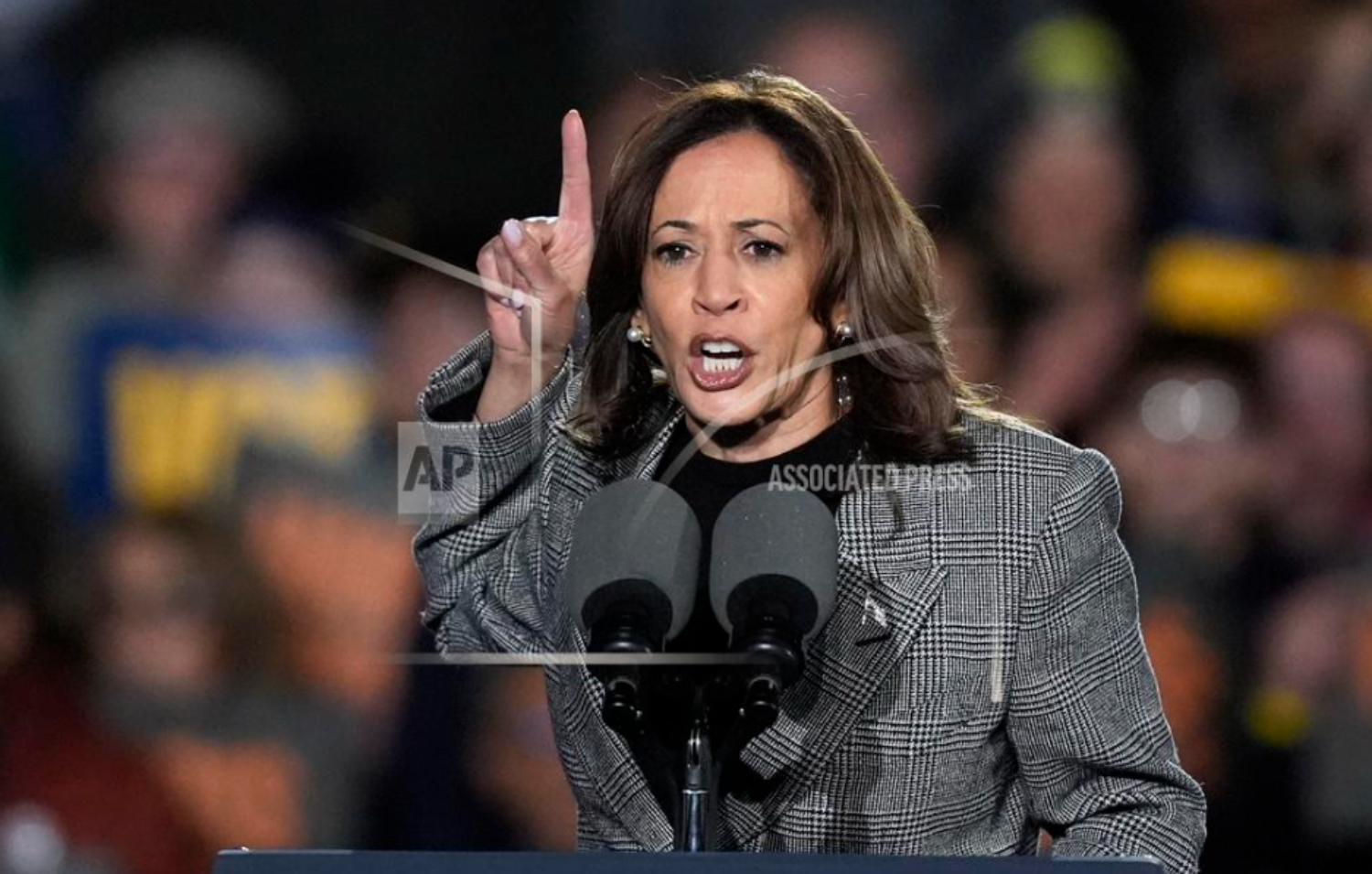
In the final stretch of the 2024 election, Vice President Kamala Harris’s campaign has subtly distanced itself from President Joe Biden, viewing his involvement as potentially more harmful than helpful at this decisive point. According to multiple officials from the White House and Harris’s campaign, there is concern that Biden’s current unpopularity could hinder rather than boost her efforts to win the presidency. One advisor close to Harris expressed a candid assessment: joint appearances with the president would “only hurt her” at such a pivotal time in the race. With Biden’s eagerness to support his successor, he has instead been left to plan separate events, often relying on collaboration with unions and trade groups. Throughout the campaign, Harris has maintained a loyal stance, refraining from distancing her policies from Biden's and consistently showing him deference. Her loyalty to the 81-year-old president has been unfaltering. “Vice President Harris is grateful for President Biden’s support and appreciates that he is campaigning for her,” Ian Sams, a campaign spokesman, confirmed. Yet, with election day fast approaching, the complexities of their relationship have begun to take on a new dimension. Recently, Harris has become more inquisitive in her daily check-ins with advisers and allies. She has quietly introduced questions aimed at gauging the president’s emotional and physical well-being. Often, she will ask, “How do you think he’s doing?” according to two individuals briefed on these calls. This subtle shift in focus reflects a calculated approach to assessing any potential impacts of Biden’s involvement on her campaign. The contrast between Harris’s campaign events and Biden’s could not have been more evident over the weekend. Harris appeared alongside pop icon Beyoncé in Texas on Friday, drawing tens of thousands, and then joined forces with former First Lady Michelle Obama in Michigan on Saturday, creating a significant wave of enthusiasm and support. Meanwhile, Biden attended a more modest event with around 100 supporters at a union hall in Pittsburgh, organized with the Laborers’ International Union of North America. His team has also been working to arrange additional appearances in support of Senate candidates in Maryland and Delaware, hoping these engagements bolster his image and relevance. According to an anonymous close ally of the president, Biden understands the campaign’s preference for “Beyoncé, not Biden.” Another Biden ally pointed out that organizing public appearances for a sitting president entails more logistical challenges compared to events with other campaign surrogates. However, the optics of Harris drawing larger, more vibrant crowds than Biden has underscored the divide, marking a clear strategy from the Harris campaign to maximize her appeal independently in these final days. The calculated decision by Harris’s campaign to step back from a joint narrative with Biden reflects the balancing act she faces: honoring her loyalty to the president while tactically enhancing her own visibility and brand among voters. This approach could be a determining factor in the outcome as she nears the election day deadline. Based on a report from the NYT 2024-10-30
-
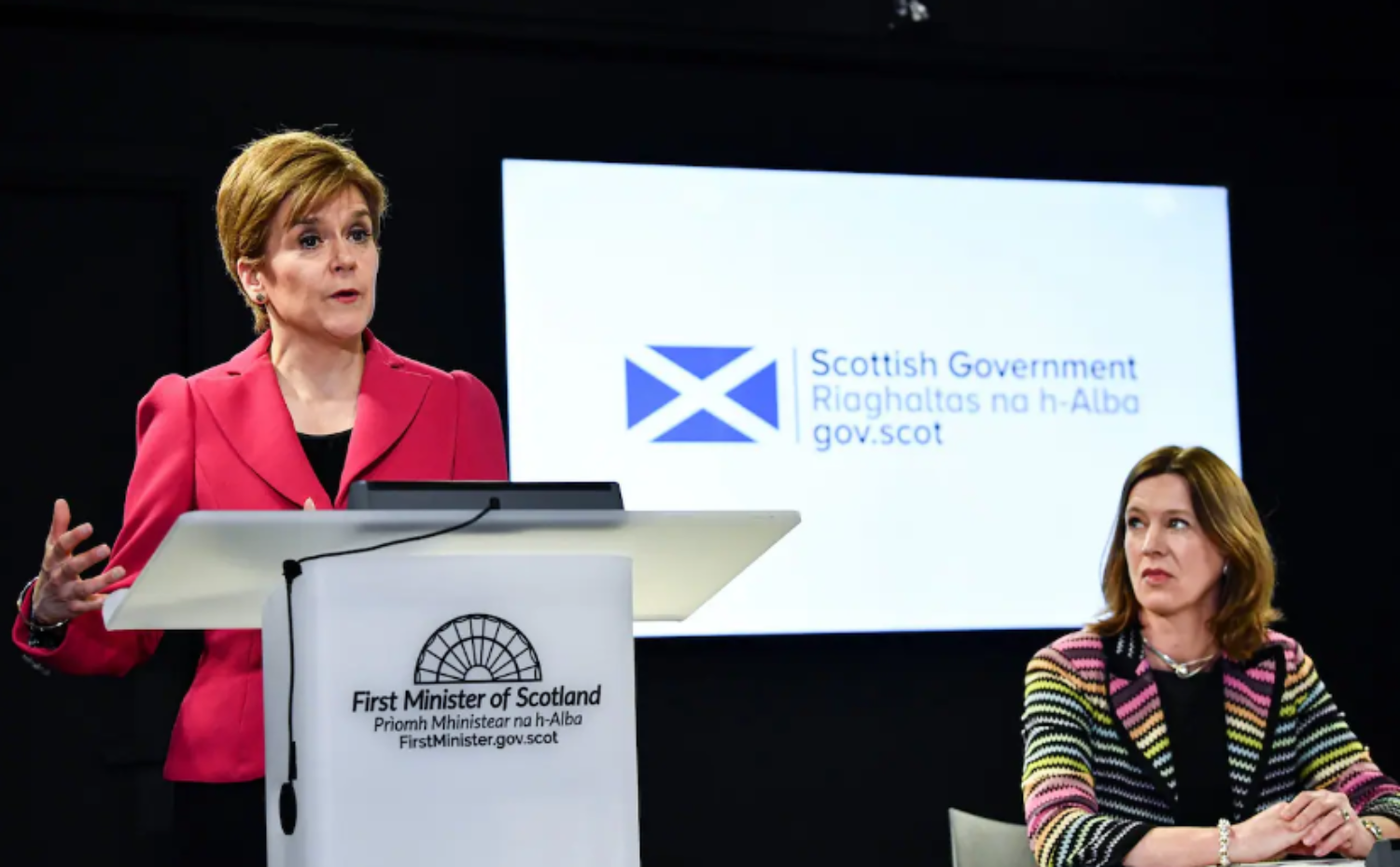
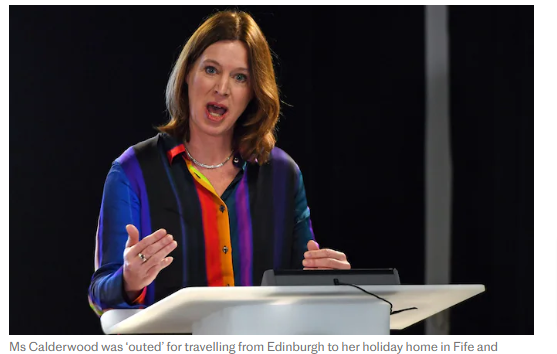
The recent scandal involving Scotland's former chief medical officer, Catherine Calderwood, has sparked a fierce reaction, revealing an unsettling double standard in British officialdom. The incident raises a vital question that echoes throughout the United Kingdom: is there one set of rules for those who draft laws and another for those expected to follow them? The fallout from Calderwood's actions reflects a disturbing divide, suggesting a “do as I say, not as I do” mentality among some of the country’s most respected public officials. Calderwood found herself under fire for violating lockdown regulations during the early days of the pandemic in April 2020. Her offense? Making a 40-mile round trip from Edinburgh to her holiday home in Fife—a clear breach of rules she had helped to establish. As Scotland’s chief medical officer, she was instrumental in promoting the stay-at-home orders intended to curb the spread of Covid-19. Yet, despite the explicit guidelines, Calderwood appeared to believe she hadn’t done anything wrong by making the journey. Following a public outcry and a police warning, Calderwood ultimately resigned. Her close ties to Scotland’s first minister at the time, Nicola Sturgeon, were not enough to shield her from the consequences of her actions. However, Calderwood’s resignation seemed to strike a nerve among her colleagues across the UK. In an outpouring of sympathy, numerous high-ranking officials publicly expressed their disappointment and offered her unwavering support. This group included some of the country’s most respected figures, such as Sir Chris Whitty, England's chief medical officer; Sir Frank Atherton, his counterpart in Wales; and Sir Michael McBride, chief medical officer for Northern Ireland. These officials reportedly sent a series of supportive messages encouraging Calderwood to “ignore” the media reports, stand firm, and remain in her post despite the backlash. “Ride it out,” they advised, rallying around her and decrying the newspaper that exposed her actions. But the media’s role was not one of sensationalism; it was one of accountability. The newspaper was fulfilling its duty to hold those in power to the same standards imposed upon the public. For such eminent medical figures, empathizing with a colleague’s situation is natural. After all, they had been working under immense pressure, handling the unprecedented crisis of Covid-19, which left them grappling with life-and-death decisions daily. Their solidarity—this “band of brothers and sisters” forged by the shared trauma of fighting a global pandemic—is understandable. The solidarity that emerged from these shared experiences likely strengthened bonds and fostered an “us versus them” mentality against critics. But should they not have held themselves to a higher standard? As public servants at the heart of crisis management, these officials should have understood the importance of maintaining public trust. To suggest that a prominent figure should “ride out” a public scandal for violating the very restrictions they championed undermines their credibility. When officials encourage each other to disregard criticisms rather than confronting their mistakes, they risk eroding the confidence that the public places in them. Catherine Calderwood’s resignation may seem a small blemish on an otherwise impressive career in public health, but the incident shines a light on the dangers of complacency within leadership circles. Ideally, those responsible for crafting and enforcing public policy should demonstrate exemplary behavior, or as the saying goes, they should be “above suspicion.” In their efforts to protect their own, British officials risked compromising the principles that the public relies on, ultimately fueling a perception that rules don’t apply equally to all. Perhaps this episode serves as a reminder that trust, once lost, is challenging to regain—and that accountability, even among the highest ranks, is a principle that must be upheld without exception. Based on a report by the Daily Telegraph 2024-10-30
-
The fertility rate in England and Wales has dropped to its lowest recorded level since the 1930s, according to new data from the Office for National Statistics (ONS). In 2023, the total fertility rate – representing the average number of children a woman has in her lifetime – fell to just 1.44 children per woman. This rate, the lowest since records began in 1938, reflects a significant downward trend that has continued for over a decade. ONS statistician Greg Ceely highlighted that this decline has been most pronounced among women in their 20s, particularly those aged 20-24 and 25-29. “Total fertility rates declined in 2023, a trend we have seen since 2010,” Ceely said, underscoring the impact on younger generations. Experts like Professor Geeta Nargund, an NHS consultant and medical director at abc IVF, warn that these low birth rates could have significant economic repercussions. “We have a rapidly ageing population, and these figures should be a wake-up call for our government to address the current barriers to parenthood,” she stated. Professor Nargund believes that policies supporting gender equality in the workplace and at home could help address this issue, encouraging prospective parents to feel secure in starting families. She advocates for a government-wide approach that includes making fertility treatments more accessible. “We need a long term and whole government approach to increase the birth rate: this should include ending the current NHS postcode lottery for IVF treatment, reducing waiting lists for fertility diagnosis and treatment on the NHS, and investing in family-friendly policies,” she urged. Recent studies, such as one by the UCL Centre for Longitudinal Studies, have provided insights into millennial attitudes towards parenthood. The research found that while over half of millennials in England who do not yet have children desire to become parents, only a quarter are actively trying to conceive. These findings reveal that, for many, barriers to parenthood remain significant. The record-low fertility rate signals not only a shift in the country's demographics but also a call for policy reform to support prospective parents, ensuring that the future workforce and economy can sustain a rapidly aging population. Based on a report from the Independent 2024-10-30

-
Robert Schock, a 39-year-old long-distance runner from Blaine, Washington, set out for what he intended to be a quick, 20-mile run through the North Cascades National Park. Accompanied only by his dog, Freddy, and a small backpack containing just the essentials, he was prepared for an intense but brief trail run, not the life-threatening 30-day ordeal he was about to endure. As Schock recounted, "I’m not a hiker. I don’t put on backpacks and go out for multiple-day trips. I want to finish a course as fast as I can and come back home." But his curiosity soon drew him off-course. Schock aimed to reach the Chilliwack River Trail by way of the Copper Ridge Trail, crossing the river by cable car. What he didn't anticipate was that the map he was using was outdated, with wildfires in previous years having destroyed large portions of the trail. "When I got out there, the trail was no longer there," he explained. His instinct to investigate what had happened to the trail led him deeper into the wilderness, and before he knew it, he was lost. By the second day, Schock’s cell phone had died, and the following day, he sent Freddy off in a desperate hope that his loyal companion would somehow find help. Alone and disoriented, he lost track of time. "I wasn’t doing well," he admitted. As the days went by, his situation grew more dire. With no proper supplies, he subsisted on anything he could find, which was mostly berries and mushrooms, neither of which provided much sustenance. "I ate that thing all day long, and it just tasted like a normal mushroom you would have on a pizza or something," Schock recalled, speaking of the few edible items he could locate. Unbeknownst to Schock, his family had already been alerted to Freddy’s return. On August 4, the Whatcom Humane Society contacted his mother, Jan Thompson, in North Carolina to inform her that Freddy had been found, though they could not reach Schock. Her anxiety heightened when she realized that she hadn’t heard from her son since July 31, the day he had set off. Thompson quickly contacted the police, who discovered his car at the trailhead. Refusing to believe that he’d deliberately vanished, she held out hope, saying, "Honestly, I never felt he had perished in the park despite the odds." Thirty days in, Schock’s situation became critical. Stricken with dysentery and physically weakened to the point of collapse, he found himself lying by the Chilliwack River, naked and hopeless. "I was sitting there naked and knew I wasn’t going to make it through the night," he said, recalling that final, desperate moment. Summoning the last of his strength, he let out one last cry for help. "Help!" Miraculously, his cries reached members of the Pacific Northwest Trail Association, who were returning to their camp after trail maintenance. Schock was rescued just in time and was airlifted to a hospital where he would spend another month recovering, with his mother and stepfather by his side. “I’ve learned details of his story in bits and pieces,” Thompson shared. “Part of me doesn’t want to know because I can’t bear to think of how he suffered.” The ordeal has left a profound mark on Schock. Reflecting on the experience, he remarked, "[The ordeal] has taken its toll on me, and I’ve aged several years because of it. Hopefully, I get those years back." Despite his harrowing experience, Schock hopes to return to the Pacific Northwest to continue his music career and running, although he admits he won’t be heading back to the North Cascades. Grateful to those who saved him, Schock expressed, “It is an understatement to say how truly thankful I am for those people to be there that day because it came pretty close to the finish line.” Based on a report from the NYP 2024-10-30

-
Planet-warming pollution has surged to unprecedented levels, with carbon dioxide, methane, and nitrous oxide concentrations in Earth's atmosphere reaching all-time highs, according to scientists. Data from the World Meteorological Organization’s (WMO) Greenhouse Gas Bulletin reveals that 2023 marked the highest levels of atmospheric carbon dioxide in human history, largely due to fossil fuel consumption and the shifting behavior of natural ecosystems. WMO researchers warn this pattern shows humanity is failing to curb climate change, with global temperatures poised to reach new records. The WMO's report ties the steep rise in carbon dioxide, the primary driver of global warming, to unrelenting fossil fuel use and an alarming trend of ecosystems potentially emitting more greenhouse gases and losing their ability to absorb them. As a result, the total heat-trapping potential of the atmosphere has increased by 51.5% since 1990, the year when United Nations scientists first warned of a potential climate catastrophe. WMO Secretary-General Celeste Saulo emphasized the urgency: “This should set alarm bells ringing among decision makers. Every part per million and every fraction of a degree temperature increase has a real impact on our lives and our planet.” For the past 14 months, global temperatures have consistently exceeded preindustrial levels by at least 1.5 degrees Celsius (2.7 degrees Fahrenheit), a threshold recognized by scientists as critical for avoiding the worst impacts of climate change. A recent U.N. report underscores that to keep global warming below this threshold, nations must reduce emissions by 42% from 2019 levels. However, the data in Monday’s bulletin indicates that the world remains far from achieving this target, with atmospheric concentrations of carbon dioxide and other greenhouse gases accelerating at their fastest rate in the past decade. Last year, carbon dioxide levels surpassed 420 parts per million, a concentration unseen since the Pliocene Epoch more than three million years ago. Back then, global temperatures were 2-3 degrees Celsius higher, sea levels were 30 to 60 feet above today’s levels, and early humans did not yet exist. The primary driver of recent increases in carbon dioxide, according to the WMO, remains the burning of coal, oil, and gas. Yet the report also points to evidence that human-induced warming is causing natural systems to release additional greenhouse gases, which in turn undermines the Earth’s ability to absorb emissions. The data additionally highlights a major rise in carbon monoxide levels, particularly during 2023’s record-breaking wildfire season. Forest fires in Australia and Canada burned an extensive 37 million acres, contributing to global carbon emissions from wildfires that were 16% above average for the 2023-2024 season. Scientists report that last year’s fires were the largest observed source of carbon monoxide, a related gas produced during combustion, which adds further stress on atmospheric conditions. Methane, a greenhouse gas with a heat-trapping potential 28 times greater than carbon dioxide, is also rising at troubling rates. Analysis shows that while some methane increase results from fossil fuel burning, much of it stems from microbial activity in degraded ecosystems. Sources include bacteria in landfills, cow digestion, and natural processes in warming tropical wetlands and thawing Arctic permafrost. This release of methane from natural systems reflects a feedback loop that scientists fear could accelerate if warming continues unchecked. Meanwhile, the net carbon absorption by ecosystems in 2023 dropped by roughly 28% compared to the previous two years, according to the National Oceanic and Atmospheric Administration’s Global Monitoring Laboratory. Experts suggest this decline could be linked to record-high temperatures, which are known to stress vegetation and compromise ecosystems' capacity to act as carbon sinks. WMO Deputy Secretary-General Ko Barrett noted, “We face a potential vicious cycle. These climate feedbacks are critical concerns to human society.” As the planet continues to warm, scientists warn that carbon sinks, such as forests and oceans, may continue to weaken, making climate goals more challenging to meet. The WMO’s findings underscore the gravity of the situation and the importance of reducing greenhouse gas emissions while investing in solutions to sustain and restore the planet’s natural carbon-absorbing systems. Based on a report from the WP 2024-10-30

-
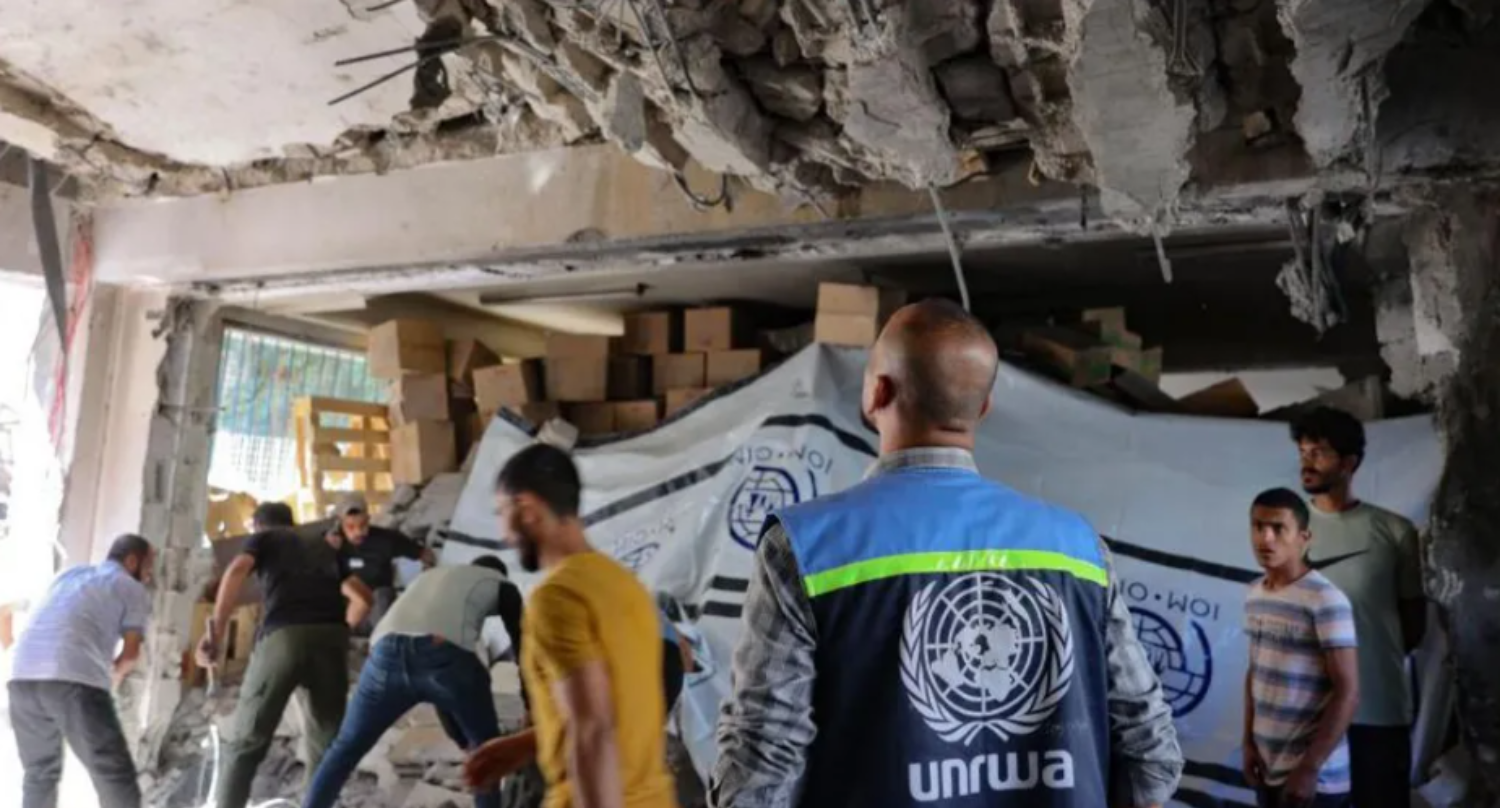
In a significant legislative move, the Israeli parliament has passed two bills that effectively prohibit the United Nations Relief and Works Agency (UNRWA) from operating within Israel. Known primarily for its role as the main provider of humanitarian aid to Palestinians, UNRWA is instrumental in assisting communities in the West Bank and Gaza. While the agency can continue operating within Palestinian territories, local media reports that the ban within Israel will sharply curtail its effectiveness, particularly in these areas. UNRWA’s commissioner-general, Philippe Lazzarini, condemned the legislative move, emphasizing the impact it will have on Palestinian communities. “These bills increase the suffering of the Palestinians and are nothing less than collective punishment,” he stated. Israeli Prime Minister Benjamin Netanyahu expressed a contrasting perspective, calling for accountability within UNRWA and asserting, “UNRWA workers involved in terrorist activities against Israel must be held accountable,” in a statement posted on X. The relationship between Israel and UNRWA has long been fraught with tension, a situation that has only intensified since October 7. Around this time, some European countries had suspended their financial support to UNRWA after Israel alleged, though without public evidence, that certain UNRWA staff may have been complicit in Hamas-led attacks. While many nations eventually reinstated their funding, a United Nations investigation later discovered that nine staff members “may have been involved in the 7 October 2023 Hamas-led attacks against Israel,” resulting in all nine individuals being dismissed from UNRWA. In the ongoing conflict, Israel has reportedly killed over 230 UNRWA staff members as it continues its military campaign in Gaza, a figure illustrating the personal toll on UNRWA’s personnel amidst mounting hostilities. Conditions in Gaza are deteriorating quickly. On Monday, the United Nations described the humanitarian situation there as dire, particularly as Israel restricted aid workers from reaching civilians trapped in rubble over the previous weekend. Watchdogs have warned of a looming famine in the enclave, noting that half of Gaza’s population now faces extreme food insecurity. Despite these restrictions, Netanyahu maintained that preventing a humanitarian crisis remains essential and stressed the importance of maintaining consistent aid access for Gaza. “Since avoiding a humanitarian crisis is also essential, sustained humanitarian aid must remain available in Gaza now and in the future,” he stated on X. The impact of the UNRWA ban and the ongoing military operations leaves Gaza’s future uncertain, with humanitarian assistance strained under the weight of escalating violence and logistical barriers. Based on a report from Politico 2024-10-29
-
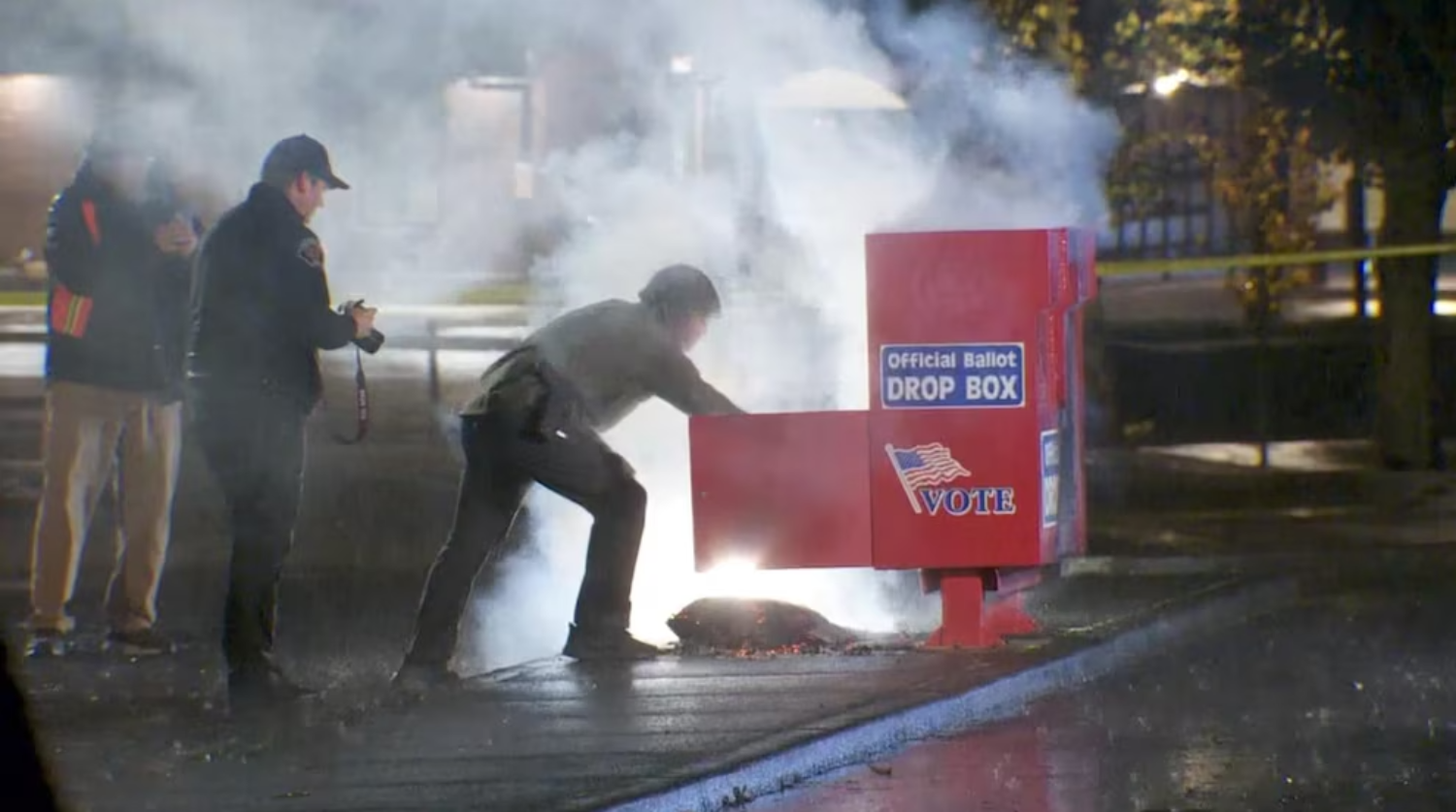
The FBI is investigating two separate incidents in the Portland, Oregon, area after ballot drop boxes were set on fire early Monday. In Vancouver, a small city in Washington state just across the Columbia River from Portland, hundreds of ballots were damaged when a device was placed on the exterior of a drop box and ignited. Meanwhile, an incendiary device was placed inside a ballot drop box in the southeast part of Portland, damaging three ballots. Law enforcement officials say the incidents appear connected, as they are "very similar" to an earlier failed attempt to ignite a ballot box in Vancouver on October 8. Local authorities in Portland are also working to reach out to the three voters whose ballots were damaged in the Portland incident, ensuring that they will be provided with replacement ballots. Police have released images of a vehicle they believe may be connected to the incidents—a dark-colored Volvo, which they hope will lead to further information about the suspects involved. Oregon and Washington are generally considered safe Democratic states in national elections; however, there is a close congressional race in Washington’s 3rd District, which includes Vancouver and the surrounding rural areas. This district seat is held by Democrat Marie Gluesenkamp Perez, who narrowly defeated Republican Joe Kent by less than 1% in the 2022 election. The two are set for a rematch in the upcoming election, adding tension to this district’s vote. The incidents in Oregon and Washington mirror a similar case in Phoenix, Arizona, where a man recently set fire to a U.S. post box containing around 20 ballots. According to court records, the man, who is homeless, claimed his actions were not politically motivated; he said he intended to commit a minor offense to secure shelter in jail. However, unlike the Arizona incident, which involved a general post box, the ballot drop boxes in Portland and Vancouver were solely designated for voting purposes. Washington’s Secretary of State Steven Hobbs condemned the attacks in a statement, affirming, “We take the safety of our election workers seriously and will not tolerate threats or acts of violence that seek to undermine the democratic process.” Although authorities have not yet identified those responsible, both the Portland and Vancouver police departments are actively investigating, and the FBI is pursuing leads to ensure accountability and maintain election integrity as the nation heads into the critical final days before Election Day. Based on a report from the BBC 2024-10-29
-
A recently viral video allegedly showing a man destroying ballots marked for Donald Trump in Pennsylvania has been identified as part of a Russian disinformation campaign, according to US officials. The video, which has attracted millions of views on platforms like X (formerly Twitter), purports to show a man sorting through and tearing up mail-in ballots from Bucks County, Pennsylvania, specifically those cast in favor of the former president. Officials have determined the video is fabricated, raising fresh concerns about foreign influence operations targeting the upcoming November election. On Thursday, the Bucks County Board of Elections released a statement declaring the video to be “fake” and pointed out that the envelope and other items in the footage were “clearly not authentic materials” used by the county. This assessment was further supported by a joint statement from the Office of the Director of National Intelligence (ODNI), the FBI, and the Cybersecurity and Infrastructure Security Agency (CISA) on Friday. “Russian actors manufactured and amplified a recent video that falsely depicted an individual ripping up ballots in Pennsylvania,” the agencies noted. They added that this misinformation is part of a larger Russian effort “to raise unfounded questions about the integrity of the US election and stoke divisions among Americans.” The statement emphasized that Russian operatives are anticipated to create and distribute similar content as election day approaches to “undermine trust” in the electoral process. American authorities are on high alert, expecting a wave of disinformation to flood social media in the closing days of a closely contested election between Republican nominee Donald Trump and Democratic candidate Kamala Harris. AFP fact-checkers have also debunked the video, tracing it back to a Kremlin-aligned disinformation network known as Storm-1516. According to Darren Linvill, co-director of Clemson University’s Media Forensics Hub, this network has a history of producing false videos aimed at discrediting American candidates. Linvill noted that the account on X, which shared the video, has been known to promote narratives from the Storm-1516 network, linking it directly to previous attempts to undermine confidence in US elections. This is not the first instance of such activities; in September, the Microsoft Threat Analysis Center reported that Russian operatives were intensifying disinformation efforts specifically targeting Harris’s campaign, with conspiracy-laden videos surfacing online. Researchers pointed out that Storm-1516 has previously attempted to discredit the campaigns of Harris and her running mate, Tim Walz. Russia is not the only foreign power reportedly aiming to influence American opinion and erode faith in the democratic process. The ODNI warned in a memo earlier this week that Iran and China are also spreading divisive narratives to destabilize the United States politically. The ODNI report highlighted that these foreign influence efforts would likely escalate as election day nears, particularly through social media posts, some of which may even be AI-generated or enhanced. “These actors probably perceive that undermining confidence in the elections weakens the legitimacy of our democracy and consequently makes the United States less capable of effectively pursuing policies that are counter to their interests,” the report concluded. With just days remaining before the November election, the risk of disinformation, particularly from Russia, remains a key concern for US officials as they strive to safeguard the integrity of the democratic process. Based on a report from the Guardian 2024-10-29

-
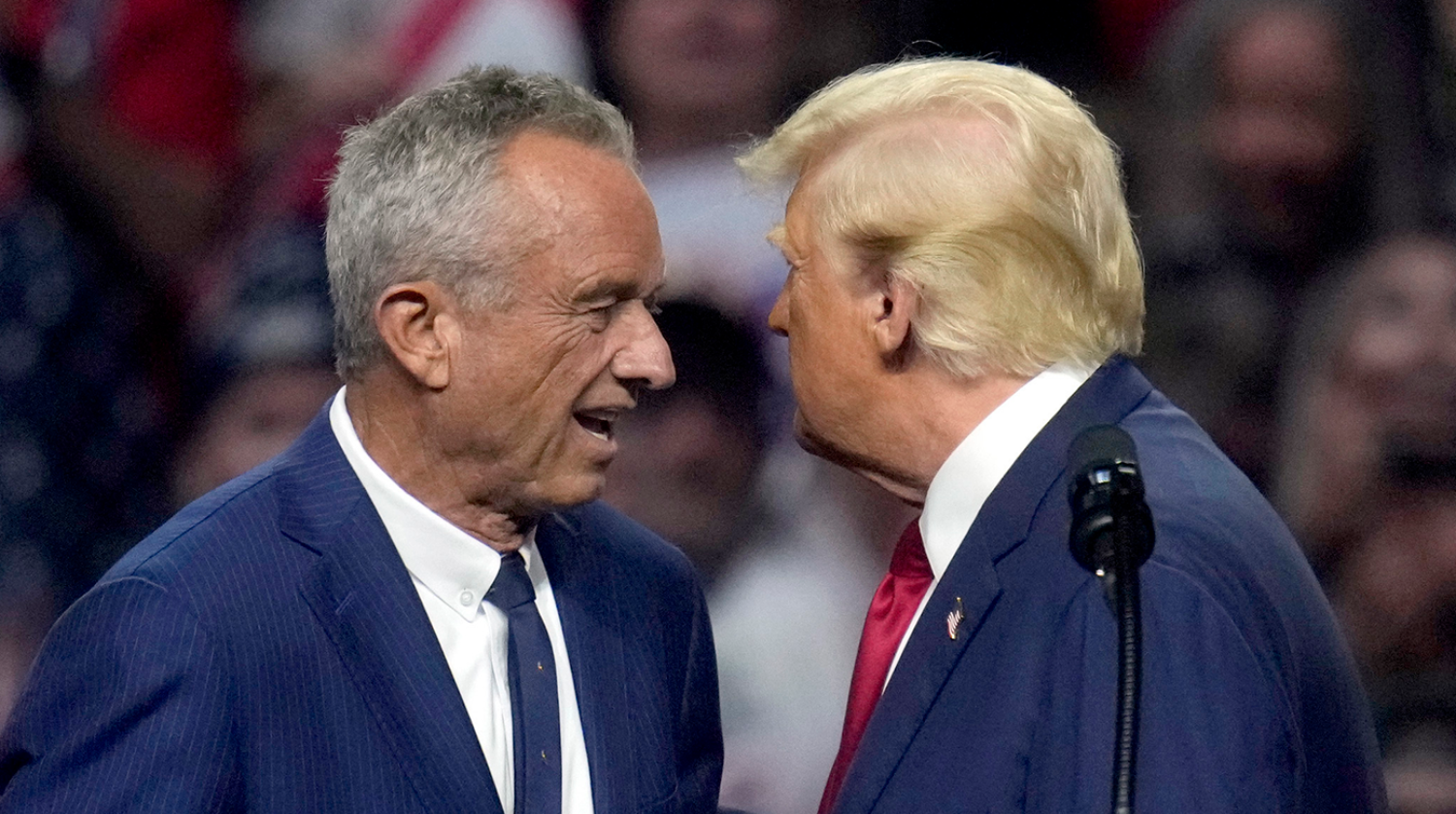
Former President Donald Trump recently expressed enthusiasm for involving Robert F. Kennedy Jr. in addressing health, food, and medicine issues if he were to serve a second term. Speaking to a crowd at Madison Square Garden, Trump said, “I’m going to let him go wild on health. I’m going to let him go wild on the food. I’m going to let him go wild on the medicines.” Trump, however, specified that Kennedy’s influence would not extend to energy resources, particularly oil, saying, “The only thing I don’t think I’m going to let him even get near is the liquid gold that we have under our feet.” Kennedy, a former environmental lawyer and vocal critic of pharmaceutical companies, had launched an independent presidential campaign before stepping aside in August, ultimately endorsing Trump. Since then, he has taken up an initiative within Trump’s campaign called “Make America Healthy Again.” Throughout his career, Kennedy has focused on the health effects of processed foods and chemical additives in the U.S. food supply, advocating for stricter regulations. His involvement in Trump’s plans for a second term has, however, sparked criticism, particularly due to his controversial stance on vaccines. Kennedy has faced considerable backlash for his opposition to mainstream vaccine policies. Although he has denied being entirely anti-vaccine, his track record includes promoting debunked theories and spreading skepticism about vaccine safety. In a congressional hearing last year, he refuted accusations that he had discouraged vaccinations, saying, “I never told people not to get vaccinated.” However, in a podcast interview two years prior, he admitted to frequently advising strangers against vaccinating their children. Kennedy has also made contradictory statements on vaccines in the media. On CNN in December, he denied suggesting that no vaccines were “safe and effective,” although he was previously recorded stating this exact phrase in an interview last July. The conflicting messages have only fueled concerns among public health officials and medical experts regarding Kennedy’s potential influence on national health policy in a future Trump administration. Based on a report from the Hill 2024-10-29
-
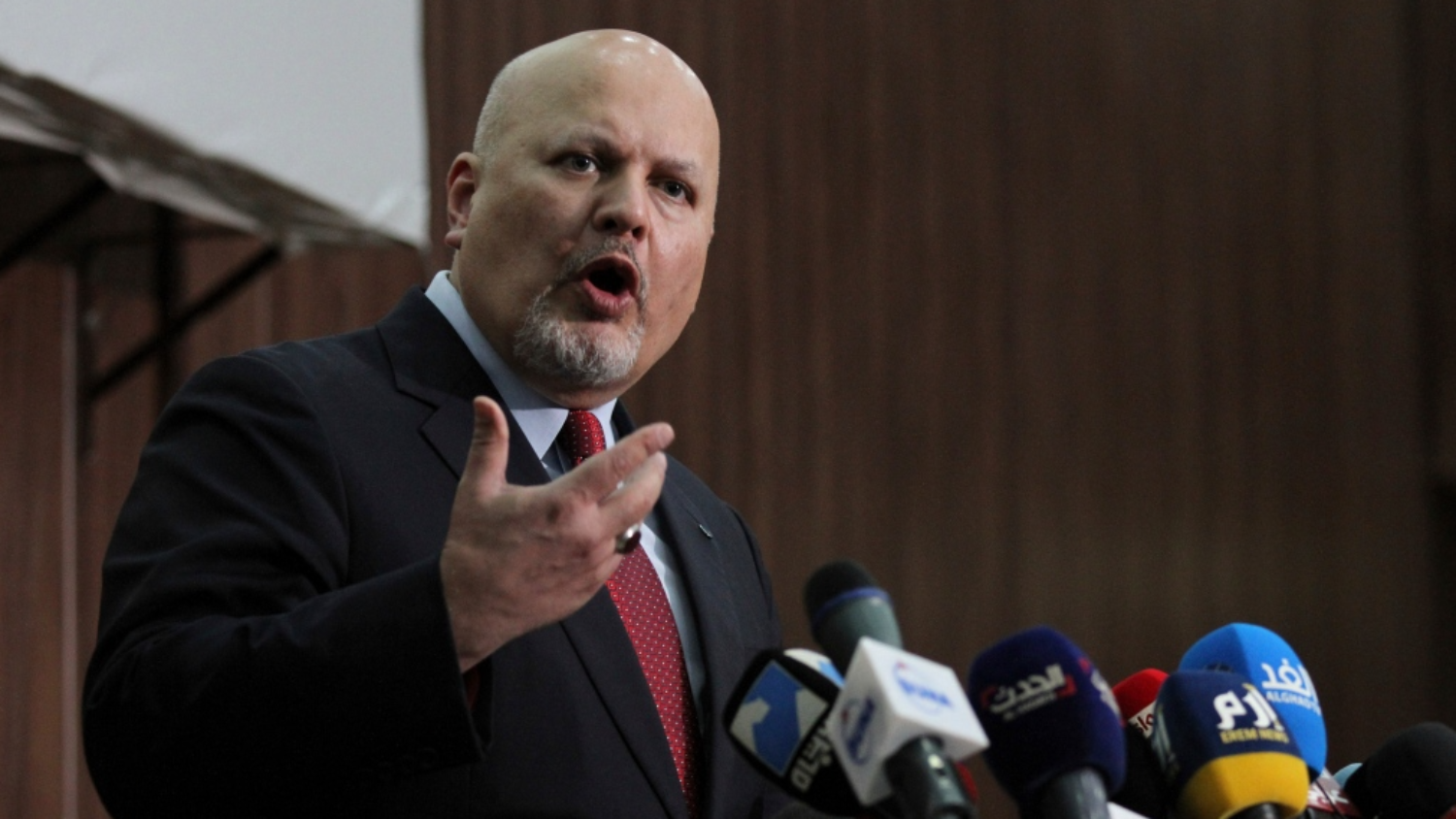
Karim Khan, chief prosecutor of the International Criminal Court (ICC), is under scrutiny after allegedly trying to suppress a formal complaint of sexual misconduct against him by persuading the accuser to deny her claims. According to multiple ICC sources, Khan and a close associate repeatedly pressured the alleged victim to retract her allegations of inappropriate behavior. The Guardian reports that these attempts to dissuade the woman from formally pursuing her claims took place through phone calls and in-person meetings after Khan learned that court authorities were aware of the complaint. Sources reveal that, at the time, Khan had been advised to avoid one-on-one contact with the accuser following an aborted internal investigation. Allegations against Khan include unwanted sexual advances and an alleged incident in which he “pressed his tongue” into the woman’s ear. Khan, 54, denies these accusations. Four ICC staff members aware of the allegations describe them as involving coercive sexual behavior and abuse of authority. The Guardian’s investigation, which includes interviews with 11 current and former ICC officials as well as diplomatic sources and friends of the alleged victim, suggests that the accuser has suffered significant emotional trauma from these events. To protect her privacy, none of the sources revealed their identities. The sources claim the accuser is now experiencing “severe emotional distress” as a result of the situation. The ICC itself is now facing a severe crisis, as internal divisions over the handling of these allegations are surfacing, along with attempts by opponents of the court to leverage the scandal against it. The accusations reportedly pertain to Khan’s behavior between April 2023 and April 2024, with one source clarifying that this was not a single incident but rather an ongoing pattern of misconduct over several months. The alleged victim reportedly recounted to colleagues a series of escalating incidents, beginning with Khan’s attempts to hold her hand during a work trip to London. According to sources, his advances continued, ultimately involving unwanted physical contact at his office, during overseas work trips, and at his home in The Hague. Three sources confirm that she described specific instances in which Khan allegedly groped her and placed his tongue in her ear. She reportedly tried to make excuses to avoid being alone with him but faced professional repercussions as a result. An ICC document outlining the allegations indicates that her efforts to distance herself led to negative workplace consequences, further complicating her position. Last week, the ICC staff union called for an “independent investigation led by an external panel free from any potential conflict of interest.” Khan responded, expressing willingness to cooperate with any new inquiry. On Friday, the Associated Press reported that the alleged victim is now in communication with the Assembly of States Parties (ASP), the ICC’s governing body responsible for decisions on Khan’s position. A diplomatic source indicated that the ASP has not yet initiated a formal investigation. As ICC judges weigh high-stakes cases, including a politically sensitive request from Khan to issue arrest warrants for Israeli leaders over alleged war crimes in Gaza, the unfolding allegations cast a shadow over the court’s leadership and its future stability. Based on a report from the Guardian 2024-10-29
-
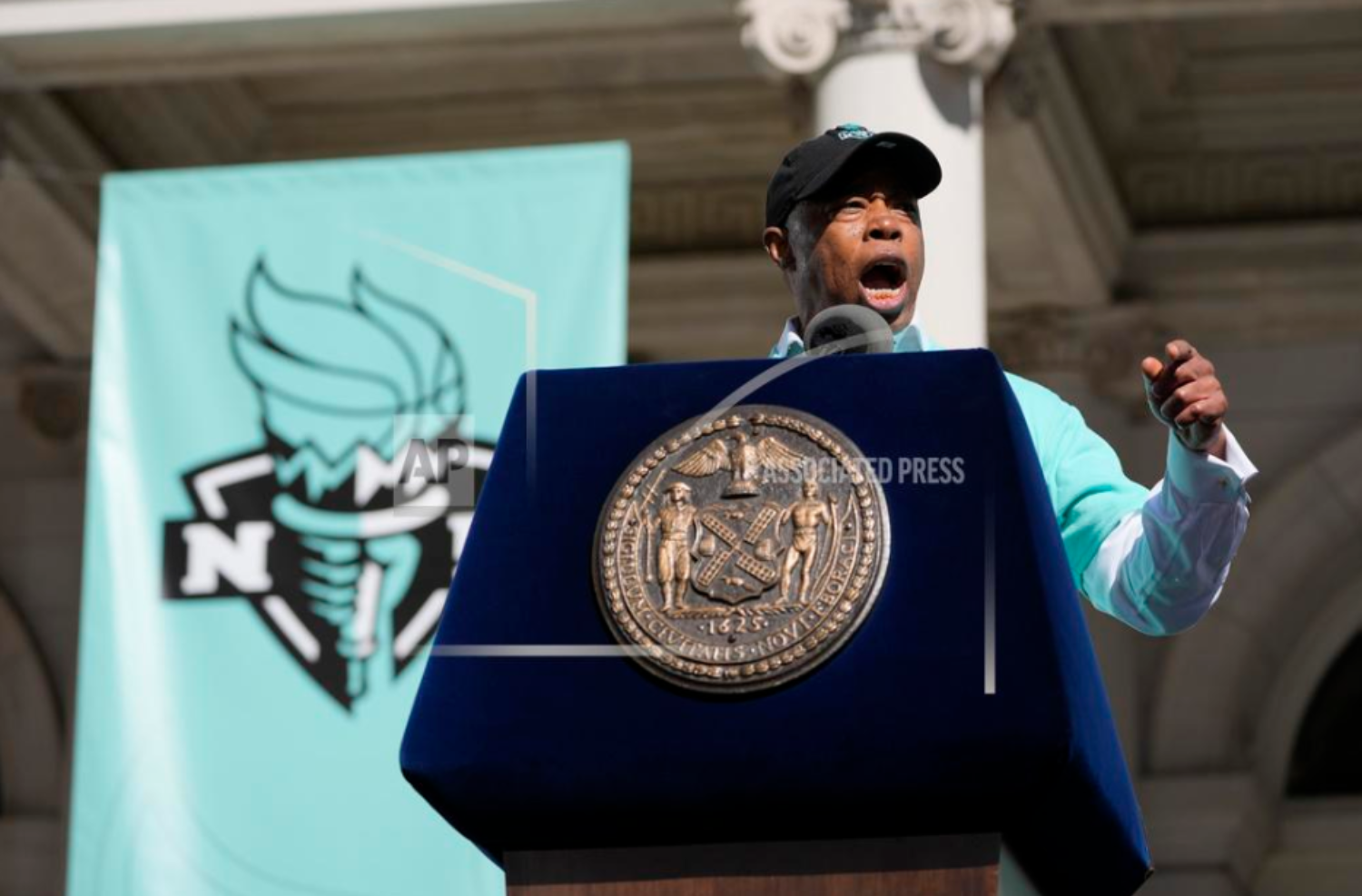
In a rare moment of bipartisan defense, New York City’s Democratic Mayor Eric Adams came to the defense of former President Donald Trump in response to accusations labeling Trump a "fascist." These claims, initiated by Trump’s former White House Chief of Staff General John Kelly and reiterated by Vice President Kamala Harris, have sparked considerable debate. Adams addressed the issue ahead of Trump’s scheduled rally at Madison Square Garden, dismissing the notion of Trump as a fascist and urging a reduction in the divisive rhetoric surrounding the former president. In a press conference, Adams clarified his stance, saying, "My answer is no, I know what Hitler has done, and I know what a fascist regime looks like.” He encouraged the public and officials alike to “dial down the temperature,” highlighting the importance of allowing Trump to communicate his message without interference. Adams’ remarks followed those of Harris, who recently echoed General Kelly's claims in a CNN town hall, affirming her belief that Trump meets the definition of a fascist. The Vice President had cited Kelly’s statement that Trump praised Adolf Hitler for “doing some good things,” referencing the former president’s alleged remarks about Hitler’s role in rebuilding Germany’s economy. General Kelly, a retired Marine Corps general and Trump’s longest-serving chief of staff, had shared these allegations in an interview with *The New York Times*. He warned that Trump’s actions, particularly his prioritization of personal loyalty over constitutional principles, were hallmarks of fascism. Trump, however, dismissed Kelly’s claims as a “made-up story.” Despite the former president’s rebuttal, these statements became a focal point of discussion, with Harris and other prominent Democrats like Hillary Clinton seizing the opportunity to express concerns about Trump’s influence on American democracy. Clinton, reflecting on Trump’s rally at Madison Square Garden, suggested it was an attempt to “re-enact” the Nazi rally held in the same location in 1939. Despite these critiques, Adams voiced his “strong” opposition to any calls to cancel Trump’s event, framing it as an essential exercise of free speech. “I think it’s important that we allow individuals to exercise their right to get their message clear to New Yorkers,” he stated, supporting the principles of democratic discourse, even when the views expressed are contentious. Adams also emphasized the city’s commitment to safety, outlining the significant police and security measures put in place to ensure the event proceeds smoothly. This isn’t the first time Adams has found himself aligned with Trump on particular issues, marking an unusual convergence given his role as a Democratic mayor. Recently, Adams has faced his own legal challenges, having been indicted on federal corruption charges, which he claims are politically motivated. Like Trump, Adams has suggested that his criticism of the Biden administration may have spurred these legal actions. He has previously taken issue with President Biden’s handling of the migrant crisis, arguing that it threatens to “destroy” New York City’s resources and infrastructure. Adams’ defense of Trump highlights the nuances and challenges within contemporary American political discourse, as well as the complex interplay of legal, ideological, and institutional conflicts shaping the nation’s political landscape. In standing up for Trump’s right to gather and speak, Adams underscores the value of upholding democratic principles—even amid sharp ideological divides. Based on a report from the Daily Telegraph 2024-10-29
-
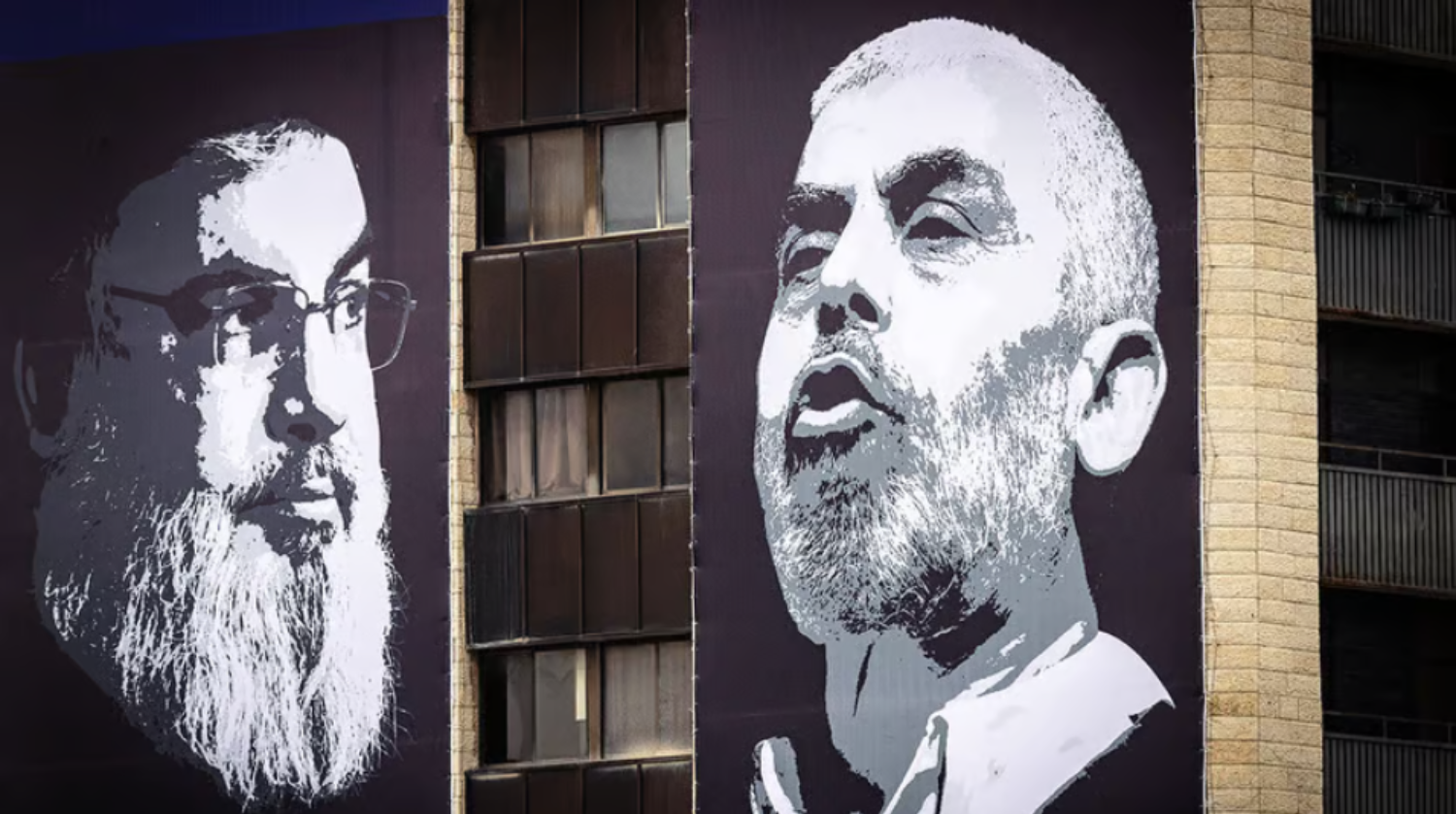
The common belief about targeted assassinations in the fight against militant groups is often dismissive, rooted in the idea that such actions don’t lead to substantial or lasting outcomes. Over the past year, Israel has engaged in targeted killings of leaders from Hamas, the Palestinian Islamist group, and Hizbullah, a Lebanese Shia militia. Each operation triggers discussions among analysts and officials, who frequently predict that these organizations will regroup and restore their former strength. This skepticism isn’t unwarranted, given Israel’s historical experience. However, there are reasons to believe that this time, the situation might differ significantly. There are three key arguments typically made against the effectiveness of targeted killings. The first of these is historical. Audrey Kurth Cronin, a professor at Carnegie Mellon University, analyzed the fate of over 450 terrorist organizations, finding that "decapitation" or leader-targeting operations generally prove effective only against small, recently-formed groups without established mechanisms for leadership succession. However, neither Hamas nor Hizbullah fits this description. The historical context, diverges sharply from current circumstances. In the present situation, Israel's campaign against Hizbullah has been relentless. By the time Israel killed Nasrallah on September 27th, the group’s highest military leadership had been decimated. Nasrallah’s presumed successor, Hashem Safieddine, and potentially Wafiq Safa, an influential enforcer within Hizbullah, were also targeted. Even the most resilient organization would face challenges after losing multiple tiers of its leadership. Hamas, too, has suffered significant losses in the past year, with not only two of its leaders but also its military chief, his deputy, and numerous lower-ranking commanders killed. Alongside these losses, both groups have endured thousands of casualties in Israel’s attacks. Nasrallah and Sinwar were uniquely influential, each wielding substantial power and enjoying considerable support from Iran. Their successors may not command the same loyalty or resources, weakening their organizations structurally. A second argument concerns the groups' established institutional roles. Before the recent escalations, Hamas governed Gaza, employing tens of thousands of civil servants, while Hizbullah functioned almost as a "state within a state" in Lebanon, providing jobs, managing economic resources, and even operating its own bank. Unlike purely militant groups, Hamas and Hizbullah are deeply entrenched political and economic entities. Yet, Israel’s sustained campaign has dramatically undermined these roots. In Gaza, for example, the local economy, which once provided Hamas with substantial tax revenue, lies in tatters. The monopoly Hamas once held on violence and resource control has been disrupted by increasingly powerful gangs, who now run protection rackets and control some aid distributions. In Lebanon, Hizbullah's previously robust financial networks have weakened. Fighters now complain of delayed paychecks, while displaced civilians express frustration over inadequate assistance. In Lebanon’s patronage-based political system, any erosion of resources and benefits weakens a group’s support base, suggesting that Hizbullah’s once-dominant position may be under significant strain. The third argument is philosophical. European Union foreign-policy chief Josep Borrell remarked in February, "Hamas is an idea, and you don’t kill an idea," a sentiment echoed by the head of the Arab League about Hizbullah. However, historical examples challenge this perspective. A decade ago, analysts made similar claims about Islamic State (IS), which, despite its initial power and territory, was decimated by a coalition that killed tens of thousands of fighters. The caliphate IS declared lasted less than four years before being dismantled. Likewise, Egypt’s Muslim Brotherhood—a century-old organization—was severely weakened when Abdel-Fattah al-Sisi overthrew Egypt’s Brotherhood-aligned president, leading to mass arrests, asset seizures, and organizational collapse. While neither IS nor the Muslim Brotherhood was entirely eliminated, both were largely marginalized and rendered unable to exert the power they once held. This suggests that while ideas may be hard to eradicate, organizations can be crippled with sufficient violence and repression, pushing them into obscurity for years. Hamas and Hizbullah are not merely ideas but institutions with tangible structures, resources, and influence. Whether or not they retain their current standing remains uncertain. If Hizbullah is weakened, Lebanon’s Shia community may face internal conflicts, and while Palestinian resistance may persist as long as there is no state, it is not guaranteed to be under Hamas’ banner. Based on a report from The Economist 2024-10-29
-
A dedicated community of science sleuths is bringing overlooked research errors into the spotlight, unsettling some of the world’s most respected scientific institutions. With the aid of artificial intelligence, these independent investigators are more efficiently identifying flaws and potential misconduct in scientific research, raising the call for academic and publishing reform. High-profile cases involving prominent scientists, such as the former Stanford University president and leaders at the Dana-Farber Cancer Institute, have gained national attention, making science sleuths impossible for the research community to ignore. The momentum of these revelations has editors and academic leaders bracing for new cases. “At the rate things are going, we expect another one of these to come up every few weeks,” remarked Holden Thorp, editor-in-chief of *Science*. For sleuths, exposing errors is a vital step in correcting the scientific record and protecting future researchers from investing in dead-end inquiries based on flawed studies. Biologist Michael Eisen, a former editor of *eLife* and vocal advocate for change, expressed empathy for the sleuths, noting, “Everybody — the author, the journal, the institution, everybody — is incentivized to minimize the importance of these things.” For years, science sleuths identified problematic research images, posting findings on online forums like PubPeer, but often with limited response. A turning point came last summer when Stanford’s then-president, neuroscientist Marc Tessier-Lavigne, stepped down amid scrutiny of alleged image manipulation in his work. Though Tessier-Lavigne was cleared of direct misconduct, a report highlighted that some of his lab members had manipulated images in questionable ways. Another notable case surfaced this January when a blog post exposed image issues in studies by Dana-Farber Cancer Institute leaders, leading the institution to retract six articles and issue corrections on many others. This surge in scrutiny has opened a national conversation on research integrity, further fueled by artificial intelligence advancements. New tools help sleuths detect a range of issues, from recent sloppiness to decades-old errors in scientific images. While this technology sharpens sleuths' capabilities, universities and journals are beginning to integrate similar tools in their own processes. Thorp shared that the *Science* journals have recently adopted an AI tool, Proofig, to screen submissions for image issues, quietly deploying it about six months before publicly announcing it in January. The tool has allowed the journal to reject papers with problematic images while permitting authors with logical explanations to address minor issues before publication. Meanwhile, Chris Graf, research integrity director at Springer Nature, reported that they, too, are testing in-house AI software to spot image duplications. Though AI speeds up this work, he stressed the importance of human oversight, adding that “the human element of all our investigations is crucial” to guard against false positives. Beyond individual errors, the uptick in retractions, which hit a record 10,000 last year according to *Nature*, signals a growing acknowledgment of these issues. Yet the increased vigilance has also stirred questions about motivations behind error-hunting efforts, especially as prominent figures discuss deploying AI to scrutinize research at institutions with ideological differences. Bill Ackman, a venture capitalist, recently raised the issue on X, suggesting AI could target leaders of prestigious universities for political motives. Eisen, however, does not believe the science sleuths are engaging in a “McCarthyist” hunt, stating, “I think they’ve been targeting a very specific type of problem in the literature, and they’re right — it’s bad.” Despite these advancements, sleuths often grow frustrated at institutional inaction, with public critiques on platforms like PubPeer sometimes ignored. Dana-Farber research critic Sholto David admitted to largely “giving up” on notifying journal editors after receiving inadequate responses. Image sleuth Elisabeth Bik echoed the sentiment, describing her many attempts to flag issues only to find that “nothing happens.” Thorp contends that the slowness of universities to respond only heightens public mistrust. “Universities are so slow at responding and so slow at running through their processes,” he said, suggesting that universities could mitigate damage by swiftly taking ownership of errors. Based on a report from NBC News 2024-10-29

-
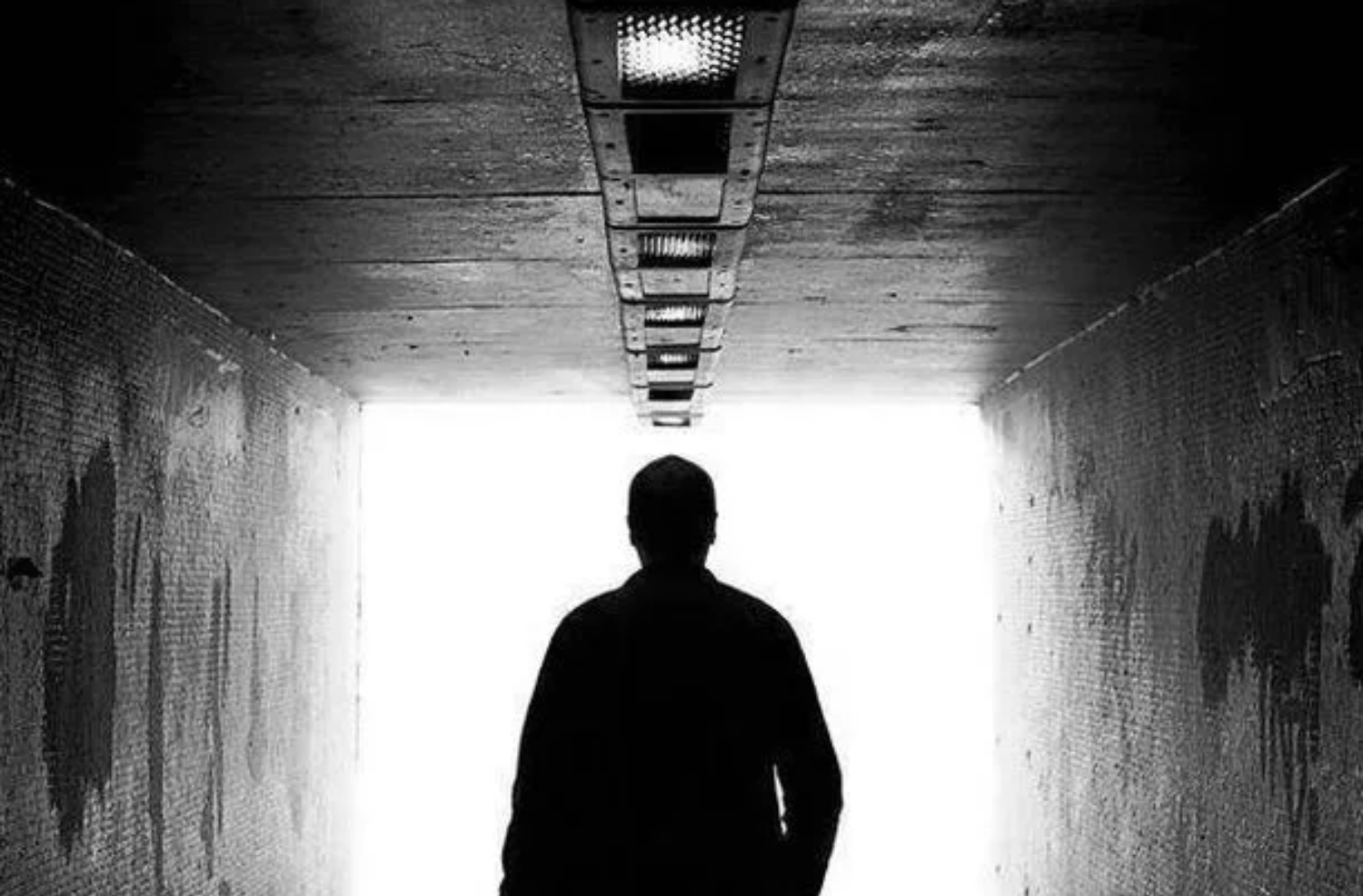
Police swarmed ther home and seized computers after accusations against the man who's worked with 'some of Britain's most famous names'. A TV soap star has been arrested on suspicion of sexually abusing five underage boys. Police apparently swarmed the person's home before they arrested the actor, who cannot be named at this time, on suspicion of child sex offences. The star - who is understood to have a major role on a TV soap - has denied the allegations and is currently on bail. When carrying out the arrest, police also seized computers and documents while searching for evidence related to the five alleged abuses. The Sun reported that officers visited the actor's home earlier this month following accusations of paedophilia. The allegations date back to the 1990s when the suspect was appearing alongside some of Britain's most famous stars in a number of hit tv shows. His family, including his partner, were left stunned by his arrest. The soap star is also understood to be shocked by the allegations. A police spokesperson said: 'A man has been arrested on suspicion of historical child sex offences involving five victims. Officers investigating allegations relating to the 1990s detained a man. 'He was arrested on suspicion of several sexual offences relating to five men who were teenage boys at the time of the alleged offending.'He has been conditionally bailed while enquiries continue.' Based on a report from the Daily Mail 2024-10-29
-
In a new surge of drug trafficking in the Middle East, captagon, a stimulant with amphetamine-like effects, is wreaking havoc along Syria’s borders and impacting countries across the region. The drug, used by a wide range of people—from students and taxi drivers to militia fighters—has led to a booming trade that is both lucrative and destabilizing, especially for regions like Jordan, which shares a tense border with Syria. The rise of captagon has added yet another layer of conflict to the area, triggering an alarming health crisis and fueling both war and crime. Captagon’s multibillion-dollar trade has become a primary source of revenue for the Syrian regime under President Bashar al-Assad and Hezbollah, both of which benefit heavily from the illicit profits. According to the New Lines Institute, an estimated $5.7 billion captagon market has flourished, with Assad’s regime alone earning approximately $2.4 billion annually from 2020 to 2022, which accounts for nearly one-fourth of Syria’s GDP. This surge in profits has helped offset sanctions placed by Western countries, bolstering Assad’s administration, which has been widely accused of enabling large-scale captagon production. However, Syrian officials have consistently denied any role in the drug trade. Captagon smuggling has placed heavy strain on Syria’s neighboring countries, particularly Jordan, which has deployed around one-third of its army along the border to intercept the drugs and weapons trafficked by the same networks. Jordanian authorities have reported a range of smuggling methods, from using drones and catapults to hiring women and children as drug couriers. Recent political and social tensions have led to an increase in captagon seizures along the Jordanian-Syrian border, especially since the beginning of Israel’s conflict with Gaza, with U.S. officials fearing that Iranian-backed factions may be involved in escalating drug and arms smuggling. In January, a devastating incident in Orman, a small village in Syria close to the Jordanian border, underscored the severity of the captagon crisis. Two explosions killed ten people, including women and children, an attack Jordan has been suspected of conducting in response to the ongoing smuggling. In a rare move, Jordanian authorities acknowledged their determination to fight the drug and arms trade, saying they are prepared to confront the threats posed by these networks. "The Syrian regime is creating an example for states that are weathered and under sanctions and are looking to make a buck, a very good buck," said Caroline Rose, a captagon trade expert at the New Lines Institute. While amphetamines have long held appeal in the Gulf region, captagon’s recent expansion has marked a dangerous development. Once manufactured in Germany for medical purposes, captagon found its way into Lebanon’s Bekaa Valley in the 1990s, facilitated by criminal networks. The 2011 Syrian war only intensified this trade as economic collapse across Syria and Lebanon opened the door for the drug’s mass production, helping the Assad regime secure additional revenue. According to Col. Farid al-Qassem, a Syrian defector now working with U.S. troops, Assad’s regime “continues to fully rely on captagon” for survival, noting the drug’s role as a backbone of the economy. Pseudoephedrine, the primary ingredient in captagon, is imported in massive quantities. In 2020, Syria reported 110,000 pounds of the substance—an amount comparable to pharmaceutical hubs like Switzerland—despite its crumbling health infrastructure, a fact that raised concerns with international authorities. The captagon crisis has expanded beyond the Middle East, reaching Europe, with major busts occurring in Italy, Greece, and Germany. German authorities recently began prosecuting four men linked to a $60 million captagon seizure, an example of the growing international impact. “It’s becoming extremely clear that these illicit networks are trying to create a foothold in Europe,” said Rose, predicting a trickle effect that could bring the drug into Europe and possibly the U.S. markets in the near future. The U.S. has recognized the captagon trade as a significant threat, enacting the Captagon Act in 2022 to curb the network’s expansion and aid Middle Eastern allies in battling it. Though the U.S. has provided surveillance equipment, it has not deployed troops to Jordan, leaving the region to tackle the crisis. However, hopes of Syrian cooperation have dwindled as officials in Jordan and Saudi Arabia report little follow-through from Assad. Meanwhile, captagon’s reach continues to extend, posing increasing challenges for international law enforcement and heightening concerns for public health and safety across the globe. Based on a report from the WSJ 2024-10-29