
Everything posted by webfact
-
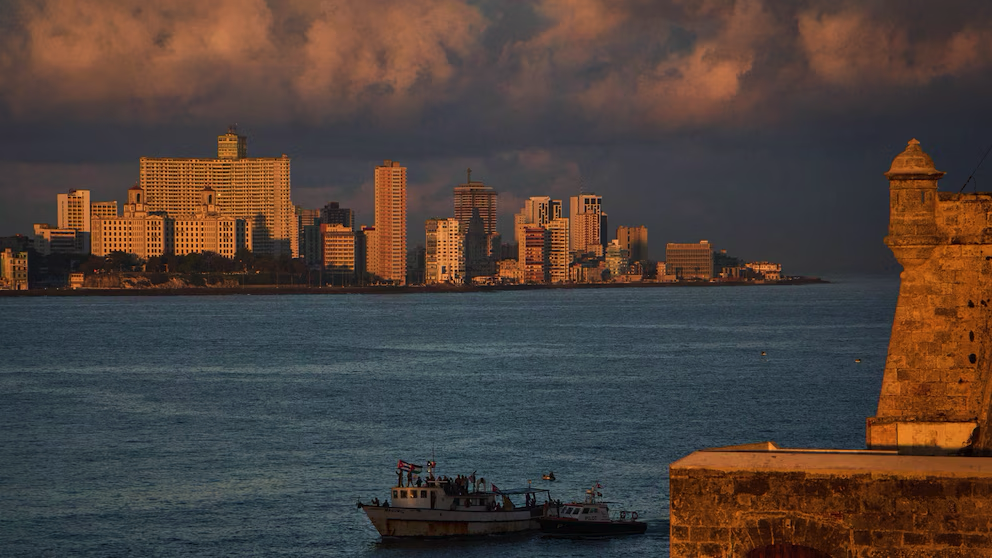
Miguel Díaz‑Canel said Wednesday that Raúl Castro is involved in discussions between Cuba and the United States, describing the contacts as being in the initial phase. Get today's headlines by email Díaz-Canel said the dialogue process is still developing and stressed that negotiations typically take time. The comments came during a recorded interview with Pablo Iglesias that was later shared by Cuban state media. Cuba confirms early contacts with WashingtonAccording to Díaz-Canel, the talks are being handled collectively by the Cuban leadership, with Castro helping guide how the government approaches potential negotiations. Castro, now 94, stepped down from formal leadership but remains an influential figure within the ruling system. Díaz-Canel said the first step in any negotiation is establishing a channel for dialogue, followed by identifying shared interests and confirming both sides are willing to move forward with meaningful engagement. Tensions rise amid US pressureThe talks come during a period of strained relations between the two countries under Donald Trump. The United States has tightened pressure on Havana, including measures aimed at restricting fuel supplies to the island. Earlier this year, Trump threatened tariffs on countries that supply oil to Cuba. Although some of the initial warnings were later softened, restrictions remain in place. Cuban officials say the island has not received fuel shipments for roughly three months. The measures have deepened a severe energy crisis. Cuba’s ageing power grid has suffered repeated failures, triggering prolonged blackouts that have disrupted daily life and economic activity across the country. In the past week alone, two nationwide outages left millions without electricity. Authorities say the outages reflect the deteriorating condition of the energy system combined with fuel shortages. Trump has also warned that the United States could take stronger action against Cuba’s government, further raising tensions between Washington and Havana. Castro remains influentialDíaz-Canel rejected suggestions that disagreements exist within Cuba’s leadership over relations with the United States. He said Castro continues to play a guiding role alongside the government and the ruling Communist Party. He described the former president as a historic leader who retains significant authority because of his political legacy and standing among the Cuban public. Castro previously oversaw a major diplomatic breakthrough with the United States. In 2014, he held talks with Barack Obama that led to the restoration of diplomatic relations and the reopening of embassies in both countries. Many of those rapprochement measures were later rolled back during Trump’s presidency as Washington imposed tougher sanctions on the island. UN warns of worsening crisisInternational organisations say the energy shortages are contributing to a broader humanitarian challenge. United Nations officials warned that the situation could worsen if Cuba’s remaining fuel reserves are depleted. They said prolonged shortages could lead to further economic disruption and risks to public welfare. UN representatives also pointed to renewable energy as a potential partial solution, highlighting solar power systems that could help maintain operations in hospitals, schools and water infrastructure. Officials cautioned that without additional fuel supplies or rapid energy improvements, the crisis could intensify in the coming months. Join the discussion? Already a member? Adapted by ASEAN Now. Source 26 March 2026 View full article
-
 Miguel Díaz‑Canel said Wednesday that Raúl Castro is involved in discussions between Cuba and the United States, describing the contacts as being in the initial phase. Get today's headlines by email Díaz-Canel said the dialogue process is still developing and stressed that negotiations typically take time. The comments came during a recorded interview with Pablo Iglesias that was later shared by Cuban state media. Cuba confirms early contacts with WashingtonAccording to Díaz-Canel, the talks are being handled collectively by the Cuban leadership, with Castro helping guide how the government approaches potential negotiations. Castro, now 94, stepped down from formal leadership but remains an influential figure within the ruling system. Díaz-Canel said the first step in any negotiation is establishing a channel for dialogue, followed by identifying shared interests and confirming both sides are willing to move forward with meaningful engagement. Tensions rise amid US pressureThe talks come during a period of strained relations between the two countries under Donald Trump. The United States has tightened pressure on Havana, including measures aimed at restricting fuel supplies to the island. Earlier this year, Trump threatened tariffs on countries that supply oil to Cuba. Although some of the initial warnings were later softened, restrictions remain in place. Cuban officials say the island has not received fuel shipments for roughly three months. The measures have deepened a severe energy crisis. Cuba’s ageing power grid has suffered repeated failures, triggering prolonged blackouts that have disrupted daily life and economic activity across the country. In the past week alone, two nationwide outages left millions without electricity. Authorities say the outages reflect the deteriorating condition of the energy system combined with fuel shortages. Trump has also warned that the United States could take stronger action against Cuba’s government, further raising tensions between Washington and Havana. Castro remains influentialDíaz-Canel rejected suggestions that disagreements exist within Cuba’s leadership over relations with the United States. He said Castro continues to play a guiding role alongside the government and the ruling Communist Party. He described the former president as a historic leader who retains significant authority because of his political legacy and standing among the Cuban public. Castro previously oversaw a major diplomatic breakthrough with the United States. In 2014, he held talks with Barack Obama that led to the restoration of diplomatic relations and the reopening of embassies in both countries. Many of those rapprochement measures were later rolled back during Trump’s presidency as Washington imposed tougher sanctions on the island. UN warns of worsening crisisInternational organisations say the energy shortages are contributing to a broader humanitarian challenge. United Nations officials warned that the situation could worsen if Cuba’s remaining fuel reserves are depleted. They said prolonged shortages could lead to further economic disruption and risks to public welfare. UN representatives also pointed to renewable energy as a potential partial solution, highlighting solar power systems that could help maintain operations in hospitals, schools and water infrastructure. Officials cautioned that without additional fuel supplies or rapid energy improvements, the crisis could intensify in the coming months. Join the discussion? Already a member? Adapted by ASEAN Now. Source 26 March 2026
 -
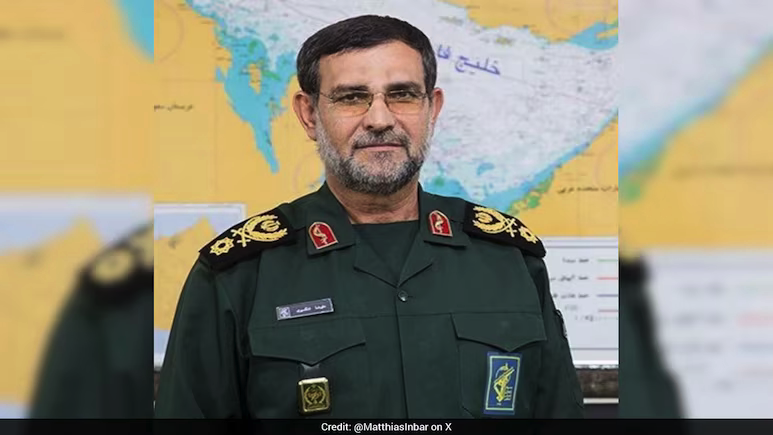
Israel says a strike has killed a senior Iranian naval commander responsible for operations linked to the blockade of the Strait of Hormuz, according to Israeli media citing an Israeli official. Get today's headlines by email The commander, Alireza Tangsiri, headed the naval arm of the Islamic Revolutionary Guard Corps and had overseen activities connected to Iran’s restrictions on shipping through the strategic waterway. Strike targets senior naval commanderReports say Tangsiri was killed in a US-Israeli strike in the coastal area of Bandar Abbas. Iranian authorities and the Israeli military had not publicly confirmed the strike at the time of reporting. If verified, the killing would mark another high-profile casualty in the conflict involving the United States, Israel and Iran, which is now in its fourth week. Tangsiri had served as IRGC naval commander since 2018 and was regarded as one of the senior Iranian figures who had avoided earlier assassination attempts during the conflict. Strait of Hormuz shipping collapseIran has tightened control over the Strait of Hormuz, a narrow shipping corridor linking the Persian Gulf to global markets. In normal conditions, about one-fifth of the world’s traded oil and gas passes through the waterway. Since the start of the conflict, Tehran has blocked many vessels it considers linked to the United States or Israel while allowing limited traffic from other countries. Shipping data indicates a steep drop in energy transport through the channel. Daily cargo movements have fallen roughly 95 percent compared with typical traffic levels. Industry monitoring group Kpler recorded only 155 commodity carrier crossings between March 1 and March 25, far below the usual rate of about 120 transits per day tracked by shipping intelligence site Lloyd’s List. Most of the crossings involved oil tankers or gas carriers travelling eastward out of the strait. On Wednesday, analysts detected only two ships passing through, both heading west. Iranian media outlets close to the Revolutionary Guards have also reported plans to formalize payments for ships allowed to pass. Some vessels are said to have paid fees in Chinese yuan under what analysts describe as an informal toll system. Leadership losses and political structureIran has suffered multiple leadership losses since the war began on February 28. Several senior commanders from the Revolutionary Guards and other top figures have been killed in US-Israeli strikes. Among them was Ali Larijani, a longtime adviser to Iran’s leadership whose death earlier in the conflict was seen as a major blow due to his influence across political institutions and his experience dealing with foreign powers. Despite the deaths of several prominent figures, analysts say Iran’s political system has continued to function. The structure combines clerical leadership with elected institutions, including a president and parliament, and multiple centers of authority within the security establishment. Formed after the Iranian Revolution, the Islamic Republic’s governing model distributes power across various bodies rather than concentrating it in a single leadership circle. Officials and analysts say this layered system has helped Iran maintain operational capacity during the conflict. At the same time, the removal of more pragmatic figures could strengthen hardline factions within the leadership, potentially influencing Iran’s approach to the ongoing war and relations with foreign powers. oin the discussion? Already a member? Adapted by ASEAN Now. Source 26 March 2026 View full article
-
 Israel says a strike has killed a senior Iranian naval commander responsible for operations linked to the blockade of the Strait of Hormuz, according to Israeli media citing an Israeli official. Get today's headlines by email The commander, Alireza Tangsiri, headed the naval arm of the Islamic Revolutionary Guard Corps and had overseen activities connected to Iran’s restrictions on shipping through the strategic waterway. Strike targets senior naval commanderReports say Tangsiri was killed in a US-Israeli strike in the coastal area of Bandar Abbas. Iranian authorities and the Israeli military had not publicly confirmed the strike at the time of reporting. If verified, the killing would mark another high-profile casualty in the conflict involving the United States, Israel and Iran, which is now in its fourth week. Tangsiri had served as IRGC naval commander since 2018 and was regarded as one of the senior Iranian figures who had avoided earlier assassination attempts during the conflict. Strait of Hormuz shipping collapseIran has tightened control over the Strait of Hormuz, a narrow shipping corridor linking the Persian Gulf to global markets. In normal conditions, about one-fifth of the world’s traded oil and gas passes through the waterway. Since the start of the conflict, Tehran has blocked many vessels it considers linked to the United States or Israel while allowing limited traffic from other countries. Shipping data indicates a steep drop in energy transport through the channel. Daily cargo movements have fallen roughly 95 percent compared with typical traffic levels. Industry monitoring group Kpler recorded only 155 commodity carrier crossings between March 1 and March 25, far below the usual rate of about 120 transits per day tracked by shipping intelligence site Lloyd’s List. Most of the crossings involved oil tankers or gas carriers travelling eastward out of the strait. On Wednesday, analysts detected only two ships passing through, both heading west. Iranian media outlets close to the Revolutionary Guards have also reported plans to formalize payments for ships allowed to pass. Some vessels are said to have paid fees in Chinese yuan under what analysts describe as an informal toll system. Leadership losses and political structureIran has suffered multiple leadership losses since the war began on February 28. Several senior commanders from the Revolutionary Guards and other top figures have been killed in US-Israeli strikes. Among them was Ali Larijani, a longtime adviser to Iran’s leadership whose death earlier in the conflict was seen as a major blow due to his influence across political institutions and his experience dealing with foreign powers. Despite the deaths of several prominent figures, analysts say Iran’s political system has continued to function. The structure combines clerical leadership with elected institutions, including a president and parliament, and multiple centers of authority within the security establishment. Formed after the Iranian Revolution, the Islamic Republic’s governing model distributes power across various bodies rather than concentrating it in a single leadership circle. Officials and analysts say this layered system has helped Iran maintain operational capacity during the conflict. At the same time, the removal of more pragmatic figures could strengthen hardline factions within the leadership, potentially influencing Iran’s approach to the ongoing war and relations with foreign powers. oin the discussion? Already a member? Adapted by ASEAN Now. Source 26 March 2026
 -
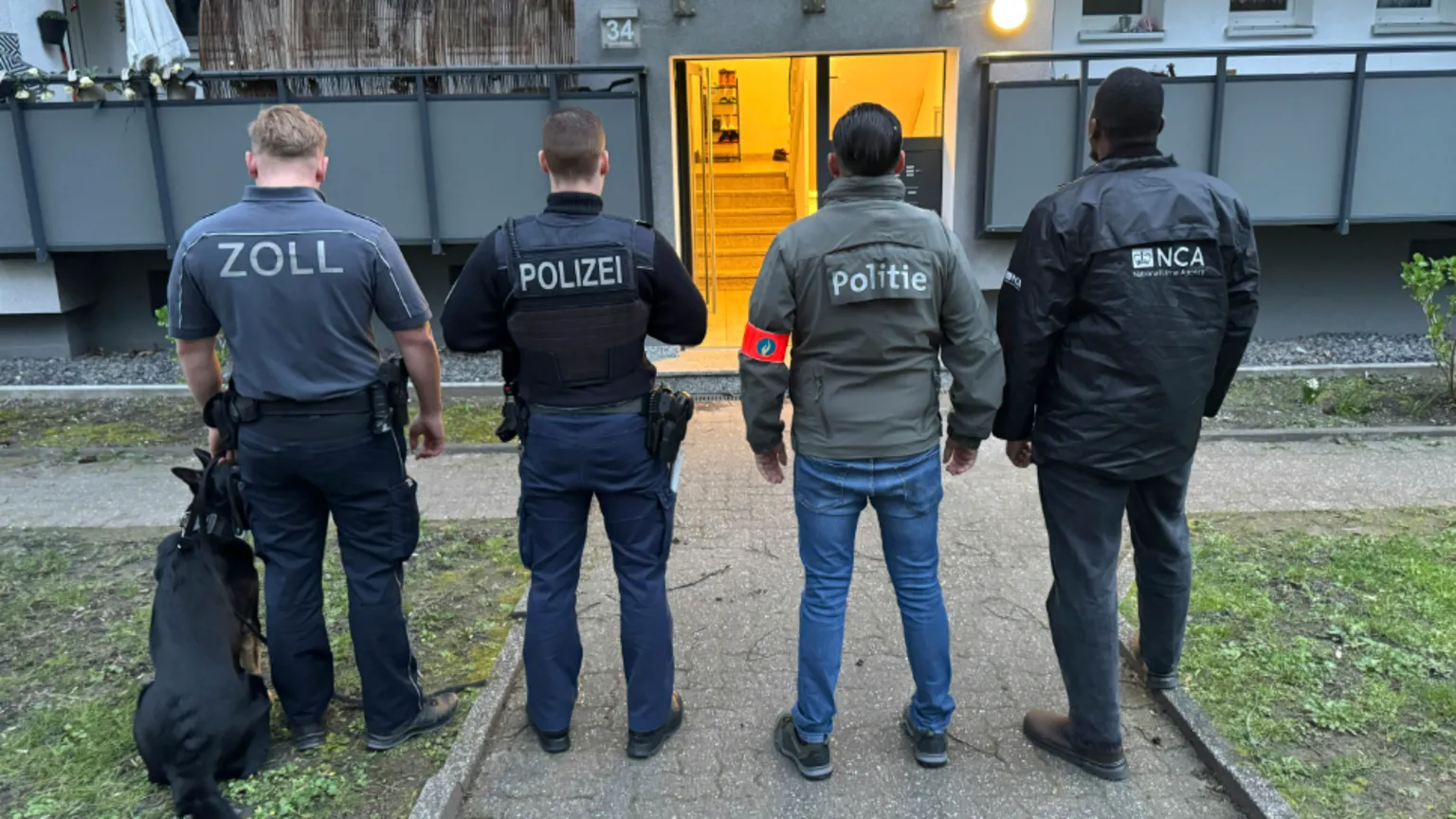
Authorities in Germany arrested four Syrian nationals during coordinated raids linked to a people-smuggling operation supplying boats used in crossings of the English Channel. Get today's headlines by email The arrests took place in the western German state of North Rhine-Westphalia during a joint investigation involving the National Crime Agency, Belgian Federal Police and other European partners. Police searched multiple sites across the region on Wednesday morning. Officers seized inflatable boats, engines, fuel containers and life jackets believed to be destined for migrant crossings. Investigators say the suspects were part of an organised group supplying equipment to smugglers operating along the Channel coast. European Operation and SeizuresThe investigation began in March 2025 after intelligence indicated a shipment of tyre inner tubes had been sent to Italy. Authorities believed the items were intended for use in small boats transporting migrants. Smuggling networks frequently provide inner tubes instead of life jackets to passengers during Channel crossings. According to Europol, the tubes were later transported to storage facilities in Germany controlled by the criminal group. There they were combined with inflatable boats, pumps and engines to assemble complete launch kits. Each kit had an estimated black-market value exceeding €10,000 and was designed for a single small-boat journey. Authorities say the kits were purchased in Germany and then transported toward the French coast for use in migrant crossings. Between April and December 2025, investigators intercepted seven vehicles in Belgium carrying such equipment toward France. Five additional interceptions took place in France, while two others occurred in Germany and the Netherlands. In total, 21 suspects have been detained during the wider investigation. Large-Scale Police ActionMore than 450 law-enforcement officers participated in the raids, which targeted 12 locations across several German cities including Essen, Gelsenkirchen, Marl, Bottrop, Herdecke and Lüdenscheid. Two additional properties were searched in Belgium. Items recovered during the searches included 11 boats, an engine, life vests, boxes of inner tubes, weapons, gold bars, electronic devices and nearly €60,000 in cash. Authorities said searches were continuing. The suspects arrested in Germany are expected to face extradition to Belgium, where prosecutors are leading the case. Investigators estimate the seized equipment could have been used to transport about 1,000 migrants to Britain. Each crossing could generate profits of around €100,000 for smuggling groups. Crossings and Political PressureOfficials say Germany has become an important storage hub for boats and engines later used in Channel crossings. Since 2020, more than 100,000 people have reached the United Kingdom by crossing the Channel in small vessels. Government data show 41,262 migrants made the journey last year, an increase of 13% compared with the previous year, though still below the record of 45,774 in 2022. Between 1 January and 9 March 2026, authorities recorded 3,409 arrivals. UK officials say operations targeting supply networks aim to disrupt smuggling activity before vessels reach the coast. Join the discussion? Already a member? Adapted by ASEAN Now. Source 26 March 2026 View full article
-
 Authorities in Germany arrested four Syrian nationals during coordinated raids linked to a people-smuggling operation supplying boats used in crossings of the English Channel. Get today's headlines by email The arrests took place in the western German state of North Rhine-Westphalia during a joint investigation involving the National Crime Agency, Belgian Federal Police and other European partners. Police searched multiple sites across the region on Wednesday morning. Officers seized inflatable boats, engines, fuel containers and life jackets believed to be destined for migrant crossings. Investigators say the suspects were part of an organised group supplying equipment to smugglers operating along the Channel coast. European Operation and SeizuresThe investigation began in March 2025 after intelligence indicated a shipment of tyre inner tubes had been sent to Italy. Authorities believed the items were intended for use in small boats transporting migrants. Smuggling networks frequently provide inner tubes instead of life jackets to passengers during Channel crossings. According to Europol, the tubes were later transported to storage facilities in Germany controlled by the criminal group. There they were combined with inflatable boats, pumps and engines to assemble complete launch kits. Each kit had an estimated black-market value exceeding €10,000 and was designed for a single small-boat journey. Authorities say the kits were purchased in Germany and then transported toward the French coast for use in migrant crossings. Between April and December 2025, investigators intercepted seven vehicles in Belgium carrying such equipment toward France. Five additional interceptions took place in France, while two others occurred in Germany and the Netherlands. In total, 21 suspects have been detained during the wider investigation. Large-Scale Police ActionMore than 450 law-enforcement officers participated in the raids, which targeted 12 locations across several German cities including Essen, Gelsenkirchen, Marl, Bottrop, Herdecke and Lüdenscheid. Two additional properties were searched in Belgium. Items recovered during the searches included 11 boats, an engine, life vests, boxes of inner tubes, weapons, gold bars, electronic devices and nearly €60,000 in cash. Authorities said searches were continuing. The suspects arrested in Germany are expected to face extradition to Belgium, where prosecutors are leading the case. Investigators estimate the seized equipment could have been used to transport about 1,000 migrants to Britain. Each crossing could generate profits of around €100,000 for smuggling groups. Crossings and Political PressureOfficials say Germany has become an important storage hub for boats and engines later used in Channel crossings. Since 2020, more than 100,000 people have reached the United Kingdom by crossing the Channel in small vessels. Government data show 41,262 migrants made the journey last year, an increase of 13% compared with the previous year, though still below the record of 45,774 in 2022. Between 1 January and 9 March 2026, authorities recorded 3,409 arrivals. UK officials say operations targeting supply networks aim to disrupt smuggling activity before vessels reach the coast. Join the discussion? Already a member? Adapted by ASEAN Now. Source 26 March 2026
 -
Donald Trump confirmed plans to visit China in mid-May for talks with Xi Jinping, rescheduling a trip that was delayed amid the recent war involving Iran. Get today's headlines by email Trump said he will travel to China on 14–15 May, marking what would be the first visit to the country by a US president in nearly a decade. The meeting comes after the original trip, scheduled for late March, was postponed when the United States and Israel launched strikes on Iran. The US president also said Xi is expected to visit Washington later in the year. Officials are working to finalise arrangements for both meetings, Trump wrote on the social media platform Truth Social. White House press secretary Karoline Leavitt confirmed the new travel dates, telling reporters that Beijing accepted the postponement request because Trump needed to remain in the United States during the military campaign. Leavitt said the Chinese leader understood the president’s need to stay in Washington while combat operations were under way. Iran War Triggered DelayThe planned visit was pushed back after the United States and Israel launched extensive strikes on Iran last month. The attacks killed Iran’s supreme leader and triggered retaliatory actions from Tehran. Iran subsequently targeted Israel and US-aligned states in the Gulf region and effectively closed the Strait of Hormuz, a vital corridor for global oil and liquefied natural gas shipments. The disruption caused turmoil in energy markets and prompted warnings of a broader fuel crisis. Trump urged allies to help restore access to the strait and warned Iran that its energy infrastructure could face further attacks if shipping traffic was not allowed to resume fully. Asked whether the conflict would subside before the China trip takes place, Leavitt said the White House had estimated the fighting could last roughly four to six weeks. Diplomatic Stakes for US–China TiesThe upcoming meeting between Trump and Xi will be closely watched as the two countries attempt to manage long-running tensions in trade, technology and geopolitics. The last time a US president visited China was in November 2017 during Trump’s first term in office. Trump and Xi most recently met in person last November in South Korea during the Asia-Pacific Economic Cooperation Summit. Chinese officials have not publicly confirmed the new dates for the visit. Beijing typically avoids announcing the detailed schedule of the Chinese president far in advance. However, China’s foreign ministry previously said both governments were discussing the timing of a presidential visit. Chinese state media has also signalled support for greater engagement. An editorial in the state-run Global Times said the long gap since the last US presidential visit to China was unusual and called for expanded exchanges between the two countries. The commentary argued that cooperation between China and the United States benefits both sides, while confrontation risks losses for each. Join the discussion? Already a member? Adapted by ASEAN Now. Source 26 March 2026 View full article
-
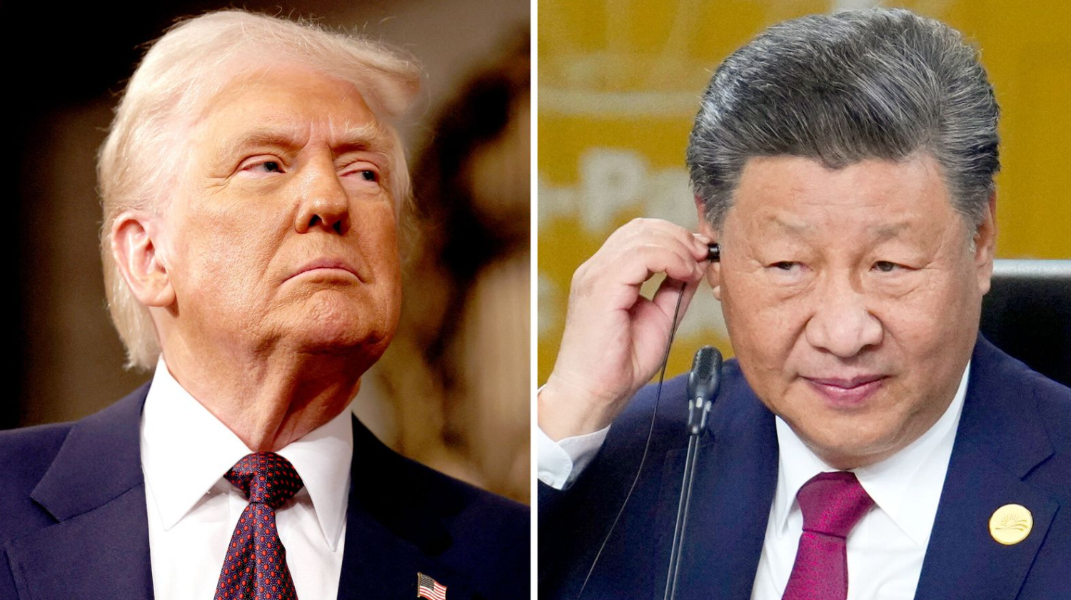 Donald Trump confirmed plans to visit China in mid-May for talks with Xi Jinping, rescheduling a trip that was delayed amid the recent war involving Iran. Get today's headlines by email Trump said he will travel to China on 14–15 May, marking what would be the first visit to the country by a US president in nearly a decade. The meeting comes after the original trip, scheduled for late March, was postponed when the United States and Israel launched strikes on Iran. The US president also said Xi is expected to visit Washington later in the year. Officials are working to finalise arrangements for both meetings, Trump wrote on the social media platform Truth Social. White House press secretary Karoline Leavitt confirmed the new travel dates, telling reporters that Beijing accepted the postponement request because Trump needed to remain in the United States during the military campaign. Leavitt said the Chinese leader understood the president’s need to stay in Washington while combat operations were under way. Iran War Triggered DelayThe planned visit was pushed back after the United States and Israel launched extensive strikes on Iran last month. The attacks killed Iran’s supreme leader and triggered retaliatory actions from Tehran. Iran subsequently targeted Israel and US-aligned states in the Gulf region and effectively closed the Strait of Hormuz, a vital corridor for global oil and liquefied natural gas shipments. The disruption caused turmoil in energy markets and prompted warnings of a broader fuel crisis. Trump urged allies to help restore access to the strait and warned Iran that its energy infrastructure could face further attacks if shipping traffic was not allowed to resume fully. Asked whether the conflict would subside before the China trip takes place, Leavitt said the White House had estimated the fighting could last roughly four to six weeks. Diplomatic Stakes for US–China TiesThe upcoming meeting between Trump and Xi will be closely watched as the two countries attempt to manage long-running tensions in trade, technology and geopolitics. The last time a US president visited China was in November 2017 during Trump’s first term in office. Trump and Xi most recently met in person last November in South Korea during the Asia-Pacific Economic Cooperation Summit. Chinese officials have not publicly confirmed the new dates for the visit. Beijing typically avoids announcing the detailed schedule of the Chinese president far in advance. However, China’s foreign ministry previously said both governments were discussing the timing of a presidential visit. Chinese state media has also signalled support for greater engagement. An editorial in the state-run Global Times said the long gap since the last US presidential visit to China was unusual and called for expanded exchanges between the two countries. The commentary argued that cooperation between China and the United States benefits both sides, while confrontation risks losses for each. Join the discussion? Already a member? Adapted by ASEAN Now. Source 26 March 2026
 -
The United Kingdom is preparing to board and detain ships linked to Russia’s so-called shadow fleet as part of a tougher enforcement campaign against sanctions on Moscow’s oil exports. Get today's headlines by email Officials say Prime Minister Keir Starmer has approved military action against vessels suspected of transporting sanctioned Russian oil through British waters. The first operation could take place soon after specialised training exercises concluded in recent weeks. Military Action PlannedThe shadow fleet refers to a network of ageing tankers and other vessels used to move oil while bypassing Western sanctions imposed after Russia’s invasion of Ukraine. Many ships operate under unclear ownership structures or without recognised national flags to evade oversight and enforcement. British authorities believe such shipments generate revenue that supports the war effort of Russian President Vladimir Putin. Starmer said the move aims to “starve Putin’s war machine” of oil profits used to finance the conflict in Ukraine. Training and Operational PlansSpecialised British military units have been preparing for potential boarding operations, including scenarios involving resistance from ship crews. Personnel from the Royal Navy, the Royal Marines and the Special Boat Service could take part, depending on the level of risk expected during an operation. Government officials say the preparations included simulated exercises to test how forces would handle a range of situations, including the possibility that crews aboard the targeted vessels might be armed. Although British forces have not yet boarded any ships linked to the shadow fleet, authorities say operational planning has reached an advanced stage. The government has already sanctioned hundreds of vessels suspected of involvement in sanction-busting oil shipments. Legal Framework and MonitoringMinisters identified the Sanctions and Money Laundering Act 2018 as the legal basis that could allow British forces to board and detain sanctioned vessels inside UK territorial waters. Officials say about three-quarters of Russia’s crude oil exports are now transported on ageing tankers believed to be part of the shadow fleet. Military planners are using ship-tracking systems to monitor movements of sanctioned vessels approaching British waters, enabling authorities to identify possible targets weeks before they arrive. Despite the legal authority identified earlier this year, analysis suggested dozens of sanctioned ships still passed through the English Channel in the weeks that followed. Part of Wider Pressure on RussiaThe plan forms part of a broader Western effort to limit Russia’s oil income and restrict the resources available for the war in Ukraine. Britain has worked with several northern European partners to monitor shadow-fleet activity at sea, including through the Joint Expeditionary Force. Starmer is expected to discuss further action against the fleet at a summit of the alliance in Helsinki. British naval forces have already supported monitoring efforts alongside allies such as Finland, Sweden and Estonia in recent weeks. Officials say disrupting the shadow fleet has become a priority because the vessels continue to move large volumes of Russian oil despite sanctions designed to curb Moscow’s revenues from energy exports. Join the discussion? Already a member? Adapted by ASEAN Now. Source 26 March 2026 View full article
-
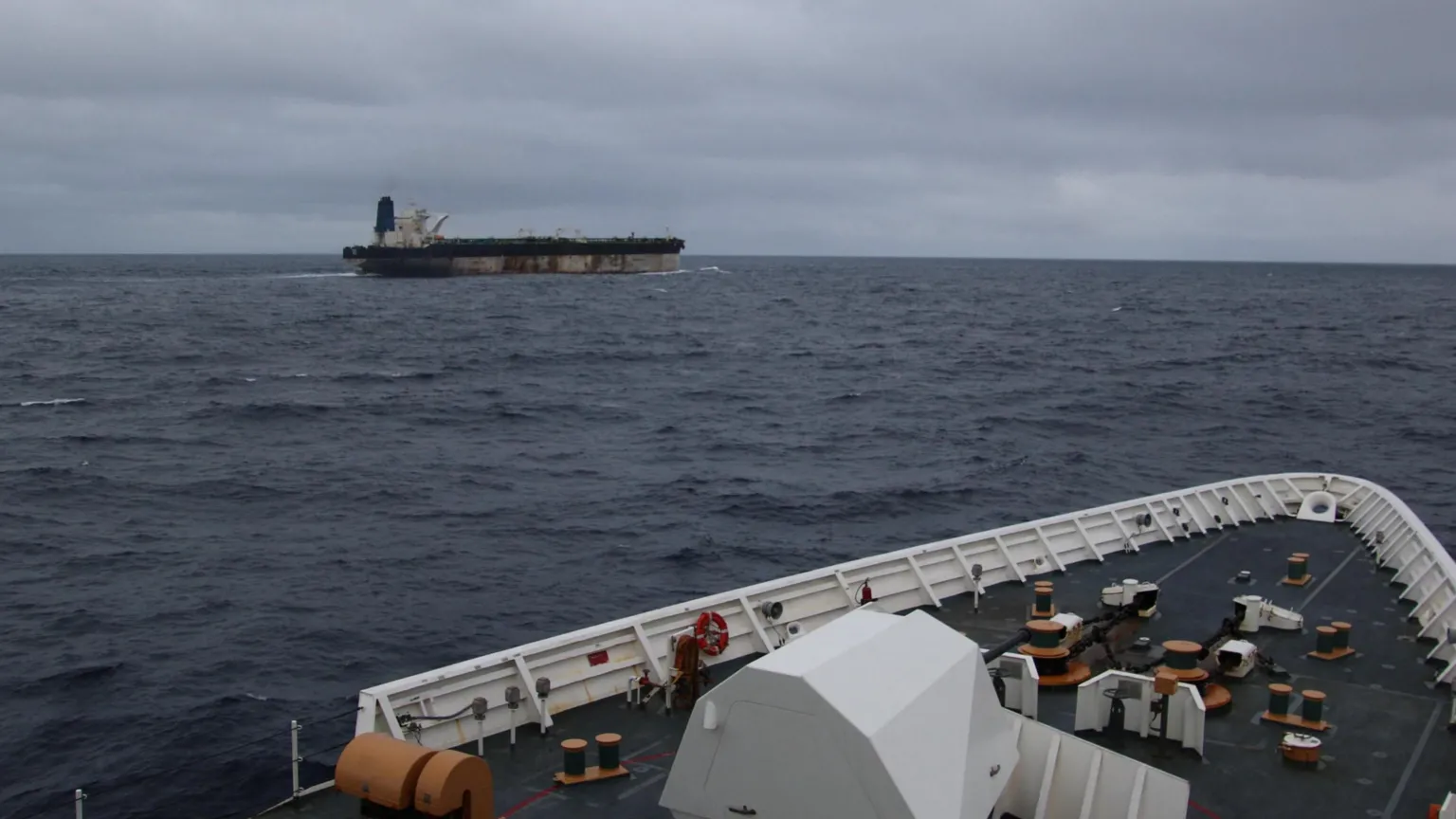 The United Kingdom is preparing to board and detain ships linked to Russia’s so-called shadow fleet as part of a tougher enforcement campaign against sanctions on Moscow’s oil exports. Get today's headlines by email Officials say Prime Minister Keir Starmer has approved military action against vessels suspected of transporting sanctioned Russian oil through British waters. The first operation could take place soon after specialised training exercises concluded in recent weeks. Military Action PlannedThe shadow fleet refers to a network of ageing tankers and other vessels used to move oil while bypassing Western sanctions imposed after Russia’s invasion of Ukraine. Many ships operate under unclear ownership structures or without recognised national flags to evade oversight and enforcement. British authorities believe such shipments generate revenue that supports the war effort of Russian President Vladimir Putin. Starmer said the move aims to “starve Putin’s war machine” of oil profits used to finance the conflict in Ukraine. Training and Operational PlansSpecialised British military units have been preparing for potential boarding operations, including scenarios involving resistance from ship crews. Personnel from the Royal Navy, the Royal Marines and the Special Boat Service could take part, depending on the level of risk expected during an operation. Government officials say the preparations included simulated exercises to test how forces would handle a range of situations, including the possibility that crews aboard the targeted vessels might be armed. Although British forces have not yet boarded any ships linked to the shadow fleet, authorities say operational planning has reached an advanced stage. The government has already sanctioned hundreds of vessels suspected of involvement in sanction-busting oil shipments. Legal Framework and MonitoringMinisters identified the Sanctions and Money Laundering Act 2018 as the legal basis that could allow British forces to board and detain sanctioned vessels inside UK territorial waters. Officials say about three-quarters of Russia’s crude oil exports are now transported on ageing tankers believed to be part of the shadow fleet. Military planners are using ship-tracking systems to monitor movements of sanctioned vessels approaching British waters, enabling authorities to identify possible targets weeks before they arrive. Despite the legal authority identified earlier this year, analysis suggested dozens of sanctioned ships still passed through the English Channel in the weeks that followed. Part of Wider Pressure on RussiaThe plan forms part of a broader Western effort to limit Russia’s oil income and restrict the resources available for the war in Ukraine. Britain has worked with several northern European partners to monitor shadow-fleet activity at sea, including through the Joint Expeditionary Force. Starmer is expected to discuss further action against the fleet at a summit of the alliance in Helsinki. British naval forces have already supported monitoring efforts alongside allies such as Finland, Sweden and Estonia in recent weeks. Officials say disrupting the shadow fleet has become a priority because the vessels continue to move large volumes of Russian oil despite sanctions designed to curb Moscow’s revenues from energy exports. Join the discussion? Already a member? Adapted by ASEAN Now. Source 26 March 2026
 -
Archaeologists in the Dutch city of Maastricht are investigating whether a skeleton discovered beneath a church floor could belong to the 17th-century soldier believed to have inspired the hero of The Three Musketeers. Get today's headlines by email Workers uncovered the remains while repairing damage at the Church of St Peter and St Paul in the city’s Wolder district. The discovery was made after part of the church floor collapsed, exposing a burial site beneath the altar. Skeleton Discovered During Church RepairsLocal officials contacted retired archaeologist Wim Dijkman, who has spent nearly three decades searching for the burial place of Charles de Batz‑Castelmore d’Artagnan. The Gascon nobleman served as a musketeer and intelligence agent for Louis XIV and died during a battle near Maastricht in 1673. The long-standing question of where the soldier was buried has remained unresolved for more than three centuries. Clues Found in the GraveChurch officials say several details surrounding the burial align with historical accounts of d’Artagnan’s death and funeral. According to Deacon Jos Valke, the remains were located in consecrated ground beneath the altar. A coin dating to the same period was also discovered in the grave. Perhaps the most striking detail was the presence of a bullet near the skeleton’s chest. Historical records describe d’Artagnan being killed by a musket shot to the throat during the 1673 siege of Maastricht. These elements have led archaeologists to consider the possibility that the remains could belong to the famed musketeer. Still, researchers say confirmation requires scientific testing. The skeleton has since been transferred to an archaeological institute in the Dutch city of Deventer for further study. DNA Tests Under WayScientists collected a DNA sample from the remains on 13 March and sent it to a laboratory in Munich for analysis. The genetic material will be compared with DNA provided by descendants of d’Artagnan’s father. Researchers hope the comparison will determine whether the skeleton belongs to the historical figure. Dijkman said investigators are approaching the discovery cautiously despite the excitement surrounding it. Multiple examinations and analyses are under way in the Netherlands and abroad as experts attempt to verify the identity of the remains. The case has drawn attention beyond Maastricht due to d’Artagnan’s enduring reputation. From Soldier to Literary LegendThe real-life musketeer became widely known after Alexandre Dumas published The Three Musketeers in 1844. The novel turned d’Artagnan into a central character in a story about loyalty, adventure and court intrigue. Dumas drew inspiration from an earlier work, Mémoires de M. d’Artagnan, written in 1700 by the French author and soldier Gatien de Courtilz de Sandras. The fictional version of d’Artagnan has appeared in numerous film and television adaptations over the past century. The character has also been reimagined in popular culture, including as the sword-wielding dog hero of the animated series Dogtanian and the Three Muskehounds. If the newly discovered remains are confirmed to be his, the find would resolve a historical mystery dating back more than 350 years. Join the discussion? Already a member? Adapted by ASEAN Now. Source 26 March 2026 View full article
-
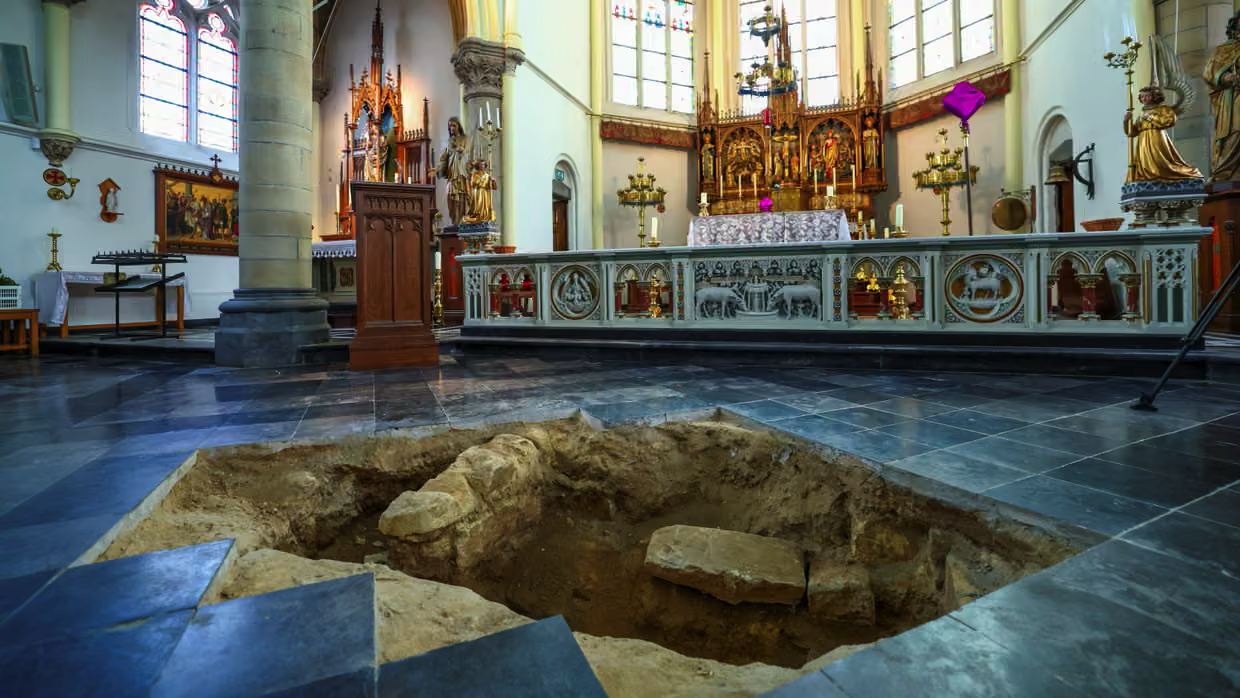 Archaeologists in the Dutch city of Maastricht are investigating whether a skeleton discovered beneath a church floor could belong to the 17th-century soldier believed to have inspired the hero of The Three Musketeers. Get today's headlines by email Workers uncovered the remains while repairing damage at the Church of St Peter and St Paul in the city’s Wolder district. The discovery was made after part of the church floor collapsed, exposing a burial site beneath the altar. Skeleton Discovered During Church RepairsLocal officials contacted retired archaeologist Wim Dijkman, who has spent nearly three decades searching for the burial place of Charles de Batz‑Castelmore d’Artagnan. The Gascon nobleman served as a musketeer and intelligence agent for Louis XIV and died during a battle near Maastricht in 1673. The long-standing question of where the soldier was buried has remained unresolved for more than three centuries. Clues Found in the GraveChurch officials say several details surrounding the burial align with historical accounts of d’Artagnan’s death and funeral. According to Deacon Jos Valke, the remains were located in consecrated ground beneath the altar. A coin dating to the same period was also discovered in the grave. Perhaps the most striking detail was the presence of a bullet near the skeleton’s chest. Historical records describe d’Artagnan being killed by a musket shot to the throat during the 1673 siege of Maastricht. These elements have led archaeologists to consider the possibility that the remains could belong to the famed musketeer. Still, researchers say confirmation requires scientific testing. The skeleton has since been transferred to an archaeological institute in the Dutch city of Deventer for further study. DNA Tests Under WayScientists collected a DNA sample from the remains on 13 March and sent it to a laboratory in Munich for analysis. The genetic material will be compared with DNA provided by descendants of d’Artagnan’s father. Researchers hope the comparison will determine whether the skeleton belongs to the historical figure. Dijkman said investigators are approaching the discovery cautiously despite the excitement surrounding it. Multiple examinations and analyses are under way in the Netherlands and abroad as experts attempt to verify the identity of the remains. The case has drawn attention beyond Maastricht due to d’Artagnan’s enduring reputation. From Soldier to Literary LegendThe real-life musketeer became widely known after Alexandre Dumas published The Three Musketeers in 1844. The novel turned d’Artagnan into a central character in a story about loyalty, adventure and court intrigue. Dumas drew inspiration from an earlier work, Mémoires de M. d’Artagnan, written in 1700 by the French author and soldier Gatien de Courtilz de Sandras. The fictional version of d’Artagnan has appeared in numerous film and television adaptations over the past century. The character has also been reimagined in popular culture, including as the sword-wielding dog hero of the animated series Dogtanian and the Three Muskehounds. If the newly discovered remains are confirmed to be his, the find would resolve a historical mystery dating back more than 350 years. Join the discussion? Already a member? Adapted by ASEAN Now. Source 26 March 2026
 -
Visitors to the Colosseum can now see where massive columns once rose outside the ancient amphitheater, following the completion of a project aimed at illustrating its original layout. Get today's headlines by email Architects this month unveiled a new piazza featuring low travertine marble slabs placed precisely where monumental pillars once stood. The columns previously supported two tall arcades along the structure’s southern side, creating a shaded approach for crowds entering the arena. Built in the first century C.E., the amphitheater — formally known as the Flavian Amphitheatre — drew large gatherings for gladiator contests and other public spectacles. The arcades, supported by columns reaching about 164 feet high, once sheltered spectators from the sun as they assembled before moving through the arches toward their seating sections. Over time, earthquakes and unstable foundations caused these architectural elements to collapse, leaving little visible trace of the towering structures. Design Inspired by Ancient FoundationsThe recent installation seeks to recreate a sense of those vanished features without reconstructing them directly. Italian architect Stefano Boeri, who designed the new piazza, said the marble blocks sit exactly on the locations where the original pillars were anchored. The intention, he said, is to help visitors understand the scale and spatial proportions of the arcades that once framed the amphitheater’s entrance. The slabs are made from travertine marble taken from the same quarries used in the Colosseum’s original construction. Alongside them are engraved numerals marking seating sections, echoing the way ancient visitors navigated the stadium to reach their designated areas. Architect Giorgio Donà described the work as a collaborative effort involving archaeologists, researchers and technical specialists. The project, he said, aims to give Rome and international visitors a new vantage point for understanding the monument and its historical context. Beyond illustrating the structure’s past, planners also see the area as a functional public space. Boeri said the slabs can serve as places where visitors rest while exploring the site, offering a new gathering area without altering the surviving historic fabric. Linked to Metro ConstructionThe project was funded through compensation linked to construction of new subway stations beneath the area. Rome’s underground expansion has long posed difficulties because of the city’s dense archaeological layers. Construction teams working on the stations carried out extensive excavations before building began. According to project officials, these digs uncovered remains including military barracks, a thermal bath complex and dozens of ancient wells. Some of these discoveries are now displayed inside the new metro stations. The initiative reflects ongoing efforts to balance modern infrastructure with preservation in one of the world’s most historically complex urban landscapes. For visitors to the Colosseum, the newly installed marble markers provide a subtle but tangible reminder of the amphitheater’s former grandeur — indicating the scale of architectural features that once towered above crowds entering one of the Roman Empire’s most famous venues. Join the discussion? Already a member? Adapted by ASEAN Now. Source 26 March 2026 View full article
-
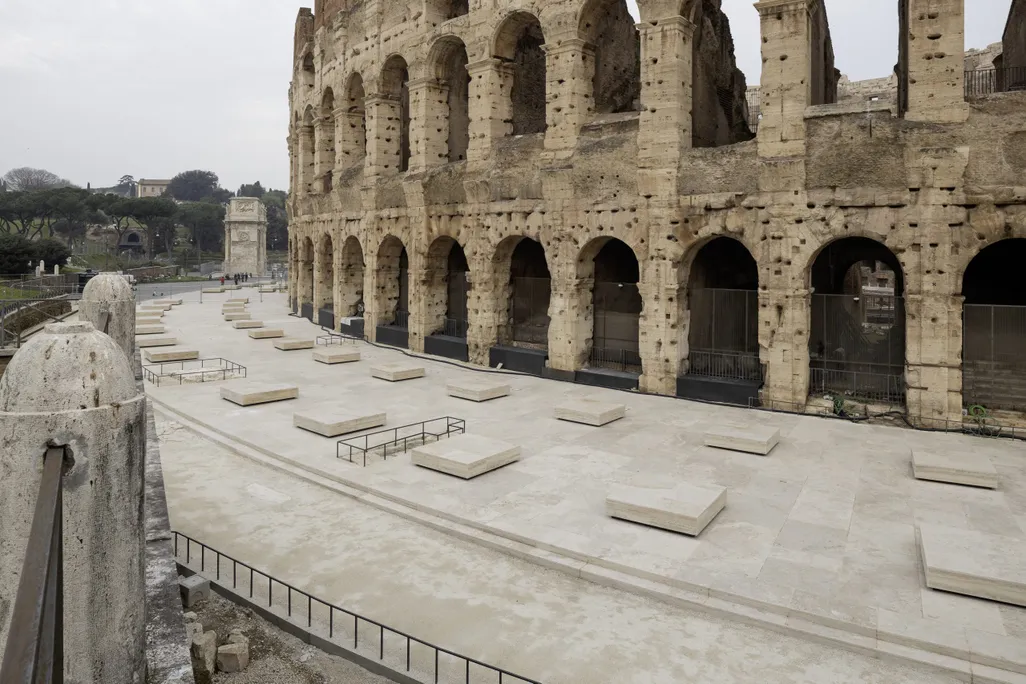 Visitors to the Colosseum can now see where massive columns once rose outside the ancient amphitheater, following the completion of a project aimed at illustrating its original layout. Get today's headlines by email Architects this month unveiled a new piazza featuring low travertine marble slabs placed precisely where monumental pillars once stood. The columns previously supported two tall arcades along the structure’s southern side, creating a shaded approach for crowds entering the arena. Built in the first century C.E., the amphitheater — formally known as the Flavian Amphitheatre — drew large gatherings for gladiator contests and other public spectacles. The arcades, supported by columns reaching about 164 feet high, once sheltered spectators from the sun as they assembled before moving through the arches toward their seating sections. Over time, earthquakes and unstable foundations caused these architectural elements to collapse, leaving little visible trace of the towering structures. Design Inspired by Ancient FoundationsThe recent installation seeks to recreate a sense of those vanished features without reconstructing them directly. Italian architect Stefano Boeri, who designed the new piazza, said the marble blocks sit exactly on the locations where the original pillars were anchored. The intention, he said, is to help visitors understand the scale and spatial proportions of the arcades that once framed the amphitheater’s entrance. The slabs are made from travertine marble taken from the same quarries used in the Colosseum’s original construction. Alongside them are engraved numerals marking seating sections, echoing the way ancient visitors navigated the stadium to reach their designated areas. Architect Giorgio Donà described the work as a collaborative effort involving archaeologists, researchers and technical specialists. The project, he said, aims to give Rome and international visitors a new vantage point for understanding the monument and its historical context. Beyond illustrating the structure’s past, planners also see the area as a functional public space. Boeri said the slabs can serve as places where visitors rest while exploring the site, offering a new gathering area without altering the surviving historic fabric. Linked to Metro ConstructionThe project was funded through compensation linked to construction of new subway stations beneath the area. Rome’s underground expansion has long posed difficulties because of the city’s dense archaeological layers. Construction teams working on the stations carried out extensive excavations before building began. According to project officials, these digs uncovered remains including military barracks, a thermal bath complex and dozens of ancient wells. Some of these discoveries are now displayed inside the new metro stations. The initiative reflects ongoing efforts to balance modern infrastructure with preservation in one of the world’s most historically complex urban landscapes. For visitors to the Colosseum, the newly installed marble markers provide a subtle but tangible reminder of the amphitheater’s former grandeur — indicating the scale of architectural features that once towered above crowds entering one of the Roman Empire’s most famous venues. Join the discussion? Already a member? Adapted by ASEAN Now. Source 26 March 2026
 -
The removal of the White House East Wing during construction of a new ballroom ordered by Donald Trump also erased a historic feature tied to the legacy of Jacqueline Kennedy Onassis. Get today's headlines by email The Jacqueline Kennedy Garden, established in 1965, was dismantled during the project. Its pergola, designed by architect I. M. Pei, has been placed in storage while trees from the site were transferred to nurseries for preservation. The garden had been created during the administration of Lyndon B. Johnson and dedicated by first lady Lady Bird Johnson to honor Jacqueline Kennedy’s work preserving and restoring the White House. The decision has drawn criticism from historians and preservation specialists who argue that the redesign disrupts longstanding features of the White House landscape. New garden plans unveiledDesign proposals presented to the National Capital Planning Commission outline a new garden replacing the original site while extending alongside the planned 89,000-square-foot ballroom. According to landscape architect Rick Parisi, the redesigned space will include a grand staircase, a circular brick patio built with bricks from Mount Vernon, granite pathways and ornamental plant beds. Four holly topiary trees from the former garden will remain, while a fountain from the original layout will be relocated into the new design. Plans also alter the driveway along the White House South Lawn, narrowing part of its circular route to accommodate the ballroom structure. Parisi said the project aims to recreate elements of the previous garden’s appearance through symmetrical plantings and expanded landscaping. Experts challenge historic changesPreservation specialists say the redesign departs from established planning guidelines that have shaped the White House grounds for decades. Much of the landscaping around the building follows the Olmsted Plan created by landscape architect Frederick Law Olmsted Jr.. The plan organized the grounds around curved and elliptical pathways. Critics say the proposed driveway redesign disrupts that layout. Priya Jain of the Heritage Conservation Committee of the Society of Architectural Historians told the commission the sharp bend introduced in the new driveway contrasts with the historically curved pathways. Charles Birnbaum, president of the The Cultural Landscape Foundation, said the proposal conflicts with long-standing federal guidelines governing historic landscapes. Birnbaum previously coordinated the National Park Service Historic Landscape Initiative and authored guidance used to evaluate such projects. He said the changes sever key visual and spatial relationships that have shaped the grounds for decades. Garden tied to Kennedy legacyThe original garden traced its origins to 1962, when John F. Kennedy proposed creating a landscaped space along the east side of the White House. Landscape designer Rachel Lambert Mellon developed the project with Jacqueline Kennedy, envisioning a lawn bordered by linden trees with space for recreation and small plantings. Following Kennedy’s assassination in 1963, Lady Bird Johnson resumed the project and dedicated the garden in Jacqueline Kennedy’s honor. For decades, the site remained part of public tours of the White House and served as a space where presidents and their families spent time outdoors. The garden’s removal occurred when the East Wing was demolished for the ballroom project, ending its presence on the grounds. Join the discussion? Already a member? Adapted by ASEAN Now. Source 26 March 2026 View full article
-
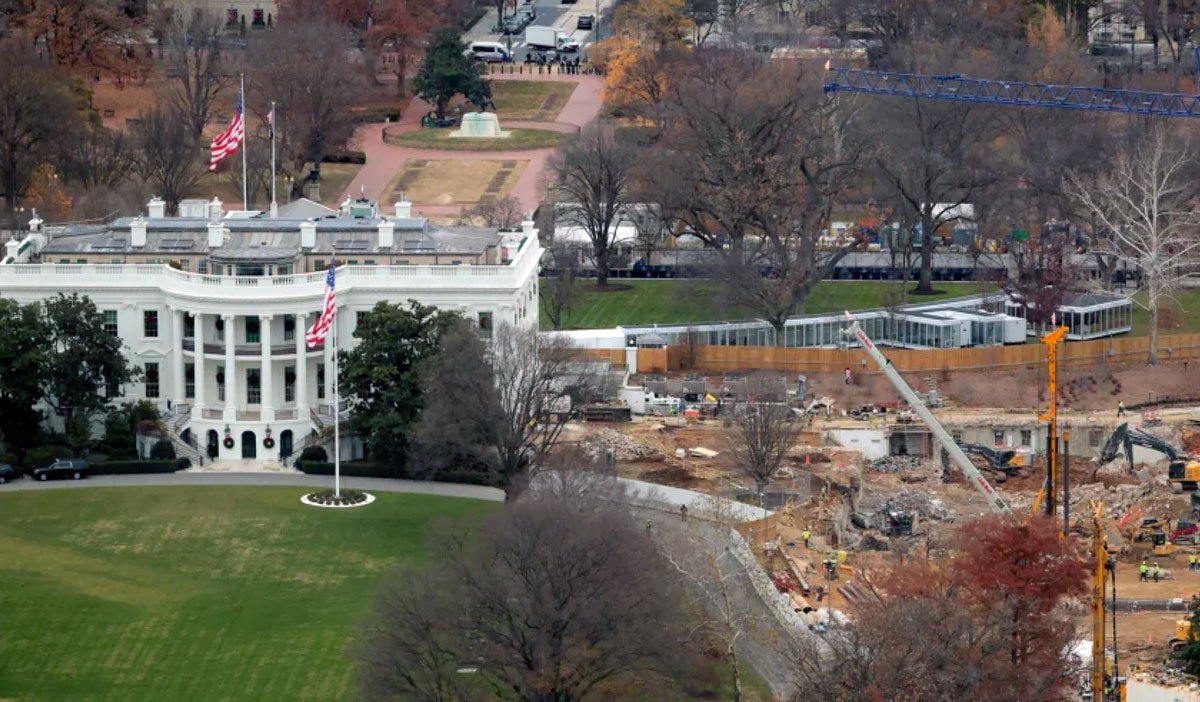 The removal of the White House East Wing during construction of a new ballroom ordered by Donald Trump also erased a historic feature tied to the legacy of Jacqueline Kennedy Onassis. Get today's headlines by email The Jacqueline Kennedy Garden, established in 1965, was dismantled during the project. Its pergola, designed by architect I. M. Pei, has been placed in storage while trees from the site were transferred to nurseries for preservation. The garden had been created during the administration of Lyndon B. Johnson and dedicated by first lady Lady Bird Johnson to honor Jacqueline Kennedy’s work preserving and restoring the White House. The decision has drawn criticism from historians and preservation specialists who argue that the redesign disrupts longstanding features of the White House landscape. New garden plans unveiledDesign proposals presented to the National Capital Planning Commission outline a new garden replacing the original site while extending alongside the planned 89,000-square-foot ballroom. According to landscape architect Rick Parisi, the redesigned space will include a grand staircase, a circular brick patio built with bricks from Mount Vernon, granite pathways and ornamental plant beds. Four holly topiary trees from the former garden will remain, while a fountain from the original layout will be relocated into the new design. Plans also alter the driveway along the White House South Lawn, narrowing part of its circular route to accommodate the ballroom structure. Parisi said the project aims to recreate elements of the previous garden’s appearance through symmetrical plantings and expanded landscaping. Experts challenge historic changesPreservation specialists say the redesign departs from established planning guidelines that have shaped the White House grounds for decades. Much of the landscaping around the building follows the Olmsted Plan created by landscape architect Frederick Law Olmsted Jr.. The plan organized the grounds around curved and elliptical pathways. Critics say the proposed driveway redesign disrupts that layout. Priya Jain of the Heritage Conservation Committee of the Society of Architectural Historians told the commission the sharp bend introduced in the new driveway contrasts with the historically curved pathways. Charles Birnbaum, president of the The Cultural Landscape Foundation, said the proposal conflicts with long-standing federal guidelines governing historic landscapes. Birnbaum previously coordinated the National Park Service Historic Landscape Initiative and authored guidance used to evaluate such projects. He said the changes sever key visual and spatial relationships that have shaped the grounds for decades. Garden tied to Kennedy legacyThe original garden traced its origins to 1962, when John F. Kennedy proposed creating a landscaped space along the east side of the White House. Landscape designer Rachel Lambert Mellon developed the project with Jacqueline Kennedy, envisioning a lawn bordered by linden trees with space for recreation and small plantings. Following Kennedy’s assassination in 1963, Lady Bird Johnson resumed the project and dedicated the garden in Jacqueline Kennedy’s honor. For decades, the site remained part of public tours of the White House and served as a space where presidents and their families spent time outdoors. The garden’s removal occurred when the East Wing was demolished for the ballroom project, ending its presence on the grounds. Join the discussion? Already a member? Adapted by ASEAN Now. Source 26 March 2026
 -
Shoppers in Japan have begun stockpiling toilet paper as global tensions linked to the conflict involving Iran unsettle markets, reviving a pattern of panic buying that authorities say is unnecessary. Get today's headlines by email Images circulating on social media show empty shelves in some stores as consumers rush to buy toilet paper in large quantities. Government officials have urged residents not to hoard the product, stressing that supplies remain stable. The surge in buying has emerged despite the fact that toilet paper production and distribution are not directly affected by disruptions tied to oil markets or geopolitical tensions. Economists and behavioral researchers say the phenomenon reflects how rumors and uncertainty can quickly trigger consumer runs on everyday goods. Panic buying returnsThe behavior resembles a bank run, where concern about shortages spreads rapidly and prompts individuals to buy more than they need. In earlier eras, such fears might have spread through word of mouth. Today, social media posts suggesting shortages can rapidly amplify the same reaction nationwide. Similar dynamics were seen during the global outbreak of COVID-19 in 2020. On March 12 of that year, toilet paper sales surged 734 percent compared with the same date in 2019, making it the top-selling grocery item worldwide that day. During the months that followed, about 70 percent of grocery stores globally experienced at least one period when shelves were empty. Researchers later found that the shortage was largely driven by panic buying rather than actual supply disruptions. Production levels remained stable and supply chains continued to function, but surging consumer demand temporarily drained store inventories. The pandemic also led to a spike in demand for alternatives such as bidets, as some households adjusted their bathroom habits during the shortage. Japan’s history of hoardingJapan has a long record of toilet paper stockpiling during periods of crisis. The pattern dates back to 1973 during the global oil crisis, when Yasuhiro Nakasone urged the public to conserve paper products. The statement triggered rumors that supplies were running out, prompting consumers to buy large quantities of toilet paper. Historians and sociologists later described the panic as reflecting anxiety about economic stability during a time of global uncertainty. Similar hoarding behavior reappeared after the devastating 2011 Tōhoku earthquake and tsunami, when consumers rushed to purchase toilet paper and other household essentials. In those cases, temporary supply disruptions in some regions contributed to the rush. Today’s panic appears to be driven largely by perception rather than actual shortages. Symbol of securityExperts say toilet paper often becomes a focal point during crises because of its physical and psychological characteristics. The product is bulky and visibly finite, making empty shelves easy to notice. Unlike many foods that are consumed and replaced frequently, toilet paper is seen as a long-term household staple. Anthropologist Grant Jun Otsuki has argued that the item carries symbolic importance in modern consumer culture. The possibility that it might disappear from store shelves can prompt people to secure supplies quickly. So far, the latest surge in panic buying appears largely confined to Japan. However, early signs of similar stockpiling have been reported in Perth in Australia, suggesting the pattern could spread if concerns continue to circulate. Authorities in Japan continue to stress that there is no shortage and that consumers should avoid unnecessary purchases. Join the discussion? Already a member? Adapted by ASEAN Now. Source 26 March 2026 View full article
-
 Shoppers in Japan have begun stockpiling toilet paper as global tensions linked to the conflict involving Iran unsettle markets, reviving a pattern of panic buying that authorities say is unnecessary. Get today's headlines by email Images circulating on social media show empty shelves in some stores as consumers rush to buy toilet paper in large quantities. Government officials have urged residents not to hoard the product, stressing that supplies remain stable. The surge in buying has emerged despite the fact that toilet paper production and distribution are not directly affected by disruptions tied to oil markets or geopolitical tensions. Economists and behavioral researchers say the phenomenon reflects how rumors and uncertainty can quickly trigger consumer runs on everyday goods. Panic buying returnsThe behavior resembles a bank run, where concern about shortages spreads rapidly and prompts individuals to buy more than they need. In earlier eras, such fears might have spread through word of mouth. Today, social media posts suggesting shortages can rapidly amplify the same reaction nationwide. Similar dynamics were seen during the global outbreak of COVID-19 in 2020. On March 12 of that year, toilet paper sales surged 734 percent compared with the same date in 2019, making it the top-selling grocery item worldwide that day. During the months that followed, about 70 percent of grocery stores globally experienced at least one period when shelves were empty. Researchers later found that the shortage was largely driven by panic buying rather than actual supply disruptions. Production levels remained stable and supply chains continued to function, but surging consumer demand temporarily drained store inventories. The pandemic also led to a spike in demand for alternatives such as bidets, as some households adjusted their bathroom habits during the shortage. Japan’s history of hoardingJapan has a long record of toilet paper stockpiling during periods of crisis. The pattern dates back to 1973 during the global oil crisis, when Yasuhiro Nakasone urged the public to conserve paper products. The statement triggered rumors that supplies were running out, prompting consumers to buy large quantities of toilet paper. Historians and sociologists later described the panic as reflecting anxiety about economic stability during a time of global uncertainty. Similar hoarding behavior reappeared after the devastating 2011 Tōhoku earthquake and tsunami, when consumers rushed to purchase toilet paper and other household essentials. In those cases, temporary supply disruptions in some regions contributed to the rush. Today’s panic appears to be driven largely by perception rather than actual shortages. Symbol of securityExperts say toilet paper often becomes a focal point during crises because of its physical and psychological characteristics. The product is bulky and visibly finite, making empty shelves easy to notice. Unlike many foods that are consumed and replaced frequently, toilet paper is seen as a long-term household staple. Anthropologist Grant Jun Otsuki has argued that the item carries symbolic importance in modern consumer culture. The possibility that it might disappear from store shelves can prompt people to secure supplies quickly. So far, the latest surge in panic buying appears largely confined to Japan. However, early signs of similar stockpiling have been reported in Perth in Australia, suggesting the pattern could spread if concerns continue to circulate. Authorities in Japan continue to stress that there is no shortage and that consumers should avoid unnecessary purchases. Join the discussion? Already a member? Adapted by ASEAN Now. Source 26 March 2026
 -
Iran has strengthened military defenses on Kharg Island amid concerns in Tehran that the United States could attempt to seize the strategic oil hub, according to people familiar with US intelligence assessments. Get today's headlines by email Recent intelligence reports indicate Iranian forces have deployed additional personnel and expanded defensive measures on the island. Preparations include placing traps and laying mines in areas where US troops might attempt an amphibious landing. The developments come as the administration of Donald Trump considers the possibility of sending ground forces to take control of the island. Officials see the move as potential leverage to pressure Iran to reopen the Strait of Hormuz, a key maritime corridor for global energy shipments. Kharg Island handles about 90 percent of Iran’s crude oil exports, making it one of the country’s most important economic assets. Iran reinforces island defensesAccording to intelligence sources, Iranian forces have deployed additional shoulder-fired surface-to-air missile systems, known as MANPADs, to strengthen the island’s air defenses. Iran has also laid anti-personnel and anti-armor mines in several areas, including sections of coastline where US forces might attempt to land. Military planners say these layered defenses could pose significant risks if the United States attempted to capture the island. United States Central Command declined to comment on Iranian activities there. The US military has already conducted strikes against targets on the island. On March 13, Central Command said forces hit roughly 90 targets, including naval mine storage sites, missile bunkers and other military facilities. Trump said at the time that US forces avoided striking oil infrastructure. Despite those attacks, analysts say Iranian defenses still pose a threat. Concerns over potential US operationMilitary experts warn that a ground operation could expose US troops to missile, drone and small-arms attacks given the island’s proximity to the Iranian mainland. Retired Admiral James Stavridis said Iranian forces would likely attempt to inflict heavy casualties if US troops landed on the island. “The Iranians will do everything they can to inflict maximum casualties on US forces,” he said. Iranian officials have also warned against any attempt to occupy the country’s territory. Mohammad Bagher Ghalibaf said Tehran was monitoring US troop movements in the region and warned that attacks on Iranian territory could trigger strikes on infrastructure in other countries. Kharg Island is located near the northern end of the Persian Gulf and is roughly one-third the size of Manhattan. Its strategic importance stems from its role as the main terminal for Iranian oil exports. US troop deployments and regional concernsUS forces have increased their presence in the region as the conflict escalates. Two Marine Expeditionary Units, capable of rapid amphibious operations, have recently been deployed to the Middle East. The units include thousands of Marines along with amphibious ships, aircraft and landing craft that could support a potential landing operation. In addition, about 1,000 troops from the 82nd Airborne Division are expected to deploy to the region. Regional partners in the Gulf have privately urged Washington to avoid sending ground forces to occupy the island, warning such a move could trigger retaliation against regional infrastructure and prolong the conflict. Some analysts say the United States could instead consider an offshore blockade of Kharg Island to disrupt Iran’s oil exports without deploying troops. Such a strategy, they argue, could apply economic pressure on Tehran while avoiding the risks associated with a ground assault. Join the discussion? Already a member? Adapted by ASEAN Now. Source 26 March 2026 View full article
-
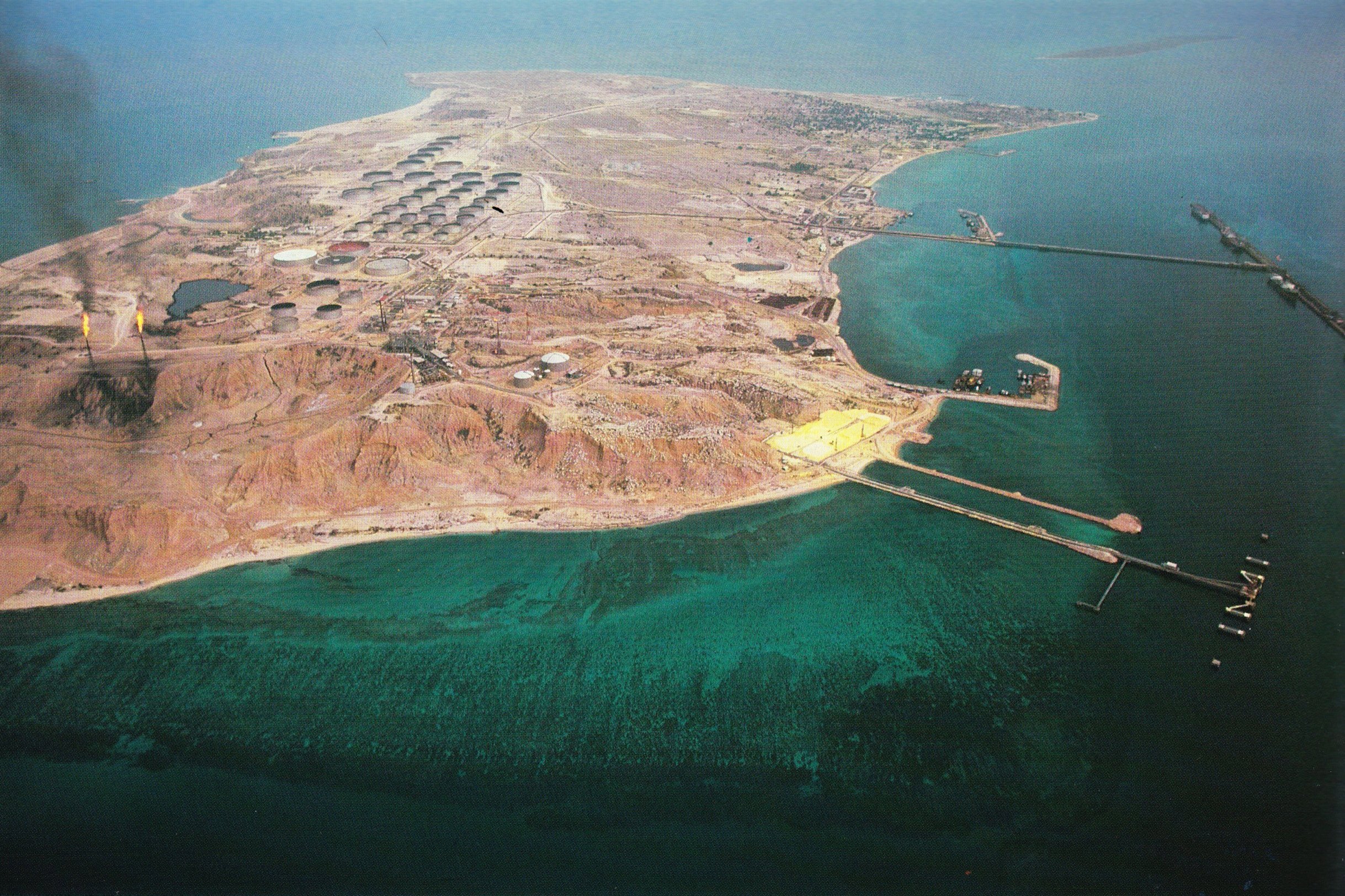 Iran has strengthened military defenses on Kharg Island amid concerns in Tehran that the United States could attempt to seize the strategic oil hub, according to people familiar with US intelligence assessments. Get today's headlines by email Recent intelligence reports indicate Iranian forces have deployed additional personnel and expanded defensive measures on the island. Preparations include placing traps and laying mines in areas where US troops might attempt an amphibious landing. The developments come as the administration of Donald Trump considers the possibility of sending ground forces to take control of the island. Officials see the move as potential leverage to pressure Iran to reopen the Strait of Hormuz, a key maritime corridor for global energy shipments. Kharg Island handles about 90 percent of Iran’s crude oil exports, making it one of the country’s most important economic assets. Iran reinforces island defensesAccording to intelligence sources, Iranian forces have deployed additional shoulder-fired surface-to-air missile systems, known as MANPADs, to strengthen the island’s air defenses. Iran has also laid anti-personnel and anti-armor mines in several areas, including sections of coastline where US forces might attempt to land. Military planners say these layered defenses could pose significant risks if the United States attempted to capture the island. United States Central Command declined to comment on Iranian activities there. The US military has already conducted strikes against targets on the island. On March 13, Central Command said forces hit roughly 90 targets, including naval mine storage sites, missile bunkers and other military facilities. Trump said at the time that US forces avoided striking oil infrastructure. Despite those attacks, analysts say Iranian defenses still pose a threat. Concerns over potential US operationMilitary experts warn that a ground operation could expose US troops to missile, drone and small-arms attacks given the island’s proximity to the Iranian mainland. Retired Admiral James Stavridis said Iranian forces would likely attempt to inflict heavy casualties if US troops landed on the island. “The Iranians will do everything they can to inflict maximum casualties on US forces,” he said. Iranian officials have also warned against any attempt to occupy the country’s territory. Mohammad Bagher Ghalibaf said Tehran was monitoring US troop movements in the region and warned that attacks on Iranian territory could trigger strikes on infrastructure in other countries. Kharg Island is located near the northern end of the Persian Gulf and is roughly one-third the size of Manhattan. Its strategic importance stems from its role as the main terminal for Iranian oil exports. US troop deployments and regional concernsUS forces have increased their presence in the region as the conflict escalates. Two Marine Expeditionary Units, capable of rapid amphibious operations, have recently been deployed to the Middle East. The units include thousands of Marines along with amphibious ships, aircraft and landing craft that could support a potential landing operation. In addition, about 1,000 troops from the 82nd Airborne Division are expected to deploy to the region. Regional partners in the Gulf have privately urged Washington to avoid sending ground forces to occupy the island, warning such a move could trigger retaliation against regional infrastructure and prolong the conflict. Some analysts say the United States could instead consider an offshore blockade of Kharg Island to disrupt Iran’s oil exports without deploying troops. Such a strategy, they argue, could apply economic pressure on Tehran while avoiding the risks associated with a ground assault. Join the discussion? Already a member? Adapted by ASEAN Now. Source 26 March 2026
 -
The administration of Donald Trump warned that the United States could intensify military action against Iran if negotiations aimed at ending the conflict fail. Get today's headlines by email At a briefing on Wednesday, White House press secretary Karoline Leavitt said the president prefers a diplomatic outcome but is prepared to escalate if Tehran refuses to reach an agreement. “The president’s preference is always peace,” Leavitt said. “But if Iran fails to accept the reality of the current moment … President Trump will ensure they are hit harder than they have ever been hit before.” She added that Trump is ready to “unleash hell” if Iran misjudges the situation or refuses to cooperate in negotiations. Talks and disputed proposalAccording to sources cited by US media, Washington has sent a 15-point peace proposal to Iran through officials in Pakistan. Iranian state media reported that Tehran rejected the proposal, and Iranian officials have publicly denied that direct negotiations are taking place. Leavitt maintained that talks are continuing and described them as productive, but declined to provide details about the content of the discussions, the Iranian negotiators involved or whether in-person meetings are imminent. Earlier this week, Trump said he had delayed major attacks on Iranian energy infrastructure for five days following what he described as constructive contacts with Tehran. The administration says the pause offers Iran an opportunity to abandon its nuclear ambitions and stop threatening the United States and its allies. Officials in both Pakistan and Egypt have indicated they could host talks aimed at ending the conflict. A meeting in Islamabad has been discussed but has not been confirmed by Washington. Trump said negotiations involve several senior figures, including Vice President JD Vance and Secretary of State Marco Rubio. Other participants include White House envoy Steve Witkoff and Trump adviser Jared Kushner. Leavitt described Vance as a central member of the administration’s national security team who has closely supported the president during the negotiations. Oil gesture and military pressureTrump also claimed Iran recently offered the United States a “very big present” linked to oil shipments moving through the Strait of Hormuz. The president did not specify what he meant by the remark. Reports suggested it might involve an oil tanker carrying about two million barrels that successfully transited the strait, though the White House declined to confirm the details. Leavitt said the president would address the issue at an appropriate time. Trump indicated the gesture signaled to him that negotiations were progressing and that Iran was dealing in good faith. He also said many senior Iranian leaders had been killed in US and Israeli strikes, claiming the country’s leadership structure had already changed. Asked whether Washington is satisfied with Iran’s current leadership, Leavitt said it was too early to make that assessment. Military operations continueDespite the diplomatic contacts, the United States continues to reinforce its military presence in the region. Thousands of additional Marines are being deployed to the Middle East, while the Pentagon has requested roughly $200 billion in supplemental funding related to the operation. Leavitt declined to comment on potential deployment of units from the 82nd Airborne Division, referring questions to the Defense Department. She said the administration aims to keep military options available while negotiations continue. According to the White House, the campaign — known as Operation Epic Fury — remains active and is progressing faster than initially planned. Officials said the mission was expected to last four to six weeks and that US forces are approaching their core objectives. Join the discussion? Already a member? Adapted by ASEAN Now. Source 26 March 2026 View full article
-
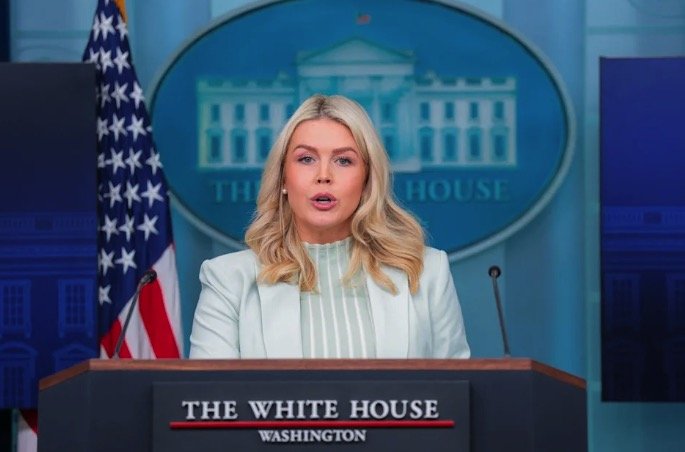 The administration of Donald Trump warned that the United States could intensify military action against Iran if negotiations aimed at ending the conflict fail. Get today's headlines by email At a briefing on Wednesday, White House press secretary Karoline Leavitt said the president prefers a diplomatic outcome but is prepared to escalate if Tehran refuses to reach an agreement. “The president’s preference is always peace,” Leavitt said. “But if Iran fails to accept the reality of the current moment … President Trump will ensure they are hit harder than they have ever been hit before.” She added that Trump is ready to “unleash hell” if Iran misjudges the situation or refuses to cooperate in negotiations. Talks and disputed proposalAccording to sources cited by US media, Washington has sent a 15-point peace proposal to Iran through officials in Pakistan. Iranian state media reported that Tehran rejected the proposal, and Iranian officials have publicly denied that direct negotiations are taking place. Leavitt maintained that talks are continuing and described them as productive, but declined to provide details about the content of the discussions, the Iranian negotiators involved or whether in-person meetings are imminent. Earlier this week, Trump said he had delayed major attacks on Iranian energy infrastructure for five days following what he described as constructive contacts with Tehran. The administration says the pause offers Iran an opportunity to abandon its nuclear ambitions and stop threatening the United States and its allies. Officials in both Pakistan and Egypt have indicated they could host talks aimed at ending the conflict. A meeting in Islamabad has been discussed but has not been confirmed by Washington. Trump said negotiations involve several senior figures, including Vice President JD Vance and Secretary of State Marco Rubio. Other participants include White House envoy Steve Witkoff and Trump adviser Jared Kushner. Leavitt described Vance as a central member of the administration’s national security team who has closely supported the president during the negotiations. Oil gesture and military pressureTrump also claimed Iran recently offered the United States a “very big present” linked to oil shipments moving through the Strait of Hormuz. The president did not specify what he meant by the remark. Reports suggested it might involve an oil tanker carrying about two million barrels that successfully transited the strait, though the White House declined to confirm the details. Leavitt said the president would address the issue at an appropriate time. Trump indicated the gesture signaled to him that negotiations were progressing and that Iran was dealing in good faith. He also said many senior Iranian leaders had been killed in US and Israeli strikes, claiming the country’s leadership structure had already changed. Asked whether Washington is satisfied with Iran’s current leadership, Leavitt said it was too early to make that assessment. Military operations continueDespite the diplomatic contacts, the United States continues to reinforce its military presence in the region. Thousands of additional Marines are being deployed to the Middle East, while the Pentagon has requested roughly $200 billion in supplemental funding related to the operation. Leavitt declined to comment on potential deployment of units from the 82nd Airborne Division, referring questions to the Defense Department. She said the administration aims to keep military options available while negotiations continue. According to the White House, the campaign — known as Operation Epic Fury — remains active and is progressing faster than initially planned. Officials said the mission was expected to last four to six weeks and that US forces are approaching their core objectives. Join the discussion? Already a member? Adapted by ASEAN Now. Source 26 March 2026
 -
Justices of the Supreme Court of the United States appeared receptive on Tuesday to arguments from the administration of Donald Trump defending the government’s authority to turn away asylum seekers when officials say the US-Mexico border is too overwhelmed to process additional claims. Get today's headlines by email The case centers on a policy known as “metering,” which allows immigration officers to refuse entry to migrants seeking asylum at border crossings when authorities say they lack the capacity to process more applications. Trump’s administration has asked the court to overturn a lower-court ruling that found the policy violated federal law. The measure was originally halted after Joe Biden rescinded it early in his presidency in 2021. The dispute is separate from a broader asylum restriction announced by Trump after returning to office last year. That policy also faces ongoing legal challenges. Dispute over legal definitionThe central legal question concerns whether migrants stopped on the Mexican side of the border can be considered to have “arrived” in the United States under federal asylum law. Current US law allows migrants who arrive in the country to request asylum and requires immigration officials to inspect their claims. Arguing for the administration, Justice Department lawyer Vivek Suri told the court that migrants waiting in Mexico cannot be treated as having entered the country. “You can’t arrive in the United States while you’re still standing in Mexico,” Suri said during the hearing, arguing that the legal interpretation should settle the dispute. Several justices explored the limits of that definition during questioning. Conservative Justice Amy Coney Barrett asked how close a person must be to the border to qualify as arriving in the United States. She questioned whether migrants approaching areas without formal ports of entry could claim the same legal status. The court also heard arguments from attorneys representing migrant advocacy groups challenging the policy. Sharp questions from liberal justicesLiberal Justice Sonia Sotomayor pressed government lawyers over whether the policy contradicts US laws designed to protect refugees. She suggested the policy effectively bars asylum seekers while allowing other travelers to enter through border checkpoints. Sotomayor compared the situation to passengers arriving on flights to US airports, noting they may be considered to have arrived in the country even before physically stepping onto American soil. The lawsuit against the policy was brought by Al Otro Lado, which provides legal and humanitarian support to migrants at the border. The group first filed its challenge in 2017, arguing that US law requires border officials to inspect all asylum seekers who present themselves at official crossings. In 2024, the United States Court of Appeals for the Ninth Circuit ruled that immigration authorities must process asylum claims from migrants who reach border entry points, even if they have not yet physically crossed into the United States. Policy history and next stepsBorder authorities began informally limiting asylum processing during a surge in migration in 2016 under Barack Obama. The Trump administration formally implemented the metering policy two years later. The Biden administration ended the practice in 2021, but the current administration has indicated it may reinstate the policy if border conditions change. In court filings, the government said metering could resume “as soon as changed border conditions warranted that step.” The Supreme Court is expected to issue its ruling by the end of June. The court has already sided with the Trump administration in several immigration-related disputes since Trump returned to office, including emergency rulings allowing authorities to deport migrants to third countries and revoke temporary legal protections for hundreds of thousands of Venezuelan migrants. Join the discussion? Already a member? Adapted by ASEAN Now. Source 26 March 2026 View full article
-
 Justices of the Supreme Court of the United States appeared receptive on Tuesday to arguments from the administration of Donald Trump defending the government’s authority to turn away asylum seekers when officials say the US-Mexico border is too overwhelmed to process additional claims. Get today's headlines by email The case centers on a policy known as “metering,” which allows immigration officers to refuse entry to migrants seeking asylum at border crossings when authorities say they lack the capacity to process more applications. Trump’s administration has asked the court to overturn a lower-court ruling that found the policy violated federal law. The measure was originally halted after Joe Biden rescinded it early in his presidency in 2021. The dispute is separate from a broader asylum restriction announced by Trump after returning to office last year. That policy also faces ongoing legal challenges. Dispute over legal definitionThe central legal question concerns whether migrants stopped on the Mexican side of the border can be considered to have “arrived” in the United States under federal asylum law. Current US law allows migrants who arrive in the country to request asylum and requires immigration officials to inspect their claims. Arguing for the administration, Justice Department lawyer Vivek Suri told the court that migrants waiting in Mexico cannot be treated as having entered the country. “You can’t arrive in the United States while you’re still standing in Mexico,” Suri said during the hearing, arguing that the legal interpretation should settle the dispute. Several justices explored the limits of that definition during questioning. Conservative Justice Amy Coney Barrett asked how close a person must be to the border to qualify as arriving in the United States. She questioned whether migrants approaching areas without formal ports of entry could claim the same legal status. The court also heard arguments from attorneys representing migrant advocacy groups challenging the policy. Sharp questions from liberal justicesLiberal Justice Sonia Sotomayor pressed government lawyers over whether the policy contradicts US laws designed to protect refugees. She suggested the policy effectively bars asylum seekers while allowing other travelers to enter through border checkpoints. Sotomayor compared the situation to passengers arriving on flights to US airports, noting they may be considered to have arrived in the country even before physically stepping onto American soil. The lawsuit against the policy was brought by Al Otro Lado, which provides legal and humanitarian support to migrants at the border. The group first filed its challenge in 2017, arguing that US law requires border officials to inspect all asylum seekers who present themselves at official crossings. In 2024, the United States Court of Appeals for the Ninth Circuit ruled that immigration authorities must process asylum claims from migrants who reach border entry points, even if they have not yet physically crossed into the United States. Policy history and next stepsBorder authorities began informally limiting asylum processing during a surge in migration in 2016 under Barack Obama. The Trump administration formally implemented the metering policy two years later. The Biden administration ended the practice in 2021, but the current administration has indicated it may reinstate the policy if border conditions change. In court filings, the government said metering could resume “as soon as changed border conditions warranted that step.” The Supreme Court is expected to issue its ruling by the end of June. The court has already sided with the Trump administration in several immigration-related disputes since Trump returned to office, including emergency rulings allowing authorities to deport migrants to third countries and revoke temporary legal protections for hundreds of thousands of Venezuelan migrants. Join the discussion? Already a member? Adapted by ASEAN Now. Source 26 March 2026
 -
Israel’s parliament has pushed forward a controversial bill that would allow courts to impose the death penalty on Palestinians convicted of terrorism, sending the legislation to a final vote after approval by a parliamentary committee. Get today's headlines by email The bill advanced Tuesday after the national security committee of the Knesset endorsed the proposal, according to Israel’s public broadcaster. The measure was introduced by the far-right party Otzma Yehudit, led by National Security Minister Itamar Ben-Gvir. Proposed rules for executionsSupporters say the law would strengthen Israel’s response to attacks, while critics argue it would dramatically shift the country’s penal policy and raise legal and moral concerns. The legislation outlines strict conditions for prisoners sentenced to death. Those condemned would be held in a separate facility and barred from receiving visitors other than authorised personnel. Meetings with lawyers would take place only through video calls. Executions would be required within 90 days of sentencing. Under the proposal, courts could impose capital punishment without a formal request from prosecutors and without a unanimous ruling by judges. A simple majority decision would be enough. Military courts operating in the occupied West Bank would also gain the authority to issue death sentences. The Israeli defence minister would be able to submit an opinion in such cases. For Palestinians tried under military jurisdiction, the measure would effectively eliminate options for appeal or clemency. Prisoners tried in Israeli civilian courts, however, could still see death sentences reduced to life imprisonment. Committee members added amendments before sending the bill forward. According to the broadcaster, executions would be carried out by hanging. Ben-Gvir has been one of the bill’s strongest advocates and has worn a noose-shaped pin on his lapel during parliamentary debates. He has described hanging as one possible method for carrying out death sentences and said other options, including the electric chair, could also be considered. Legal and diplomatic concernsIsraeli government agencies and military officials have repeatedly warned that the law could create legal risks for the country. The justice and foreign ministries have cautioned that introducing such a measure could violate international law and expose Israeli commanders to arrest warrants abroad. Opposition politicians have raised similar concerns. Lawmaker Gilad Kariv said the requirement to carry out executions within 90 days, without the possibility of clemency, could place Israeli officials at risk of legal action in foreign courts. Human rights organisations have also condemned the proposal. B’Tselem, an Israeli rights group, said the law would institutionalise lethal punishment against Palestinians. Its executive director, Yuli Novak, said the measure would add another tool to what she described as a system that already permits widespread use of lethal force against Palestinians. United Nations experts urged Israel earlier this year to withdraw the legislation, arguing it would violate the right to life and discriminate against Palestinians living in occupied territories. The European Union also criticised the proposal, stating that capital punishment violates fundamental human rights and risks constituting cruel or degrading treatment. Rare use of capital punishmentCapital punishment is largely absent from Israel’s legal system and has been used only in exceptional circumstances. The most prominent case occurred in 1962 when Israeli authorities executed Nazi war criminal Adolf Eichmann, one of the chief organisers of the Holocaust. If adopted, the new bill would mark a major departure from that precedent and introduce broader use of the death penalty within Israel’s judicial framework. Join the discussion? Already a member? Adapted by ASEAN Now. Source 26 March 2026 View full article