

webfact
Admin
-
Joined
-
Last visited
Everything posted by webfact
-
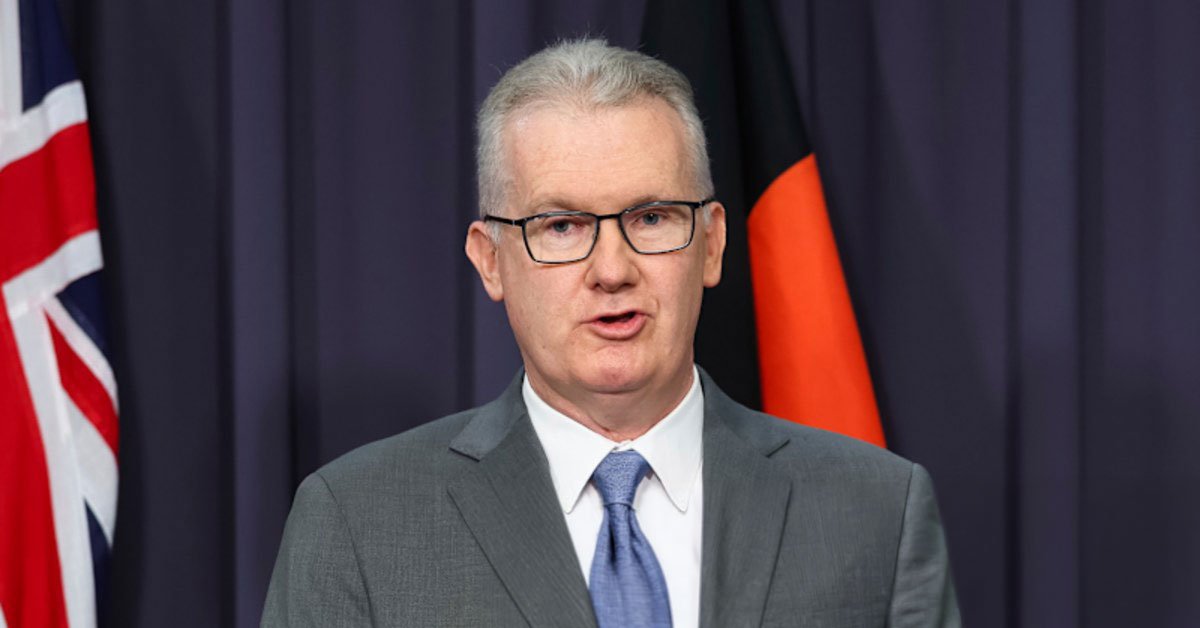 Australia has barred thousands of Iranian nationals with valid tourist visas from entering the country for the next six months, a move that has drawn strong criticism from refugee advocates and opposition figures. Get today's headlines by email The decision was announced by Home Affairs Minister Tony Burke, who activated newly expanded immigration powers to temporarily suspend entry for Iranian visitors amid concerns about the escalating situation in Iran. The restriction applies to roughly 6,800 Iranian citizens holding valid tourist visas who are currently outside Australia. Some travellers may still be granted entry under special circumstances. Government cites migration control concernsBurke said the measure was necessary to ensure that long-term residency decisions remain deliberate government policy rather than the unintended result of short-term travel. “There are many visitor visas which were issued before the conflict in Iran which may not have been issued if they were applied for now,” Burke said. “Decisions about permanent stays in Australia should be deliberate decisions of the government, not a random consequence of who had booked a holiday.” The temporary order will last six months and must be renewed if authorities wish to keep it in place. Officials said the government will continue to monitor global developments and adjust migration policies if necessary. The ban only applies to people holding tourist visas, commonly known as subclass 600 visas, who are currently outside the country. Limited exemptions availableAuthorities said some exemptions could apply. Iranian parents of Australian citizens may receive “sympathetic consideration”, while others may request permission to travel through a special certificate process. Government figures indicate that more than 7,200 temporary visa holders are currently inside Iran, with more than 40,000 temporary visa holders located across the wider region affected by the conflict. However, the current restriction targets only tourist visa holders. Strong criticism from advocates and politiciansThe decision has prompted criticism from refugee groups and some lawmakers, who argue it unfairly affects people who followed legal immigration procedures. Nos Hosseini of the Iranian Women’s Association said the community had hoped for compassion during a period of uncertainty. “As a community, we are grieving. We are under immense stress, and this was not the type of announcement we were expecting to hear,” she said. Independent MP Zali Steggall warned the government’s expanded powers risk undermining confidence in Australia’s migration system. “Thousands of people who followed the rules, paid fees, and made plans in good faith are being left in limbo,” she said. David Shoebridge, a senator from the Greens party, also criticised the government, accusing it of abandoning Iranian citizens despite publicly expressing concern about conditions inside the country. The Asylum Seeker Resource Centre described the move as a “massive betrayal” and a “breathtaking moral failure”. Earlier asylum casesThe visa decision follows a recent case involving members of Iran’s women’s football team who travelled to Australia earlier this month. Seven players were initially granted asylum offers, although five later chose to return to Iran while two remain in Australia. Officials say the temporary entry restrictions will remain under review as the government monitors developments in the region. Join the discussion? Already a member? Adapted by ASEAN Now. Source 26 March 2026
 -
The United States has delivered a 15-point proposal to Iran aimed at ending the ongoing conflict, outlining conditions for a ceasefire and longer-term negotiations. Get today's headlines by email The plan, put forward under the administration of Donald Trump, includes strict limits on Iran’s nuclear programme and calls for the reopening of the strategically vital Strait of Hormuz. Ceasefire and negotiation frameworkAccording to reports, the proposal includes a commitment by both Washington and Tehran to observe a one-month ceasefire. The pause in hostilities would allow time for negotiations on a broader and more permanent agreement. The framework is said to build on earlier proposals discussed during nuclear talks in May 2025. The plan was reportedly conveyed to Iran through intermediaries from Pakistan, which has offered to act as a mediator. Talks are expected to be led by JD Vance, with Washington pushing for negotiations to begin in Islamabad. Iran expresses scepticismIranian officials have reacted cautiously, signalling distrust of US intentions. According to diplomatic sources, Tehran has told mediators it does not want to be “fooled again”, citing the recent deployment of US forces to the region. The proposal was also publicly dismissed by Ebrahim Zolfaqari, who mocked Washington’s claims of diplomacy. “Has the level of your inner struggle reached the stage of you negotiating with yourself?” he said, criticising the US position. Regional reactionsThe plan has also drawn attention from Israel, which has supported continued military pressure on Iran. Reports suggest Israeli officials were taken by surprise by the US initiative. The latest diplomatic effort comes amid ongoing tensions in the region, with military activity continuing alongside attempts to broker a ceasefire. Join the discussion? Already a member? Adapted by ASEAN Now. Source 25 March 2026 View full article
-
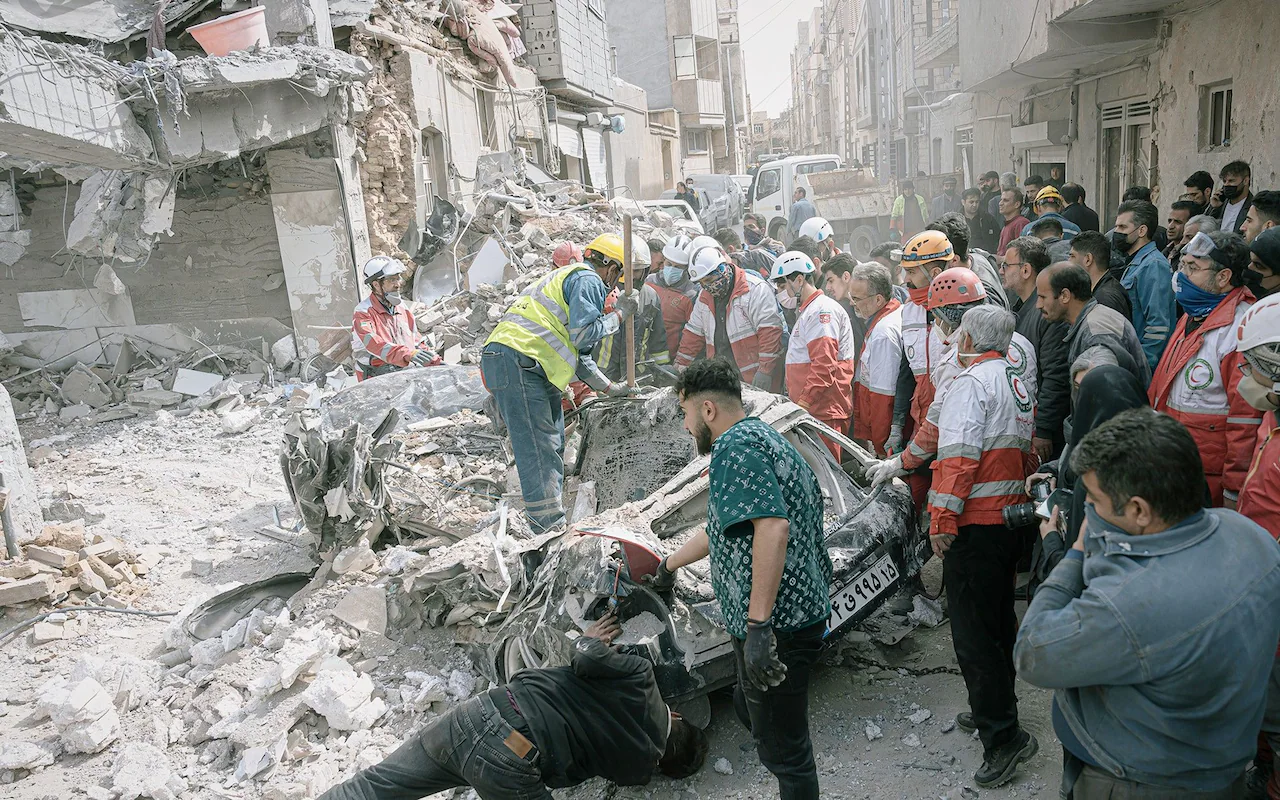 The United States has delivered a 15-point proposal to Iran aimed at ending the ongoing conflict, outlining conditions for a ceasefire and longer-term negotiations. Get today's headlines by email The plan, put forward under the administration of Donald Trump, includes strict limits on Iran’s nuclear programme and calls for the reopening of the strategically vital Strait of Hormuz. Ceasefire and negotiation frameworkAccording to reports, the proposal includes a commitment by both Washington and Tehran to observe a one-month ceasefire. The pause in hostilities would allow time for negotiations on a broader and more permanent agreement. The framework is said to build on earlier proposals discussed during nuclear talks in May 2025. The plan was reportedly conveyed to Iran through intermediaries from Pakistan, which has offered to act as a mediator. Talks are expected to be led by JD Vance, with Washington pushing for negotiations to begin in Islamabad. Iran expresses scepticismIranian officials have reacted cautiously, signalling distrust of US intentions. According to diplomatic sources, Tehran has told mediators it does not want to be “fooled again”, citing the recent deployment of US forces to the region. The proposal was also publicly dismissed by Ebrahim Zolfaqari, who mocked Washington’s claims of diplomacy. “Has the level of your inner struggle reached the stage of you negotiating with yourself?” he said, criticising the US position. Regional reactionsThe plan has also drawn attention from Israel, which has supported continued military pressure on Iran. Reports suggest Israeli officials were taken by surprise by the US initiative. The latest diplomatic effort comes amid ongoing tensions in the region, with military activity continuing alongside attempts to broker a ceasefire. Join the discussion? Already a member? Adapted by ASEAN Now. Source 25 March 2026
 -
A court in the US state of New Mexico has ordered Meta to pay $375m (£279m) after a jury found the company misled users about the safety of its platforms for children. Get today's headlines by email The ruling follows a seven-week trial examining how the company’s services — including Facebook, Instagram and WhatsApp — exposed minors to harmful content and interactions. Jury finds violations of consumer lawJurors concluded that Meta violated New Mexico’s Unfair Practices Act by giving a misleading impression about protections for young users. The penalty reflects thousands of violations, each carrying a potential fine. Raul Torrez described the outcome as “historic”, saying it marked the first successful state-level legal action against the company over child safety concerns. Prosecutors argued that Meta’s platforms enabled exposure to sexually explicit material and contact from predators, while internal evidence suggested the company was aware of such risks. Evidence presented during trialDuring proceedings, jurors reviewed company documents and heard testimony from former employees. Among them was Arturo Béjar, who said internal experiments showed underage users were being served sexualised content. He told the court his own daughter had received inappropriate messages from a stranger on Instagram. State lawyers also cited internal research indicating that at one point 16% of Instagram users reported seeing unwanted nudity or sexual activity within a single week. The lawsuit, filed in 2023, alleged that Meta’s recommendation algorithms directed young users towards explicit material, including content linked to exploitation and trafficking. Meta to appeal rulingMeta rejected the findings and confirmed it plans to challenge the decision. A spokesperson for the company, led by chief executive Mark Zuckerberg, said it continues to invest in safety measures. “We work hard to keep people safe on our platforms and are clear about the challenges of identifying and removing harmful content,” the spokesperson said. The company highlighted recent initiatives, including new account settings for teenagers and tools designed to alert parents to potentially harmful activity. Wider legal challenges continueThe case is one of several legal actions facing Meta and other technology firms in the United States over the impact of social media on young users. A separate trial in Los Angeles is examining claims that platform design contributed to addiction among children. Thousands of similar lawsuits are currently progressing through US courts, reflecting growing scrutiny of how major tech companies protect younger audiences online. Join the discussion? Already a member? Adapted by ASEAN Now. Source 25 March 2026 View full article
-
 A court in the US state of New Mexico has ordered Meta to pay $375m (£279m) after a jury found the company misled users about the safety of its platforms for children. Get today's headlines by email The ruling follows a seven-week trial examining how the company’s services — including Facebook, Instagram and WhatsApp — exposed minors to harmful content and interactions. Jury finds violations of consumer lawJurors concluded that Meta violated New Mexico’s Unfair Practices Act by giving a misleading impression about protections for young users. The penalty reflects thousands of violations, each carrying a potential fine. Raul Torrez described the outcome as “historic”, saying it marked the first successful state-level legal action against the company over child safety concerns. Prosecutors argued that Meta’s platforms enabled exposure to sexually explicit material and contact from predators, while internal evidence suggested the company was aware of such risks. Evidence presented during trialDuring proceedings, jurors reviewed company documents and heard testimony from former employees. Among them was Arturo Béjar, who said internal experiments showed underage users were being served sexualised content. He told the court his own daughter had received inappropriate messages from a stranger on Instagram. State lawyers also cited internal research indicating that at one point 16% of Instagram users reported seeing unwanted nudity or sexual activity within a single week. The lawsuit, filed in 2023, alleged that Meta’s recommendation algorithms directed young users towards explicit material, including content linked to exploitation and trafficking. Meta to appeal rulingMeta rejected the findings and confirmed it plans to challenge the decision. A spokesperson for the company, led by chief executive Mark Zuckerberg, said it continues to invest in safety measures. “We work hard to keep people safe on our platforms and are clear about the challenges of identifying and removing harmful content,” the spokesperson said. The company highlighted recent initiatives, including new account settings for teenagers and tools designed to alert parents to potentially harmful activity. Wider legal challenges continueThe case is one of several legal actions facing Meta and other technology firms in the United States over the impact of social media on young users. A separate trial in Los Angeles is examining claims that platform design contributed to addiction among children. Thousands of similar lawsuits are currently progressing through US courts, reflecting growing scrutiny of how major tech companies protect younger audiences online. Join the discussion? Already a member? Adapted by ASEAN Now. Source 25 March 2026
 -
Iran has rejected assertions by Donald Trump that negotiations are under way between Washington and Tehran, with military officials accusing the United States of “negotiating with itself” amid the ongoing conflict. Get today's headlines by email Speaking on Wednesday, Ebrahim Zolfaqari, a spokesperson for Iran’s Khatam al-Anbiya Central Headquarters, mocked US claims of diplomacy. Tehran rejects claims of talks“Has the level of your inner struggle reached the stage of you negotiating with yourself?” he said, according to Iran’s semi-official Fars news agency. “Don’t call your failure an agreement.” Iranian authorities have consistently denied that any direct or indirect discussions are taking place, despite repeated statements from Trump suggesting otherwise. The US president told reporters at the White House that Washington was speaking to the “right people” in Iran and that Tehran was keen to reach a deal. “They are talking to us, and they’re making sense,” he said. Confusion over reported proposalThe conflicting accounts come amid reports that the United States has put forward a ceasefire framework. According to The Wall Street Journal, the proposal includes a series of demands such as dismantling key nuclear facilities, halting uranium enrichment, suspending Iran’s ballistic missile programme and reopening the Strait of Hormuz. In return, sanctions relief and assistance for a civilian nuclear programme were reportedly offered. However, Iranian officials have not confirmed receiving such a plan. Reza Amiri Moghadam said no negotiations had taken place, while noting that countries including Pakistan were attempting to facilitate dialogue. Reports have suggested Islamabad may have acted as an intermediary, delivering proposals between the two sides. Despite this, uncertainty remains. Journalists in Tehran have described a lack of clarity, with officials publicly contradicting US statements and denying any diplomatic engagement. Fighting continues alongside diplomacy claimsThe dispute over talks comes as hostilities continue. Israel has carried out further strikes on Iranian targets, including infrastructure in Tehran, with Iranian media reporting casualties in residential areas. Iran, in turn, said it had launched missiles towards Israeli locations, including military and urban areas. There were no immediate reports of casualties from the latest exchanges. Meanwhile, the United States is reportedly preparing to reinforce its military presence in the region. Around 1,000 troops from the 82nd Airborne Division are expected to deploy, adding to tens of thousands of US personnel already stationed in the Middle East. The developments highlight a dual-track approach, with diplomatic signals emerging alongside continued military escalation. Join the discussion? Already a member? Adapted by ASEAN Now. Source 25 March 2026 View full article
-
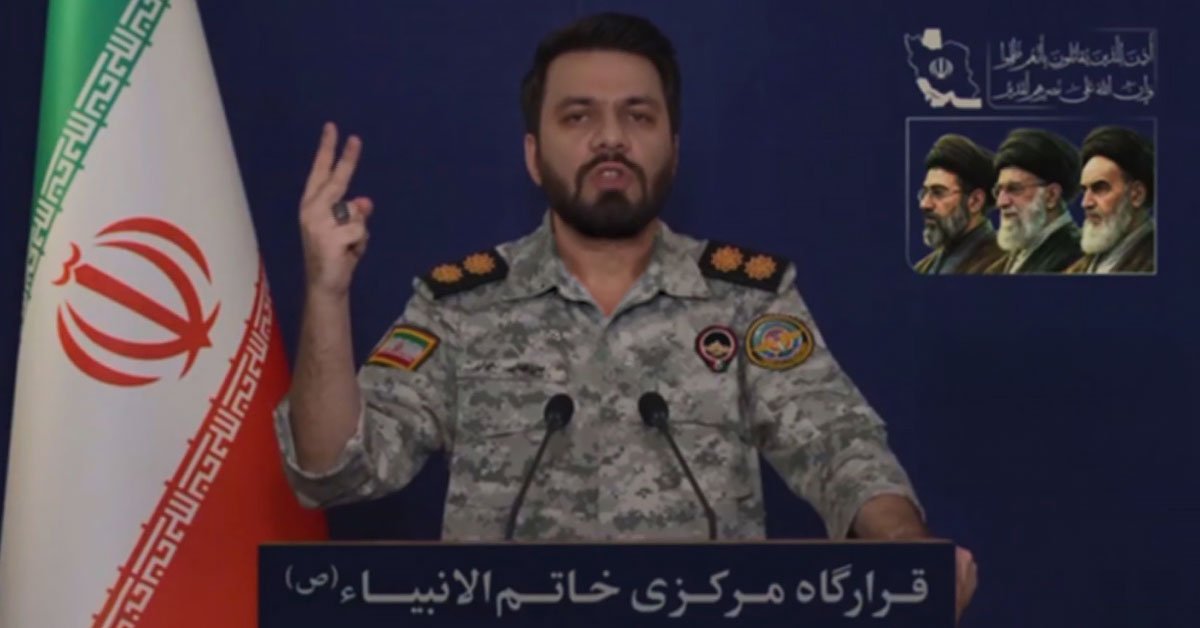 Iran has rejected assertions by Donald Trump that negotiations are under way between Washington and Tehran, with military officials accusing the United States of “negotiating with itself” amid the ongoing conflict. Get today's headlines by email Speaking on Wednesday, Ebrahim Zolfaqari, a spokesperson for Iran’s Khatam al-Anbiya Central Headquarters, mocked US claims of diplomacy. Tehran rejects claims of talks“Has the level of your inner struggle reached the stage of you negotiating with yourself?” he said, according to Iran’s semi-official Fars news agency. “Don’t call your failure an agreement.” Iranian authorities have consistently denied that any direct or indirect discussions are taking place, despite repeated statements from Trump suggesting otherwise. The US president told reporters at the White House that Washington was speaking to the “right people” in Iran and that Tehran was keen to reach a deal. “They are talking to us, and they’re making sense,” he said. Confusion over reported proposalThe conflicting accounts come amid reports that the United States has put forward a ceasefire framework. According to The Wall Street Journal, the proposal includes a series of demands such as dismantling key nuclear facilities, halting uranium enrichment, suspending Iran’s ballistic missile programme and reopening the Strait of Hormuz. In return, sanctions relief and assistance for a civilian nuclear programme were reportedly offered. However, Iranian officials have not confirmed receiving such a plan. Reza Amiri Moghadam said no negotiations had taken place, while noting that countries including Pakistan were attempting to facilitate dialogue. Reports have suggested Islamabad may have acted as an intermediary, delivering proposals between the two sides. Despite this, uncertainty remains. Journalists in Tehran have described a lack of clarity, with officials publicly contradicting US statements and denying any diplomatic engagement. Fighting continues alongside diplomacy claimsThe dispute over talks comes as hostilities continue. Israel has carried out further strikes on Iranian targets, including infrastructure in Tehran, with Iranian media reporting casualties in residential areas. Iran, in turn, said it had launched missiles towards Israeli locations, including military and urban areas. There were no immediate reports of casualties from the latest exchanges. Meanwhile, the United States is reportedly preparing to reinforce its military presence in the region. Around 1,000 troops from the 82nd Airborne Division are expected to deploy, adding to tens of thousands of US personnel already stationed in the Middle East. The developments highlight a dual-track approach, with diplomatic signals emerging alongside continued military escalation. Join the discussion? Already a member? Adapted by ASEAN Now. Source 25 March 2026
 -
A patient in the UK who helped prevent a planned hospital bombing has described how he calmed the attacker by engaging him in conversation and even embracing him, ultimately persuading him to abandon the plot. Get today's headlines by email Nathan Newby, 35, intervened during an incident at St James' Hospital in 2023, where he spent around two hours talking to Mohammad Farooq, who had planned an हमला using a homemade explosive device. Two-hour confrontation at Leeds hospitalNewby, who had been receiving treatment for a chest infection, said he noticed Farooq behaving nervously near a maternity ward. “He looked out of place so I went over to see if he was alright,” he said. Farooq had been closely watching a bag placed nearby. After gaining his trust, Newby persuaded him to reveal its contents — a pressure cooker bomb containing around 10kg of explosives. A court later heard the device was estimated to be significantly larger than the one used in the Boston Marathon bombing. “I thought there's no way of getting away now so I might as well stay with the guy,” Newby said, explaining that leaving could have triggered panic. Building trust to defuse the situationNewby remained with Farooq, attempting to distract him and understand his mindset. He said he deliberately spoke about his own personal struggles to create a connection and reduce tension. At one point, Farooq asked for a hug, which Newby agreed to. “He then said, ‘I want you to phone the police before I change my mind,’” Newby recalled. Using Farooq’s phone, Newby contacted emergency services while subtly recording the interaction. During the call, he also asked Farooq about other weapons. Farooq revealed knives and an imitation firearm, which Newby encouraged him to set aside. Armed police arrived shortly afterwards and arrested Farooq without the device being detonated. Court findings and recognitionA trial at Sheffield Crown Court heard that Farooq, a hospital employee, had planned to target staff, particularly nurses, due to personal grievances. He had also previously considered attacking RAF Menwith Hill before switching to the hospital. Farooq was convicted of preparing acts of terrorism and sentenced to a minimum of 37 years in prison. Judge Mrs Justice Cheema-Grubb described Newby’s actions as “extraordinary”, while prosecutors said his intervention had “almost certainly saved many lives.” Police also praised his actions, noting how narrowly the attack had been prevented. Honour for braveryNewby is set to receive the George Medal, recognising acts of exceptional courage. Reflecting on the incident, he said the experience only fully sank in afterwards. “It’s just crazy that if I hadn’t been there… he would have gone for it,” he said. Despite the recognition, Newby played down his actions, saying: “I like to think that anybody would do that… it’s just how I am.” Join the discussion? Already a member? Adapted by ASEAN Now. Source 25 March 2026 View full article
-
 A patient in the UK who helped prevent a planned hospital bombing has described how he calmed the attacker by engaging him in conversation and even embracing him, ultimately persuading him to abandon the plot. Get today's headlines by email Nathan Newby, 35, intervened during an incident at St James' Hospital in 2023, where he spent around two hours talking to Mohammad Farooq, who had planned an हमला using a homemade explosive device. Two-hour confrontation at Leeds hospitalNewby, who had been receiving treatment for a chest infection, said he noticed Farooq behaving nervously near a maternity ward. “He looked out of place so I went over to see if he was alright,” he said. Farooq had been closely watching a bag placed nearby. After gaining his trust, Newby persuaded him to reveal its contents — a pressure cooker bomb containing around 10kg of explosives. A court later heard the device was estimated to be significantly larger than the one used in the Boston Marathon bombing. “I thought there's no way of getting away now so I might as well stay with the guy,” Newby said, explaining that leaving could have triggered panic. Building trust to defuse the situationNewby remained with Farooq, attempting to distract him and understand his mindset. He said he deliberately spoke about his own personal struggles to create a connection and reduce tension. At one point, Farooq asked for a hug, which Newby agreed to. “He then said, ‘I want you to phone the police before I change my mind,’” Newby recalled. Using Farooq’s phone, Newby contacted emergency services while subtly recording the interaction. During the call, he also asked Farooq about other weapons. Farooq revealed knives and an imitation firearm, which Newby encouraged him to set aside. Armed police arrived shortly afterwards and arrested Farooq without the device being detonated. Court findings and recognitionA trial at Sheffield Crown Court heard that Farooq, a hospital employee, had planned to target staff, particularly nurses, due to personal grievances. He had also previously considered attacking RAF Menwith Hill before switching to the hospital. Farooq was convicted of preparing acts of terrorism and sentenced to a minimum of 37 years in prison. Judge Mrs Justice Cheema-Grubb described Newby’s actions as “extraordinary”, while prosecutors said his intervention had “almost certainly saved many lives.” Police also praised his actions, noting how narrowly the attack had been prevented. Honour for braveryNewby is set to receive the George Medal, recognising acts of exceptional courage. Reflecting on the incident, he said the experience only fully sank in afterwards. “It’s just crazy that if I hadn’t been there… he would have gone for it,” he said. Despite the recognition, Newby played down his actions, saying: “I like to think that anybody would do that… it’s just how I am.” Join the discussion? Already a member? Adapted by ASEAN Now. Source 25 March 2026
 -
Israel has not brought prosecutions against its citizens for the killing of Palestinian civilians in the occupied West Bank since the start of the decade, according to an analysis of legal data and public records, raising concerns over a lack of accountability. Get today's headlines by email Data reviewed by rights groups and legal experts indicates that, despite hundreds of reported cases, no indictments have been issued for killings of Palestinians by Israeli civilians or security forces in the West Bank since 2020. Growing concerns over impunityThe findings have prompted criticism from former senior Israeli officials, including ex-prime minister Ehud Olmert, who called for intervention by the International Criminal Court. Olmert warned that failure to address violence could have serious consequences for both Palestinians and Israelis, urging international legal authorities to step in if domestic enforcement fails. A separate letter signed by dozens of former military, intelligence and police leaders described what they called “organised” violence against Palestinians, warning that continued inaction could pose a broader threat. Violence and limited legal actionAccording to United Nations data, at least 1,100 Palestinian civilians have been killed in the occupied West Bank since 2020, with a significant proportion reported to be children. The majority of deaths have been attributed to Israeli security forces, though attacks by civilians have also increased. Legal advocacy group Yesh Din reported that more than 96% of police investigations into settler violence between 2020 and 2025 were closed without indictments. Out of hundreds of cases, only a small number resulted in convictions. In cases involving alleged harm by Israeli soldiers, the proportion of indictments was even lower. Of more than 1,700 complaints filed, including hundreds relating to fatalities, fewer than 1% led to charges. Experts say delays, closed investigations and limited prosecutions have contributed to what they describe as a system that struggles to deliver accountability. Internal criticism and legal pressureCriticism has also come from within Israel’s legal and political establishment. Former justice ministers and senior legal figures have warned that the current approach risks undermining the rule of law. Some have argued that the lack of prosecutions could weaken Israel’s position in international courts, where domestic legal action is often seen as a key factor in determining jurisdiction. Human rights lawyer Michael Sfard said the system had historically relied on a small number of cases to demonstrate accountability but that such prosecutions had largely ceased in recent years. Broader political contextViolence in the occupied West Bank has intensified following the October 2023 attacks by Hamas and the subsequent war in Gaza. Reports of arson, assaults and other incidents involving Israeli settlers have increased, with many cases documented but not pursued in court. At the same time, Israel’s military leadership has acknowledged the issue. The current chief of staff has called for stronger action to address settler violence and prevent further escalation. Analysts note that the issue remains deeply tied to the broader political and security situation in the region, with differing views inside Israel over responsibility and the role of state institutions. Despite calls for reform, there is little indication so far that prosecution patterns will change in the near term. Join the discussion? Already a member? Adapted by ASEAN Now. Source 25 March 2026 View full article
-
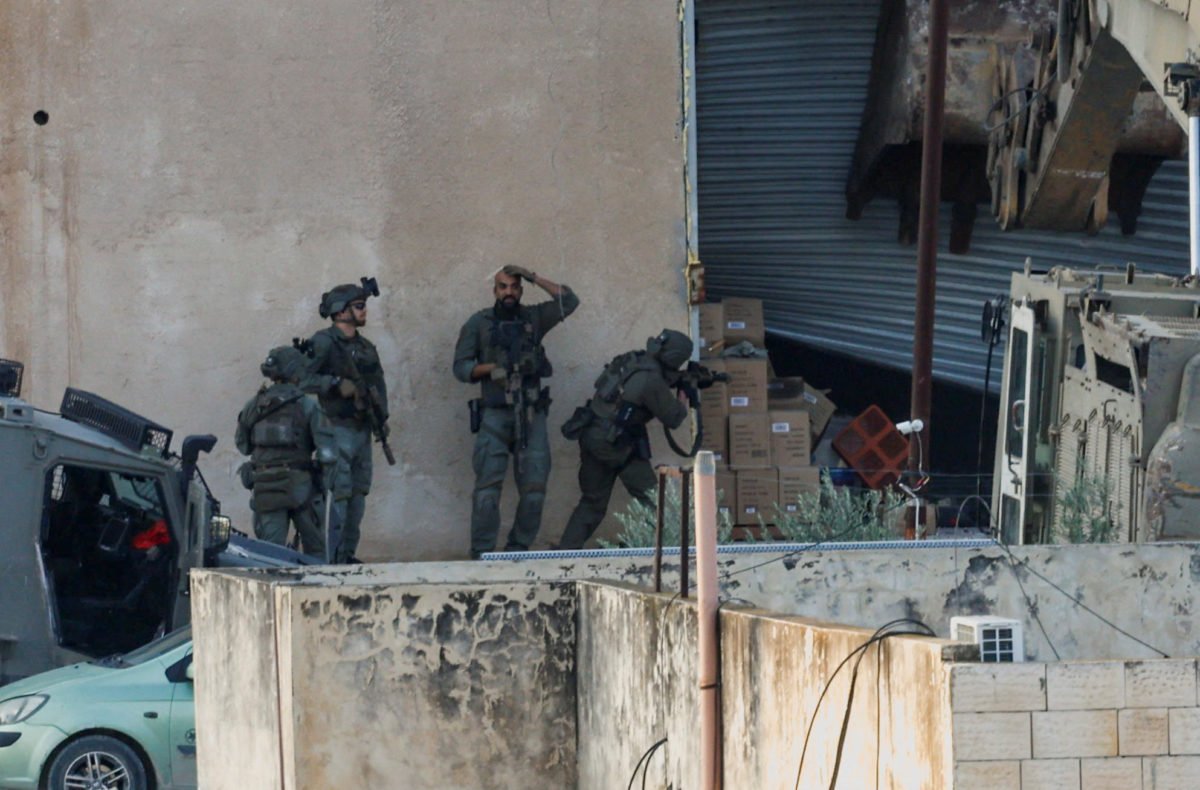 Israel has not brought prosecutions against its citizens for the killing of Palestinian civilians in the occupied West Bank since the start of the decade, according to an analysis of legal data and public records, raising concerns over a lack of accountability. Get today's headlines by email Data reviewed by rights groups and legal experts indicates that, despite hundreds of reported cases, no indictments have been issued for killings of Palestinians by Israeli civilians or security forces in the West Bank since 2020. Growing concerns over impunityThe findings have prompted criticism from former senior Israeli officials, including ex-prime minister Ehud Olmert, who called for intervention by the International Criminal Court. Olmert warned that failure to address violence could have serious consequences for both Palestinians and Israelis, urging international legal authorities to step in if domestic enforcement fails. A separate letter signed by dozens of former military, intelligence and police leaders described what they called “organised” violence against Palestinians, warning that continued inaction could pose a broader threat. Violence and limited legal actionAccording to United Nations data, at least 1,100 Palestinian civilians have been killed in the occupied West Bank since 2020, with a significant proportion reported to be children. The majority of deaths have been attributed to Israeli security forces, though attacks by civilians have also increased. Legal advocacy group Yesh Din reported that more than 96% of police investigations into settler violence between 2020 and 2025 were closed without indictments. Out of hundreds of cases, only a small number resulted in convictions. In cases involving alleged harm by Israeli soldiers, the proportion of indictments was even lower. Of more than 1,700 complaints filed, including hundreds relating to fatalities, fewer than 1% led to charges. Experts say delays, closed investigations and limited prosecutions have contributed to what they describe as a system that struggles to deliver accountability. Internal criticism and legal pressureCriticism has also come from within Israel’s legal and political establishment. Former justice ministers and senior legal figures have warned that the current approach risks undermining the rule of law. Some have argued that the lack of prosecutions could weaken Israel’s position in international courts, where domestic legal action is often seen as a key factor in determining jurisdiction. Human rights lawyer Michael Sfard said the system had historically relied on a small number of cases to demonstrate accountability but that such prosecutions had largely ceased in recent years. Broader political contextViolence in the occupied West Bank has intensified following the October 2023 attacks by Hamas and the subsequent war in Gaza. Reports of arson, assaults and other incidents involving Israeli settlers have increased, with many cases documented but not pursued in court. At the same time, Israel’s military leadership has acknowledged the issue. The current chief of staff has called for stronger action to address settler violence and prevent further escalation. Analysts note that the issue remains deeply tied to the broader political and security situation in the region, with differing views inside Israel over responsibility and the role of state institutions. Despite calls for reform, there is little indication so far that prosecution patterns will change in the near term. Join the discussion? Already a member? Adapted by ASEAN Now. Source 25 March 2026
 -
North Korean leader Kim Jong Un has used the ongoing conflict involving Iran to justify his country’s decision to retain nuclear weapons, warning that recent events demonstrate the risks faced by states without a strong deterrent. Get today's headlines by email In a speech to North Korea’s Supreme People’s Assembly, Kim criticised United States actions abroad, describing them as aggressive and destabilising. While he did not directly name Iran, his remarks came against the backdrop of the current war and appeared to draw clear parallels. Nuclear stance declared “irreversible”He said the situation “clearly proves” that Pyongyang was right to resist pressure to dismantle its nuclear arsenal, adding that the country’s nuclear status is now “irreversible”. The comments reflect a long-standing position by North Korea that nuclear weapons are essential for national survival, particularly in light of US military interventions overseas. Analysts have noted that the conflict with Iran reinforces Pyongyang’s belief that nuclear capability deters external threats. Implications for US diplomacyThe remarks come as Donald Trump has signalled a willingness to reopen talks with Kim, potentially reviving stalled diplomacy that collapsed in 2019. However, Kim’s latest stance suggests any future negotiations would differ significantly from previous efforts centred on denuclearisation. Instead, Pyongyang is likely to demand recognition as a nuclear-armed state and an end to what it calls hostile US policies. This marks a significant challenge for Washington, which has historically insisted that North Korea abandon its nuclear programme as a condition for improved relations. Expanding arsenal and military tiesNorth Korea is widely believed to possess dozens of nuclear warheads and has continued to develop delivery systems capable of reaching long distances, including the US mainland. Recent months have seen a series of weapons demonstrations, including missile launches and tests of systems described by state media as nuclear-capable. Kim has pledged to further expand both the number of weapons and the means of deploying them. At the same time, Pyongyang has strengthened ties with Russia, including military cooperation linked to the war in Ukraine. Analysts say this relationship has provided North Korea with resources and technical insights that could enhance its weapons programmes. Limited opening for talksDespite the firm tone, Kim has not ruled out future engagement with the United States. He has indicated a willingness to meet again, but only under conditions that accept North Korea’s nuclear status. For now, his message appears clear: while dialogue may remain possible, giving up nuclear weapons is not under consideration. Join the discussion? Already a member? Adapted by ASEAN Now. Source 25 March 2026 View full article
-
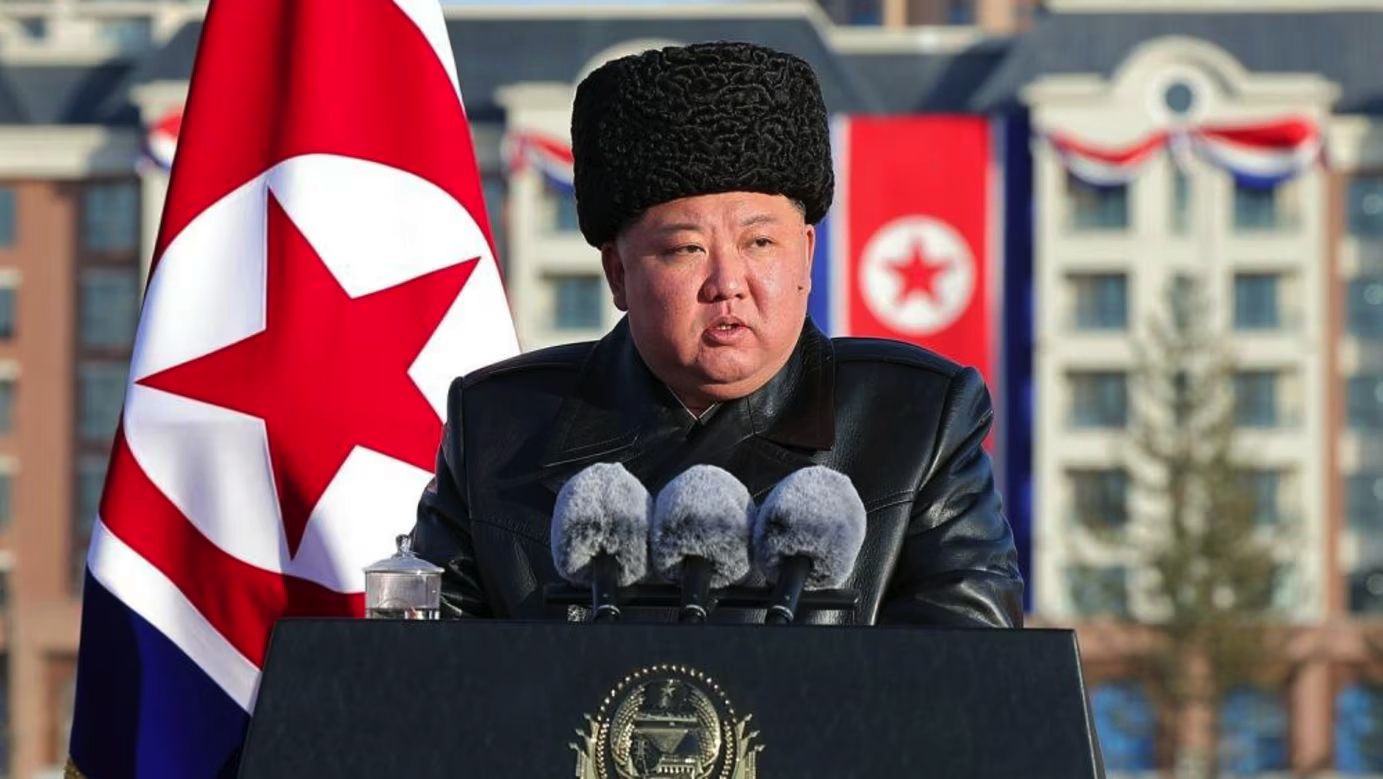 North Korean leader Kim Jong Un has used the ongoing conflict involving Iran to justify his country’s decision to retain nuclear weapons, warning that recent events demonstrate the risks faced by states without a strong deterrent. Get today's headlines by email In a speech to North Korea’s Supreme People’s Assembly, Kim criticised United States actions abroad, describing them as aggressive and destabilising. While he did not directly name Iran, his remarks came against the backdrop of the current war and appeared to draw clear parallels. Nuclear stance declared “irreversible”He said the situation “clearly proves” that Pyongyang was right to resist pressure to dismantle its nuclear arsenal, adding that the country’s nuclear status is now “irreversible”. The comments reflect a long-standing position by North Korea that nuclear weapons are essential for national survival, particularly in light of US military interventions overseas. Analysts have noted that the conflict with Iran reinforces Pyongyang’s belief that nuclear capability deters external threats. Implications for US diplomacyThe remarks come as Donald Trump has signalled a willingness to reopen talks with Kim, potentially reviving stalled diplomacy that collapsed in 2019. However, Kim’s latest stance suggests any future negotiations would differ significantly from previous efforts centred on denuclearisation. Instead, Pyongyang is likely to demand recognition as a nuclear-armed state and an end to what it calls hostile US policies. This marks a significant challenge for Washington, which has historically insisted that North Korea abandon its nuclear programme as a condition for improved relations. Expanding arsenal and military tiesNorth Korea is widely believed to possess dozens of nuclear warheads and has continued to develop delivery systems capable of reaching long distances, including the US mainland. Recent months have seen a series of weapons demonstrations, including missile launches and tests of systems described by state media as nuclear-capable. Kim has pledged to further expand both the number of weapons and the means of deploying them. At the same time, Pyongyang has strengthened ties with Russia, including military cooperation linked to the war in Ukraine. Analysts say this relationship has provided North Korea with resources and technical insights that could enhance its weapons programmes. Limited opening for talksDespite the firm tone, Kim has not ruled out future engagement with the United States. He has indicated a willingness to meet again, but only under conditions that accept North Korea’s nuclear status. For now, his message appears clear: while dialogue may remain possible, giving up nuclear weapons is not under consideration. Join the discussion? Already a member? Adapted by ASEAN Now. Source 25 March 2026
 -
Journalists at Australia’s national broadcaster, the Australian Broadcasting Corporation, have staged their first strike in 20 years, walking off the job in a dispute over pay, working conditions and concerns about the potential use of artificial intelligence. Get today's headlines by email Hundreds of staff stopped work for 24 hours from Wednesday morning after a majority of union members rejected a pay offer they said failed to keep pace with rising living costs. The strike has led to significant disruption across the broadcaster’s output. Walkout disrupts major programmesFlagship programmes, including the evening current affairs show 7.30 and key breakfast broadcasts, are not airing as scheduled. In their place, audiences are being served reruns, pre-recorded segments and some international content. Radio stations such as Triple J and ABC Classic are also operating with reduced live programming, relying largely on music playlists during the stoppage. Pay dispute and contract concernsAt the centre of the dispute is a proposed pay deal offering a total increase of 10% over three years. This includes a 3.5% rise in the first year, followed by smaller increments in subsequent years. However, staff argue the offer falls short of inflation, which stood at 3.8% in January. A one-off bonus payment was also proposed, though it would exclude casual workers, who make up a significant share of the workforce. The offer was rejected by around 60% of participating union members, triggering industrial action. Workers are also calling for improved pay for unsociable hours, clearer career progression and a reduction in reliance on temporary contracts. Concerns about job security have been heightened by the broadcaster’s refusal to rule out the future use of AI technologies in its operations. Management defends offerABC managing director Hugh Marks said the proposal represented the highest level of pay increase the publicly funded organisation could afford. He described the offer as “financially responsible” and competitive within the media sector, adding that it balanced multiple financial pressures faced by the organisation. Despite this, union representatives argue the package does not adequately reflect the cost-of-living challenges facing employees or the importance of public service journalism. Staff voice uncertainty over futureDemonstrations were held outside ABC offices in Sydney and Melbourne, where several hundred workers gathered to show support for the strike. Veteran journalist David Marr described public broadcasting as vital to the future of journalism, warning it must offer fair wages and job security to retain talent. Some employees, particularly those on short-term contracts, expressed anxiety about speaking publicly, citing fears over job stability. One worker said she was weighing up leaving for a permanent role elsewhere despite considering her current position a “dream job”. Unions representing staff, including the Media Entertainment and Arts Alliance, have called on management to return to negotiations. The dispute is expected to be referred to the Fair Work Commission as both sides seek a resolution. Join the discussion? Already a member? Adapted by ASEAN Now. Source 25 View full article
-
 Journalists at Australia’s national broadcaster, the Australian Broadcasting Corporation, have staged their first strike in 20 years, walking off the job in a dispute over pay, working conditions and concerns about the potential use of artificial intelligence. Get today's headlines by email Hundreds of staff stopped work for 24 hours from Wednesday morning after a majority of union members rejected a pay offer they said failed to keep pace with rising living costs. The strike has led to significant disruption across the broadcaster’s output. Walkout disrupts major programmesFlagship programmes, including the evening current affairs show 7.30 and key breakfast broadcasts, are not airing as scheduled. In their place, audiences are being served reruns, pre-recorded segments and some international content. Radio stations such as Triple J and ABC Classic are also operating with reduced live programming, relying largely on music playlists during the stoppage. Pay dispute and contract concernsAt the centre of the dispute is a proposed pay deal offering a total increase of 10% over three years. This includes a 3.5% rise in the first year, followed by smaller increments in subsequent years. However, staff argue the offer falls short of inflation, which stood at 3.8% in January. A one-off bonus payment was also proposed, though it would exclude casual workers, who make up a significant share of the workforce. The offer was rejected by around 60% of participating union members, triggering industrial action. Workers are also calling for improved pay for unsociable hours, clearer career progression and a reduction in reliance on temporary contracts. Concerns about job security have been heightened by the broadcaster’s refusal to rule out the future use of AI technologies in its operations. Management defends offerABC managing director Hugh Marks said the proposal represented the highest level of pay increase the publicly funded organisation could afford. He described the offer as “financially responsible” and competitive within the media sector, adding that it balanced multiple financial pressures faced by the organisation. Despite this, union representatives argue the package does not adequately reflect the cost-of-living challenges facing employees or the importance of public service journalism. Staff voice uncertainty over futureDemonstrations were held outside ABC offices in Sydney and Melbourne, where several hundred workers gathered to show support for the strike. Veteran journalist David Marr described public broadcasting as vital to the future of journalism, warning it must offer fair wages and job security to retain talent. Some employees, particularly those on short-term contracts, expressed anxiety about speaking publicly, citing fears over job stability. One worker said she was weighing up leaving for a permanent role elsewhere despite considering her current position a “dream job”. Unions representing staff, including the Media Entertainment and Arts Alliance, have called on management to return to negotiations. The dispute is expected to be referred to the Fair Work Commission as both sides seek a resolution. Join the discussion? Already a member? Adapted by ASEAN Now. Source 25
 -
Donald Trump has approved the deployment of troops from the 82nd Airborne Division to the Middle East, according to US media reports, as tensions continue between Washington and Iran. Get today's headlines by email The decision places a contingent of elite US forces on high alert, with deployment expected potentially within hours. Officials cited in reports said the force would likely include a battalion from the 1st Brigade Combat Team, alongside Major General Brandon Tegtmeier, the division’s commander, and supporting staff. Rapid response forces on standbyBased at Fort Bragg, the 82nd Airborne Division is designed for rapid global response. The unit states it can deploy within 18 hours of receiving orders and specialises in parachute assaults and securing strategic objectives ahead of larger military operations. The move comes amid ongoing US engagement with Iran, although no specific timeline for troop movement has been confirmed. History of overseas deploymentsThe 82nd Airborne has played a central role in several major US military operations over recent decades. These include the Gulf War, Operation Enduring Freedom and Operation Iraqi Freedom, as well as missions in Afghanistan under Operation Freedom’s Sentinel. Its rapid deployment capability has made it one of the US military’s most frequently mobilised units during international crises. Personal impact on military familiesFormer soldiers say such deployments often come with little warning. Retired serviceman Marquis Johnson, who previously served in the division, described the experience as fast-moving and unpredictable. “Within 48 hours you’re pretty much out of there,” he said, noting that troops can be placed on standby and then deployed with minimal notice. Johnson added that the uncertainty can be particularly difficult for families, especially during periods of heightened global tension. He urged relatives of service members to remain supportive and prepared for sudden departures. “You can get the word at any moment,” he said, adding that families should cherish time together given the risks involved in military service. Unclear operational scopeOfficials have not disclosed the specific mission or location for the potential deployment. The presence of senior command staff suggests the operation could expand depending on developments in the region. The decision underscores Washington’s readiness to respond quickly to escalating conditions in the Middle East, though the extent of US involvement remains uncertain. Join the discussion? Already a member? Adapted by ASEAN Now. Source 25 March 2026 View full article
-
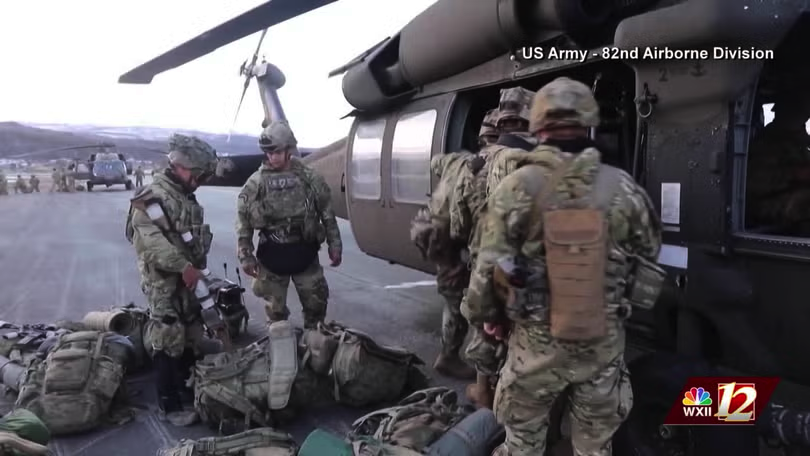 Donald Trump has approved the deployment of troops from the 82nd Airborne Division to the Middle East, according to US media reports, as tensions continue between Washington and Iran. Get today's headlines by email The decision places a contingent of elite US forces on high alert, with deployment expected potentially within hours. Officials cited in reports said the force would likely include a battalion from the 1st Brigade Combat Team, alongside Major General Brandon Tegtmeier, the division’s commander, and supporting staff. Rapid response forces on standbyBased at Fort Bragg, the 82nd Airborne Division is designed for rapid global response. The unit states it can deploy within 18 hours of receiving orders and specialises in parachute assaults and securing strategic objectives ahead of larger military operations. The move comes amid ongoing US engagement with Iran, although no specific timeline for troop movement has been confirmed. History of overseas deploymentsThe 82nd Airborne has played a central role in several major US military operations over recent decades. These include the Gulf War, Operation Enduring Freedom and Operation Iraqi Freedom, as well as missions in Afghanistan under Operation Freedom’s Sentinel. Its rapid deployment capability has made it one of the US military’s most frequently mobilised units during international crises. Personal impact on military familiesFormer soldiers say such deployments often come with little warning. Retired serviceman Marquis Johnson, who previously served in the division, described the experience as fast-moving and unpredictable. “Within 48 hours you’re pretty much out of there,” he said, noting that troops can be placed on standby and then deployed with minimal notice. Johnson added that the uncertainty can be particularly difficult for families, especially during periods of heightened global tension. He urged relatives of service members to remain supportive and prepared for sudden departures. “You can get the word at any moment,” he said, adding that families should cherish time together given the risks involved in military service. Unclear operational scopeOfficials have not disclosed the specific mission or location for the potential deployment. The presence of senior command staff suggests the operation could expand depending on developments in the region. The decision underscores Washington’s readiness to respond quickly to escalating conditions in the Middle East, though the extent of US involvement remains uncertain. Join the discussion? Already a member? Adapted by ASEAN Now. Source 25 March 2026
 -
Exit polls in Denmark suggest a setback for Prime Minister Mette Frederiksen and her governing coalition following an early general election, raising uncertainty over who will form the next government. Get today's headlines by email According to projections by the Megafon research institute for broadcaster TV 2, all three parties in Frederiksen’s coalition are expected to lose ground. The figures indicate that neither the left-leaning nor right-leaning blocs are likely to secure a parliamentary majority. Coalition support weakensFrederiksen’s centre-left Social Democrats are projected to remain the largest party, but with around 21% of the vote—down significantly from their 27.5% share in the 2022 election. The outcome could leave Lars Løkke Rasmussen, the foreign minister and former prime minister, in a pivotal position. His centrist Moderate party may determine whether Frederiksen can remain in office for a third term. Campaign shaped by domestic concernsFrederiksen, 48, called the election months ahead of schedule, apparently hoping her leadership during tensions involving Donald Trump and his interest in Greenland would strengthen her standing with voters. However, the campaign largely focused on domestic issues, particularly rising living costs, pensions and taxation. Analysts say these concerns appear to have outweighed foreign policy considerations at the ballot box. A lawmaker from the Social Democrats acknowledged that the government’s attention to international crises, including support for Ukraine, may have come at the expense of domestic priorities. Fragmented political landscapeDenmark’s proportional representation system typically produces coalition governments, often after prolonged negotiations. No single party is expected to come close to a majority in the 179-seat Folketing. Frederiksen’s current administration is notable for bridging the traditional divide between left- and right-leaning parties, but that model now faces uncertainty. Two centre-right figures are positioning themselves as potential alternatives. Defence Minister Troels Lund Poulsen of the Venstre party and Alex Vanopslagh of the Liberal Alliance both aim to form a new government, though exit polls suggest their parties may also struggle to gain decisive ground. Meanwhile, the anti-immigration Danish People’s Party is projected to improve its performance compared with its weak showing in the previous election. Greenland issue fadesDespite earlier tensions over Greenland, the issue played a limited role during the campaign. There is broad political agreement in Denmark over the territory’s status within the kingdom. Relations between Copenhagen and Washington have stabilised in recent months, following earlier disputes over US ambitions in the Arctic region. With no clear majority emerging, negotiations to form a government are expected to be complex and could determine whether Frederiksen retains power or a new coalition takes shape. Join the discussion? Already a member? Adapted by ASEAN Now. Source 25 March 2026 View full article
-
 Exit polls in Denmark suggest a setback for Prime Minister Mette Frederiksen and her governing coalition following an early general election, raising uncertainty over who will form the next government. Get today's headlines by email According to projections by the Megafon research institute for broadcaster TV 2, all three parties in Frederiksen’s coalition are expected to lose ground. The figures indicate that neither the left-leaning nor right-leaning blocs are likely to secure a parliamentary majority. Coalition support weakensFrederiksen’s centre-left Social Democrats are projected to remain the largest party, but with around 21% of the vote—down significantly from their 27.5% share in the 2022 election. The outcome could leave Lars Løkke Rasmussen, the foreign minister and former prime minister, in a pivotal position. His centrist Moderate party may determine whether Frederiksen can remain in office for a third term. Campaign shaped by domestic concernsFrederiksen, 48, called the election months ahead of schedule, apparently hoping her leadership during tensions involving Donald Trump and his interest in Greenland would strengthen her standing with voters. However, the campaign largely focused on domestic issues, particularly rising living costs, pensions and taxation. Analysts say these concerns appear to have outweighed foreign policy considerations at the ballot box. A lawmaker from the Social Democrats acknowledged that the government’s attention to international crises, including support for Ukraine, may have come at the expense of domestic priorities. Fragmented political landscapeDenmark’s proportional representation system typically produces coalition governments, often after prolonged negotiations. No single party is expected to come close to a majority in the 179-seat Folketing. Frederiksen’s current administration is notable for bridging the traditional divide between left- and right-leaning parties, but that model now faces uncertainty. Two centre-right figures are positioning themselves as potential alternatives. Defence Minister Troels Lund Poulsen of the Venstre party and Alex Vanopslagh of the Liberal Alliance both aim to form a new government, though exit polls suggest their parties may also struggle to gain decisive ground. Meanwhile, the anti-immigration Danish People’s Party is projected to improve its performance compared with its weak showing in the previous election. Greenland issue fadesDespite earlier tensions over Greenland, the issue played a limited role during the campaign. There is broad political agreement in Denmark over the territory’s status within the kingdom. Relations between Copenhagen and Washington have stabilised in recent months, following earlier disputes over US ambitions in the Arctic region. With no clear majority emerging, negotiations to form a government are expected to be complex and could determine whether Frederiksen retains power or a new coalition takes shape. Join the discussion? Already a member? Adapted by ASEAN Now. Source 25 March 2026
 -
Football supporters have lodged a formal complaint with the European Commission, accusing FIFA of imposing excessive ticket prices for the 2026 World Cup. Get today's headlines by email The complaint was submitted by Football Supporters Europe (FSE) alongside consumer group Euroconsumers. They argue that FIFA has exploited its control over ticket sales to introduce unfair pricing practices. Allegations of Abuse of Market PowerIn a joint statement, the groups said FIFA effectively holds a monopoly on World Cup ticket distribution and has used that position to set conditions that would not exist in a competitive market. Ticket prices initially ranged from around $140 for group-stage matches to as much as $8,680 for the final. Even lower-tier final tickets were priced above $4,000, with costs subject to fluctuation under a dynamic pricing system being used at the tournament for the first time. Criticism of Dynamic PricingSupporters’ groups have strongly criticised the use of dynamic pricing, arguing that it turns access to matches into a bidding process that disadvantages ordinary fans. Els Bruggeman said the system inflates costs without adding value and risks excluding large numbers of supporters. FSE has called for ticket prices to be fixed during the next sales phase and for dynamic pricing to be halted for European buyers. Partial Price AdjustmentsFollowing a backlash when tickets first went on sale, FIFA introduced a limited number of lower-priced tickets, with some available for around $60 across all stages of the tournament. These were allocated to participating teams to distribute among loyal supporters. However, fan groups argue that the move does not address broader concerns about affordability and transparency in the ticketing process. Concerns Over Resale MarketAdditional criticism has been directed at FIFA’s official resale platform, where tickets have reportedly been listed far above their original prices. FSE said the governing body takes a commission of around 30% on resale transactions, further increasing costs for fans. Ronan Evain said supporters were being left with little choice but to pay inflated prices or miss out on attending matches. FIFA ResponseFIFA said it had not formally received the complaint but defended its approach, stating that it operates as a not-for-profit organisation and reinvests World Cup revenues into the development of football globally. Gianni Infantino has previously pointed to unprecedented demand for tickets, suggesting all matches at the expanded 2026 tournament are expected to sell out. Growing ScrutinyThe complaint marks a significant escalation in tensions between football authorities and supporter groups, with the issue now set to be examined at the European level. The 2026 World Cup, to be held across North America, will be the largest in the tournament’s history, increasing both demand and scrutiny over access for fans. Join the discussion? Already a member? Adapted by ASEAN Now. Source 25 March 2026 View full article
-
 Football supporters have lodged a formal complaint with the European Commission, accusing FIFA of imposing excessive ticket prices for the 2026 World Cup. Get today's headlines by email The complaint was submitted by Football Supporters Europe (FSE) alongside consumer group Euroconsumers. They argue that FIFA has exploited its control over ticket sales to introduce unfair pricing practices. Allegations of Abuse of Market PowerIn a joint statement, the groups said FIFA effectively holds a monopoly on World Cup ticket distribution and has used that position to set conditions that would not exist in a competitive market. Ticket prices initially ranged from around $140 for group-stage matches to as much as $8,680 for the final. Even lower-tier final tickets were priced above $4,000, with costs subject to fluctuation under a dynamic pricing system being used at the tournament for the first time. Criticism of Dynamic PricingSupporters’ groups have strongly criticised the use of dynamic pricing, arguing that it turns access to matches into a bidding process that disadvantages ordinary fans. Els Bruggeman said the system inflates costs without adding value and risks excluding large numbers of supporters. FSE has called for ticket prices to be fixed during the next sales phase and for dynamic pricing to be halted for European buyers. Partial Price AdjustmentsFollowing a backlash when tickets first went on sale, FIFA introduced a limited number of lower-priced tickets, with some available for around $60 across all stages of the tournament. These were allocated to participating teams to distribute among loyal supporters. However, fan groups argue that the move does not address broader concerns about affordability and transparency in the ticketing process. Concerns Over Resale MarketAdditional criticism has been directed at FIFA’s official resale platform, where tickets have reportedly been listed far above their original prices. FSE said the governing body takes a commission of around 30% on resale transactions, further increasing costs for fans. Ronan Evain said supporters were being left with little choice but to pay inflated prices or miss out on attending matches. FIFA ResponseFIFA said it had not formally received the complaint but defended its approach, stating that it operates as a not-for-profit organisation and reinvests World Cup revenues into the development of football globally. Gianni Infantino has previously pointed to unprecedented demand for tickets, suggesting all matches at the expanded 2026 tournament are expected to sell out. Growing ScrutinyThe complaint marks a significant escalation in tensions between football authorities and supporter groups, with the issue now set to be examined at the European level. The 2026 World Cup, to be held across North America, will be the largest in the tournament’s history, increasing both demand and scrutiny over access for fans. Join the discussion? Already a member? Adapted by ASEAN Now. Source 25 March 2026
 -
A powerful and unusual storm system is forecast to move across the Middle East this week, bringing the risk of flooding, dust storms and severe weather to several countries already affected by conflict involving Iran. Get today's headlines by email Weather systems are expected to begin affecting Israel and Lebanon on Wednesday, with scattered rain and thunderstorms developing during the day. Storm to Intensify Across RegionBy Thursday, forecasters say the system will strengthen significantly as it moves eastward, spreading across Syria and into the Arabian Peninsula. The most severe conditions are expected later in the week, with impacts extending to Saudi Arabia, Qatar, Kuwait, the United Arab Emirates and Iran. Risk of Severe Weather and FloodingThe storm is expected to bring intense thunderstorms capable of producing damaging winds exceeding 60 mph, large hail and the possibility of isolated tornadoes. Heavy rainfall is also forecast, with some areas likely to receive more than an inch of rain in a short period. This could trigger flash flooding, particularly in urban areas. Cities such as Dubai and Abu Dhabi, which typically receive limited annual rainfall, may be especially vulnerable to flooding if the heaviest downpours materialise. Dust Storms and Reduced VisibilityIn addition to rain and thunderstorms, forecasters warn of large dust storms, known as haboobs, developing across desert regions. These storms can significantly reduce visibility and bring strong, gusty winds. Such conditions may disrupt transport and daily activities across affected areas. Impact Extends Into IranParts of Iran are also expected to be affected by the system, with mountainous regions potentially seeing snowfall alongside heavy rain in lower areas. The arrival of severe weather comes at a time when the region is already facing heightened instability, raising concerns about additional disruption to infrastructure and daily life. Unusual Weather PatternMeteorologists say that while storms do occur in the Middle East, the scale and intensity of this system are unusual for the region. With impacts expected to last through Friday, authorities across multiple countries are likely to monitor conditions closely as the storm develops. Join the discussion? Already a member? Adapted by ASEAN Now. Source 25 March 2026 View full article
-
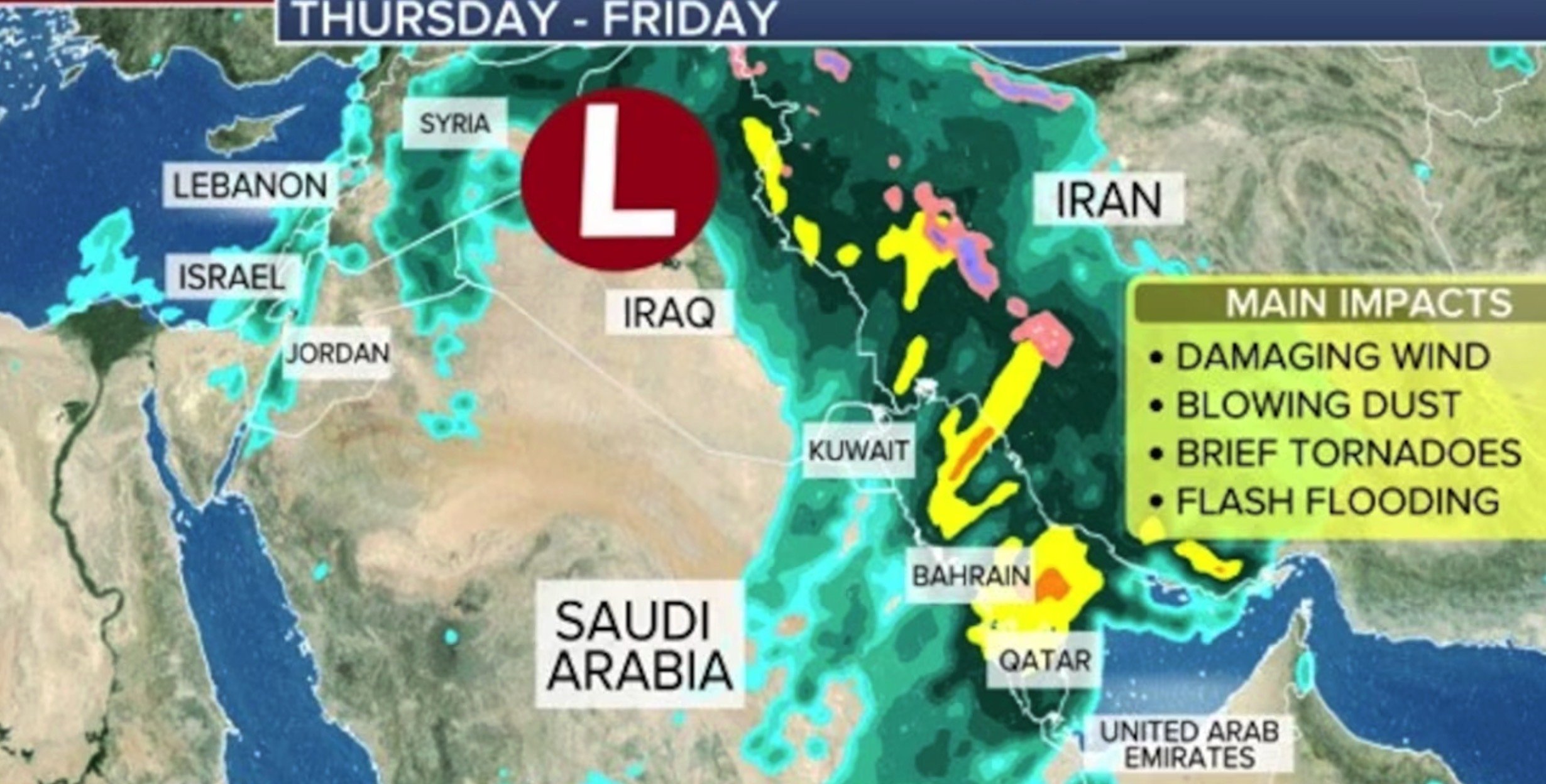 A powerful and unusual storm system is forecast to move across the Middle East this week, bringing the risk of flooding, dust storms and severe weather to several countries already affected by conflict involving Iran. Get today's headlines by email Weather systems are expected to begin affecting Israel and Lebanon on Wednesday, with scattered rain and thunderstorms developing during the day. Storm to Intensify Across RegionBy Thursday, forecasters say the system will strengthen significantly as it moves eastward, spreading across Syria and into the Arabian Peninsula. The most severe conditions are expected later in the week, with impacts extending to Saudi Arabia, Qatar, Kuwait, the United Arab Emirates and Iran. Risk of Severe Weather and FloodingThe storm is expected to bring intense thunderstorms capable of producing damaging winds exceeding 60 mph, large hail and the possibility of isolated tornadoes. Heavy rainfall is also forecast, with some areas likely to receive more than an inch of rain in a short period. This could trigger flash flooding, particularly in urban areas. Cities such as Dubai and Abu Dhabi, which typically receive limited annual rainfall, may be especially vulnerable to flooding if the heaviest downpours materialise. Dust Storms and Reduced VisibilityIn addition to rain and thunderstorms, forecasters warn of large dust storms, known as haboobs, developing across desert regions. These storms can significantly reduce visibility and bring strong, gusty winds. Such conditions may disrupt transport and daily activities across affected areas. Impact Extends Into IranParts of Iran are also expected to be affected by the system, with mountainous regions potentially seeing snowfall alongside heavy rain in lower areas. The arrival of severe weather comes at a time when the region is already facing heightened instability, raising concerns about additional disruption to infrastructure and daily life. Unusual Weather PatternMeteorologists say that while storms do occur in the Middle East, the scale and intensity of this system are unusual for the region. With impacts expected to last through Friday, authorities across multiple countries are likely to monitor conditions closely as the storm develops. Join the discussion? Already a member? Adapted by ASEAN Now. Source 25 March 2026
 -
Russia has carried out its largest aerial assault on Ukraine since the start of the war, launching hundreds of drones and missiles in a coordinated wave of attacks across the country. Get today's headlines by email According to Ukraine’s Air Force, a total of 948 drones were deployed within a 24-hour period, alongside dozens of missiles. The strikes hit multiple regions, including western areas that have generally seen fewer attacks during the conflict. Widespread Strikes Across CitiesIn the city of Lviv, a residential building near the historic Bernardine monastery—part of a UNESCO World Heritage site—was damaged. Local officials reported dozens of injuries. Further west, in the Ivano-Frankivsk region, a maternity hospital was struck, with authorities confirming fatalities and injuries, including a child. Additional damage was reported in Ternopil, though no casualties were recorded there. In central Ukraine, the city of Vinnytsia also came under attack, leaving at least one person dead and several others injured. Casualties and DamageAcross the country, at least eight people were reported killed in the combined daytime and overnight strikes, with dozens more injured. Ukrainian officials said that while air defences intercepted many incoming drones and missiles, a significant number still reached their targets. A spokesperson for the Ukrainian Air Force described the attack as one of the most extensive since the conflict began, noting that drones entered airspace in large समूह formations from the north and struck a wide geographical area. Kyiv Condemns EscalationPresident Volodymyr Zelensky said the scale of the assault demonstrated that Moscow had no intention of ending the war. “The scale of the latest attacks clearly shows that Russia has no intention of really ending this war,” he said in a video address. Russia has not publicly commented on the latest strikes. Conflict Continues UnabatedThe war, which began with Russia’s full-scale invasion in February 2022, continues with near-daily attacks on Ukrainian cities. While eastern regions remain the most heavily targeted, the latest strikes indicate a broader reach across the country. At the same time, Russian officials reported casualties in their own territory, with a drone strike in the Kursk region said to have killed one person and injured others. Efforts to broker a peace agreement have stalled in recent weeks, with international attention also focused on rising tensions in the Middle East. Ongoing Human ImpactUkrainian officials and public figures have stressed the human cost of the war, warning against growing global fatigue. Olena Zelenska said the suffering caused by the conflict must not be overlooked amid competing global crises. The latest escalation underscores the continued intensity of the war, as large-scale attacks persist with no immediate sign of de-escalation. Join the discussion? Already a member? Adapted by ASEAN Now. Source 25 March 2026 View full article
-
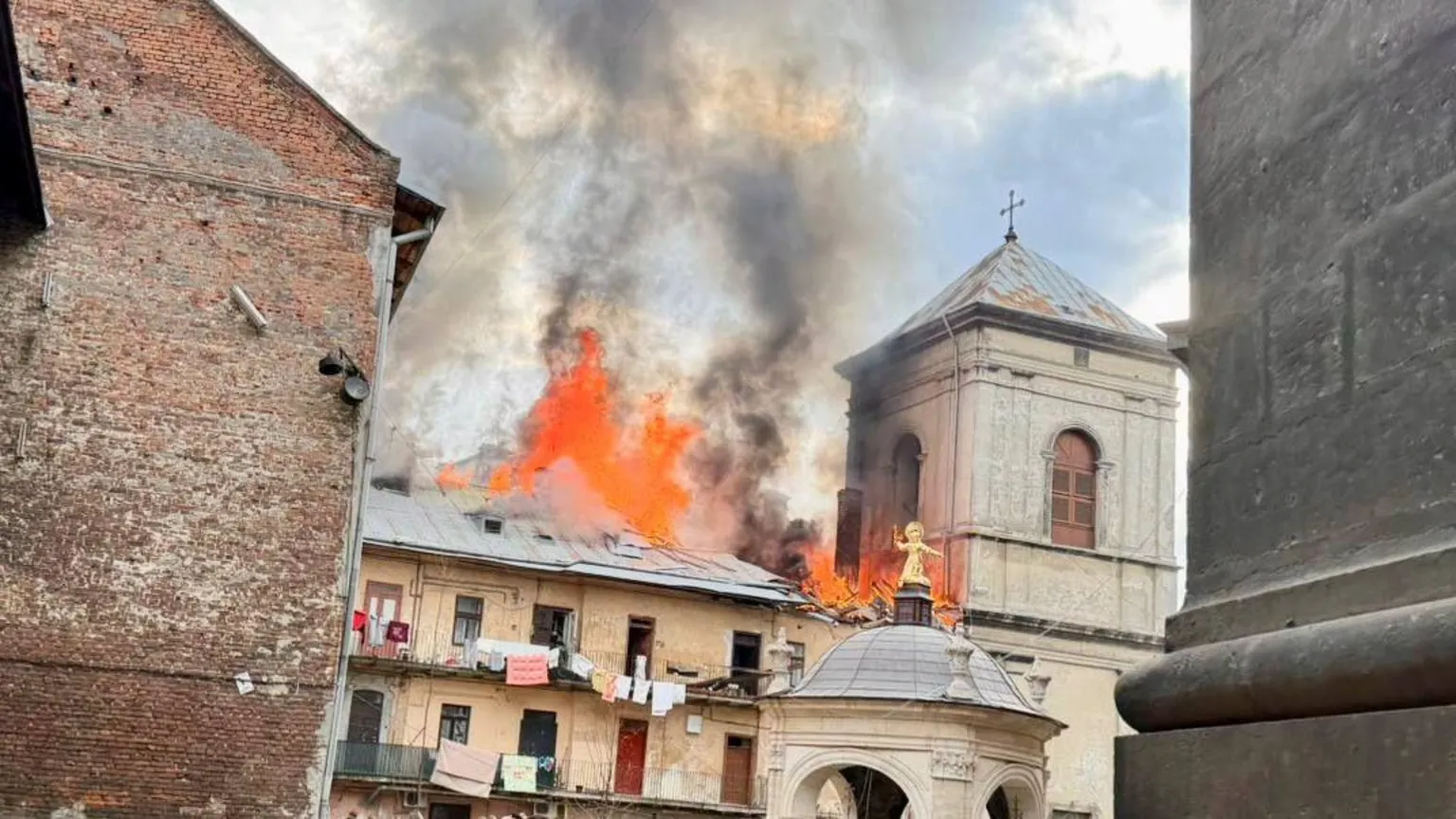 Russia has carried out its largest aerial assault on Ukraine since the start of the war, launching hundreds of drones and missiles in a coordinated wave of attacks across the country. Get today's headlines by email According to Ukraine’s Air Force, a total of 948 drones were deployed within a 24-hour period, alongside dozens of missiles. The strikes hit multiple regions, including western areas that have generally seen fewer attacks during the conflict. Widespread Strikes Across CitiesIn the city of Lviv, a residential building near the historic Bernardine monastery—part of a UNESCO World Heritage site—was damaged. Local officials reported dozens of injuries. Further west, in the Ivano-Frankivsk region, a maternity hospital was struck, with authorities confirming fatalities and injuries, including a child. Additional damage was reported in Ternopil, though no casualties were recorded there. In central Ukraine, the city of Vinnytsia also came under attack, leaving at least one person dead and several others injured. Casualties and DamageAcross the country, at least eight people were reported killed in the combined daytime and overnight strikes, with dozens more injured. Ukrainian officials said that while air defences intercepted many incoming drones and missiles, a significant number still reached their targets. A spokesperson for the Ukrainian Air Force described the attack as one of the most extensive since the conflict began, noting that drones entered airspace in large समूह formations from the north and struck a wide geographical area. Kyiv Condemns EscalationPresident Volodymyr Zelensky said the scale of the assault demonstrated that Moscow had no intention of ending the war. “The scale of the latest attacks clearly shows that Russia has no intention of really ending this war,” he said in a video address. Russia has not publicly commented on the latest strikes. Conflict Continues UnabatedThe war, which began with Russia’s full-scale invasion in February 2022, continues with near-daily attacks on Ukrainian cities. While eastern regions remain the most heavily targeted, the latest strikes indicate a broader reach across the country. At the same time, Russian officials reported casualties in their own territory, with a drone strike in the Kursk region said to have killed one person and injured others. Efforts to broker a peace agreement have stalled in recent weeks, with international attention also focused on rising tensions in the Middle East. Ongoing Human ImpactUkrainian officials and public figures have stressed the human cost of the war, warning against growing global fatigue. Olena Zelenska said the suffering caused by the conflict must not be overlooked amid competing global crises. The latest escalation underscores the continued intensity of the war, as large-scale attacks persist with no immediate sign of de-escalation. Join the discussion? Already a member? Adapted by ASEAN Now. Source 25 March 2026