
webfact
Admin
-
Joined
-
Last visited
Everything posted by webfact
-
More than 3,500 US troops have reached the Middle East as fighting linked to the Iran war intensifies across the region. US Central Command said the amphibious assault ship USS Tripoli arrived with about 2,500 Marines as part of the Tripoli Amphibious Ready Group and the 31st Marine Expeditionary Unit. Get today's headlines by email The vessel, previously stationed in Japan, sailed to the region roughly two weeks ago after receiving deployment orders. It is among the newest US amphibious warships and is designed to operate aircraft including F-35 stealth fighters and Osprey tilt-rotor aircraft. New US forces arriveCentral Command said the ship also carries transport and strike aircraft as well as amphibious assault capabilities. Additional naval forces are also heading to the region. The amphibious assault ship USS Boxer and two other vessels, along with another Marine Expeditionary Unit, have been ordered to deploy from San Diego. Strikes and missile attacksThe reinforcement comes as military operations linked to the conflict expand. According to Central Command, more than 11,000 targets have been struck since Operation Epic Fury began on Feb. 28. The deployment follows an Iranian attack that injured at least 10 US troops at Prince Sultan Air Base in Saudi Arabia. Iran launched six ballistic missiles and 29 drones at the installation. Two US service members were seriously wounded in the strike. US Secretary of State Marco Rubio said Washington believes it can meet its objectives without deploying ground forces. However, he said President Donald Trump must remain ready for multiple scenarios and retain military options. Conflict widens across regionThe conflict has disrupted global travel and energy markets. Iran’s control of the Strait of Hormuz has affected oil exports and pushed fuel prices higher. Iran-aligned Houthi rebels in Yemen said they had joined the conflict. Houthi military spokesman Yahya Saree said the group launched missile attacks against Israel to coincide with operations by Iran and Hezbollah. Israel said it intercepted at least one missile but did not immediately confirm further launches from Yemen. Analysts warn the Houthis could again threaten shipping through the Bab el-Mandeb Strait, a key route linking the Red Sea with the Gulf of Aden. The passage is vital for vessels travelling toward the Suez Canal. Around 12% of global trade moves through Bab el-Mandeb, while about 10% of maritime commerce — including 40% of container traffic — passes through the Suez Canal each year. Saudi Arabia has already redirected millions of barrels of crude oil daily through Bab el-Mandeb as shipping through Hormuz remains effectively blocked. Shipping risks growRenewed Houthi attacks could further destabilise maritime routes. Between November 2023 and January 2025, the group targeted more than 100 merchant vessels with missiles and drones, sinking two ships. The growing tensions could also complicate the future deployment of the aircraft carrier USS Gerald R. Ford, which recently arrived in Croatia for repairs. Sending the carrier to the Red Sea could expose it to attacks similar to those previously directed at the carriers USS Dwight D. Eisenhower in 2024 and USS Harry S. Truman in 2025. Meanwhile, diplomatic efforts remain stalled. Trump has given Iran until April 6 to reopen the Strait of Hormuz, while Tehran says no negotiations are under way. oin the discussion? Already a member? Adapted by ASEAN Now. Source 29 March 2026 View full article
-
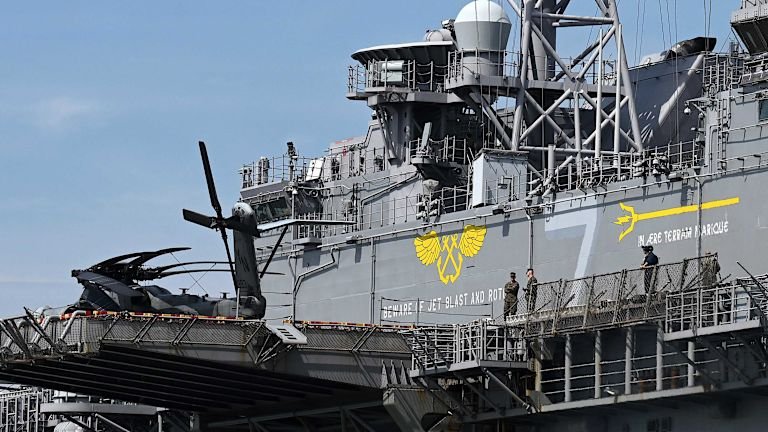 More than 3,500 US troops have reached the Middle East as fighting linked to the Iran war intensifies across the region. US Central Command said the amphibious assault ship USS Tripoli arrived with about 2,500 Marines as part of the Tripoli Amphibious Ready Group and the 31st Marine Expeditionary Unit. Get today's headlines by email The vessel, previously stationed in Japan, sailed to the region roughly two weeks ago after receiving deployment orders. It is among the newest US amphibious warships and is designed to operate aircraft including F-35 stealth fighters and Osprey tilt-rotor aircraft. New US forces arriveCentral Command said the ship also carries transport and strike aircraft as well as amphibious assault capabilities. Additional naval forces are also heading to the region. The amphibious assault ship USS Boxer and two other vessels, along with another Marine Expeditionary Unit, have been ordered to deploy from San Diego. Strikes and missile attacksThe reinforcement comes as military operations linked to the conflict expand. According to Central Command, more than 11,000 targets have been struck since Operation Epic Fury began on Feb. 28. The deployment follows an Iranian attack that injured at least 10 US troops at Prince Sultan Air Base in Saudi Arabia. Iran launched six ballistic missiles and 29 drones at the installation. Two US service members were seriously wounded in the strike. US Secretary of State Marco Rubio said Washington believes it can meet its objectives without deploying ground forces. However, he said President Donald Trump must remain ready for multiple scenarios and retain military options. Conflict widens across regionThe conflict has disrupted global travel and energy markets. Iran’s control of the Strait of Hormuz has affected oil exports and pushed fuel prices higher. Iran-aligned Houthi rebels in Yemen said they had joined the conflict. Houthi military spokesman Yahya Saree said the group launched missile attacks against Israel to coincide with operations by Iran and Hezbollah. Israel said it intercepted at least one missile but did not immediately confirm further launches from Yemen. Analysts warn the Houthis could again threaten shipping through the Bab el-Mandeb Strait, a key route linking the Red Sea with the Gulf of Aden. The passage is vital for vessels travelling toward the Suez Canal. Around 12% of global trade moves through Bab el-Mandeb, while about 10% of maritime commerce — including 40% of container traffic — passes through the Suez Canal each year. Saudi Arabia has already redirected millions of barrels of crude oil daily through Bab el-Mandeb as shipping through Hormuz remains effectively blocked. Shipping risks growRenewed Houthi attacks could further destabilise maritime routes. Between November 2023 and January 2025, the group targeted more than 100 merchant vessels with missiles and drones, sinking two ships. The growing tensions could also complicate the future deployment of the aircraft carrier USS Gerald R. Ford, which recently arrived in Croatia for repairs. Sending the carrier to the Red Sea could expose it to attacks similar to those previously directed at the carriers USS Dwight D. Eisenhower in 2024 and USS Harry S. Truman in 2025. Meanwhile, diplomatic efforts remain stalled. Trump has given Iran until April 6 to reopen the Strait of Hormuz, while Tehran says no negotiations are under way. oin the discussion? Already a member? Adapted by ASEAN Now. Source 29 March 2026
 -
Supporters of Donald Trump attending the Conservative Political Action Conference expressed strong loyalty to the US president while voicing concern about the impact of the war with Iran. Get today's headlines by email Many activists said they trusted Trump’s decision to launch military action but hoped the conflict would end quickly and avoid deeper US involvement. Attendees said the best outcome would involve a short campaign, falling fuel prices and no deployment of American ground troops. Some also said they hoped the Iranian public would overthrow the country’s leadership. Support for Trump mixed with uneaseHowever, several participants acknowledged uncertainty over how the conflict might develop. Kyle Sims, a Republican strategist from Texas, said he supported Trump’s handling of the war but had mixed feelings about the broader consequences. He said economic pressures, including high grocery prices, remain a major concern for many Americans. Sims added he opposed sending US troops into Iran and warned against repeating long military campaigns similar to those in Iraq and Afghanistan. War exposes divisions among RepublicansThe conflict has also highlighted differences within the Republican Party, where some factions question the risks of military escalation. Participants at CPAC said internal divisions could affect the party’s prospects in the upcoming midterm elections. Ron Eller, a Republican congressional candidate from Mississippi, said rising fuel costs were already causing political tension. He noted that filling his truck recently cost about $120, reflecting the economic strain many voters are experiencing. According to Eller, economic concerns could influence voting behaviour in the midterm elections because many voters prioritise their household finances. He said stabilising energy markets and reopening shipping routes such as the Strait of Hormuz would help ease pressure. Calls to avoid a prolonged warSeveral speakers warned that an extended conflict could erode public support. Mercedes Schlapp said Americans do not want a prolonged war, raising the issue during a panel discussion about Iran. Some participants argued that the preferred outcome would be a domestic uprising inside Iran rather than direct US intervention to change the government. Former White House adviser Steve Bannon told conference attendees that Americans should support Trump but also weigh the potential costs of the conflict. Bannon said the war could escalate to the point where US forces might be required to operate near strategic areas such as the Strait of Hormuz. Strong backing remains among activistsDespite the concerns, many activists voiced unwavering support for the president. Douglas Hoyt, a Trump supporter from West Virginia, said he fully trusted the president’s decisions and would continue backing him. Public figures also defended the administration’s actions. Actor Dean Cain argued that Iran had long been hostile toward the United States and said military action was necessary to address the threat. Another speaker, Reza Pahlavi, urged continued pressure on Iran’s leadership and called on supporters not to abandon the campaign. Pahlavi, the son of Iran’s last monarch, said the current leadership in Tehran was weakening and urged Western supporters to maintain their approach. Some attendees acknowledged that higher fuel prices could test public patience. Angela Paxton, a state senator in Texas, said voters may tolerate economic pressure temporarily if they believe the conflict serves a broader national purpose. But she warned public backing could weaken if the war drags on. Join the discussion? Already a member? Adapted by ASEAN Now. Source 29 March 2026 View full article
-
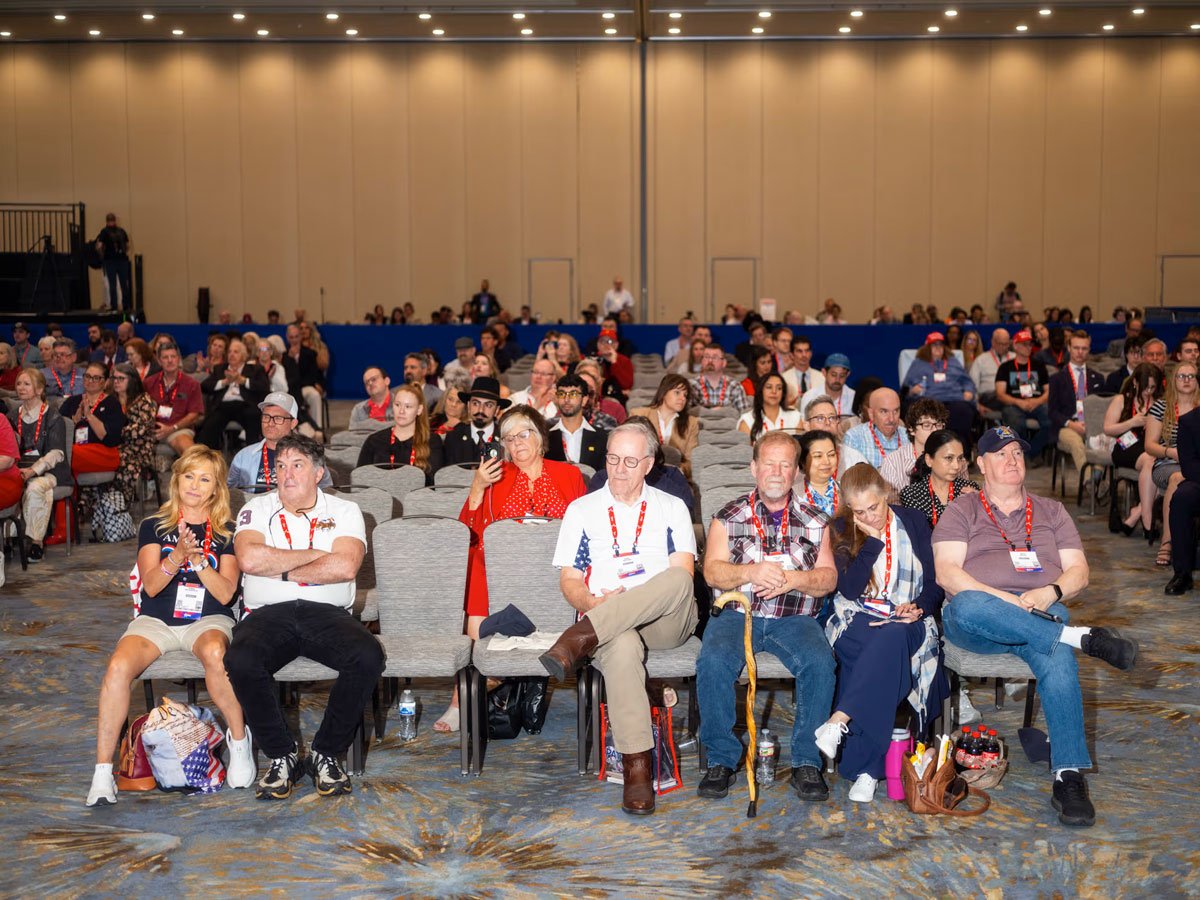 Supporters of Donald Trump attending the Conservative Political Action Conference expressed strong loyalty to the US president while voicing concern about the impact of the war with Iran. Get today's headlines by email Many activists said they trusted Trump’s decision to launch military action but hoped the conflict would end quickly and avoid deeper US involvement. Attendees said the best outcome would involve a short campaign, falling fuel prices and no deployment of American ground troops. Some also said they hoped the Iranian public would overthrow the country’s leadership. Support for Trump mixed with uneaseHowever, several participants acknowledged uncertainty over how the conflict might develop. Kyle Sims, a Republican strategist from Texas, said he supported Trump’s handling of the war but had mixed feelings about the broader consequences. He said economic pressures, including high grocery prices, remain a major concern for many Americans. Sims added he opposed sending US troops into Iran and warned against repeating long military campaigns similar to those in Iraq and Afghanistan. War exposes divisions among RepublicansThe conflict has also highlighted differences within the Republican Party, where some factions question the risks of military escalation. Participants at CPAC said internal divisions could affect the party’s prospects in the upcoming midterm elections. Ron Eller, a Republican congressional candidate from Mississippi, said rising fuel costs were already causing political tension. He noted that filling his truck recently cost about $120, reflecting the economic strain many voters are experiencing. According to Eller, economic concerns could influence voting behaviour in the midterm elections because many voters prioritise their household finances. He said stabilising energy markets and reopening shipping routes such as the Strait of Hormuz would help ease pressure. Calls to avoid a prolonged warSeveral speakers warned that an extended conflict could erode public support. Mercedes Schlapp said Americans do not want a prolonged war, raising the issue during a panel discussion about Iran. Some participants argued that the preferred outcome would be a domestic uprising inside Iran rather than direct US intervention to change the government. Former White House adviser Steve Bannon told conference attendees that Americans should support Trump but also weigh the potential costs of the conflict. Bannon said the war could escalate to the point where US forces might be required to operate near strategic areas such as the Strait of Hormuz. Strong backing remains among activistsDespite the concerns, many activists voiced unwavering support for the president. Douglas Hoyt, a Trump supporter from West Virginia, said he fully trusted the president’s decisions and would continue backing him. Public figures also defended the administration’s actions. Actor Dean Cain argued that Iran had long been hostile toward the United States and said military action was necessary to address the threat. Another speaker, Reza Pahlavi, urged continued pressure on Iran’s leadership and called on supporters not to abandon the campaign. Pahlavi, the son of Iran’s last monarch, said the current leadership in Tehran was weakening and urged Western supporters to maintain their approach. Some attendees acknowledged that higher fuel prices could test public patience. Angela Paxton, a state senator in Texas, said voters may tolerate economic pressure temporarily if they believe the conflict serves a broader national purpose. But she warned public backing could weaken if the war drags on. Join the discussion? Already a member? Adapted by ASEAN Now. Source 29 March 2026
 -
European allies say Russia is providing more direct support to Iran than the United States has publicly acknowledged, according to diplomatic sources. Get today's headlines by email Officials from several European countries have privately and publicly told American counterparts that Moscow is materially assisting Iran’s military activities. They argue the conflict involving Iran is increasingly linked to the war in Ukraine, pointing to growing cooperation between Moscow and Tehran. Europe warns of deeper Russia–Iran cooperationA British official said defence ties between the two countries have expanded significantly in recent years. According to the United Kingdom’s assessment, Iran supplied Shahed drones to Russia for use in Ukraine and also transferred production expertise. The official said this exchange has contributed to advances in Iran’s drone warfare capabilities, although they could not confirm any recent transfer of hardware from Russia to Iran. France and Ukraine raise intelligence concernsJean-Noël Barrot, foreign minister of France, described the relationship between Moscow and Tehran as “two-way cooperation”. He said there are reasons to believe Russia is now supporting Iran’s military efforts, particularly operations that could target American interests. Volodymyr Zelenskyy, president of Ukraine, said Kyiv possesses what he described as “irrefutable evidence” that Russia is supplying signals and electronic intelligence to Iran. According to Zelenskyy, intelligence briefings indicated Russian satellites photographed several facilities linked to the United States and its allies across the Middle East. Locations cited included the joint US–UK military base on Diego Garcia as well as sites in Kuwait, Saudi Arabia, Turkey and Qatar. Zelenskyy made the remarks while visiting the United Arab Emirates, where he has promoted Ukrainian anti-drone technology to Gulf states concerned about Iranian attacks. Washington plays down impactSenior US officials have taken a more cautious public stance on the extent of cooperation between Russia and Iran. Marco Rubio, the US secretary of state, said Moscow’s actions were not affecting American military operations. “There is nothing Russia is doing for Iran that is impeding or affecting our operation or its effectiveness,” Rubio told reporters following a meeting of the Group of Seven countries. However, other Western officials have taken a stronger view. Kaja Kallas, the European Union’s top diplomat, said Russia is providing intelligence support that could help Iran target American personnel. She told G7 leaders that Moscow was helping Tehran gather intelligence and providing drone-related assistance. Broader security concerns among alliesJohn Healey, the UK defence secretary, told the BBC News he believed the “hidden hand” of Vladimir Putin could be seen behind Iran’s military activities. US defence secretary Pete Hegseth said the administration of Donald Trump was closely monitoring contacts between the countries. A recent assessment from the Office of the Director of National Intelligence said there is “selective cooperation” among Russia, Iran, China and North Korea. The report said the countries share a goal of countering US influence but stopped short of describing their relationship as a full alliance. Meanwhile, demand is increasing among Israel, Gulf states and Ukraine for US-made missile interceptors used to defend against incoming attacks. Rubio said current transfers of defensive equipment to Ukraine had not yet been affected by rising demand in the Middle East, although he acknowledged the United States could redirect weapons in the future if necessary. Join the discussion? Already a member? Adapted by ASEAN Now. Source 29 March 2026 View full article
-
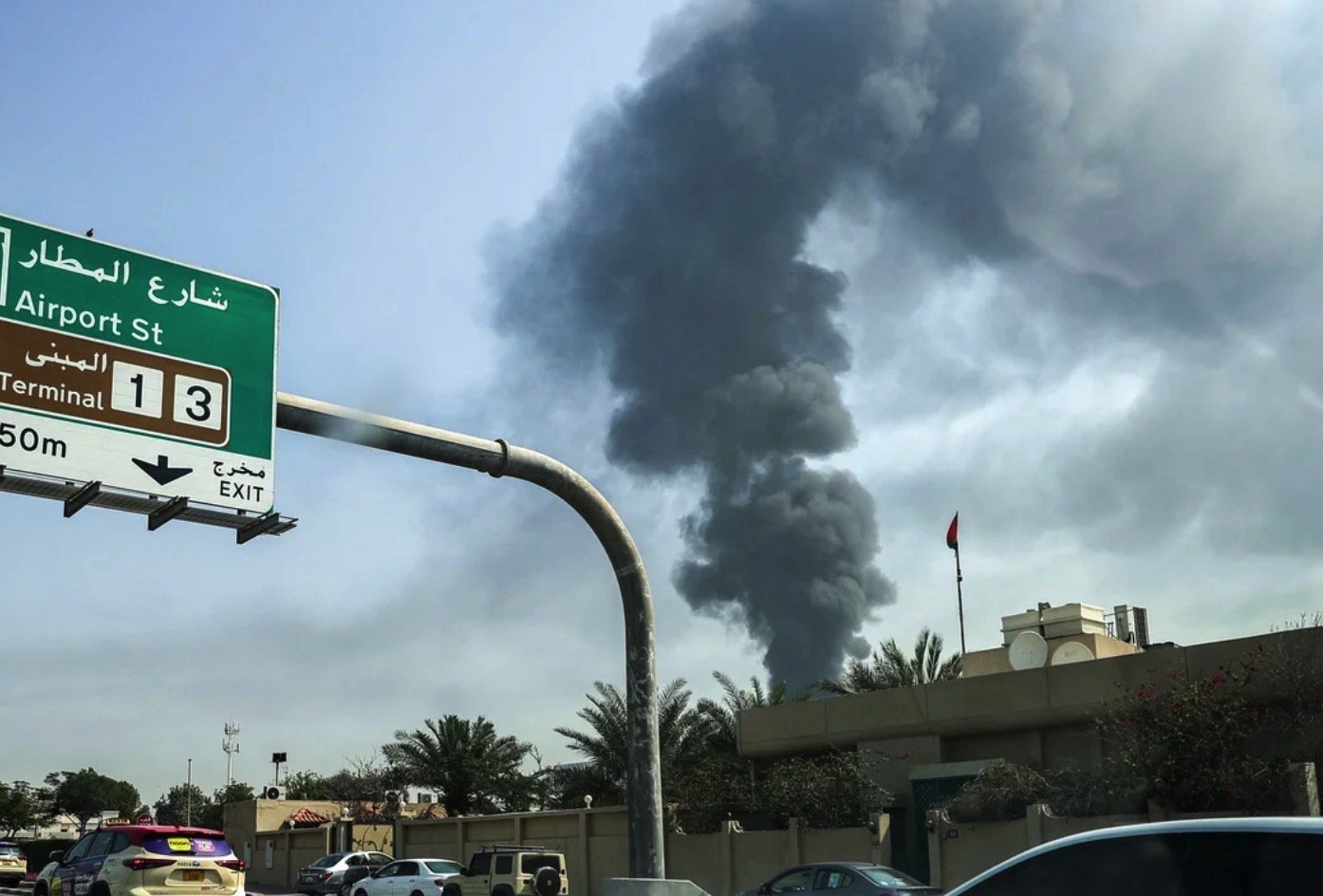 European allies say Russia is providing more direct support to Iran than the United States has publicly acknowledged, according to diplomatic sources. Get today's headlines by email Officials from several European countries have privately and publicly told American counterparts that Moscow is materially assisting Iran’s military activities. They argue the conflict involving Iran is increasingly linked to the war in Ukraine, pointing to growing cooperation between Moscow and Tehran. Europe warns of deeper Russia–Iran cooperationA British official said defence ties between the two countries have expanded significantly in recent years. According to the United Kingdom’s assessment, Iran supplied Shahed drones to Russia for use in Ukraine and also transferred production expertise. The official said this exchange has contributed to advances in Iran’s drone warfare capabilities, although they could not confirm any recent transfer of hardware from Russia to Iran. France and Ukraine raise intelligence concernsJean-Noël Barrot, foreign minister of France, described the relationship between Moscow and Tehran as “two-way cooperation”. He said there are reasons to believe Russia is now supporting Iran’s military efforts, particularly operations that could target American interests. Volodymyr Zelenskyy, president of Ukraine, said Kyiv possesses what he described as “irrefutable evidence” that Russia is supplying signals and electronic intelligence to Iran. According to Zelenskyy, intelligence briefings indicated Russian satellites photographed several facilities linked to the United States and its allies across the Middle East. Locations cited included the joint US–UK military base on Diego Garcia as well as sites in Kuwait, Saudi Arabia, Turkey and Qatar. Zelenskyy made the remarks while visiting the United Arab Emirates, where he has promoted Ukrainian anti-drone technology to Gulf states concerned about Iranian attacks. Washington plays down impactSenior US officials have taken a more cautious public stance on the extent of cooperation between Russia and Iran. Marco Rubio, the US secretary of state, said Moscow’s actions were not affecting American military operations. “There is nothing Russia is doing for Iran that is impeding or affecting our operation or its effectiveness,” Rubio told reporters following a meeting of the Group of Seven countries. However, other Western officials have taken a stronger view. Kaja Kallas, the European Union’s top diplomat, said Russia is providing intelligence support that could help Iran target American personnel. She told G7 leaders that Moscow was helping Tehran gather intelligence and providing drone-related assistance. Broader security concerns among alliesJohn Healey, the UK defence secretary, told the BBC News he believed the “hidden hand” of Vladimir Putin could be seen behind Iran’s military activities. US defence secretary Pete Hegseth said the administration of Donald Trump was closely monitoring contacts between the countries. A recent assessment from the Office of the Director of National Intelligence said there is “selective cooperation” among Russia, Iran, China and North Korea. The report said the countries share a goal of countering US influence but stopped short of describing their relationship as a full alliance. Meanwhile, demand is increasing among Israel, Gulf states and Ukraine for US-made missile interceptors used to defend against incoming attacks. Rubio said current transfers of defensive equipment to Ukraine had not yet been affected by rising demand in the Middle East, although he acknowledged the United States could redirect weapons in the future if necessary. Join the discussion? Already a member? Adapted by ASEAN Now. Source 29 March 2026
 -
Tens of thousands of demonstrators gathered in central London on Saturday for an anti far-right march organised by Together Alliance. Get today's headlines by email Protesters began assembling around 13:00 GMT before marching through the capital’s streets carrying banners with messages including “fight ignorance not immigrants” and “reject racist lies”. Large crowds march through central LondonOrganisers said as many as 500,000 people joined the demonstration. The Metropolitan Police Service estimated the turnout at roughly 50,000, noting that an exact count was difficult due to the spread of crowds across several areas. The march passed through central districts before converging near Whitehall for speeches and events. Arrests and police operations during protestPolice said two protesters were arrested on suspicion of criminal damage and causing a public nuisance after allegedly attempting to climb pillars near Trafalgar Square. Authorities later reported five additional arrests during the day as officers began clearing the demonstration area shortly after 17:00, the time police had set for the protest to end. Separately, 18 people were arrested at a demonstration outside New Scotland Yard on suspicion of supporting the activist group Palestine Action. Police also intervened earlier in the afternoon after counter-protesters appeared on Pall Mall along the main march route. Officers said the intervention prevented a possible breach of the peace. Politicians and celebrities support rallySeveral public figures backed the event, including comedian Lenny Henry and singer Paloma Faith. Musician Billy Bragg was expected to attend, while Leigh‑Anne Pinnock was scheduled to perform at a related event in Trafalgar Square. A video message from Sadiq Khan was also planned for the gathering at Whitehall. Political figures attending included Jeremy Corbyn, MP for Islington North, Diane Abbott of the Labour Party and Zack Polanski. Participants carried banners representing teachers’ unions, public service workers and fire brigades, alongside pro-immigration messages from groups across the United Kingdom. Demonstration follows earlier far-right rallyThe protest comes months after a large demonstration organised by far-right activist Tommy Robinson, whose real name is Stephen Yaxley-Lennon. That rally, held in London in September 2025 and titled Unite the Kingdom, drew between 110,000 and 150,000 people, according to estimates at the time. Police reported several arrests during that earlier event after tensions escalated and objects were thrown at officers, leaving some injured. Saturday’s march was partly organised in response to what campaigners say is growing support for far-right movements. Sabby Dhalu, joint secretary of Together Alliance, said organisers believe most people in Britain oppose racism and division and want to challenge far-right groups. The coalition says it represents more than seven million people through a network of trade unions, civil society organisations and faith groups. Join the discussion? Already a member? Adapted by ASEAN Now. Source 29 March 2026 View full article
-
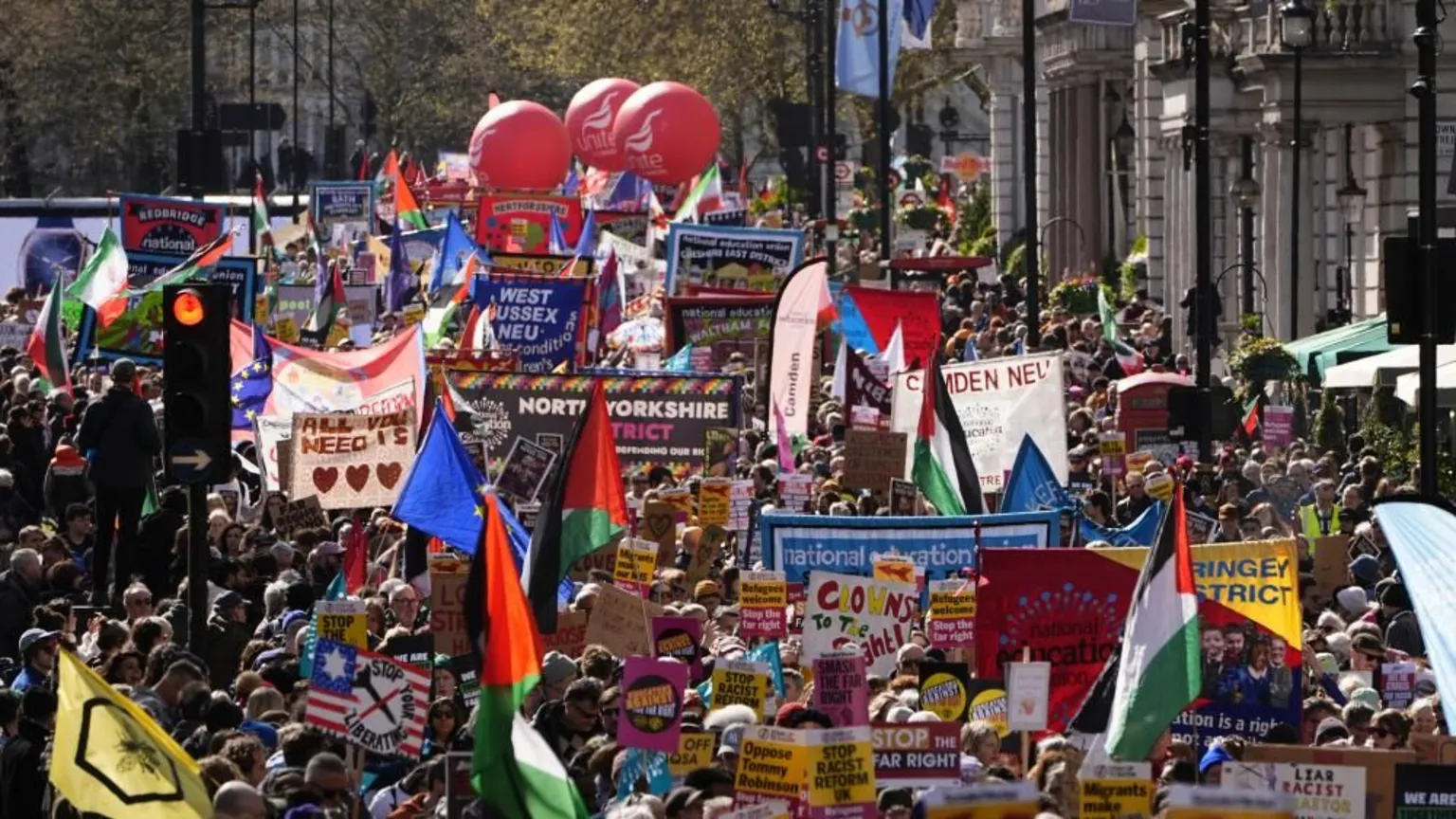 Tens of thousands of demonstrators gathered in central London on Saturday for an anti far-right march organised by Together Alliance. Get today's headlines by email Protesters began assembling around 13:00 GMT before marching through the capital’s streets carrying banners with messages including “fight ignorance not immigrants” and “reject racist lies”. Large crowds march through central LondonOrganisers said as many as 500,000 people joined the demonstration. The Metropolitan Police Service estimated the turnout at roughly 50,000, noting that an exact count was difficult due to the spread of crowds across several areas. The march passed through central districts before converging near Whitehall for speeches and events. Arrests and police operations during protestPolice said two protesters were arrested on suspicion of criminal damage and causing a public nuisance after allegedly attempting to climb pillars near Trafalgar Square. Authorities later reported five additional arrests during the day as officers began clearing the demonstration area shortly after 17:00, the time police had set for the protest to end. Separately, 18 people were arrested at a demonstration outside New Scotland Yard on suspicion of supporting the activist group Palestine Action. Police also intervened earlier in the afternoon after counter-protesters appeared on Pall Mall along the main march route. Officers said the intervention prevented a possible breach of the peace. Politicians and celebrities support rallySeveral public figures backed the event, including comedian Lenny Henry and singer Paloma Faith. Musician Billy Bragg was expected to attend, while Leigh‑Anne Pinnock was scheduled to perform at a related event in Trafalgar Square. A video message from Sadiq Khan was also planned for the gathering at Whitehall. Political figures attending included Jeremy Corbyn, MP for Islington North, Diane Abbott of the Labour Party and Zack Polanski. Participants carried banners representing teachers’ unions, public service workers and fire brigades, alongside pro-immigration messages from groups across the United Kingdom. Demonstration follows earlier far-right rallyThe protest comes months after a large demonstration organised by far-right activist Tommy Robinson, whose real name is Stephen Yaxley-Lennon. That rally, held in London in September 2025 and titled Unite the Kingdom, drew between 110,000 and 150,000 people, according to estimates at the time. Police reported several arrests during that earlier event after tensions escalated and objects were thrown at officers, leaving some injured. Saturday’s march was partly organised in response to what campaigners say is growing support for far-right movements. Sabby Dhalu, joint secretary of Together Alliance, said organisers believe most people in Britain oppose racism and division and want to challenge far-right groups. The coalition says it represents more than seven million people through a network of trade unions, civil society organisations and faith groups. Join the discussion? Already a member? Adapted by ASEAN Now. Source 29 March 2026
 -
The launch of new European Union biometric border checks at the Port of Dover and the Channel Tunnel has been delayed once more, officials say. Get today's headlines by email British travellers were expected to begin undergoing fingerprint and facial scans from 10 April when entering France. The checks form part of the EU’s new border management system. Biometric checks postponed againAuthorities say the postponement is due to continuing technical problems with the Entry/Exit System. In a statement, LeShuttle said the biometric process will begin only after formal approval is granted by authorities. The company added that the rollout will be introduced in a phased and coordinated way once the system is ready. French technology issues blamedOfficials at the Port of Dover said implementation cannot proceed until problems affecting the French technology are resolved and testing at the port is completed. Until then, existing border procedures will remain in place for travellers heading to France. Toby Howe of the Kent and Medway Resilience Forum said passengers will still need to provide extra information during French border checks. Travellers arriving at the port or the Channel Tunnel will have their passports scanned and may be asked additional questions to register them in the system. However, biometric data such as fingerprints and facial images will not yet be collected. New system aims to track travellersThe Entry/Exit System was proposed by the European Commission to strengthen border security and monitor visitors entering the Schengen area. It replaces the traditional passport stamp for travellers from outside the European Union entering the Schengen Area, which includes 29 countries. The system records information about when travellers enter and leave the bloc, allowing authorities to identify those who overstay their permitted time. The EU has been gradually introducing the system since October last year. Biometric checks are already used at the Kent ferry port for lorry drivers and coach passengers. Airports across the European Union are scheduled to introduce the full system from 10 April. Authorities say further updates will be issued once technical problems are resolved and a new implementation timetable is agreed. Join the discussion? Already a member? Adapted by ASEAN Now. Source 29 March 2026 View full article
-
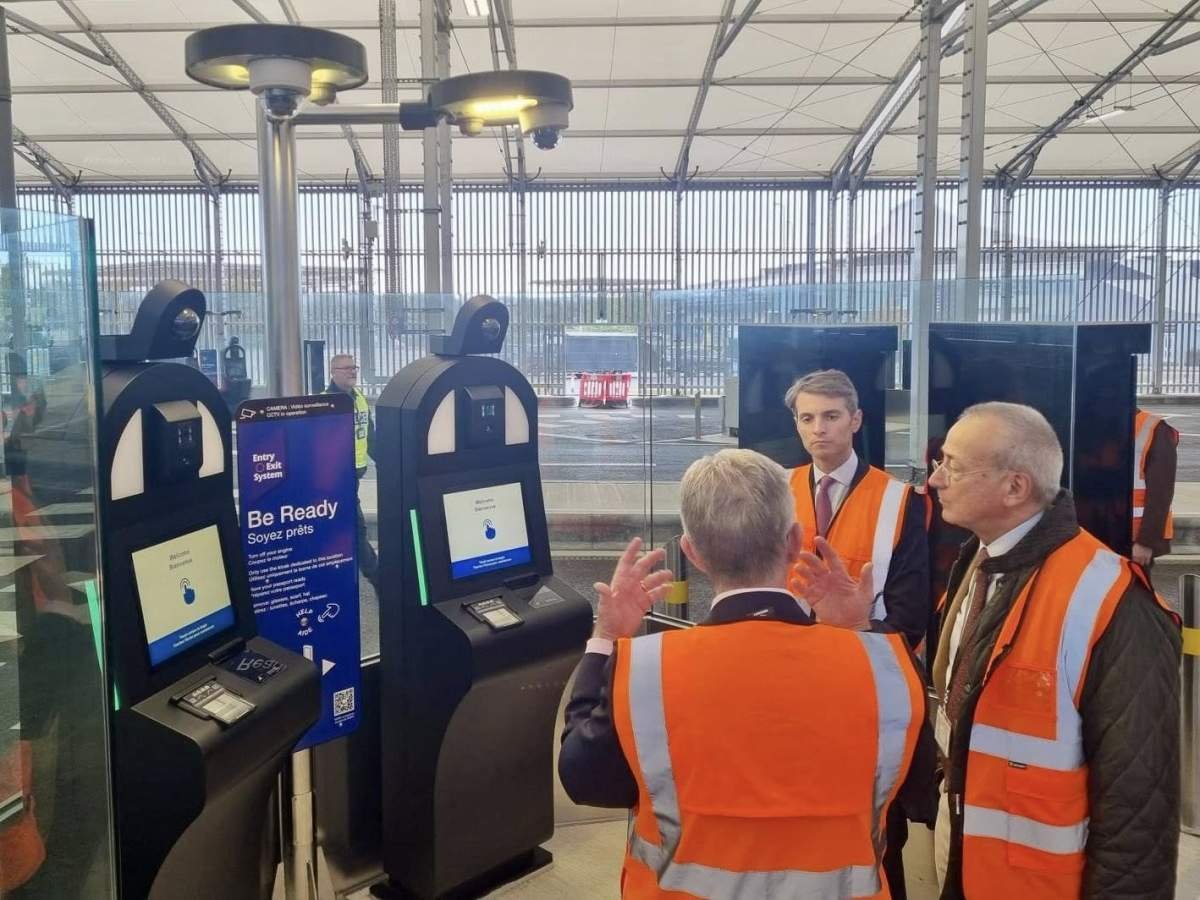 The launch of new European Union biometric border checks at the Port of Dover and the Channel Tunnel has been delayed once more, officials say. Get today's headlines by email British travellers were expected to begin undergoing fingerprint and facial scans from 10 April when entering France. The checks form part of the EU’s new border management system. Biometric checks postponed againAuthorities say the postponement is due to continuing technical problems with the Entry/Exit System. In a statement, LeShuttle said the biometric process will begin only after formal approval is granted by authorities. The company added that the rollout will be introduced in a phased and coordinated way once the system is ready. French technology issues blamedOfficials at the Port of Dover said implementation cannot proceed until problems affecting the French technology are resolved and testing at the port is completed. Until then, existing border procedures will remain in place for travellers heading to France. Toby Howe of the Kent and Medway Resilience Forum said passengers will still need to provide extra information during French border checks. Travellers arriving at the port or the Channel Tunnel will have their passports scanned and may be asked additional questions to register them in the system. However, biometric data such as fingerprints and facial images will not yet be collected. New system aims to track travellersThe Entry/Exit System was proposed by the European Commission to strengthen border security and monitor visitors entering the Schengen area. It replaces the traditional passport stamp for travellers from outside the European Union entering the Schengen Area, which includes 29 countries. The system records information about when travellers enter and leave the bloc, allowing authorities to identify those who overstay their permitted time. The EU has been gradually introducing the system since October last year. Biometric checks are already used at the Kent ferry port for lorry drivers and coach passengers. Airports across the European Union are scheduled to introduce the full system from 10 April. Authorities say further updates will be issued once technical problems are resolved and a new implementation timetable is agreed. Join the discussion? Already a member? Adapted by ASEAN Now. Source 29 March 2026
 -
French authorities say police foiled a suspected terrorist attack outside a building used by Bank of America in central Paris early on Saturday. Get today's headlines by email The incident occurred shortly before 03:30 local time when officers patrolling the area noticed suspicious activity near the bank’s premises. According to officials, a man attempted to detonate an improvised explosive device placed outside the building. Police intervened before the device could be ignited. Police stop suspected bombing attemptAuthorities said the suspect had left two bottles filled with flammable liquid that were taped together and attached to about 650 grams of explosive powder. Investigators say the man was trying to ignite the device with a lighter when officers moved in and arrested him. Second suspect escapes scenePolice said a second suspect was present during the incident and appeared to be filming from across the street using a mobile phone. That individual fled the area before officers could detain him and remains at large. Authorities have launched a search operation to locate the suspect. Officials did not immediately release details about the identities or possible motives of those involved. Investigators are examining whether the two suspects were working together as part of a planned attack. Officials describe incident as terrorismLaurent Nuñez praised police for their quick response, saying officers prevented what he described as a violent attack. In a message posted on social media, Nuñez said the attempted bombing was “of a terrorist nature” and credited the rapid intervention of police with stopping the device from being detonated. He added that security forces remain on high alert amid heightened international tensions. The investigation has been handed to the National Anti-Terrorist Prosecutor's Office, which is responsible for handling terrorism cases. Authorities said intelligence and security services are fully mobilised as the inquiry continues. Police have not announced whether additional suspects may be involved but said further updates would follow as the investigation progresses. Join the discussion? Already a member? Adapted by ASEAN Now. Source 29 March 2026 View full article
-
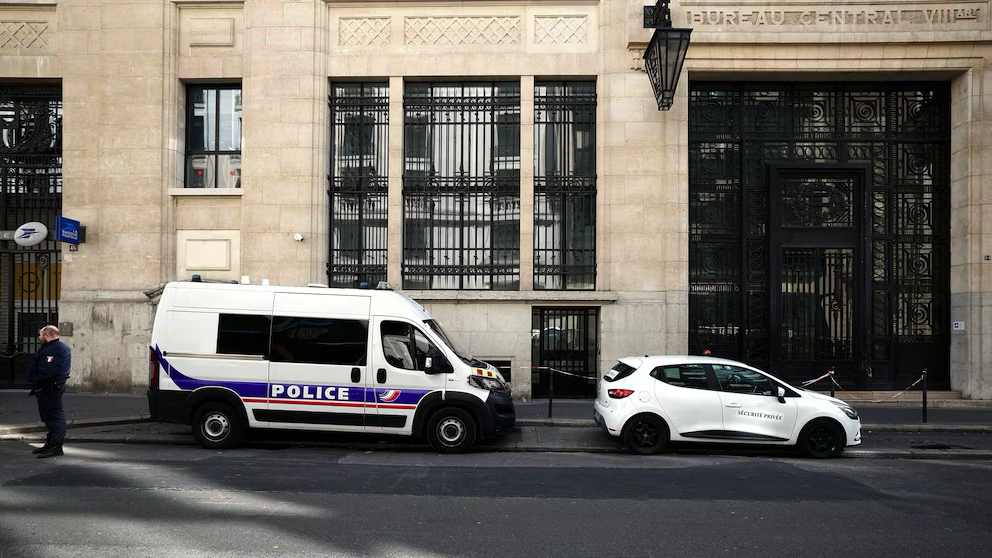 French authorities say police foiled a suspected terrorist attack outside a building used by Bank of America in central Paris early on Saturday. Get today's headlines by email The incident occurred shortly before 03:30 local time when officers patrolling the area noticed suspicious activity near the bank’s premises. According to officials, a man attempted to detonate an improvised explosive device placed outside the building. Police intervened before the device could be ignited. Police stop suspected bombing attemptAuthorities said the suspect had left two bottles filled with flammable liquid that were taped together and attached to about 650 grams of explosive powder. Investigators say the man was trying to ignite the device with a lighter when officers moved in and arrested him. Second suspect escapes scenePolice said a second suspect was present during the incident and appeared to be filming from across the street using a mobile phone. That individual fled the area before officers could detain him and remains at large. Authorities have launched a search operation to locate the suspect. Officials did not immediately release details about the identities or possible motives of those involved. Investigators are examining whether the two suspects were working together as part of a planned attack. Officials describe incident as terrorismLaurent Nuñez praised police for their quick response, saying officers prevented what he described as a violent attack. In a message posted on social media, Nuñez said the attempted bombing was “of a terrorist nature” and credited the rapid intervention of police with stopping the device from being detonated. He added that security forces remain on high alert amid heightened international tensions. The investigation has been handed to the National Anti-Terrorist Prosecutor's Office, which is responsible for handling terrorism cases. Authorities said intelligence and security services are fully mobilised as the inquiry continues. Police have not announced whether additional suspects may be involved but said further updates would follow as the investigation progresses. Join the discussion? Already a member? Adapted by ASEAN Now. Source 29 March 2026
 -
A man has been arrested after a car struck several pedestrians in central Derby on Saturday evening, leaving a number of people injured, police say. Get today's headlines by email Derbyshire Constabulary said the incident occurred on Friar Gate at about 21:30 and involved a black Suzuki Swift. Emergency services treated several people at the scene before taking them to hospital. Authorities said some of the injuries were serious. Police arrest driver after city centre collisionPolice said officers stopped a vehicle believed to be connected to the incident shortly afterwards. The driver, a man in his 30s, was arrested and taken into custody. Investigators said they do not believe the incident presents any continuing risk to the public. Major road closed as investigation beginsFriar Gate was closed following the collision as police secured the area and began their investigation. Authorities shut the road from the junction with Curzon Street and Cheapside up to Ford Street, urging the public to avoid the area while officers examine the scene. Police appealed for witnesses or anyone with relevant information to contact them urgently. They specifically asked for information about a black Suzuki Swift seen being driven in Derby around the time of the incident. Officials said further details would be released once more information becomes available. Witnesses describe confusion at nearby venuesPeople in nearby bars described scenes of confusion and distress as news of the incident spread. One local resident told the Derby Telegraph they had stepped outside a bar after hearing that several people had been struck by a vehicle. The witness said people nearby were frightened and uncertain about what had happened, with some worried friends might have been among those injured. Others were seen crying as word of the incident circulated through the area. Journalist Oscar Fisher visited the scene around midnight and said the normally busy nightlife district had become quiet. He reported that debris remained scattered along Friar Gate, a street typically crowded with students and residents on weekend nights. Local MP expresses shockCatherine Atkinson said she was deeply shocked by reports that several people had been injured in what she described as a serious incident in the city centre. In a statement posted online, she said her thoughts were with those hurt and thanked emergency services responding to the scene. Atkinson urged members of the public to follow police advice, avoid the area and provide information that might assist investigators. Police said they would release further updates as inquiries continue. Join the discussion? Already a member? Adapted by ASEAN Now. Source 29 March 2026 View full article
-
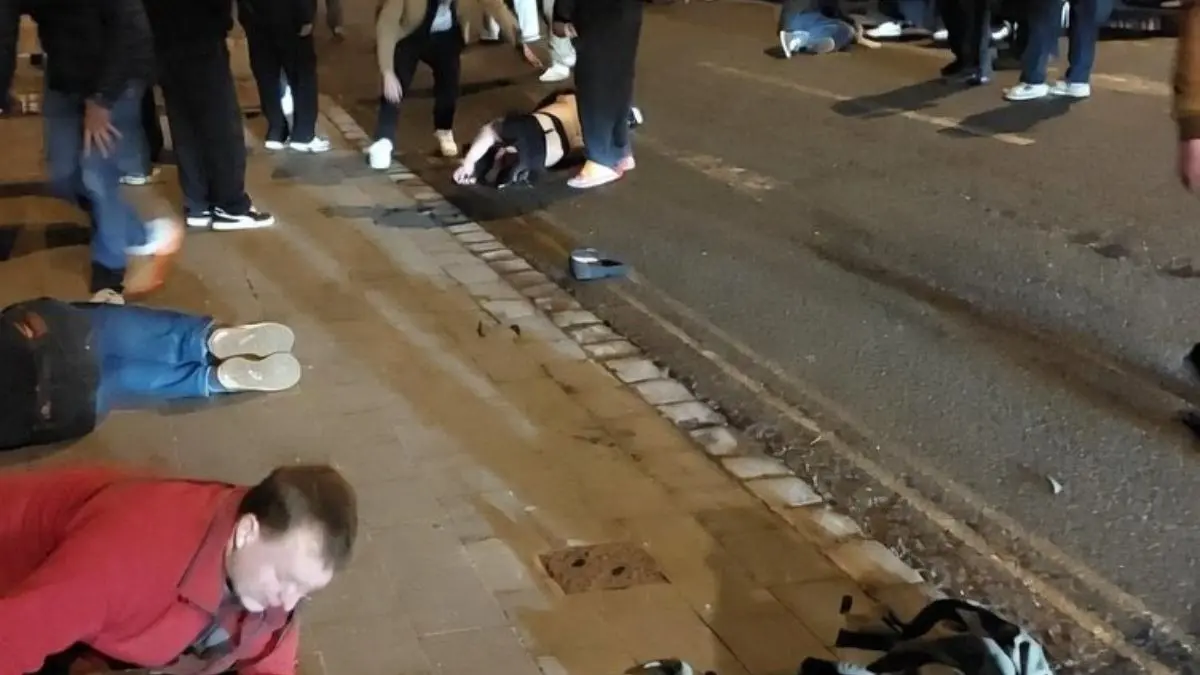 A man has been arrested after a car struck several pedestrians in central Derby on Saturday evening, leaving a number of people injured, police say. Get today's headlines by email Derbyshire Constabulary said the incident occurred on Friar Gate at about 21:30 and involved a black Suzuki Swift. Emergency services treated several people at the scene before taking them to hospital. Authorities said some of the injuries were serious. Police arrest driver after city centre collisionPolice said officers stopped a vehicle believed to be connected to the incident shortly afterwards. The driver, a man in his 30s, was arrested and taken into custody. Investigators said they do not believe the incident presents any continuing risk to the public. Major road closed as investigation beginsFriar Gate was closed following the collision as police secured the area and began their investigation. Authorities shut the road from the junction with Curzon Street and Cheapside up to Ford Street, urging the public to avoid the area while officers examine the scene. Police appealed for witnesses or anyone with relevant information to contact them urgently. They specifically asked for information about a black Suzuki Swift seen being driven in Derby around the time of the incident. Officials said further details would be released once more information becomes available. Witnesses describe confusion at nearby venuesPeople in nearby bars described scenes of confusion and distress as news of the incident spread. One local resident told the Derby Telegraph they had stepped outside a bar after hearing that several people had been struck by a vehicle. The witness said people nearby were frightened and uncertain about what had happened, with some worried friends might have been among those injured. Others were seen crying as word of the incident circulated through the area. Journalist Oscar Fisher visited the scene around midnight and said the normally busy nightlife district had become quiet. He reported that debris remained scattered along Friar Gate, a street typically crowded with students and residents on weekend nights. Local MP expresses shockCatherine Atkinson said she was deeply shocked by reports that several people had been injured in what she described as a serious incident in the city centre. In a statement posted online, she said her thoughts were with those hurt and thanked emergency services responding to the scene. Atkinson urged members of the public to follow police advice, avoid the area and provide information that might assist investigators. Police said they would release further updates as inquiries continue. Join the discussion? Already a member? Adapted by ASEAN Now. Source 29 March 2026
 -
Large demonstrations against Donald Trump took place across the United States on Saturday as part of the latest “No Kings” protests, with organisers criticising the president’s policies on immigration, the war in Iran and the cost of living. Get today's headlines by email Events were held in nearly every major American city, including New York City, Washington, D.C. and Los Angeles. Demonstrators marched through central districts and gathered at prominent landmarks. Nationwide rallies target Trump policiesIn Washington, crowds filled the National Mall and assembled on the steps of the Lincoln Memorial. Protesters carried signs accusing the administration of undermining democratic institutions. Organisers said the rallies aimed to challenge what they describe as authoritarian tendencies in the White House. In a statement, they said power in the United States “belongs to the people, not to wannabe kings or their billionaire cronies”. A White House spokesperson dismissed the events as “Trump Derangement Therapy Sessions” and suggested only journalists were paying attention to the protests. Demonstrations spread across cities and townsLarge crowds gathered in major metropolitan areas while smaller communities also saw turnout. Demonstrations were reported in cities including Boston, Nashville and Houston, alongside smaller towns such as Shelbyville and Howell. In New York City, thousands gathered in Times Square before marching through Manhattan’s Midtown district. Police temporarily closed several streets to manage the crowds. Participants held banners opposing the war in Iran and the activities of U.S. Immigration and Customs Enforcement. Effigies of Trump, Vice President JD Vance and other administration figures appeared at some rallies. Several states deployed National Guard units as a precaution, although organisers said the demonstrations were intended to remain peaceful. Minnesota rally highlights immigration deathsOne of the most prominent events took place in St. Paul, where thousands gathered outside the state capitol. The protest referenced the deaths of two US citizens, Renee Nicole Good and Alex Pretti, who were killed by federal immigration agents in January. Their deaths prompted earlier nationwide demonstrations over immigration enforcement tactics. Several prominent Democratic politicians addressed the crowd, and musician Bruce Springsteen performed his song “Streets of Minneapolis”, which criticises immigration enforcement policies. The previous No Kings protests in October drew an estimated seven million participants across the United States, according to organisers. Debate over presidential powerSince returning to the White House in January 2025, Trump has used executive orders to dismantle parts of the federal government and deployed National Guard troops to US cities despite objections from some state governors. The president has also urged federal prosecutors to pursue legal cases against individuals he regards as political opponents. Trump says his actions are necessary to restore stability in a country he describes as being in crisis. In an interview with Fox News last year, he rejected accusations of authoritarian behaviour, saying: “They’re referring to me as a king. I’m not a king.” Critics argue some of the administration’s actions threaten democratic institutions and could violate the US constitution. Demonstrations were also reported outside the United States. American expatriates gathered in cities including Paris, London and Lisbon, calling for Trump’s impeachment and removal from office. Join the discussion? Already a member? Adapted by ASEAN Now. Source 29 March 2026 View full article
-
 Large demonstrations against Donald Trump took place across the United States on Saturday as part of the latest “No Kings” protests, with organisers criticising the president’s policies on immigration, the war in Iran and the cost of living. Get today's headlines by email Events were held in nearly every major American city, including New York City, Washington, D.C. and Los Angeles. Demonstrators marched through central districts and gathered at prominent landmarks. Nationwide rallies target Trump policiesIn Washington, crowds filled the National Mall and assembled on the steps of the Lincoln Memorial. Protesters carried signs accusing the administration of undermining democratic institutions. Organisers said the rallies aimed to challenge what they describe as authoritarian tendencies in the White House. In a statement, they said power in the United States “belongs to the people, not to wannabe kings or their billionaire cronies”. A White House spokesperson dismissed the events as “Trump Derangement Therapy Sessions” and suggested only journalists were paying attention to the protests. Demonstrations spread across cities and townsLarge crowds gathered in major metropolitan areas while smaller communities also saw turnout. Demonstrations were reported in cities including Boston, Nashville and Houston, alongside smaller towns such as Shelbyville and Howell. In New York City, thousands gathered in Times Square before marching through Manhattan’s Midtown district. Police temporarily closed several streets to manage the crowds. Participants held banners opposing the war in Iran and the activities of U.S. Immigration and Customs Enforcement. Effigies of Trump, Vice President JD Vance and other administration figures appeared at some rallies. Several states deployed National Guard units as a precaution, although organisers said the demonstrations were intended to remain peaceful. Minnesota rally highlights immigration deathsOne of the most prominent events took place in St. Paul, where thousands gathered outside the state capitol. The protest referenced the deaths of two US citizens, Renee Nicole Good and Alex Pretti, who were killed by federal immigration agents in January. Their deaths prompted earlier nationwide demonstrations over immigration enforcement tactics. Several prominent Democratic politicians addressed the crowd, and musician Bruce Springsteen performed his song “Streets of Minneapolis”, which criticises immigration enforcement policies. The previous No Kings protests in October drew an estimated seven million participants across the United States, according to organisers. Debate over presidential powerSince returning to the White House in January 2025, Trump has used executive orders to dismantle parts of the federal government and deployed National Guard troops to US cities despite objections from some state governors. The president has also urged federal prosecutors to pursue legal cases against individuals he regards as political opponents. Trump says his actions are necessary to restore stability in a country he describes as being in crisis. In an interview with Fox News last year, he rejected accusations of authoritarian behaviour, saying: “They’re referring to me as a king. I’m not a king.” Critics argue some of the administration’s actions threaten democratic institutions and could violate the US constitution. Demonstrations were also reported outside the United States. American expatriates gathered in cities including Paris, London and Lisbon, calling for Trump’s impeachment and removal from office. Join the discussion? Already a member? Adapted by ASEAN Now. Source 29 March 2026
 -
Australia’s right-wing populist party One Nation has recorded a significant electoral breakthrough, highlighting growing voter frustration with the country’s dominant political parties. Get today's headlines by email The party led by Pauline Hanson secured more than 20% of votes in a recent state election in South Australia, its strongest showing outside Hanson’s home state of Queensland. The result will deliver at least three seats for the party and marks the first time it has reached such levels of support in a state long dominated by the two major parties. Breakthrough vote signals shifting political moodAlthough Peter Malinauskas led the Labor Party to a decisive victory and increased his parliamentary majority, One Nation’s gains came largely at the expense of the conservative Liberal Party of Australia. Analysts say the result reflects broader shifts in Australian politics as voters increasingly turn to minor parties and independents. Kos Samaras, a former Labor strategist and co-director of the Redbridge polling firm, described the outcome as a troubling sign for the country’s established political forces. Cost-of-living pressures fuel supportEconomic concerns have played a central role in One Nation’s renewed momentum. The party has long campaigned on strict immigration policies, but rising housing costs and broader cost-of-living pressures have pushed many voters toward alternatives to the major parties. In South Australia, some voters said economic pressures drove their decision to abandon traditional political loyalties. Rising property prices and rental costs have become major concerns for households across the country. One Nation campaigned on increasing housing supply and limiting immigration levels, although immigration policy is set at the federal rather than state level. The party also broadened its campaign effort, fielding candidates across every electorate and recruiting high-profile figures such as former senator Cory Bernardi to lead its ticket. The result comes amid declining support for the Liberal-National Coalition and growing dissatisfaction with mainstream parties. A polarising figure in Australian politicsHanson has remained one of the most controversial figures in Australia’s political landscape for decades. She first entered parliament in 1996 after winning a Queensland seat in a dramatic upset, shortly after being disendorsed by the Liberal Party. Her maiden speech drew widespread attention for comments warning Australia risked being “swamped by Asians”. Her party, the One Nation, achieved rapid early success but soon struggled to maintain support. Hanson lost her parliamentary seat in 1998 and spent years outside federal politics before returning to the Senate in 2016. During that period she remained a high-profile and often divisive figure. In 2003 she was briefly jailed on electoral fraud charges before the conviction was later overturned on appeal. She has also faced legal action over remarks judged to have racially vilified another senator. Despite repeated controversies, supporters view Hanson as an outsider who challenges political elites and speaks for voters who feel ignored by mainstream parties. Limits to a populist breakthroughWhile One Nation’s recent performance has drawn attention, experts say structural barriers remain. Australia’s preferential voting system requires voters to rank candidates in order of preference, a process that tends to favour established parties. Voting is also compulsory, which analysts say reduces the likelihood of sudden political swings. Scholars argue that while populist parties can gain influence, replacing the long-standing dominance of Labor and the conservative Coalition remains difficult. Nevertheless, analysts warn that growing support for minor parties signals deepening dissatisfaction among voters who believe traditional parties no longer address economic concerns or social change. For Hanson, the South Australia result marks an opportunity to expand the party’s reach. She has already pointed to upcoming elections in other states and federal contests as potential next steps in building support. Join the discussion? Already a member? Adapted by ASEAN Now. Source 28 March 2026 View full article
-
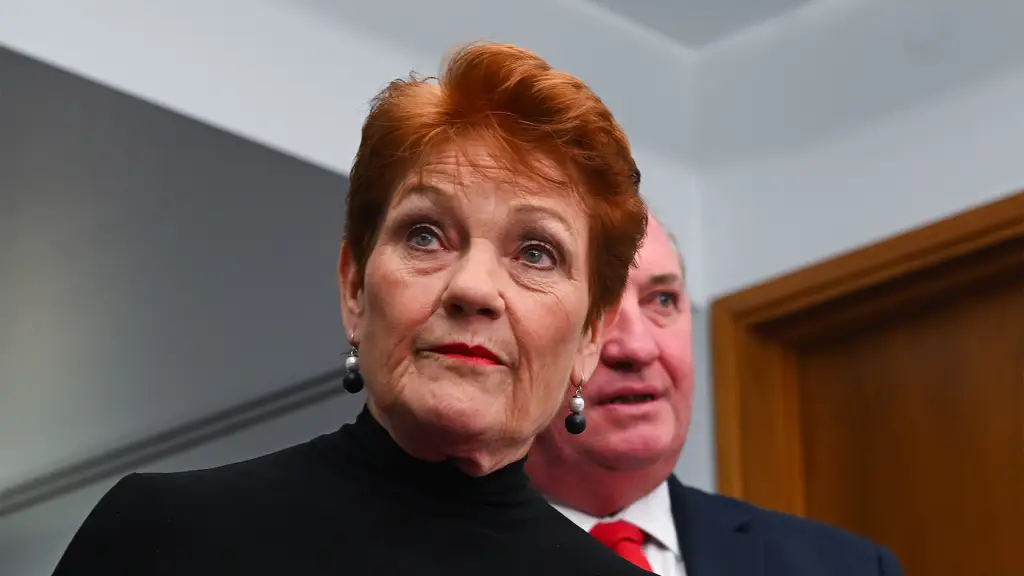 Australia’s right-wing populist party One Nation has recorded a significant electoral breakthrough, highlighting growing voter frustration with the country’s dominant political parties. Get today's headlines by email The party led by Pauline Hanson secured more than 20% of votes in a recent state election in South Australia, its strongest showing outside Hanson’s home state of Queensland. The result will deliver at least three seats for the party and marks the first time it has reached such levels of support in a state long dominated by the two major parties. Breakthrough vote signals shifting political moodAlthough Peter Malinauskas led the Labor Party to a decisive victory and increased his parliamentary majority, One Nation’s gains came largely at the expense of the conservative Liberal Party of Australia. Analysts say the result reflects broader shifts in Australian politics as voters increasingly turn to minor parties and independents. Kos Samaras, a former Labor strategist and co-director of the Redbridge polling firm, described the outcome as a troubling sign for the country’s established political forces. Cost-of-living pressures fuel supportEconomic concerns have played a central role in One Nation’s renewed momentum. The party has long campaigned on strict immigration policies, but rising housing costs and broader cost-of-living pressures have pushed many voters toward alternatives to the major parties. In South Australia, some voters said economic pressures drove their decision to abandon traditional political loyalties. Rising property prices and rental costs have become major concerns for households across the country. One Nation campaigned on increasing housing supply and limiting immigration levels, although immigration policy is set at the federal rather than state level. The party also broadened its campaign effort, fielding candidates across every electorate and recruiting high-profile figures such as former senator Cory Bernardi to lead its ticket. The result comes amid declining support for the Liberal-National Coalition and growing dissatisfaction with mainstream parties. A polarising figure in Australian politicsHanson has remained one of the most controversial figures in Australia’s political landscape for decades. She first entered parliament in 1996 after winning a Queensland seat in a dramatic upset, shortly after being disendorsed by the Liberal Party. Her maiden speech drew widespread attention for comments warning Australia risked being “swamped by Asians”. Her party, the One Nation, achieved rapid early success but soon struggled to maintain support. Hanson lost her parliamentary seat in 1998 and spent years outside federal politics before returning to the Senate in 2016. During that period she remained a high-profile and often divisive figure. In 2003 she was briefly jailed on electoral fraud charges before the conviction was later overturned on appeal. She has also faced legal action over remarks judged to have racially vilified another senator. Despite repeated controversies, supporters view Hanson as an outsider who challenges political elites and speaks for voters who feel ignored by mainstream parties. Limits to a populist breakthroughWhile One Nation’s recent performance has drawn attention, experts say structural barriers remain. Australia’s preferential voting system requires voters to rank candidates in order of preference, a process that tends to favour established parties. Voting is also compulsory, which analysts say reduces the likelihood of sudden political swings. Scholars argue that while populist parties can gain influence, replacing the long-standing dominance of Labor and the conservative Coalition remains difficult. Nevertheless, analysts warn that growing support for minor parties signals deepening dissatisfaction among voters who believe traditional parties no longer address economic concerns or social change. For Hanson, the South Australia result marks an opportunity to expand the party’s reach. She has already pointed to upcoming elections in other states and federal contests as potential next steps in building support. Join the discussion? Already a member? Adapted by ASEAN Now. Source 28 March 2026
 -
Police in Scotland and Spain have arrested 13 people during coordinated early-morning raids linked to organised crime. The operation followed a two-year investigation involving Scottish authorities, the National Crime Agency and Spanish law enforcement. Get today's headlines by email Officers targeted suspected members of the Lyons crime group, long regarded as one of Scotland’s most influential criminal organisations. Investigators say the probe focused on alleged involvement in activities including drug trafficking and money laundering. Pre-dawn raids across two countriesPolice stressed the inquiry began well before the gangland feud that erupted in central Scotland last year. They also said the arrests were not connected to the killings of two senior Lyons figures on Spain’s Costa del Sol in 2025. Arrests in Scotland and SpainThe coordinated raids began before dawn. Officers gathered for briefings at a police station in Motherwell before moving to locations across Lanarkshire and other parts of Scotland. For security reasons, the identities of officers involved in the operation were not disclosed. One raid in a residential estate saw public order officers force entry to a detached property using specialist equipment. A man was later taken into custody as officers searched the house. In Scotland, eight suspects were arrested at properties in Bellshill, Glasgow, Gartcosh, Whitburn, Caldercruix, Cumbernauld and Coatbridge. Spanish police detained five more people in the Málaga area and Barcelona. Detective Chief Inspector George Calder said the operation was the result of years of investigative work carried out jointly by Scottish authorities, the NCA and Spain’s Guardia Civil. Investigators from Scotland were also deployed in Spain to support local officers and share intelligence. International effort targets organised crimeAuthorities said the operation demonstrates the growing international cooperation used to combat organised crime networks. Police warned that individuals linked to criminal activity abroad should not assume they are beyond the reach of law enforcement. Officers from Europol supported the operation alongside investigators in the Netherlands, Türkiye and the United Arab Emirates. Authorities in Türkiye also seized assets believed to be connected to the investigation. The confiscated property included two plots of land and a villa valued at about €600,000, along with company shares. Statements were also taken from four Turkish citizens as witnesses. Long-running gang rivalryThe Lyons family has been a major force in Scotland’s criminal underworld for more than two decades. The group expanded its influence under former leader Eddie Lyons Sr, who allegedly used a Glasgow community centre as a base of operations during the early 1990s. A long-standing feud with the Daniel crime family began in 2001 following accusations that a cocaine stash had been stolen from a house in Glasgow. The rivalry triggered years of violent confrontations. More recently, the conflict resurfaced after the 2025 killings of Eddie Lyons Jr and associate Ross Monaghan at a bar in Fuengirola, Spain. Authorities say the current investigation is unrelated to those murders. Suspects arrested in the latest raids are expected to appear in court in the coming days as the investigation continues. Join the discussion? Already a member? Adapted by ASEAN Now. Source 28 March 2026 View full article
-
 Police in Scotland and Spain have arrested 13 people during coordinated early-morning raids linked to organised crime. The operation followed a two-year investigation involving Scottish authorities, the National Crime Agency and Spanish law enforcement. Get today's headlines by email Officers targeted suspected members of the Lyons crime group, long regarded as one of Scotland’s most influential criminal organisations. Investigators say the probe focused on alleged involvement in activities including drug trafficking and money laundering. Pre-dawn raids across two countriesPolice stressed the inquiry began well before the gangland feud that erupted in central Scotland last year. They also said the arrests were not connected to the killings of two senior Lyons figures on Spain’s Costa del Sol in 2025. Arrests in Scotland and SpainThe coordinated raids began before dawn. Officers gathered for briefings at a police station in Motherwell before moving to locations across Lanarkshire and other parts of Scotland. For security reasons, the identities of officers involved in the operation were not disclosed. One raid in a residential estate saw public order officers force entry to a detached property using specialist equipment. A man was later taken into custody as officers searched the house. In Scotland, eight suspects were arrested at properties in Bellshill, Glasgow, Gartcosh, Whitburn, Caldercruix, Cumbernauld and Coatbridge. Spanish police detained five more people in the Málaga area and Barcelona. Detective Chief Inspector George Calder said the operation was the result of years of investigative work carried out jointly by Scottish authorities, the NCA and Spain’s Guardia Civil. Investigators from Scotland were also deployed in Spain to support local officers and share intelligence. International effort targets organised crimeAuthorities said the operation demonstrates the growing international cooperation used to combat organised crime networks. Police warned that individuals linked to criminal activity abroad should not assume they are beyond the reach of law enforcement. Officers from Europol supported the operation alongside investigators in the Netherlands, Türkiye and the United Arab Emirates. Authorities in Türkiye also seized assets believed to be connected to the investigation. The confiscated property included two plots of land and a villa valued at about €600,000, along with company shares. Statements were also taken from four Turkish citizens as witnesses. Long-running gang rivalryThe Lyons family has been a major force in Scotland’s criminal underworld for more than two decades. The group expanded its influence under former leader Eddie Lyons Sr, who allegedly used a Glasgow community centre as a base of operations during the early 1990s. A long-standing feud with the Daniel crime family began in 2001 following accusations that a cocaine stash had been stolen from a house in Glasgow. The rivalry triggered years of violent confrontations. More recently, the conflict resurfaced after the 2025 killings of Eddie Lyons Jr and associate Ross Monaghan at a bar in Fuengirola, Spain. Authorities say the current investigation is unrelated to those murders. Suspects arrested in the latest raids are expected to appear in court in the coming days as the investigation continues. Join the discussion? Already a member? Adapted by ASEAN Now. Source 28 March 2026
 -
Germany is rapidly expanding its armed forces as officials warn that Russia’s growing military strength could threaten NATO territory within the decade. Get today's headlines by email General Carsten Breuer, the country’s top military commander, says Berlin must act quickly to prepare for a potential confrontation. He argues that Moscow’s increased recruitment and weapons production could enable a major conflict with NATO by 2029. Germany pushes major military build-upSpeaking at a military base in Munster, Breuer described the current security situation as one of the most dangerous in recent decades. He said Russia’s armed forces are expanding to nearly double the size they had before the war in Ukraine. Germany has responded by accelerating plans to strengthen its own military. Defence spending is projected to reach €162 billion by 2029, up from about €95 billion in 2025. The expansion includes increases in equipment, munitions production and troop numbers. Opinion polls show the plan enjoys strong domestic backing despite Germany’s long-standing caution about military power following the devastation caused by its armies during the 20th century. Deployment near Russia’s bordersGermany’s growing role is visible in the Baltic region. The country now maintains a permanent military presence in Lithuania for the first time since the Nazi occupation during the Second World War. Around 1,200 German soldiers are currently stationed there, with numbers expected to rise to nearly 5,000 by next year. The deployment is part of NATO’s effort to reinforce its eastern flank near Belarus, a close ally of Russia. During recent exercises, Germany’s Panzerbrigade 45 armoured brigade carried out live-fire drills simulating a possible attack from the east. The region sits on the vast Great European Plain, a flat stretch of land historically used as an invasion route during major wars. German officers stress that the military build-up is intended as part of NATO’s collective defence strategy rather than an attempt to dominate Europe. Shift in policy and defence spendingGermany’s rearmament marks a sharp change in national policy. For decades after the Second World War, the country kept its military relatively limited while relying heavily on the United States and NATO for security. That approach began to shift after Russia launched its full-scale invasion of Ukraine in 2022. In 2025 the German parliament also loosened strict constitutional limits on borrowing to allow increased defence spending. The government now aims to spend around 5 percent of its economic output on defence, a major jump from the roughly 1.2 percent average recorded between 2007 and 2017. At the same time, Germany is working to reduce dependence on American military equipment by expanding domestic arms production and prioritising purchases from German manufacturers. Europe’s security role evolvesGermany currently has about 182,000 active service members. Military leaders want to raise that number by roughly 20,000 within a year and by 60,000 over the next decade, supported by a reserve force of around 200,000 personnel. Officials say the goal is deterrence rather than war. By strengthening its military capabilities and coordinating closely with NATO partners, Germany hopes to discourage any future aggression from Russia. Analysts say the shift could place Berlin at the centre of Europe’s security framework as the continent reassesses its defence strategy in response to the war in Ukraine and uncertainty about long-term US involvement. Join the discussion? Already a member? Adapted by ASEAN Now. Source 28 March 2026 View full article
-
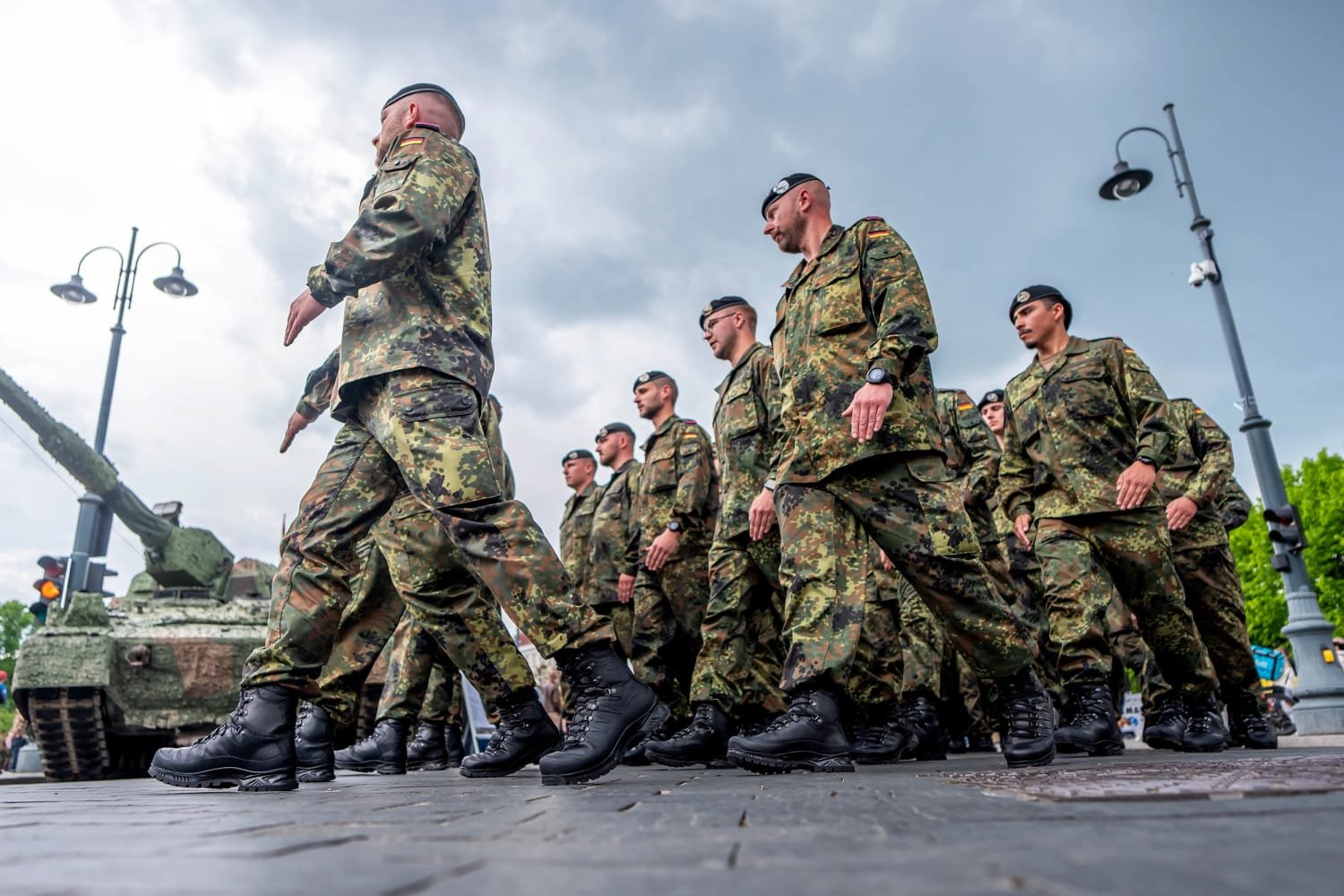 Germany is rapidly expanding its armed forces as officials warn that Russia’s growing military strength could threaten NATO territory within the decade. Get today's headlines by email General Carsten Breuer, the country’s top military commander, says Berlin must act quickly to prepare for a potential confrontation. He argues that Moscow’s increased recruitment and weapons production could enable a major conflict with NATO by 2029. Germany pushes major military build-upSpeaking at a military base in Munster, Breuer described the current security situation as one of the most dangerous in recent decades. He said Russia’s armed forces are expanding to nearly double the size they had before the war in Ukraine. Germany has responded by accelerating plans to strengthen its own military. Defence spending is projected to reach €162 billion by 2029, up from about €95 billion in 2025. The expansion includes increases in equipment, munitions production and troop numbers. Opinion polls show the plan enjoys strong domestic backing despite Germany’s long-standing caution about military power following the devastation caused by its armies during the 20th century. Deployment near Russia’s bordersGermany’s growing role is visible in the Baltic region. The country now maintains a permanent military presence in Lithuania for the first time since the Nazi occupation during the Second World War. Around 1,200 German soldiers are currently stationed there, with numbers expected to rise to nearly 5,000 by next year. The deployment is part of NATO’s effort to reinforce its eastern flank near Belarus, a close ally of Russia. During recent exercises, Germany’s Panzerbrigade 45 armoured brigade carried out live-fire drills simulating a possible attack from the east. The region sits on the vast Great European Plain, a flat stretch of land historically used as an invasion route during major wars. German officers stress that the military build-up is intended as part of NATO’s collective defence strategy rather than an attempt to dominate Europe. Shift in policy and defence spendingGermany’s rearmament marks a sharp change in national policy. For decades after the Second World War, the country kept its military relatively limited while relying heavily on the United States and NATO for security. That approach began to shift after Russia launched its full-scale invasion of Ukraine in 2022. In 2025 the German parliament also loosened strict constitutional limits on borrowing to allow increased defence spending. The government now aims to spend around 5 percent of its economic output on defence, a major jump from the roughly 1.2 percent average recorded between 2007 and 2017. At the same time, Germany is working to reduce dependence on American military equipment by expanding domestic arms production and prioritising purchases from German manufacturers. Europe’s security role evolvesGermany currently has about 182,000 active service members. Military leaders want to raise that number by roughly 20,000 within a year and by 60,000 over the next decade, supported by a reserve force of around 200,000 personnel. Officials say the goal is deterrence rather than war. By strengthening its military capabilities and coordinating closely with NATO partners, Germany hopes to discourage any future aggression from Russia. Analysts say the shift could place Berlin at the centre of Europe’s security framework as the continent reassesses its defence strategy in response to the war in Ukraine and uncertainty about long-term US involvement. Join the discussion? Already a member? Adapted by ASEAN Now. Source 28 March 2026
 -
An Afghan asylum seeker has been sentenced to 16 years in prison in the United Kingdom after abducting and raping a 12-year-old girl. Get today's headlines by email Ahmad Mulakhil, 23, was convicted of rape, child abduction, sexual assault and recording an indecent video following a trial at Warwick Crown Court. He had earlier admitted a separate count of raping a child under 13. Court convicts man of multiple offencesThe crimes occurred in July last year in Nuneaton and later triggered protests in the town. Judge Kristina Montgomery said the victim suffered serious psychological harm and ongoing trauma as a result of the attack. The girl had been left alone in a park in the dark after the assault, she said, and remained fearful her attacker might return. Mulakhil was ordered to serve 15 years in custody followed by an additional year on licence. Details of the attack presented at trialProsecutors said Mulakhil targeted the girl after encountering her earlier that day. Security camera footage shown in court captured him asking the victim her age before the attack. She told him she was 19, which the judge described as clearly untrue. Judge Montgomery told the court the jury had no doubt Mulakhil knew the girl was under 16. During the 10-day trial, jurors heard evidence from the victim describing the assault and saying the attacker laughed during the incident. The judge told Mulakhil his responsibility for the crime was at the highest level. She also noted that he had taken the girl to a secluded location before carrying out the assault, which increased the severity of the sentence. Mulakhil arrived in Britain by small boat about four months before the offences. Sentence and legal ordersAlongside the prison term, the court imposed an indefinite Sexual Harm Prevention Order and a permanent restraining order preventing Mulakhil from contacting the victim. The judge said the length of the sentence meets the threshold for deportation once he completes his prison term. Additional concurrent sentences were issued for related offences, including four years for child abduction and two years for recording the indecent video. Defence lawyer Marcus Harry told the court Mulakhil fled Afghanistan after coming under pressure from the Taliban. He said the defendant had intended to study economics at university. Judge Montgomery said she considered Mulakhil’s age, lack of previous convictions and his guilty plea to one charge when determining the sentence. Case sparks political debateThe case also prompted debate over how police disclose suspects’ nationality and immigration status. Two men were initially charged over the incident. A second defendant, Mohammad Kabir, was acquitted of all charges during the trial. The arrests led politicians including Nigel Farage, leader of Reform UK, to claim there had been a lack of transparency about the case. Warwickshire Police said at the time that national guidelines did not require forces to disclose nationality or immigration status once suspects were formally charged. Following the controversy, authorities encouraged police forces to consider releasing such information in high-profile investigations. Detective Chief Inspector Collette O'Keefe, who led the investigation, said the crime represented a serious breach of community values. She praised the victim for her courage in giving evidence, saying her testimony was crucial to securing the conviction. O’Keefe added that no prison term could erase the trauma the girl suffered, but expressed hope the verdict would mark the start of her path toward a safer and brighter future. Join the discussion? Already a member? Adapted by ASEAN Now. Source 28 March 2026 View full article
-
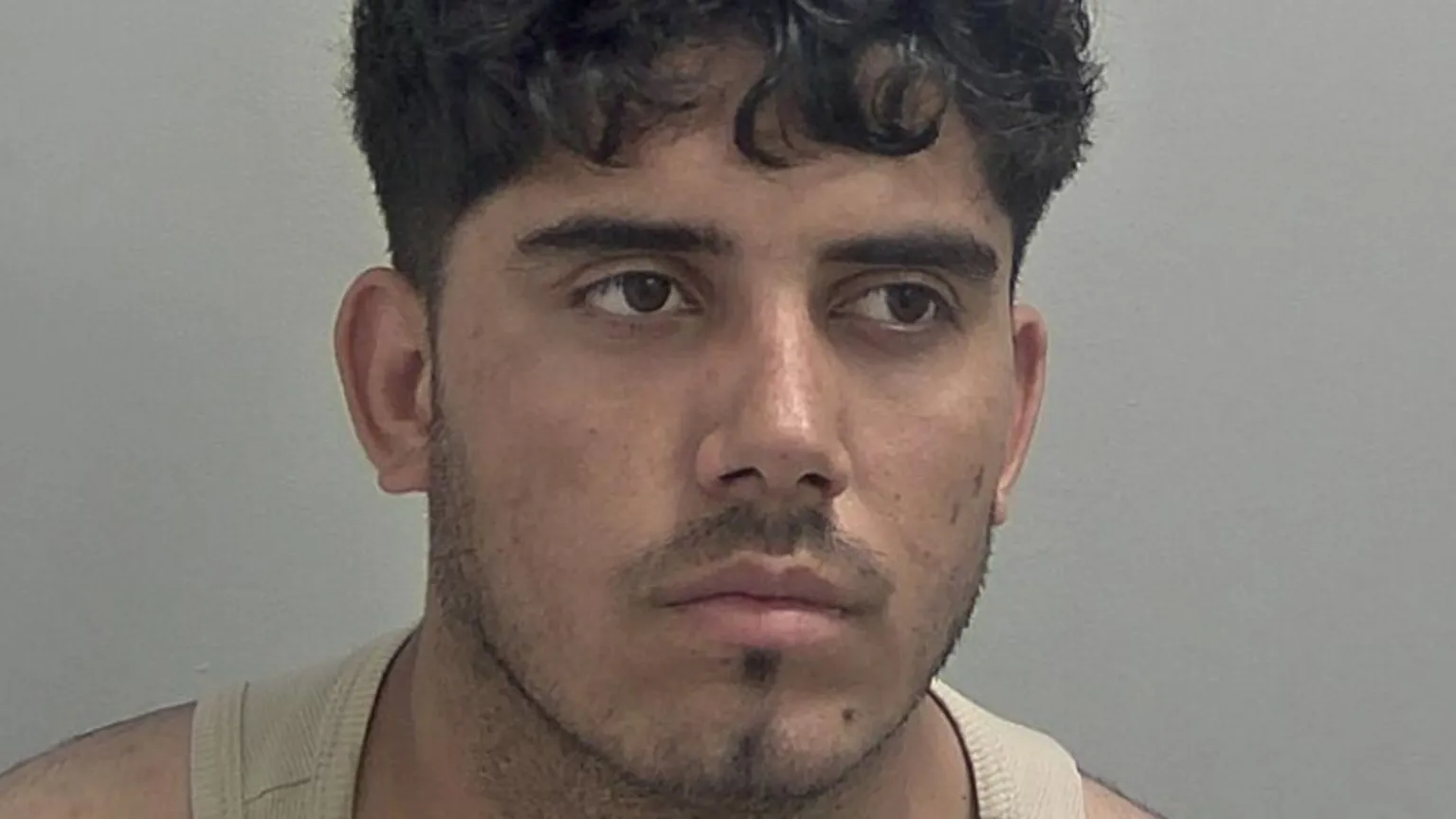 An Afghan asylum seeker has been sentenced to 16 years in prison in the United Kingdom after abducting and raping a 12-year-old girl. Get today's headlines by email Ahmad Mulakhil, 23, was convicted of rape, child abduction, sexual assault and recording an indecent video following a trial at Warwick Crown Court. He had earlier admitted a separate count of raping a child under 13. Court convicts man of multiple offencesThe crimes occurred in July last year in Nuneaton and later triggered protests in the town. Judge Kristina Montgomery said the victim suffered serious psychological harm and ongoing trauma as a result of the attack. The girl had been left alone in a park in the dark after the assault, she said, and remained fearful her attacker might return. Mulakhil was ordered to serve 15 years in custody followed by an additional year on licence. Details of the attack presented at trialProsecutors said Mulakhil targeted the girl after encountering her earlier that day. Security camera footage shown in court captured him asking the victim her age before the attack. She told him she was 19, which the judge described as clearly untrue. Judge Montgomery told the court the jury had no doubt Mulakhil knew the girl was under 16. During the 10-day trial, jurors heard evidence from the victim describing the assault and saying the attacker laughed during the incident. The judge told Mulakhil his responsibility for the crime was at the highest level. She also noted that he had taken the girl to a secluded location before carrying out the assault, which increased the severity of the sentence. Mulakhil arrived in Britain by small boat about four months before the offences. Sentence and legal ordersAlongside the prison term, the court imposed an indefinite Sexual Harm Prevention Order and a permanent restraining order preventing Mulakhil from contacting the victim. The judge said the length of the sentence meets the threshold for deportation once he completes his prison term. Additional concurrent sentences were issued for related offences, including four years for child abduction and two years for recording the indecent video. Defence lawyer Marcus Harry told the court Mulakhil fled Afghanistan after coming under pressure from the Taliban. He said the defendant had intended to study economics at university. Judge Montgomery said she considered Mulakhil’s age, lack of previous convictions and his guilty plea to one charge when determining the sentence. Case sparks political debateThe case also prompted debate over how police disclose suspects’ nationality and immigration status. Two men were initially charged over the incident. A second defendant, Mohammad Kabir, was acquitted of all charges during the trial. The arrests led politicians including Nigel Farage, leader of Reform UK, to claim there had been a lack of transparency about the case. Warwickshire Police said at the time that national guidelines did not require forces to disclose nationality or immigration status once suspects were formally charged. Following the controversy, authorities encouraged police forces to consider releasing such information in high-profile investigations. Detective Chief Inspector Collette O'Keefe, who led the investigation, said the crime represented a serious breach of community values. She praised the victim for her courage in giving evidence, saying her testimony was crucial to securing the conviction. O’Keefe added that no prison term could erase the trauma the girl suffered, but expressed hope the verdict would mark the start of her path toward a safer and brighter future. Join the discussion? Already a member? Adapted by ASEAN Now. Source 28 March 2026
 -
Nearly six months after a ceasefire halted large-scale fighting in Gaza Strip, conditions for residents remain difficult, with shortages and rising prices affecting daily life. Get today's headlines by email Traders say supplies entering from Israel have become less reliable since the outbreak of the regional conflict involving Iran. The disruption has pushed up prices in local markets. Hassan Faqawi, a shopper in Gaza, said the wider war has diverted attention away from Palestinian concerns. Gaza faces shortages and rising prices“Prices have doubled here,” he said. “The world is focused on Iran, America and Israel, and Gaza is forgotten.” The fragile truce has largely held since October, when fighting paused under a peace initiative backed by Donald Trump. But uncertainty is growing as negotiations enter a sensitive phase. Disarmament plan raises tensionsAt the United Nations Security Council, diplomat Nickolay Mladenov outlined a framework linking Gaza’s reconstruction to the disarmament of Palestinian militant groups. Under the proposal, weapons ranging from rockets to assault rifles would be surrendered in stages. The plan suggests that compliance would lead to the withdrawal of Israeli forces and the start of large-scale rebuilding. Mladenov said such a move could mark a decisive break from the cycles of violence that have shaped life in Gaza for decades. However, a Palestinian official familiar with Hamas said the group is likely to reject the proposals. That position raises the possibility that Israel could resume a major military campaign. Israeli Prime Minister Benjamin Netanyahu has previously demanded that Hamas disarm, warning it must do so “either the easy way or the hard way.” Aid and reconstruction remain limitedDespite promises of expanded humanitarian support under the Trump peace initiative, aid agencies say recovery efforts remain slow. Oxfam policy lead Bushra Khalidi said humanitarian organisations still struggle to secure basic supplies. Negotiations frequently focus on limited access points and small quantities of fuel, she said, leaving large-scale recovery efforts largely stalled. According to aid groups, reconstruction materials have not yet been allowed into Gaza because Israeli authorities fear they could be diverted to build tunnels or weapons. Israel’s military agency overseeing crossings, COGAT, rejected claims of shortages and accused Hamas of exploiting resources. Meanwhile, sporadic Israeli air strikes have continued in Gaza despite the ceasefire. Israeli officials say the attacks target Hamas militants. Governance uncertainty inside GazaAlthough Hamas publicly supported the formation of a technocratic Palestinian committee intended to manage Gaza temporarily, there are signs the group is strengthening its internal control. Sources say Hamas has reorganised parts of its Interior Ministry, appointing new police leaders and establishing temporary headquarters and detention sites. Witnesses report that armed patrols and checkpoints have appeared across parts of Gaza, with security forces stopping vehicles and pedestrians during nighttime curfews. Traders also complain that Hamas has imposed additional taxes on goods and services, further raising prices for residents. Peace process faces doubtsInternational donors pledged about $7 billion for Gaza reconstruction during discussions earlier this year, including meetings connected to the World Economic Forum. But analysts say progress remains uncertain as diplomatic attention shifts to the wider regional conflict. Amjad Iraqi of the International Crisis Group said mistrust continues to surround the peace framework, with pressure mounting on Hamas to accept disarmament proposals. At the United Nations, Palestinian envoy Riyad Mansour said efforts continue to implement the next stage of the peace plan. Plans include introducing around 200,000 temporary housing units and deploying thousands of newly trained Palestinian police officers, some prepared in Egypt. They are expected to operate alongside a proposed international stabilisation force. Yet many residents remain sceptical about whether the process will move forward. With the region’s attention increasingly fixed on the Iran conflict, some Palestinians fear the fragile ceasefire could unravel before reconstruction begins. Join the discussion? Already a member? Adapted by ASEAN Now. Source 28 March 2026 View full article