
webfact
Admin
-
Joined
-
Last visited
Everything posted by webfact
-
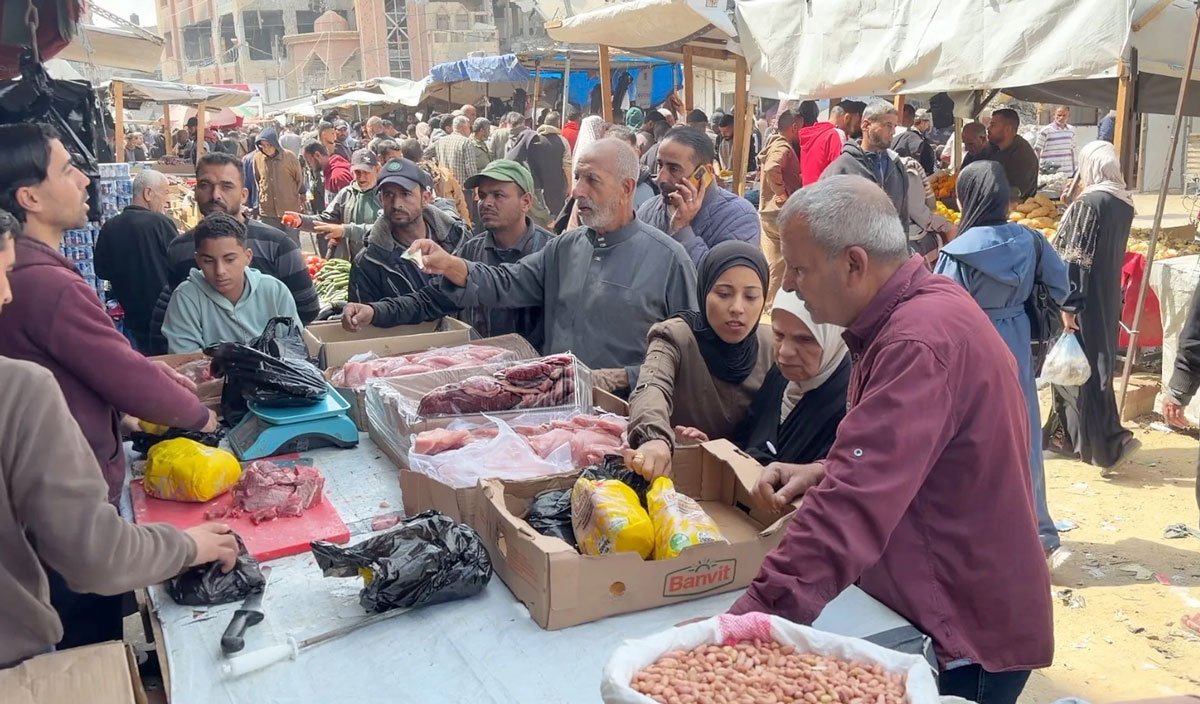 Nearly six months after a ceasefire halted large-scale fighting in Gaza Strip, conditions for residents remain difficult, with shortages and rising prices affecting daily life. Get today's headlines by email Traders say supplies entering from Israel have become less reliable since the outbreak of the regional conflict involving Iran. The disruption has pushed up prices in local markets. Hassan Faqawi, a shopper in Gaza, said the wider war has diverted attention away from Palestinian concerns. Gaza faces shortages and rising prices“Prices have doubled here,” he said. “The world is focused on Iran, America and Israel, and Gaza is forgotten.” The fragile truce has largely held since October, when fighting paused under a peace initiative backed by Donald Trump. But uncertainty is growing as negotiations enter a sensitive phase. Disarmament plan raises tensionsAt the United Nations Security Council, diplomat Nickolay Mladenov outlined a framework linking Gaza’s reconstruction to the disarmament of Palestinian militant groups. Under the proposal, weapons ranging from rockets to assault rifles would be surrendered in stages. The plan suggests that compliance would lead to the withdrawal of Israeli forces and the start of large-scale rebuilding. Mladenov said such a move could mark a decisive break from the cycles of violence that have shaped life in Gaza for decades. However, a Palestinian official familiar with Hamas said the group is likely to reject the proposals. That position raises the possibility that Israel could resume a major military campaign. Israeli Prime Minister Benjamin Netanyahu has previously demanded that Hamas disarm, warning it must do so “either the easy way or the hard way.” Aid and reconstruction remain limitedDespite promises of expanded humanitarian support under the Trump peace initiative, aid agencies say recovery efforts remain slow. Oxfam policy lead Bushra Khalidi said humanitarian organisations still struggle to secure basic supplies. Negotiations frequently focus on limited access points and small quantities of fuel, she said, leaving large-scale recovery efforts largely stalled. According to aid groups, reconstruction materials have not yet been allowed into Gaza because Israeli authorities fear they could be diverted to build tunnels or weapons. Israel’s military agency overseeing crossings, COGAT, rejected claims of shortages and accused Hamas of exploiting resources. Meanwhile, sporadic Israeli air strikes have continued in Gaza despite the ceasefire. Israeli officials say the attacks target Hamas militants. Governance uncertainty inside GazaAlthough Hamas publicly supported the formation of a technocratic Palestinian committee intended to manage Gaza temporarily, there are signs the group is strengthening its internal control. Sources say Hamas has reorganised parts of its Interior Ministry, appointing new police leaders and establishing temporary headquarters and detention sites. Witnesses report that armed patrols and checkpoints have appeared across parts of Gaza, with security forces stopping vehicles and pedestrians during nighttime curfews. Traders also complain that Hamas has imposed additional taxes on goods and services, further raising prices for residents. Peace process faces doubtsInternational donors pledged about $7 billion for Gaza reconstruction during discussions earlier this year, including meetings connected to the World Economic Forum. But analysts say progress remains uncertain as diplomatic attention shifts to the wider regional conflict. Amjad Iraqi of the International Crisis Group said mistrust continues to surround the peace framework, with pressure mounting on Hamas to accept disarmament proposals. At the United Nations, Palestinian envoy Riyad Mansour said efforts continue to implement the next stage of the peace plan. Plans include introducing around 200,000 temporary housing units and deploying thousands of newly trained Palestinian police officers, some prepared in Egypt. They are expected to operate alongside a proposed international stabilisation force. Yet many residents remain sceptical about whether the process will move forward. With the region’s attention increasingly fixed on the Iran conflict, some Palestinians fear the fragile ceasefire could unravel before reconstruction begins. Join the discussion? Already a member? Adapted by ASEAN Now. Source 28 March 2026
 -
Marco Rubio said the United States expects its military campaign against Iran to conclude within weeks, saying operations are progressing faster than anticipated. Get today's headlines by email Speaking after a meeting of foreign ministers from the Group of Seven in France, the U.S. secretary of state said Washington’s objectives were largely on track. Unclear path to negotiations“We expect this to finish in the next couple of weeks,” Rubio told reporters, adding that the campaign was ahead of schedule. U.S. officials had previously suggested the operation could last four to seven weeks. With the conflict entering its fourth week, Rubio’s timeline broadly matches earlier expectations. He also said the timeframe involved “weeks, not months.” The war began on 28 February after the United States and Israel launched coordinated operations against Iranian targets. Rubio said Washington has received indirect messages suggesting a willingness from Tehran to discuss ending the conflict, though it remains unclear who would represent Iran in potential negotiations. Several senior Iranian figures have been killed since the war began, complicating diplomatic channels. “There have been exchanges of messages and indications from the Iranian system, whatever’s left of it, about a willingness to talk,” Rubio said. He added that the United States is still waiting for clarification about who would participate in talks and what issues would be addressed. Donald Trump has said Iran wants negotiations, a claim Iranian officials have rejected. According to U.S. officials, Washington has presented a proposed framework to end the conflict through intermediaries, including contacts through Pakistan. Steve Witkoff, Trump’s special envoy, said the United States has submitted a 15-point proposal to Tehran and is awaiting a response. “We have a 15-point deal on the table,” Witkoff said, adding he remained hopeful talks could take place within days. Trump also said he had temporarily delayed a threatened strike on Iranian power plants to allow diplomatic efforts to continue. Tensions around HormuzThe conflict has intensified tensions around the Strait of Hormuz, a key shipping route for global energy supplies. About one-fifth of the world’s oil and liquefied natural gas typically passes through the narrow waterway linking the Persian Gulf with international markets. Iran has threatened to impose fees on ships using the route, and reports suggest some vessels may already be paying for secure passage. The potential disruption has pushed oil prices higher and raised fears of wider economic consequences if traffic through the strait remains restricted. In a joint statement following the G7 meeting, foreign ministers stressed the need to restore safe and unrestricted navigation through the waterway. Allies weigh responseRubio said United Kingdom officials were leading efforts to form a coalition to help secure shipping in the strait once the conflict ends. The initiative would involve cooperation among Western and regional partners to maintain freedom of navigation. However, several U.S. allies have resisted calls from Washington to send naval vessels to escort ships through the waterway during the conflict. Many governments argue that ending the fighting remains the most effective way to restore stability. The G7 statement also called for an immediate halt to attacks on civilians and critical infrastructure, warning that such strikes cannot be justified under international law. Although the communique did not name any country directly, its language appeared to refer largely to Iranian missile and drone attacks on civilian sites across the region, including airports, residential buildings, energy facilities and diplomatic missions. Join the discussion? Already a member? Adapted by ASEAN Now. Source 28 March 2026 View full article
-
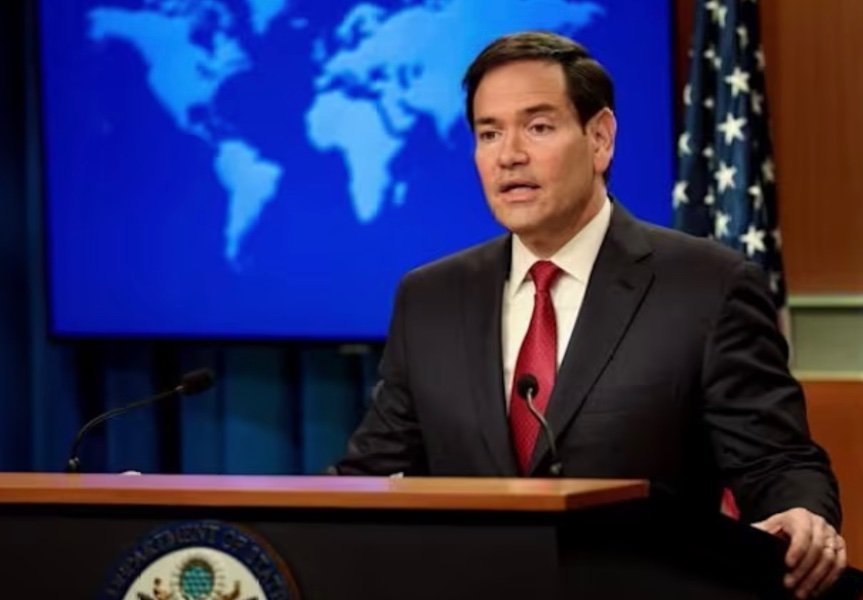 Marco Rubio said the United States expects its military campaign against Iran to conclude within weeks, saying operations are progressing faster than anticipated. Get today's headlines by email Speaking after a meeting of foreign ministers from the Group of Seven in France, the U.S. secretary of state said Washington’s objectives were largely on track. Unclear path to negotiations“We expect this to finish in the next couple of weeks,” Rubio told reporters, adding that the campaign was ahead of schedule. U.S. officials had previously suggested the operation could last four to seven weeks. With the conflict entering its fourth week, Rubio’s timeline broadly matches earlier expectations. He also said the timeframe involved “weeks, not months.” The war began on 28 February after the United States and Israel launched coordinated operations against Iranian targets. Rubio said Washington has received indirect messages suggesting a willingness from Tehran to discuss ending the conflict, though it remains unclear who would represent Iran in potential negotiations. Several senior Iranian figures have been killed since the war began, complicating diplomatic channels. “There have been exchanges of messages and indications from the Iranian system, whatever’s left of it, about a willingness to talk,” Rubio said. He added that the United States is still waiting for clarification about who would participate in talks and what issues would be addressed. Donald Trump has said Iran wants negotiations, a claim Iranian officials have rejected. According to U.S. officials, Washington has presented a proposed framework to end the conflict through intermediaries, including contacts through Pakistan. Steve Witkoff, Trump’s special envoy, said the United States has submitted a 15-point proposal to Tehran and is awaiting a response. “We have a 15-point deal on the table,” Witkoff said, adding he remained hopeful talks could take place within days. Trump also said he had temporarily delayed a threatened strike on Iranian power plants to allow diplomatic efforts to continue. Tensions around HormuzThe conflict has intensified tensions around the Strait of Hormuz, a key shipping route for global energy supplies. About one-fifth of the world’s oil and liquefied natural gas typically passes through the narrow waterway linking the Persian Gulf with international markets. Iran has threatened to impose fees on ships using the route, and reports suggest some vessels may already be paying for secure passage. The potential disruption has pushed oil prices higher and raised fears of wider economic consequences if traffic through the strait remains restricted. In a joint statement following the G7 meeting, foreign ministers stressed the need to restore safe and unrestricted navigation through the waterway. Allies weigh responseRubio said United Kingdom officials were leading efforts to form a coalition to help secure shipping in the strait once the conflict ends. The initiative would involve cooperation among Western and regional partners to maintain freedom of navigation. However, several U.S. allies have resisted calls from Washington to send naval vessels to escort ships through the waterway during the conflict. Many governments argue that ending the fighting remains the most effective way to restore stability. The G7 statement also called for an immediate halt to attacks on civilians and critical infrastructure, warning that such strikes cannot be justified under international law. Although the communique did not name any country directly, its language appeared to refer largely to Iranian missile and drone attacks on civilian sites across the region, including airports, residential buildings, energy facilities and diplomatic missions. Join the discussion? Already a member? Adapted by ASEAN Now. Source 28 March 2026
 -
Israel’s military said a missile was launched from Yemen toward its territory early Saturday, marking the first reported attack from the country since the latest regional conflict intensified. Get today's headlines by email Air-raid sirens sounded around Beer Sheba and areas near Israel’s main nuclear research facility. The alerts came during a night of repeated warnings as missiles from Iran and the Lebanese group Hezbollah continued to target Israeli areas. The Iran-backed Houthi movement, which controls Yemen’s capital Sanaa, had not immediately confirmed responsibility for the launch. Missile alert from YemenUntil now, the Houthis had largely stayed outside the war. The group has maintained an uneasy ceasefire with Saudi Arabia following years of conflict that began when Riyadh intervened in Yemen in 2015 in support of the country’s internationally recognized government. Shipping and regional risksThe potential involvement of the Houthis raises concerns about renewed attacks on vessels in the Red Sea, a key route for global trade. During the earlier phase of the Israel–Hamas war, Houthi fighters launched missiles and drones at shipping in the area. Those attacks disrupted a corridor through which roughly $1 trillion in goods passed each year before the conflict. Between November 2023 and January 2025, the group targeted more than 100 merchant ships, sinking two vessels and killing four sailors. Any renewed campaign against shipping could further disrupt global trade already strained by tensions around the Strait of Hormuz, the narrow entrance to the Persian Gulf that carries a significant share of the world’s oil and gas supplies. Iran recently signaled it would allow humanitarian and agricultural shipments through the strait. Ali Bahreini, Iran’s ambassador to the United Nations in Geneva, said the move aimed to ensure aid could pass without delay. Israel strikes Iranian nuclear sitesThe developments followed Israeli strikes on Iranian nuclear facilities hours after Israel warned it could expand its campaign against Tehran. Iranian state media reported attacks on the Shahid Khondab Heavy Water Complex in Arak and a yellowcake uranium processing facility in Yazd Province. Authorities said there were no casualties or contamination risks. Yellowcake is a processed uranium concentrate used as a step toward enrichment, while heavy water is used in certain nuclear reactors. Israel’s military said the facility in Yazd handles raw materials used in enrichment, describing the strike as a major setback for Iran’s nuclear program. Iran responded with missile attacks against Israel, one of which killed a 52-year-old man in Tel Aviv. Sirens also sounded in Jerusalem and other areas across the country. Rising military and diplomatic pressureThe conflict has widened beyond Israel and Iran. Iranian strikes on Prince Sultan Air Base reportedly wounded at least ten U.S. service members and damaged several aircraft. Meanwhile, the United States has increased its military presence in the region, sending Marines and paratroopers as a precaution. Donald Trump has continued to push for broader regional diplomacy, including normalization between Israel and Saudi Arabia through the Abraham Accords. Diplomatic efforts are ongoing, with mediators including Pakistan and Turkey attempting to facilitate talks between Washington and Tehran. Foreign ministers from the Group of Seven have also called for an immediate halt to attacks on civilian areas and infrastructure. Despite these efforts, the fighting has intensified across several fronts. Reports of airstrikes, missile launches and explosions continued overnight in both Israel and Iran, underscoring fears the conflict could widen further. Join the discussion? Already a member? Adapted by ASEAN Now. Source 28 March 2026 View full article
-
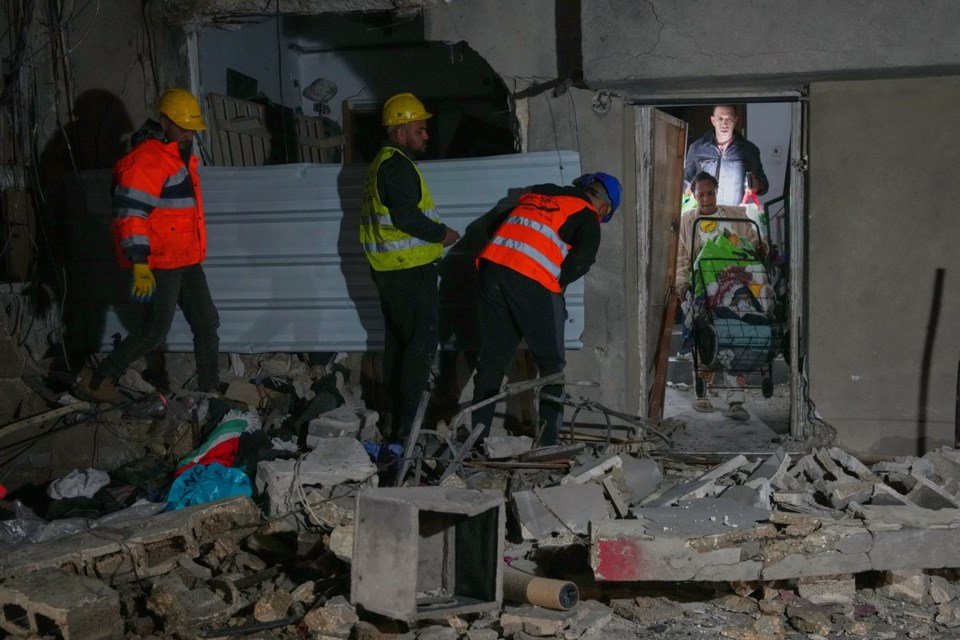 Israel’s military said a missile was launched from Yemen toward its territory early Saturday, marking the first reported attack from the country since the latest regional conflict intensified. Get today's headlines by email Air-raid sirens sounded around Beer Sheba and areas near Israel’s main nuclear research facility. The alerts came during a night of repeated warnings as missiles from Iran and the Lebanese group Hezbollah continued to target Israeli areas. The Iran-backed Houthi movement, which controls Yemen’s capital Sanaa, had not immediately confirmed responsibility for the launch. Missile alert from YemenUntil now, the Houthis had largely stayed outside the war. The group has maintained an uneasy ceasefire with Saudi Arabia following years of conflict that began when Riyadh intervened in Yemen in 2015 in support of the country’s internationally recognized government. Shipping and regional risksThe potential involvement of the Houthis raises concerns about renewed attacks on vessels in the Red Sea, a key route for global trade. During the earlier phase of the Israel–Hamas war, Houthi fighters launched missiles and drones at shipping in the area. Those attacks disrupted a corridor through which roughly $1 trillion in goods passed each year before the conflict. Between November 2023 and January 2025, the group targeted more than 100 merchant ships, sinking two vessels and killing four sailors. Any renewed campaign against shipping could further disrupt global trade already strained by tensions around the Strait of Hormuz, the narrow entrance to the Persian Gulf that carries a significant share of the world’s oil and gas supplies. Iran recently signaled it would allow humanitarian and agricultural shipments through the strait. Ali Bahreini, Iran’s ambassador to the United Nations in Geneva, said the move aimed to ensure aid could pass without delay. Israel strikes Iranian nuclear sitesThe developments followed Israeli strikes on Iranian nuclear facilities hours after Israel warned it could expand its campaign against Tehran. Iranian state media reported attacks on the Shahid Khondab Heavy Water Complex in Arak and a yellowcake uranium processing facility in Yazd Province. Authorities said there were no casualties or contamination risks. Yellowcake is a processed uranium concentrate used as a step toward enrichment, while heavy water is used in certain nuclear reactors. Israel’s military said the facility in Yazd handles raw materials used in enrichment, describing the strike as a major setback for Iran’s nuclear program. Iran responded with missile attacks against Israel, one of which killed a 52-year-old man in Tel Aviv. Sirens also sounded in Jerusalem and other areas across the country. Rising military and diplomatic pressureThe conflict has widened beyond Israel and Iran. Iranian strikes on Prince Sultan Air Base reportedly wounded at least ten U.S. service members and damaged several aircraft. Meanwhile, the United States has increased its military presence in the region, sending Marines and paratroopers as a precaution. Donald Trump has continued to push for broader regional diplomacy, including normalization between Israel and Saudi Arabia through the Abraham Accords. Diplomatic efforts are ongoing, with mediators including Pakistan and Turkey attempting to facilitate talks between Washington and Tehran. Foreign ministers from the Group of Seven have also called for an immediate halt to attacks on civilian areas and infrastructure. Despite these efforts, the fighting has intensified across several fronts. Reports of airstrikes, missile launches and explosions continued overnight in both Israel and Iran, underscoring fears the conflict could widen further. Join the discussion? Already a member? Adapted by ASEAN Now. Source 28 March 2026
 -
Golf star Tiger Woods was arrested in Florida on Friday on suspicion of driving under the influence following a road accident, according to local authorities. Get today's headlines by email Martin County Sheriff John Budensiek said Woods was driving a Land Rover when it struck a pickup truck towing a small trailer. The impact caused Woods’ vehicle to overturn and come to rest on its side. Crash leads to arrestDeputies responding to the scene reported signs of impairment, Budensiek told reporters. Woods was later charged with driving under the influence, property damage and refusing to take a lawful test. Officials said Woods was not injured in the crash. Television footage showed him leaving the Martin County Jail later the same day. Investigators describe eventsAuthorities said their investigation indicated Woods was driving erratically shortly before the collision. Budensiek explained that the pickup truck carrying a pressure-cleaning trailer was traveling north on South Beach Road and slowing to turn into a driveway. The driver noticed a dark Land Rover approaching quickly from behind. The truck driver attempted to move to the side of the narrow two-lane road but had little space to do so. Investigators say the Land Rover tried to pass at speed, swerved at the last moment to avoid a direct crash, but clipped the trailer. The contact caused the Land Rover to tip and roll onto the driver’s side. Woods then exited the vehicle through the passenger door and was identified by deputies at the scene. Police said Woods cooperated with officers but was cautious in his responses during questioning. Testing dispute and chargesAccording to Budensiek, Woods passed a breathalyzer test, recording zero alcohol in his system. However, authorities said he refused to undergo a urine test at the jail, which led to the DUI charge under Florida law. Budensiek said refusal to submit to a requested test can still result in a charge if officers believe impairment is present. Law enforcement officials stressed that Woods would not receive special treatment despite his high profile. Budensiek said the sheriff’s office applies the same legal procedures to all suspects. At the same time, he noted that steps would be taken to ensure Woods’ safety while in custody, meaning he would not be placed in the general inmate population. Comeback overshadowedThe arrest comes as Woods attempts to return to competitive golf after a series of major injuries. The 50-year-old has been working toward a comeback following a ruptured Achilles tendon last year and a seventh back surgery later in the year. Woods recently appeared in the technology-driven golf league TGL and had been linked to a possible return to the The Masters next month. His last appearance in a traditional tournament came in July 2024 at The Open Championship at Royal Troon Golf Club, where he missed the cut. Woods previously faced a DUI arrest in 2017 and was cited for careless driving in 2009. He also survived a serious crash in 2021 near Los Angeles. Speaking to reporters, Donald Trump, who described Woods as a friend, expressed concern after learning about the accident. Join the discussion? Already a member? Adapted by ASEAN Now. Source 28 March 2026 View full article
-
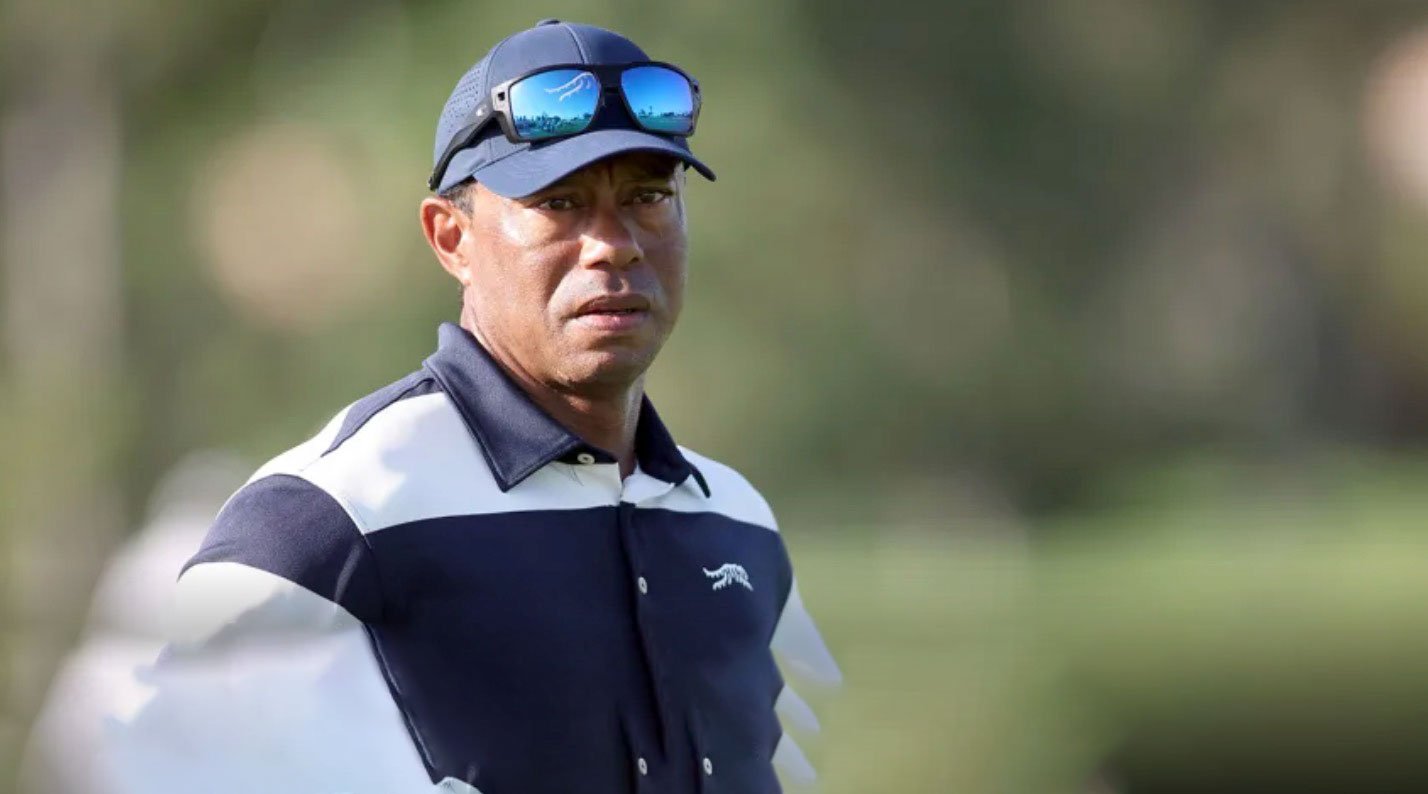 Golf star Tiger Woods was arrested in Florida on Friday on suspicion of driving under the influence following a road accident, according to local authorities. Get today's headlines by email Martin County Sheriff John Budensiek said Woods was driving a Land Rover when it struck a pickup truck towing a small trailer. The impact caused Woods’ vehicle to overturn and come to rest on its side. Crash leads to arrestDeputies responding to the scene reported signs of impairment, Budensiek told reporters. Woods was later charged with driving under the influence, property damage and refusing to take a lawful test. Officials said Woods was not injured in the crash. Television footage showed him leaving the Martin County Jail later the same day. Investigators describe eventsAuthorities said their investigation indicated Woods was driving erratically shortly before the collision. Budensiek explained that the pickup truck carrying a pressure-cleaning trailer was traveling north on South Beach Road and slowing to turn into a driveway. The driver noticed a dark Land Rover approaching quickly from behind. The truck driver attempted to move to the side of the narrow two-lane road but had little space to do so. Investigators say the Land Rover tried to pass at speed, swerved at the last moment to avoid a direct crash, but clipped the trailer. The contact caused the Land Rover to tip and roll onto the driver’s side. Woods then exited the vehicle through the passenger door and was identified by deputies at the scene. Police said Woods cooperated with officers but was cautious in his responses during questioning. Testing dispute and chargesAccording to Budensiek, Woods passed a breathalyzer test, recording zero alcohol in his system. However, authorities said he refused to undergo a urine test at the jail, which led to the DUI charge under Florida law. Budensiek said refusal to submit to a requested test can still result in a charge if officers believe impairment is present. Law enforcement officials stressed that Woods would not receive special treatment despite his high profile. Budensiek said the sheriff’s office applies the same legal procedures to all suspects. At the same time, he noted that steps would be taken to ensure Woods’ safety while in custody, meaning he would not be placed in the general inmate population. Comeback overshadowedThe arrest comes as Woods attempts to return to competitive golf after a series of major injuries. The 50-year-old has been working toward a comeback following a ruptured Achilles tendon last year and a seventh back surgery later in the year. Woods recently appeared in the technology-driven golf league TGL and had been linked to a possible return to the The Masters next month. His last appearance in a traditional tournament came in July 2024 at The Open Championship at Royal Troon Golf Club, where he missed the cut. Woods previously faced a DUI arrest in 2017 and was cited for careless driving in 2009. He also survived a serious crash in 2021 near Los Angeles. Speaking to reporters, Donald Trump, who described Woods as a friend, expressed concern after learning about the accident. Join the discussion? Already a member? Adapted by ASEAN Now. Source 28 March 2026
 -
The administration of Donald Trump will place the president’s signature on US banknotes, the Treasury Department says, in what would be the first time a sitting president’s name appears on the nation’s currency. Get today's headlines by email Treasury officials say the change will coincide with celebrations marking the 250th anniversary of the United States. Traditionally, American banknotes carry the signatures of the treasury secretary and the US treasurer rather than the president. Treasury Plans Unprecedented Currency ChangeUnder the plan, new $100 bills bearing the signatures of Donald Trump and Treasury Secretary Scott Bessent are due to begin printing in June. Additional denominations are expected to follow. Officials describe the move as a symbolic tribute tied to the anniversary of American independence. Break From Longstanding PracticeSince 1861, US currency has included the signature of the US treasurer along with that of the treasury secretary. The new design would end that long-standing arrangement by replacing the treasurer’s signature with that of the president. Bills currently in production still carry the signatures of former Treasury Secretary Janet Yellen, who served under former President Joe Biden, and then–US Treasurer Lynn Malerba. Treasury Secretary Bessent said the decision aims to highlight both the country’s history and the role of the current administration. “There is no more powerful way to recognize the historic achievements of our great country and President Donald J Trump than US dollar bills bearing his name,” Bessent said. Anniversary Celebrations and SymbolismThe initiative forms part of broader government efforts linked to the nation’s upcoming anniversary. In 1776, the 13 original colonies declared independence from Britain, an event commemorated each year on Independence Day. Current US Treasurer Brandon Beach said the redesigned currency would continue to represent the country’s economic strength. “Our currency will continue to stand as a symbol of prosperity, strength and the unshakable spirit of the American people,” he said. The decision also follows other initiatives that feature Trump’s name as part of anniversary-related commemorations. Political ResponseThe announcement drew criticism from some political opponents. Gavin Newsom, a Democrat and long-time critic of the president, attacked the move while referencing rising living costs in the United States. “Now Americans will know exactly who to blame as they're paying more for groceries, gas, rent and health care,” Newsom wrote on social media. Earlier this month, a federal arts commission also approved a commemorative 24-karat gold coin carrying Trump’s likeness, another item planned to mark the country’s 250th anniversary. During Trump’s first presidency, his name also appeared on federal stimulus cheques issued to millions of Americans during the COVID-19 pandemic, an unusual step at the time for government payments. Join the discussion? Already a member? Adapted by ASEAN Now. Source 27 March 2026 View full article
-
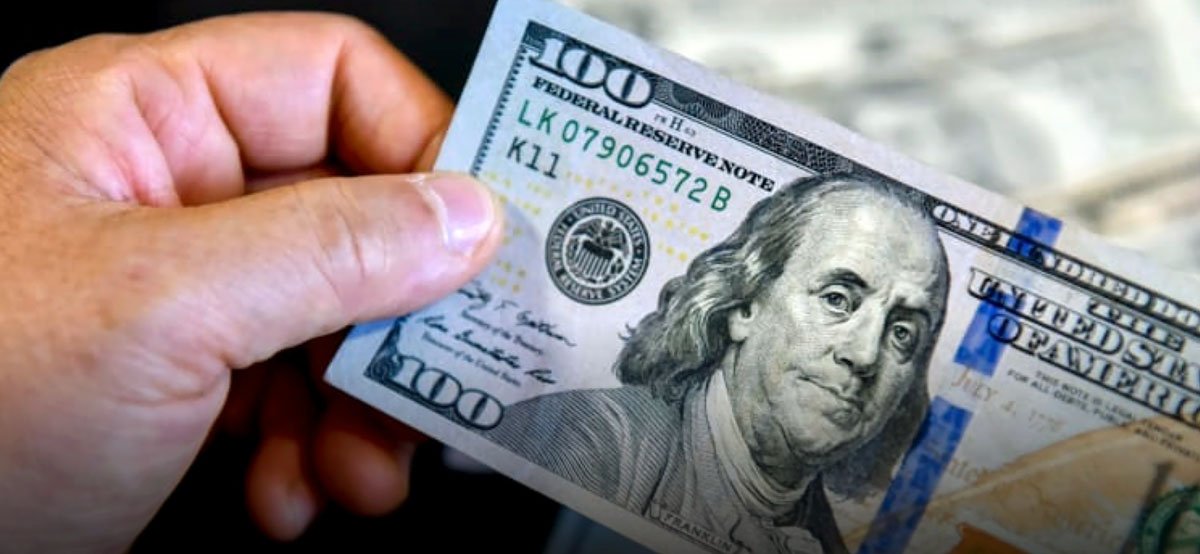 The administration of Donald Trump will place the president’s signature on US banknotes, the Treasury Department says, in what would be the first time a sitting president’s name appears on the nation’s currency. Get today's headlines by email Treasury officials say the change will coincide with celebrations marking the 250th anniversary of the United States. Traditionally, American banknotes carry the signatures of the treasury secretary and the US treasurer rather than the president. Treasury Plans Unprecedented Currency ChangeUnder the plan, new $100 bills bearing the signatures of Donald Trump and Treasury Secretary Scott Bessent are due to begin printing in June. Additional denominations are expected to follow. Officials describe the move as a symbolic tribute tied to the anniversary of American independence. Break From Longstanding PracticeSince 1861, US currency has included the signature of the US treasurer along with that of the treasury secretary. The new design would end that long-standing arrangement by replacing the treasurer’s signature with that of the president. Bills currently in production still carry the signatures of former Treasury Secretary Janet Yellen, who served under former President Joe Biden, and then–US Treasurer Lynn Malerba. Treasury Secretary Bessent said the decision aims to highlight both the country’s history and the role of the current administration. “There is no more powerful way to recognize the historic achievements of our great country and President Donald J Trump than US dollar bills bearing his name,” Bessent said. Anniversary Celebrations and SymbolismThe initiative forms part of broader government efforts linked to the nation’s upcoming anniversary. In 1776, the 13 original colonies declared independence from Britain, an event commemorated each year on Independence Day. Current US Treasurer Brandon Beach said the redesigned currency would continue to represent the country’s economic strength. “Our currency will continue to stand as a symbol of prosperity, strength and the unshakable spirit of the American people,” he said. The decision also follows other initiatives that feature Trump’s name as part of anniversary-related commemorations. Political ResponseThe announcement drew criticism from some political opponents. Gavin Newsom, a Democrat and long-time critic of the president, attacked the move while referencing rising living costs in the United States. “Now Americans will know exactly who to blame as they're paying more for groceries, gas, rent and health care,” Newsom wrote on social media. Earlier this month, a federal arts commission also approved a commemorative 24-karat gold coin carrying Trump’s likeness, another item planned to mark the country’s 250th anniversary. During Trump’s first presidency, his name also appeared on federal stimulus cheques issued to millions of Americans during the COVID-19 pandemic, an unusual step at the time for government payments. Join the discussion? Already a member? Adapted by ASEAN Now. Source 27 March 2026
 -
The International Olympic Committee has barred transgender women from competing in women’s events at the Olympic Games under a new eligibility policy adopted Thursday. The rule limits participation in female categories at Olympic competitions to biological females. The policy will apply to all IOC events, including both individual and team sports. IOC adopts new eligibility ruleUnder the framework, athletes competing in women’s categories must undergo a gene test once during their career to determine eligibility. The screening looks for the SRY gene, a DNA segment typically found on the Y chromosome and associated with male sex development before birth. The IOC said the change aims to “protect fairness, safety and integrity” in women’s sport. Policy ahead of Los Angeles OlympicsThe rule will take effect for the 2028 Summer Olympics in Los Angeles. IOC President Kirsty Coventry said the policy reflects the narrow margins that determine results at elite competition. She said the organisation concluded it would not be fair for athletes born male to compete in female Olympic categories. Coventry, a two-time Olympic swimming champion, launched a review on protecting the female category shortly after taking office. The IOC had previously allowed international sports federations to set their own rules on transgender participation. Several governing bodies had already introduced restrictions in recent years. Before the 2024 Summer Olympics in Paris, federations overseeing athletics, swimming and cycling had barred transgender women who had undergone male puberty from women’s events. Debate over eligibility and biologyThe IOC document states that people born male experience several testosterone surges during development, including in the womb, early infancy and adolescence. According to the organisation’s research, these differences create physical advantages in sports involving strength, endurance or power. The document estimates male performance advantages of about 10–12% in many running and swimming events and more than 20% in throwing and jumping disciplines. In explosive power activities such as punching sports, the difference can be significantly higher, the report said. The gene test approved by the IOC may involve saliva samples, cheek swabs or blood tests and is intended to provide what the organisation described as the most accurate and least intrusive method currently available. The policy does not apply retroactively and does not affect grassroots or recreational sports programmes. Impact on athletes and reactionsIt remains unclear how many transgender women compete at the Olympic level. No athlete who transitioned from male competed in the women’s category at the Paris Games. The most prominent example was Laurel Hubbard of New Zealand, who competed in weightlifting at the 2020 Summer Olympics in Tokyo but did not win a medal. The policy also affects athletes with differences in sex development (DSD), including South African runner Caster Semenya, whose long-running legal challenge to eligibility rules reached the European Court of Human Rights. The issue has been widely debated in international sport and was also addressed politically in the United States. Donald Trump signed an executive order titled “Keeping Men Out of Women’s Sports,” which threatened funding cuts for organisations allowing transgender athletes in women’s competitions. The IOC decision is likely to face criticism from human rights advocates and activist groups concerned about mandatory gender screening. Join the discussion? Already a member? Adapted by ASEAN Now. Source 27 March 2026 View full article
-
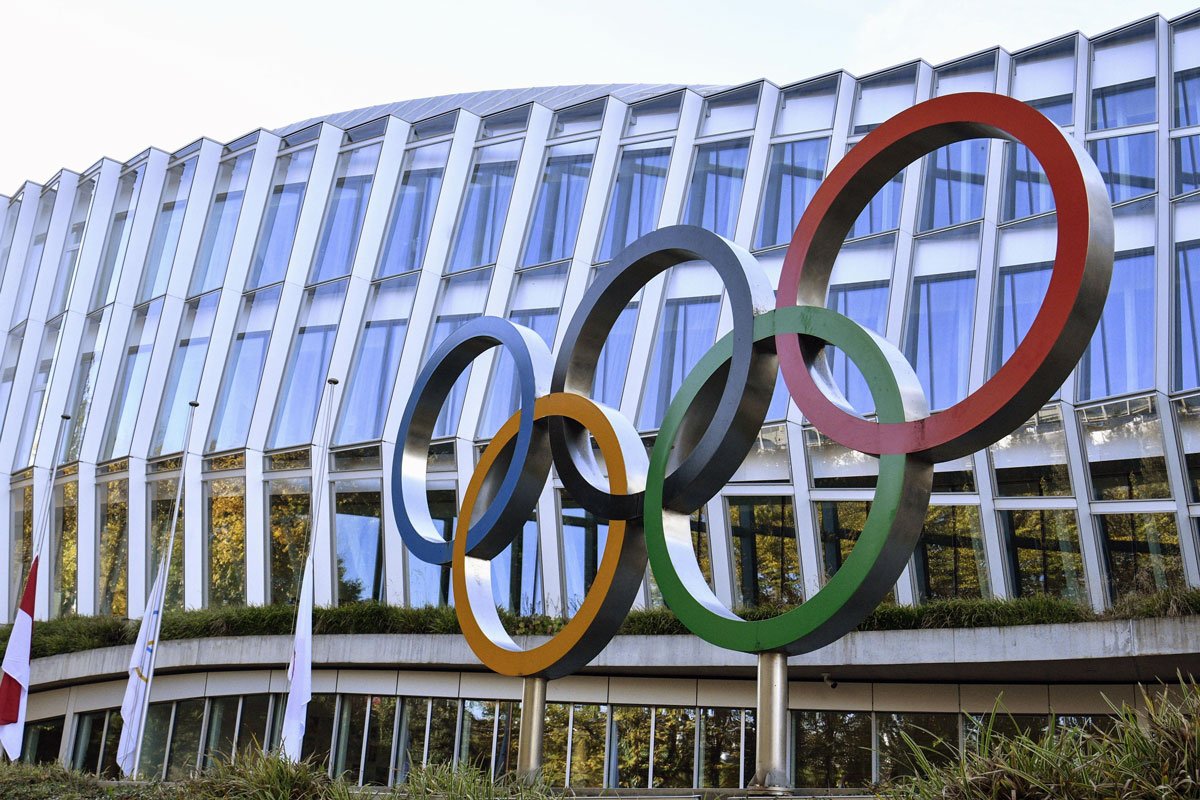 The International Olympic Committee has barred transgender women from competing in women’s events at the Olympic Games under a new eligibility policy adopted Thursday. The rule limits participation in female categories at Olympic competitions to biological females. The policy will apply to all IOC events, including both individual and team sports. IOC adopts new eligibility ruleUnder the framework, athletes competing in women’s categories must undergo a gene test once during their career to determine eligibility. The screening looks for the SRY gene, a DNA segment typically found on the Y chromosome and associated with male sex development before birth. The IOC said the change aims to “protect fairness, safety and integrity” in women’s sport. Policy ahead of Los Angeles OlympicsThe rule will take effect for the 2028 Summer Olympics in Los Angeles. IOC President Kirsty Coventry said the policy reflects the narrow margins that determine results at elite competition. She said the organisation concluded it would not be fair for athletes born male to compete in female Olympic categories. Coventry, a two-time Olympic swimming champion, launched a review on protecting the female category shortly after taking office. The IOC had previously allowed international sports federations to set their own rules on transgender participation. Several governing bodies had already introduced restrictions in recent years. Before the 2024 Summer Olympics in Paris, federations overseeing athletics, swimming and cycling had barred transgender women who had undergone male puberty from women’s events. Debate over eligibility and biologyThe IOC document states that people born male experience several testosterone surges during development, including in the womb, early infancy and adolescence. According to the organisation’s research, these differences create physical advantages in sports involving strength, endurance or power. The document estimates male performance advantages of about 10–12% in many running and swimming events and more than 20% in throwing and jumping disciplines. In explosive power activities such as punching sports, the difference can be significantly higher, the report said. The gene test approved by the IOC may involve saliva samples, cheek swabs or blood tests and is intended to provide what the organisation described as the most accurate and least intrusive method currently available. The policy does not apply retroactively and does not affect grassroots or recreational sports programmes. Impact on athletes and reactionsIt remains unclear how many transgender women compete at the Olympic level. No athlete who transitioned from male competed in the women’s category at the Paris Games. The most prominent example was Laurel Hubbard of New Zealand, who competed in weightlifting at the 2020 Summer Olympics in Tokyo but did not win a medal. The policy also affects athletes with differences in sex development (DSD), including South African runner Caster Semenya, whose long-running legal challenge to eligibility rules reached the European Court of Human Rights. The issue has been widely debated in international sport and was also addressed politically in the United States. Donald Trump signed an executive order titled “Keeping Men Out of Women’s Sports,” which threatened funding cuts for organisations allowing transgender athletes in women’s competitions. The IOC decision is likely to face criticism from human rights advocates and activist groups concerned about mandatory gender screening. Join the discussion? Already a member? Adapted by ASEAN Now. Source 27 March 2026
 -
The United Nations General Assembly has adopted a resolution declaring the trafficking of enslaved Africans the gravest crime against humanity and calling for reparations to address historical injustices. Get today's headlines by email The measure passed with 123 votes in favour in the 193-member body. Three countries — the United States, Argentina and Israel — voted against it, while 52 states abstained. UN approves resolution on slavery and reparationsAll members of the European Union, along with the United Kingdom, were among those that did not support the measure. The resolution describes the transatlantic slave trade as a historic injustice and calls for reparatory measures as a step toward addressing its lasting consequences. It also urges the return of cultural items such as artworks, monuments, museum objects, documents and archives to their countries of origin without charge. US opposition over reparations languageBefore the vote, Dan Negrea, deputy US ambassador to the United Nations, said Washington rejects the legal basis for reparations tied to historical events. He said the United States condemns the transatlantic slave trade and all forms of slavery but does not recognise a legal right to reparations for actions that were not illegal under international law when they occurred. Negrea also criticised wording that labels the slave trade the “gravest” crime against humanity. He said creating a hierarchy among such crimes risks diminishing the suffering of victims of other atrocities. Resolutions adopted by the General Assembly are not legally binding but reflect the views of the international community. Supporters stress historical justiceSupporters of the measure said the resolution aims to acknowledge the scale of the transatlantic slave trade and its enduring impact. John Dramani Mahama, president of Ghana and a key supporter of the initiative, said the vote recognised the suffering of millions enslaved over centuries. Speaking before the vote, he described the resolution as a step toward healing and reparative justice and said it would help ensure the history of slavery is not forgotten. The vote took place on the International Day of Remembrance of the Victims of Slavery and the Transatlantic Slave Trade, which honours the estimated 13 million Africans who were enslaved and transported across the Atlantic. Diplomats applauded the adoption of the measure after the vote was confirmed. Western nations voice concernsWestern governments that abstained said they share the condemnation of slavery but raised concerns about aspects of the text. James Kariuki, acting UN ambassador for the United Kingdom, said the history and lasting consequences of slavery must never be forgotten. He added that countries should address ongoing issues linked to discrimination, racism and intolerance. He also pointed to modern forms of exploitation — including trafficking, forced labour and sexual exploitation — as issues requiring continued global attention. Representing the European Union, Gabriella Michaelidou said the bloc objected to language that could suggest a ranking among crimes against humanity. She also questioned legal references in the resolution that imply international rules could apply retroactively to historical events. The resolution calls on countries to engage in discussions on reparatory justice, including formal apologies, restitution, compensation, rehabilitation and legal reforms aimed at addressing racism and systemic discrimination. It also encourages cooperation between the African Union, the Caribbean Community and the Organization of American States to advance reconciliation efforts and education about the transatlantic slave trade. Join the discussion? Already a member? Adapted by ASEAN Now. Source 27 March 2026 View full article
-
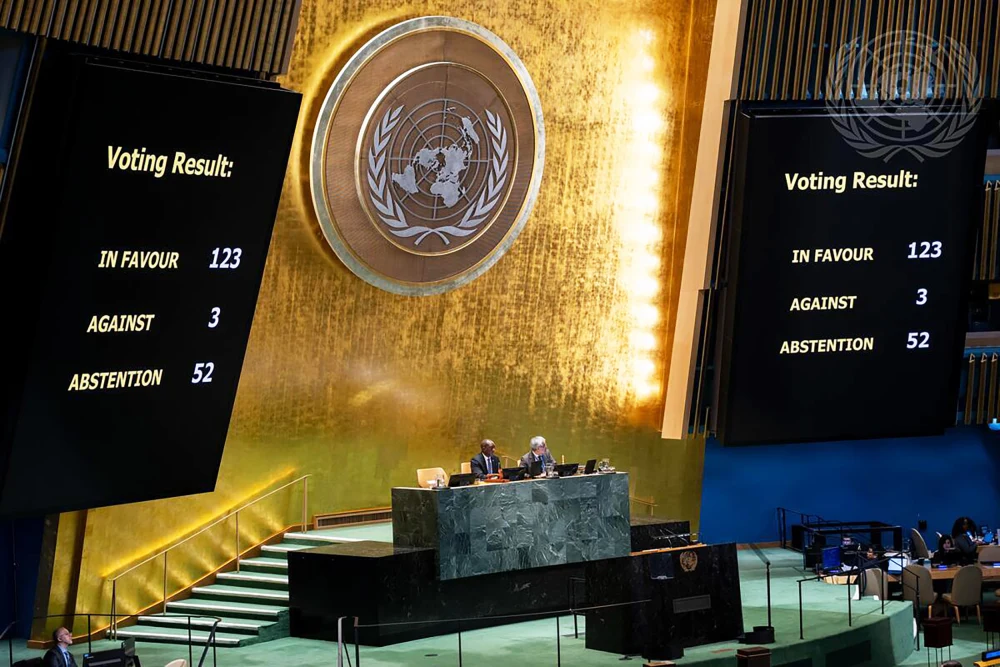 The United Nations General Assembly has adopted a resolution declaring the trafficking of enslaved Africans the gravest crime against humanity and calling for reparations to address historical injustices. Get today's headlines by email The measure passed with 123 votes in favour in the 193-member body. Three countries — the United States, Argentina and Israel — voted against it, while 52 states abstained. UN approves resolution on slavery and reparationsAll members of the European Union, along with the United Kingdom, were among those that did not support the measure. The resolution describes the transatlantic slave trade as a historic injustice and calls for reparatory measures as a step toward addressing its lasting consequences. It also urges the return of cultural items such as artworks, monuments, museum objects, documents and archives to their countries of origin without charge. US opposition over reparations languageBefore the vote, Dan Negrea, deputy US ambassador to the United Nations, said Washington rejects the legal basis for reparations tied to historical events. He said the United States condemns the transatlantic slave trade and all forms of slavery but does not recognise a legal right to reparations for actions that were not illegal under international law when they occurred. Negrea also criticised wording that labels the slave trade the “gravest” crime against humanity. He said creating a hierarchy among such crimes risks diminishing the suffering of victims of other atrocities. Resolutions adopted by the General Assembly are not legally binding but reflect the views of the international community. Supporters stress historical justiceSupporters of the measure said the resolution aims to acknowledge the scale of the transatlantic slave trade and its enduring impact. John Dramani Mahama, president of Ghana and a key supporter of the initiative, said the vote recognised the suffering of millions enslaved over centuries. Speaking before the vote, he described the resolution as a step toward healing and reparative justice and said it would help ensure the history of slavery is not forgotten. The vote took place on the International Day of Remembrance of the Victims of Slavery and the Transatlantic Slave Trade, which honours the estimated 13 million Africans who were enslaved and transported across the Atlantic. Diplomats applauded the adoption of the measure after the vote was confirmed. Western nations voice concernsWestern governments that abstained said they share the condemnation of slavery but raised concerns about aspects of the text. James Kariuki, acting UN ambassador for the United Kingdom, said the history and lasting consequences of slavery must never be forgotten. He added that countries should address ongoing issues linked to discrimination, racism and intolerance. He also pointed to modern forms of exploitation — including trafficking, forced labour and sexual exploitation — as issues requiring continued global attention. Representing the European Union, Gabriella Michaelidou said the bloc objected to language that could suggest a ranking among crimes against humanity. She also questioned legal references in the resolution that imply international rules could apply retroactively to historical events. The resolution calls on countries to engage in discussions on reparatory justice, including formal apologies, restitution, compensation, rehabilitation and legal reforms aimed at addressing racism and systemic discrimination. It also encourages cooperation between the African Union, the Caribbean Community and the Organization of American States to advance reconciliation efforts and education about the transatlantic slave trade. Join the discussion? Already a member? Adapted by ASEAN Now. Source 27 March 2026
 -
The Organisation for Economic Co-operation and Development says the UK economy will face the largest growth impact among major economies from the ongoing conflict involving Iran. Get today's headlines by email The organisation lowered its forecast for UK economic growth in 2026 to 0.7%, down from an earlier projection of 1.2%. It also raised its expectations for inflation as global energy costs surge. OECD cuts UK growth outlookThe downgrade reflects the economic shock triggered by the war involving the United States, Israel and Iran, which has disrupted energy supply chains and heightened uncertainty across global markets. The OECD warned that a prolonged conflict could create major energy shortages worldwide. Sustained increases in fertiliser costs could also reduce agricultural yields and push food prices higher next year. Energy disruption fuels inflation risksEnergy markets have been heavily affected by the conflict, with oil and gas prices rising sharply. A key factor is the disruption to shipping through the Strait of Hormuz, a critical route used to transport a large share of the world’s oil and liquefied natural gas. Damage to energy infrastructure in the Middle East has also tightened supply. Economists say a sustained period of high energy prices could slow global economic growth, push inflation higher and reduce the chances of interest rate cuts. In the UK, the impact is already visible through rising petrol and diesel prices, along with higher costs for heating oil. Mortgage lenders have responded by increasing rates and withdrawing hundreds of loan offers. Global outlook and UK inflationDespite the disruption, the OECD left its global growth forecast for 2026 unchanged at 2.9%. However, inflation across the G20 economies is now expected to reach 4%, up from an earlier forecast of 2.8%. The group represents about 85% of global economic output. UK inflation is predicted to reach 4% this year, significantly above the previous estimate of 2.5%. The OECD expects inflation to ease to 2.6% by 2027, although that would still be higher than its earlier projection of 2.1%. Among members of the Group of Seven industrialised economies, only the United States is forecast to record higher inflation than the UK, while Italy is expected to post weaker economic growth. Political reaction in BritainThe UK’s fiscal watchdog, the Office for Budget Responsibility, had already reduced its growth forecast earlier in March to 1.1%, down from 1.4%. That assessment was made before the escalation of the Iran war, which the agency said could have a “very significant” impact on global economies. Chancellor Rachel Reeves said the conflict would affect the UK economy but argued government policies had strengthened the country’s financial position. She added that the government could provide support for households if energy costs rise sharply, though any measures would remain limited by borrowing rules designed to keep inflation and interest rates under control. Opposition politicians criticised the outlook. Shadow chancellor Mel Stride said the downgrade exposed the economy’s vulnerability, while the Liberal Democrats described the forecast as a warning about weak growth. The OECD said its projections assume disruption in energy markets will ease later this year, with oil, gas and fertiliser prices falling from the summer. Join the discussion? Already a member? Adapted by ASEAN Now. Source 27 March 2026 View full article
-
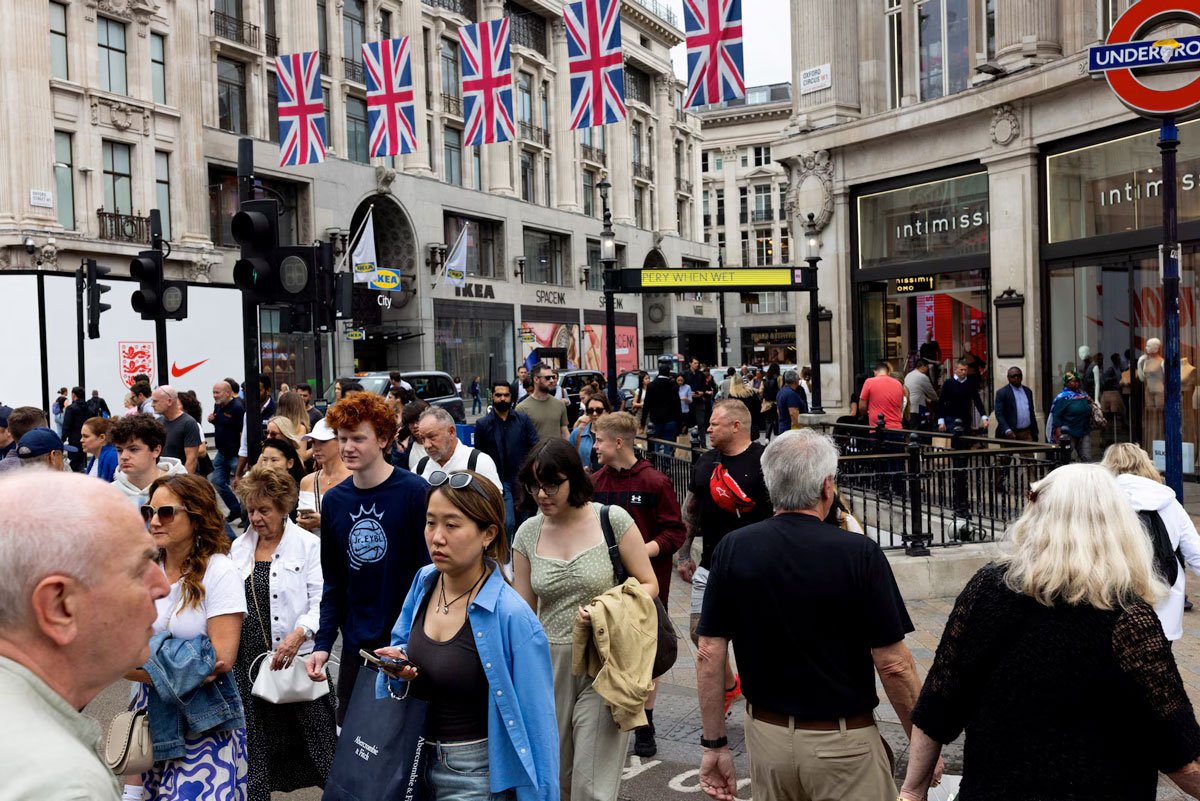 The Organisation for Economic Co-operation and Development says the UK economy will face the largest growth impact among major economies from the ongoing conflict involving Iran. Get today's headlines by email The organisation lowered its forecast for UK economic growth in 2026 to 0.7%, down from an earlier projection of 1.2%. It also raised its expectations for inflation as global energy costs surge. OECD cuts UK growth outlookThe downgrade reflects the economic shock triggered by the war involving the United States, Israel and Iran, which has disrupted energy supply chains and heightened uncertainty across global markets. The OECD warned that a prolonged conflict could create major energy shortages worldwide. Sustained increases in fertiliser costs could also reduce agricultural yields and push food prices higher next year. Energy disruption fuels inflation risksEnergy markets have been heavily affected by the conflict, with oil and gas prices rising sharply. A key factor is the disruption to shipping through the Strait of Hormuz, a critical route used to transport a large share of the world’s oil and liquefied natural gas. Damage to energy infrastructure in the Middle East has also tightened supply. Economists say a sustained period of high energy prices could slow global economic growth, push inflation higher and reduce the chances of interest rate cuts. In the UK, the impact is already visible through rising petrol and diesel prices, along with higher costs for heating oil. Mortgage lenders have responded by increasing rates and withdrawing hundreds of loan offers. Global outlook and UK inflationDespite the disruption, the OECD left its global growth forecast for 2026 unchanged at 2.9%. However, inflation across the G20 economies is now expected to reach 4%, up from an earlier forecast of 2.8%. The group represents about 85% of global economic output. UK inflation is predicted to reach 4% this year, significantly above the previous estimate of 2.5%. The OECD expects inflation to ease to 2.6% by 2027, although that would still be higher than its earlier projection of 2.1%. Among members of the Group of Seven industrialised economies, only the United States is forecast to record higher inflation than the UK, while Italy is expected to post weaker economic growth. Political reaction in BritainThe UK’s fiscal watchdog, the Office for Budget Responsibility, had already reduced its growth forecast earlier in March to 1.1%, down from 1.4%. That assessment was made before the escalation of the Iran war, which the agency said could have a “very significant” impact on global economies. Chancellor Rachel Reeves said the conflict would affect the UK economy but argued government policies had strengthened the country’s financial position. She added that the government could provide support for households if energy costs rise sharply, though any measures would remain limited by borrowing rules designed to keep inflation and interest rates under control. Opposition politicians criticised the outlook. Shadow chancellor Mel Stride said the downgrade exposed the economy’s vulnerability, while the Liberal Democrats described the forecast as a warning about weak growth. The OECD said its projections assume disruption in energy markets will ease later this year, with oil, gas and fertiliser prices falling from the summer. Join the discussion? Already a member? Adapted by ASEAN Now. Source 27 March 2026
 -
London’s Metropolitan Police Service says officers will resume arresting people who publicly support Palestine Action, reversing a position adopted after a recent court ruling. Get today's headlines by email The force had previously said it would stop making arrests under terrorism legislation after a High Court judgment found the government’s ban on the direct action group unlawful. Police reverse earlier positionFollowing that decision, police said they would instead collect evidence for possible prosecutions at a later stage. However, on Wednesday the force said the earlier statement was only a temporary stance and that its enforcement approach had now been revised. Deputy assistant commissioner James Harman said the legal ban on the group remains in force while the government challenges the ruling. Ban remains during government appealHarman said the court confirmed that its judgment would not take effect until the appeal process concludes, which could take several months. “That means it is still a criminal offence to support Palestine Action,” he said. He added that police must enforce existing law regardless of how the legal process may eventually unfold. The government’s appeal, led by Home Secretary Shabana Mahmood, is scheduled to be heard at the Court of Appeal of England and Wales on 28 and 29 April. Until that hearing is completed, the organisation remains banned under the Terrorism Act 2000. Harman said the police had initially taken a cautious approach immediately after the High Court ruling because demonstrations outside the court included open displays of support for the group and the outcome of any appeal was not yet clear. After reviewing the situation, the force concluded that it must continue to enforce the existing ban while it remains legally in place. Protest group challenges arrestsCampaign group Defend Our Juries, which has organised demonstrations linked to Palestine Action, recently wrote to Met commissioner Mark Rowley about the police approach. The organisation said a woman had been arrested in London on 15 March for holding a sign stating she opposed genocide and supported Palestine Action. Defend Our Juries previously said it planned a mass vigil in London on 11 April. More than 2,500 people have been arrested in connection with alleged support for the group during protests. Hunger-strike claims raisedSeparately, several protesters associated with Palestine Action who staged hunger strikes while awaiting trial said they were considering legal action against prison authorities. At a press conference in London, activists alleged medical negligence during their protests. Heba Muraisi said she spent 73 days on hunger strike and claimed she did not receive electrolytes and was given vitamins only after a month. Qesser Zuhrah said she went without electrolytes for 20 days and that they were later withdrawn after she collapsed. Another protester, Kamran Ahmed, said he continues to experience chest pain and breathing problems following his 66-day hunger strike. Others reported neurological symptoms. A government spokesperson rejected the allegations of medical negligence. Officials said prisoners were monitored according to established policy, including regular health checks, heart monitoring and blood tests, and were taken to hospital if medical staff considered it necessary. Join the discussion? Already a member? Adapted by ASEAN Now. Source 27 March 2026 View full article
-
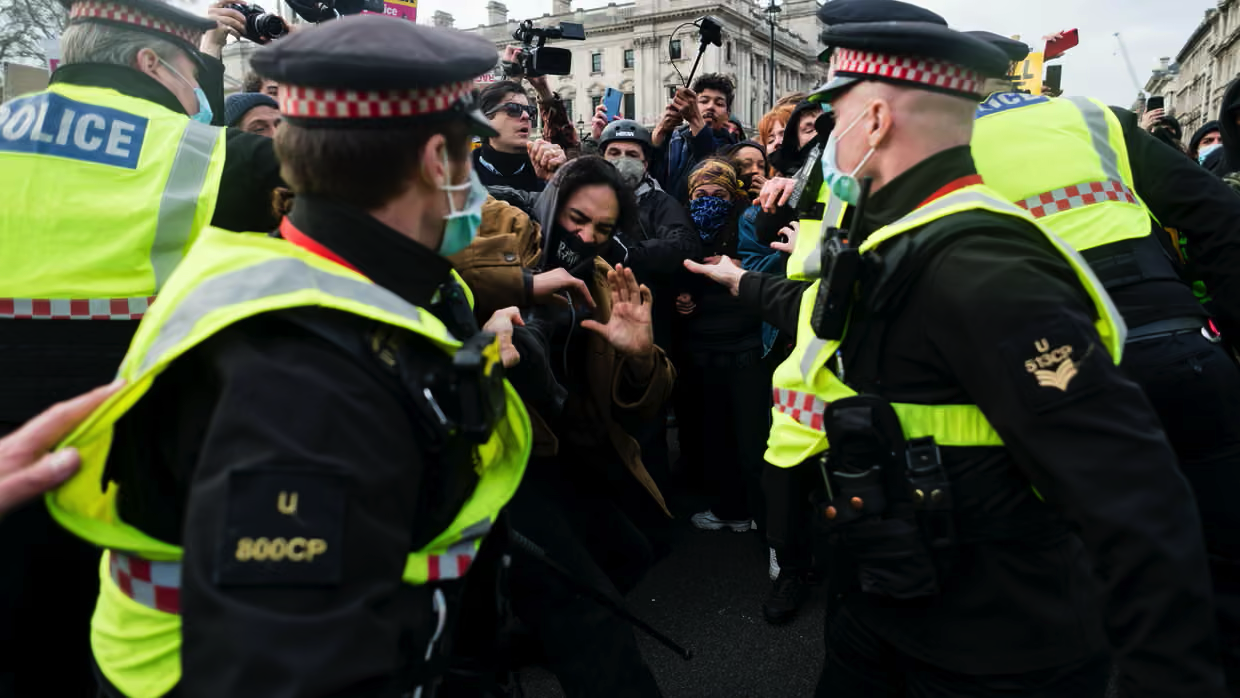 London’s Metropolitan Police Service says officers will resume arresting people who publicly support Palestine Action, reversing a position adopted after a recent court ruling. Get today's headlines by email The force had previously said it would stop making arrests under terrorism legislation after a High Court judgment found the government’s ban on the direct action group unlawful. Police reverse earlier positionFollowing that decision, police said they would instead collect evidence for possible prosecutions at a later stage. However, on Wednesday the force said the earlier statement was only a temporary stance and that its enforcement approach had now been revised. Deputy assistant commissioner James Harman said the legal ban on the group remains in force while the government challenges the ruling. Ban remains during government appealHarman said the court confirmed that its judgment would not take effect until the appeal process concludes, which could take several months. “That means it is still a criminal offence to support Palestine Action,” he said. He added that police must enforce existing law regardless of how the legal process may eventually unfold. The government’s appeal, led by Home Secretary Shabana Mahmood, is scheduled to be heard at the Court of Appeal of England and Wales on 28 and 29 April. Until that hearing is completed, the organisation remains banned under the Terrorism Act 2000. Harman said the police had initially taken a cautious approach immediately after the High Court ruling because demonstrations outside the court included open displays of support for the group and the outcome of any appeal was not yet clear. After reviewing the situation, the force concluded that it must continue to enforce the existing ban while it remains legally in place. Protest group challenges arrestsCampaign group Defend Our Juries, which has organised demonstrations linked to Palestine Action, recently wrote to Met commissioner Mark Rowley about the police approach. The organisation said a woman had been arrested in London on 15 March for holding a sign stating she opposed genocide and supported Palestine Action. Defend Our Juries previously said it planned a mass vigil in London on 11 April. More than 2,500 people have been arrested in connection with alleged support for the group during protests. Hunger-strike claims raisedSeparately, several protesters associated with Palestine Action who staged hunger strikes while awaiting trial said they were considering legal action against prison authorities. At a press conference in London, activists alleged medical negligence during their protests. Heba Muraisi said she spent 73 days on hunger strike and claimed she did not receive electrolytes and was given vitamins only after a month. Qesser Zuhrah said she went without electrolytes for 20 days and that they were later withdrawn after she collapsed. Another protester, Kamran Ahmed, said he continues to experience chest pain and breathing problems following his 66-day hunger strike. Others reported neurological symptoms. A government spokesperson rejected the allegations of medical negligence. Officials said prisoners were monitored according to established policy, including regular health checks, heart monitoring and blood tests, and were taken to hospital if medical staff considered it necessary. Join the discussion? Already a member? Adapted by ASEAN Now. Source 27 March 2026
 -
Australia’s foreign minister, Penny Wong, has told Israel that Canberra supports Lebanon’s sovereignty and opposes any occupation of territory in the country’s south. Get today's headlines by email Wong delivered the message in a conversation with Israeli foreign minister Gideon Sa’ar after Israel signalled it could create a “defensive buffer” in southern Lebanon to counter the Iran-backed armed group Hezbollah. Australia warns against occupationThe remarks came as regional tensions remained high, with Israel continuing military operations linked to the wider conflict involving Iran. Wong said Australia was deeply concerned about the spread of violence in Lebanon and the humanitarian impact on civilians. “Australia is gravely concerned at the expansion of the conflict in Lebanon, the loss of life and displacement of more than one million civilians,” she said. She also stressed that Australia did not support Israeli control of Lebanese territory. “Australia supports Lebanon’s sovereignty – so we do not want to see occupation of southern Lebanon by Israel,” Wong said. Israel stresses security concernsSa’ar said he had outlined Israel’s security concerns during the conversation, pointing to ongoing attacks launched from Lebanon. He said Israel faced large-scale missile, rocket and drone strikes against communities in its north. According to Sa’ar, Israel was acting to defend its population and restore security in areas where residents had been displaced by the fighting. He also criticised the Lebanese government, saying it had not taken effective action against Hezbollah to stop attacks targeting Israeli civilians. Israel’s defence minister, Israel Katz, previously indicated that Israeli forces could maintain control over bridges and a security zone extending to the Litani River, roughly 30 kilometres north of Israel’s border. Australians urged to leave LebanonWong also renewed warnings for Australians currently in Lebanon. She urged citizens to leave the country while travel remained possible and safe. “Please do not wait until it’s too late,” she said. Australia’s Department of Foreign Affairs and Trade estimates about 15,000 Australians are living in Lebanon. Since the outbreak of the regional war, more than 8,000 Australians and permanent residents have returned home from across the Middle East. The Australian government recently announced an additional 5 million Australian dollars in humanitarian assistance to support civilians affected by the fighting in Lebanon, particularly women and children. Wider tensions remainThe discussion between Wong and Sa’ar also touched on several issues straining relations between the two countries. Among them were statements by Israel’s finance minister, Bezalel Smotrich, who has advocated establishing a new border with Lebanon along the Litani River. Smotrich was sanctioned by Australia last year. Diplomatic tensions have also persisted after Israel revoked visas for Australian diplomats stationed at Canberra’s mission to the Palestinian Authority in Ramallah. The office has remained closed for more than seven months. Officials from the government of Anthony Albanese continue to press Israel to restore access. Australia also raised concerns over rising settler violence in the West Bank and recent Israeli measures tightening control over the territory. Join the discussion? Already a member? Adapted by ASEAN Now. Source 27 March 2026 View full article
-
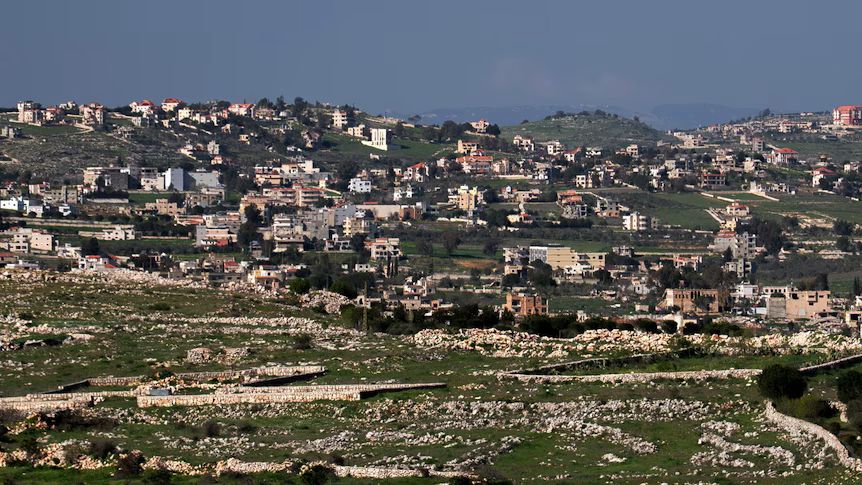 Australia’s foreign minister, Penny Wong, has told Israel that Canberra supports Lebanon’s sovereignty and opposes any occupation of territory in the country’s south. Get today's headlines by email Wong delivered the message in a conversation with Israeli foreign minister Gideon Sa’ar after Israel signalled it could create a “defensive buffer” in southern Lebanon to counter the Iran-backed armed group Hezbollah. Australia warns against occupationThe remarks came as regional tensions remained high, with Israel continuing military operations linked to the wider conflict involving Iran. Wong said Australia was deeply concerned about the spread of violence in Lebanon and the humanitarian impact on civilians. “Australia is gravely concerned at the expansion of the conflict in Lebanon, the loss of life and displacement of more than one million civilians,” she said. She also stressed that Australia did not support Israeli control of Lebanese territory. “Australia supports Lebanon’s sovereignty – so we do not want to see occupation of southern Lebanon by Israel,” Wong said. Israel stresses security concernsSa’ar said he had outlined Israel’s security concerns during the conversation, pointing to ongoing attacks launched from Lebanon. He said Israel faced large-scale missile, rocket and drone strikes against communities in its north. According to Sa’ar, Israel was acting to defend its population and restore security in areas where residents had been displaced by the fighting. He also criticised the Lebanese government, saying it had not taken effective action against Hezbollah to stop attacks targeting Israeli civilians. Israel’s defence minister, Israel Katz, previously indicated that Israeli forces could maintain control over bridges and a security zone extending to the Litani River, roughly 30 kilometres north of Israel’s border. Australians urged to leave LebanonWong also renewed warnings for Australians currently in Lebanon. She urged citizens to leave the country while travel remained possible and safe. “Please do not wait until it’s too late,” she said. Australia’s Department of Foreign Affairs and Trade estimates about 15,000 Australians are living in Lebanon. Since the outbreak of the regional war, more than 8,000 Australians and permanent residents have returned home from across the Middle East. The Australian government recently announced an additional 5 million Australian dollars in humanitarian assistance to support civilians affected by the fighting in Lebanon, particularly women and children. Wider tensions remainThe discussion between Wong and Sa’ar also touched on several issues straining relations between the two countries. Among them were statements by Israel’s finance minister, Bezalel Smotrich, who has advocated establishing a new border with Lebanon along the Litani River. Smotrich was sanctioned by Australia last year. Diplomatic tensions have also persisted after Israel revoked visas for Australian diplomats stationed at Canberra’s mission to the Palestinian Authority in Ramallah. The office has remained closed for more than seven months. Officials from the government of Anthony Albanese continue to press Israel to restore access. Australia also raised concerns over rising settler violence in the West Bank and recent Israeli measures tightening control over the territory. Join the discussion? Already a member? Adapted by ASEAN Now. Source 27 March 2026
 -
A councillor from the Social Democratic and Labour Party has changed his position on a plaque connected to Prince Andrew, now supporting its permanent removal. Get today's headlines by email Pat Catney had previously told officials at Lisburn and Castlereagh City Council that the plaque should be restored. He argued that removing it risked altering the historical record of the event it commemorated. The plaque had marked a tree planted in 2009 by Andrew, then Duke of York, during celebrations marking the 400th anniversary of Lisburn. It was taken down shortly before Christmas as new details emerged about the former royal’s ties to convicted sex offender Jeffrey Epstein. The SDLP later said Catney had clarified his view and now agreed that the plaque should not be reinstated. Emails Revealed DebateCorrespondence seen by BBC News NI shows council officials invited elected representatives to suggest ways to acknowledge the tree’s historical significance while recognising sensitivities surrounding Andrew. In a reply, Catney wrote that he believed the original plaque should be restored as it had first appeared. He said the tree planting formed part of the city’s history and that the council should avoid rewriting past events. At the time, he argued that the commemorative marker recorded a moment in the city’s history and that removing it risked altering that record. Criticism from Other CouncillorsThe earlier stance drew criticism from other members of the council. Claire Kemp of the Alliance Party urged Catney to explain his reasoning. She said residents had expressed strong discomfort about maintaining any tribute to Andrew. Kemp said the council had acted appropriately in removing the plaque and argued that references to Andrew should not remain in public commemorations given the controversy surrounding him. She added that while Lisburn and Castlereagh have longstanding links with the British royal family, the plaque’s removal was the correct decision under the circumstances. Party StatementAn SDLP spokesperson later said Catney had clarified his position to council officials and now supported permanently removing the plaque. The party said it had consistently argued that tributes connected to Andrew were inappropriate following the Epstein scandal. It added that the SDLP had been among the first political groups to call for such recognitions to be taken down. The spokesperson also expressed sympathy for victims connected to Epstein and others linked to the case. Meanwhile, a representative for Lisburn and Castlereagh City Council said the plaque mount had already been removed during a clean-up of the site and that there were currently no plans to reinstall it. Join the discussion? Already a member? Adapted by ASEAN Now. Source 27 March 2026 View full article
-
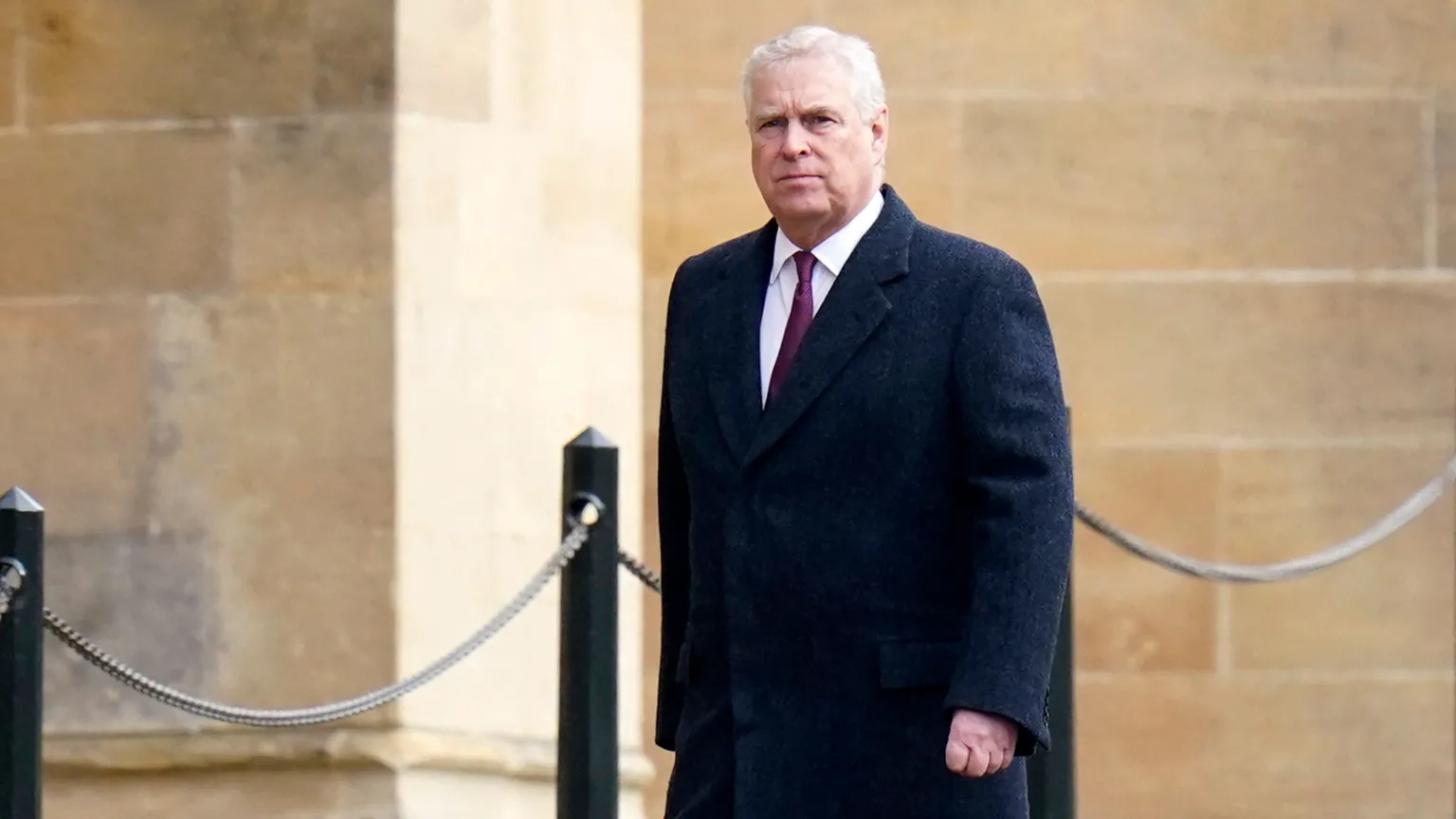 A councillor from the Social Democratic and Labour Party has changed his position on a plaque connected to Prince Andrew, now supporting its permanent removal. Get today's headlines by email Pat Catney had previously told officials at Lisburn and Castlereagh City Council that the plaque should be restored. He argued that removing it risked altering the historical record of the event it commemorated. The plaque had marked a tree planted in 2009 by Andrew, then Duke of York, during celebrations marking the 400th anniversary of Lisburn. It was taken down shortly before Christmas as new details emerged about the former royal’s ties to convicted sex offender Jeffrey Epstein. The SDLP later said Catney had clarified his view and now agreed that the plaque should not be reinstated. Emails Revealed DebateCorrespondence seen by BBC News NI shows council officials invited elected representatives to suggest ways to acknowledge the tree’s historical significance while recognising sensitivities surrounding Andrew. In a reply, Catney wrote that he believed the original plaque should be restored as it had first appeared. He said the tree planting formed part of the city’s history and that the council should avoid rewriting past events. At the time, he argued that the commemorative marker recorded a moment in the city’s history and that removing it risked altering that record. Criticism from Other CouncillorsThe earlier stance drew criticism from other members of the council. Claire Kemp of the Alliance Party urged Catney to explain his reasoning. She said residents had expressed strong discomfort about maintaining any tribute to Andrew. Kemp said the council had acted appropriately in removing the plaque and argued that references to Andrew should not remain in public commemorations given the controversy surrounding him. She added that while Lisburn and Castlereagh have longstanding links with the British royal family, the plaque’s removal was the correct decision under the circumstances. Party StatementAn SDLP spokesperson later said Catney had clarified his position to council officials and now supported permanently removing the plaque. The party said it had consistently argued that tributes connected to Andrew were inappropriate following the Epstein scandal. It added that the SDLP had been among the first political groups to call for such recognitions to be taken down. The spokesperson also expressed sympathy for victims connected to Epstein and others linked to the case. Meanwhile, a representative for Lisburn and Castlereagh City Council said the plaque mount had already been removed during a clean-up of the site and that there were currently no plans to reinstall it. Join the discussion? Already a member? Adapted by ASEAN Now. Source 27 March 2026
 -
President Donald Trump said the United States will prolong a pause on attacks targeting Iran’s energy facilities, pushing the deadline for possible strikes into early April while saying talks related to the conflict were progressing. Get today's headlines by email The decision follows weeks of fighting across the Middle East that has left thousands dead and rattled global markets. Energy prices surged during the conflict, raising concerns over broader inflation as disruptions hit fuel shipments. U.S. Extends Strike PauseThe United States and Israel began striking Iranian targets on Feb. 28 after negotiations over Tehran’s nuclear programme collapsed. Trump had earlier warned Iran that Washington could “unleash hell” if Tehran failed to meet U.S. demands during the war. During a cabinet meeting at the White House, Trump threatened further pressure if no agreement emerged. Later he wrote on his Truth Social platform that attacks on Iranian energy plants would remain suspended for 10 days, until April 6 at 2000 EDT. “Talks are ongoing,” he said, adding they were “going very well” despite what he called inaccurate reporting. Iranian officials, however, say no direct negotiations with Washington are underway. Diplomacy DisputesTrump has not said which Iranian figures are involved in contacts with the United States, as many senior officials were killed during the conflict. On March 23, Trump initially announced a five-day halt to strikes on Iranian power and energy infrastructure. The extension doubles that period. According to mediators cited by the Wall Street Journal, Iran did not request the 10-day pause. Trump said on Fox News that Tehran had asked for a seven-day suspension of attacks on energy targets. Iranian authorities did not immediately comment. Separately, an Iranian official said Tehran had examined a 15-point U.S. proposal delivered through Pakistan but viewed it as heavily favouring U.S. and Israeli interests. The proposal reportedly demanded dismantling Iran’s nuclear programme, limits on its missile capabilities and changes related to control of the Strait of Hormuz. Pakistan’s foreign minister said messages between Washington and Tehran were being exchanged indirectly through Islamabad, while other countries, including Turkey and Egypt were also involved in mediation efforts. Iran has demanded security guarantees against future attacks, compensation for damage caused during the war and recognition of its authority over the strategic waterway. Conflict Expands Across RegionThe conflict has severely disrupted shipping routes in the Gulf. Oil prices climbed roughly 40 percent while liquefied natural gas costs and fertiliser prices have also jumped sharply. Iran has responded to U.S. and Israeli strikes with missile attacks on Israeli territory and against American positions in the region. It also targeted several Gulf states and blocked fuel exports passing through the Strait of Hormuz, a route carrying about one-fifth of global oil and LNG shipments. Trump said Iran had allowed several oil tankers to pass through the strait as a goodwill signal, including vessels sailing under Pakistan’s flag. Meanwhile, the Pentagon is considering sending up to 10,000 additional troops to the Middle East, according to the Wall Street Journal, giving the White House broader military options. The U.S. military has also deployed unmanned drone speedboats to patrol regional waters, marking the first confirmation that such vessels are being used in an active conflict. Fighting continues. Iranian missiles struck cities including Tel Aviv and Haifa, according to Israeli authorities. A rocket barrage by Hezbollah killed a man in the northern city of Nahariya. Inside Iran, strikes hit the southern port city of Bandar Abbas and areas near Shiraz, while a university building in Isfahan was also reported damaged. Join the discussion? Already a member? Adapted by ASEAN Now. Source 27 March 2026 View full article
-
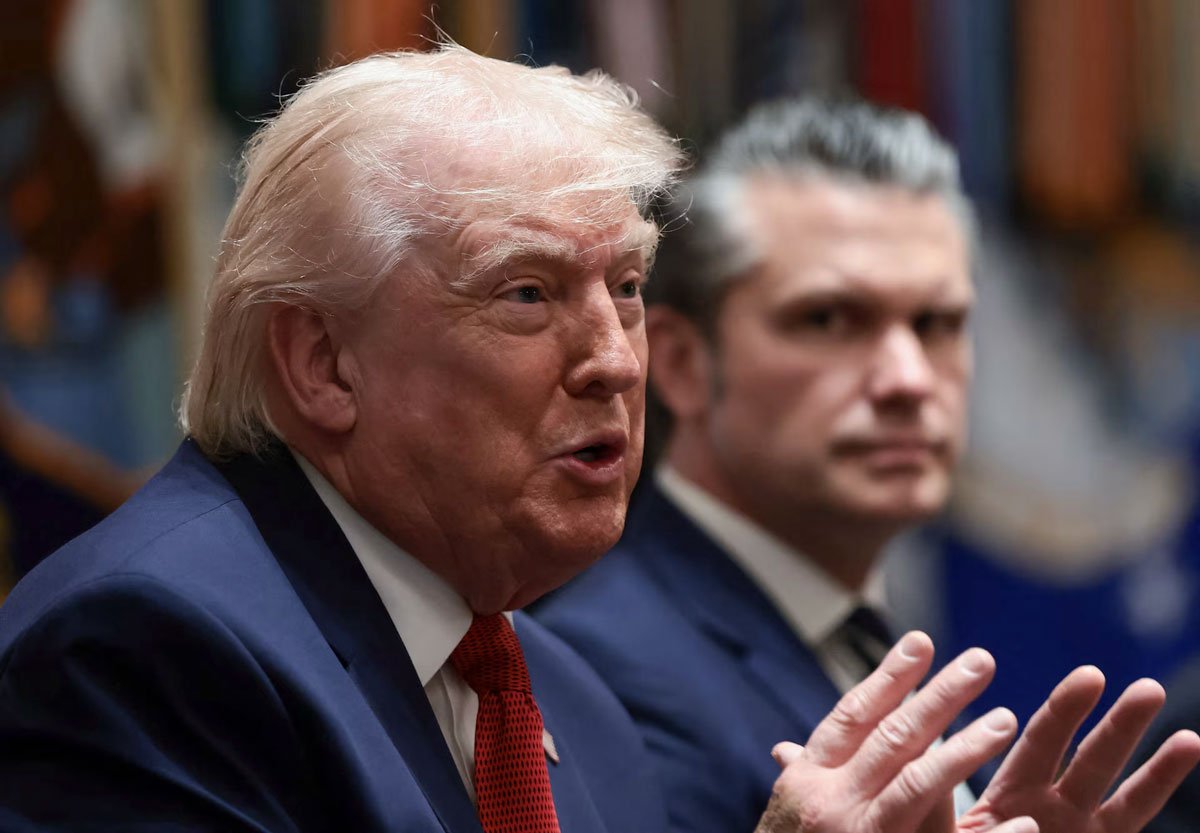 President Donald Trump said the United States will prolong a pause on attacks targeting Iran’s energy facilities, pushing the deadline for possible strikes into early April while saying talks related to the conflict were progressing. Get today's headlines by email The decision follows weeks of fighting across the Middle East that has left thousands dead and rattled global markets. Energy prices surged during the conflict, raising concerns over broader inflation as disruptions hit fuel shipments. U.S. Extends Strike PauseThe United States and Israel began striking Iranian targets on Feb. 28 after negotiations over Tehran’s nuclear programme collapsed. Trump had earlier warned Iran that Washington could “unleash hell” if Tehran failed to meet U.S. demands during the war. During a cabinet meeting at the White House, Trump threatened further pressure if no agreement emerged. Later he wrote on his Truth Social platform that attacks on Iranian energy plants would remain suspended for 10 days, until April 6 at 2000 EDT. “Talks are ongoing,” he said, adding they were “going very well” despite what he called inaccurate reporting. Iranian officials, however, say no direct negotiations with Washington are underway. Diplomacy DisputesTrump has not said which Iranian figures are involved in contacts with the United States, as many senior officials were killed during the conflict. On March 23, Trump initially announced a five-day halt to strikes on Iranian power and energy infrastructure. The extension doubles that period. According to mediators cited by the Wall Street Journal, Iran did not request the 10-day pause. Trump said on Fox News that Tehran had asked for a seven-day suspension of attacks on energy targets. Iranian authorities did not immediately comment. Separately, an Iranian official said Tehran had examined a 15-point U.S. proposal delivered through Pakistan but viewed it as heavily favouring U.S. and Israeli interests. The proposal reportedly demanded dismantling Iran’s nuclear programme, limits on its missile capabilities and changes related to control of the Strait of Hormuz. Pakistan’s foreign minister said messages between Washington and Tehran were being exchanged indirectly through Islamabad, while other countries, including Turkey and Egypt were also involved in mediation efforts. Iran has demanded security guarantees against future attacks, compensation for damage caused during the war and recognition of its authority over the strategic waterway. Conflict Expands Across RegionThe conflict has severely disrupted shipping routes in the Gulf. Oil prices climbed roughly 40 percent while liquefied natural gas costs and fertiliser prices have also jumped sharply. Iran has responded to U.S. and Israeli strikes with missile attacks on Israeli territory and against American positions in the region. It also targeted several Gulf states and blocked fuel exports passing through the Strait of Hormuz, a route carrying about one-fifth of global oil and LNG shipments. Trump said Iran had allowed several oil tankers to pass through the strait as a goodwill signal, including vessels sailing under Pakistan’s flag. Meanwhile, the Pentagon is considering sending up to 10,000 additional troops to the Middle East, according to the Wall Street Journal, giving the White House broader military options. The U.S. military has also deployed unmanned drone speedboats to patrol regional waters, marking the first confirmation that such vessels are being used in an active conflict. Fighting continues. Iranian missiles struck cities including Tel Aviv and Haifa, according to Israeli authorities. A rocket barrage by Hezbollah killed a man in the northern city of Nahariya. Inside Iran, strikes hit the southern port city of Bandar Abbas and areas near Shiraz, while a university building in Isfahan was also reported damaged. Join the discussion? Already a member? Adapted by ASEAN Now. Source 27 March 2026
 -
Miguel Díaz‑Canel said Wednesday that Raúl Castro is involved in discussions between Cuba and the United States, describing the contacts as being in the initial phase. Get today's headlines by email Díaz-Canel said the dialogue process is still developing and stressed that negotiations typically take time. The comments came during a recorded interview with Pablo Iglesias that was later shared by Cuban state media. Cuba confirms early contacts with WashingtonAccording to Díaz-Canel, the talks are being handled collectively by the Cuban leadership, with Castro helping guide how the government approaches potential negotiations. Castro, now 94, stepped down from formal leadership but remains an influential figure within the ruling system. Díaz-Canel said the first step in any negotiation is establishing a channel for dialogue, followed by identifying shared interests and confirming both sides are willing to move forward with meaningful engagement. Tensions rise amid US pressureThe talks come during a period of strained relations between the two countries under Donald Trump. The United States has tightened pressure on Havana, including measures aimed at restricting fuel supplies to the island. Earlier this year, Trump threatened tariffs on countries that supply oil to Cuba. Although some of the initial warnings were later softened, restrictions remain in place. Cuban officials say the island has not received fuel shipments for roughly three months. The measures have deepened a severe energy crisis. Cuba’s ageing power grid has suffered repeated failures, triggering prolonged blackouts that have disrupted daily life and economic activity across the country. In the past week alone, two nationwide outages left millions without electricity. Authorities say the outages reflect the deteriorating condition of the energy system combined with fuel shortages. Trump has also warned that the United States could take stronger action against Cuba’s government, further raising tensions between Washington and Havana. Castro remains influentialDíaz-Canel rejected suggestions that disagreements exist within Cuba’s leadership over relations with the United States. He said Castro continues to play a guiding role alongside the government and the ruling Communist Party. He described the former president as a historic leader who retains significant authority because of his political legacy and standing among the Cuban public. Castro previously oversaw a major diplomatic breakthrough with the United States. In 2014, he held talks with Barack Obama that led to the restoration of diplomatic relations and the reopening of embassies in both countries. Many of those rapprochement measures were later rolled back during Trump’s presidency as Washington imposed tougher sanctions on the island. UN warns of worsening crisisInternational organisations say the energy shortages are contributing to a broader humanitarian challenge. United Nations officials warned that the situation could worsen if Cuba’s remaining fuel reserves are depleted. They said prolonged shortages could lead to further economic disruption and risks to public welfare. UN representatives also pointed to renewable energy as a potential partial solution, highlighting solar power systems that could help maintain operations in hospitals, schools and water infrastructure. Officials cautioned that without additional fuel supplies or rapid energy improvements, the crisis could intensify in the coming months. Join the discussion? Already a member? Adapted by ASEAN Now. Source 26 March 2026 View full article
-
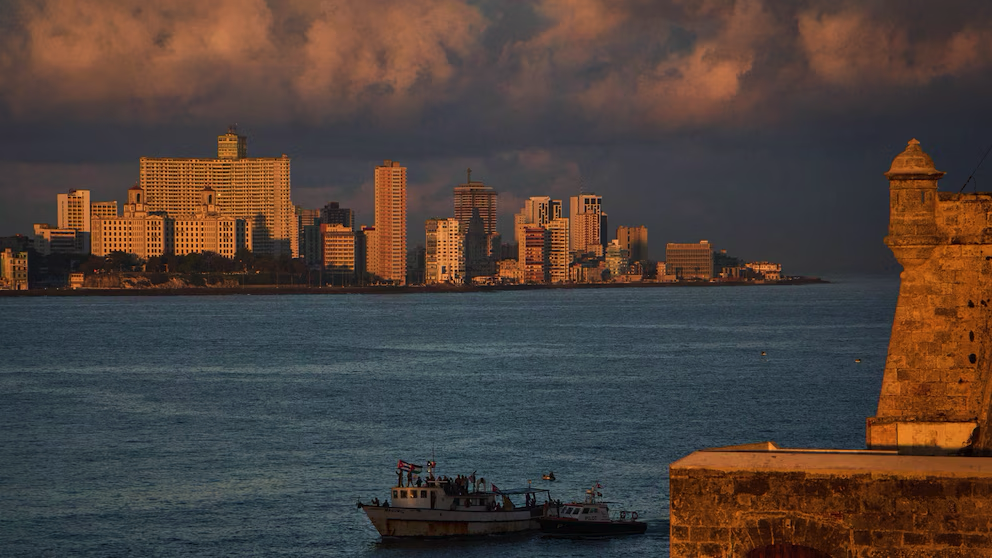 Miguel Díaz‑Canel said Wednesday that Raúl Castro is involved in discussions between Cuba and the United States, describing the contacts as being in the initial phase. Get today's headlines by email Díaz-Canel said the dialogue process is still developing and stressed that negotiations typically take time. The comments came during a recorded interview with Pablo Iglesias that was later shared by Cuban state media. Cuba confirms early contacts with WashingtonAccording to Díaz-Canel, the talks are being handled collectively by the Cuban leadership, with Castro helping guide how the government approaches potential negotiations. Castro, now 94, stepped down from formal leadership but remains an influential figure within the ruling system. Díaz-Canel said the first step in any negotiation is establishing a channel for dialogue, followed by identifying shared interests and confirming both sides are willing to move forward with meaningful engagement. Tensions rise amid US pressureThe talks come during a period of strained relations between the two countries under Donald Trump. The United States has tightened pressure on Havana, including measures aimed at restricting fuel supplies to the island. Earlier this year, Trump threatened tariffs on countries that supply oil to Cuba. Although some of the initial warnings were later softened, restrictions remain in place. Cuban officials say the island has not received fuel shipments for roughly three months. The measures have deepened a severe energy crisis. Cuba’s ageing power grid has suffered repeated failures, triggering prolonged blackouts that have disrupted daily life and economic activity across the country. In the past week alone, two nationwide outages left millions without electricity. Authorities say the outages reflect the deteriorating condition of the energy system combined with fuel shortages. Trump has also warned that the United States could take stronger action against Cuba’s government, further raising tensions between Washington and Havana. Castro remains influentialDíaz-Canel rejected suggestions that disagreements exist within Cuba’s leadership over relations with the United States. He said Castro continues to play a guiding role alongside the government and the ruling Communist Party. He described the former president as a historic leader who retains significant authority because of his political legacy and standing among the Cuban public. Castro previously oversaw a major diplomatic breakthrough with the United States. In 2014, he held talks with Barack Obama that led to the restoration of diplomatic relations and the reopening of embassies in both countries. Many of those rapprochement measures were later rolled back during Trump’s presidency as Washington imposed tougher sanctions on the island. UN warns of worsening crisisInternational organisations say the energy shortages are contributing to a broader humanitarian challenge. United Nations officials warned that the situation could worsen if Cuba’s remaining fuel reserves are depleted. They said prolonged shortages could lead to further economic disruption and risks to public welfare. UN representatives also pointed to renewable energy as a potential partial solution, highlighting solar power systems that could help maintain operations in hospitals, schools and water infrastructure. Officials cautioned that without additional fuel supplies or rapid energy improvements, the crisis could intensify in the coming months. Join the discussion? Already a member? Adapted by ASEAN Now. Source 26 March 2026