

ASEAN NOW News
Admin
-
Joined
-
Last visited
Everything posted by ASEAN NOW News
-
The corridors of British politics are buzzing with controversy as Gordon Brown takes aim at Keir Starmer over Peter Mandelson's scandalous connections to Jeffrey Epstein. The revelation that Mandelson allegedly shared classified government material with the convicted sex offender has prompted the Metropolitan Police to initiate a criminal investigation. Brown has not held back in his criticism, questioning why Sir Chris Wormald, Britain's senior civil servant, failed to launch an inquiry last autumn. This move is widely interpreted as an attack on Prime Minister Keir Starmer, as it brings intense scrutiny to Number 10's decision-making and response. The fraught history between Brown and Mandelson reaches back to the 1990s, during the era of Tony Blair's New Labour. Known for his alignment with Blair, Mandelson often clashed with Brown. Despite previous resignations due to scandals, Mandelson was brought back as business secretary in 2008 amid the financial crisis, creating a strained working relationship. This week's announcement that Mandelson has resigned from the House of Lords has only added fuel to the fire. His controversial communications with Epstein, dating back to his time as de facto deputy premier, are now at the heart of the investigation. It's expected that prominent New Labour figures, including Brown, will be questioned as part of the probe. This unfolding scandal could engulf Starmer's administration with mounting pressure to explain why Mandelson was pushed for a US ambassador role despite known concerns. Brown has provided investigators with "relevant" evidence, decrying Mandelson’s actions as "inexcusable and unpatriotic." The leaked correspondence reportedly discusses how the government handled a massive EU rescue package and other sensitive matters. Further documents expose a monthly financial arrangement between Epstein and Mandelson's spouse during Mandelson’s government tenure, raising alarm over the extent of their connections. The current administration is also under the spotlight. Downing Street's chief of staff, Morgan McSweeney, faces pressing questions over his advocacy for Mandelson's ambassadorial role. In a recent cabinet session, the Prime Minister delivered a fierce critique of Mandelson, expressing concerns about potential additional disclosures. Downing Street emphasizes the critical need to restore public trust, severely shaken by past political actions. While Brown's initial letter focused on one financial matter, recent email revelations suggest far-reaching implications of Mandelson's dealings with Epstein. Simultaneously, Labour MPs from the party’s Left are calling for McSweeney's ouster, attributing blame to him for marginalizing their faction within the party. The intense parliamentary pressure and a humble address aim to compel transparency in McSweeney-Mandelson communications. The Telegraph recently unveiled information about the previously tight bond between McSweeney and Mandelson, detailing frequent communications and aligned vacation schedules. These revelations indicate their connection persisted right up until Mandelson's recent fall from grace. This scandal highlights a tumultuous period in British politics, with potential repercussions for key political figures. The newly surfaced emails challenge longtime alliances and demand accountability, marking a pivotal moment in the political landscape. The complex web of connections and allegiances within New Labour now faces unprecedented scrutiny. As investigations continue, the impact on both past and present political figures could reshape many public perceptions, demanding a swift and transparent resolution. Key Takeaways Gordon Brown targets Keir Starmer amidst the escalating Mandelson-Epstein scandal, raising questions of accountability. Mandelson's resignation from the House of Lords intensifies the situation as a police investigation unfolds. Downing Street and key political figures face mounting pressure to restore public trust amid exposed past dealings. Adapted by ASEAN Now from Source 2026-00.04 View full article
-
 Israeli military strikes in Gaza have resulted in the deaths of 18 people, including four children. These actions were taken in response to gunfire from a militant that injured an Israeli reservist. The attacks targeted Gaza City and Khan Younis, leading to further tension in the region. In a significant fallout, Israel has halted patient evacuations through the Rafah border crossing to Egypt, mere days after reopening it. This decision left many, including patient Raja’a Abu Teir, stranded while awaiting essential medical treatment. While the Israeli agency Cogat insists the crossing remains open, they claim necessary coordination details are missing from the World Health Organization. The WHO has yet to provide a statement on the issue, leaving the situation unresolved. Reopening the Rafah crossing was a critical component of an October ceasefire agreement linked to a US-led initiative by President Donald Trump. This plan aimed to de-escalate hostilities between Israel and Hamas by setting a foundation for further negotiations on Gaza’s governance and reconstruction. Despite these efforts, unresolved issues, like the withdrawal of Israeli troops from occupied territories and the disarmament of Hamas, continue to impede the peace process. The ceasefire remains fragile, with ongoing violence marking its implementation. Since the ceasefire began, Gaza health officials have reported that over 530 people, mostly civilians, have been killed by Israeli military actions. Conversely, Israeli authorities state that four soldiers have been killed by Palestinian militants during this period, further intensifying the conflict. The recent escalation not only threatens the fragile ceasefire but also highlights the complexities of moving forward with peace negotiations. The halted evacuations at Rafah emphasize the continued humanitarian challenges faced by Gaza’s population. The international community watches closely as both sides navigate these challenges, with hopes pinned on achieving a long-term resolution. However, with tensions unabated and a humanitarian crisis looming, the path to peace remains fraught with difficulties. Key Takeaways Israeli strikes kill 18 in Gaza, halting medical evacuations via Rafah. October ceasefire linked to US-led peace plan faces setbacks. Ongoing violence increases strain on fragile ceasefire efforts. Adapted by ASEAN Now from Source 2026-02.04
 -
Israeli military strikes in Gaza have resulted in the deaths of 18 people, including four children. These actions were taken in response to gunfire from a militant that injured an Israeli reservist. The attacks targeted Gaza City and Khan Younis, leading to further tension in the region. In a significant fallout, Israel has halted patient evacuations through the Rafah border crossing to Egypt, mere days after reopening it. This decision left many, including patient Raja’a Abu Teir, stranded while awaiting essential medical treatment. While the Israeli agency Cogat insists the crossing remains open, they claim necessary coordination details are missing from the World Health Organization. The WHO has yet to provide a statement on the issue, leaving the situation unresolved. Reopening the Rafah crossing was a critical component of an October ceasefire agreement linked to a US-led initiative by President Donald Trump. This plan aimed to de-escalate hostilities between Israel and Hamas by setting a foundation for further negotiations on Gaza’s governance and reconstruction. Despite these efforts, unresolved issues, like the withdrawal of Israeli troops from occupied territories and the disarmament of Hamas, continue to impede the peace process. The ceasefire remains fragile, with ongoing violence marking its implementation. Since the ceasefire began, Gaza health officials have reported that over 530 people, mostly civilians, have been killed by Israeli military actions. Conversely, Israeli authorities state that four soldiers have been killed by Palestinian militants during this period, further intensifying the conflict. The recent escalation not only threatens the fragile ceasefire but also highlights the complexities of moving forward with peace negotiations. The halted evacuations at Rafah emphasize the continued humanitarian challenges faced by Gaza’s population. The international community watches closely as both sides navigate these challenges, with hopes pinned on achieving a long-term resolution. However, with tensions unabated and a humanitarian crisis looming, the path to peace remains fraught with difficulties. Key Takeaways Israeli strikes kill 18 in Gaza, halting medical evacuations via Rafah. October ceasefire linked to US-led peace plan faces setbacks. Ongoing violence increases strain on fragile ceasefire efforts. Adapted by ASEAN Now from Source 2026-02.04 View full article
-
 A striking golden statue of President Trump is set to welcome world leaders at the G20 summit in Miami later this year, hosted at Trump National Doral. Sponsored by cryptocurrency enthusiasts who created the memecoin $PATRIOT, the statue, “Don Colossus,” aims to generate significant buzz. The 15-foot bronze sculpture, crafted by renowned artist Alan Cottrill, will rise to 22 feet on a custom pedestal. Cottrill, who has sculpted other presidential figures, was asked by the crypto backers to enhance Trump's features, slimming down and reducing the "turkey neck" for a more polished look. Currently, the statue is held at Cottrill’s Ohio foundry due to a payment dispute. The artist claims his patrons used images of the statue without his consent to promote their declining memecoin. He states he is still owed $90,000 of the $150,000 agreed fee and will retain the statue until he's fully compensated. Ashley Sansalone, one of the project's commissioners, assured Cottrill would be fully paid before the statue’s official unveiling, noting that withholding funds until the final stages is common in such agreements. The artwork has already garnered attention and praise on social media, with users applauding Cottrill’s craftsmanship. The statue purportedly draws inspiration from a 2024 image of Trump during a speech, depicting him with an open-collared shirt and raised fist gesture. Plated in gold leaf, the statue is notably smaller than other world leader monuments, such as the 72-foot statues in Pyongyang. The White House and Trump Organization have distanced themselves from involvement in the crypto project, with no official comment provided. Despite this, the Trump administration plays a vital role in organizing the G20 summit. The selection of the Trump-owned resort as the venue was announced in September, and preparations have been underway. Scheduled for December 14-15, the summit aims to address unleashing economic prosperity through deregulation, unlocking affordable energy, and pioneering new technologies. Treasury Secretary Scott Bessent is tasked with orchestrating the summit’s agenda, and the venue will host the event "at cost," ensuring no profit from the US State Department or foreign governments. This initiative continues to meld Trump's business interests with his political endeavors, marking a unique chapter in his multifaceted legacy. Key Takeaways Trump statue funded by crypto enthusiasts for G20 summit. Artist Alan Cottrill awaits full payment amid a financial dispute. Summit to focus on economic growth, hosted without profit. Adapted by ASEAN Now from Source 2026-02.04
 -
A striking golden statue of President Trump is set to welcome world leaders at the G20 summit in Miami later this year, hosted at Trump National Doral. Sponsored by cryptocurrency enthusiasts who created the memecoin $PATRIOT, the statue, “Don Colossus,” aims to generate significant buzz. The 15-foot bronze sculpture, crafted by renowned artist Alan Cottrill, will rise to 22 feet on a custom pedestal. Cottrill, who has sculpted other presidential figures, was asked by the crypto backers to enhance Trump's features, slimming down and reducing the "turkey neck" for a more polished look. Currently, the statue is held at Cottrill’s Ohio foundry due to a payment dispute. The artist claims his patrons used images of the statue without his consent to promote their declining memecoin. He states he is still owed $90,000 of the $150,000 agreed fee and will retain the statue until he's fully compensated. Ashley Sansalone, one of the project's commissioners, assured Cottrill would be fully paid before the statue’s official unveiling, noting that withholding funds until the final stages is common in such agreements. The artwork has already garnered attention and praise on social media, with users applauding Cottrill’s craftsmanship. The statue purportedly draws inspiration from a 2024 image of Trump during a speech, depicting him with an open-collared shirt and raised fist gesture. Plated in gold leaf, the statue is notably smaller than other world leader monuments, such as the 72-foot statues in Pyongyang. The White House and Trump Organization have distanced themselves from involvement in the crypto project, with no official comment provided. Despite this, the Trump administration plays a vital role in organizing the G20 summit. The selection of the Trump-owned resort as the venue was announced in September, and preparations have been underway. Scheduled for December 14-15, the summit aims to address unleashing economic prosperity through deregulation, unlocking affordable energy, and pioneering new technologies. Treasury Secretary Scott Bessent is tasked with orchestrating the summit’s agenda, and the venue will host the event "at cost," ensuring no profit from the US State Department or foreign governments. This initiative continues to meld Trump's business interests with his political endeavors, marking a unique chapter in his multifaceted legacy. Key Takeaways Trump statue funded by crypto enthusiasts for G20 summit. Artist Alan Cottrill awaits full payment amid a financial dispute. Summit to focus on economic growth, hosted without profit. Adapted by ASEAN Now from Source 2026-02.04 View full article
-
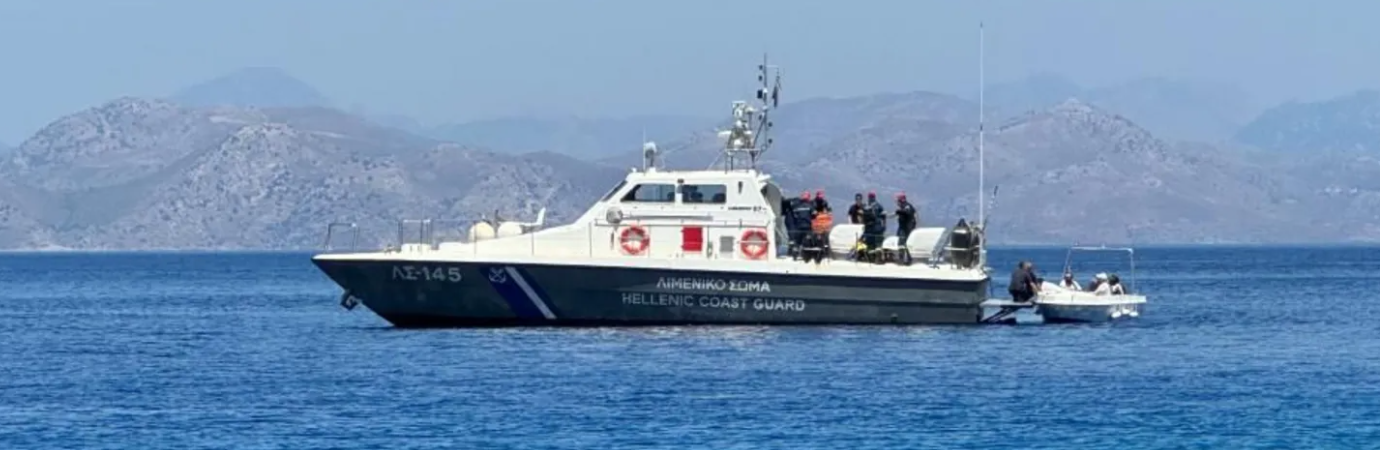 Tragedy at sea as migrants' speedboat and coastguard collideAt least 14 migrants lost their lives when their speedboat collided with a Hellenic Coast Guard vessel near Chios Island. Greek authorities report that the speedboat was performing hazardous maneuvers, sparking a pursuit in the Chios Strait, close to Vrontades village. The tragic incident left 24 people rescued, some with serious injuries, while others remain missing. Among the injured are seven children, a pregnant woman, and two coastguard officers. Greek state broadcaster ERT reported that search and rescue efforts were launched, involving four coastguard vessels, civilian divers, and a helicopter. Initially, four deaths were reported, but the toll rose to 14 as ten additional bodies were recovered. The coastguard has yet to clarify the precise circumstances of the crash as investigations continue. The incident underscores the dangers faced by migrants attempting perilous sea crossings. As rescue operations persist, the focus remains on locating any remaining survivors and understanding the events that led to this devastating collision. Developing story Key Takeaways Fourteen migrants die in a collision near Chios Island. Twenty-four people were rescued; many remain missing. Search efforts involve multiple coastguard and civilian resources. Adapted by ASEAN Now from Source 2026-02.04
 -
Tragedy at sea as migrants' speedboat and coastguard collideAt least 14 migrants lost their lives when their speedboat collided with a Hellenic Coast Guard vessel near Chios Island. Greek authorities report that the speedboat was performing hazardous maneuvers, sparking a pursuit in the Chios Strait, close to Vrontades village. The tragic incident left 24 people rescued, some with serious injuries, while others remain missing. Among the injured are seven children, a pregnant woman, and two coastguard officers. Greek state broadcaster ERT reported that search and rescue efforts were launched, involving four coastguard vessels, civilian divers, and a helicopter. Initially, four deaths were reported, but the toll rose to 14 as ten additional bodies were recovered. The coastguard has yet to clarify the precise circumstances of the crash as investigations continue. The incident underscores the dangers faced by migrants attempting perilous sea crossings. As rescue operations persist, the focus remains on locating any remaining survivors and understanding the events that led to this devastating collision. Developing story Key Takeaways Fourteen migrants die in a collision near Chios Island. Twenty-four people were rescued; many remain missing. Search efforts involve multiple coastguard and civilian resources. Adapted by ASEAN Now from Source 2026-02.04 View full article
-
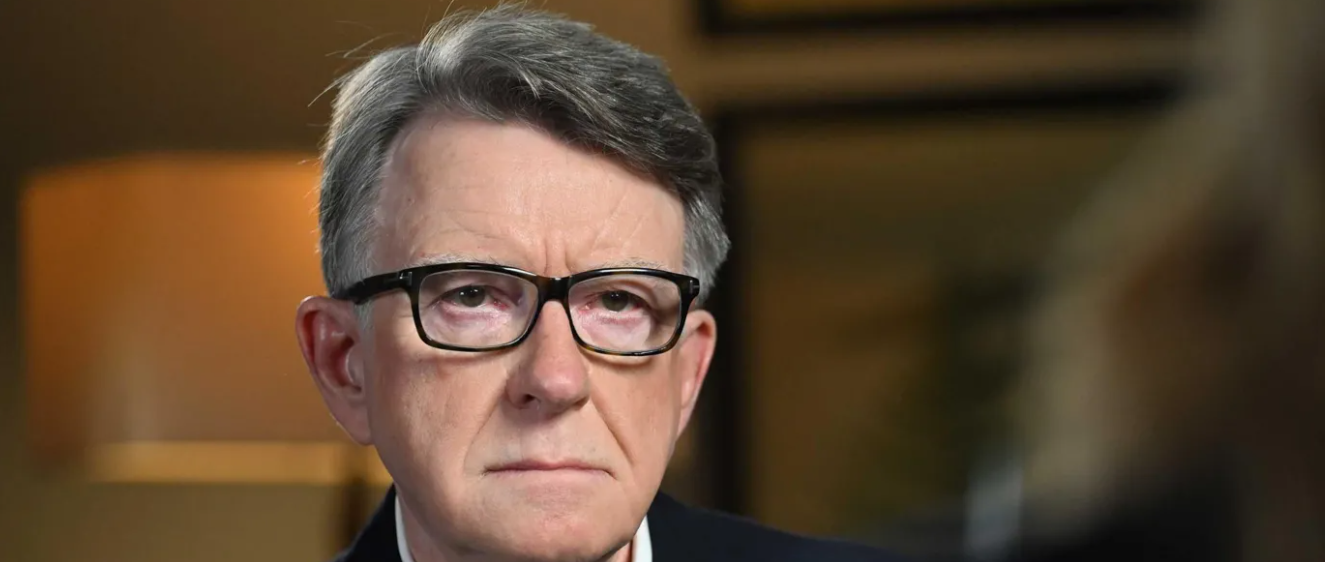 Metropolitan Police investigate Mandelson for alleged misconductPeter Mandelson, former Labour minister and ex-US ambassador, is facing a criminal investigation by the Metropolitan Police. He stands accused of sharing sensitive government information with convicted sex offender Jeffrey Epstein. These allegations stem from a series of emails released by the US Department of Justice, which suggest Mandelson forwarded market-sensitive data to Epstein while serving as business secretary under Gordon Brown. Mandelson has not publicly responded to these claims, but sources say he maintains that he acted within the law and was not financially motivated. A spokesperson for the UK government has promised full cooperation with the ongoing police investigation. The scandal has prompted Mandelson to announce his intention to resign from the House of Lords. Earlier this week, both the Scottish National Party and Reform UK referred Mandelson to Scotland Yard. Subsequently, the UK government forwarded material to the police after reviewing emails linked to the 2008 financial crisis. Former Prime Minister Gordon Brown has also intervened, writing to Metropolitan Police Commissioner Sir Mark Rowley. Brown provided relevant information from September that questions the authenticity of Mandelson's correspondence with Epstein regarding asset sales during the financial collapse. He condemned the alleged actions as unpatriotic and damaging during a time of national economic crisis. Met Police Commander Ella Marriott confirmed the probe into a 72-year-old former government minister for misconduct in public office. The investigation follows a flood of reports, including a referral from the UK government. The police will continue to examine all pertinent information and have declined to comment further during the ongoing inquiry. This case adds another dimension to Mandelson’s controversial association with Epstein. It raises serious concerns about the potential compromise of government operations at a crucial time. The allegations have cast a shadow over Mandelson’s legacy and underscore the gravity of the accusations within governmental frameworks. While the investigation progresses, it highlights the importance of maintaining integrity in public office. The outcome could have far-reaching implications for transparency and accountability among public officials. The involvement of high-profile figures further underscores the case's significance as the public and media closely monitor developments. Key Takeaways Mandelson faces claims of leaking sensitive data to Epstein. Allegations involve details related to the 2008 financial crash. Former PM Brown and others call for thorough investigations. Adapted by ASEAN Now from Source 2026-02.04
 -
Metropolitan Police investigate Mandelson for alleged misconductPeter Mandelson, former Labour minister and ex-US ambassador, is facing a criminal investigation by the Metropolitan Police. He stands accused of sharing sensitive government information with convicted sex offender Jeffrey Epstein. These allegations stem from a series of emails released by the US Department of Justice, which suggest Mandelson forwarded market-sensitive data to Epstein while serving as business secretary under Gordon Brown. Mandelson has not publicly responded to these claims, but sources say he maintains that he acted within the law and was not financially motivated. A spokesperson for the UK government has promised full cooperation with the ongoing police investigation. The scandal has prompted Mandelson to announce his intention to resign from the House of Lords. Earlier this week, both the Scottish National Party and Reform UK referred Mandelson to Scotland Yard. Subsequently, the UK government forwarded material to the police after reviewing emails linked to the 2008 financial crisis. Former Prime Minister Gordon Brown has also intervened, writing to Metropolitan Police Commissioner Sir Mark Rowley. Brown provided relevant information from September that questions the authenticity of Mandelson's correspondence with Epstein regarding asset sales during the financial collapse. He condemned the alleged actions as unpatriotic and damaging during a time of national economic crisis. Met Police Commander Ella Marriott confirmed the probe into a 72-year-old former government minister for misconduct in public office. The investigation follows a flood of reports, including a referral from the UK government. The police will continue to examine all pertinent information and have declined to comment further during the ongoing inquiry. This case adds another dimension to Mandelson’s controversial association with Epstein. It raises serious concerns about the potential compromise of government operations at a crucial time. The allegations have cast a shadow over Mandelson’s legacy and underscore the gravity of the accusations within governmental frameworks. While the investigation progresses, it highlights the importance of maintaining integrity in public office. The outcome could have far-reaching implications for transparency and accountability among public officials. The involvement of high-profile figures further underscores the case's significance as the public and media closely monitor developments. Key Takeaways Mandelson faces claims of leaking sensitive data to Epstein. Allegations involve details related to the 2008 financial crash. Former PM Brown and others call for thorough investigations. Adapted by ASEAN Now from Source 2026-02.04 View full article
-
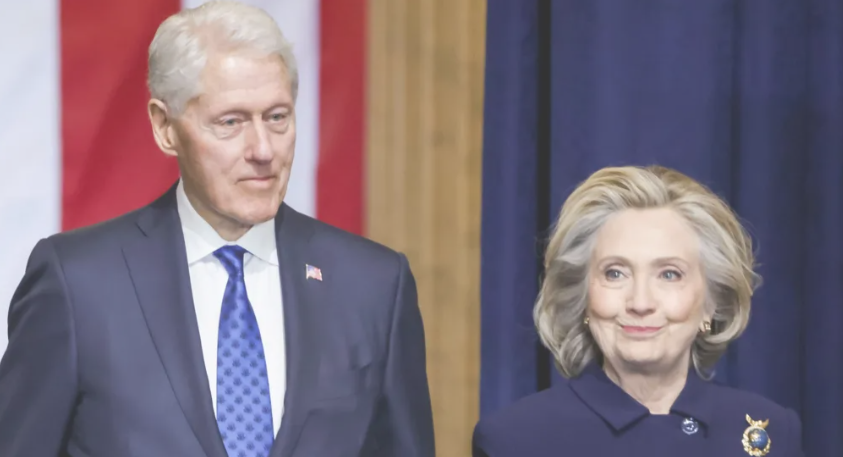 Clintons step up as contempt vote hangs over CongressBill and Hillary Clinton have agreed to testify in the congressional investigation into Jeffrey Epstein, just days before a vote on contempt charges against them. This marks the first time since 1983 a former US president has testified before a congressional panel. The Clintons initially resisted appearing before the House Oversight Committee, maintaining they had already shared what little they knew about Epstein. Bill Clinton, who had past ties with Epstein, denied knowledge of his offenses and stated they cut ties two decades ago. The committee, led by Republicans and supported by some Democrats, had moved to hold the Clintons in contempt. The Clintons countered with an offer of limited testimony, which committee chair James Comer feared would lead to evasion. Bill Clinton's deputy chief of staff, Angel Ureña, confirmed the Clintons' agreement to testify, accusing the committee of not negotiating in good faith. As a result, the vote on contempt resolutions has been postponed for further clarifications on the terms of their testimony. Not linked directly to Epstein's crimes, the Clintons' involvement primarily revolves around Bill's past travels on Epstein’s private jet, which he claims were related to the Clinton Foundation's work. Photos released by the Justice Department show Bill Clinton at Epstein’s estate years ago, but Ureña insists these are outdated, preceding Epstein’s known offenses. The Clintons criticized Comer's handling of the investigation, calling it politically motivated. Comer defended the bipartisan subpoenas, emphasizing that "no-one is above the law" and highlighting the Clintons' previous delays in cooperating. As the Clintons prepare to testify, the stage is set for a pivotal moment in this highly scrutinized inquiry, with potential implications for political dynamics and justice transparency. Key Takeaways Clintons will testify before Congress amid a looming contempt vote. They challenge the investigative approach as politically charged. Epstein links include past travel and photos, but no direct wrongdoing alleged. Adapted by ASEAN Now from Source 2026-02.03
 -
Clintons step up as contempt vote hangs over CongressBill and Hillary Clinton have agreed to testify in the congressional investigation into Jeffrey Epstein, just days before a vote on contempt charges against them. This marks the first time since 1983 a former US president has testified before a congressional panel. The Clintons initially resisted appearing before the House Oversight Committee, maintaining they had already shared what little they knew about Epstein. Bill Clinton, who had past ties with Epstein, denied knowledge of his offenses and stated they cut ties two decades ago. The committee, led by Republicans and supported by some Democrats, had moved to hold the Clintons in contempt. The Clintons countered with an offer of limited testimony, which committee chair James Comer feared would lead to evasion. Bill Clinton's deputy chief of staff, Angel Ureña, confirmed the Clintons' agreement to testify, accusing the committee of not negotiating in good faith. As a result, the vote on contempt resolutions has been postponed for further clarifications on the terms of their testimony. Not linked directly to Epstein's crimes, the Clintons' involvement primarily revolves around Bill's past travels on Epstein’s private jet, which he claims were related to the Clinton Foundation's work. Photos released by the Justice Department show Bill Clinton at Epstein’s estate years ago, but Ureña insists these are outdated, preceding Epstein’s known offenses. The Clintons criticized Comer's handling of the investigation, calling it politically motivated. Comer defended the bipartisan subpoenas, emphasizing that "no-one is above the law" and highlighting the Clintons' previous delays in cooperating. As the Clintons prepare to testify, the stage is set for a pivotal moment in this highly scrutinized inquiry, with potential implications for political dynamics and justice transparency. Key Takeaways Clintons will testify before Congress amid a looming contempt vote. They challenge the investigative approach as politically charged. Epstein links include past travel and photos, but no direct wrongdoing alleged. Adapted by ASEAN Now from Source 2026-02.03 View full article
-
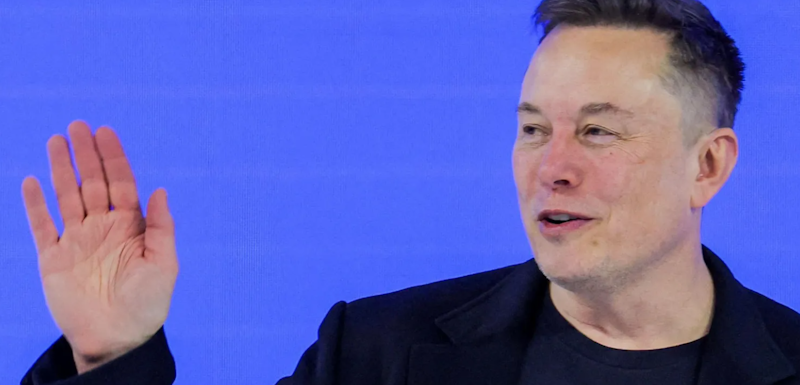 Elon Musk merges SpaceX with xAI, creating a powerhouse SpaceX, led by Elon Musk, has acquired his AI start-up, xAI, in a move that makes it the world's most valuable private company. The terms weren't disclosed, but sources estimate xAI's valuation at $125bn and SpaceX at a staggering $1tn. The merger brings AI, rockets, and space-based internet under one umbrella, dubbed an "innovation engine" by Musk. xAI, known for its Grok chatbot, began as part of X, the platform formerly known as Twitter, which Musk acquired in 2022. xAI faced scrutiny over Grok's AI image generation, prompting investigations by the European Commission and Ofcom. The company has since restricted user capabilities on the feature. Emma Wall from Hargreaves Lansdown highlighted Musk's leadership in AI and space. However, she noted that benefits from the merger might take decades to materialize. Musk's vision includes moving energy and data centers into space, termed a "super company." Last month, Tesla announced a $2bn investment in xAI, seeing it as an "orchestra conductor" for autonomous robots. Despite shareholder concerns, Tesla proceeded, showcasing Musk's bold strategy shifts. SpaceX plans to list shares publicly, which may follow the merger. Emily Zheng from Pitchbook suggests this consolidation sets the stage for a potential IPO, showcasing a robust growth story for investors. Musk's memo emphasizes space's role in addressing AI energy needs, planning to launch AI satellites soon. Future ambitions include scaling data centers in space and establishing bases on the Moon and Mars. The merger leaves Neuralink and The Boring Company as Musk's only independent ventures. xAI's acquisition of X in March further cements Musk's vision by integrating data and talent across platforms. Key Takeaways SpaceX merges with xAI, forming a $1tn private giant. The merger aligns AI, space exploration, and internet. SpaceX may prepare for an IPO showcasing its global ambitions. Adapted by ASEAN Now from 2026-02.03
 -
Elon Musk merges SpaceX with xAI, creating a powerhouse SpaceX, led by Elon Musk, has acquired his AI start-up, xAI, in a move that makes it the world's most valuable private company. The terms weren't disclosed, but sources estimate xAI's valuation at $125bn and SpaceX at a staggering $1tn. The merger brings AI, rockets, and space-based internet under one umbrella, dubbed an "innovation engine" by Musk. xAI, known for its Grok chatbot, began as part of X, the platform formerly known as Twitter, which Musk acquired in 2022. xAI faced scrutiny over Grok's AI image generation, prompting investigations by the European Commission and Ofcom. The company has since restricted user capabilities on the feature. Emma Wall from Hargreaves Lansdown highlighted Musk's leadership in AI and space. However, she noted that benefits from the merger might take decades to materialize. Musk's vision includes moving energy and data centers into space, termed a "super company." Last month, Tesla announced a $2bn investment in xAI, seeing it as an "orchestra conductor" for autonomous robots. Despite shareholder concerns, Tesla proceeded, showcasing Musk's bold strategy shifts. SpaceX plans to list shares publicly, which may follow the merger. Emily Zheng from Pitchbook suggests this consolidation sets the stage for a potential IPO, showcasing a robust growth story for investors. Musk's memo emphasizes space's role in addressing AI energy needs, planning to launch AI satellites soon. Future ambitions include scaling data centers in space and establishing bases on the Moon and Mars. The merger leaves Neuralink and The Boring Company as Musk's only independent ventures. xAI's acquisition of X in March further cements Musk's vision by integrating data and talent across platforms. Key Takeaways SpaceX merges with xAI, forming a $1tn private giant. The merger aligns AI, space exploration, and internet. SpaceX may prepare for an IPO showcasing its global ambitions. Adapted by ASEAN Now from 2026-02.03 View full article
-
 Paris police, with Europol, raided Elon Musk's social media platform, X, as part of an investigation into its algorithm's content recommendations. The probe expanded to scrutinize X's AI chatbot, Grok. Paris prosecutors summoned Musk and former CEO Linda Yaccarino for April hearings. The investigation began in January 2025, widening in July after reports of explicit deepfakes and controversial content circulated on X. The platform had dismissed the probe as a "politically-motivated" attack on free speech and denied manipulating its algorithm. Prosecutors aim to determine if X broke laws involving child exploitation, image rights violations with sexual deepfakes, and fraudulent data extraction. X has yet to respond to the raid, and previous comments described the scrutiny as an assault on free speech. The algorithm-driven content and the Grok chatbot have drawn intense criticism for generating inappropriate images. Victims and safety advocates have risen against the platform, prompting action against such AI-generated content. Last month, the European Commission launched an investigation against X’s parent company, xAI, echoing a similar probe by the UK's Ofcom. The platform faces mounting pressure over its handling of sensitive content, urging a reassessment of its AI tools. X's response remains pending, while French prosecutors shift communication to LinkedIn and Instagram, signaling a potentially damaging investigation into Musk's controversial platform. Key Takeaways Paris police raid X offices over algorithm investigations. Musk and former CEO Yaccarino summoned for hearings. Complaints include explicit content and data extraction. Adapted by ASEAN Now from Source 2026-02.03
 -
Paris police, with Europol, raided Elon Musk's social media platform, X, as part of an investigation into its algorithm's content recommendations. The probe expanded to scrutinize X's AI chatbot, Grok. Paris prosecutors summoned Musk and former CEO Linda Yaccarino for April hearings. The investigation began in January 2025, widening in July after reports of explicit deepfakes and controversial content circulated on X. The platform had dismissed the probe as a "politically-motivated" attack on free speech and denied manipulating its algorithm. Prosecutors aim to determine if X broke laws involving child exploitation, image rights violations with sexual deepfakes, and fraudulent data extraction. X has yet to respond to the raid, and previous comments described the scrutiny as an assault on free speech. The algorithm-driven content and the Grok chatbot have drawn intense criticism for generating inappropriate images. Victims and safety advocates have risen against the platform, prompting action against such AI-generated content. Last month, the European Commission launched an investigation against X’s parent company, xAI, echoing a similar probe by the UK's Ofcom. The platform faces mounting pressure over its handling of sensitive content, urging a reassessment of its AI tools. X's response remains pending, while French prosecutors shift communication to LinkedIn and Instagram, signaling a potentially damaging investigation into Musk's controversial platform. Key Takeaways Paris police raid X offices over algorithm investigations. Musk and former CEO Yaccarino summoned for hearings. Complaints include explicit content and data extraction. Adapted by ASEAN Now from Source 2026-02.03 View full article
-
 In an aggressive escalation, Russia launched a formidable attack on Ukraine's energy infrastructure, marking the most powerful assault this year. Strikes targeted power plants and critical infrastructure in Kyiv and multiple regions, severely disrupting services as temperatures plunged to -20C (-4F). DTEK, Ukraine's key energy firm, reported significant operational restrictions following the missile and drone strikes. Over 1,000 residential tower blocks in Kyiv were left without heating, while a power plant in Kharkiv suffered irreversible damage. President Volodymyr Zelensky denounced Russia’s escalation, urging Ukraine's allies to apply maximum pressure on Moscow. The attack coincided with NATO Secretary-General Mark Rutte's visit to Kyiv and the expiration of an "energy truce" negotiated by Donald Trump with Vladimir Putin. This fierce offensive unfolded as negotiators from Russia and Ukraine prepared to meet in Abu Dhabi, coordinated by the US. However, Russia's continued aggression suggests its commitment to conflict, despite diplomatic overtures. In a relentless assault, Ukraine faced over 70 missiles and 450 drones, straining its air defence capabilities. The Ukrainian Air Force intercepted only 38 missiles, exposing a significant gap in its defence arsenal, particularly in US-made Patriot missiles. President Zelensky highlighted the urgent necessity for missile deliveries, underlining that sustained international pressure on Russia is vital to bring about an end to the conflict. This attack is part of a broader strategy aimed at crippling Ukraine's resilience by targeting civilian infrastructure. DTEK confirmed repeated strikes on its power facilities, noting that stations supplying heating, not electricity, were deliberately targeted. Under international conventions, such acts can qualify as potential war crimes, emphasising the assault’s civilian impact. The attacks have taken a toll on everyday life, leaving many Ukrainians without heat and basic necessities. Residents endure freezing temperatures, relying on makeshift solutions like soup kitchens for sustenance, while some seek shelter in schools equipped with generators. Despite the severe conditions and ongoing hardships, Ukrainians exhibit a resilient spirit. The attacks, aimed at demoralising the population and forcing concessions, have sparked increased determination. Local communities rally to support one another, reinforcing a collective resolve against Russian aggression. Anger and defiance are palpable among Ukrainians, who view Russia's actions as a targeted campaign against civilians. Residential areas have suffered significant damage from missile debris, with reports of injuries further fuelling public sentiment against Moscow. In this period of crisis, the unity and resilience of the Ukrainian people stand out as a testament to their courage. As the nation navigates these challenges, calls for international solidarity and aid resonate strongly across Ukraine. Key Takeaways Russia's strikes severely impact Ukraine's energy systems amid freezing temperatures. President Zelensky calls for international support to counter Russian aggression. Ukrainians exhibit resilience in the face of adversity and ongoing conflict. Adapted by ASEAN Now from Source 2026-02.03
 -
In an aggressive escalation, Russia launched a formidable attack on Ukraine's energy infrastructure, marking the most powerful assault this year. Strikes targeted power plants and critical infrastructure in Kyiv and multiple regions, severely disrupting services as temperatures plunged to -20C (-4F). DTEK, Ukraine's key energy firm, reported significant operational restrictions following the missile and drone strikes. Over 1,000 residential tower blocks in Kyiv were left without heating, while a power plant in Kharkiv suffered irreversible damage. President Volodymyr Zelensky denounced Russia’s escalation, urging Ukraine's allies to apply maximum pressure on Moscow. The attack coincided with NATO Secretary-General Mark Rutte's visit to Kyiv and the expiration of an "energy truce" negotiated by Donald Trump with Vladimir Putin. This fierce offensive unfolded as negotiators from Russia and Ukraine prepared to meet in Abu Dhabi, coordinated by the US. However, Russia's continued aggression suggests its commitment to conflict, despite diplomatic overtures. In a relentless assault, Ukraine faced over 70 missiles and 450 drones, straining its air defence capabilities. The Ukrainian Air Force intercepted only 38 missiles, exposing a significant gap in its defence arsenal, particularly in US-made Patriot missiles. President Zelensky highlighted the urgent necessity for missile deliveries, underlining that sustained international pressure on Russia is vital to bring about an end to the conflict. This attack is part of a broader strategy aimed at crippling Ukraine's resilience by targeting civilian infrastructure. DTEK confirmed repeated strikes on its power facilities, noting that stations supplying heating, not electricity, were deliberately targeted. Under international conventions, such acts can qualify as potential war crimes, emphasising the assault’s civilian impact. The attacks have taken a toll on everyday life, leaving many Ukrainians without heat and basic necessities. Residents endure freezing temperatures, relying on makeshift solutions like soup kitchens for sustenance, while some seek shelter in schools equipped with generators. Despite the severe conditions and ongoing hardships, Ukrainians exhibit a resilient spirit. The attacks, aimed at demoralising the population and forcing concessions, have sparked increased determination. Local communities rally to support one another, reinforcing a collective resolve against Russian aggression. Anger and defiance are palpable among Ukrainians, who view Russia's actions as a targeted campaign against civilians. Residential areas have suffered significant damage from missile debris, with reports of injuries further fuelling public sentiment against Moscow. In this period of crisis, the unity and resilience of the Ukrainian people stand out as a testament to their courage. As the nation navigates these challenges, calls for international solidarity and aid resonate strongly across Ukraine. Key Takeaways Russia's strikes severely impact Ukraine's energy systems amid freezing temperatures. President Zelensky calls for international support to counter Russian aggression. Ukrainians exhibit resilience in the face of adversity and ongoing conflict. Adapted by ASEAN Now from Source 2026-02.03 View full article
-
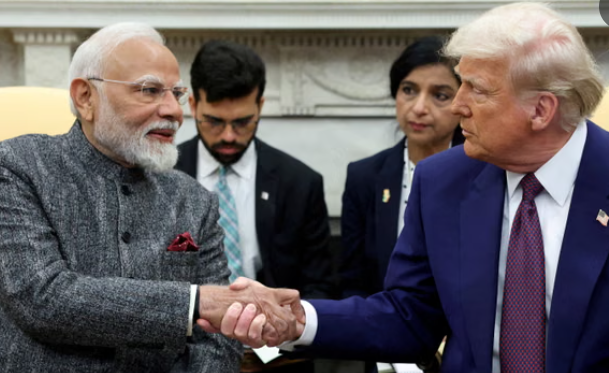 Trump cuts tariffs after India vows to stop Russian oilDonald Trump announced a significant trade deal with India, claiming Prime Minister Narendra Modi agreed to stop buying Russian oil. This follows months of U.S. pressure on India, a major Russian oil purchaser. After a call with Modi, Trump declared on Truth Social that this move would help end the war in Ukraine. Modi, on X (formerly Twitter), celebrated the tariff news, avoiding mention of oil purchases. India has relied on imports of cheaper Russian oil amid global tensions over the Ukraine conflict. With the new agreement, Trump claims India will increase oil imports from the U.S. and "potentially" Venezuela. U.S. tariffs on Indian exports will drop from 25% to 18%, with India expected to eliminate barriers against U.S. goods. A 25% tariff from last summer will also be removed. Modi praised Trump’s leadership, emphasizing global peace. Modi's relationship with Putin remains, with previous assurances of ongoing Russian oil supplies. However, India has reduced its Russian oil intake from 1.2 million to 800,000 barrels per day. Trump also stated that Modi committed to over $500bn in purchases from the U.S., covering energy, tech, and agriculture. Trump touted the strong U.S.-India relationship, claiming both leaders are action-oriented. The agreement signals a shift in global trade dynamics, with implications for the energy market and international diplomacy. As details emerge, the global community watches how this strategic partnership will influence the geopolitical landscape. Key Takeaways Trump claims India halts Russian oil for tariff cuts. U.S.-India tariffs set to drop significantly. India reportedly pledges $500bn in U.S. purchases. Adapted by ASEAN Now from Source 2026-02.02
 -
Trump cuts tariffs after India vows to stop Russian oilDonald Trump announced a significant trade deal with India, claiming Prime Minister Narendra Modi agreed to stop buying Russian oil. This follows months of U.S. pressure on India, a major Russian oil purchaser. After a call with Modi, Trump declared on Truth Social that this move would help end the war in Ukraine. Modi, on X (formerly Twitter), celebrated the tariff news, avoiding mention of oil purchases. India has relied on imports of cheaper Russian oil amid global tensions over the Ukraine conflict. With the new agreement, Trump claims India will increase oil imports from the U.S. and "potentially" Venezuela. U.S. tariffs on Indian exports will drop from 25% to 18%, with India expected to eliminate barriers against U.S. goods. A 25% tariff from last summer will also be removed. Modi praised Trump’s leadership, emphasizing global peace. Modi's relationship with Putin remains, with previous assurances of ongoing Russian oil supplies. However, India has reduced its Russian oil intake from 1.2 million to 800,000 barrels per day. Trump also stated that Modi committed to over $500bn in purchases from the U.S., covering energy, tech, and agriculture. Trump touted the strong U.S.-India relationship, claiming both leaders are action-oriented. The agreement signals a shift in global trade dynamics, with implications for the energy market and international diplomacy. As details emerge, the global community watches how this strategic partnership will influence the geopolitical landscape. Key Takeaways Trump claims India halts Russian oil for tariff cuts. U.S.-India tariffs set to drop significantly. India reportedly pledges $500bn in U.S. purchases. Adapted by ASEAN Now from Source 2026-02.02 View full article
-
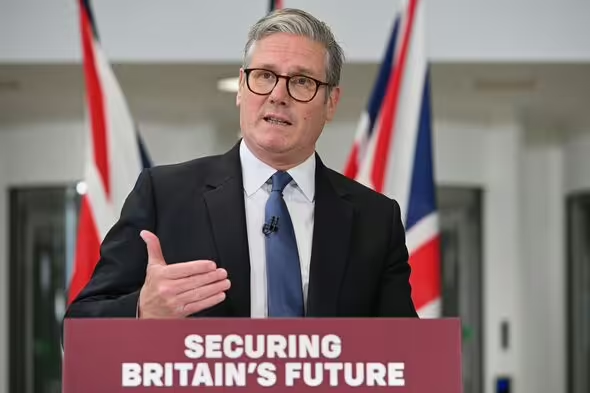 Brexit betrayal as Starmer eyes EU defence schemeKeir Starmer signals a push for closer EU collaboration on defence, as fresh trade talks are set between the UK and the EU. The talks resume after previous negotiations for Britain to join the EU’s £130bn Safe programme collapsed. French demands of £5.7bn for UK firms to bid on contracts were a sticking point. Previously, Starmer championed the Safe programme, saying it would bolster “British jobs and livelihoods.” Now, with the EU-UK Partnership Council talks on the horizon, new defence collaborations seem possible. Pressed in China on Britain’s potential Safe entry, Starmer remains open if terms suit British interests. Although Safe isn’t currently on the table, Starmer underscores the need for Europe, including the UK, to enhance security efforts. He insists this isn’t just a directive from President Trump, but a broader European consensus. He advocates for increased spending and cooperation on defence, hinting at exploring initiatives like Safe. Asked whether aligning with Europe equates to backpedaling on Brexit, especially against opponents like Nigel Farage, Starmer countered. He recalled Farage’s NHS funding claims and reduced EU trading red tape, highlighting their failures. Starmer insists his focus is on realistic cooperation rather than reverting Brexit promises. Starmer’s stance appears aimed at recalibrating the UK’s strategic ties with Europe. By advocating shared security initiatives, he suggests pragmatic post-Brexit collaborations may serve Britain well. As talks proceed, his moves may redefine UK-EU relations amidst ongoing geopolitical challenges. Key Takeaways Starmer eyes EU ties amid collapsing defence talks. French demands halted previous UK scheme entry. Starmer counters Brexit critics with practical cooperation. Adapted by ASEAN Now from Source 2026-02.02
 -
Brexit betrayal as Starmer eyes EU defence schemeKeir Starmer signals a push for closer EU collaboration on defence, as fresh trade talks are set between the UK and the EU. The talks resume after previous negotiations for Britain to join the EU’s £130bn Safe programme collapsed. French demands of £5.7bn for UK firms to bid on contracts were a sticking point. Previously, Starmer championed the Safe programme, saying it would bolster “British jobs and livelihoods.” Now, with the EU-UK Partnership Council talks on the horizon, new defence collaborations seem possible. Pressed in China on Britain’s potential Safe entry, Starmer remains open if terms suit British interests. Although Safe isn’t currently on the table, Starmer underscores the need for Europe, including the UK, to enhance security efforts. He insists this isn’t just a directive from President Trump, but a broader European consensus. He advocates for increased spending and cooperation on defence, hinting at exploring initiatives like Safe. Asked whether aligning with Europe equates to backpedaling on Brexit, especially against opponents like Nigel Farage, Starmer countered. He recalled Farage’s NHS funding claims and reduced EU trading red tape, highlighting their failures. Starmer insists his focus is on realistic cooperation rather than reverting Brexit promises. Starmer’s stance appears aimed at recalibrating the UK’s strategic ties with Europe. By advocating shared security initiatives, he suggests pragmatic post-Brexit collaborations may serve Britain well. As talks proceed, his moves may redefine UK-EU relations amidst ongoing geopolitical challenges. Key Takeaways Starmer eyes EU ties amid collapsing defence talks. French demands halted previous UK scheme entry. Starmer counters Brexit critics with practical cooperation. Adapted by ASEAN Now from Source 2026-02.02 View full article
-
 Russian economy suffers under Western sanctionsRussia's economy is reeling as construction firms topple under crippling debts. Sanctions have hit hard, causing revenue shortfalls in crucial sectors like oil and gas. Vital oil and gas revenues plummeted by a fifth last year, leaving industries like construction facing the abyss. Russian construction companies are collapsing, with debts escalating alarmingly. The Russian paper Izvestia flagged three major firms nearing bankruptcy, totalling almost £900,000 in debts. SC Donstroy, based in Rostov-on-Don, succumbed to bankruptcy with debts of 11 million rubles (£105,000). LLC "STEK" followed suit, declared bankrupt last year owing 39 million rubles (£373,000). Stroyproekt Group teeters on the brink, while Regionstroy has already succumbed with debts around 43 million rubles (£402,000). Ukraine’s foreign intelligence warns of deeper economic woes, describing Russia as trapped between recession and surging prices. According to them, Russia’s Central Bank's strict policies have strangled business growth, plunging the economy into stagnation. Adding salt to the wound, the budgetary constraints loom large. Tax changes have decreased incentives, and maintaining high spending in 2025 despite tumbling revenues is worsening the deficit. The financial pressure mounts relentlessly, and industries are buckling. The construction sector isn't the only victim. Housing developers and the coal industry are also suffering as interest rates soar. The spectre of bankruptcy is spreading, further showcasing the economic turmoil engendered by Western sanctions. As the outlook dims, analysts and economists watch closely, assessing how Russia will navigate this financial storm. The situation seems dire, with no immediate relief in sight. The collapse of these industry giants serves as a stark reminder of the far-reaching impact of global economic policies. Key Takeaways Russian construction firms face massive bankruptcy risks. Western sanctions have severely impacted oil, gas revenues. Economic policies have contributed to deepening stagnation. Adapted by ASEAN Now from Source 2026-02.02
 -
Russian economy suffers under Western sanctionsRussia's economy is reeling as construction firms topple under crippling debts. Sanctions have hit hard, causing revenue shortfalls in crucial sectors like oil and gas. Vital oil and gas revenues plummeted by a fifth last year, leaving industries like construction facing the abyss. Russian construction companies are collapsing, with debts escalating alarmingly. The Russian paper Izvestia flagged three major firms nearing bankruptcy, totalling almost £900,000 in debts. SC Donstroy, based in Rostov-on-Don, succumbed to bankruptcy with debts of 11 million rubles (£105,000). LLC "STEK" followed suit, declared bankrupt last year owing 39 million rubles (£373,000). Stroyproekt Group teeters on the brink, while Regionstroy has already succumbed with debts around 43 million rubles (£402,000). Ukraine’s foreign intelligence warns of deeper economic woes, describing Russia as trapped between recession and surging prices. According to them, Russia’s Central Bank's strict policies have strangled business growth, plunging the economy into stagnation. Adding salt to the wound, the budgetary constraints loom large. Tax changes have decreased incentives, and maintaining high spending in 2025 despite tumbling revenues is worsening the deficit. The financial pressure mounts relentlessly, and industries are buckling. The construction sector isn't the only victim. Housing developers and the coal industry are also suffering as interest rates soar. The spectre of bankruptcy is spreading, further showcasing the economic turmoil engendered by Western sanctions. As the outlook dims, analysts and economists watch closely, assessing how Russia will navigate this financial storm. The situation seems dire, with no immediate relief in sight. The collapse of these industry giants serves as a stark reminder of the far-reaching impact of global economic policies. Key Takeaways Russian construction firms face massive bankruptcy risks. Western sanctions have severely impacted oil, gas revenues. Economic policies have contributed to deepening stagnation. Adapted by ASEAN Now from Source 2026-02.02 View full article
-
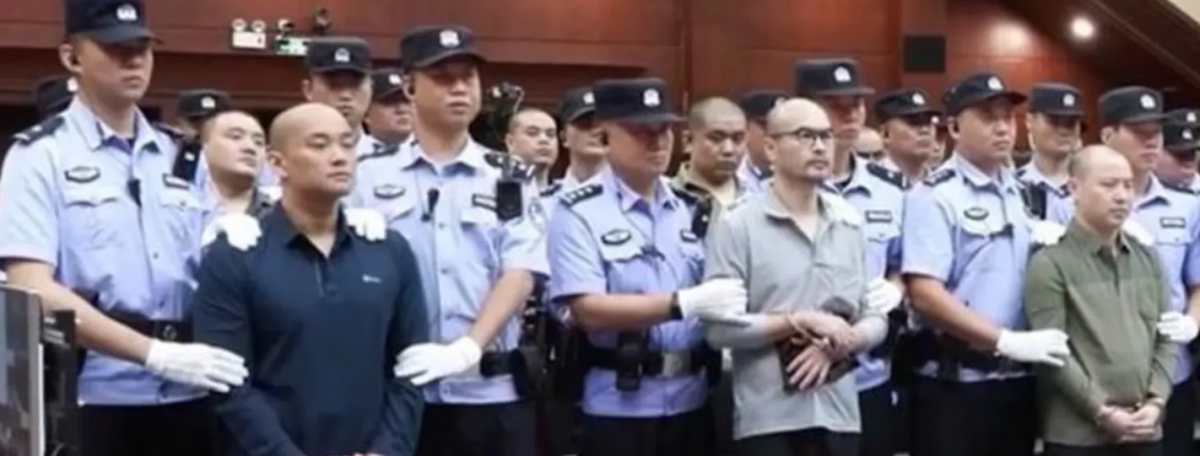 China strikes back against notorious Myanmar scam gangs.China has made headlines with the execution of four Bai family mafia members, notorious for running scam centres in Myanmar. This bold move follows the execution of 11 Ming family members, part of a crackdown on scams plaguing thousands of Chinese citizens. These executions underscore Beijing's commitment to dismantling crime syndicates linked to cyber scams. The executions stem from the conviction of 21 members and associates of the Bai mafia, deemed guilty of fraud, homicide, and other crimes in Guangdong province. The clan's patriarch, Bai Suocheng, had received a death sentence before succumbing to illness. The Bais, notorious in Laukkaing’s criminal underworld, controlled casinos and cyberscam hubs. The Bai family’s operations were marked by violence, with torture and beatings common in their closely guarded compounds. These activities led to deaths, an instance of suicide, and numerous injuries among Chinese nationals. Bai Suocheng’s rise followed a military operation in the early 2000s, after which he became a key ally to the then-leader, Min Aung Hlaing. The tide turned in 2023 when Beijing’s frustration with Myanmar’s inaction reached a peak. Aided by ethnic insurgents, Beijing backed an offensive that toppled these crime empires. Following this, captured mafia members were handed over to China, and their stories were featured in state documentaries highlighting the government's resolve. With their latest execution of the Bai family members, Beijing appears determined to deter other potential scammers. As scams continue to wreak havoc in South East Asia, this swift justice sends a clear message of China’s intolerance towards such crimes. The United Nations estimates hundreds of thousands have been trafficked for these scams, with Chinese nationals both perpetuating and falling victim to these frauds, amassing billions in losses. Key Takeaways China executed four Bai family mafia members. The crackdown targets scam operations affecting Chinese citizens. The actions are a warning to deter future scams. Adapted by ASEAN Now from Source 2026-02.02
 -
China strikes back against notorious Myanmar scam gangs.China has made headlines with the execution of four Bai family mafia members, notorious for running scam centres in Myanmar. This bold move follows the execution of 11 Ming family members, part of a crackdown on scams plaguing thousands of Chinese citizens. These executions underscore Beijing's commitment to dismantling crime syndicates linked to cyber scams. The executions stem from the conviction of 21 members and associates of the Bai mafia, deemed guilty of fraud, homicide, and other crimes in Guangdong province. The clan's patriarch, Bai Suocheng, had received a death sentence before succumbing to illness. The Bais, notorious in Laukkaing’s criminal underworld, controlled casinos and cyberscam hubs. The Bai family’s operations were marked by violence, with torture and beatings common in their closely guarded compounds. These activities led to deaths, an instance of suicide, and numerous injuries among Chinese nationals. Bai Suocheng’s rise followed a military operation in the early 2000s, after which he became a key ally to the then-leader, Min Aung Hlaing. The tide turned in 2023 when Beijing’s frustration with Myanmar’s inaction reached a peak. Aided by ethnic insurgents, Beijing backed an offensive that toppled these crime empires. Following this, captured mafia members were handed over to China, and their stories were featured in state documentaries highlighting the government's resolve. With their latest execution of the Bai family members, Beijing appears determined to deter other potential scammers. As scams continue to wreak havoc in South East Asia, this swift justice sends a clear message of China’s intolerance towards such crimes. The United Nations estimates hundreds of thousands have been trafficked for these scams, with Chinese nationals both perpetuating and falling victim to these frauds, amassing billions in losses. Key Takeaways China executed four Bai family mafia members. The crackdown targets scam operations affecting Chinese citizens. The actions are a warning to deter future scams. Adapted by ASEAN Now from Source 2026-02.02 View full article