

ASEAN NOW News
Admin
-
Joined
-
Last visited
Everything posted by ASEAN NOW News
-
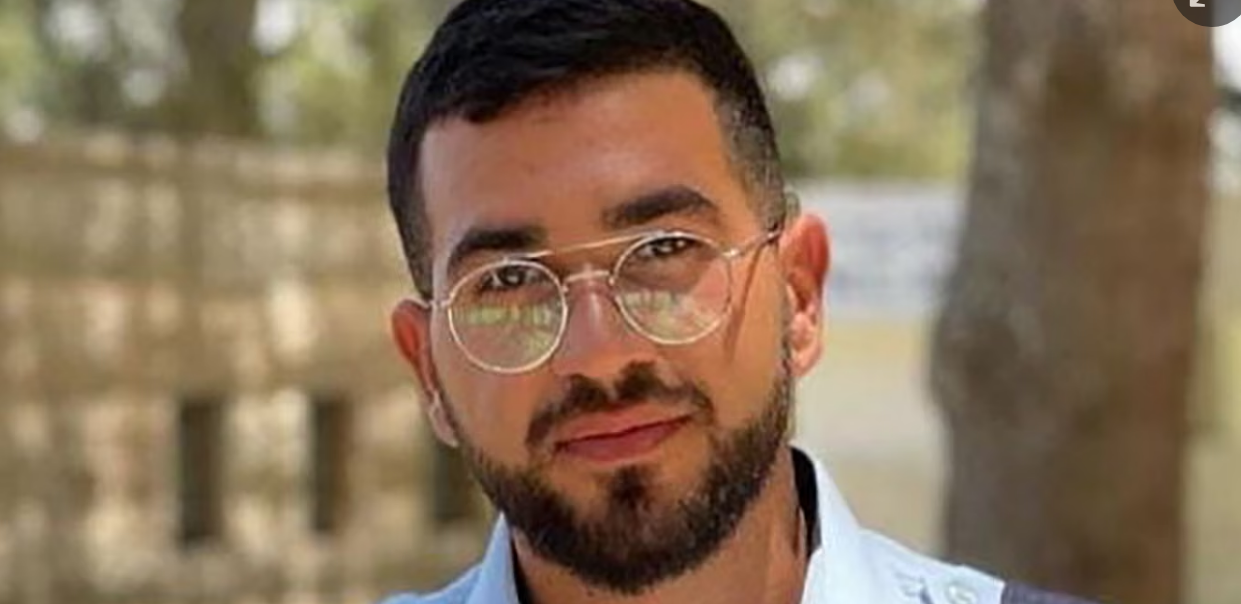 The remains of Israeli police sergeant Ran Gvili, killed on 7 October 2023 during clashes with Hamas in Gaza, have returned home, marking the end of a painful chapter. Gvili, the last of 251 captives, was used as a bargaining tool by militants. His return signals the potential progress of Trump’s ambitious ceasefire plan. Gvili, 24, was a dedicated member of an elite unit. Despite being on medical leave, he donned his uniform to defend Kibbutz Alumim. His father shared emotional words at the coffin, honoring his son's bravery and dedication. This handover meets a primary demand of Trump’s Gaza ceasefire initiative. Jared Kushner describes the plan as a "catastrophic success," envisioning a unified Palestinian Gaza. The process involves overcoming Israeli extremism and the hurdle of disarming Hamas without direct confrontation. Prime Minister Netanyahu remains focused on disarming Hamas rather than reconstruction, despite Kushner's promises. The Rafah crossing between Gaza and Egypt will briefly open, limited to pedestrians, failing to alleviate shortages of essential aid and medicine. Israel's President Herzog celebrated the end of captivity for Israelis in Gaza, highlighting a moment awaited since 2014. The nation longs for healing, yet tensions persist over unmet justice and accountability. The return of all bodies prompts demands for an independent inquiry into the October attack and subsequent war. Protesters accuse Netanyahu of prioritizing political gain over ceasefire deals that could have saved lives sooner. Out of 166 hostages returned alive, most were freed through negotiations; others emerged via military operations. Israel agreed to return Palestinian remains in exchange for Gvili’s body, illustrating the complex dynamics of negotiation. Gvili’s discovery in a Gaza cemetery symbolizes hope and closure for many, catalyzing a critical moment in ceasefire progress and setting the stage for what's next in ongoing peace efforts. Key Takeaways: Ran Gvili's return closes a chapter, unlocking Trump’s ceasefire step! Netanyahu’s focus on Hamas disarmament, not reconstruction! Calls for inquiry into October attacks heighten, urging accountability! Adapted by ASEAN Now from Source 2026-01-26
 -
The remains of Israeli police sergeant Ran Gvili, killed on 7 October 2023 during clashes with Hamas in Gaza, have returned home, marking the end of a painful chapter. Gvili, the last of 251 captives, was used as a bargaining tool by militants. His return signals the potential progress of Trump’s ambitious ceasefire plan. Gvili, 24, was a dedicated member of an elite unit. Despite being on medical leave, he donned his uniform to defend Kibbutz Alumim. His father shared emotional words at the coffin, honoring his son's bravery and dedication. This handover meets a primary demand of Trump’s Gaza ceasefire initiative. Jared Kushner describes the plan as a "catastrophic success," envisioning a unified Palestinian Gaza. The process involves overcoming Israeli extremism and the hurdle of disarming Hamas without direct confrontation. Prime Minister Netanyahu remains focused on disarming Hamas rather than reconstruction, despite Kushner's promises. The Rafah crossing between Gaza and Egypt will briefly open, limited to pedestrians, failing to alleviate shortages of essential aid and medicine. Israel's President Herzog celebrated the end of captivity for Israelis in Gaza, highlighting a moment awaited since 2014. The nation longs for healing, yet tensions persist over unmet justice and accountability. The return of all bodies prompts demands for an independent inquiry into the October attack and subsequent war. Protesters accuse Netanyahu of prioritizing political gain over ceasefire deals that could have saved lives sooner. Out of 166 hostages returned alive, most were freed through negotiations; others emerged via military operations. Israel agreed to return Palestinian remains in exchange for Gvili’s body, illustrating the complex dynamics of negotiation. Gvili’s discovery in a Gaza cemetery symbolizes hope and closure for many, catalyzing a critical moment in ceasefire progress and setting the stage for what's next in ongoing peace efforts. Key Takeaways: Ran Gvili's return closes a chapter, unlocking Trump’s ceasefire step! Netanyahu’s focus on Hamas disarmament, not reconstruction! Calls for inquiry into October attacks heighten, urging accountability! Adapted by ASEAN Now from Source 2026-01-26 View full article
-
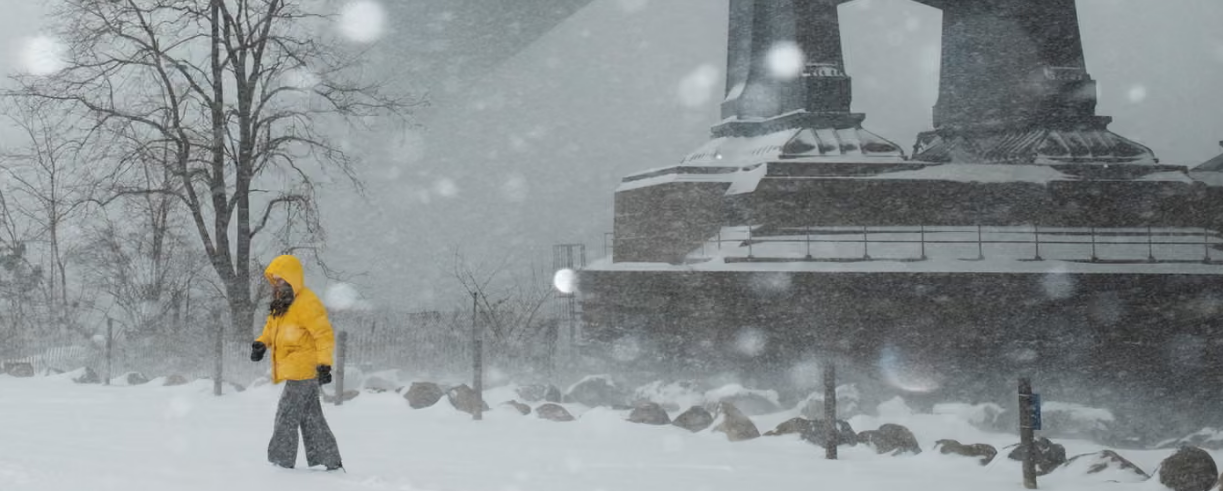 A deadly winter storm has claimed at least 29 lives across the US, stretching from Texas to New England. The country is battling heavy snow, ice, and bone-chilling cold as millions face cold alerts. In Texas, tragedy struck with the death of a 16-year-old in a sledding accident, while hypothermia claimed a life in Austin. Louisiana reported three storm-related deaths, Mississippi two, and Arkansas mourns a 17-year-old sledding victim. New York City faced grim news with five outdoor fatalities, and Massachusetts saw a woman struck by a snowplow. Kansas and Tennessee also reported hypothermia-related deaths, highlighting the widespread reach of this brutal storm. As of Monday, over 200 million residents remain under cold alerts with forecasts predicting continued record-breaking cold. The National Weather Service warns of frigid air engulfing the eastern US, with dangerously low temperatures persisting through early February. Power outages plague over 670,000 homes, especially in the south, where freezing rain snapped power lines. Mississippi describes the storm's impact as “extensive,” with cleanup efforts underway to restore power and remove debris. Travel chaos ensued with 10,500 flights canceled on Sunday and nearly 5,000 more on Monday. Schools and major institutions like the New York Public Library and Smithsonian museums shuttered, adapting to remote learning and closures. States like Massachusetts witnessed extraordinary snowfall—up to 23 inches in some areas—creating hazardous conditions. In response, Kentucky's governor urged residents to brace for further extreme cold and remain indoors. The NWS predicts potential for another significant storm this weekend, urging residents to stay informed. As America grapples with this harsh winter blast, communities pull together, but caution and vigilance remain paramount. Key Takeaways: Deadly storm claims 29 lives; millions under cold alerts! Extreme weather causes power, travel chaos across US! Another storm looms; communities urged to stay alert! Adapted by ASEAN Now from Source 2026-01-26
 -
A deadly winter storm has claimed at least 29 lives across the US, stretching from Texas to New England. The country is battling heavy snow, ice, and bone-chilling cold as millions face cold alerts. In Texas, tragedy struck with the death of a 16-year-old in a sledding accident, while hypothermia claimed a life in Austin. Louisiana reported three storm-related deaths, Mississippi two, and Arkansas mourns a 17-year-old sledding victim. New York City faced grim news with five outdoor fatalities, and Massachusetts saw a woman struck by a snowplow. Kansas and Tennessee also reported hypothermia-related deaths, highlighting the widespread reach of this brutal storm. As of Monday, over 200 million residents remain under cold alerts with forecasts predicting continued record-breaking cold. The National Weather Service warns of frigid air engulfing the eastern US, with dangerously low temperatures persisting through early February. Power outages plague over 670,000 homes, especially in the south, where freezing rain snapped power lines. Mississippi describes the storm's impact as “extensive,” with cleanup efforts underway to restore power and remove debris. Travel chaos ensued with 10,500 flights canceled on Sunday and nearly 5,000 more on Monday. Schools and major institutions like the New York Public Library and Smithsonian museums shuttered, adapting to remote learning and closures. States like Massachusetts witnessed extraordinary snowfall—up to 23 inches in some areas—creating hazardous conditions. In response, Kentucky's governor urged residents to brace for further extreme cold and remain indoors. The NWS predicts potential for another significant storm this weekend, urging residents to stay informed. As America grapples with this harsh winter blast, communities pull together, but caution and vigilance remain paramount. Key Takeaways: Deadly storm claims 29 lives; millions under cold alerts! Extreme weather causes power, travel chaos across US! Another storm looms; communities urged to stay alert! Adapted by ASEAN Now from Source 2026-01-26 View full article
-
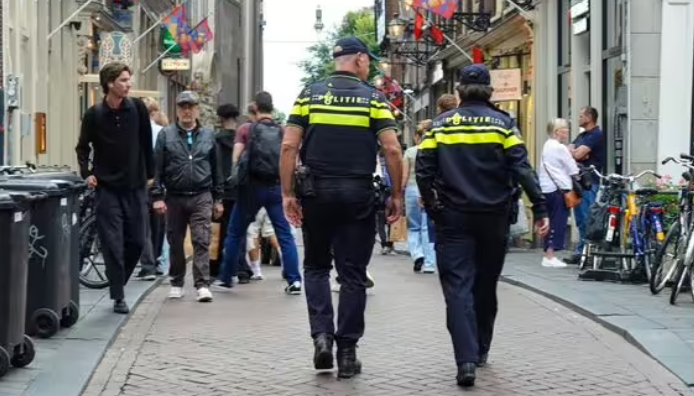 A storm of controversy is brewing in Amsterdam as a refugee housing project faces allegations of sexual assaults and violence. Stek Oost, intended as a harmonious community for 250 students and refugees, is now mired in scandal! Locals raise alarm, describing it as unfriendly and concerning. Dutch residents are incentivized with lower rent to live alongside refugees from countries like Syria, Eritrea, and Iraq. The initiative, driven by local authorities and Stadgenoot housing corporation, aimed to foster integration by pairing 125 Dutch youth with 125 migrants. However, the community is reportedly plagued by over 20 allegations of sexual assaults and violence. These disturbing reports heighten tensions, casting doubt on the project's viability and sparking debates about safety and integration. Amid rising concerns, fears mount that this issue could have broader implications, warning the UK and other European nations about potential pitfalls in refugee accommodation schemes. As Amsterdam grapples with these challenges, the spotlight turns to how authorities handle such a volatile mix of cultural integration and safety concerns. Key Takeaways: Amsterdam refugee housing faces assault allegations! Integration scheme under fire amid safety concerns! Broader European lessons loom as tensions rise! Adapted by ASEAN Now from Source 2026-01-26
 -
A storm of controversy is brewing in Amsterdam as a refugee housing project faces allegations of sexual assaults and violence. Stek Oost, intended as a harmonious community for 250 students and refugees, is now mired in scandal! Locals raise alarm, describing it as unfriendly and concerning. Dutch residents are incentivized with lower rent to live alongside refugees from countries like Syria, Eritrea, and Iraq. The initiative, driven by local authorities and Stadgenoot housing corporation, aimed to foster integration by pairing 125 Dutch youth with 125 migrants. However, the community is reportedly plagued by over 20 allegations of sexual assaults and violence. These disturbing reports heighten tensions, casting doubt on the project's viability and sparking debates about safety and integration. Amid rising concerns, fears mount that this issue could have broader implications, warning the UK and other European nations about potential pitfalls in refugee accommodation schemes. As Amsterdam grapples with these challenges, the spotlight turns to how authorities handle such a volatile mix of cultural integration and safety concerns. Key Takeaways: Amsterdam refugee housing faces assault allegations! Integration scheme under fire amid safety concerns! Broader European lessons loom as tensions rise! Adapted by ASEAN Now from Source 2026-01-26 View full article
-
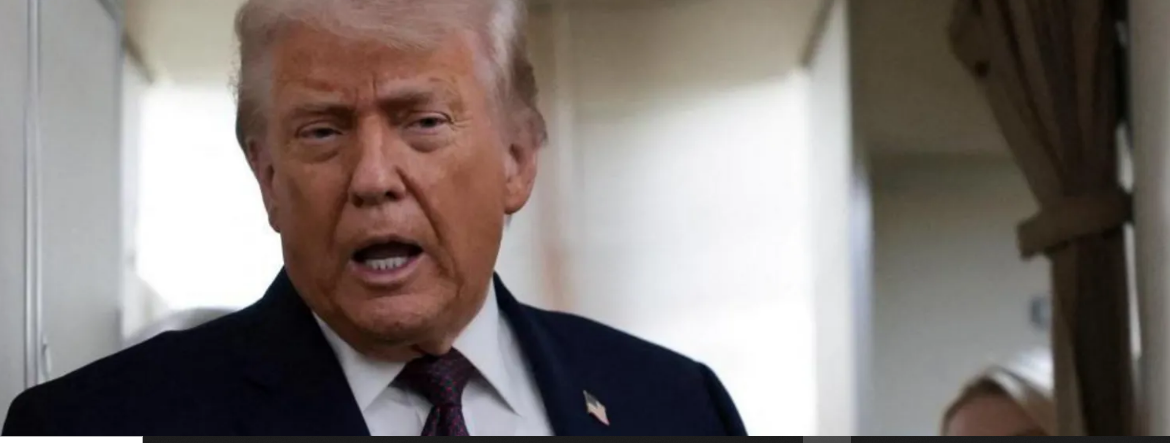 In a dramatic pivot, the Trump administration has changed its approach following the controversial shooting of Alex Pretti by federal agents in Minneapolis. Initially employing its classic "deny and attack" strategy, the administration faced swift backlash as videos surfaced, directly contradicting their narrative. The footage revealed Pretti, an American nurse, peacefully filming ICE agents and assisting a fallen woman before being pepper-sprayed and subdued—no weapon in sight. With eyes on them and public opinion turning, Trump’s team swiftly shifted focus. Instead of maintaining their hardline stance, they blamed Democrats for the unrest, deflecting attention from Pretti's killing. This strategic flip-flop marks a rare retreat from the administration's usual combative rhetoric. While federal officials initially labeled Pretti a domestic terrorist, the tides have changed with White House spokeswoman Karoline Leavitt now promising a comprehensive investigation. This reversal isn't happening in isolation. Democrats have ramped up their critique of Trump's aggressive ICE tactics. The stakes are high, with tensions potentially leading to a government shutdown. Deputy Attorney General Todd Blanche described the scenario as a "powder keg," highlighting the fraught political landscape. Initially, officials painted Pretti as a threat, just as they had with Renee Good weeks prior, but both cases face heavy scrutiny from videos and eyewitness accounts denouncing the federal perspective. The political fallout has been significant. Republican figures, such as Vermont Governor Phil Scott, have criticized the federal response, calling it a failure in public safety coordination. Senator John Curtis also voiced concerns about premature declarations that weakened confidence in law enforcement. In an apparent effort to regain control, Trump announced the deployment of "border czar" Tom Homan to Minneapolis to manage the situation. Homan, noted for his experience during the Obama administration, is expected to bring a steadier hand and perhaps soothe public discontent. As Trump blames "Democrat chaos" on social media, there is an apparent shift towards more measured rhetoric. This new front opens up a dialogue with Minnesota officials. Attorney General Keith Ellison expressed cautious optimism about working with federal forces if reasonable minds can prevail. Trump's recent contact with Governor Tim Walz suggests a thawing of previous hostilities, hinting at potential de-escalation. Meanwhile, Democrats are preparing a bold stance, refusing to fund DHS without stronger ICE accountability. This hardline stance risks a government shutdown, a gamble reminiscent of past strategies where results were mixed. Yet, they feel the urgency to curb what they view as unwarranted federal aggression. This explosive situation places Trump's immigration policy under intense scrutiny, a core political issue with possible implications for his re-election. Public sentiment, influenced by high-profile incidents and surging media coverage, could sway the narrative. Both Republicans and Democrats are at a crossroads, navigating a politically volatile landscape. Each party faces distinct challenges—Republicans must manage internal dissent while Democrats weigh the risks of legislative brinkmanship. Key Takeaways: Trump's shift from attack mode signals rare retreat amid backlash! Federal tactics receive bipartisan critique; potential hearings ahead! Democrats' shutdown threat looms as they demand ICE accountability! Adapted by ASEAN Now from Source 2026-01-25
 -
In a dramatic pivot, the Trump administration has changed its approach following the controversial shooting of Alex Pretti by federal agents in Minneapolis. Initially employing its classic "deny and attack" strategy, the administration faced swift backlash as videos surfaced, directly contradicting their narrative. The footage revealed Pretti, an American nurse, peacefully filming ICE agents and assisting a fallen woman before being pepper-sprayed and subdued—no weapon in sight. With eyes on them and public opinion turning, Trump’s team swiftly shifted focus. Instead of maintaining their hardline stance, they blamed Democrats for the unrest, deflecting attention from Pretti's killing. This strategic flip-flop marks a rare retreat from the administration's usual combative rhetoric. While federal officials initially labeled Pretti a domestic terrorist, the tides have changed with White House spokeswoman Karoline Leavitt now promising a comprehensive investigation. This reversal isn't happening in isolation. Democrats have ramped up their critique of Trump's aggressive ICE tactics. The stakes are high, with tensions potentially leading to a government shutdown. Deputy Attorney General Todd Blanche described the scenario as a "powder keg," highlighting the fraught political landscape. Initially, officials painted Pretti as a threat, just as they had with Renee Good weeks prior, but both cases face heavy scrutiny from videos and eyewitness accounts denouncing the federal perspective. The political fallout has been significant. Republican figures, such as Vermont Governor Phil Scott, have criticized the federal response, calling it a failure in public safety coordination. Senator John Curtis also voiced concerns about premature declarations that weakened confidence in law enforcement. In an apparent effort to regain control, Trump announced the deployment of "border czar" Tom Homan to Minneapolis to manage the situation. Homan, noted for his experience during the Obama administration, is expected to bring a steadier hand and perhaps soothe public discontent. As Trump blames "Democrat chaos" on social media, there is an apparent shift towards more measured rhetoric. This new front opens up a dialogue with Minnesota officials. Attorney General Keith Ellison expressed cautious optimism about working with federal forces if reasonable minds can prevail. Trump's recent contact with Governor Tim Walz suggests a thawing of previous hostilities, hinting at potential de-escalation. Meanwhile, Democrats are preparing a bold stance, refusing to fund DHS without stronger ICE accountability. This hardline stance risks a government shutdown, a gamble reminiscent of past strategies where results were mixed. Yet, they feel the urgency to curb what they view as unwarranted federal aggression. This explosive situation places Trump's immigration policy under intense scrutiny, a core political issue with possible implications for his re-election. Public sentiment, influenced by high-profile incidents and surging media coverage, could sway the narrative. Both Republicans and Democrats are at a crossroads, navigating a politically volatile landscape. Each party faces distinct challenges—Republicans must manage internal dissent while Democrats weigh the risks of legislative brinkmanship. Key Takeaways: Trump's shift from attack mode signals rare retreat amid backlash! Federal tactics receive bipartisan critique; potential hearings ahead! Democrats' shutdown threat looms as they demand ICE accountability! Adapted by ASEAN Now from Source 2026-01-25 View full article
-
 A maritime nightmare unfolded as a Philippine ferry capsized, killing at least 18 people and leaving 24 missing! The MV Trisha Kerstin 3, carrying over 350 passengers, sank near Mindanao’s coast, prompting a dramatic rescue operation. Authorities successfully saved 317 individuals, yet the search for others continues with urgency. The ferry was journeying to Jolo island when it issued a distress signal. Immediate investigations are in progress, with rough seas cited by survivors as a potential cause. The Philippines, with its archipelago of 7,100 islands, has a grim history of ferry disasters haunting its waters. Heart-wrenching videos show desperate passengers afloat in life vests, awaiting rescue amid tumultuous waves. More footage captures shivering survivors wrapped in blankets, finally reaching the shores of safety. Emergency responders face an overwhelming task, strained by the influx of those they've rescued. Family members bombard rescue hotlines, anxiously seeking news about their loved ones. This disaster reignites concerns over chronic issues of poor maintenance and overloading that plague the country's ferries. Despite recurring tragedies, economic necessity drives many Filipinos back onto these perilous vessels. Earlier incidents loom large in memory—28 died last May in a ferry fire, and at least seven in a similar blaze the previous year. The current catastrophe underscores an urgent call for sweeping safety reforms to prevent future heartbreak. Key Takeaways: Tragic Philippine ferry disaster leaves 18 dead! Rescuers race against time amid fraught search efforts! Safety reform demands intensify following recurring ferry tragedies! Adapted by ASEAN Now from Source 2026-01-26
 -
A maritime nightmare unfolded as a Philippine ferry capsized, killing at least 18 people and leaving 24 missing! The MV Trisha Kerstin 3, carrying over 350 passengers, sank near Mindanao’s coast, prompting a dramatic rescue operation. Authorities successfully saved 317 individuals, yet the search for others continues with urgency. The ferry was journeying to Jolo island when it issued a distress signal. Immediate investigations are in progress, with rough seas cited by survivors as a potential cause. The Philippines, with its archipelago of 7,100 islands, has a grim history of ferry disasters haunting its waters. Heart-wrenching videos show desperate passengers afloat in life vests, awaiting rescue amid tumultuous waves. More footage captures shivering survivors wrapped in blankets, finally reaching the shores of safety. Emergency responders face an overwhelming task, strained by the influx of those they've rescued. Family members bombard rescue hotlines, anxiously seeking news about their loved ones. This disaster reignites concerns over chronic issues of poor maintenance and overloading that plague the country's ferries. Despite recurring tragedies, economic necessity drives many Filipinos back onto these perilous vessels. Earlier incidents loom large in memory—28 died last May in a ferry fire, and at least seven in a similar blaze the previous year. The current catastrophe underscores an urgent call for sweeping safety reforms to prevent future heartbreak. Key Takeaways: Tragic Philippine ferry disaster leaves 18 dead! Rescuers race against time amid fraught search efforts! Safety reform demands intensify following recurring ferry tragedies! Adapted by ASEAN Now from Source 2026-01-26 View full article
-
 Explosive videos from Iran paint a chilling picture! Bodies stacked in hospitals, snipers lurking on rooftops, and CCTV cameras smashed. These clips reveal the brutal suppression of protests that erupted in late December. The extent of the violence is staggering, with authorities labeling protesters as "rioters." The internet blackout has complicated documenting these events, but BBC Verify and HR agencies have been persistent. HRANA reports nearly 6,000 deaths, while Iran Human Rights warns the toll could skyrocket to 25,000. Iranian claims of only 3,100 dead, mostly security forces, ring hollow against these harrowing visuals. The footage, from 8-9 January, aligns with a massive protest called by Reza Pahlavi, exiled heir of the late Shah. It's Tehran's darkest nights yet, as security forces mercilessly quell dissent. Videos confirm bodies piling in Tehranpars hospital, with one clip showing 31 corpses. Elsewhere, gunfire erupts as protestors fill highways, their screams echoing through the chaos. Amid heavy surveillance, some brave souls target CCTV cameras, resisting in any way they can. In Kerman, men in military gear shoot indiscriminately as fires rage and chants rise. Meanwhile, in Mashhad, snipers stake out rooftops, poised for violence. Internet access has been strangled since 8 January, yet some Iranians pierce this digital veil with SpaceX's Starlink and VPNs. As the economy buckles and more videos trickle out, the world watches, horrified but helpless. Key Takeaways: Chilling scenes of death and suppression flood from Iran! Verified videos contradict Iran's low death toll claims! Brave protesters battle terrifying state surveillance! Adapted by ASEAN Now from Source 2026-01-26
 -
Explosive videos from Iran paint a chilling picture! Bodies stacked in hospitals, snipers lurking on rooftops, and CCTV cameras smashed. These clips reveal the brutal suppression of protests that erupted in late December. The extent of the violence is staggering, with authorities labeling protesters as "rioters." The internet blackout has complicated documenting these events, but BBC Verify and HR agencies have been persistent. HRANA reports nearly 6,000 deaths, while Iran Human Rights warns the toll could skyrocket to 25,000. Iranian claims of only 3,100 dead, mostly security forces, ring hollow against these harrowing visuals. The footage, from 8-9 January, aligns with a massive protest called by Reza Pahlavi, exiled heir of the late Shah. It's Tehran's darkest nights yet, as security forces mercilessly quell dissent. Videos confirm bodies piling in Tehranpars hospital, with one clip showing 31 corpses. Elsewhere, gunfire erupts as protestors fill highways, their screams echoing through the chaos. Amid heavy surveillance, some brave souls target CCTV cameras, resisting in any way they can. In Kerman, men in military gear shoot indiscriminately as fires rage and chants rise. Meanwhile, in Mashhad, snipers stake out rooftops, poised for violence. Internet access has been strangled since 8 January, yet some Iranians pierce this digital veil with SpaceX's Starlink and VPNs. As the economy buckles and more videos trickle out, the world watches, horrified but helpless. Key Takeaways: Chilling scenes of death and suppression flood from Iran! Verified videos contradict Iran's low death toll claims! Brave protesters battle terrifying state surveillance! Adapted by ASEAN Now from Source 2026-01-26 View full article
-
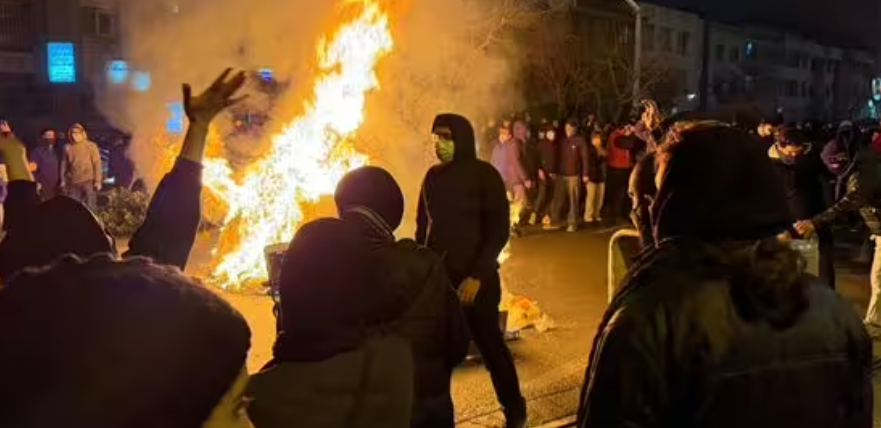 Iran is boiling over! The death toll from recent protests has hit a jaw-dropping 33,000. Brutal crackdowns by the regime leave streets echoing with cries for freedom. It's a scene being dubbed a 'genocide.' Initially, reports suggested 16,500 to 18,000 deaths in the first chaotic weeks. But the numbers have soared to over 31,000 as the government tightens its iron grip. Supreme Leader Ali Khamenei is sending a chilling message: Any US intervention is a declaration of war! The uprising erupted on December 28. Anger over inflation, skyrocketing food prices, and a collapsing currency sparked the blaze. It all started with shopkeepers at Tehran's Grand Bazaar. University students joined in, fanning the flames of discontent across major cities. But the regime’s response? Ruthless and deadly! Protesters are being targeted, receiving bullets in their backs. Reports from Iran narrate horrific scenes. Trump ramped up the stakes with talk of an armada heading for Iran as the death toll climbs over 5,000. Amid this chaos, a horrifying picture emerges. Nearly 100,000 injured, with an astonishing 97,645 suffering—30% have eye trauma! Prof Amir-Mobarez Parasta, a German-Iranian eye specialist, called it out, dubbing the situation an ongoing execution campaign. Shocking numbers from hospitals reveal 468 executed in Tehran and over 500 elsewhere. The Iranian regime shows no mercy, ignoring warnings from Washington. President Trump remains defiant, announcing a US naval ‘armada’ headed to the Middle East, including the USS Abraham Lincoln. Tensions are high! Centcom commanders finetune strategies. Some reports suggest they've reached Israel's shores. Iran’s officials, however, fire back. Any strike against them will be “all-out war,” they warned. In London, more than 100 protesters outside Downing Street demanded the UK declare the Islamic Revolutionary Guard Corps a terrorist organization. The world watches on, but one question echoes: What's next for Iran? Key Takeaways: Staggering rise in death toll triggers global shock! Trump’s armada intensifies Middle East tension! Iranian regime faces wrath with warnings of genocide! Adapted by ASEAN Now from Source 2026-01-25
 -
Iran is boiling over! The death toll from recent protests has hit a jaw-dropping 33,000. Brutal crackdowns by the regime leave streets echoing with cries for freedom. It's a scene being dubbed a 'genocide.' Initially, reports suggested 16,500 to 18,000 deaths in the first chaotic weeks. But the numbers have soared to over 31,000 as the government tightens its iron grip. Supreme Leader Ali Khamenei is sending a chilling message: Any US intervention is a declaration of war! The uprising erupted on December 28. Anger over inflation, skyrocketing food prices, and a collapsing currency sparked the blaze. It all started with shopkeepers at Tehran's Grand Bazaar. University students joined in, fanning the flames of discontent across major cities. But the regime’s response? Ruthless and deadly! Protesters are being targeted, receiving bullets in their backs. Reports from Iran narrate horrific scenes. Trump ramped up the stakes with talk of an armada heading for Iran as the death toll climbs over 5,000. Amid this chaos, a horrifying picture emerges. Nearly 100,000 injured, with an astonishing 97,645 suffering—30% have eye trauma! Prof Amir-Mobarez Parasta, a German-Iranian eye specialist, called it out, dubbing the situation an ongoing execution campaign. Shocking numbers from hospitals reveal 468 executed in Tehran and over 500 elsewhere. The Iranian regime shows no mercy, ignoring warnings from Washington. President Trump remains defiant, announcing a US naval ‘armada’ headed to the Middle East, including the USS Abraham Lincoln. Tensions are high! Centcom commanders finetune strategies. Some reports suggest they've reached Israel's shores. Iran’s officials, however, fire back. Any strike against them will be “all-out war,” they warned. In London, more than 100 protesters outside Downing Street demanded the UK declare the Islamic Revolutionary Guard Corps a terrorist organization. The world watches on, but one question echoes: What's next for Iran? Key Takeaways: Staggering rise in death toll triggers global shock! Trump’s armada intensifies Middle East tension! Iranian regime faces wrath with warnings of genocide! Adapted by ASEAN Now from Source 2026-01-25 View full article
-
 American climber Alex Honnold, famed for his fearless exploits, has done it again! He climbed Taiwan's colossal Taipei 101 skyscraper without a shred of safety gear. No ropes. No harnesses. Just sheer courage! Standing at a dizzying 508 meters, this steel and glass behemoth mimics a giant bamboo stick. But nothing's too tall or too tough for Honnold. The ascent, originally planned for a soggy Saturday, faced nature’s delay. Yet, as skies cleared, Honnold seized the opportunity in a heart-stopping live event, aired by Netflix. Tension crackled. "We’ll cut away," declared Netflix’s Jeff Gaspin to Variety, just in case. But Honnold didn’t need a safety net, metaphorical or not. Instead, he crushed it in a mere 91 minutes! Compare this to Alain “Spiderman” Robert’s four-hour rope-assisted climb. A landslide victory for Honnold! Even Taiwan’s Vice-President, Hsiao Bi-khim, tweeted about the nerve-wracking display. “I’d probably feel sick, too,” she admitted, echoing viewers' thoughts everywhere. But the drama didn’t stop with official kudos. Alex’s wife watched, anxious for her high-flying husband, as winds whipped around. At floor 89, unexpected fans appeared, cheering him from behind the glass! Unperturbed, Honnold carried on, that iron will unshaken. Shared Instagram moments showed the world why Honnold’s a legend. Mementos of another jaw-dropping feat etched in stone, or rather, steel and concrete. This isn’t his first brush with danger. His free solo climb of El Capitan became a cinematic triumph, snagging an Oscar. Key Takeaways: Alex Honnold’s thrilling climb of Taipei 101 leaves crowds breathless! Outshines previous record by Spiderman Alain Robert in record time. Not even a fierce wind or hollering fans can shake this climber! Adapted by ASEAN Now from BBC 2026-01-25
 -
American climber Alex Honnold, famed for his fearless exploits, has done it again! He climbed Taiwan's colossal Taipei 101 skyscraper without a shred of safety gear. No ropes. No harnesses. Just sheer courage! Standing at a dizzying 508 meters, this steel and glass behemoth mimics a giant bamboo stick. But nothing's too tall or too tough for Honnold. The ascent, originally planned for a soggy Saturday, faced nature’s delay. Yet, as skies cleared, Honnold seized the opportunity in a heart-stopping live event, aired by Netflix. Tension crackled. "We’ll cut away," declared Netflix’s Jeff Gaspin to Variety, just in case. But Honnold didn’t need a safety net, metaphorical or not. Instead, he crushed it in a mere 91 minutes! Compare this to Alain “Spiderman” Robert’s four-hour rope-assisted climb. A landslide victory for Honnold! Even Taiwan’s Vice-President, Hsiao Bi-khim, tweeted about the nerve-wracking display. “I’d probably feel sick, too,” she admitted, echoing viewers' thoughts everywhere. But the drama didn’t stop with official kudos. Alex’s wife watched, anxious for her high-flying husband, as winds whipped around. At floor 89, unexpected fans appeared, cheering him from behind the glass! Unperturbed, Honnold carried on, that iron will unshaken. Shared Instagram moments showed the world why Honnold’s a legend. Mementos of another jaw-dropping feat etched in stone, or rather, steel and concrete. This isn’t his first brush with danger. His free solo climb of El Capitan became a cinematic triumph, snagging an Oscar. Key Takeaways: Alex Honnold’s thrilling climb of Taipei 101 leaves crowds breathless! Outshines previous record by Spiderman Alain Robert in record time. Not even a fierce wind or hollering fans can shake this climber! Adapted by ASEAN Now from BBC 2026-01-25 View full article
-
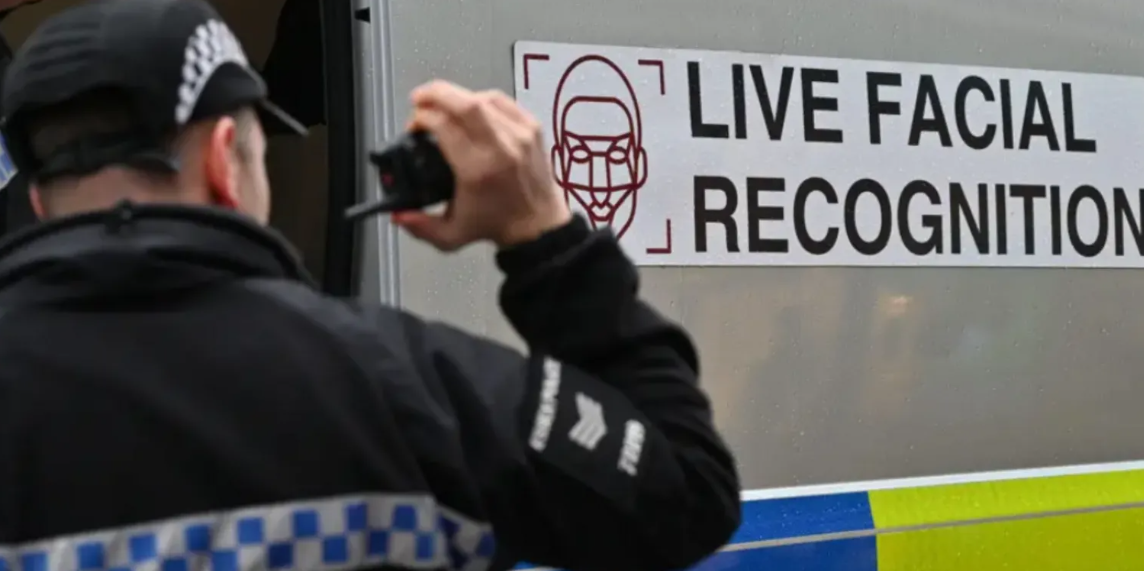 England and Wales are set for a policing shake-up of epic proportions. Home Secretary Shabana Mahmood unveils the National Police Service (NPS), boldly dubbed a "British FBI", intended to liberate local forces to tackle everyday crimes like shoplifting and phone theft. With terrorism and organised crime duties consolidated, this isn't about saving pennies but revolutionizing policing! Rewind a bit: Why the upheaval? Mahmood argues that the current system is "broken." Local cops, overwhelmed by heavyweight crimes, are unable to focus on minor offenders running amok in communities. Enter the NPS to save the day, absorbing responsibilities from bodies like the National Crime Agency (NCA) and uniting various regional crime units under one roof. Drama unfolds as insiders back the plan. Graeme Biggar from the NCA backs Mahmood, citing an overdue response for changing crime dynamics. Yet, concerns simmer: Shadow Home Secretary Chris Philp warns against neglecting grassroots community policing. The Police Federation echoes this, fearing fewer forces might not mean better on-the-ground action. The stakes rise as facial recognition technology is set to play a starring role. With 1,700 arrests in two years, the tech claims to have slashed crime rates. However, skeptics raise eyebrows over privacy and bias implications. Looking ahead, Mahmood promises this revamp is just the beginning. The abolishment of police and crime commissioners by 2028 is on the cards, set to save a cool £100 million. She envisions a policing future where accountability is paramount, hinting at more powers for home secretaries to remove inadequate police chiefs. The NPS blueprint remains under scrutiny. Critics question if this is old wine in a new bottle; previous attempts like 2006's SOCA and the current NCA were also hailed as a "British FBI". Will Mahmood’s version finally deliver? Campaigners and the public are on edge, watching closely as formal announcements loom. While some hail it as a modern solution, others grimace at the potential for top-heavy bureaucracy and costs. With so much at stake, England and Wales brace for a police reform ‘epidemic’. Can Mahmood’s "British FBI" bust the everyday crime epidemic, or will it fizzle under scrutiny? Key Takeaways: Mahmood launches bold "British FBI" to focus on everyday crime! NPS consolidates national crime duties, frees local cops for minor offenders. Fierce debate ensues: will it boost policing or bog it down? Adapted by ASEAN Now from Source 2026-01-25
 -
England and Wales are set for a policing shake-up of epic proportions. Home Secretary Shabana Mahmood unveils the National Police Service (NPS), boldly dubbed a "British FBI", intended to liberate local forces to tackle everyday crimes like shoplifting and phone theft. With terrorism and organised crime duties consolidated, this isn't about saving pennies but revolutionizing policing! Rewind a bit: Why the upheaval? Mahmood argues that the current system is "broken." Local cops, overwhelmed by heavyweight crimes, are unable to focus on minor offenders running amok in communities. Enter the NPS to save the day, absorbing responsibilities from bodies like the National Crime Agency (NCA) and uniting various regional crime units under one roof. Drama unfolds as insiders back the plan. Graeme Biggar from the NCA backs Mahmood, citing an overdue response for changing crime dynamics. Yet, concerns simmer: Shadow Home Secretary Chris Philp warns against neglecting grassroots community policing. The Police Federation echoes this, fearing fewer forces might not mean better on-the-ground action. The stakes rise as facial recognition technology is set to play a starring role. With 1,700 arrests in two years, the tech claims to have slashed crime rates. However, skeptics raise eyebrows over privacy and bias implications. Looking ahead, Mahmood promises this revamp is just the beginning. The abolishment of police and crime commissioners by 2028 is on the cards, set to save a cool £100 million. She envisions a policing future where accountability is paramount, hinting at more powers for home secretaries to remove inadequate police chiefs. The NPS blueprint remains under scrutiny. Critics question if this is old wine in a new bottle; previous attempts like 2006's SOCA and the current NCA were also hailed as a "British FBI". Will Mahmood’s version finally deliver? Campaigners and the public are on edge, watching closely as formal announcements loom. While some hail it as a modern solution, others grimace at the potential for top-heavy bureaucracy and costs. With so much at stake, England and Wales brace for a police reform ‘epidemic’. Can Mahmood’s "British FBI" bust the everyday crime epidemic, or will it fizzle under scrutiny? Key Takeaways: Mahmood launches bold "British FBI" to focus on everyday crime! NPS consolidates national crime duties, frees local cops for minor offenders. Fierce debate ensues: will it boost policing or bog it down? Adapted by ASEAN Now from Source 2026-01-25 View full article
-
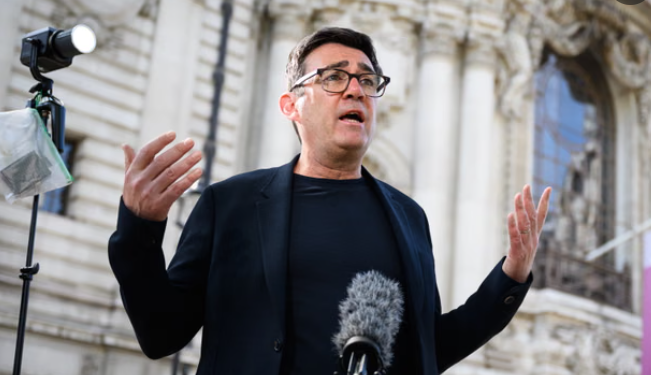 Labour is in meltdown after the decision to block Greater Manchester Mayor Andy Burnham from running in the byelection for Gorton and Denton. Party leader Keir Starmer and his allies voted strongly against Burnham’s bid, stoking fears of internal war. Furious Labour MPs and unions branded this move a "huge mistake," slamming Starmer's leadership as out of touch and destructive. Tensions boiled over as the party's top brass—the NEC—cited potential chaos and hefty costs as reasons to prevent Burnham's candidacy. They argued a mayoral byelection would disrupt Greater Manchester midway through Burnham's term and strain resources ahead of crucial ballots in May. But the clamor was deafening! Union leader Andrea Egan vowed resistance, denouncing the decision as "blatant gerrymandering." Many Labour figures, from Ed Miliband to Sadiq Khan, rallied behind Burnham, calling the move a betrayal and a loss. Burnham, left fuming, hit out at the party's direction under Starmer, warning it could hand victory to Reform UK in the byelection. Starmer faces backlash from all corners. MPs worry this will deepen party rifts and cost them seats, with many accusing him of feared "factionalism." They argue Burnham, popular as the "King of the North," could strengthen Labour’s chances—not weaken them. Looking forward, Starmer’s grip on leadership feels shaky. Allies insist blocking Burnham shores up stability and sidesteps a power struggle, but the price might be steep! With the NEC vote crushing Burnham's hopes 8-1, Starmer’s gamble could backfire disastrously. Key Takeaways: Starmer's blockade threatens Labour's unity and voter loyalty. Burnham’s exclusion sparks outrage and risks Reform UK’s gain. Potential internal crisis could escalate ahead of upcoming elections. Adapted by ASEAN Now from source 2026-01-25
 -
Labour is in meltdown after the decision to block Greater Manchester Mayor Andy Burnham from running in the byelection for Gorton and Denton. Party leader Keir Starmer and his allies voted strongly against Burnham’s bid, stoking fears of internal war. Furious Labour MPs and unions branded this move a "huge mistake," slamming Starmer's leadership as out of touch and destructive. Tensions boiled over as the party's top brass—the NEC—cited potential chaos and hefty costs as reasons to prevent Burnham's candidacy. They argued a mayoral byelection would disrupt Greater Manchester midway through Burnham's term and strain resources ahead of crucial ballots in May. But the clamor was deafening! Union leader Andrea Egan vowed resistance, denouncing the decision as "blatant gerrymandering." Many Labour figures, from Ed Miliband to Sadiq Khan, rallied behind Burnham, calling the move a betrayal and a loss. Burnham, left fuming, hit out at the party's direction under Starmer, warning it could hand victory to Reform UK in the byelection. Starmer faces backlash from all corners. MPs worry this will deepen party rifts and cost them seats, with many accusing him of feared "factionalism." They argue Burnham, popular as the "King of the North," could strengthen Labour’s chances—not weaken them. Looking forward, Starmer’s grip on leadership feels shaky. Allies insist blocking Burnham shores up stability and sidesteps a power struggle, but the price might be steep! With the NEC vote crushing Burnham's hopes 8-1, Starmer’s gamble could backfire disastrously. Key Takeaways: Starmer's blockade threatens Labour's unity and voter loyalty. Burnham’s exclusion sparks outrage and risks Reform UK’s gain. Potential internal crisis could escalate ahead of upcoming elections. Adapted by ASEAN Now from source 2026-01-25 View full article
-
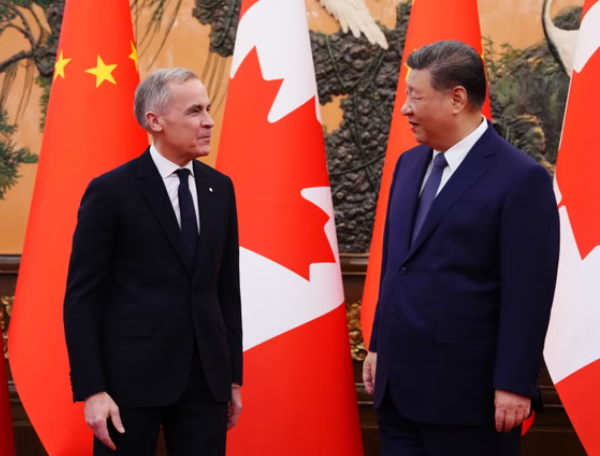 Canada ignites a trade storm! Prime Minister Mark Carney declared on Sunday there will be no free trade deal with China, firing back at Donald Trump's fiery threats of hefty tariffs on Canadian imports. Carney's latest move with China eases tariffs in specific sectors—not a sweeping deal. But Trump's steaming—warning of a brutal 100% levy if Canada buddies up with Beijing for trade talks. Under the North American pact with the U.S. and Mexico, Canada can't cozy up to non-market economies like China without a heads-up! "We're not planning any trade pacts with China or similar nations," Carney insisted, adding they've only addressed issues rearing in recent years. Flashback to 2024—Canada slapped China with a 100% tax on EVs and a 25% duty on metals. China hit back, taxing canola, pork, and seafood. Now, Carney's lifting Canada's 100% duty on Chinese electric vehicles, aiming for trade harmony. Trump barked loud on social media, accusing Canada of letting Chinese products sneak into U.S. turf. Treasury Secretary Scott Bessent chimed, criticizing Carney’s approach as a grandstand move for global applause. Yet Carney wasn't backing down—at Davos, he rallied like-minded nations to unite against coercive powers. He sent a clear message: Be at the table or end up on the menu! The remark stole the spotlight, overshadowing Trump at the Forum. Meanwhile, Trump's antics stretch beyond trade. His bizarre bid for Greenland and suggestive map alterations put Canada’s sovereignty in his crosshairs, hinting at 'joining' as America's 51st state. The tug-of-war continues! Will these tensions reshape alliances or drive deeper wedges? Key Takeaways: A trade battle brews as Trump's tariff threats clash with Carney's China stance. Davos drama—Carney’s bold speech wins acclaim, leaving Trump in the dust! Trump’s Greenland gambit strains relations, eyeing Canada for U.S. expansion. Adapted by ASEAN Now from Source 2026-01-25
 -
Canada ignites a trade storm! Prime Minister Mark Carney declared on Sunday there will be no free trade deal with China, firing back at Donald Trump's fiery threats of hefty tariffs on Canadian imports. Carney's latest move with China eases tariffs in specific sectors—not a sweeping deal. But Trump's steaming—warning of a brutal 100% levy if Canada buddies up with Beijing for trade talks. Under the North American pact with the U.S. and Mexico, Canada can't cozy up to non-market economies like China without a heads-up! "We're not planning any trade pacts with China or similar nations," Carney insisted, adding they've only addressed issues rearing in recent years. Flashback to 2024—Canada slapped China with a 100% tax on EVs and a 25% duty on metals. China hit back, taxing canola, pork, and seafood. Now, Carney's lifting Canada's 100% duty on Chinese electric vehicles, aiming for trade harmony. Trump barked loud on social media, accusing Canada of letting Chinese products sneak into U.S. turf. Treasury Secretary Scott Bessent chimed, criticizing Carney’s approach as a grandstand move for global applause. Yet Carney wasn't backing down—at Davos, he rallied like-minded nations to unite against coercive powers. He sent a clear message: Be at the table or end up on the menu! The remark stole the spotlight, overshadowing Trump at the Forum. Meanwhile, Trump's antics stretch beyond trade. His bizarre bid for Greenland and suggestive map alterations put Canada’s sovereignty in his crosshairs, hinting at 'joining' as America's 51st state. The tug-of-war continues! Will these tensions reshape alliances or drive deeper wedges? Key Takeaways: A trade battle brews as Trump's tariff threats clash with Carney's China stance. Davos drama—Carney’s bold speech wins acclaim, leaving Trump in the dust! Trump’s Greenland gambit strains relations, eyeing Canada for U.S. expansion. Adapted by ASEAN Now from Source 2026-01-25 View full article
-
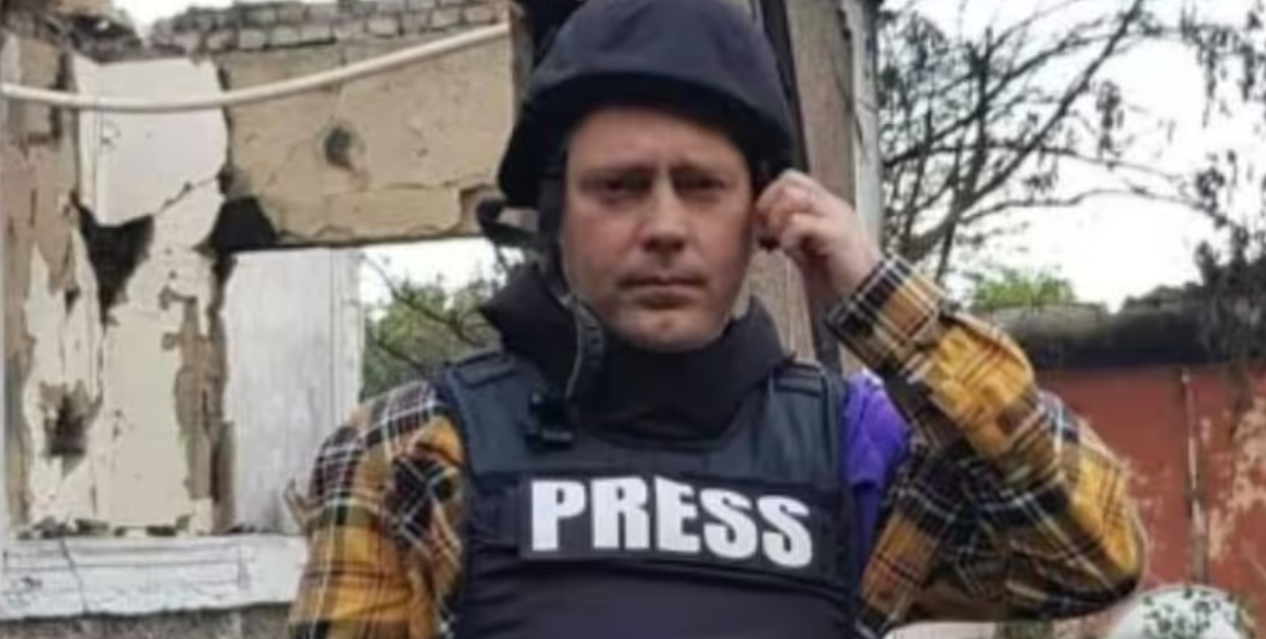 Oleh Baturyn, a brave investigative journalist, found himself in a nightmare in Russian-occupied Kherson, Ukraine. It was March 13, 2022, as protests erupted outside the building where he was held. The cries of "Putin is a d***head" filled the air, rattling his captors. He was being interrogated, blindfolded, and sentenced to death by his Russian captors, feeling the rage of the protest penetrate his very soul. Just a day prior, on March 12, Oleh was ambushed after being lured into a trap by Russian soldiers. Called by army veteran and blogger Serhiy Tsygipa to meet at a bus station, Oleh wisely left his phone behind. Seconds after his arrival, he was surrounded and handcuffed, hauled into a van, and taken to Nova Kakhovka’s City Hall for interrogation. His recent article exposing Russian mayor Vladimir Leontiev as a 'crook' made him a target. Threats loomed during his first interrogation. Leontiev, furious at an unflattering photo Oleh had published, menaced to kill him in pieces. Transferred to a police station with anti-Russian protesters, he faced brutal beatings and mock executions. A young man, no older than 19, was savagely beaten, sentenced to a fake execution, evoking howls of terror. Oleh shared traumatic scenes of violence as the Russians reveled in their cruelty. In Kherson, things worsened. As part of Russia's infamous detention sites, Oleh faced harsh interrogations. Prosecutor Eugen Tereshenko cites 4,000 to 5,000 civilian detentions, with true numbers likely higher. Kept hungry, Oleh endured relentless beatings, hearing only the screams of others, including the feared "Kadyrovites." His mental torment included hearing the assault of a woman in the next cell. Feeling forgotten, Oleh battled the psychological warfare of isolation. His captors claimed the world had moved on, intensifying his despair. But a flicker of hope reignited as he recalled his identity as a journalist. He clung to the thought that his disappearance would not go unnoticed, finding strength in the belief he wasn't entirely alone. Oleh's unexpected release came on March 20, an abrupt end to his eight-day ordeal. Escaping with his family to Ukraine-held land took four risk-laden days. Despite the harrowing experience, Oleh considers himself fortunate. The Russians, then in disarray, were yet to perfect their repressive machinery. "Had I been caught after April 1, it would've been far worse," Oleh reflected. The early chaos saved him from a graver fate. Key Takeaways Journalist's terrifying stint reveals brutal Russian tactics! Courage in chaos: Holds onto identity amid torment. Quick-thinking escape thwarts Russian capture again! Adapted by ASEAN Now from The Express 2026-01-25
 -
Oleh Baturyn, a brave investigative journalist, found himself in a nightmare in Russian-occupied Kherson, Ukraine. It was March 13, 2022, as protests erupted outside the building where he was held. The cries of "Putin is a d***head" filled the air, rattling his captors. He was being interrogated, blindfolded, and sentenced to death by his Russian captors, feeling the rage of the protest penetrate his very soul. Just a day prior, on March 12, Oleh was ambushed after being lured into a trap by Russian soldiers. Called by army veteran and blogger Serhiy Tsygipa to meet at a bus station, Oleh wisely left his phone behind. Seconds after his arrival, he was surrounded and handcuffed, hauled into a van, and taken to Nova Kakhovka’s City Hall for interrogation. His recent article exposing Russian mayor Vladimir Leontiev as a 'crook' made him a target. Threats loomed during his first interrogation. Leontiev, furious at an unflattering photo Oleh had published, menaced to kill him in pieces. Transferred to a police station with anti-Russian protesters, he faced brutal beatings and mock executions. A young man, no older than 19, was savagely beaten, sentenced to a fake execution, evoking howls of terror. Oleh shared traumatic scenes of violence as the Russians reveled in their cruelty. In Kherson, things worsened. As part of Russia's infamous detention sites, Oleh faced harsh interrogations. Prosecutor Eugen Tereshenko cites 4,000 to 5,000 civilian detentions, with true numbers likely higher. Kept hungry, Oleh endured relentless beatings, hearing only the screams of others, including the feared "Kadyrovites." His mental torment included hearing the assault of a woman in the next cell. Feeling forgotten, Oleh battled the psychological warfare of isolation. His captors claimed the world had moved on, intensifying his despair. But a flicker of hope reignited as he recalled his identity as a journalist. He clung to the thought that his disappearance would not go unnoticed, finding strength in the belief he wasn't entirely alone. Oleh's unexpected release came on March 20, an abrupt end to his eight-day ordeal. Escaping with his family to Ukraine-held land took four risk-laden days. Despite the harrowing experience, Oleh considers himself fortunate. The Russians, then in disarray, were yet to perfect their repressive machinery. "Had I been caught after April 1, it would've been far worse," Oleh reflected. The early chaos saved him from a graver fate. Key Takeaways Journalist's terrifying stint reveals brutal Russian tactics! Courage in chaos: Holds onto identity amid torment. Quick-thinking escape thwarts Russian capture again! Adapted by ASEAN Now from The Express 2026-01-25 View full article
-
 Drama unfolds as the USS Lincoln nears Iran! Tensions soar as one of America's mightiest aircraft carriers stands ready at the Middle East doorstep. This move could signal a storm on the horizon as the US bolsters Israel's defenses against potential threats. Originally patrolling the South China Sea, the Lincoln now closes in on Iran. America isn’t stopping there! A specialist missile defense ship and the THAAD air defense system are on the way. The scene eerily mirrors last June's pre-strike build-up before the US launched a devastating attack on Iranian nuclear sites, firing 30 Tomahawks and unleashing B-2 bombers. President Trump dials up the pressure, cryptically remarking, “Help is on its way,” during Iran’s domestic unrest. He's staying coy on demands but hints at a formidable US presence near Iran. Trump keeps them guessing: “We have a big force going. Just in case!” Is Tehran listening? Iran's not backing down! Foreign Minister Abbas Araghchi fires a chilling warning in The Wall Street Journal. Iran is ready to “fire back with everything we have” if America dares to strike. The stage is set for a high-stakes showdown! With tensions ratcheting up, all eyes are on what follows. Will diplomacy prevail, or are we edging closer to conflict? Key Takeaways: USS Lincoln's deployment has Middle East on edge! US mimics past military maneuvers before striking Iran. Iran vows fierce retaliation if provoked. Adapted by ASEAN Now from The Express 2026-01-25