

ASEAN NOW News
Admin
-
Joined
-
Last visited
Everything posted by ASEAN NOW News
-
Chaos, fear, and defiance! The streets of Isfahan turned into a horror scene as Iranian protesters dodged bullets and begged for safety. Tara, among the brave, faced terror when security forces blasted the crowd. “Don't shoot us!” she pleaded. But fate had other plans as shots rang out, leaving her and her friend blood-covered and terrified! Panic-stricken, Tara avoided hospitals, fearing arrest. Security forces lurked at every turn, making medical help a risky gamble. She found refuge with strangers, staying until the break of dawn. Only then did she dare to seek covert medical treatment, fearing the birdshot in her body might stay forever. The scope of Iran’s protests is murky, with an internet blackout and media muzzles evoking global concern. HRANA, a rights group, claims 6,301 fatalities, most being protesters — a grim tally that highlights the dire situation. More distressing are unconfirmed reports of over 17,000 possible deaths amidst the chaos. Hospitals? A no-go zone! Protesters, wary of arrest, shy away. Instead, they lean on a network of clandestine caregivers willing to defy the regime’s reach. Medics whisper tales of security eyes prowling hospital halls, ensuring anyone calling out for help might end up silenced. One bold surgeon, Nima, dealt firsthand with this crisis. He smuggled injured youths in his car’s trunk, dodging patrols on alert to capture instead of heal. Describing scenes of despair, sobbing while performing surgeries, he recounted bullet-riddled bodies and blood-soaked wards. Iran’s regime insists they’re facing a revolt. Official figures claim over 3,100 deaths, painting a narrative of defense against "rioters." Yet, the blood paints a different story, one of suppression, not safety. Hospitals overflow as the wounded crave care. A Tehran facility saw 200 eye surgeries, with medics discreetly moving victims through staff corridors, avoiding security attention. Yet, even this is shadowed by resource scarcity; medics warn each visit invites a security storm to the doorstep. Saeed, affected by tragedy in Arak, relayed the pain of birdshot injuries and covert surgeries. Even a leading eye hospital is transformed into a sanctuary of hidden survival. Nurses courageously escort patients away from prying eyes, putting lives before laws. As violence pierced Tehran, Sina took his brother to a scene resembling a wartime infirmary. Hospitals, short on supplies, forced families to fend for basics, even blankets. It's a desperate gamble—seek care and risk a security raid, or suffer in silence. The humanitarian crisis intensifies in smaller towns. Stories of abductions from hospital beds surface, adding chilling layers to the struggle. Rights organizations reveal a grim pattern: healers themselves becoming targets, facing detention for their mercy. Iran Human Rights warns of an intimidation scheme strangling public trust. Arrests of medics sending shockwaves, echoing through the clandestine corridors of survival. Dr. Alireza Golchini's brutal arrest, accused of "enmity against God," underscores the regime’s relentless crackdown. The outlook? Daunting and fraught. As hope flickers, questions loom over Iran’s horizon—a land caught between cries for mercy and the iron grip of silence. Key Takeaways Protesters face brutal crackdowns and chilling medical evasion! Doctors risk everything to heal in secret amidst security raids. Human rights groups sound alarm on shocking medics’ arrests! Adapted by ASEAN Now from Source 2026-01-28 View full article
-
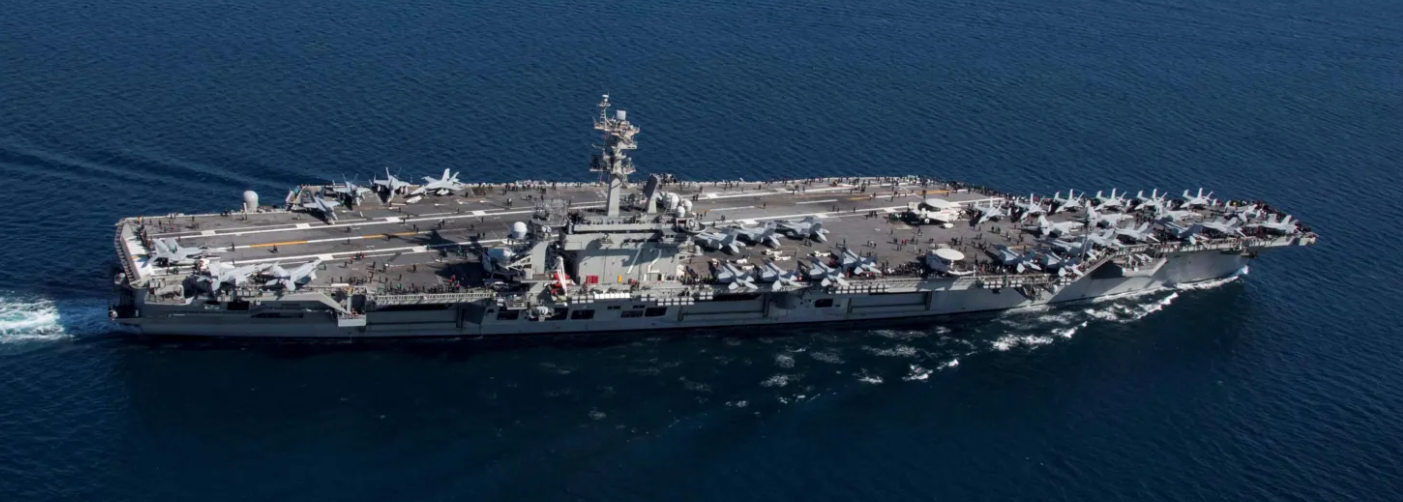 Donald Trump is turning up the heat on Iran, warning that "time is running out" for a nuclear deal as US military power surges in the Gulf. A "massive armada" is heading towards Iran with "great power, enthusiasm, and purpose," Trump declared. But Tehran isn't backing down. Iranian Foreign Minister Abbas Araghchi vows a fierce response, fingers "on the trigger" and ready to strike at any sign of aggression. What's at stake? Iran insists its nuclear program is peaceful, denying claims of nuclear weapon ambitions. But Trump's warned Iran of severe consequences if deals aren't struck soon. His recent declaration follows a shift after he hinted at US support for protesters facing brutal crackdowns in Iran. Human rights groups claim over 6,301 have died amid protests. With theories rampant, accusations of brutality hang over Tehran like a dark cloud. Trump's urging Iran to 'Come to the Table' for a fair nuclear deal, repeating his mantra: NO NUCLEAR WEAPONS. The naval fleet now in the Gulf is reportedly larger than any sent before, poised for action yet hoping for a peaceful resolution. Tensions boil after last June's US strikes on Iranian nuclear sites during a volatile period with Israel. "The next attack will be far worse!" Trump warns, ramping up pressure. Araghchi retorts, stating Iran is open to a fair deal without coercion. He insists nuclear weapons aren't on Iran's agenda, claiming they've "NEVER sought to acquire them." Messaged exchanges with the US occur, but no full-blown talks are underway, Iran's Deputy Foreign Minister confirms. US military enhancements in the region speak volumes. BBC Verify reveals 15 fighter jets landing in Jordan, more arriving in Qatar and Diego Garcia. Surveillance activity intensifies with drones and spy planes near Iranian airspace. The USS Abraham Lincoln, leading the naval ‘armada’, is confirmed in the Middle East, alongside destroyers and combat ships in Bahrain. Increased regional US presence signals an escalating posture. Iran's counter-move? Deploying the IRIS Shahid Bagheri drone carrier off its coast. Under an earlier 2015 agreement, Iran agreed to enrichment restrictions, but Trump abandoned the deal in 2018, leading to increased uranium production breaches by Tehran. Now, the stakes are higher. As negotiations loom uncertain, US demands Iran cease uranium enrichment, limit missile developments, and halt support for proxies. Will diplomacy reign? Iran once retaliated with missile strikes on a US base in Qatar after a US operation named "Midnight Hammer" targeted nuclear sites. Which side will move first? Brimming tensions hang on a knife-edge. Key Takeaways Trump's naval "massive Armada" steers towards Iran, tensions sizzle! Iran declares readiness, fingers on triggers for immediate response. Calls for fair, coercion-free atomic deals ring with rhetorical fury. Adapted by ASEAN Now from Source 2026-01-28
 -
Donald Trump is turning up the heat on Iran, warning that "time is running out" for a nuclear deal as US military power surges in the Gulf. A "massive armada" is heading towards Iran with "great power, enthusiasm, and purpose," Trump declared. But Tehran isn't backing down. Iranian Foreign Minister Abbas Araghchi vows a fierce response, fingers "on the trigger" and ready to strike at any sign of aggression. What's at stake? Iran insists its nuclear program is peaceful, denying claims of nuclear weapon ambitions. But Trump's warned Iran of severe consequences if deals aren't struck soon. His recent declaration follows a shift after he hinted at US support for protesters facing brutal crackdowns in Iran. Human rights groups claim over 6,301 have died amid protests. With theories rampant, accusations of brutality hang over Tehran like a dark cloud. Trump's urging Iran to 'Come to the Table' for a fair nuclear deal, repeating his mantra: NO NUCLEAR WEAPONS. The naval fleet now in the Gulf is reportedly larger than any sent before, poised for action yet hoping for a peaceful resolution. Tensions boil after last June's US strikes on Iranian nuclear sites during a volatile period with Israel. "The next attack will be far worse!" Trump warns, ramping up pressure. Araghchi retorts, stating Iran is open to a fair deal without coercion. He insists nuclear weapons aren't on Iran's agenda, claiming they've "NEVER sought to acquire them." Messaged exchanges with the US occur, but no full-blown talks are underway, Iran's Deputy Foreign Minister confirms. US military enhancements in the region speak volumes. BBC Verify reveals 15 fighter jets landing in Jordan, more arriving in Qatar and Diego Garcia. Surveillance activity intensifies with drones and spy planes near Iranian airspace. The USS Abraham Lincoln, leading the naval ‘armada’, is confirmed in the Middle East, alongside destroyers and combat ships in Bahrain. Increased regional US presence signals an escalating posture. Iran's counter-move? Deploying the IRIS Shahid Bagheri drone carrier off its coast. Under an earlier 2015 agreement, Iran agreed to enrichment restrictions, but Trump abandoned the deal in 2018, leading to increased uranium production breaches by Tehran. Now, the stakes are higher. As negotiations loom uncertain, US demands Iran cease uranium enrichment, limit missile developments, and halt support for proxies. Will diplomacy reign? Iran once retaliated with missile strikes on a US base in Qatar after a US operation named "Midnight Hammer" targeted nuclear sites. Which side will move first? Brimming tensions hang on a knife-edge. Key Takeaways Trump's naval "massive Armada" steers towards Iran, tensions sizzle! Iran declares readiness, fingers on triggers for immediate response. Calls for fair, coercion-free atomic deals ring with rhetorical fury. Adapted by ASEAN Now from Source 2026-01-28 View full article
-
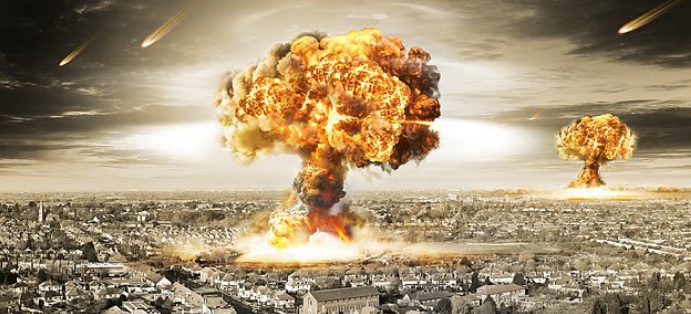 The Doomsday Clock, a symbol of humanity's proximity to annihilation, is now closer to midnight than ever before. On Tuesday, scientists at the Bulletin of Atomic Scientists moved the clock to 85 seconds before midnight. This historic shift underscores dire global threats, including nuclear dangers, climate change, and emerging technologies like AI and synthetic biology. Bulletin CEO Alexandra Bell declared, "Every second counts," emphasizing the gravity of our current situation. The clock, a concept born during the Cold War, has been inching closer to midnight with growing global tension. This year marks the second consecutive advance, driven by escalating nuclear risks and climate instability. Chair Daniel Holz voiced concerns about failing international cooperation. He noted that nuclear-armed states became more adversarial in 2025, pushing the clock forward. With a key US-Russia nuclear treaty set to expire, the risk of an arms race looms large. The clock's hands reflect humanity’s record on addressing threats. Forward movement signals increased risk, while regression indicates progress. The clock has moved steadily towards midnight since 2011, with climate disasters worsening and novel threats like 'mirror life' and AI misinformation emerging. Amid escalating conflicts and rising sea levels, Holz warned of synthetic organisms that pose potential pandemic threats. The ongoing war in Ukraine, American military actions, and global political tensions under President Trump exacerbate the sense of urgency. Despite its symbolic nature, the clock remains a stark reminder of looming perils. Established in 1947 and marked by its inaugural seven-minute position, the clock’s adjustments have become a critical societal barometer. In 2026, humanity faces unprecedented challenges requiring urgent global cooperation. Key Takeaways Doomsday Clock reaches unprecedented proximity to midnight. Nuclear tensions, climate change, and AI threats push humanity closer to catastrophe. Global cooperation is crucial to mitigate escalating risks. Adapted by ASEAN Now from Source 2026-01-27
 -
The Doomsday Clock, a symbol of humanity's proximity to annihilation, is now closer to midnight than ever before. On Tuesday, scientists at the Bulletin of Atomic Scientists moved the clock to 85 seconds before midnight. This historic shift underscores dire global threats, including nuclear dangers, climate change, and emerging technologies like AI and synthetic biology. Bulletin CEO Alexandra Bell declared, "Every second counts," emphasizing the gravity of our current situation. The clock, a concept born during the Cold War, has been inching closer to midnight with growing global tension. This year marks the second consecutive advance, driven by escalating nuclear risks and climate instability. Chair Daniel Holz voiced concerns about failing international cooperation. He noted that nuclear-armed states became more adversarial in 2025, pushing the clock forward. With a key US-Russia nuclear treaty set to expire, the risk of an arms race looms large. The clock's hands reflect humanity’s record on addressing threats. Forward movement signals increased risk, while regression indicates progress. The clock has moved steadily towards midnight since 2011, with climate disasters worsening and novel threats like 'mirror life' and AI misinformation emerging. Amid escalating conflicts and rising sea levels, Holz warned of synthetic organisms that pose potential pandemic threats. The ongoing war in Ukraine, American military actions, and global political tensions under President Trump exacerbate the sense of urgency. Despite its symbolic nature, the clock remains a stark reminder of looming perils. Established in 1947 and marked by its inaugural seven-minute position, the clock’s adjustments have become a critical societal barometer. In 2026, humanity faces unprecedented challenges requiring urgent global cooperation. Key Takeaways Doomsday Clock reaches unprecedented proximity to midnight. Nuclear tensions, climate change, and AI threats push humanity closer to catastrophe. Global cooperation is crucial to mitigate escalating risks. Adapted by ASEAN Now from Source 2026-01-27 View full article
-
 From February 2, Pornhub will block UK access for new users due to strict age verification laws under the Online Safety Act (OSA). Only existing account holders can view content, as Aylo, Pornhub's parent company, claims the legislation forces users to riskier sites. Aylo reported a 77% traffic drop after the law change, criticizing the OSA for missing its protective goal. Despite this, Ofcom asserts the measures successfully shield minors. "Porn services must implement age checks or block UK access," stated an Ofcom spokesperson. Alex Kekesi of Aylo called the decision difficult, highlighting persistent access to thousands of unregulated sites. While the OSA pushed for compliance, Kekesi argues VPNs allow both adults and children to bypass restrictions, undermining law effectiveness. Solomon Friedman from Ethical Capital Partners blames the legislation over its enforcement, pointing out regulatory limitations. Emma Drake from Bird and Bird notes that while the determined seek alternatives, many minors are deterred by barriers. Calls for device-level controls by giants like Apple and Microsoft are increasing. Cybersecurity expert Chelsea Jarvie advocates for layered protection, emphasizing no single measure suffices. Ofcom, however, continues to enforce the current rules. As VPN downloads surged post-verification requirements, efforts in the House of Lords target restricting VPN access for children, underscoring the complexity of safeguarding online environments. Friedman underlines the need for better legislative frameworks, highlighting that current policies cannot fully succeed in preventing underage access. Meanwhile, the Department for Science, Innovation and Technology emphasizes the importance of robust age assurance in keeping adult content accessible while protecting minors. Emma Drake suggests device-level barriers offer potential for future regulation, provided privacy concerns are addressed. Meanwhile, Ofcom encourages tech industry innovation to tackle age verification challenges effectively. Debate continues on balancing access with safety, as stakeholders seek improved strategies to curb underage exposure without driving users to darker internet corners. Key Takeaways Pornhub restricts UK access due to age verification laws. Critics claim regulations drive users to unregulated sites. Device-level controls and VPN issues remain central to the debate. Adapted by ASEAN Now from Source 2026-01-27
 -
From February 2, Pornhub will block UK access for new users due to strict age verification laws under the Online Safety Act (OSA). Only existing account holders can view content, as Aylo, Pornhub's parent company, claims the legislation forces users to riskier sites. Aylo reported a 77% traffic drop after the law change, criticizing the OSA for missing its protective goal. Despite this, Ofcom asserts the measures successfully shield minors. "Porn services must implement age checks or block UK access," stated an Ofcom spokesperson. Alex Kekesi of Aylo called the decision difficult, highlighting persistent access to thousands of unregulated sites. While the OSA pushed for compliance, Kekesi argues VPNs allow both adults and children to bypass restrictions, undermining law effectiveness. Solomon Friedman from Ethical Capital Partners blames the legislation over its enforcement, pointing out regulatory limitations. Emma Drake from Bird and Bird notes that while the determined seek alternatives, many minors are deterred by barriers. Calls for device-level controls by giants like Apple and Microsoft are increasing. Cybersecurity expert Chelsea Jarvie advocates for layered protection, emphasizing no single measure suffices. Ofcom, however, continues to enforce the current rules. As VPN downloads surged post-verification requirements, efforts in the House of Lords target restricting VPN access for children, underscoring the complexity of safeguarding online environments. Friedman underlines the need for better legislative frameworks, highlighting that current policies cannot fully succeed in preventing underage access. Meanwhile, the Department for Science, Innovation and Technology emphasizes the importance of robust age assurance in keeping adult content accessible while protecting minors. Emma Drake suggests device-level barriers offer potential for future regulation, provided privacy concerns are addressed. Meanwhile, Ofcom encourages tech industry innovation to tackle age verification challenges effectively. Debate continues on balancing access with safety, as stakeholders seek improved strategies to curb underage exposure without driving users to darker internet corners. Key Takeaways Pornhub restricts UK access due to age verification laws. Critics claim regulations drive users to unregulated sites. Device-level controls and VPN issues remain central to the debate. Adapted by ASEAN Now from Source 2026-01-27 View full article
-
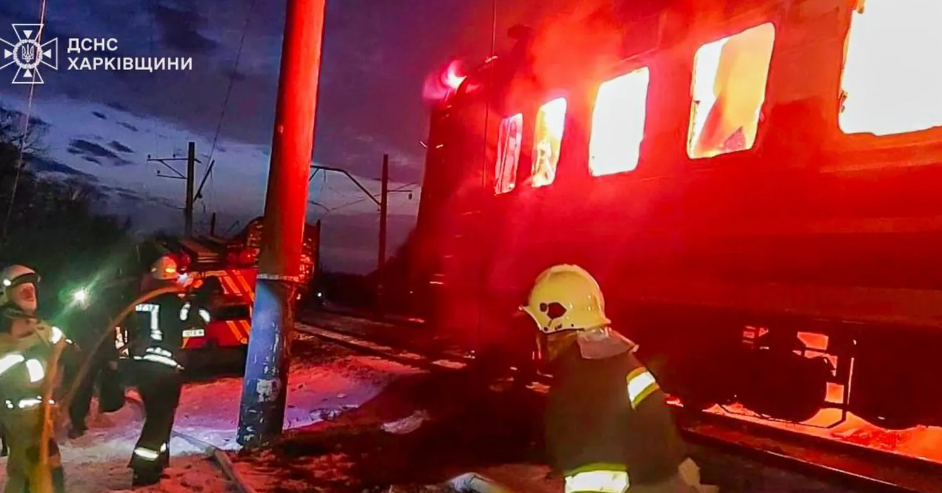 Ukrainian President Volodymyr Zelensky has fiercely condemned a Russian drone strike on a passenger train, labeling it as "terrorism." At least four people were killed, with four more missing, after the attack in Ukraine's northeastern Kharkiv region. The train, carrying over 200 passengers, was a direct target in a series of escalating assaults on Ukraine's civilian infrastructure. Earlier reports from Odesa highlighted a similar overnight tragedy, with Russian drones killing three and injuring 25 more. The drone strikes have wreaked havoc as Ukraine faces a harsh winter with millions left without crucial heating, electricity, and water. Russia remains silent regarding these attacks, while Zelensky emphasizes the lack of military justification for targeting civilians. He stressed that any country would view a drone strike on a civilian train as terrorism. Disturbing images from Ukraine’s emergency services reveal a train car engulfed in flames after the disastrous hit near Yazykove village. The train route, running from Chop to Barvinkove, is vital for both residents and soldiers. In Odesa, more than 50 drones targeted vital infrastructure, leading to collapsed residential buildings. Despite international negotiations in the UAE involving US representatives, crucial territorial disputes remain unresolved, and future talks are anticipated. Russia’s relentless aerial assaults persist, underscoring the fragile state of peace discussions. While all sides described the recent talks as constructive, the ongoing violence starkly contradicts those diplomatic efforts. Key Takeaways Zelensky condemns the train attack, calling it Russian terrorism. Millions endure harsh conditions as infrastructure crumbles under assault. Diplomatic talks continue but with no resolution to key territorial disputes. Adapted by ASEAN Now from Source 2026-01-27
 -
Ukrainian President Volodymyr Zelensky has fiercely condemned a Russian drone strike on a passenger train, labeling it as "terrorism." At least four people were killed, with four more missing, after the attack in Ukraine's northeastern Kharkiv region. The train, carrying over 200 passengers, was a direct target in a series of escalating assaults on Ukraine's civilian infrastructure. Earlier reports from Odesa highlighted a similar overnight tragedy, with Russian drones killing three and injuring 25 more. The drone strikes have wreaked havoc as Ukraine faces a harsh winter with millions left without crucial heating, electricity, and water. Russia remains silent regarding these attacks, while Zelensky emphasizes the lack of military justification for targeting civilians. He stressed that any country would view a drone strike on a civilian train as terrorism. Disturbing images from Ukraine’s emergency services reveal a train car engulfed in flames after the disastrous hit near Yazykove village. The train route, running from Chop to Barvinkove, is vital for both residents and soldiers. In Odesa, more than 50 drones targeted vital infrastructure, leading to collapsed residential buildings. Despite international negotiations in the UAE involving US representatives, crucial territorial disputes remain unresolved, and future talks are anticipated. Russia’s relentless aerial assaults persist, underscoring the fragile state of peace discussions. While all sides described the recent talks as constructive, the ongoing violence starkly contradicts those diplomatic efforts. Key Takeaways Zelensky condemns the train attack, calling it Russian terrorism. Millions endure harsh conditions as infrastructure crumbles under assault. Diplomatic talks continue but with no resolution to key territorial disputes. Adapted by ASEAN Now from Source 2026-01-27 View full article
-
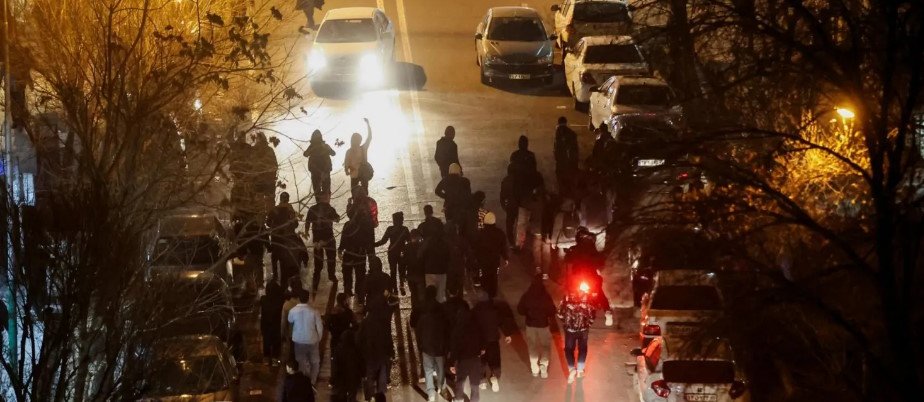 Iran is engulfed in turmoil as a brutal crackdown by security forces leaves a devastating toll on protesters. Parisa, a 29-year-old from Tehran, shares chilling accounts of friends killed during widespread protests over economic woes. "We all know someone who was killed," she somberly tells the BBC, painting a harrowing picture of violence unlike anything she’s ever seen. The unrest, which erupted in December in response to dire economic conditions, has become one of the deadliest periods of anti-government protest in Iran's history. According to the Human Rights Activists News Agency (Hrana), over 6,000 people have reportedly been killed, including 92 children. As internet shutdowns persist, stories like Parisa’s continue to surface, revealing the tragic human cost. Mehdi, a 24-year-old protester, witnessed the horror unfold firsthand. He describes the protest as initially peaceful, but when met with lethal force, the situation spiraled into chaos. “People came out because they had nothing left to lose,” he says. The Iranian authorities report over 3,100 deaths, claiming the majority to be security personnel or bystanders attacked by rioters. However, videos circulating online show security forces using live ammunition, verified by the BBC and other international organizations, contrasting the official narrative. Sahar, another protester, narrowly escaped death during the chaos. She recounts the terrifying moment when her friend was shot in the neck while seeking refuge from tear gas. A third friend suffered from pellet wounds, dying from fear of arrest if he sought medical care. The use of pellet guns has become a grim hallmark of the crackdown. Parham, yet another protester, shares how his friend Sina suffered eye injuries from pellets, painting a stark image of the brutality faced by demonstrators. The protests have spotlighted tactics aimed at obscuring the true death toll. Families of the deceased are reportedly pressured into paying hefty sums or falsely declaring their loved ones as security personnel to retrieve bodies. Navid from Isfahan recounts similar ultimatums given to grieving families, underscoring a disturbing strategy to manipulate casualty figures. As news blackout compounds the chaos, the stories of those like Parisa, Mehdi, and Sahar illuminate the harsh reality of Iran's current situation. With human rights organizations warning that the death toll could escalate to over 25,000, the international community watches with growing unease. Key Takeaways Over 6,000 reported killed as Iranian protests face a brutal crackdown. Security forces employ lethal tactics including live ammunition and pellet guns. Families pressured to falsely declare victims as security personnel to obscure death toll. Adapted by ASEAN Now from Source 2026-01-27
 -
Iran is engulfed in turmoil as a brutal crackdown by security forces leaves a devastating toll on protesters. Parisa, a 29-year-old from Tehran, shares chilling accounts of friends killed during widespread protests over economic woes. "We all know someone who was killed," she somberly tells the BBC, painting a harrowing picture of violence unlike anything she’s ever seen. The unrest, which erupted in December in response to dire economic conditions, has become one of the deadliest periods of anti-government protest in Iran's history. According to the Human Rights Activists News Agency (Hrana), over 6,000 people have reportedly been killed, including 92 children. As internet shutdowns persist, stories like Parisa’s continue to surface, revealing the tragic human cost. Mehdi, a 24-year-old protester, witnessed the horror unfold firsthand. He describes the protest as initially peaceful, but when met with lethal force, the situation spiraled into chaos. “People came out because they had nothing left to lose,” he says. The Iranian authorities report over 3,100 deaths, claiming the majority to be security personnel or bystanders attacked by rioters. However, videos circulating online show security forces using live ammunition, verified by the BBC and other international organizations, contrasting the official narrative. Sahar, another protester, narrowly escaped death during the chaos. She recounts the terrifying moment when her friend was shot in the neck while seeking refuge from tear gas. A third friend suffered from pellet wounds, dying from fear of arrest if he sought medical care. The use of pellet guns has become a grim hallmark of the crackdown. Parham, yet another protester, shares how his friend Sina suffered eye injuries from pellets, painting a stark image of the brutality faced by demonstrators. The protests have spotlighted tactics aimed at obscuring the true death toll. Families of the deceased are reportedly pressured into paying hefty sums or falsely declaring their loved ones as security personnel to retrieve bodies. Navid from Isfahan recounts similar ultimatums given to grieving families, underscoring a disturbing strategy to manipulate casualty figures. As news blackout compounds the chaos, the stories of those like Parisa, Mehdi, and Sahar illuminate the harsh reality of Iran's current situation. With human rights organizations warning that the death toll could escalate to over 25,000, the international community watches with growing unease. Key Takeaways Over 6,000 reported killed as Iranian protests face a brutal crackdown. Security forces employ lethal tactics including live ammunition and pellet guns. Families pressured to falsely declare victims as security personnel to obscure death toll. Adapted by ASEAN Now from Source 2026-01-27 View full article
-
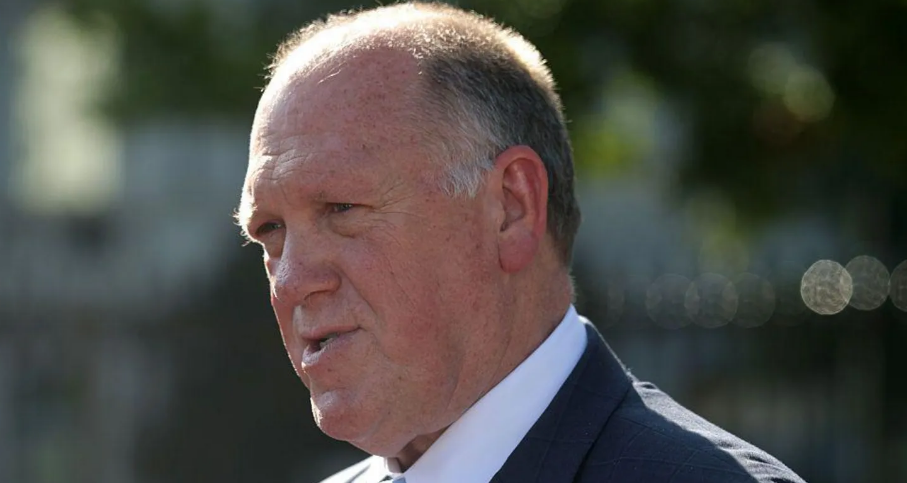 In a dramatic twist, Donald Trump has dispatched his 'border tsar,' Tom Homan, to oversee immigration enforcement in Minneapolis after two US citizens were killed by federal agents. Homan, Trump’s close ally and experienced immigration enforcer, landed on Tuesday to become the main contact for city officials. His arrival signals a shift as Gregory Bovino, the outgoing border patrol chief known for aggressive tactics, prepares to leave the city. Bovino, a North Carolina native, gained prominence in immigration crackdowns across major cities. His controversial "turn and burn" arrests sparked tension with lawmakers and protests. Homan, a longtime defender of Trump's policies, is renowned for his no-nonsense approach. Born in upstate New York, he soared through the ranks of US immigration enforcement and even led ICE’s Enforcement and Removal Operations under Obama. Despite intending to retire in 2017, he returned at Trump's behest to steer the administration's bold deportation drives. His mission? Target the "worst of the worst" while battling "sanctuary cities" that resist federal immigration efforts. However, enforceable immigration laws mean even non-criminal undocumented migrants could face deportation, drawing criticism from activists. Homan's involvement follows his defense against a bribery allegation, dismissed after Trump's return to office. This appointment underscores the administration's steadfast immigration strategy despite public concern. Experts suggest Homan’s polished media skills and long-standing career make him an ideal spokesperson amid ongoing controversies. Yet, critics like Michael Lukens from the Amica Center argue there's little difference in approach between Homan and Bovino. Homan’s history with family separation policies adds to activist concerns. "Homan is a career deportation advocate," Lukens asserts. "He's there to paint their actions differently." Bovino’s exit is seen as necessary amidst rising criticism, but this leadership shift might not change the administration's tough stance. Former DHS official Lora Ries notes that all undocumented migrants remain vulnerable under Homan's enforcement. In conclusion, Homan's deployment in Minneapolis highlights a strategic move to reinforce Trump’s immigration policies during an increasingly controversial period. Key Takeaways Tom Homan replaces Bovino as Trump's top enforcer in Minneapolis. Despite leadership change, strict immigration enforcement persists. Critics worry Homan's polished approach doesn’t alter policy severity. Adapted by ASEAN Now from Source 2026-01-27
 -
In a dramatic twist, Donald Trump has dispatched his 'border tsar,' Tom Homan, to oversee immigration enforcement in Minneapolis after two US citizens were killed by federal agents. Homan, Trump’s close ally and experienced immigration enforcer, landed on Tuesday to become the main contact for city officials. His arrival signals a shift as Gregory Bovino, the outgoing border patrol chief known for aggressive tactics, prepares to leave the city. Bovino, a North Carolina native, gained prominence in immigration crackdowns across major cities. His controversial "turn and burn" arrests sparked tension with lawmakers and protests. Homan, a longtime defender of Trump's policies, is renowned for his no-nonsense approach. Born in upstate New York, he soared through the ranks of US immigration enforcement and even led ICE’s Enforcement and Removal Operations under Obama. Despite intending to retire in 2017, he returned at Trump's behest to steer the administration's bold deportation drives. His mission? Target the "worst of the worst" while battling "sanctuary cities" that resist federal immigration efforts. However, enforceable immigration laws mean even non-criminal undocumented migrants could face deportation, drawing criticism from activists. Homan's involvement follows his defense against a bribery allegation, dismissed after Trump's return to office. This appointment underscores the administration's steadfast immigration strategy despite public concern. Experts suggest Homan’s polished media skills and long-standing career make him an ideal spokesperson amid ongoing controversies. Yet, critics like Michael Lukens from the Amica Center argue there's little difference in approach between Homan and Bovino. Homan’s history with family separation policies adds to activist concerns. "Homan is a career deportation advocate," Lukens asserts. "He's there to paint their actions differently." Bovino’s exit is seen as necessary amidst rising criticism, but this leadership shift might not change the administration's tough stance. Former DHS official Lora Ries notes that all undocumented migrants remain vulnerable under Homan's enforcement. In conclusion, Homan's deployment in Minneapolis highlights a strategic move to reinforce Trump’s immigration policies during an increasingly controversial period. Key Takeaways Tom Homan replaces Bovino as Trump's top enforcer in Minneapolis. Despite leadership change, strict immigration enforcement persists. Critics worry Homan's polished approach doesn’t alter policy severity. Adapted by ASEAN Now from Source 2026-01-27 View full article
-
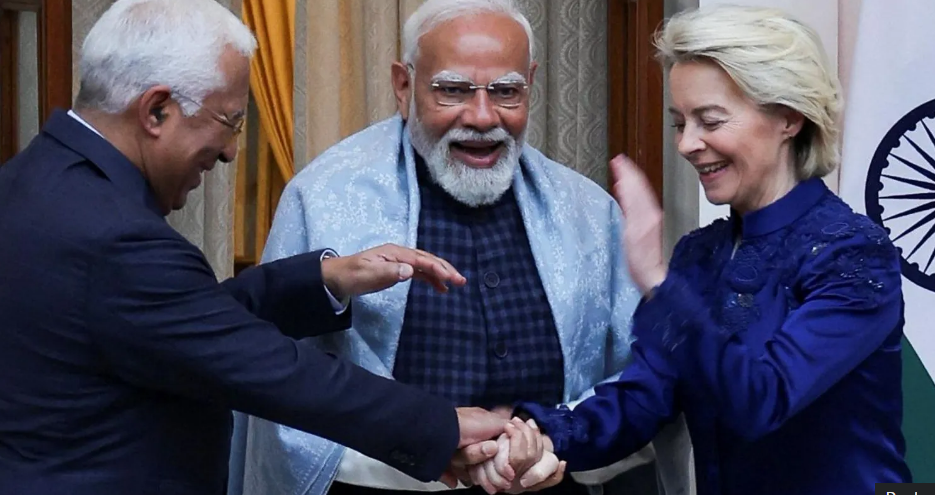 The India-EU trade deal, dubbed the "mother of all deals," is rocking the global trade stage. But lurking in the background is the shadow of Donald Trump’s unpredictable tactics, propelling nations toward strategic alliances. As the European Union remains India's largest trade partner, clocking $142.3bn in goods in 2024, it's a testament to their robust relationship. Yet, this long-awaited trade pact had been stuck in a negotiation rut for two decades. Why the sudden breakthrough? Enter Donald Trump. His aggressive tariff moves have stirred a global buzz, pushing countries to secure alliances elsewhere. The United States slapped a harsh 50% tariff on Indian goods over their continued oil dealings with Russia. In a similar vein, EU countries also faced Trump's tariff threats over political disagreements, like his ambitious Greenland acquisition plans. Trump's whims have prompted India and the EU to seek shelter with each other, stepping into a potent trade partnership. Michael Kugelman from the Atlantic Council points to Trump's erratic moves as a catalyst for India and the EU pushing through their differences to secure this landmark agreement. Global dynamics continue to shift. Canadian Prime Minister Mark Carney, having warned of a "rupture" in international order, recently engaged with China, irking Trump. UK’s Keir Starmer is also pursuing fresh ties with Beijing. The India-EU deal is just one stone in the shifting geopolitical mosaic, declaring independence from Trump's economic grip. Despite the triumph, obstacles lie ahead. The trade pact, while concluded in negotiations, faces the scrutiny of legal reviews and the demanding process of ratification by member states and the European Parliament. Experts express concern about complex issues like intellectual property rights and carbon emissions, which could stall progress. European and Indian business communities have celebrated the deal. Fredrik Persson, president of BusinessEurope, calls it a vital "first step," emphasizing that diligence in implementation is crucial. Meanwhile, Chris Philp's critique of the government's control over immigration amplifies the pressing narrative. Trump’s heavy-handed approach has amassed international criticism, driving nations like India and the EU to adapt and shield themselves through collaborative partnerships. Mark Linscott, a senior trade adviser, highlights unresolved issues that could challenge the execution of this ambitious deal. From intellectual rights to agriculture and sustainability, these are hurdles yet to be tackled. The geopolitical chessboard is realigning. For India, partnering with the EU is a strategic move to counterbalance China's trade dominance, a feat envisaged with US backing initially. The EU, too, sees India as a vital ally in its bid to reduce dependency on China. Their cooperation sends a clear signal: cooperation is the answer to global uncertainties. As Modi and Ursula von der Leyen exchanged agreements, they declared a unified vision against weaponized trade. This partnership isn't just about commerce; it's a blueprint for shared prosperity in a volatile world, buffering against the tempestuous trade climate ushered in by the Trump administration. US Treasury Secretary Scott Bessent’s critical remarks are telling—this deal rattles Washington. His comments about the EU "financing the war against themselves" by trading with India reflect the tension. India's longstanding ties with Russia for military hardware remain a sticking point, but they don't overshadow potential EU market access. The India-EU trade agreement, amid Trump's tariffs, is a clever geopolitical maneuver, positioning both powers to wield influence through collaboration. As negotiations transition to ratification, the world watches and waits. Key Takeaways India-EU deal disrupts Trump's trade influence. Global dynamics are realigning amid US tariff tensions. Legal and political hurdles remain post-negotiation. Adapted by ASEAN Now from Source 2026-01-27
 -
The India-EU trade deal, dubbed the "mother of all deals," is rocking the global trade stage. But lurking in the background is the shadow of Donald Trump’s unpredictable tactics, propelling nations toward strategic alliances. As the European Union remains India's largest trade partner, clocking $142.3bn in goods in 2024, it's a testament to their robust relationship. Yet, this long-awaited trade pact had been stuck in a negotiation rut for two decades. Why the sudden breakthrough? Enter Donald Trump. His aggressive tariff moves have stirred a global buzz, pushing countries to secure alliances elsewhere. The United States slapped a harsh 50% tariff on Indian goods over their continued oil dealings with Russia. In a similar vein, EU countries also faced Trump's tariff threats over political disagreements, like his ambitious Greenland acquisition plans. Trump's whims have prompted India and the EU to seek shelter with each other, stepping into a potent trade partnership. Michael Kugelman from the Atlantic Council points to Trump's erratic moves as a catalyst for India and the EU pushing through their differences to secure this landmark agreement. Global dynamics continue to shift. Canadian Prime Minister Mark Carney, having warned of a "rupture" in international order, recently engaged with China, irking Trump. UK’s Keir Starmer is also pursuing fresh ties with Beijing. The India-EU deal is just one stone in the shifting geopolitical mosaic, declaring independence from Trump's economic grip. Despite the triumph, obstacles lie ahead. The trade pact, while concluded in negotiations, faces the scrutiny of legal reviews and the demanding process of ratification by member states and the European Parliament. Experts express concern about complex issues like intellectual property rights and carbon emissions, which could stall progress. European and Indian business communities have celebrated the deal. Fredrik Persson, president of BusinessEurope, calls it a vital "first step," emphasizing that diligence in implementation is crucial. Meanwhile, Chris Philp's critique of the government's control over immigration amplifies the pressing narrative. Trump’s heavy-handed approach has amassed international criticism, driving nations like India and the EU to adapt and shield themselves through collaborative partnerships. Mark Linscott, a senior trade adviser, highlights unresolved issues that could challenge the execution of this ambitious deal. From intellectual rights to agriculture and sustainability, these are hurdles yet to be tackled. The geopolitical chessboard is realigning. For India, partnering with the EU is a strategic move to counterbalance China's trade dominance, a feat envisaged with US backing initially. The EU, too, sees India as a vital ally in its bid to reduce dependency on China. Their cooperation sends a clear signal: cooperation is the answer to global uncertainties. As Modi and Ursula von der Leyen exchanged agreements, they declared a unified vision against weaponized trade. This partnership isn't just about commerce; it's a blueprint for shared prosperity in a volatile world, buffering against the tempestuous trade climate ushered in by the Trump administration. US Treasury Secretary Scott Bessent’s critical remarks are telling—this deal rattles Washington. His comments about the EU "financing the war against themselves" by trading with India reflect the tension. India's longstanding ties with Russia for military hardware remain a sticking point, but they don't overshadow potential EU market access. The India-EU trade agreement, amid Trump's tariffs, is a clever geopolitical maneuver, positioning both powers to wield influence through collaboration. As negotiations transition to ratification, the world watches and waits. Key Takeaways India-EU deal disrupts Trump's trade influence. Global dynamics are realigning amid US tariff tensions. Legal and political hurdles remain post-negotiation. Adapted by ASEAN Now from Source 2026-01-27 View full article
-
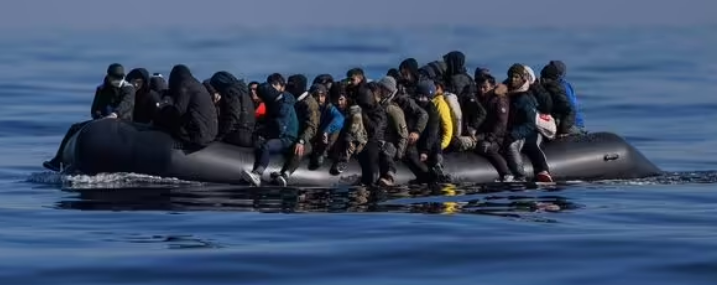 A scandal has erupted! Shady agents are exploiting illegal migrants by selling fake jobs in the UK. This underground racket charges migrants for non-existent roles to secure visas. An undercover investigation by The Times reveals these dodgy agents create fake payrolls showing salaries of £55,000 for jobs that don’t exist. Migrants are given bogus CVs and coached on imaginary roles! These deceitful visas come at a hefty price, with migrants paying up to £20,000 upfront and monthly fees to maintain the charade. Once trapped in these fake roles, they can't legally work, risking deportation if caught. Yet, the agents keep profiting. One brazen operator admitted, "We only sell you the CoS [certificate of sponsorship].” The Times uncovered several such operators across the UK peddling fake jobs in fields like IT, nursing, and bricklaying. The Home Office responded with determination, pledging to secure borders. Visa refusals hit record levels, with 1,948 employers stripped of sponsor licenses. They are investigating this criminal activity, promising zero tolerance. Chris Philp, Conservative shadow home secretary, slammed the findings as "shocking," accusing the government of losing immigration control. He urged Home Secretary Shabana Mahmood to take urgent action. Key Takeaways Illegal migrants exploited with costly fake job schemes! Home Office vows crackdown on bogus visa agents. Government faces backlash over immigration control failures. Adapted by ASEAN Now from Source 2026-01-27
 -
A scandal has erupted! Shady agents are exploiting illegal migrants by selling fake jobs in the UK. This underground racket charges migrants for non-existent roles to secure visas. An undercover investigation by The Times reveals these dodgy agents create fake payrolls showing salaries of £55,000 for jobs that don’t exist. Migrants are given bogus CVs and coached on imaginary roles! These deceitful visas come at a hefty price, with migrants paying up to £20,000 upfront and monthly fees to maintain the charade. Once trapped in these fake roles, they can't legally work, risking deportation if caught. Yet, the agents keep profiting. One brazen operator admitted, "We only sell you the CoS [certificate of sponsorship].” The Times uncovered several such operators across the UK peddling fake jobs in fields like IT, nursing, and bricklaying. The Home Office responded with determination, pledging to secure borders. Visa refusals hit record levels, with 1,948 employers stripped of sponsor licenses. They are investigating this criminal activity, promising zero tolerance. Chris Philp, Conservative shadow home secretary, slammed the findings as "shocking," accusing the government of losing immigration control. He urged Home Secretary Shabana Mahmood to take urgent action. Key Takeaways Illegal migrants exploited with costly fake job schemes! Home Office vows crackdown on bogus visa agents. Government faces backlash over immigration control failures. Adapted by ASEAN Now from Source 2026-01-27 View full article
-
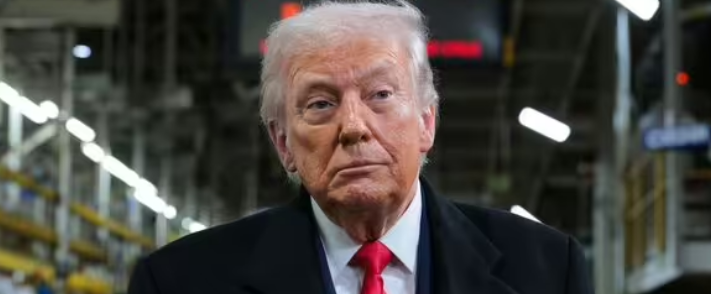 CNN has just dropped a bombshell alert! Donald Trump's presidency is in peril, warned a senior analyst in a shocking new announcement. Could this be déjà vu for Trump, echoing former president Joe Biden’s struggles? A dramatic shift in Trump’s recent focus has stirred up speculation. CNN’s John Berman spotlighted the President's sudden attention to Greenland, immigration, and especially Minnesota. What gives? Speculation is rife that these could be perceived weak points for the administration. But CNN’s chief data analyst, Harry Enten, tells a different tale. The real issue? The economy! According to Enten, the White House has been shadowboxing with what they thought were main contenders. As Susie Wiles, Trump's chief of staff put it, everyone believed in a laser focus on boosting the economy. Now, Trump is racing to Iowa, aiming to rally support as furious questions swirl around his immigration policies. The economy, with its thorny inflation issues, stands at the center of the political storm. Enten delivered the gut-punch: Joe Biden’s presidency was gutted by the economy. Could Trump be next? Exciting reactions erupt everywhere. Analysts are buzzing and critics are sharpening their swords as Trump's economic strategies take the spotlight. The question: Will his presidency survive the fierce winds of economic turmoil? What's next for Trump? He's not backing down. A renewed campaign focus promises intense battles ahead. Hold on tight for a tumultuous ride! Key Takeaways Trump's presidency may repeat Biden's economic downfall! His focus shift raises eyebrows and fiery debates. Will economic woes be Trump’s undoing? Adapted by ASEAN Now from Source 2026-01-27
 -
CNN has just dropped a bombshell alert! Donald Trump's presidency is in peril, warned a senior analyst in a shocking new announcement. Could this be déjà vu for Trump, echoing former president Joe Biden’s struggles? A dramatic shift in Trump’s recent focus has stirred up speculation. CNN’s John Berman spotlighted the President's sudden attention to Greenland, immigration, and especially Minnesota. What gives? Speculation is rife that these could be perceived weak points for the administration. But CNN’s chief data analyst, Harry Enten, tells a different tale. The real issue? The economy! According to Enten, the White House has been shadowboxing with what they thought were main contenders. As Susie Wiles, Trump's chief of staff put it, everyone believed in a laser focus on boosting the economy. Now, Trump is racing to Iowa, aiming to rally support as furious questions swirl around his immigration policies. The economy, with its thorny inflation issues, stands at the center of the political storm. Enten delivered the gut-punch: Joe Biden’s presidency was gutted by the economy. Could Trump be next? Exciting reactions erupt everywhere. Analysts are buzzing and critics are sharpening their swords as Trump's economic strategies take the spotlight. The question: Will his presidency survive the fierce winds of economic turmoil? What's next for Trump? He's not backing down. A renewed campaign focus promises intense battles ahead. Hold on tight for a tumultuous ride! Key Takeaways Trump's presidency may repeat Biden's economic downfall! His focus shift raises eyebrows and fiery debates. Will economic woes be Trump’s undoing? Adapted by ASEAN Now from Source 2026-01-27 View full article
-
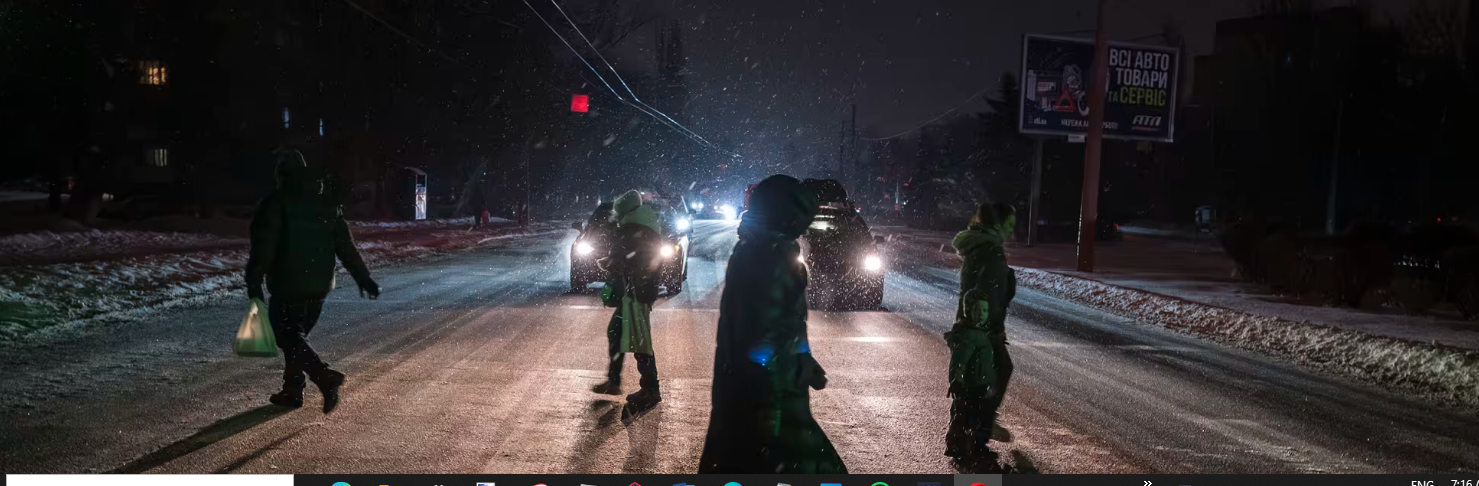 Kyiv is plunged into chaos as relentless Russian strikes decimate its power grid, leaving the city in freezing darkness. Two weeks post-attack, residents face arctic temperatures and fluctuating power amidst an unprecedented energy crisis. On January 9, Russian forces launched a massive assault on Kyiv’s electricity infrastructure, leaving many like Nataliia Rychka battling daily hardships. Essential tasks, from cooking to showering, are disrupted as power returns unpredictably, turning simple routines into frantic races against time. Repair crews work tirelessly, yet progress is painfully slow. President Zelenskyy has declared an energy emergency, urgently seeking foreign assistance to stabilize the grid. Despite efforts, Kyiv remains a ghost town, struggling for warmth and light as the humanitarian crisis escalates. Kyiv’s Mayor Vitali Klitschko warns of worsening conditions. Nearly 2,000 residential buildings are without heat, and renewed strikes complicate repair efforts. Klitschko advises residents to stock essential supplies and consider evacuating, as approximately 600,000 have done amid January’s outages. Rychka’s experiences reflect widespread resilience and struggle. She resorts to friends' help for basic needs like hot showers, and her 13th-floor apartment becomes a daily workout with elevators out of service. A rare, uninterrupted 12-hour power supply brought temporary relief, underscoring how vital light and warmth are during these harsh times. Russia’s continued bombardment exacerbates the crisis, pushing Kyiv’s citizens to their limits amid a brutal winter test. As the capital endures, its residents brace for further trials and potential evacuations, while international support remains crucial. Key Takeaways: Russian strikes leave Kyiv powerless, residents face severe winter hardship! Inconsistent power restoration adds to daily struggles for essential tasks! Mayor urges preparedness as city battles ongoing energy disaster! Adapted by ASEAN Now from Source 2026-01-26
 -
Kyiv is plunged into chaos as relentless Russian strikes decimate its power grid, leaving the city in freezing darkness. Two weeks post-attack, residents face arctic temperatures and fluctuating power amidst an unprecedented energy crisis. On January 9, Russian forces launched a massive assault on Kyiv’s electricity infrastructure, leaving many like Nataliia Rychka battling daily hardships. Essential tasks, from cooking to showering, are disrupted as power returns unpredictably, turning simple routines into frantic races against time. Repair crews work tirelessly, yet progress is painfully slow. President Zelenskyy has declared an energy emergency, urgently seeking foreign assistance to stabilize the grid. Despite efforts, Kyiv remains a ghost town, struggling for warmth and light as the humanitarian crisis escalates. Kyiv’s Mayor Vitali Klitschko warns of worsening conditions. Nearly 2,000 residential buildings are without heat, and renewed strikes complicate repair efforts. Klitschko advises residents to stock essential supplies and consider evacuating, as approximately 600,000 have done amid January’s outages. Rychka’s experiences reflect widespread resilience and struggle. She resorts to friends' help for basic needs like hot showers, and her 13th-floor apartment becomes a daily workout with elevators out of service. A rare, uninterrupted 12-hour power supply brought temporary relief, underscoring how vital light and warmth are during these harsh times. Russia’s continued bombardment exacerbates the crisis, pushing Kyiv’s citizens to their limits amid a brutal winter test. As the capital endures, its residents brace for further trials and potential evacuations, while international support remains crucial. Key Takeaways: Russian strikes leave Kyiv powerless, residents face severe winter hardship! Inconsistent power restoration adds to daily struggles for essential tasks! Mayor urges preparedness as city battles ongoing energy disaster! Adapted by ASEAN Now from Source 2026-01-26 View full article
-
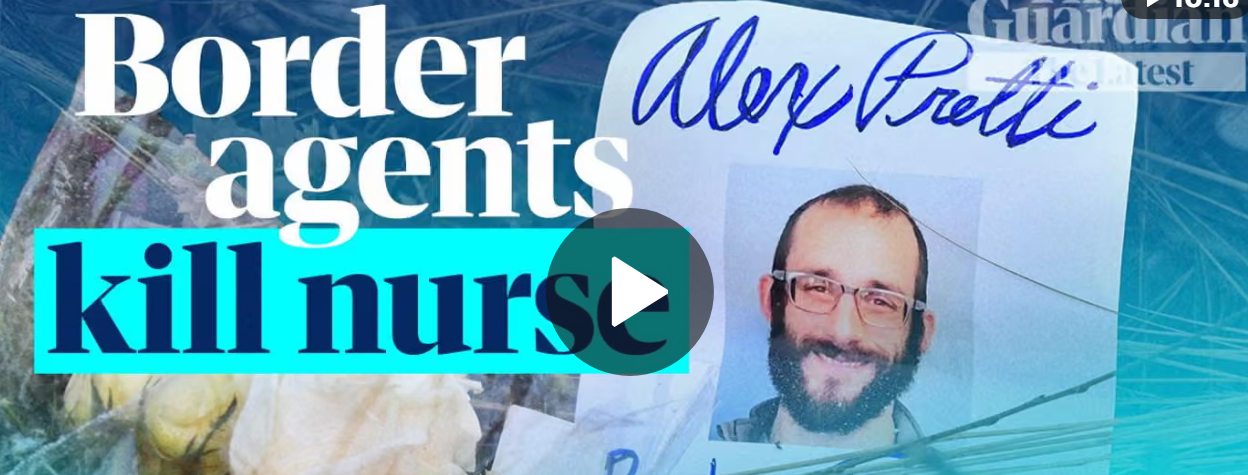 The fatal shooting of Alex Pretti by Border Patrol agents in Minneapolis has sparked intense debate over federal response tactics during protests. Pretti, a 37-year-old ICU nurse, was shot and killed after being pinned down on a cold street. A video shows agents retrieving a gun from Pretti's holster before firing point-blank, leaving him dead on the sidewalk. Opinions among policing experts are sharply divided. Some claim the shooting amounts to "murder," while others withhold judgment pending clarification on the threat perceived by the officer who fired. Chuck Wexler of the Police Executive Research Forum stresses the urgent need to uncover why agents felt it necessary to use lethal force. This incident has resurfaced concerns about whether immigration enforcement officers are sufficiently trained for protest scenarios. Former Boston police commander Tom Nolan criticized the prevailing use of heavy-handed tactics by federal agents, showcasing a broader pattern of inadequacy in protests. The issue extends beyond Minneapolis. Jason Houser, a former DHS counterterrorism official, noted the lack of centralized command and poor coordination with local law enforcement. He emphasized that agents are often thrust into high-stress situations without adequate preparation, which compromises their ability to handle such encounters safely. Despite requests for comment, DHS has remained silent, though officials have previously stated their aim to de-escalate tensions as they navigate President Trump’s aggressive immigration policies. Gregory Bovino, Border Patrol commander, stated that the involved agent, with eight years of service, had extensive training as a range safety officer. The confrontation began as Pretti filmed officers and intervened for a person on the ground. Experts like criminologist Tod Burke and use-of-force witness Mickie McComb argue that, once disarmed, there was no longer a justification for deadly force. McComb insists, “If you disarm him and he’s not reaching for a weapon, you can’t use deadly force.” David Klinger, a former police officer, highlighted the complex dynamics officers face. He noted, “This was tense, this was uncertain, this was rapidly evolving.” His comments underscore the chaotic nature of such incidents and the need for careful examination of how decisions were made. The controversy has led to renewed calls for rigorous investigation. The unusual decision for DHS to lead the investigation, typically falling under FBI jurisdiction, has added to the complexity, especially after Minnesota state investigators faced barriers accessing the scene with a warrant. As the situation unfolds, the case of Alex Pretti highlights systemic issues within federal enforcement during protests. The broader implications reverberate across national discussions about police practices and accountability, emphasizing the need for reform and better training standards. Ultimately, understanding the decisions made during Pretti’s confrontation and addressing identified shortcomings could prevent future tragedies and build trust in law enforcement. Key Takeaways: Experts clash over labeling Pretti’s shooting as "murder" or justified! Training gaps and coordination failures spotlighted in federal actions! Calls grow for thorough investigation and reform in enforcement tactics! 20f608198ed3b3b5855068ca23b68ced.mp4 Adapted by ASEAN Now from Source 2026-01-26
 -
The fatal shooting of Alex Pretti by Border Patrol agents in Minneapolis has sparked intense debate over federal response tactics during protests. Pretti, a 37-year-old ICU nurse, was shot and killed after being pinned down on a cold street. A video shows agents retrieving a gun from Pretti's holster before firing point-blank, leaving him dead on the sidewalk. Opinions among policing experts are sharply divided. Some claim the shooting amounts to "murder," while others withhold judgment pending clarification on the threat perceived by the officer who fired. Chuck Wexler of the Police Executive Research Forum stresses the urgent need to uncover why agents felt it necessary to use lethal force. This incident has resurfaced concerns about whether immigration enforcement officers are sufficiently trained for protest scenarios. Former Boston police commander Tom Nolan criticized the prevailing use of heavy-handed tactics by federal agents, showcasing a broader pattern of inadequacy in protests. The issue extends beyond Minneapolis. Jason Houser, a former DHS counterterrorism official, noted the lack of centralized command and poor coordination with local law enforcement. He emphasized that agents are often thrust into high-stress situations without adequate preparation, which compromises their ability to handle such encounters safely. Despite requests for comment, DHS has remained silent, though officials have previously stated their aim to de-escalate tensions as they navigate President Trump’s aggressive immigration policies. Gregory Bovino, Border Patrol commander, stated that the involved agent, with eight years of service, had extensive training as a range safety officer. The confrontation began as Pretti filmed officers and intervened for a person on the ground. Experts like criminologist Tod Burke and use-of-force witness Mickie McComb argue that, once disarmed, there was no longer a justification for deadly force. McComb insists, “If you disarm him and he’s not reaching for a weapon, you can’t use deadly force.” David Klinger, a former police officer, highlighted the complex dynamics officers face. He noted, “This was tense, this was uncertain, this was rapidly evolving.” His comments underscore the chaotic nature of such incidents and the need for careful examination of how decisions were made. The controversy has led to renewed calls for rigorous investigation. The unusual decision for DHS to lead the investigation, typically falling under FBI jurisdiction, has added to the complexity, especially after Minnesota state investigators faced barriers accessing the scene with a warrant. As the situation unfolds, the case of Alex Pretti highlights systemic issues within federal enforcement during protests. The broader implications reverberate across national discussions about police practices and accountability, emphasizing the need for reform and better training standards. Ultimately, understanding the decisions made during Pretti’s confrontation and addressing identified shortcomings could prevent future tragedies and build trust in law enforcement. Key Takeaways: Experts clash over labeling Pretti’s shooting as "murder" or justified! Training gaps and coordination failures spotlighted in federal actions! Calls grow for thorough investigation and reform in enforcement tactics! 20f608198ed3b3b5855068ca23b68ced.mp4 Adapted by ASEAN Now from Source 2026-01-26 View full article
-
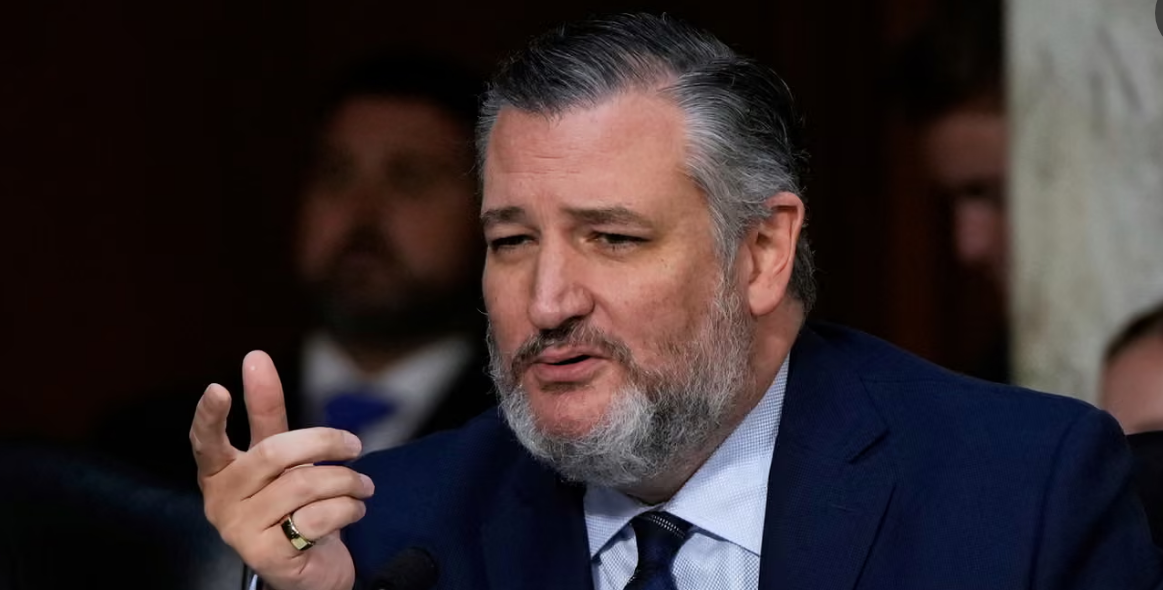 In a bombshell revelation, Ted Cruz warned Donald Trump of a potential "bloodbath" in the upcoming midterm elections, pointing to rising prices as the catalyst. Trump's fiery response—"fuck you, Ted"—came during a private call, now leaked by Axios. The exchange followed Trump's tariff announcement shortly after returning to office in 2025. Cruz's stark warning highlighted fears that financial woes could cost Republicans dearly, threatening control of the House and Senate and sparking relentless impeachment efforts. Polls echo concerns, with only 34% approval of Trump's cost-of-living management, as revealed by a New York Times/Siena survey. Cruz didn't stop there; he criticized VP JD Vance, drawing a direct line to Tucker Carlson, blaming them for undermining Trump’s foreign policy, particularly regarding Iran. The internal GOP discord underscores a significant divide, exposing varying stances on international strategies. Despite the clash, Cruz's office portrays the senator as a key Trump ally, tirelessly advancing the president’s agenda and confronting those who undermine administration goals. A statement branded attempts to sow division as "pathetic and boring," emphasizing Cruz’s loyalty to Trump. As Republicans face economic scrutiny and internal tensions, the potential impact on the party's unity and election strategy looms large. Key Takeaways: Cruz warns Trump of a midterm "bloodbath" over economic issues! Internal GOP strife surfaces, with foreign policy tensions brewing! Cruz maintains his stance as a staunch Trump ally amid conflicts! Adapted by ASEAN Now from Source 2026-01-26
 -
In a bombshell revelation, Ted Cruz warned Donald Trump of a potential "bloodbath" in the upcoming midterm elections, pointing to rising prices as the catalyst. Trump's fiery response—"fuck you, Ted"—came during a private call, now leaked by Axios. The exchange followed Trump's tariff announcement shortly after returning to office in 2025. Cruz's stark warning highlighted fears that financial woes could cost Republicans dearly, threatening control of the House and Senate and sparking relentless impeachment efforts. Polls echo concerns, with only 34% approval of Trump's cost-of-living management, as revealed by a New York Times/Siena survey. Cruz didn't stop there; he criticized VP JD Vance, drawing a direct line to Tucker Carlson, blaming them for undermining Trump’s foreign policy, particularly regarding Iran. The internal GOP discord underscores a significant divide, exposing varying stances on international strategies. Despite the clash, Cruz's office portrays the senator as a key Trump ally, tirelessly advancing the president’s agenda and confronting those who undermine administration goals. A statement branded attempts to sow division as "pathetic and boring," emphasizing Cruz’s loyalty to Trump. As Republicans face economic scrutiny and internal tensions, the potential impact on the party's unity and election strategy looms large. Key Takeaways: Cruz warns Trump of a midterm "bloodbath" over economic issues! Internal GOP strife surfaces, with foreign policy tensions brewing! Cruz maintains his stance as a staunch Trump ally amid conflicts! Adapted by ASEAN Now from Source 2026-01-26 View full article