
ASEAN NOW News
Admin
-
Joined
-
Last visited
Everything posted by ASEAN NOW News
-
American democracy is on the verge of crisis, experts warn, as Donald Trump's second term hits its one-year mark. This dramatic shift has left historians and political scholars reeling with concern about whether the US can still claim its status as the world's oldest democracy. Have we moved into competitive authoritarianism? In a year marked by unprecedented moves, Trump has shocked even seasoned observers. His actions—dismantling federal agencies, purging civil servants, and firing watchdogs—bear hallmarks of authoritarian regimes. Congress is increasingly sidelined, judicial rulings fiercely contested, and dissent quashed. Political opponents face persecution, marginalized groups are scapegoated, and repression of dissent becomes the norm. Prominent scholars, including Steven Levitsky, have raised alarms about the US shifting to "competitive authoritarianism," where elections exist but disproportionally favor the ruling party. Is democracy in the US already past its tipping point? Or is there hope for a course correction? Trump’s power grab faces fewer barriers than during his previous term. Republican critics have been eradicated from the political landscape, with remaining voices stifled by fear of reprisal. The bypassing of Congress on spending and war powers is worrisome, as are his contentious international moves that leave European allies scrambling to adapt. Quantitative assessments paint a bleak picture. The "Bright Line Watch" initiative trails a severe decline in democratic health—down almost 30%. A collapse of this scale is rarely seen outside of coups. Nate Schenkkan cautions that distinguishing between mere partisan politics and disturbing authoritarian behaviors is crucial. Trump's sweeping changes haven’t gone without criticism, but the White House rebuffs claims of authoritarianism. Abigail Jackson, a spokesperson, rebuts by asserting that Trump's re-election reflects fulfilling a popular mandate. Yet, experts challenge this narrative, highlighting significant drops in US democracy ratings. Technocratic influences, like the appointment of Elon Musk, have further stirred fears about an oligarchic shift. Musk’s task of overhauling federal efficiency led to large-scale job cuts, alarming many and further distancing Trump from conventional autocratic strategies, which usually involve social safety expansions. Instead, cuts to public health and childcare programs provoke widespread criticism and concern for vulnerable communities. Despite these unsettling developments, resistance persists. Protests, known as the "No Kings" rallies, rise against Trump's authoritarian tendencies. Legal avenues prove fruitful, with many Trump policies stalling or reversing in court battles spearheaded by organizations like the ACLU, sustaining hope for change. The road ahead remains fraught as the 2026 midterms approach. Concerns heighten over potential manipulation of voting processes. Trump’s attempts to redraw congressional districts raise fears of entrenched gerrymandering, while increased military presence at polls as an intimidation tactic looms large. Experts urge sustained engagement and warn against complacency. The divide in public opinion is stark, with a majority believing Trump’s policy impacts have been largely negative—cited by a recent CNN poll where 58% labeled his first year a failure. Yet, Trump supporters argue these changes are part of necessary reforms to “restore law and order.” Moreover, the connection between Trump’s administration and tech billionaires raises additional alarms. Ruth Ben-Ghiat stresses that unlike typical oligarchs who influence from outside, Musk’s direct involvement within the government opens access to vital resources, including financial and data systems. Traditionally autocratic regimes expand social services to buy loyalty; Trump’s approach diverges notably, contributing to growing dissatisfaction across socio-economic demographics. However, ongoing resistance—from protests to legal challenges—suggests a robust, albeit fraught, opposition intent on restoring democratic norms. Looking forward, many scholars predict Trump's disregard for democratic norms will only intensify as elections near. The administration's aggressive stance toward peaceful protest and the manipulation of governmental agencies amplify fears of further authoritarian entrenchment. Yet, political scientists assert that democratic institutions must prove resilient through continued active engagement and voting. In summary, Trump’s presidency has tested the foundations of US democracy like never before. However, there remains a flicker of hope—expressed through legal resistance, organized protests, and the ballot box—that the tides might turn. As the narrative unfolds, the resilience of US democratic institutions and their ability to withstand these unprecedented challenges is a testament to their enduring strength. Key Takeaways Trump’s sweeping and authoritarian actions leave experts in shock, questioning the future of US democracy. Democratic health declines sharply, but resistance through protests and courts remains strong. Engaged citizenry and legal frameworks offer hope amid rising fears of authoritarianism. Adapted by ASEAN Now from The Guardian 026-01-21 View full record
-
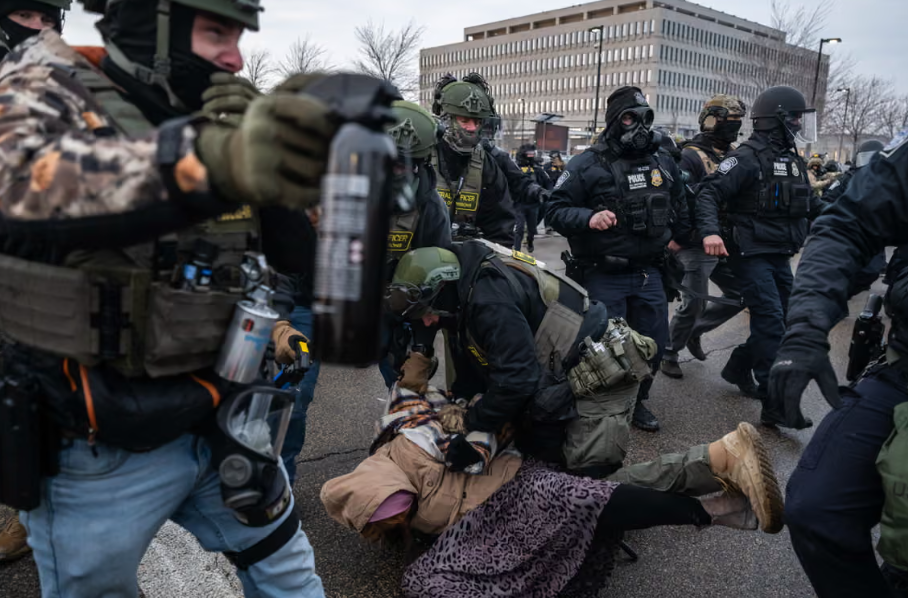 An appeals court has temporarily lifted an injunction against ICE, allowing agents to use pepper spray and make arrests during peaceful protests in Minnesota. This decision marks a notable victory for the Trump administration, undoing a ruling by Judge Katherine Menendez aimed at protecting First Amendment rights. Judge Menendez had restricted ICE from retaliating against protesters, using non-lethal force, and stopping drivers without cause, citing a "chilling effect" on free speech. In contrast, the Department of Homeland Security defended ICE’s measures as "appropriate and constitutional" to uphold law and order. This court decision coincides with Vice President JD Vance’s upcoming visit to Minneapolis, where he plans to meet local leaders and focus on restoring stability. The visit follows public outcry over the recent death of Renee Good, a mother killed by a federal agent, which has amplified protests across the state. Minnesota Governor Tim Walz and other state officials have condemned the federal deployment as an unconstitutional "federal invasion," claiming it spreads fear and violates civil liberties. In response, the Justice Department has subpoenaed figures such as Governor Walz and Minneapolis Mayor Jacob Frey, accusing them of obstructing ICE operations. The presence of federal agents in Minnesota remains a contentious issue, with state leaders arguing it undermines civil rights. As legal challenges unfold, the debate highlights broader concerns over immigration enforcement and protest rights in the United States. Key Takeaways Appeals court lifts restrictions; ICE can use force during Minnesota protests. Vice President JD Vance to address law and order during Minneapolis visit. Tensions escalate as state officials decry federal actions, facing subpoenas. Adapted by ASEAN Now from The Guardian 026-01-21
 -
An appeals court has temporarily lifted an injunction against ICE, allowing agents to use pepper spray and make arrests during peaceful protests in Minnesota. This decision marks a notable victory for the Trump administration, undoing a ruling by Judge Katherine Menendez aimed at protecting First Amendment rights. Judge Menendez had restricted ICE from retaliating against protesters, using non-lethal force, and stopping drivers without cause, citing a "chilling effect" on free speech. In contrast, the Department of Homeland Security defended ICE’s measures as "appropriate and constitutional" to uphold law and order. This court decision coincides with Vice President JD Vance’s upcoming visit to Minneapolis, where he plans to meet local leaders and focus on restoring stability. The visit follows public outcry over the recent death of Renee Good, a mother killed by a federal agent, which has amplified protests across the state. Minnesota Governor Tim Walz and other state officials have condemned the federal deployment as an unconstitutional "federal invasion," claiming it spreads fear and violates civil liberties. In response, the Justice Department has subpoenaed figures such as Governor Walz and Minneapolis Mayor Jacob Frey, accusing them of obstructing ICE operations. The presence of federal agents in Minnesota remains a contentious issue, with state leaders arguing it undermines civil rights. As legal challenges unfold, the debate highlights broader concerns over immigration enforcement and protest rights in the United States. Key Takeaways Appeals court lifts restrictions; ICE can use force during Minnesota protests. Vice President JD Vance to address law and order during Minneapolis visit. Tensions escalate as state officials decry federal actions, facing subpoenas. Adapted by ASEAN Now from The Guardian 026-01-21 View full record
-
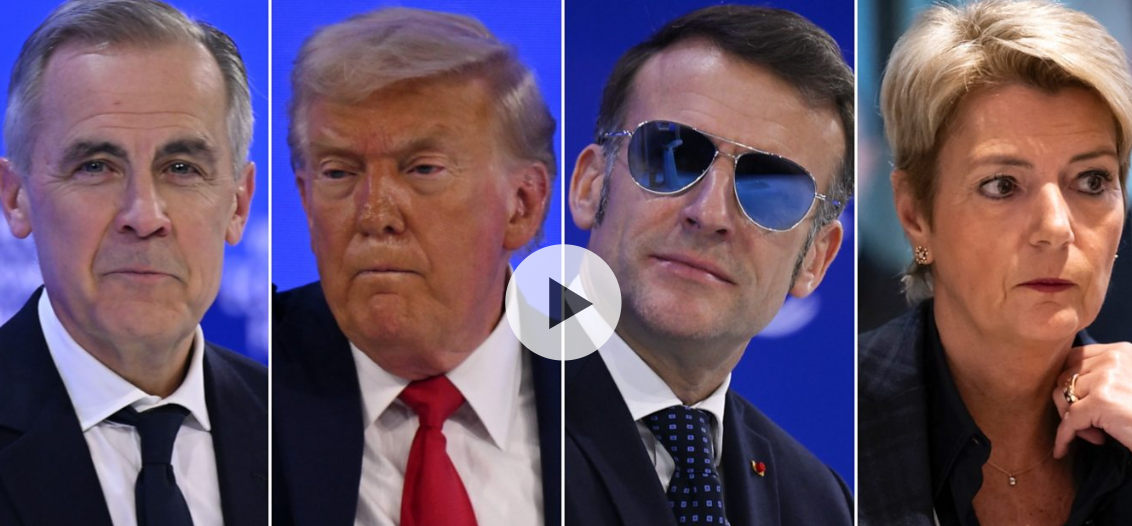
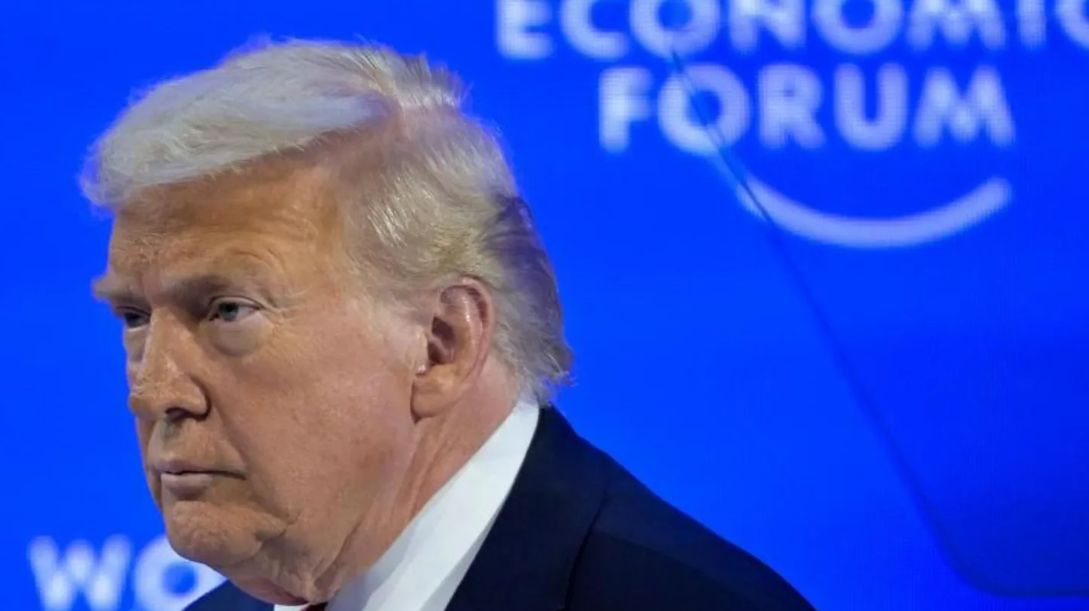 Donald Trump delivered a headline-grabbing speech at the World Economic Forum in Davos, focusing on America's economic strength and his ambition to acquire Greenland. But it was his pointed remarks about other world leaders that stole the spotlight. First, he targeted Canadian Prime Minister Mark Carney, saying, "Canada lives because of the United States. Remember that, Mark, the next time you make your statements." Trump criticized Canada for benefiting excessively from the US, suggesting Carney should be more appreciative. Carney, in his own Davos address, avoided direct reference to Trump but called out "great powers" for using economic might coercively, prompting praise at home and sparking attention internationally. Canada is currently grappling with US tariffs on key sectors like metals and cars and relies heavily on US trade, with 75% of its exports heading south. The renewal of the USMCA agreement is vital, and Canada's Trade Minister Maninder Sidhu acknowledged the US's importance, while also exploring options with China and India. Trump didn't stop there. He mocked French President Emmanuel Macron for wearing blue reflective sunglasses indoors. Macron had critiqued the US's attempts to pressure Europe with tariffs. However, Macron wore the glasses due to a medical condition involving a burst blood vessel. Despite the jest, Trump revealed doubts about Macron’s political future, stating he wouldn't attend a proposed G7 emergency meeting, remarking, "He's a nice guy, but he's not going to be there very much longer." Trump also took a swipe at former Swiss President Karin Keller-Sutter, reflecting on past tariff negotiations where she pleaded against his proposed 30% import taxes on Swiss goods. Recalling her repeated pleas, he said, "She just rubbed me the wrong way." The Swiss delegation, with Keller-Sutter in tow, experienced some discomfort as Trump mentioned the tariffs he initially hiked to 39% before reducing them under pressure from Swiss companies like Rolex. However, he didn't rule out potential future increases, asserting he didn't want to harm people but left the door open for adjustments. Trump's speech at Davos, filled with economic triumphs and veiled threats, has drawn significant international attention, showcasing his willingness to call out world leaders while asserting US dominance on the global stage. Key Takeaways Trump criticizes Canadian PM for economic dependency on the US. Mocks Macron's sunglasses but questions his political longevity. Revisits tariff tensions with former Swiss leader, hinting at possible increases. Adapted by ASEAN Now from BBC 026-01-21
 -
Donald Trump delivered a headline-grabbing speech at the World Economic Forum in Davos, focusing on America's economic strength and his ambition to acquire Greenland. But it was his pointed remarks about other world leaders that stole the spotlight. First, he targeted Canadian Prime Minister Mark Carney, saying, "Canada lives because of the United States. Remember that, Mark, the next time you make your statements." Trump criticized Canada for benefiting excessively from the US, suggesting Carney should be more appreciative. Carney, in his own Davos address, avoided direct reference to Trump but called out "great powers" for using economic might coercively, prompting praise at home and sparking attention internationally. Canada is currently grappling with US tariffs on key sectors like metals and cars and relies heavily on US trade, with 75% of its exports heading south. The renewal of the USMCA agreement is vital, and Canada's Trade Minister Maninder Sidhu acknowledged the US's importance, while also exploring options with China and India. Trump didn't stop there. He mocked French President Emmanuel Macron for wearing blue reflective sunglasses indoors. Macron had critiqued the US's attempts to pressure Europe with tariffs. However, Macron wore the glasses due to a medical condition involving a burst blood vessel. Despite the jest, Trump revealed doubts about Macron’s political future, stating he wouldn't attend a proposed G7 emergency meeting, remarking, "He's a nice guy, but he's not going to be there very much longer." Trump also took a swipe at former Swiss President Karin Keller-Sutter, reflecting on past tariff negotiations where she pleaded against his proposed 30% import taxes on Swiss goods. Recalling her repeated pleas, he said, "She just rubbed me the wrong way." The Swiss delegation, with Keller-Sutter in tow, experienced some discomfort as Trump mentioned the tariffs he initially hiked to 39% before reducing them under pressure from Swiss companies like Rolex. However, he didn't rule out potential future increases, asserting he didn't want to harm people but left the door open for adjustments. Trump's speech at Davos, filled with economic triumphs and veiled threats, has drawn significant international attention, showcasing his willingness to call out world leaders while asserting US dominance on the global stage. Key Takeaways Trump criticizes Canadian PM for economic dependency on the US. Mocks Macron's sunglasses but questions his political longevity. Revisits tariff tensions with former Swiss leader, hinting at possible increases. Adapted by ASEAN Now from BBC 026-01-21 View full article
-
 Ghislaine Maxwell, currently serving a 20-year sentence for her role in Jeffrey Epstein’s crimes, is set to testify under oath before a congressional committee. Her testimony on February 9 will delve into the federal handling of Epstein-related cases, amid growing scrutiny of the Trump administration’s approach. The deposition comes without legal immunity—a point of contention, as Maxwell's legal team asserts she’ll plead the Fifth Amendment to avoid self-incrimination. Her lawyers argue that testifying from prison poses security risks and compromises the process's integrity. Despite being summoned by the House Oversight and Government Reform Committee, Maxwell's attorneys claim this move is mere "political theater" and insist she'll remain silent unless granted immunity. They argue that forcing her to testify without protections would add nothing new to the investigation. Maxwell, convicted in 2021, unsuccessfully appealed to the Supreme Court last year. Her chances for early release rely on a presidential pardon, although Trump has denied considering clemency—yet hasn't completely ruled it out. Lawmakers continue pressing the Department of Justice to release all Epstein files, facing backlash over extensive redactions. Meanwhile, the committee is also challenging former President Bill Clinton and Hillary Clinton for not cooperating with the panel, hinting at possible contempt charges. As the deadline for unveiling Epstein documents looms, questions surround the extent of Maxwell's potential revelations and their impact on the wider investigation into Epstein’s network and the involved high-profile figures. Key Takeaways Maxwell to testify under oath but plans to invoke Fifth Amendment protections. Congressional scrutiny of Epstein case handling continues amid debate over transparency. Maxwell's testimony could influence ongoing inquiries into Epstein's network. Adapted by ASEAN Now from BBC 026-01-21
 -
Ghislaine Maxwell, currently serving a 20-year sentence for her role in Jeffrey Epstein’s crimes, is set to testify under oath before a congressional committee. Her testimony on February 9 will delve into the federal handling of Epstein-related cases, amid growing scrutiny of the Trump administration’s approach. The deposition comes without legal immunity—a point of contention, as Maxwell's legal team asserts she’ll plead the Fifth Amendment to avoid self-incrimination. Her lawyers argue that testifying from prison poses security risks and compromises the process's integrity. Despite being summoned by the House Oversight and Government Reform Committee, Maxwell's attorneys claim this move is mere "political theater" and insist she'll remain silent unless granted immunity. They argue that forcing her to testify without protections would add nothing new to the investigation. Maxwell, convicted in 2021, unsuccessfully appealed to the Supreme Court last year. Her chances for early release rely on a presidential pardon, although Trump has denied considering clemency—yet hasn't completely ruled it out. Lawmakers continue pressing the Department of Justice to release all Epstein files, facing backlash over extensive redactions. Meanwhile, the committee is also challenging former President Bill Clinton and Hillary Clinton for not cooperating with the panel, hinting at possible contempt charges. As the deadline for unveiling Epstein documents looms, questions surround the extent of Maxwell's potential revelations and their impact on the wider investigation into Epstein’s network and the involved high-profile figures. Key Takeaways Maxwell to testify under oath but plans to invoke Fifth Amendment protections. Congressional scrutiny of Epstein case handling continues amid debate over transparency. Maxwell's testimony could influence ongoing inquiries into Epstein's network. Adapted by ASEAN Now from BBC 026-01-21 View full record
-
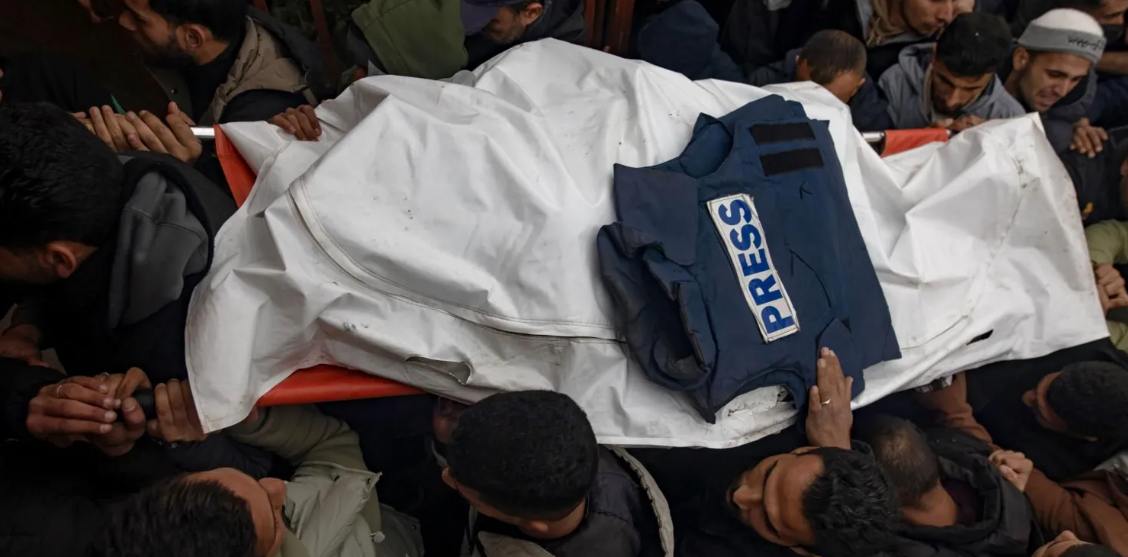 In a devastating escalation, an Israeli strike in central Gaza has resulted in the deaths of three Palestinian journalists. Identified as Mohammed Salah Qashta, Anas Ghneim, and Abdul Raouf Shaat, these journalists were reportedly working for an Egyptian relief organization and were killed when their vehicle was struck in the al-Zahra area. The car was clearly marked with the humanitarian group's logo, emphasizing the mission's non-combatant nature. The Israeli military justified the attack by claiming they targeted several suspects operating a Hamas-affiliated drone, which allegedly posed an imminent threat to their troops. This incident underscores the fragile nature of the current ceasefire, with both sides accusing each other of violations. Adding to the tragic toll, Gaza's health ministry reported that eight other individuals, including two children, were killed by Israeli artillery and gunfire on the same day. In a separate incident, three people, including a young boy, were killed by Israeli tank fire, and a teenager and a woman were reported killed in Khan Younis. The Israeli military also noted that a "terrorist" was killed when they crossed the Yellow Line—a demarcation still under Israeli control per the ceasefire terms. This complex landscape of violence and ceasefire breaches highlights the ongoing instability in the region. Hamas condemned the journalist killings as a "dangerous escalation," arguing that it constituted a blatant violation of the ceasefire. The Palestinian Journalists Syndicate expressed outrage, labeling the incident a war crime and accusing Israel of attempting to silence Palestinian media. French news agency AFP, for whom Shaat was a regular contributor, expressed deep sadness and demanded a thorough investigation. The Committee to Protect Journalists joined in denouncing the attack, underscoring that Israel, with its advanced targeting capabilities, has an obligation to protect journalists under international law. The CPJ notes this conflict as the deadliest for journalists, with over 206 media workers killed since the outbreak of hostilities. Local journalists remain the primary source of on-the-ground reporting in Gaza as Israel restricts foreign press access. This measure necessitates reliance on local voices, which face tremendous risk amid the conflict. This escalation follows the October 7, 2023, Hamas attack on southern Israel, in which 1,200 people were killed and 251 taken hostage, prompting Israel's military campaign in Gaza. Since then, Gaza's health ministry reports that over 71,550 individuals have died due to ongoing military actions. As global attention centers on the Israeli-Palestinian conflict, the killing of journalists foregrounds the issue of press freedom and safety in war zones, with international calls for accountability and protection measures growing louder. Key Takeaways Three journalists killed in Gaza, highlighting ongoing risks for media personnel. Incident draws international attention to ceasefire stability and press safety. Hamas and journalist organizations condemn attacks, demanding accountability. Adapted by ASEAN Now from BBC 026-01-21
 -
In a devastating escalation, an Israeli strike in central Gaza has resulted in the deaths of three Palestinian journalists. Identified as Mohammed Salah Qashta, Anas Ghneim, and Abdul Raouf Shaat, these journalists were reportedly working for an Egyptian relief organization and were killed when their vehicle was struck in the al-Zahra area. The car was clearly marked with the humanitarian group's logo, emphasizing the mission's non-combatant nature. The Israeli military justified the attack by claiming they targeted several suspects operating a Hamas-affiliated drone, which allegedly posed an imminent threat to their troops. This incident underscores the fragile nature of the current ceasefire, with both sides accusing each other of violations. Adding to the tragic toll, Gaza's health ministry reported that eight other individuals, including two children, were killed by Israeli artillery and gunfire on the same day. In a separate incident, three people, including a young boy, were killed by Israeli tank fire, and a teenager and a woman were reported killed in Khan Younis. The Israeli military also noted that a "terrorist" was killed when they crossed the Yellow Line—a demarcation still under Israeli control per the ceasefire terms. This complex landscape of violence and ceasefire breaches highlights the ongoing instability in the region. Hamas condemned the journalist killings as a "dangerous escalation," arguing that it constituted a blatant violation of the ceasefire. The Palestinian Journalists Syndicate expressed outrage, labeling the incident a war crime and accusing Israel of attempting to silence Palestinian media. French news agency AFP, for whom Shaat was a regular contributor, expressed deep sadness and demanded a thorough investigation. The Committee to Protect Journalists joined in denouncing the attack, underscoring that Israel, with its advanced targeting capabilities, has an obligation to protect journalists under international law. The CPJ notes this conflict as the deadliest for journalists, with over 206 media workers killed since the outbreak of hostilities. Local journalists remain the primary source of on-the-ground reporting in Gaza as Israel restricts foreign press access. This measure necessitates reliance on local voices, which face tremendous risk amid the conflict. This escalation follows the October 7, 2023, Hamas attack on southern Israel, in which 1,200 people were killed and 251 taken hostage, prompting Israel's military campaign in Gaza. Since then, Gaza's health ministry reports that over 71,550 individuals have died due to ongoing military actions. As global attention centers on the Israeli-Palestinian conflict, the killing of journalists foregrounds the issue of press freedom and safety in war zones, with international calls for accountability and protection measures growing louder. Key Takeaways Three journalists killed in Gaza, highlighting ongoing risks for media personnel. Incident draws international attention to ceasefire stability and press safety. Hamas and journalist organizations condemn attacks, demanding accountability. Adapted by ASEAN Now from BBC 026-01-21 View full record
-
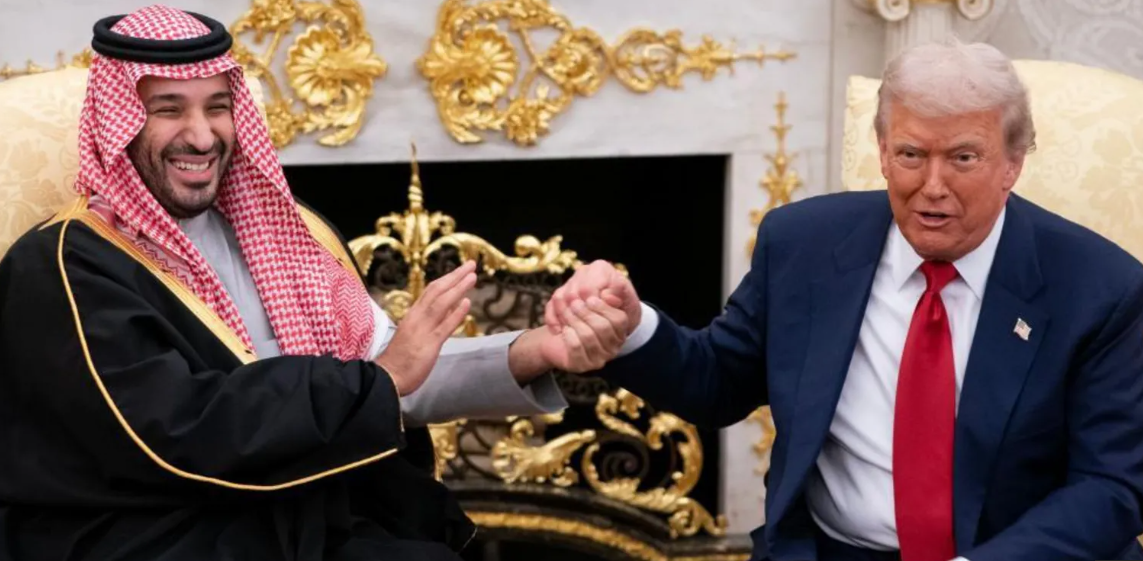 In a strategic move, seven countries, including Saudi Arabia, Turkey, and Egypt, have joined US President Donald Trump's "Board of Peace," designed initially to oversee the Gaza ceasefire. While the board's original intent focused on Gaza's reconstruction, its broader charter suggests it could assume roles typically reserved for the United Nations. Saudi Arabia and other Muslim-majority countries have endorsed the initiative, emphasizing consolidation of the ceasefire in Gaza and supporting reconstruction efforts. This aligns with the board's aim to advance a "just and lasting peace" in the region. Israel confirmed its participation early on, and Trump's comments suggest that Russian President Vladimir Putin is considering joining. However, the Kremlin has not yet officially committed, stating that the invitation remains under review. Putin has suggested that Russia could potentially contribute $1 billion from frozen assets, viewing the board primarily as pertinent to Middle Eastern issues. The initiative extends invitations globally, with Canada, the UK, and several other nations deliberating over their role. The UAE, Bahrain, and several others have already committed to the board, reflecting its rapidly growing influence. Amid the enthusiasm, Slovenia's Prime Minister Robert Golob has declined the invitation, criticizing it as interfering with the international order. The Vatican has also received an invitation, with Cardinal Pietro Parolin indicating that Pope Leo will need time to decide. According to a leaked document, the board’s charter will become effective once three member states formally agree, with terms renewable every three years. Those contributing $1 billion gain permanent seats, suggesting a high economic threshold for ongoing influence. The board, branded as an international peace-building organization, grants Trump significant powers as its chair and US representative. Last week, the White House announced the seven founding Executive Board members, including figures like US Secretary of State Marco Rubio and Tony Blair. The board is tasked with pivotal roles in Gaza, authorized by a UN Security Council resolution extending through 2027. Tensions persist, as Netanyahu’s office expressed unease about the board's Gaza Executive composition, particularly with members like Turkey and Qatar, despite their role in brokering the ceasefire. The plan for peace in Gaza involves two phases: the current fragile ceasefire and future reconstruction. However, challenges loom as Hamas has not fully agreed to demilitarization without statehood assurances, and Israel is cautious about further withdrawals from Gaza. The fragile ceasefire remains, with over 460 Palestinians and three Israeli soldiers reported killed since its inception. The broader conflict, ignited by a Hamas attack in October 2023, has resulted in substantial casualties, underscoring the situation's volatility and the board's complex diplomatic mandate. Through this initiative, the Trump administration seeks to assert US influence in global conflict resolution, potentially challenging the established role of international entities like the UN. As the board expands, its capacity to effectively navigate geopolitical tensions and foster peace remains a focal point of global interest. Key Takeaways New countries join Trump's Board of Peace, heightening its international profile. The board’s expanded mission may redefine traditional roles in global diplomacy. Gaza tensions highlight the board's challenging path to enduring peace. Adapted by ASEAN Now from BBC 026-01-21
 -
In a strategic move, seven countries, including Saudi Arabia, Turkey, and Egypt, have joined US President Donald Trump's "Board of Peace," designed initially to oversee the Gaza ceasefire. While the board's original intent focused on Gaza's reconstruction, its broader charter suggests it could assume roles typically reserved for the United Nations. Saudi Arabia and other Muslim-majority countries have endorsed the initiative, emphasizing consolidation of the ceasefire in Gaza and supporting reconstruction efforts. This aligns with the board's aim to advance a "just and lasting peace" in the region. Israel confirmed its participation early on, and Trump's comments suggest that Russian President Vladimir Putin is considering joining. However, the Kremlin has not yet officially committed, stating that the invitation remains under review. Putin has suggested that Russia could potentially contribute $1 billion from frozen assets, viewing the board primarily as pertinent to Middle Eastern issues. The initiative extends invitations globally, with Canada, the UK, and several other nations deliberating over their role. The UAE, Bahrain, and several others have already committed to the board, reflecting its rapidly growing influence. Amid the enthusiasm, Slovenia's Prime Minister Robert Golob has declined the invitation, criticizing it as interfering with the international order. The Vatican has also received an invitation, with Cardinal Pietro Parolin indicating that Pope Leo will need time to decide. According to a leaked document, the board’s charter will become effective once three member states formally agree, with terms renewable every three years. Those contributing $1 billion gain permanent seats, suggesting a high economic threshold for ongoing influence. The board, branded as an international peace-building organization, grants Trump significant powers as its chair and US representative. Last week, the White House announced the seven founding Executive Board members, including figures like US Secretary of State Marco Rubio and Tony Blair. The board is tasked with pivotal roles in Gaza, authorized by a UN Security Council resolution extending through 2027. Tensions persist, as Netanyahu’s office expressed unease about the board's Gaza Executive composition, particularly with members like Turkey and Qatar, despite their role in brokering the ceasefire. The plan for peace in Gaza involves two phases: the current fragile ceasefire and future reconstruction. However, challenges loom as Hamas has not fully agreed to demilitarization without statehood assurances, and Israel is cautious about further withdrawals from Gaza. The fragile ceasefire remains, with over 460 Palestinians and three Israeli soldiers reported killed since its inception. The broader conflict, ignited by a Hamas attack in October 2023, has resulted in substantial casualties, underscoring the situation's volatility and the board's complex diplomatic mandate. Through this initiative, the Trump administration seeks to assert US influence in global conflict resolution, potentially challenging the established role of international entities like the UN. As the board expands, its capacity to effectively navigate geopolitical tensions and foster peace remains a focal point of global interest. Key Takeaways New countries join Trump's Board of Peace, heightening its international profile. The board’s expanded mission may redefine traditional roles in global diplomacy. Gaza tensions highlight the board's challenging path to enduring peace. Adapted by ASEAN Now from BBC 026-01-21 View full record
-
 President Donald Trump has revealed a major breakthrough in negotiations over Greenland, announcing the "framework of a future deal" while holding off on tariffs against European nations. Following productive talks with NATO's leader, Trump described potential agreements as a boon for both the US and its allies. The discussions focus on security, mineral rights, and a proposed Golden Dome missile defense system. This plan promises an advanced shield of interceptors across land, sea, and space to guard against long-range threats. Trump emphasizes that military force will not be needed, prioritizing immediate negotiations to secure the territory crucial for US national security. Leading the charge, Secretary of State Marco Rubio and Special Envoy Steve Witkoff will report directly to Trump as talks proceed. Trump assured that more details will emerge "as discussions progress," signaling significant developments ahead. Danish Foreign Minister Lars Løkke Rasmussen acknowledged these talks positively, seeking to balance Denmark's interests with American security concerns in the Arctic. Rasmussen expressed hope for a solution that respects Denmark’s "red lines." Greenland's appeal lies in its strategic position and untapped reserves of rare earth minerals, essential for high-tech industries. Trump’s administration considers these resources vital, with aims to strengthen US technological and defense capabilities. There’s talk of establishing US military bases, potentially mirroring UK operations in Cyprus, further anchoring American presence in the region. This negotiation effort is also aimed at ensuring that Russia and China do not gain economic or military influence in Greenland, spotlighting the Arctic's growing importance on the world stage. Trump’s initial plan to impose tariffs on various NATO members, including the UK, Denmark, and others, is currently paused, reflecting a positive shift in diplomatic efforts. At the World Economic Forum in Davos, Trump reiterated his focus on peaceful negotiations, assuring that the US does not intend to use force. However, he urged global leaders to support the US’s perspective, pressing for cooperative solutions rather than confrontation. Despite declaring that force is off the table, his firm stance urges cooperation, emphasizing the potential benefits of a mutual agreement for Greenland. The potential deal extends beyond military interests—highlighting economic possibilities tied to Greenland's resource wealth. Trump’s vision includes securing key minerals that are crucial for advancements in mobile technology and renewable energy, positioning the US as a leader in innovation and security. As the discussion continues, Trump’s negotiation strategy underscores a balance between assertiveness and diplomacy, aiming to solidify US interests while fostering international collaboration. The evolving talks indicate a strategic reorientation in the Arctic with significant geopolitical implications, paving the way for potentially groundbreaking agreements. Key Takeaways Trump’s Greenland deal framework could redefine Arctic geopolitics and US-EU relations. Emphasis on securing strategic resources and military influence highlights growing Arctic importance. Diplomatic efforts ease tension, reflecting a shift toward cooperation over confrontation. Adapted by ASEAN Now from BBC 026-01-21
 -
President Donald Trump has revealed a major breakthrough in negotiations over Greenland, announcing the "framework of a future deal" while holding off on tariffs against European nations. Following productive talks with NATO's leader, Trump described potential agreements as a boon for both the US and its allies. The discussions focus on security, mineral rights, and a proposed Golden Dome missile defense system. This plan promises an advanced shield of interceptors across land, sea, and space to guard against long-range threats. Trump emphasizes that military force will not be needed, prioritizing immediate negotiations to secure the territory crucial for US national security. Leading the charge, Secretary of State Marco Rubio and Special Envoy Steve Witkoff will report directly to Trump as talks proceed. Trump assured that more details will emerge "as discussions progress," signaling significant developments ahead. Danish Foreign Minister Lars Løkke Rasmussen acknowledged these talks positively, seeking to balance Denmark's interests with American security concerns in the Arctic. Rasmussen expressed hope for a solution that respects Denmark’s "red lines." Greenland's appeal lies in its strategic position and untapped reserves of rare earth minerals, essential for high-tech industries. Trump’s administration considers these resources vital, with aims to strengthen US technological and defense capabilities. There’s talk of establishing US military bases, potentially mirroring UK operations in Cyprus, further anchoring American presence in the region. This negotiation effort is also aimed at ensuring that Russia and China do not gain economic or military influence in Greenland, spotlighting the Arctic's growing importance on the world stage. Trump’s initial plan to impose tariffs on various NATO members, including the UK, Denmark, and others, is currently paused, reflecting a positive shift in diplomatic efforts. At the World Economic Forum in Davos, Trump reiterated his focus on peaceful negotiations, assuring that the US does not intend to use force. However, he urged global leaders to support the US’s perspective, pressing for cooperative solutions rather than confrontation. Despite declaring that force is off the table, his firm stance urges cooperation, emphasizing the potential benefits of a mutual agreement for Greenland. The potential deal extends beyond military interests—highlighting economic possibilities tied to Greenland's resource wealth. Trump’s vision includes securing key minerals that are crucial for advancements in mobile technology and renewable energy, positioning the US as a leader in innovation and security. As the discussion continues, Trump’s negotiation strategy underscores a balance between assertiveness and diplomacy, aiming to solidify US interests while fostering international collaboration. The evolving talks indicate a strategic reorientation in the Arctic with significant geopolitical implications, paving the way for potentially groundbreaking agreements. Key Takeaways Trump’s Greenland deal framework could redefine Arctic geopolitics and US-EU relations. Emphasis on securing strategic resources and military influence highlights growing Arctic importance. Diplomatic efforts ease tension, reflecting a shift toward cooperation over confrontation. Adapted by ASEAN Now from BBC 026-01-21 View full record
-
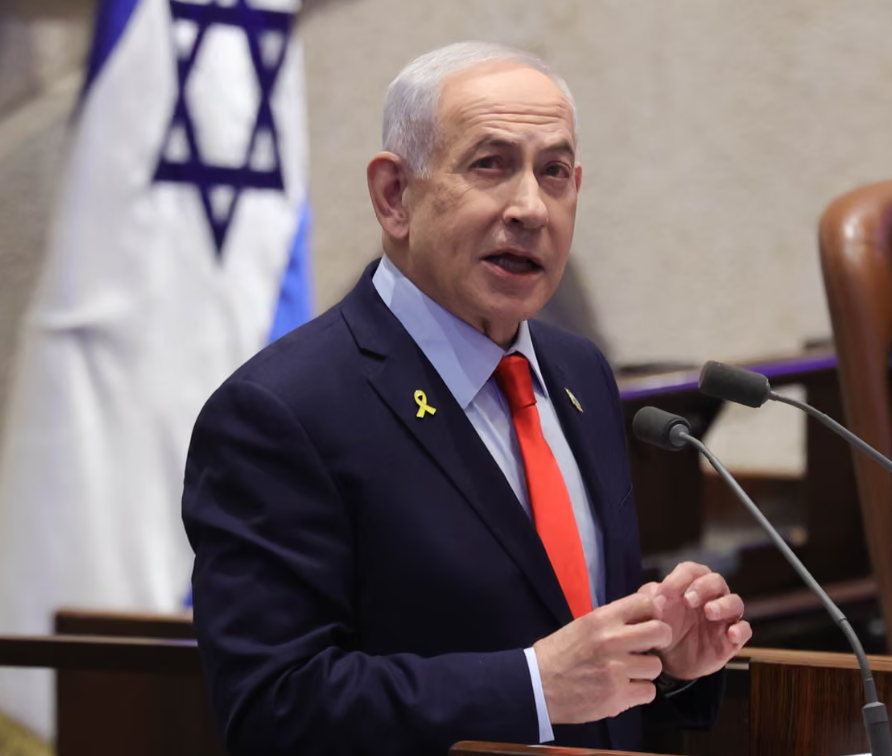 In a surprising move, Israeli Prime Minister Benjamin Netanyahu has agreed to join Donald Trump's "board of peace," a US-backed initiative originally aimed at overseeing a ceasefire in Gaza. Initially met with skepticism, the board's mission has expanded, sparking debate over its global implications. Netanyahu's acceptance follows previous objections regarding the board’s executive committee, which includes regional rival Turkey. Despite these concerns, Netanyahu has decided to join, aligning with the US-led effort which has invited an array of nations, including the UAE, Morocco, and Hungary, to participate. Criticism surrounds the board’s potential to undermine the United Nations. Trump has hinted that it could even replace the UN, describing the global body as ineffective, yet acknowledging its untapped potential. His remarks underline a broader strategy to distance the US from longstanding international commitments. The board, chaired by Trump, extends invitations to numerous countries and hints at a possible broader role in global conflict resolution. This move has caused diplomats to worry that it may disrupt established international systems. The board's draft charter demands a hefty $1 billion contribution for sustained membership, challenging countries to reaffirm their commitment. Netanyahu's decision comes despite internal criticism from far-right members of Israel’s coalition, who disapprove of US-led governance strategies in Gaza. They argue for more assertive Israeli policies, such as annexing Palestinian territories. Nevertheless, the Israeli Prime Minister has chosen cooperation with the US, signaling a strategic alignment. Countries yet to respond to invitations include the UK, Russia, and the EU’s executive arm. As the board's scope potentially broadens, it raises questions about the balance of power in international relations and the role of existing multilateral organizations. Diplomats remain cautious, concerned about the board’s ability to challenge entities like the UN. The charter staunchly criticizes past approaches, emphasizing the need for innovation and resolve. Trump, a known critic of the UN, recently announced US withdrawal from several international organizations, amplifying uncertainties about this new body's intentions. Under the charter, Trump holds significant authority, with powers to remove or appoint member states, subject to a two-thirds veto by the board. This concentrated power raises concerns about governance and accountability. Netanyahu’s involvement underscores Israel's strategic alignment with US interests, yet the move could have far-reaching impacts on regional diplomacy and beyond. As the board takes shape, its ability to navigate complex geopolitical landscapes remains in focus. Key Takeaways Netanyahu joins Trump's board, potentially redrawing global conflict mediation lines. Criticism mounts over possible sidelining of the UN by a new US-led initiative. Trump's board seeks $1 billion membership contributions, raising stakes in global diplomacy. DISCUSS THIS NEWS STORY ON THE FORUM Adapted by ASEAN Now from The Guardian 2026-01-21
 -
In a surprising move, Israeli Prime Minister Benjamin Netanyahu has agreed to join Donald Trump's "board of peace," a US-backed initiative originally aimed at overseeing a ceasefire in Gaza. Initially met with skepticism, the board's mission has expanded, sparking debate over its global implications. Netanyahu's acceptance follows previous objections regarding the board’s executive committee, which includes regional rival Turkey. Despite these concerns, Netanyahu has decided to join, aligning with the US-led effort which has invited an array of nations, including the UAE, Morocco, and Hungary, to participate. Criticism surrounds the board’s potential to undermine the United Nations. Trump has hinted that it could even replace the UN, describing the global body as ineffective, yet acknowledging its untapped potential. His remarks underline a broader strategy to distance the US from longstanding international commitments. The board, chaired by Trump, extends invitations to numerous countries and hints at a possible broader role in global conflict resolution. This move has caused diplomats to worry that it may disrupt established international systems. The board's draft charter demands a hefty $1 billion contribution for sustained membership, challenging countries to reaffirm their commitment. Netanyahu's decision comes despite internal criticism from far-right members of Israel’s coalition, who disapprove of US-led governance strategies in Gaza. They argue for more assertive Israeli policies, such as annexing Palestinian territories. Nevertheless, the Israeli Prime Minister has chosen cooperation with the US, signaling a strategic alignment. Countries yet to respond to invitations include the UK, Russia, and the EU’s executive arm. As the board's scope potentially broadens, it raises questions about the balance of power in international relations and the role of existing multilateral organizations. Diplomats remain cautious, concerned about the board’s ability to challenge entities like the UN. The charter staunchly criticizes past approaches, emphasizing the need for innovation and resolve. Trump, a known critic of the UN, recently announced US withdrawal from several international organizations, amplifying uncertainties about this new body's intentions. Under the charter, Trump holds significant authority, with powers to remove or appoint member states, subject to a two-thirds veto by the board. This concentrated power raises concerns about governance and accountability. Netanyahu’s involvement underscores Israel's strategic alignment with US interests, yet the move could have far-reaching impacts on regional diplomacy and beyond. As the board takes shape, its ability to navigate complex geopolitical landscapes remains in focus. Key Takeaways Netanyahu joins Trump's board, potentially redrawing global conflict mediation lines. Criticism mounts over possible sidelining of the UN by a new US-led initiative. Trump's board seeks $1 billion membership contributions, raising stakes in global diplomacy. DISCUSS THIS NEWS STORY ON THE FORUM Adapted by ASEAN Now from The Guardian 2026-01-21 View full record
-
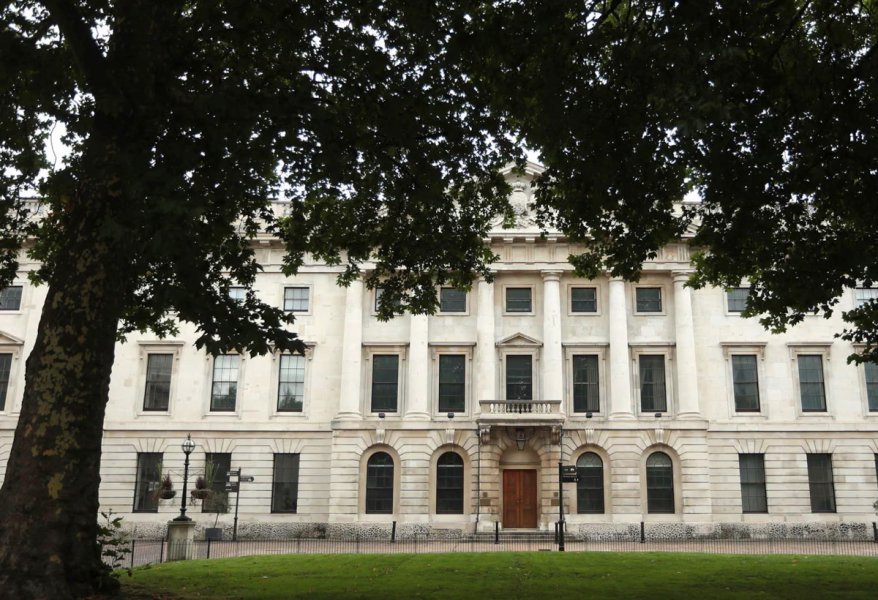 Despite criticisms about potential spying risks, the UK has approved China's plan for a massive new embassy in central London. Security Minister Dan Jarvis asserted that intelligence agencies played a significant role in the assessment, and he received assurances of effective risk management. The government has repeatedly delayed the approval, attempting to strike a balance between closer ties with Beijing and security concerns. Housing Secretary Steve Reed granted approval, subject to certain conditions. The embassy will be located at the Royal Mint Court, near sensitive fibre optic cables, which raises fears of possible infiltration of the UK’s financial system. However, the housing department stated there’s no evidence to suggest the embassy's presence would disrupt the cables, and no objections were raised by national security bodies. Dan Jarvis highlighted measures to boost cable resilience and cited national security benefits by consolidating China's diplomatic sites into one. Leaders from MI5 and GCHQ acknowledged that they cannot eliminate risks, but they have implemented a "proportionate" security package. Conditions include starting development within three years and establishing a local steering group to handle protests. The project has faced opposition from various parties. Conservatives, including Priti Patel, have criticised Keir Starmer for compromising national security, while Liberal Democrats warned of increased surveillance and threats to data security. Reform UK has labelled the decision a desperate attempt to appease China. Embassies hold diplomatic significance, serving as the primary communication channel between nations. At 20,000 square metres, the new Chinese embassy will be Europe's largest of its kind and a priority for Beijing, having purchased the site for £255 million in 2018. The government intervened in 2022, overturning the initial rejection due to safety concerns. Despite the potential advancement of UK-China diplomatic relations, the UK's own plans for redeveloping its Beijing embassy remain under consideration. Critics advocate for caution due to potential espionage and China's influence on dissidents abroad, despite Labor’s efforts for tighter trade alliances, as demonstrated by senior figures visiting China lately, reported the BBC. Key Takeaways The UK has approved China's embassy plans despite security worries. National security chiefs agree on mitigation steps for potential risks. Critics warn the move might enhance China's surveillance in the UK. Related Story: UK Poised to Green-Light Chinese Embassy Plans Amid Controversy Adapted by ASEAN Now from BBC 2026-01-21
 -
 The UK government is pondering a bold move to ban social media for under-16s amid mounting concerns over young people's safety online. This deliberation comes as Ofsted is tasked with tightening phone use policies in schools, with an expectation of creating “phone-free” environments. Following appeals from over 60 Labour MPs and voices like Esther Ghey, mother of the slain teenager Brianna Ghey, there's increasing pressure to address this pressing issue. Brianna's mother highlighted the negative impact social media had on her daughter, limiting real-world interactions. A similar ban was enacted in Australia in December 2025, marking a pioneering step that other nations are reportedly considering. The UK consultation will gather opinions from parents, youths, and community groups on whether such a ban would be beneficial. Experts are contemplating methods to enforce stricter age verifications by social media companies, possibly requiring them to curtail features that encourage excessive use. Ofsted is also preparing to provide more rigid guidelines to reduce phone usage in schools. The UK government has scheduled a response to this consultation for the summer. Technology Secretary Liz Kendall clarified that existing Online Safety Act laws were only beginning points, affirming the government’s commitment to preventing harm to children. Meanwhile, conservative leader Kemi Badenoch criticised the government's pace, claiming it's merely replicating her party's previous suggestions. There’s urgency from figures like Liberal Democrat Munira Wilson, who warned against further delays in “protecting our children.”. Educational figures and organisations, such as the National Education Union and the Association of Schools and College Leaders, have welcomed the consultation but stressed the need for prompt, effective action. However, concerns remain about Ofsted being responsible for monitoring school phone policies, with calls for more governmental support instead. While the House of Lords prepares to vote on a potential ban, Professor Amy Orben and Dr Holly Bear caution that evidence of effectiveness remains limited. Suggestions lean toward reducing harmful content exposure and enhancing digital education. Organisations like the NSPCC, Childnet, and the Molly Rose Foundation view the proposed ban as insufficient, suggesting it might shift issues rather than resolve them, according to the BBC. Key Takeaways UK considers under-16 social media ban, inspired by Australia's law. A consultation will gather feedback from the public and organisations. Experts suggest age checks and content regulation instead of a full ban. Adapted by ASEAN Now from BBC 2026-01-21
 -
 US President Donald Trump has remained tight-lipped regarding how far he will go to acquire Greenland, refusing to comment on whether he would use force to seize the territory. In a brief phone interview with NBC News, when asked about the use of military action, Trump simply replied, “No comment.” This comes amid heightened tensions over his intentions to take control of the semi-autonomous Danish territory. Trump has intensified efforts to acquire Greenland, announcing plans to impose a 10% tariff on Denmark and seven other European nations unless an agreement is reached. The move further strains relationships with European allies. Over the weekend, Trump linked Greenland negotiations to his previous unsuccessful bid for the Nobel Peace Prize in a message to Norwegian Prime Minister Jonas Gahr Støre, implying the lack of recognition justifies his actions. Norway released the text message exchange under public disclosure laws. Trump expressed that, without the Nobel accolade, he no longer had to prioritise peace exclusively. Norway, alongside other European countries, will face the tariffs starting 1st February, according to Trump’s social media post. Norwegian Prime Minister Støre has emphasised Norway's stance, affirming that Greenland remains part of the Kingdom of Denmark. A five-member Norwegian parliamentary committee annually awards the Nobel Peace Prize. In 2025, Venezuelan opposition leader Maria Corina Machado received the prize and later gifted her medal to Trump for his role in toppling Nicolás Maduro. Trump disputed Norway's purported impartiality in the award process, claiming that they control it. Former US Embassy senior diplomat Lewis Lukens critiqued Trump’s focus, noting Norwegian officials have no influence over the Nobel decisions. Trump, however, downplayed the prize's importance, reiterating that his peacemaking efforts accomplished more, reported NBC News. In his dialogue, Trump criticised Europe's reluctance to part ways ways with Greenland, arguing the acquisition was pivotal for US national security against potential threats. Trump has vowed to proceed with tariffs in the absence of a Greenland deal, expressing a resolute commitment: "I will, 100%." Key Takeaways: Trump declined to comment on the potential use of force for acquiring Greenland. The US President plans to impose tariffs on European countries to pressure a deal. Norway maintains Greenland’s allegiance to Denmark, countering Trump’s claims. Adapted by ASEAN Now from NBC News 2026-01-21
 -
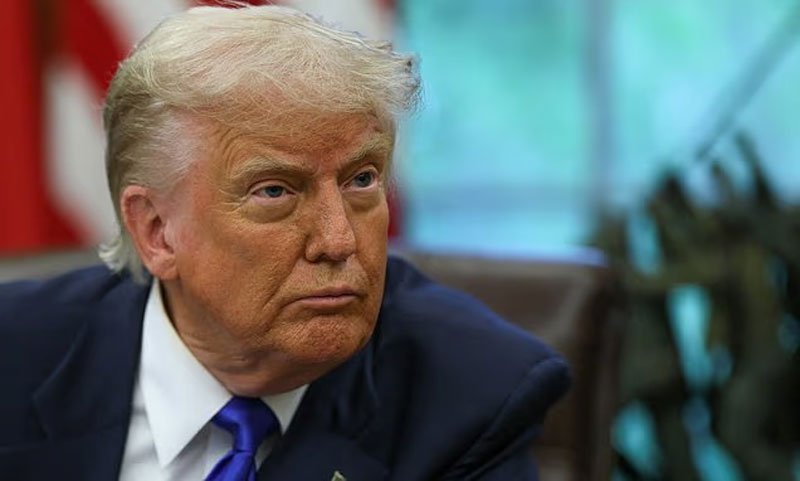 Unexpectedly, US President Donald Trump has attributed his desire to seize Greenland to Britain's decision to cede the Chagos Islands to Mauritius. Trump used his social media platform, Truth Social, to criticise the UK’s action as “an act of total weakness.” This move is part of Trump's increasing rhetoric concerning the acquisition of Greenland, a territory governed by Denmark, a fellow NATO ally. The backdrop to this statement involves Britain's recent plan to return control of Diego Garcia, part of the Chagos Archipelago, to Mauritius. The strategic importance of this archipelago stems from the presence of a significant US military base. Trump expressed his concerns during the World Economic Forum in Davos, suggesting that such a decision shows weakness to global powers like China and Russia. In his series of posts, Trump stated that the UK’s actions were of “GREAT STUPIDITY”, implying that such decisions justify the need for the US to pursue Greenland. His posts stressed that international rivals only respect strength, and he asserted that his leadership has garnered unprecedented respect for the United States. This statement seems to reflect Trump's ongoing interest in expanding US influence through Greenland. Trump’s comments have generated mixed reactions from experts and allies alike. Many are wary of the potential diplomatic ramifications with Denmark, while others view this as another instance of Trump's unconventional diplomatic style. The situation has raised questions about the future of US-Denmark relations and the strategic balance in the Arctic region. Looking forward, the international community will watch closely to see if Trump’s rhetoric translates into actionable policy. The discussions at the World Economic Forum could provide more clarity on this issue. Meanwhile, debates around the significance and consequences of the UK’s actions regarding the Chagos Islands continue to unfold, reported Tha guardian. Key Takeaways: US president Donald Trump cited the UK’s actions in the Chagos Islands as grounds for acquiring Greenland. Trump's comments have sparked concerns about potential diplomatic strains with Denmark. The situation is evolving, with further developments expected from the World Economic Forum discussions. Adapted by ASEAN Now from The Guardian 2026-01-20
 -
 NASA's Artemis II mission sets the stage for history! Launching on February 6, a squad of astronauts embarks on a jaw-dropping 685,000-mile journey around the moon and back. It's the first crewed lunar mission in over 50 years, marking a thrilling new chapter in space exploration! This high-stakes mission will test NASA’s formidable Space Launch System (SLS) rocket for only the second time. On board the Orion capsule, four astronauts—Reid Wiseman, Victor Glover, Christina Koch, and Canadian Jeremy Hansen—are set to push boundaries. Koch becomes the first woman, and Glover, the first person of color, to venture beyond low Earth orbit! NASA Administrator Jared Isaacman declared it “one of the most important human spaceflight missions” in recent history. The mission paves the path to the ambitious Artemis III, which aims to land near the lunar south pole next year! Space experts are abuzz! John Honeycutt of the Artemis team beamed at a press briefing, exclaiming, “We are making history!” Meanwhile, former UK Space Agency head David Parker described it as a leap towards the dream of sustained lunar exploration and Mars missions! But there's tension in the cosmos! With rumors of a new space race against China, which eyes a lunar landing by 2030, the stakes are sky-high. Sean Duffy, ex-NASA acting administrator, defiantly declared, “We’re going to win.” The engineering marvel, SLS, and Orion capsule stand nearly 100 meters tall and roar to life with the power to speed to the moon at 24,500 mph. First up? A grand rollout with NASA's gargantuan crawler-transporter set to transport the rocket to its launchpad! Pre-launch drills are intense. Any hiccups, from bent cables to pesky leaks, and it's back to the drawing board. The countdown to launch depends on every intricate detail going off without a hitch. Incredible maneuvers lie ahead. The Orion capsule will loop Earth, detach, and make history with breathtaking flybys of the lunar surface. Safety remains paramount. "We’ll fly when ready," promised Honeycutt. This venture beyond Earth’s embrace could still serve surprises, as Artemis II’s flight director Jeff Radigan warns of the test flight’s unpredictability. It's a race against the elements and time, with 14 backup launch dates lined up before mid-April. Over 230,000 miles from Earth, voyaging the dark side of the moon, these astronauts will test emergency protocols and a crucial radiation shelter. It’s space exploration at its nail-biting finest! Parker summed it up perfectly, “Every rocket launch is a nail-biter!” Key Takeaways NASA's Artemis II rewrites the lunar exploration script! New space race looms—will NASA outpace China to the moon? Astronauts embark on a historic trip beyond Earth’s orbit! Adapted by ASEAN Now from The Guardian 2026-01-17
 -
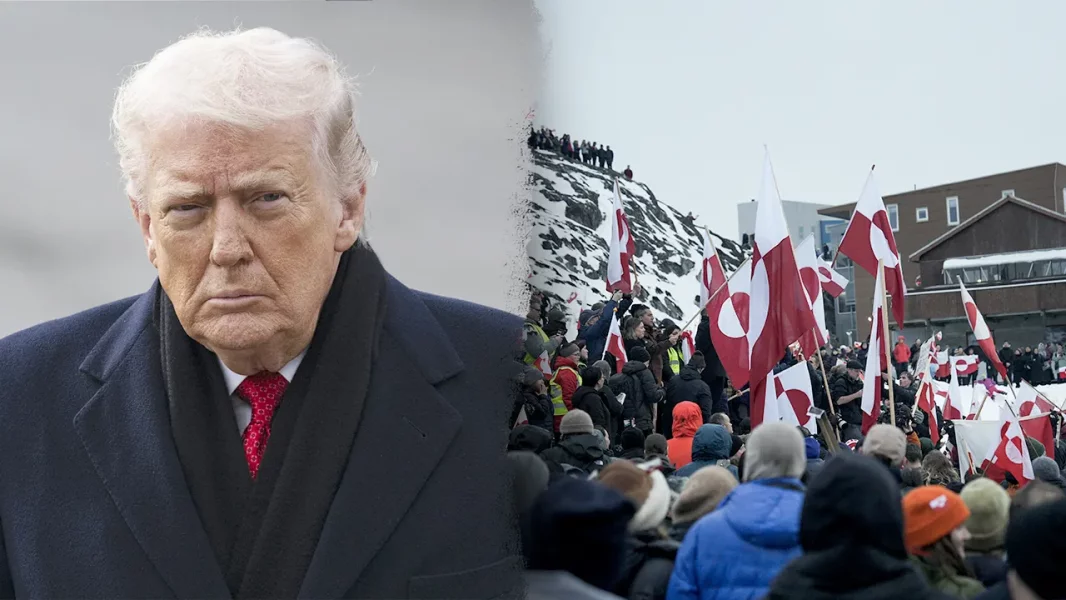 US President Donald Trump has confirmed he will "100%" pursue tariffs against European nations opposing his Greenland plans. European allies, such as Denmark, have steadfastly affirmed Greenland's sovereignty, with Denmark's foreign minister asserting that threats cannot dictate the territory's future. The UK also reaffirmed that only Greenland and Denmark can make such decisions. Tensions rose further on Monday as Trump avoided commenting on the use of force but reiterated plans to impose tariffs on UK and seven other NATO countries. Specifically, Trump announced a 10% tariff on British goods from 1 February, escalating to 25% by 1 June unless a Greenland purchase deal is reached. These impending tariffs also target Denmark and other NATO members. Danish Foreign Minister Lars Løkke Rasmussen stated Europe's need to resist Trump's tactics, declaring red lines that cannot be crossed. In response, the EU will host an emergency summit in Brussels to devise a strategy against the US threat. EU foreign policy chief Kaja Kallas affirmed that sovereignty cannot be part of trade negotiations. Trump's remark that Europe should focus on the Russia-Ukraine conflict rather than Greenland has only added to the tension. NATO Secretary General Mark Rutte stressed continued collaboration with Denmark and Greenland for Arctic security. Meanwhile, Norway reaffirmed its support for Denmark regarding Greenland’s sovereignty amid released texts showing Trump’s dissatisfaction with the Nobel Peace Prize. Adding complexity, North American Aerospace Defense Command (Norad) announced the arrival of aircraft at Greenland's Pituffik Space Base. This was described as part of routine operations, coordinated with Denmark, reflecting ongoing military partnerships, reported the BBC. Key Takeaways: Trump is firm on imposing tariffs against nations opposing his Greenland ambitions. The EU is planning an emergency meeting to tackle Trump's trade threats. Tensions include military movements and diplomatic exchanges with Norway. Adapted by ASEAN Now from BBC 2026-01-20
 -
 U.S. President Donald Trump has reignited tensions over Greenland, linking his desire to control the island to his snub for the Nobel Peace Prize. In a recent interview, Trump hinted at imposing tariffs on European nations if no agreement is reached, causing concern about a potential trade war reminiscent of 2025. The European Union is considering retaliation in response to Trump's intensified efforts to assert sovereignty over Greenland from Denmark. The situation risks destabilising NATO; it is already under pressure due to conflicts like the war in Ukraine and discussions about defence spending. European industries are on edge, and financial markets have reacted with apprehension, fearing a repeat of past economic volatility. Trump's recent communications further complicate intergovernmental relations, with Norway's Prime Minister Jonas Gahr Stoere attempting to de-escalate the situation. After Venezuelan opposition leader Maria Corina Machado received the Nobel Peace Prize instead of Trump, the conflict escalated. In text messages to Stoere, Trump expressed dissatisfaction and questioned Denmark's claim over Greenland against threats from Russia or China. Trump announced potential tariffs on various EU countries starting February 1 unless the U.S. gains control of Greenland. Danish and Greenlandic leaders have rejected the pressure, asserting local autonomy and adherence to international law. Denmark's military is currently conducting exercises in Greenland, demonstrating its stance on sovereignty. Meanwhile, EU leaders are gathered to discuss their response, which may include implementing tariffs on U.S. imports or employing the rarely used "Anti-Coercion Instrument." Norway and Germany are preparing to discuss conflict with Trump at the World Economic Forum in Davos. U.S. Treasury Secretary Scott Bessent downplayed assumptions that the dispute is linked to the Nobel Prize, framing Greenland as a strategic asset. However, the potential for tariffs and trade barriers remains a concern for transatlantic relations. EU leaders are set to meet in Brussels for an emergency summit to deliberate on their course of action. Measures under consideration could initiate automatically after a suspension period if tensions do not ease. The situation is complex, but Britain’s Prime Minister Keir Starmer has called for calm, indicating he does not believe Trump will resort to military intervention for Greenland, reported Reuters. Key Takeaways: Trump connects Greenland control ambitions to Nobel Prize snub. EU weighs response options amid trade war concerns. Discussions at Davos may influence ongoing disputes. Adapted by ASEAN Now from Reuters 2026-01-20
 -
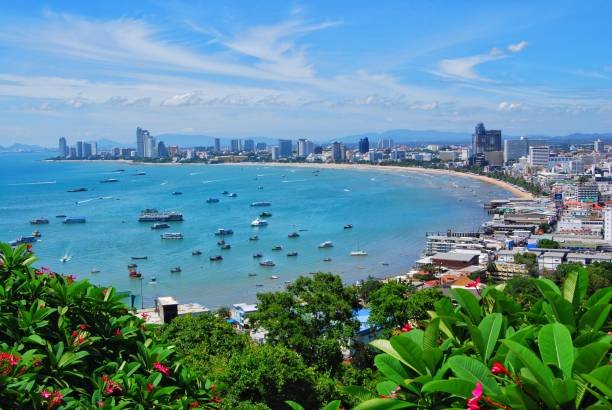
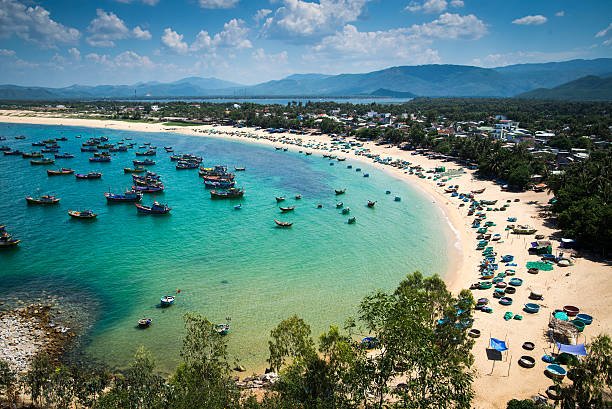
According to the popular website Numbeo you would need around THB71,941.21 (47,173,530.09₫) in Da Nang to maintain the same standard of life that you can have with THB80,000.00 in Pattaya (assuming you rent in both cities). Pattaya Beach This calculation uses Numbeo’s Cost of Living Plus Rent Index which they update monthly to compare cost of living. These figures assume net earnings (after income tax) if you are paying tax. Here are some interesting figures: Consumer Prices in Da Nang are 8.05% lower than in Pattaya (without rent) Consumer Prices Including Rent in Da Nang are 10.07% lower than in Pattaya Rent Prices in Da Nang are 17.17% lower than in Pattaya Restaurant Prices in Da Nang are 25.55% lower than in Pattaya Groceries Prices in Da Nang are 8.54% lower than in Pattaya Local Purchasing Power in Da Nang is 0.55% lower than in Pattaya. Danang Beer drinkers will be saving a lot in Danang Domestic Beer (0.5-liter draught) was -54.81% cheaper in Danang and Imported Beer (0.33-liter bottle) -39.00% cheaper. Other basic costs: Taxi 1km (Normal Tariff) came out 22.72 % higher in Danang. And gasoline currently was -10.55% cheaper in Danang. Rentals Taking a one bedroom apartment in the city centre averaged 13,376฿ (8,771,517₫) in Pattaya compared to 10,770฿ (7,062,500₫) in Danang so Dangang came out 119.48% cheaper. There are a lot of similar comparisons between these two cities. Both are located by the sea with excellent beaches, restaurants, hotels, condominiums, and villas. They are both served by international airports and have rail links as well, which are currently being improved or updated. For golfers, Pattaya has more golf courses at approx. 28 to Danang’s 12, however many of Danang’s courses are new and use the latest technology. The bottom line is this is a snapshot and of course, prices can differ, however, both cities attract a large number of ex-pats, so it is down to personal choice and visa and healthcare facilities on offer.
-
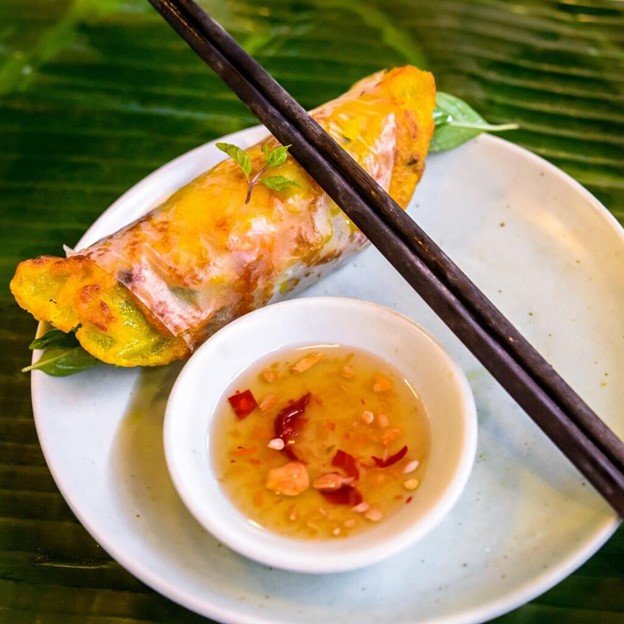
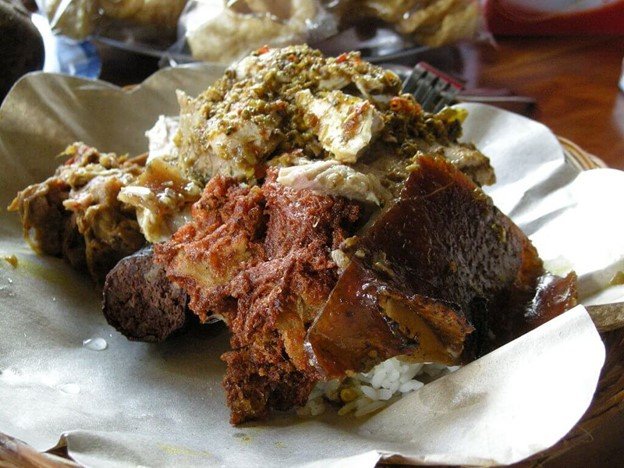
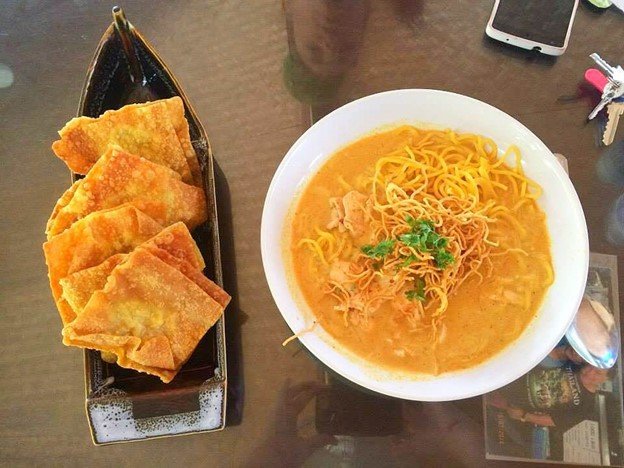
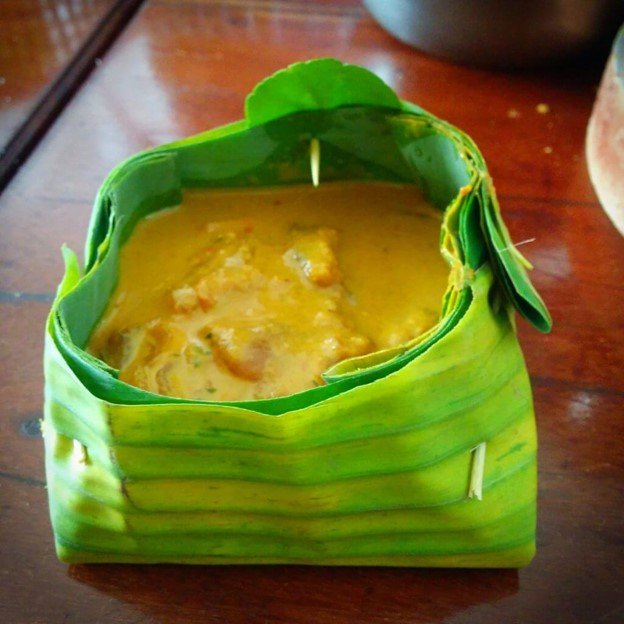
When you are lucky enough to live in SE Asia or maybe go there on holiday, you never know where your next great meal could come from. It could be from a street vendor in a quiet soi in Bangkok. It could be smack in the middle of noisy Old Town Hanoi, from a street chef. Sometimes if you have the budget, it’s at high-end establishments, replete with white tablecloths and clinking champagne flutes. In Southeast Asia, however, the best meals are usually at the humblest of eateries: a street cart, a fluorescent-lit dining room with plastic chairs, or a roadside shack with a hand-painted sign. This part of the world doesn’t care about ambiance — it’s all about flavor. And Southeast Asian cuisine brings the flavor in spades. It’s difficult to narrow down such a breadth of culinary choices into one small list, however, here are five top meals in Southeast Asia: 1. Banh Xeo — Crispy Pork and Shrimp Pancake — Vietnam Photo: Anthony Tong Lee, Creative Commons This simple-yet-delicious Central Vietnamese meal, Banh Xeo brings it all: contrasting textures, hearty and satisfying flavor, and a dash of freshness. Juicy shrimp and hearty minced pork are fried in a wok, then stuffed into a gorgeously crispy rice-and-turmeric shell. Bean sprouts and fresh herbs punctuate the savoriness, giving it a lift that keeps you coming back for more. Wrap it up in a rice paper, dip it into briny nuoc cham, and you’ll have a flavor explosion that will linger in your memory for years to come. It’s a specialty of Hoi An, but you can also find it on menus in Hanoi and Ho Chi Minh City. 2. Babi Guling — Slow-Roasted Pork — Indonesia Photo: Rollan Budi, Creative Commons It was a tossup between Indonesia’s babi guling and the Philippines lechon baboy — both slow-roasted pork dishes that are delicious. The babi guling just wins for a couple of reasons: consistency and spice. In the Philippines, the best place to get lechon is in Cebu, where the Sprite-soaked crispy skin is a piece of crackly heaven. The Indonesian dish not only includes the same ingredients all over the island, but it also packs in several layers of spice. Sweet spice from ginger, galangal, and lesser galangal. Earthy spice from fresh turmeric and black peppercorns. And fiery spice from loads of birdseye chilis. In addition to the briny shrimp paste that pervades all things Balinese, it obliterates all corners of your palate. You can eat it in mostly Muslim Indonesia, it’s hard to find pork outside of Bali. There are several famous babi guling restaurants throughout Bali and the Gilis. 3. Khao Soi — Crispy Noodle Curry — Thailand or Laos Some call it a curry; some call it a soup. Its true nature is entirely dependent on where you’re eating it. In Laos, it’s a clear-broth soup with egg or rice noodles and minced pork. But in Northern Thailand it achieves legendary status. A coconut milk and turmeric sauce cradles pillowy-soft, cooked, and crispy-fried egg noodles, giving a texture bite that most curries are missing. Fried shallots bring a hint of sweetness, fried chilis a hit of tempered spice. A shot of lime rounds everything out with just enough tang to lift everything up from “just another meal” to “one of the best meals you have ever had.” Usually served with chicken or beef, you’ll have a tough time not eating this every day. This dish is a staple of Northern Thailand — good luck finding it in the south, or anywhere outside of the country. Chiang Mai‘s restaurants are a fun way to find your favorite version of this dish, but it can be found in Pai, Chiang Rai, and other Northern Thai cities. 4. Fish Amok — Fish Curry — Cambodia A pretty package: Fish Amok Poor Cambodia. It’s so often overlooked as a culinary destination in Southeast Asia. Yes, Cambodia is sandwiched between spicy Thailand and French-influenced Vietnam. But it has plenty to offer the hungry traveler, if only they knew where to look. And nothing is a better testament to the cuisine than Fish Amok. If you like your sweet with hit of tart, you’ll fall in love with the thick, almost custard-like sauce that forms the base of this dish. The ginger-galangal-turmeric trifecta is back, ground down into a paste. Into all this spicy, earthy goodness, tart lemongrass and kaffir lime leaves create the perfect tart tang to cut through it. A little hint of chili a splash of coconut milk round everything out. Tossed into a banana leaf with freshwater white fish and steamed until done, it is perfection on a plate. You will find this dish on menus all over Cambodia, no need to make a special trip for this one! 5. Chili Pan Mee — Stir-Fried Wheat Noodles — Malaysia This iconic noodle dish is served two ways: wet or dry. Both are excellent, but the dry version really speaks to my soul. Thick, hearty wheat noodles are smothered in a just-fiery-enough caramelized chili sauce. This is then topped with seasoned minced pork, crispy fried shallots, dark and light soy sauce, and crispy-fried anchovies. Yes, anchovies. It sounds gross, but they lend the perfect umami crunch to offset the fiery chili. Many places also serve this with a poached or soft-boiled egg — break the yolk, shovel it down, and thank the universe that you are a human with tastebuds. The best place to find this is in Kuala Lumpur — there are several restaurants and food stalls in the markets that offer it. Of course, we are sure you will have your own favourites so do let us know by posting a suggestion and why.
-
According to Numbeo the cost-of-living website, you would need around only about Baht87,588.50 (137,995.51₱) in Manila to maintain the same standard of life that you can have Baht110,000.00 in Bangkok (assuming you rent in both cities). Numbeo was launched in 2009 and is the world's largest cost of living database. https://www.numbeo.com/ This calculation uses the Numbeo cost of Living Plus Rent Index to compare cost of living. This assumes net earnings (after income tax). How much does it cost to live in Manila per month? Summary about cost of living in Manila, Philippines: Family of four estimated monthly costs are Baht64,581 (101,521₱) without rent. A single person estimated monthly costs are Baht18,501 (29,084₱) without rent. How much does it cost to live in Bangkok per month? Summary about cost of living in Bangkok, Thailand: Family of four estimated monthly costs are Baht 75,970.66 without rent. A single person estimated monthly costs are 21,099.82฿ without rent. Of course, these figures are average figures supplied by Numbeo and could differ depending on your lifestyle. Bangkok is 26.95% more expensive than Pattaya (without rent). Rent in Bangkok is, on average, 90.58% higher than in Pattaya. How much does rent cost in Manila Philippines? Monthly rents of units in row houses can range from PHP 15,000 to PHP 30,000 per month depending on the square footage. On the other hand, spacious units in mid- and high-rises have monthly rental rates of PHP 30,000 to PHP 40,000 per month. Average Rent Per Month in Bangkok: Apartment (1 bedroom) in City Centre Baht19,209.21 Apartment (1 bedroom) Outside of Centre Baht9,729.73 Apartment (3 bedrooms) in City Centre Baht73,014.67 Apartment (3 bedrooms) Outside of Centre Baht32,344.83 How far does $100 go in the Philippines? In the Philippines, USD $100 Can Get You: 2-3 nights' stay in a three-star Cebu or Manila hotel. 1-3 one-way trips on a Philippines budget air carrier. 100-150 Filipino beers. In Thailand, USD $100 Can Get You: 10-15 meals from any number of Bangkok Street food stalls 300 Thai beers 2-5 nights in a three-star Phuket beach resort 60-140 one-way trips on the Bangkok rail system (BTS/MRT). 2-3 one-way flights between Bangkok and Phuket. In summary Consumer Prices in Manila are 23.94% lower than in Bangkok (without rent). Consumer Prices Including Rent in Manila are still 20.37% lower than in Bangkok. However, restaurant Prices in Manila are 3.86% higher than in Bangkok. So overall although it costs more to live in Bangkok at least you get a lot more beers.