CharlesHolzhauer
Member
-
Joined
-
Last visited
-
My well water here in Buri Ram is very hard - the soap lather is poor. What are the least technical options for softening well water?
-
https://en.wikipedia.org/wiki/Bangkok_Elevated_Road_and_Train_System It is fair to assume that Sir Gordon Wu is sleeping extremely well. https://en.wikipedia.org/wiki/Gordon_Wu
-
The main breaker is rated at 63 A and will proceed using the smaller pig-tail. Thanks for the feedback.
-
Unfortunately not. There is insufficient material in the existing bar to safely drill out a termination and SAFE-T-CUT does not offer an oversized or alternative ground/earth bar for this CU model. Given these constraints, and short of replacing the entire consumer unit, my remaining practical option is to revert to the earlier proposal to reduce the neutral (N) copper pigtail from 25 mm² to 16 mm² over the short run (less than 6 meters). From a safety, thermal, and regulatory perspective, I would very much appreciate your expert view on whether this reduction would be acceptable and is compliant with Thai electrical code and any other applicable standards.
-
This most probably will work but is code compliant? Please refer to the last sentence of my post.
-
According to AI: Splitting the strands of a 25 mm² copper conductor and landing them in two holes of the ground bar is NOT acceptable and NOT safe. Even though it may look mechanically secure, it violates basic electrical principles and creates long-term reliability and safety risks. Let me (AI) explain why, then give you correct, practical solutions that work in Thailand. Why splitting strands is not allowed 1️ - You lose guaranteed current sharing There is no assurance that current divides evenly between the two halves. One half may carry more current The other may loosen or oxidize This causes localized heating 2️ - You break the integrity of the conductor A 25 mm² conductor is engineered to: Be clamped as one solid bundle Have uniform pressure and contact area Splitting strands: Reduces effective cross-section Encourages strand breakage over time Makes re-torque impossible to do correctly 3️ - It defeats inspection and compliance Any competent electrician or inspector would immediately flag this as: Improvised Non-compliant Unsafe on a service conductor This is especially critical because: This is your service neutral / MEN connection 4️ - Neutral integrity is critical in MEN systems In MEN: Neutral carries load current Earth relies on neutral integrity A poor neutral connection can cause: Elevated touch voltages RCD mis-operation Appliance damage So the neutral termination must be absolutely solid and singular.
-
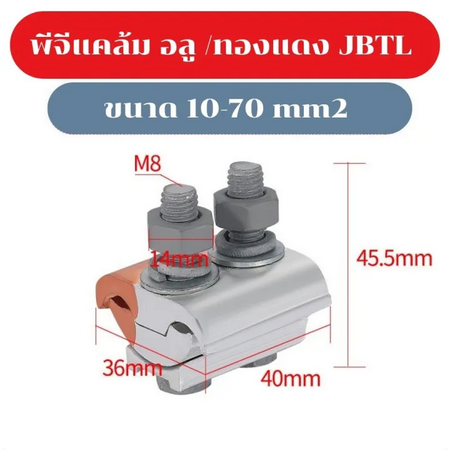
I am facing an unexpected issue with conductor termination at the ground/earth bar of my SAFE-T-CUT consumer unit (CU). Specifically, it is physically impossible to terminate a 25 mm² copper conductor into the existing proprietary ground/earth bar without resorting to undesirable practices such as cutting strands from the conductor or replacing the original earth bar with a non-OEM alternative. For reference, the main breaker itself is rated to accept 25 mm² conductors without issue. Given this constraint, I am considering the following approach: The neutral (N) copper pigtail is relatively short (less than 6 m). Starting at the JBTL-10-70 Al–Cu bi-metal clamp in the external junction box, I would reduce the neutral conductor from 25 mm² to 16 mm². This 16 mm² neutral would then terminate at the CU earth/neutral bar, with a 16 mm² link onward to the main breaker neutral connection. The live (L) conductor would remain unchanged: a 25 mm² copper pigtail running from the JBTL-10-70 bi-metal clamp directly to the main breaker line input. From a technical and safety standpoint, would this reduction of the neutral conductor to 16 mm² over such a short distance be considered acceptable practice? Any guidance on code compliance, thermal considerations, or long-term reliability would be greatly appreciated.
-
Could you please elaborate on the reasoning behind this recommendation?
-
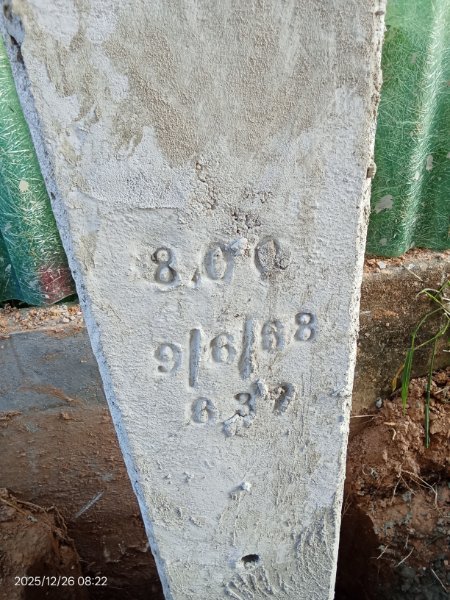
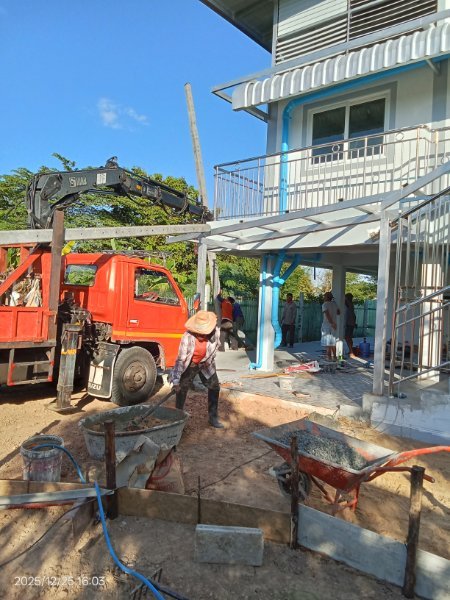
Same here, 3 x 8 meter poles + pole & house fittings + THW-A 25 sq.mm - I was able to get in touch with the right contact person, and everything was installed in record time — it worked perfectly. Many thanks for the helpful hint. In one of your earlier posts you mentioned, “Personally, I would keep the splice outside the house.” Could you please elaborate on the reasoning behind this recommendation?
-
I follow my grandma's recipe: Near-boiling water poured over Arabica ground coffee; Coffee steeps for several minutes; Grounds settle, pour into a cup... A very good morning.
-
Thanks, this I will pursue.
-
Don't these sleeves require to be crimped using a hydraulic crimping tool?
-
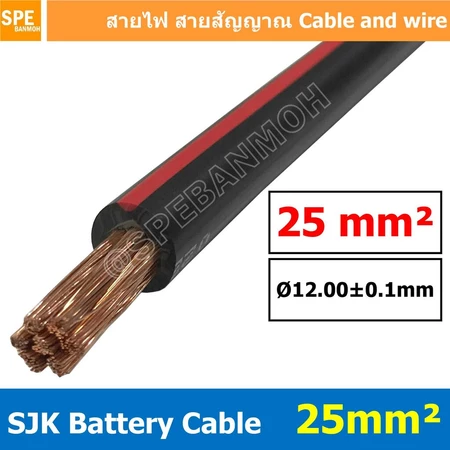
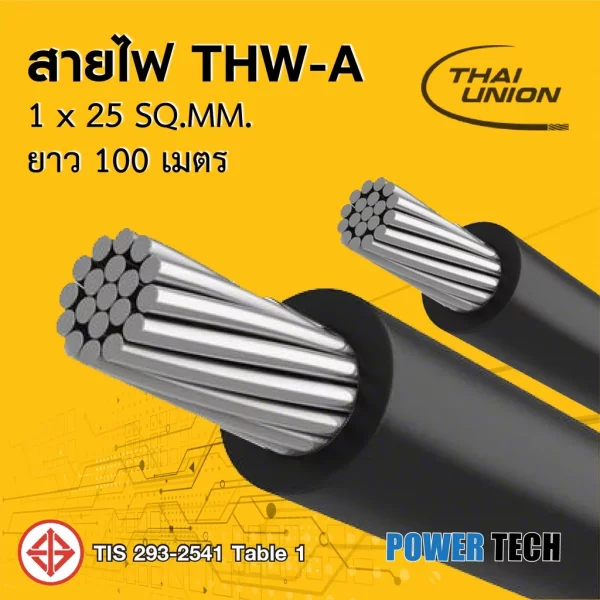
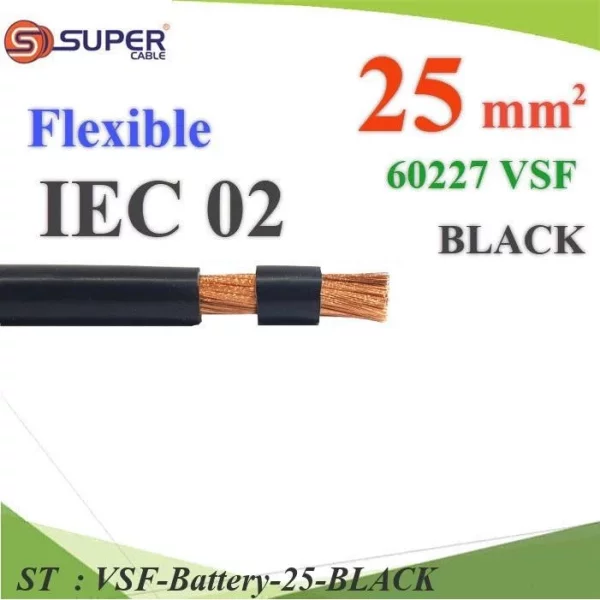
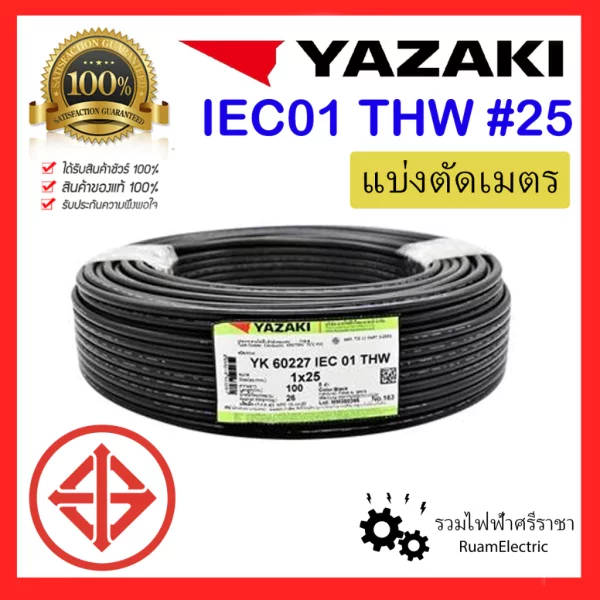
No, we do not yet have a permanent meter - my wife will need to obtain the Tabien Baan (blue book) first. I only require two copper conductors of up to 6 meters each and would appreciate guidance on the correct cable type/designation to use for this short run. Could you please advise which specific cable would be appropriate, with reference to the attached screenshots? I will also confirm any PEA-specific requirements or instructions with the local PEA office before proceeding.
1x25sqmm.webp.87086000d1a9e4c3fcb809fc185c19fb.webp)
-
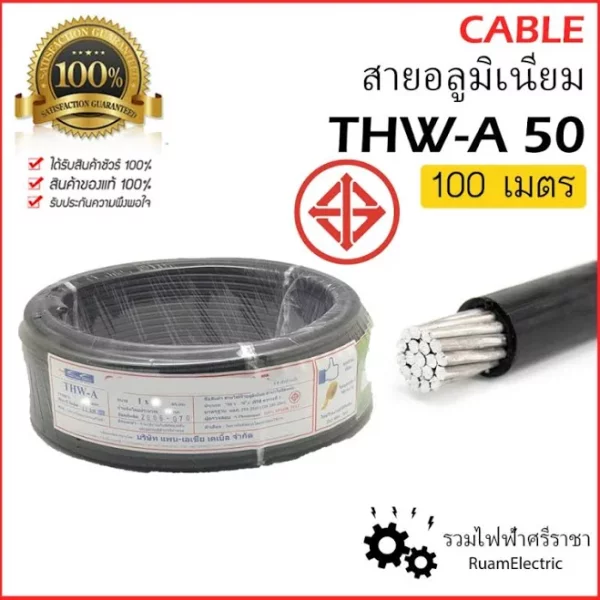
A local handy-man who has experience installing electrics will do the work and I supply the goods. I noted that 25 mm² THW-F / VSF would be the more practical choice and suppose you are okay with the 50 mm² THW‑A Aluminium conductor?
-
I have revisited my original plan to install copper conductors throughout the entire supply run. Given the significant cost difference between aluminum and copper conductors, I have reconsidered the feasibility of purchasing approximately 140–150 meters of copper cable. Based on this, I would like to go with your suggestion using copper pigtails. I propose to run aluminum conductors from the PEA meter at the supply pole to a weatherproof junction box located outside the room housing the consumer unit (CU). From that junction box, a short copper run - pigtail (approximately 6 meters, or less if required) would connect directly to the CU. The junction box would be IP-rated, installed under cover, and protected from direct weather exposure. For the aluminum-to-copper transition, I propose using bi-metal Al–Cu connectors, although I am unsure about the exact conductor sizes (mm²) required. Based on preliminary calculations and guidance by A-I, the indicative conductor sizes would be: Aluminum conductor: 50 mm² Copper conductor: 25 mm² Proposed cable requirements: ~150 m × 50 mm² THW-A aluminum conductor (supply pole to junction box) ~14 m × 25 mm² copper conductor (junction box to CU) Materials envisaged for the Al–Cu transition include: 2 × bi-metal PG clamps (e.g. JBTL-10-70 or equivalent) 1 × IP65-rated junction box Heat-shrink tubing or resin sealing kit Anti-oxidant paste / compound for aluminum terminations I would welcome feedback on: The suitability of the proposed conductor sizing Best practices for aluminum-to-copper transitions in this context Any concerns regarding long-term reliability or local code compliance Thank you in advance for your insights.