




Cambodia has formally notified the United Nations and the Thai government that it has begun a process of compulsory conciliation under the United Nations Convention on the Law of the Sea (UNCLOS) to address the long-running maritime boundary dispute in the Gulf of Thailand. The move follows Thailand’s unilateral decision last month to cancel the Memorandum of Understanding 44 (MOU 44), which had served as the main framework for negotiations over overlapping continental shelf claims.
Get today's headlines by email 
The Thai government, led by Prime Minister Anutin Charnvirakul, revoked MOU 44 as part of a campaign pledge made ahead of the February election. The decision came amid rising nationalist sentiment following military clashes along the Thai-Cambodian border during the past year.
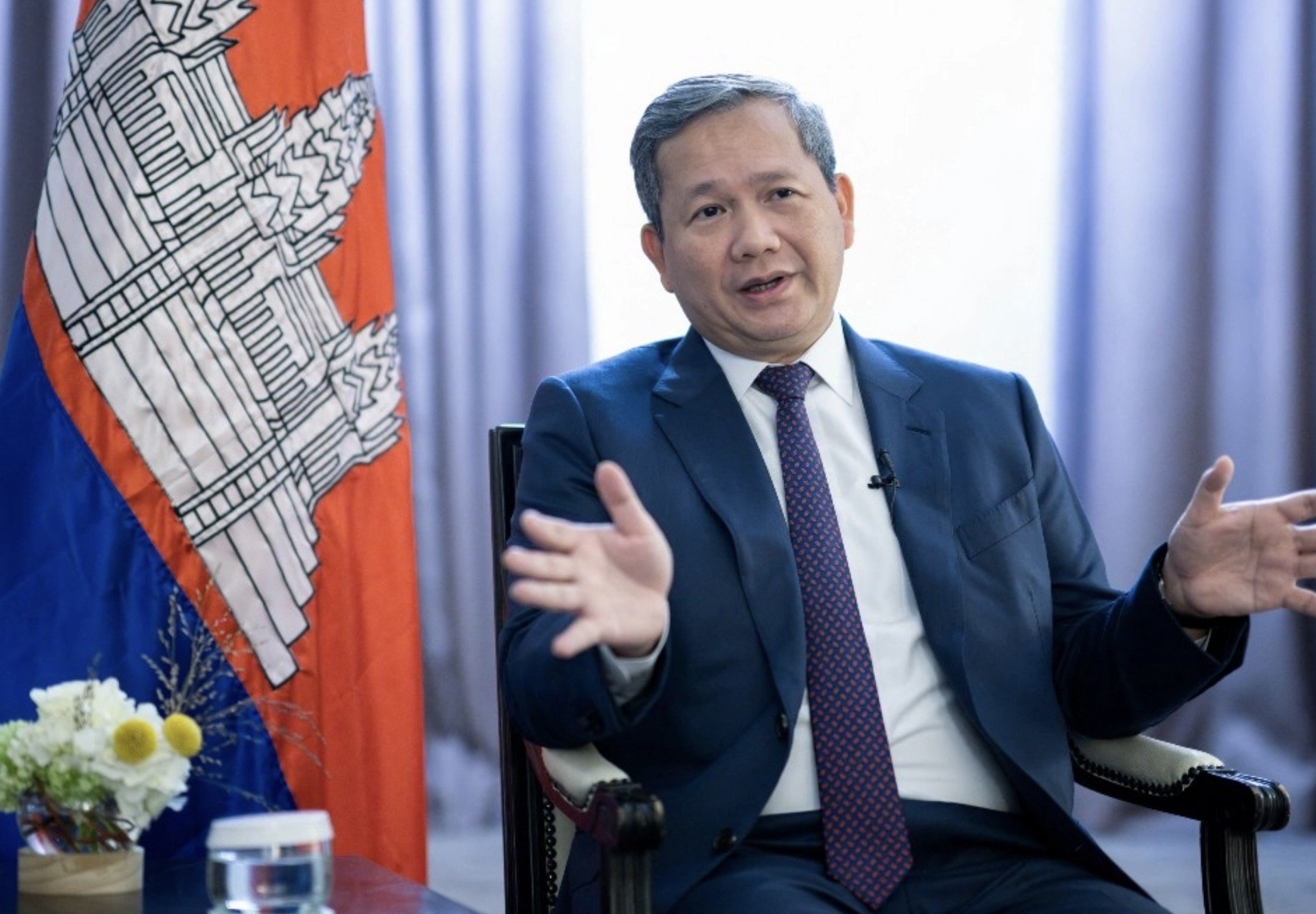
Cambodian Prime Minister Hun Manet announced on national broadcaster TVK that Cambodia had submitted a formal request to the UN Secretary-General to initiate the conciliation process under UNCLOS. He stated: “We are taking this important step to protect Cambodia’s sovereignty and maritime rights under international law. Both Cambodia and Thailand stand to benefit from a fair and sustainable settlement under the guidance of world-class experts.”
The disputed maritime area is believed to contain significant oil and natural gas reserves. Thailand’s Ministry of Energy has estimated the resources to be worth more than US$300 billion. Efforts to develop the area have long been complicated by disagreements over maritime boundaries and an 800-kilometre land border dispute dating back to the French colonial era.
Relations between the two countries remain strained following armed clashes along the border in July and December last year. The fighting resulted in multiple fatalities and the occupation of certain areas. Although a ceasefire agreement was reached in December, both sides have continued to accuse each other of violating the arrangement. Cambodia has called on Thailand to withdraw troops and has criticised damage to a stone temple during the conflict.
Under UNCLOS, compulsory conciliation allows an independent panel of experts to examine the dispute and provide recommendations for resolving it. However, the panel’s conclusions are not legally binding on either party. Instead, the process is intended to provide a neutral and internationally recognised framework for future negotiations.
ThaiRath reported that Thailand’s Ministry of Foreign Affairs has not issued any official response to Cambodia’s latest move. PM Anutin Charnvirakul speaking on June 2 dismissed the statement, stating that there is no need for a “countermove” on the international stage.
Meanwhile, energy investors continue to watch developments closely as they await greater certainty over potential resource exploration and extraction projects in the Gulf of Thailand.
Join the discussion? 
Already a member? 
 Adapted by ASEAN Now ThaiRath 3 June 2026
Recommended Comments
Create an account or sign in to comment