



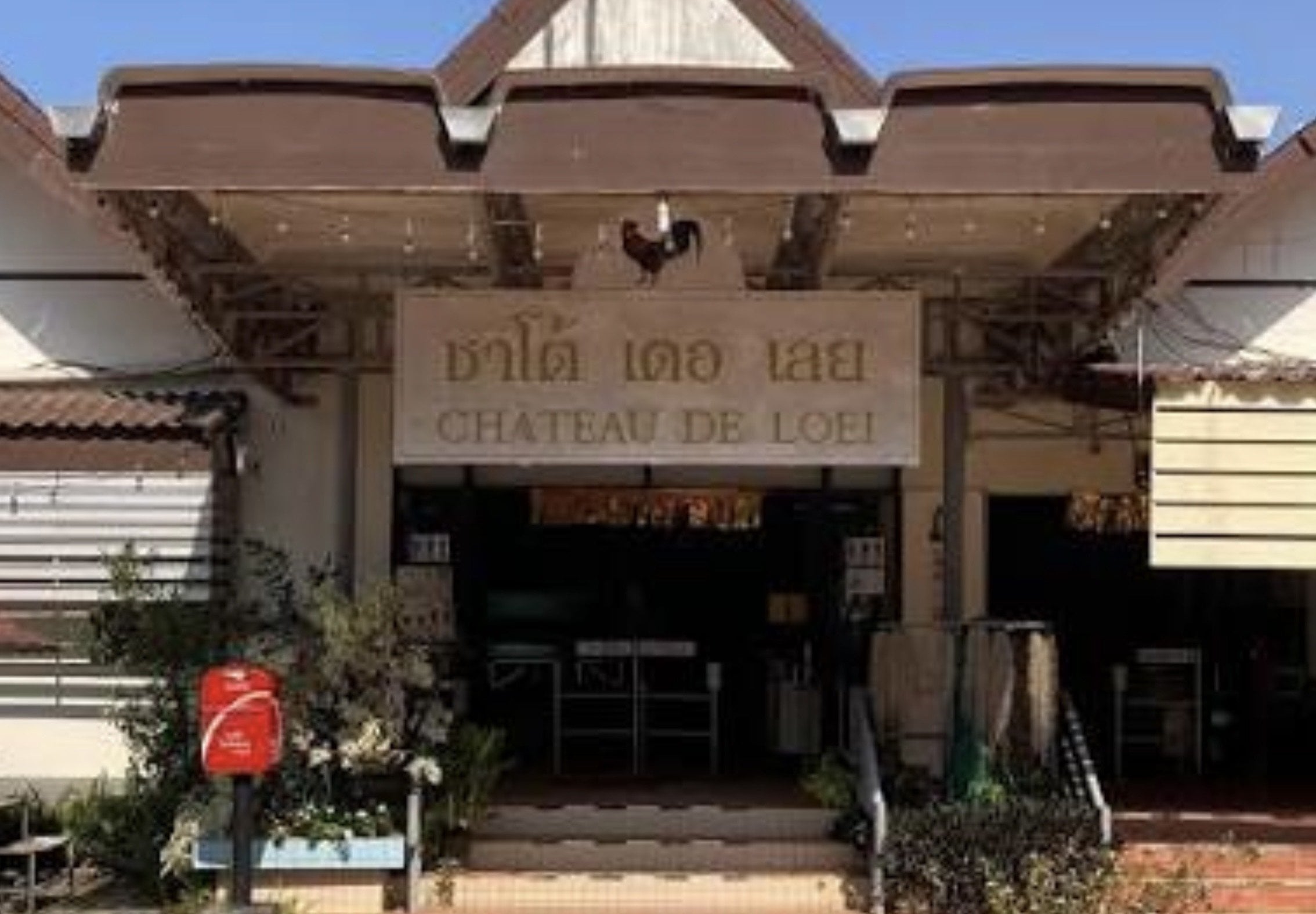

Thailand's pioneering premium wine label Chateau de Loei has formally ended wine production and stopped growing grapes for winemaking at its site in Phu Ruea district, Loei province.
Excise officials destroyed remaining wine and spirits at the factory on 24 September 2026, as part of the legal closure process. The estate is now moving its land and business towards alternative agriculture and processed produce.
Founded in 1991 by Dr Chaiyut Karnasuta, former executive chairman of Italian-Thai Development Plc, Chateau de Loei was credited with helping put Thai premium wine on the map. Its Shiraz and Chenin Blanc wines were exported to markets including France, Europe and Japan.
Excise process follows factory closure
The Loei Area Excise Office oversaw the destruction of wine and spirits remaining at the factory. Under rules governing a business closure, operators must notify the Excise Department and settle outstanding tax obligations.
Alcohol taken out of a factory remains subject to excise tax requirements and departmental controls. Where an operator does not wish, or is unable, to complete the tax and paperwork needed to release remaining stock for sale, it may choose to destroy it under official supervision.
The process confirms that unsold stock will not later enter circulation without passing through the tax system. Production and removal of alcohol from factories are specifically controlled by the Excise Department.
Climate and business changes
Chateau de Loei was established to demonstrate that Thailand's highland areas could produce wines meeting international standards. The vineyards in Phu Ruea, a cooler upland area popular with domestic tourists, became closely associated with that ambition.
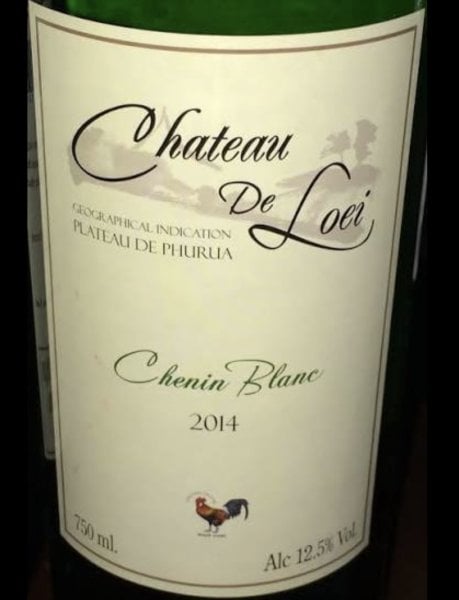
Management decided to stop wine production because of physical challenges linked to changing climatic conditions, as well as a change in the group's business direction, according to the report.
Estate shifts to processed farm products
The former estate has been renamed Suan Phu Ruea Wanothayan and converted to full-scale agriculture. It now focuses on higher-value processed products under the De Loei brand.
Its main products include macadamia nuts, sold dried and processed in a variety of flavours, alongside other cool-climate crops such as avocados. The products have reportedly been well received by consumers and tourists.
While Chateau de Loei wines are now expected to become rare collectors' items, the De Loei and Suan Phu Ruea Wanothayan businesses will continue to support jobs and income for local farmers in Loei province.
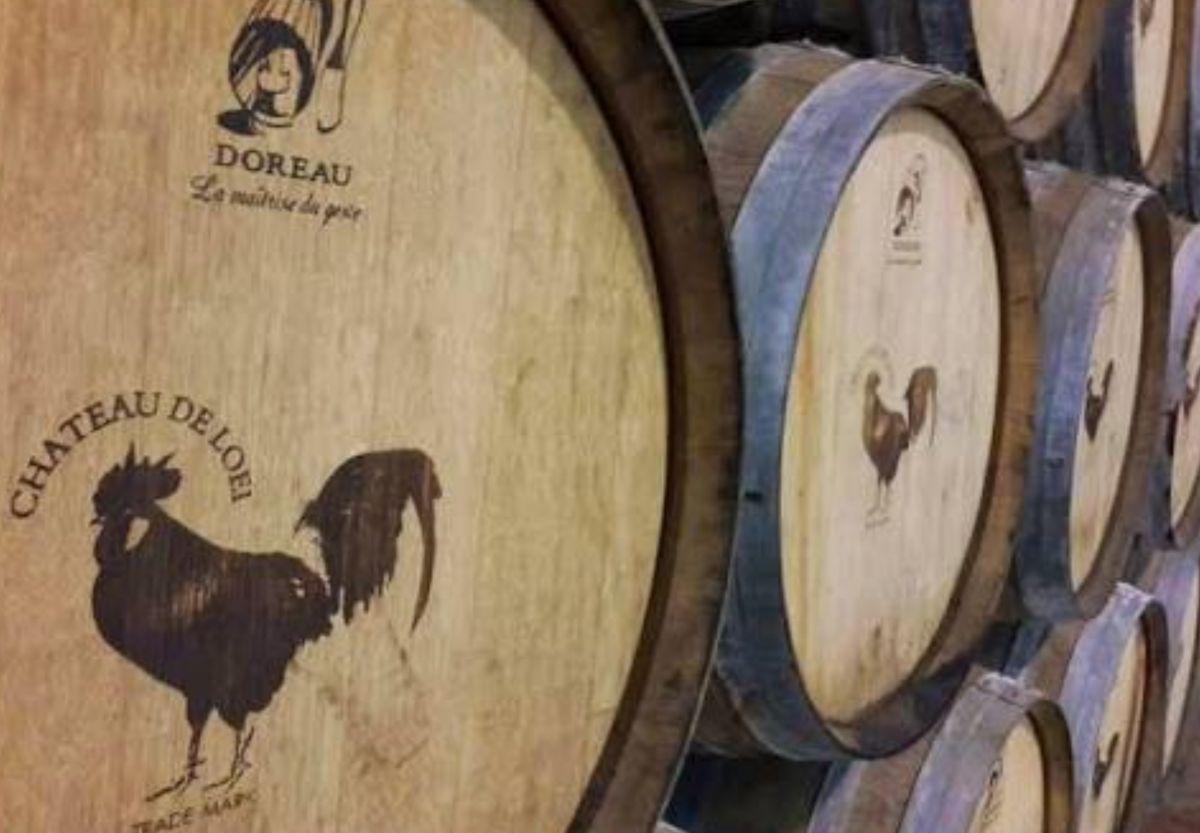
Pictures courtesy of Manager Online
Join the discussion? 

28 September 2026
Recommended Comments
Create an account or sign in to comment