





Thailand’s Department of Business Development (DBD) is investigating three food delivery app operators serving Chinese-speaking customers in Bangkok and Pattaya after concerns were raised over foreign ownership and nominee shareholding structures. One company has been identified as foreign-owned and operating without the required permission, while two others are under further scrutiny.
Get today's headlines by email 
DBD director-general Poonpong Naiyanapakorn said all three companies were legally registered in Thailand, with registration dates of September 27 2020, September 1 2021, and August 3 2023. Initial checks found that one operator is foreign-owned, with foreign shareholders holding more than 50% of shares, and has not obtained approval to operate under the Foreign Business Act. The two remaining firms are classified as Thai companies, as foreign ownership is below 50%, but their investment structures are being examined to determine whether Thai shareholdings are genuine.
The investigation is focused on compliance with Thailand’s Foreign Business Act, which classifies a Thai-registered company as foreign if at least half of its shares are held by non-Thais. Officials also noted that businesses in List Three categories require prior permission for foreign operation. Poonpong said the use of Chinese language in services is not in itself evidence of wrongdoing and is only one factor in assessing potential breaches.
Authorities are also reviewing whether Thai shareholders are acting as nominees for foreign investors, which could constitute illegal structuring under Thai law. The probe has expanded beyond the three app operators to include more than 25 related companies, particularly hotels, restaurants, and other businesses in areas such as Huai Khwang, Sutthisan, Ratchada, Rama IX, and Pattaya.
The platforms under scrutiny include GOKOO, E-GetS, and Feixiang, which reportedly serve Chinese-speaking communities and have expanded beyond food delivery into travel, accommodation, beauty services, transport, language training, medical services, and visa-related assistance. The scrutiny follows increased visibility of riders from these lesser-known platforms operating in Bangkok, Pattaya, and Chonburi.
Poonpong said officials have already mobilised staff from six divisions over the past eight months to address nominee business risks, noting that around 95,000 companies formed over the past 20 to 30 years remain under review nationwide. He added that enforcement is now focused on preventing new nominee cases while gradually inspecting older registrations.
Penalties for nominee-related offences under the Foreign Business Act include up to three years in prison, fines ranging from 100,000 to 1 million baht, or both. Courts may also order the cessation of assisting arrangements, shareholding structures, or joint business operations linked to the offence.
The Nation reported that officials also raised emerging concerns about naturalised Thai nationals holding majority shares on behalf of foreign investors, although such cases are not yet widespread. Authorities said continued cooperation between agencies will be required to fully address nominee business risks across sectors.
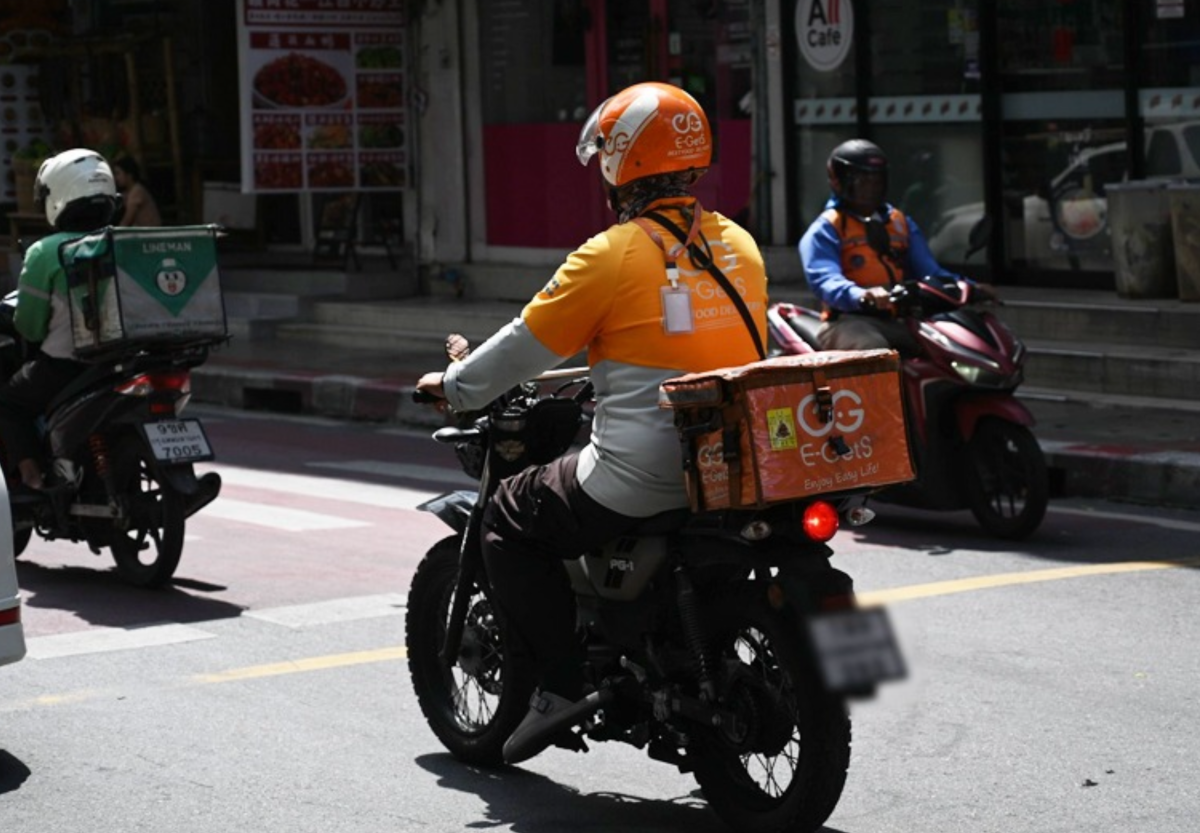
Picture courtesy of The Nation
Join the discussion? 
Already a member? 
 Adapted by ASEAN Now Nation 24 June 2026
Recommended Comments
Create an account or sign in to comment