



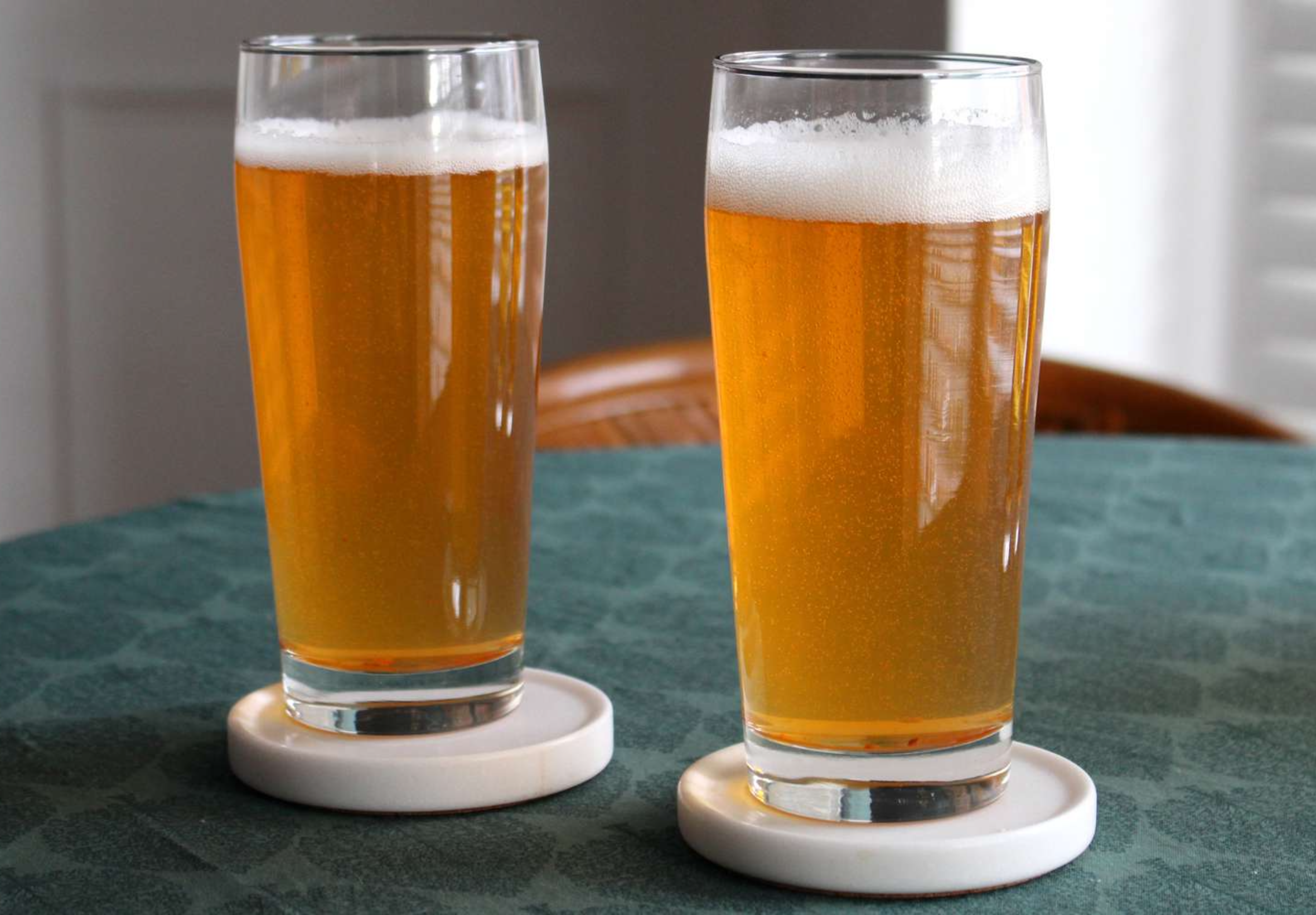

The National Economic and Social Development Council (NESDC) has recommended a restructuring of Thailand’s alcoholic beverage tax system as part of efforts to reduce alcohol consumption and limit its impact on public health. The proposal comes after data from the first quarter of 2026 showed increased consumption of both alcoholic beverages and cigarettes.
Get today's headlines by email 
Speaking during a briefing on the country’s social conditions, NESDC secretary-general Danucha Pichayanan said alcohol consumption was rising and that the existing tax structure should be reconsidered. The recommendation is intended to strengthen the effectiveness of taxation as a tool to reduce alcohol-related harm.
Thailand currently applies a two-tier alcohol tax system. Excise duty is calculated using both an ad valorem tax, based on a percentage of the retail price or value, and a fixed volumetric tax based on the volume of pure alcohol. The higher of the two calculated amounts is applied.
According to a study by the Thai Health Promotion Foundation (ThaiHealth) on alcohol taxation and consumption behaviour, the current system has significant limitations. The study found that fixed-rate volumetric taxes, such as the levy of 1,000 baht per litre of pure alcohol on wine, lose real value over time, reducing their long-term effectiveness in controlling consumption.
The study also cited research by Wilson et al (2025), which found that increasing alcohol prices through appropriate tax mechanisms can significantly reduce consumption. ThaiHealth recommended that authorities revise the tax structure so that it better reflects health risks and includes systematic, continuous tax adjustments to maintain effectiveness over time.
The debate follows recent changes to alcohol sales regulations. Regulators completed a pilot programme that removed the long-standing afternoon alcohol sales ban between 2pm and 5pm. Since 29 May, alcohol sales have been permitted continuously from 11am until midnight.
The Department of Disease Control reported that monitoring conducted during the first 90 days of the pilot found alcohol-related deaths between 3 December 2025 and 1 March 2026 increased by 4.8 times compared with 2023, after controlling for confounding factors. The department said the findings suggest extended sales hours may present greater risks to public safety and human life than initially anticipated.
The Bangkokpost reported that officials said any decision to continue or expand the extended sales policy should be considered carefully. The department also called for vendors to take greater responsibility by checking that buyers meet age requirements, are not visibly intoxicated, and are not purchasing alcohol on behalf of minors. It added that penalties should be imposed on operators who fail to comply.
Join the discussion? 
Already a member? 
 Adapted by ASEAN Now Bangkokpost 3 June 2026
Recommended Comments
Create an account or sign in to comment