



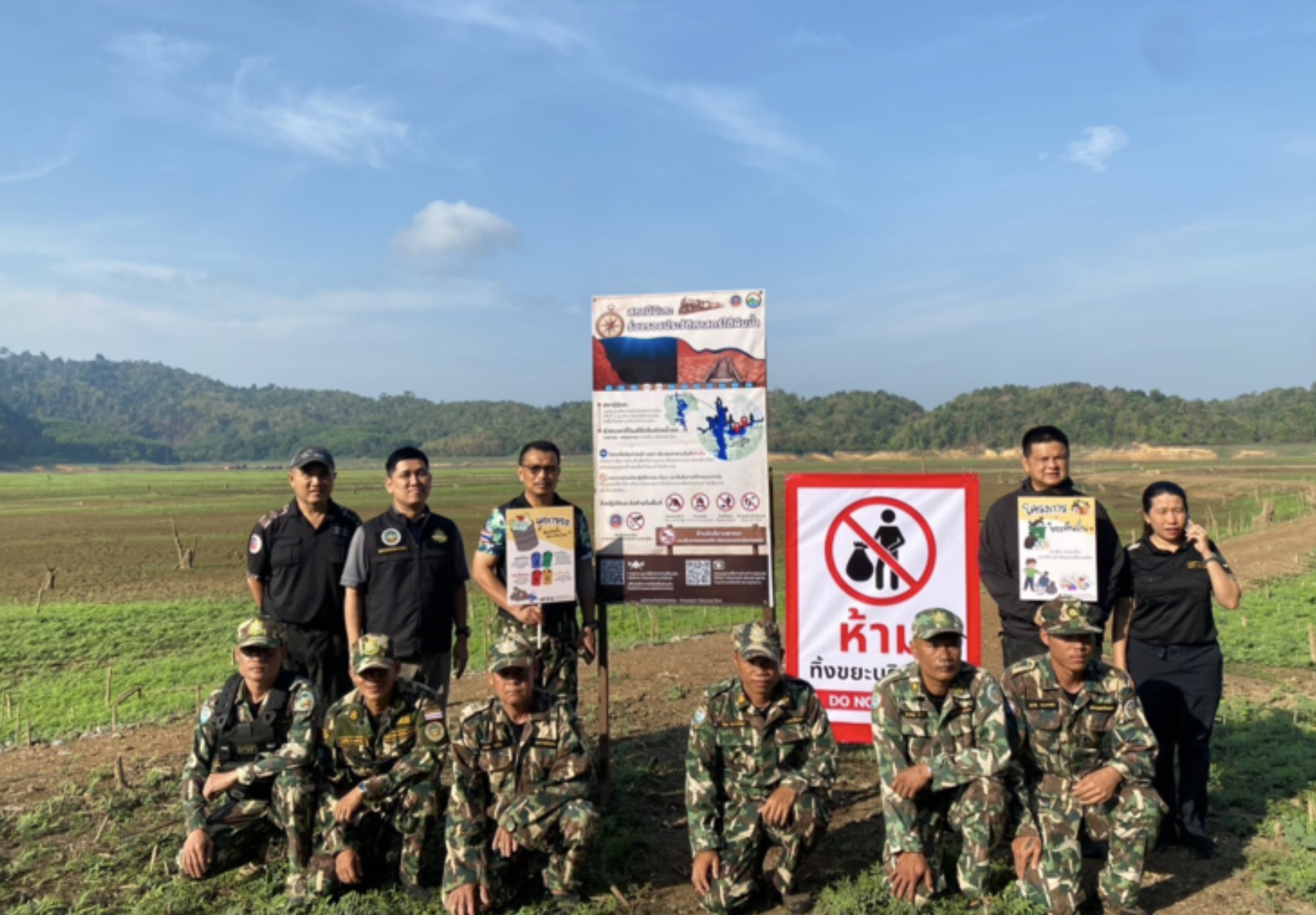

Thai authorities have imposed a 10,000-baht fine on a group of Thai tourists who drove off-road vehicles into World War II bomb craters at Nithe Station in Khao Laem National Park, Sangkhla Buri district, Kanchanaburi province. The Department of National Parks, Wildlife and Plant Conservation ordered strict legal action after images of the activity circulated widely on social media, prompting public criticism and concerns over damage to a protected historical site.
Get today's headlines by email 
On 2 June 2026, Department Director-General Atthapol Charoenchansa confirmed that park officials had been instructed to enforce the law without exception and restore the affected area as quickly as possible. He said the offenders would face a maximum administrative fine of 10,000 baht and any additional legal action linked to relevant offences.
The controversy began after photographs emerged showing several off-road vehicles being driven into bomb craters at Nithe Station, a significant location along the former Death Railway from the Second World War. The site contains wartime remains including railway sleepers, metal fixtures, water storage structures and at least 10 bomb craters.

Former national parks chief Chaiwat Limlikit-aksorn strongly condemned the motorists’ actions, stating that the bomb craters were not an off-road playground but an irreplaceable part of Thailand’s wartime heritage. He said Nithe Station was one of the six largest stations on the railway during the war, serving as a refuelling, water supply and maintenance point before trains continued towards Myanmar.
According to Chaiwat, historians use the bomb craters to study Allied bombing patterns and identify intended military targets, making the site an important educational resource. He described the damage as an attack on valuable historical evidence linked to World War II.
Khao Laem National Park had earlier ordered those involved to contact officials within seven days to explain their actions. Park authorities noted that warning signs and visitor restrictions were already in place at the site as part of conservation and tourism management measures.
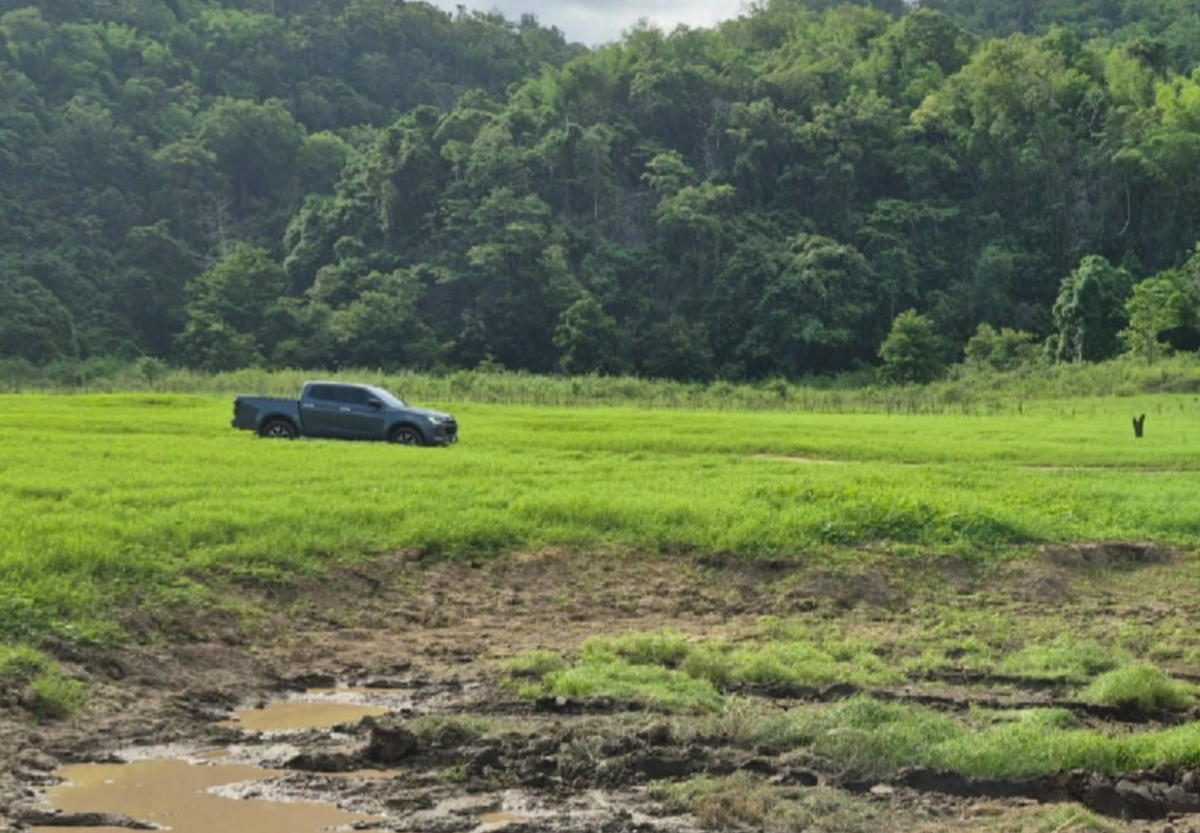
The group later issued a video apology on Facebook. A woman representing the group said they had been travelling to Koh Sading village to help build a school roof and stopped at the site to take photographs, unaware of its historical significance. She accepted responsibility for the group’s actions and acknowledged that ignorance was not an excuse.
Amarin reported that officials have stated that investigations remain ongoing and further legal action could follow if additional offences are identified. The Department of National Parks has also directed its regional conservation office in Ban Pong to monitor the case and provide regular progress reports while restoration work proceeds.

Pictures courtesy of Amarin
Join the discussion? 
Already a member? 
 Adapted by ASEAN Now Amarin 3 June 2026
Recommended Comments
Create an account or sign in to comment