



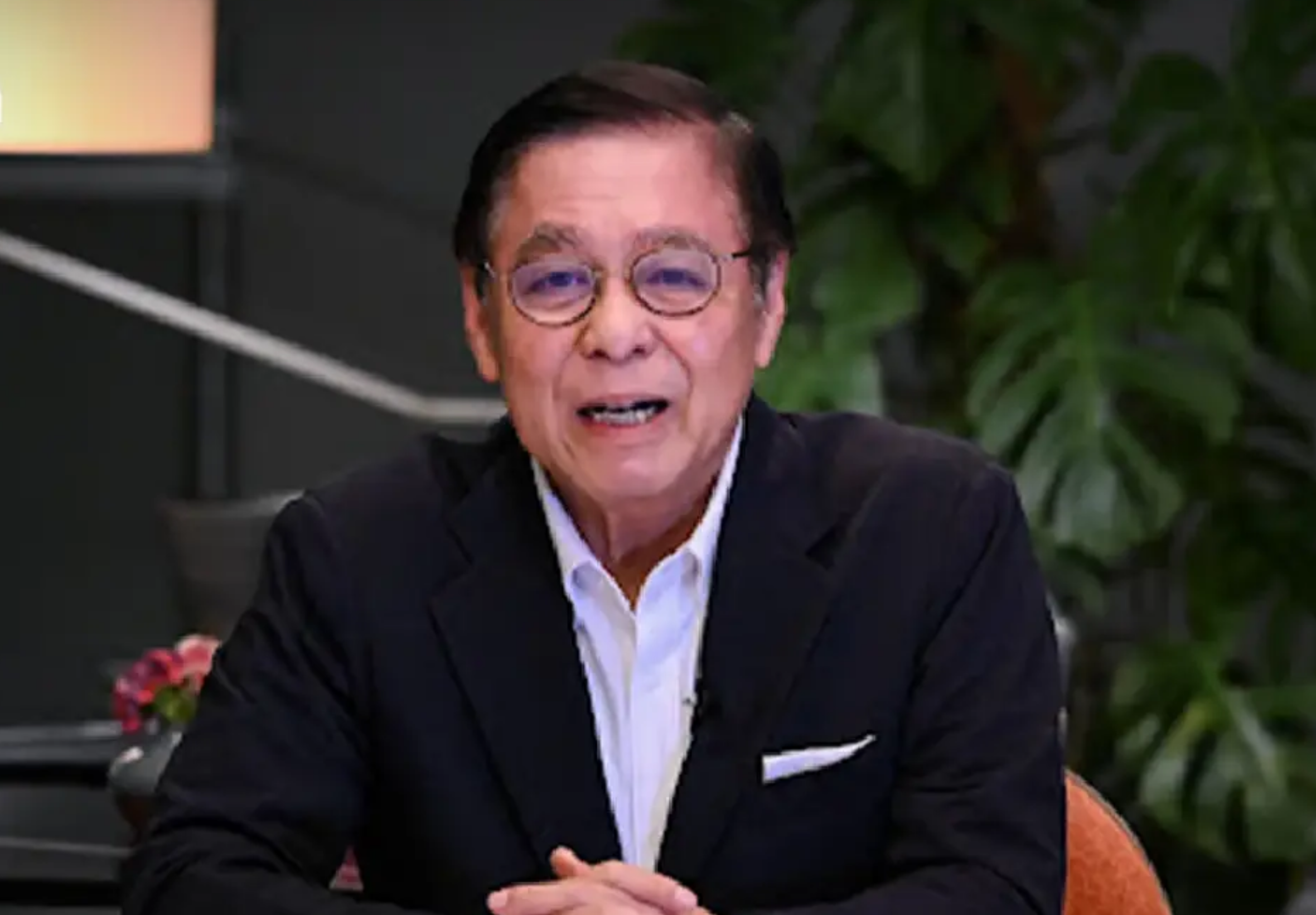

Thailand’s Deputy Prime Minister and Foreign Minister Sihasak Phuangketkeow has warned that Cambodia’s decision to pursue compulsory conciliation under the 1982 United Nations Convention on the Law of the Sea (UNCLOS) could undermine broader efforts to restore relations and address border security issues between the two countries.
Get today's headlines by email 
Speaking in Paris, while attending the OECD (Organisation for Economic Co-operation and Development) Ministerial Council Meeting 2026, Sihasak responded to Cambodian Prime Minister Hun Manet’s letter to Thailand and the United Nations secretary-general seeking compulsory conciliation over overlapping maritime claims.
Sihasak said Thailand does not believe Cambodia’s chosen approach will genuinely help resolve the dispute. He argued that several Cambodian claims were inconsistent with the facts and rejected Cambodia’s assertion that Thailand terminated the 2001 Memorandum of Understanding (MoU) because it did not intend to meet its obligations.
According to Sihasak, Thailand ended the 2001 MoU because more than 20 years of negotiations had failed to produce progress. He said the intention was to restart discussions on overlapping maritime areas on a new basis and within the UNCLOS framework.
Thailand believes bilateral negotiations should be given an opportunity before moving to other mechanisms. Sihasak said that if talks failed, both countries could consider voluntary conciliation or compulsory conciliation, but direct negotiations should come first.
He noted that compulsory conciliation can take considerable time, citing the case between Timor-Leste and Australia, which took nearly two years. During that period, maritime boundary delimitation and joint development of overlapping areas could not progress.
Sihasak questioned Cambodia’s motives, saying the move appeared designed to create an advantage for itself. He warned that Cambodia’s decision could affect discussions on restoring relations, border security and land-boundary issues because trust between the two countries was essential.
The minister said Thailand had anticipated Cambodia might pursue compulsory conciliation and had already begun preparations, including identifying potential conciliators and consulting legal experts. He added that he would meet Thailand’s French legal adviser during his visit to discuss possible scenarios.
Sihasak said the current situation contradicted understandings reached during talks between the two countries’ prime ministers at the ASEAN summit in Cebu, Philippines, where both sides emphasised dialogue and trust-building as the basis for resolving disputes.
He also revealed that he had previously raised the matter with Cambodia’s Deputy Prime Minister and Foreign Minister Prak Sokhonn in New York, asking why the two countries could not first attempt negotiations before resorting to international mechanisms.
Sihasak stressed that Thailand was prepared to proceed through the compulsory conciliation process if necessary and remained confident in its ability to defend the country’s interests. However, he noted that any final findings from compulsory conciliation would not be legally binding and could still require further negotiations between the two sides.
The Nation reported that Thailand’s foreign minister is expected to return one day earlier than planned from the OECD meeting and arrive in Thailand on June 5. He is scheduled to brief foreign diplomats and hold an official press conference following recent statements by Cambodian leaders.
Related story
Cambodia-launches-unclos-process-over-gulf-dispute
Join the discussion? 
Already a member? 
 Adapted by ASEAN Now Nation 4 June 2026
Recommended Comments
Create an account or sign in to comment