



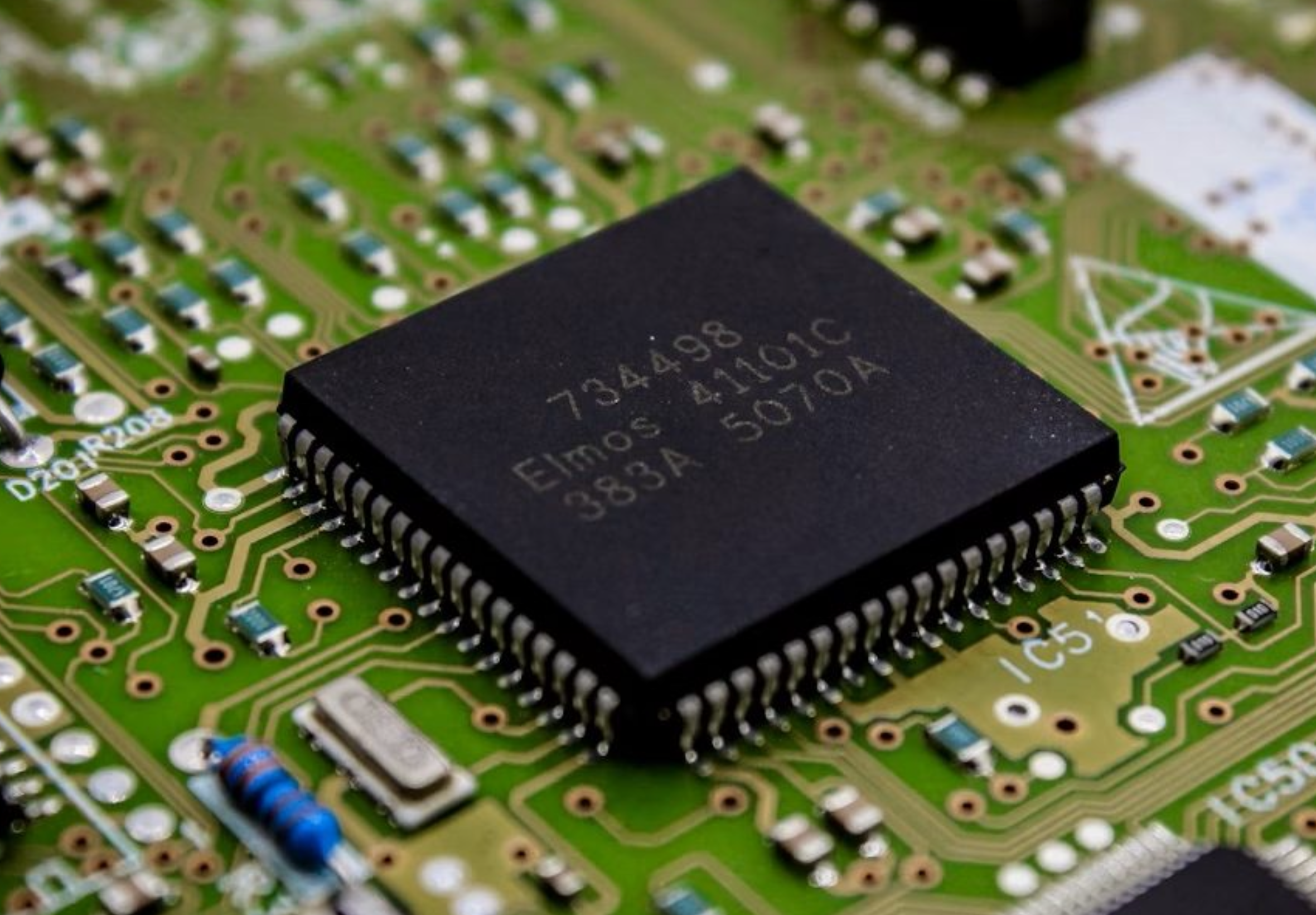

Thai manufacturers have been hit by a dual impact as a severe shortage of microchips disrupts production while steel prices are set to rise by 10-15 percent this month, according to reports on April 6. The shortages are affecting key industries including electronics, construction, and automotive, increasing costs across the supply chain.
Get today's headlines by email 
The Federation of Thai Industries (FTI) said steel production in Thailand depends heavily on imported scrap metal due to limited domestic iron ore. This exposes manufacturers to rising global costs, including higher energy prices, transport expenses, shipping fees, and electricity charges. These factors have led to an initial steel price increase of 10-15 percent, with a second adjustment under review next month depending on market conditions.
Mr Nawa Chantanasurakorn, FTI vice president and honorary chairman of the Steel Industry Group, said the sector faces four major cost pressures. These include rising transport and energy costs, increased shipping fees, and higher electricity prices. He added that while fuel oil used in production is cheaper than diesel, it is still expected to rise.
Despite these pressures, factory workers are unlikely to face layoffs for now, as ongoing government projects continue to support domestic demand. However, uncertainty remains over future pricing and supply stability.
At the same time, the electronics sector is facing a severe shortage of microchips, driven largely by the rapid expansion of artificial intelligence (AI). Mr Suphan Mongkolsuthee, chairman of Synnex (Thailand) Plc, said demand for chips has surged as AI applications expand into a wide range of devices beyond traditional electronics.
He said chips are now used in products such as vacuum cleaners, cameras, and other electrical appliances, in addition to mobile phones and computers. AI businesses, with strong profitability, are able to pay higher prices for chips, leaving other manufacturers struggling to compete.
Suphan noted that unlike in the past, chip upgrades are now accompanied by immediate price increases due to strong demand. He warned that rising chip costs will lead to more expensive laptops and force consumers to keep older devices for longer, while incomes remain unchanged.
The automotive sector has so far avoided disruption due to its higher profit margins, which allow it to absorb increased chip costs. However, smaller manufacturers are facing significant challenges adapting to the rapidly changing market.
ThaiNewsRoom reported that both steel and chip markets remain volatile, with global energy prices and AI demand expected to continue influencing costs. Industry leaders say the situation is exhausting but reflects a broader shift in global manufacturing dynamics.
Join the discussion? 
Already a member? 
 Adapted by ASEAN Now Thainewsroom 7 Apr 2026
Recommended Comments
Create an account or sign in to comment