



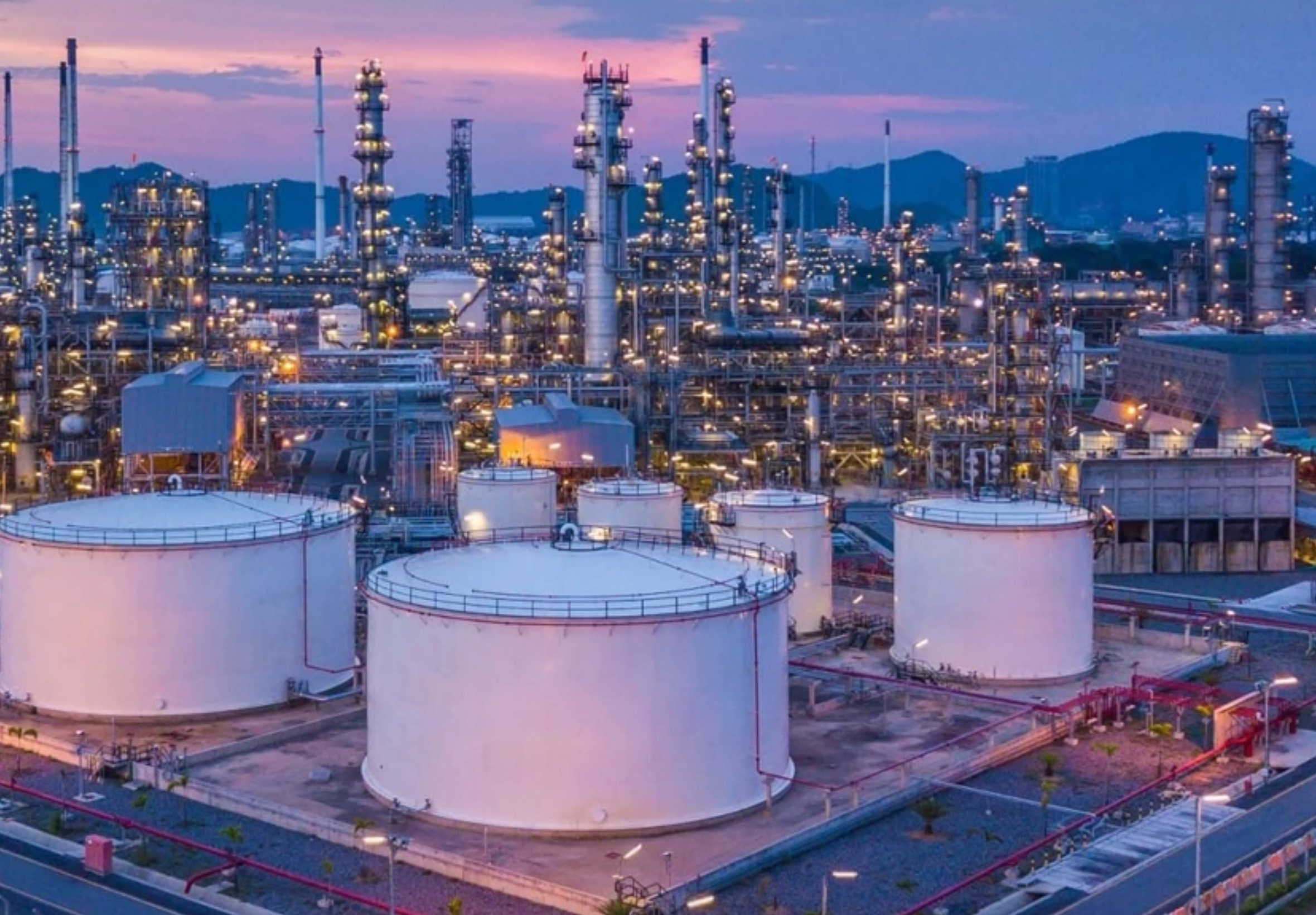

Thailand is facing what officials describe as its most severe energy crisis on record, as global diesel prices (Singapore FOB) surge to nearly 300 US dollars per barrel, triple the standard rate of 92 dollars. The sharp rise is placing extreme pressure on the state Fuel Fund, which is now running a deficit of nearly 50 billion baht and risks collapse within two months. Authorities warn that without urgent intervention, the subsidy mechanism supporting fuel prices could fail.
Get today's headlines by email 
The Energy Ministry confirmed on 3 April 2026 that the current price volatility far exceeds previous peaks, including the Russia-Ukraine conflict when diesel reached 150 dollars per barrel. The Fuel Fund, which has a credit line of 150 billion baht, is being rapidly depleted as the government attempts to cushion domestic consumers from global price shocks. Officials say the pace of spending means available funds may last only a short period.
In response, the government is negotiating with oil refineries to reclaim what it describes as “windfall profits” generated by elevated refining margins and a so-called war premium. A benchmark refining margin of 2.43 baht, based on a five-year average, is being used to determine excess earnings that could be redirected to support the public. Major refiners including PTT and Bangchak have indicated preliminary cooperation, with a final decision on measures expected on Monday, 6 April.
Authorities have also introduced fuel price increases over the past days to prevent hoarding and cross-border smuggling. Officials say gradual adjustments are necessary to avoid sudden price shocks that could destabilise supply and demand. At the same time, the government continues to subsidise liquefied petroleum gas at a cost of 30 million baht per day to help control food prices and ease pressure on household expenses.
The Nation reported that Prasert Sinsukprasert, permanent secretary for Energy, described the situation as “a moment of unprecedented gravity” and said efforts are focused on balancing public protection with market stability. The government is considering whether to apply general price reductions or target support at the transport sector and vulnerable households.
Picture courtesy of The Nation
Join the discussion? 
Already a member? 
 Adapted by ASEAN Now Nation 4 Apr 2026
-
 1
1
Recommended Comments
Create an account or sign in to comment