
Skip to content
View in the app

A better way to browse. Learn more.

ASEAN NOW

A full-screen app on your home screen with push notifications, badges and more.

To install this app on iOS and iPadOS
  1. Tap the Share icon in Safari
  2. Scroll the menu and tap Add to Home Screen.
  3. Tap Add in the top-right corner.
To install this app on Android
  1. Tap the 3-dot menu (⋮) in the top-right corner of the browser.
  2. Tap Add to Home screen or Install app.
  3. Confirm by tapping Install.

Thailand poll finds low confidence in disaster response

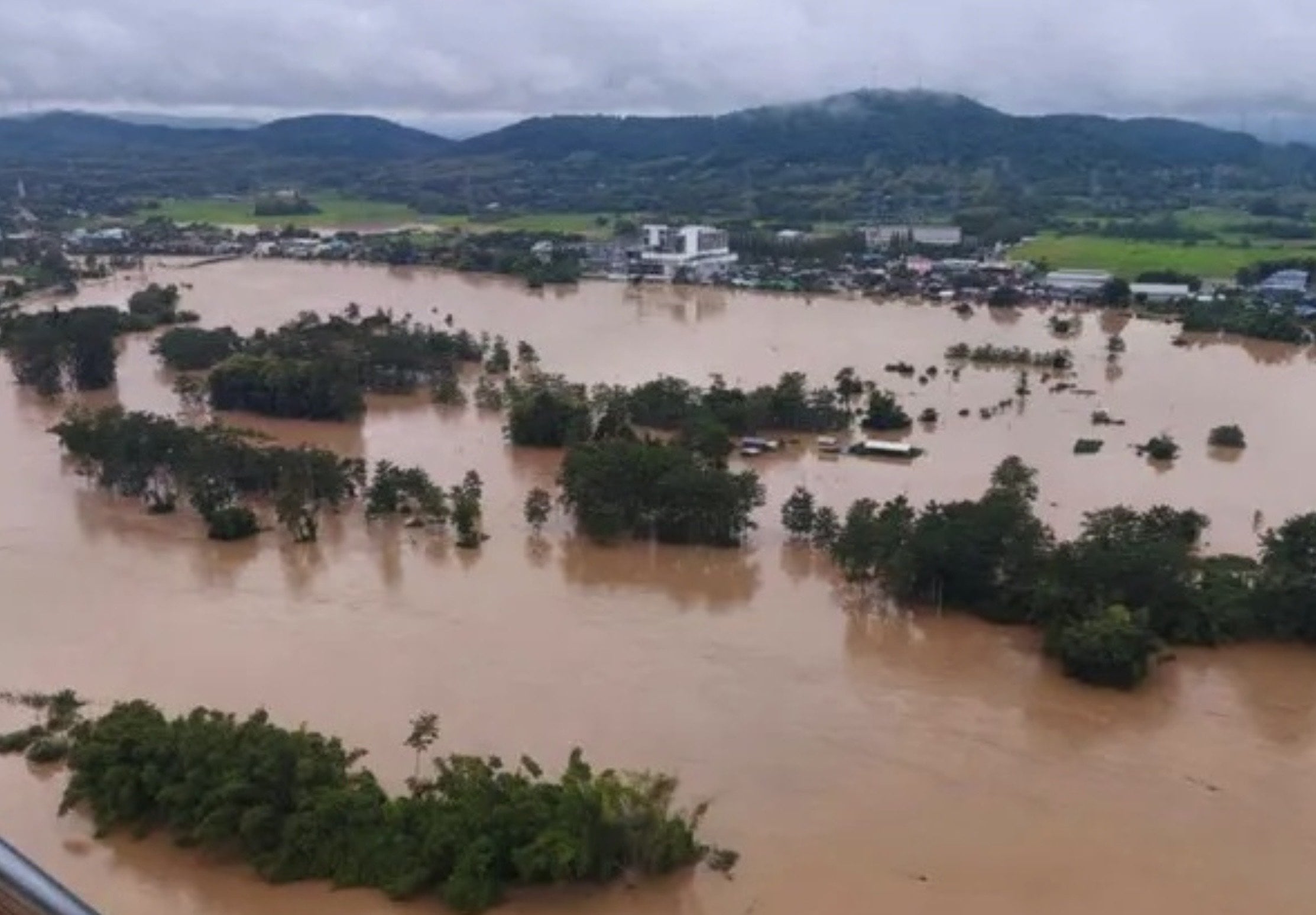
More than half of respondents to a Suan Dusit Poll said they lack confidence in the Thai government's ability to manage a potential disaster, following deadly floods in the Nepal-Tibet border area.

The survey, reported by PPTVHD36 on 6 September, found that 84.29% of respondents were most concerned about flooding, flash floods and landslides in Thailand. A further 69.70% said climate change and global warming were the main reasons natural disasters are becoming more frequent and severe.

Flooding remains the biggest concern

Despite concerns over official preparedness, many people said they were taking personal precautions. Some 64.46% of those surveyed said they regularly follow news reports and disaster warnings.

Dr Pornphan Buathong, chair of Suan Dusit Poll at Suan Dusit University, said the survey reflected public concern about disasters that may be imminent, partly because of climate change.

While people are preparing themselves, confidence in the government's response remains low, she said. The government should urgently strengthen preparations including early-warning systems, emergency assistance and post-disaster relief in order to improve public confidence and ensure safety.

A total of 53.19% of respondents said they did not have confidence in the government's ability to deal with possible disasters in Thailand. Meanwhile, 68.65% wanted authorities to give priority to environmental problems and reduce factors that worsen natural disasters.

A long-running national problem

Dr Monthol Suwanprapha, chair of the Environmental Health and Disaster Management Programme at Suan Dusit University's Faculty of Science and Technology, said flooding had remained a major national crisis when considering disasters in Thailand over the past decade.

Floods have long affected Thai communities, he said, and their repeated nature may have led society to accept them as unavoidable, despite many losses potentially being preventable.

Visitors and expats should keep local contact details and accommodation information accessible during periods of severe weather, and check conditions before travelling through rural or mountainous areas. Those in affected locations should follow instructions from local authorities and emergency services.
IMG_2223.png

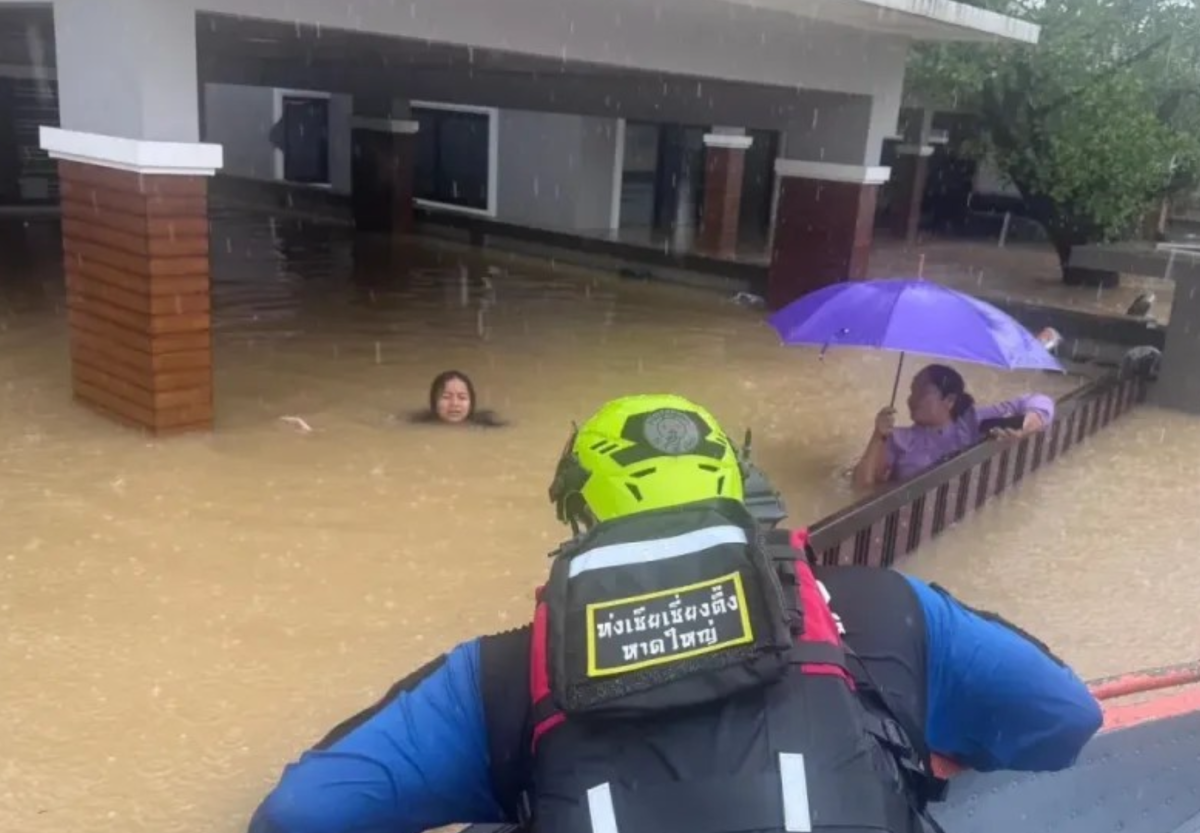
Picture courtesy of TNR

Join the discussion? Create account. orange.png


image.png

7 September 2026

User Feedback

Recommended Comments

blaze master Diamond Member

blaze master

Advanced Member

Oh boy.......the lady holding the umbrella in the pic. Hahahhaaha.

Hahhahahaa.

ikke1959 Diamond Member

ikke1959

Advanced Member

In all the years I live in Thailand there is not much done to prevent floodings... Lots of words but no actions, and even now the Government pays 9000THB to the people of Nan... What kind of help is that?? The help is, as many , laws outdated in low sums, hardly enough to buy a bed and a fridge.... Corruption, greed and lack of solutions are the reasons why people don't have much confidence.

And to blame climate change...... that is the worst excuse ever.. Thailand is really doing nothing for it.. How many blacksmoke cars are driving around?? How many outdated cars and trucks? How many electricity poles can you find in the country?? Compare it with all the petrolstations.. Even a ,lot of new stations are being built. On Phetkasem Road near my home 3 last year... How much subsidy is being given to promote solar energy? Or replace the old taxis with new electric ones... No even the airpollution is not getting less.. People are not aware about the pollution and they burn leaves and rubbish before 8 am and after 8 am as the police is not working then,,, How can you be confident that something is done when it really is going wrong? The money is gone....

fredwiggy Star Member

fredwiggy

Advanced Member

The only way natural disasters can be avoided is living and building houses and business away from their paths. The disaster in India only could have been prevented if villages weren't built near that river and gorge. People don't build expecting things to happen, although certain prone areas should be avoided, like New Orleans.

People have been living near volcanoes for centuries.

Beaches are loved by millions and nothing should be built near them if they are in the possible path of hurricanes, but there are many rich people who think nothing of scarring the landscape for their homes near the sea.

Tornadoes hit areas in America where necessary crops are grown. People love the mountains and streams and rivers in them, but this means landslides when torrential rains come. No homes should be built near any waterways, but how do you convince people to stop?

Earthquakes happen in certain places like California, Indonesia, Chile, Iran and Japan a lot, so does this mean everyone in earthquake prone areas must move, or just hope for the best? Bangkok might surely be underwater some day, but will they change a city?

Yes, you can make early warning systems, but that means the people will take shelter, and their homes and businesses will still be destroyed.

Create an account or sign in to comment

Account

Navigation

Search

Search

Configure browser push notifications

Chrome (Android)
  1. Tap the lock icon next to the address bar.
  2. Tap Permissions → Notifications.
  3. Adjust your preference.
Chrome (Desktop)
  1. Click the padlock icon in the address bar.
  2. Select Site settings.
  3. Find Notifications and adjust your preference.