



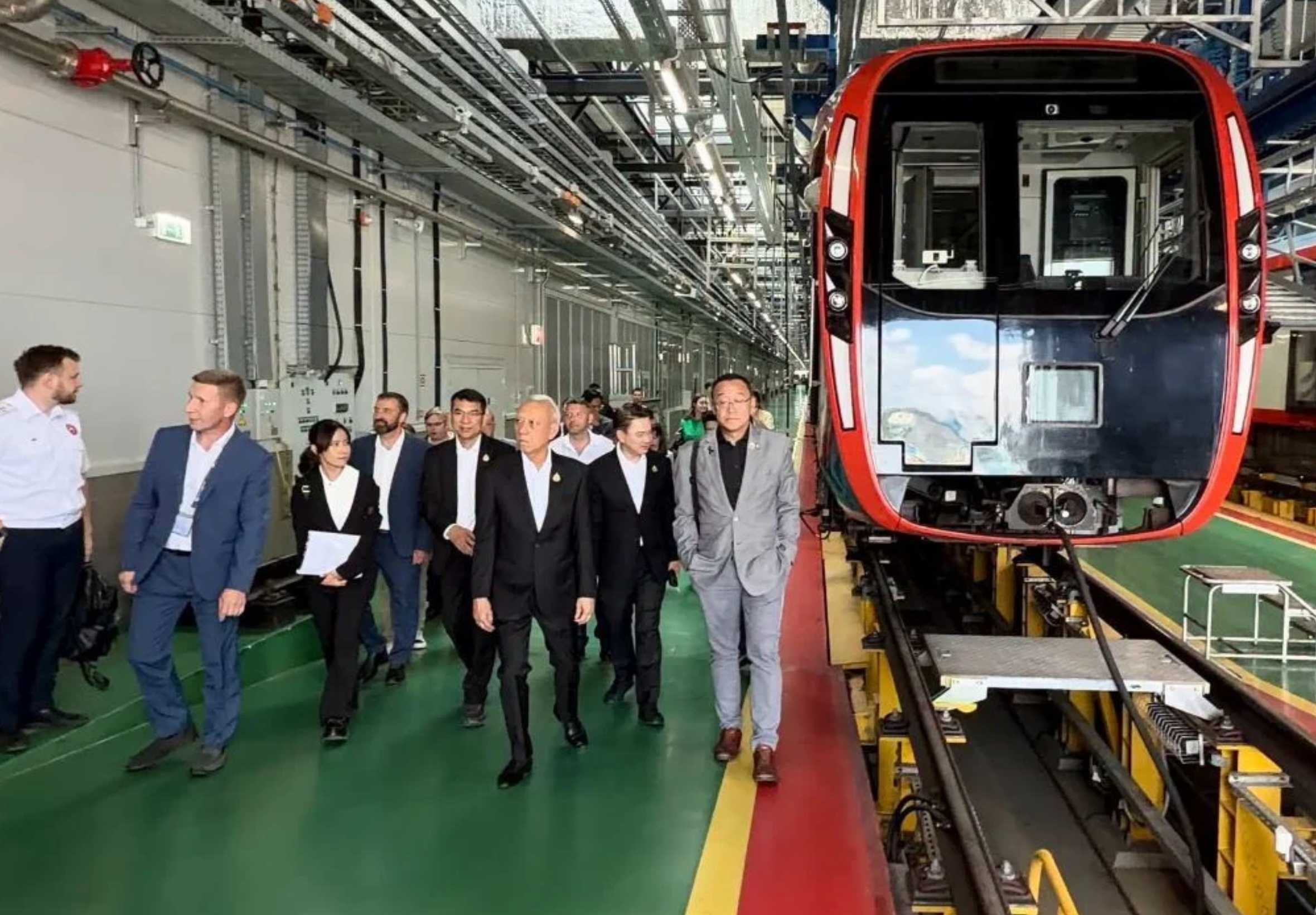

Thailand's transport ministry has examined Moscow Metro's ticketing, maintenance and passenger-information systems as it considers practices that could be adapted for Thailand's rail network.
Deputy Prime Minister and Transport Minister Phiphat Ratchakitprakarn led the delegation on August 5, following the signing of a transport cooperation memorandum of understanding between Thailand and Russia.
Senior Thai transport officials visited Maryina Roshcha station and the Aminevskoye Electric Depot, where they reviewed operating systems and exchanged technical knowledge with their Russian counterparts.
Ticketing and passenger services
Phiphat said the talks considered how Moscow Metro manages high passenger volumes while maintaining safety, reliability and cost-effectiveness. The discussions covered digital passenger services, ticketing, train operations and maintenance.
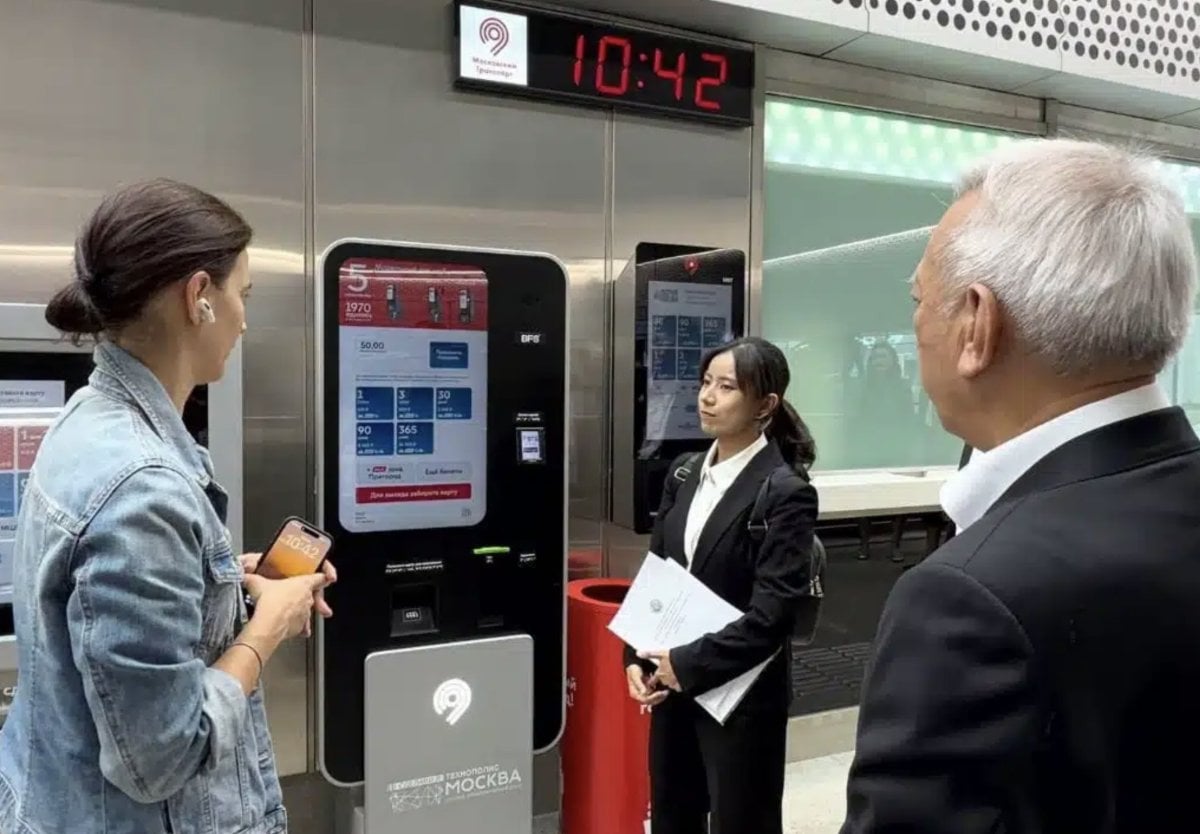
Moscow Metro presented its cashless payment methods, which include bank cards, QR codes, digital devices, biometric verification and Face Pay. The operator said about 93% of its passengers use cashless payments, although cash and staffed services are still available.
The Thai group also looked at multi-payment ticket gates, remote customer support enabling passengers to contact station staff, and a digital assistant providing journey information.
Officials also discussed Moscow Metro's use of QR codes to collect passenger feedback before expanding new services. Thailand's ministry said this helps ensure technology is introduced to meet passengers' needs, rather than simply because it is new.
Keeping trains running
The delegation travelled on the metro to assess daily operations and onboard information displays. These show current and next stations, journey times and interchange details.
Moscow Metro said trains can run at intervals as short as 90 seconds at peak times. It attributed this to coordinated scheduling, having trains ready for service and regular maintenance.
State Railway of Thailand Governor Anan Phonimdaeng discussed Moscow Metro's regime of regular checks and scheduled maintenance aimed at avoiding breakdowns and keeping trains in operation.
At the Aminevskoye Electric Depot, Russian officials explained how they prepare trains for daily service, inspect equipment and manage maintenance plans across the fleet.
Moscow Metro operates nearly 7,000 rail cars. The depot supports 31 eight-car trainsets, with 28 operating at peak periods and three remaining under inspection and maintenance.
Possible lessons for Thailand
Russian officials also described a system under which train manufacturers remain responsible for maintenance after delivery. Mileage and performance data are used to repair or replace components before they fail, reducing breakdowns and improving reliability.
Thailand's Ministry of Transport said the model could help it assess both train reliability and the complete cost of purchasing and maintaining rolling stock throughout its working life.
The ministry said Thailand and Russia will continue to explore cooperation on station technology, ticketing, maintenance and staff training.
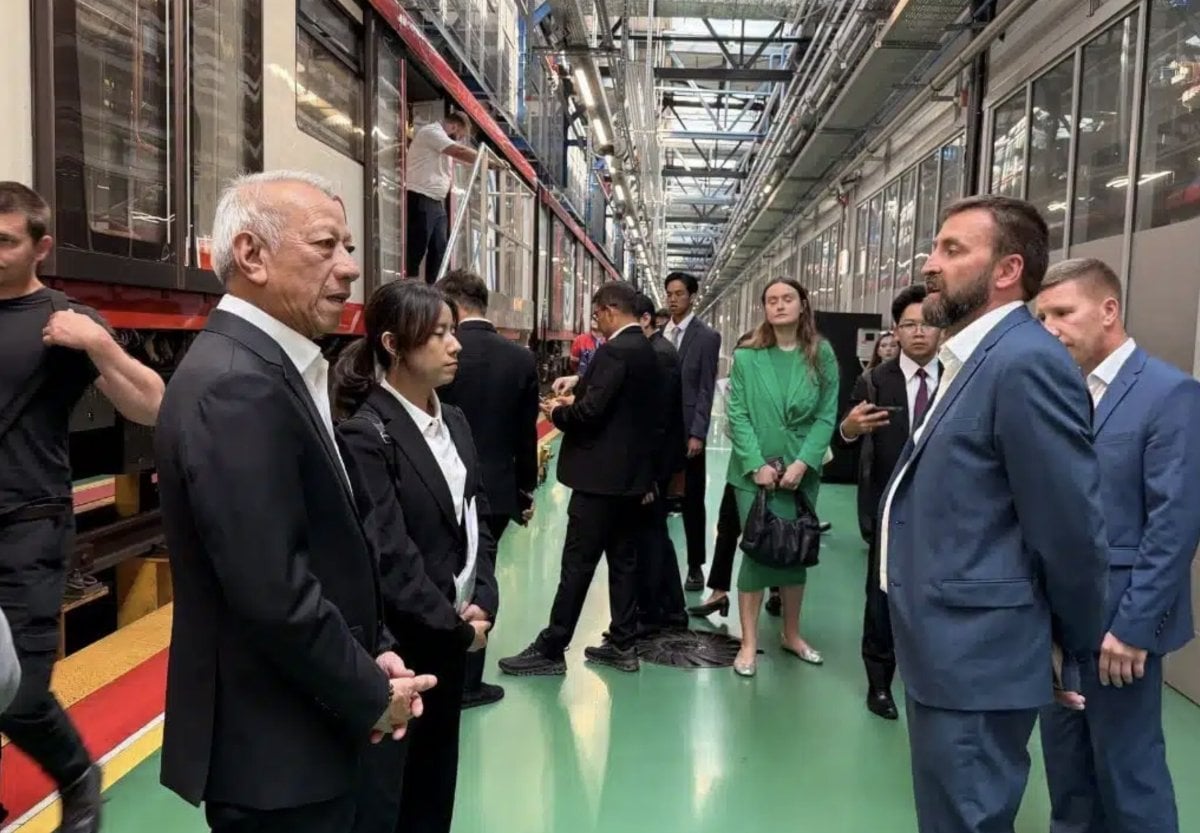
Pictures courtesy of Ministry of Transport
Join the discussion? 

7 August 2026
-
 1
1
Recommended Comments
Create an account or sign in to comment