



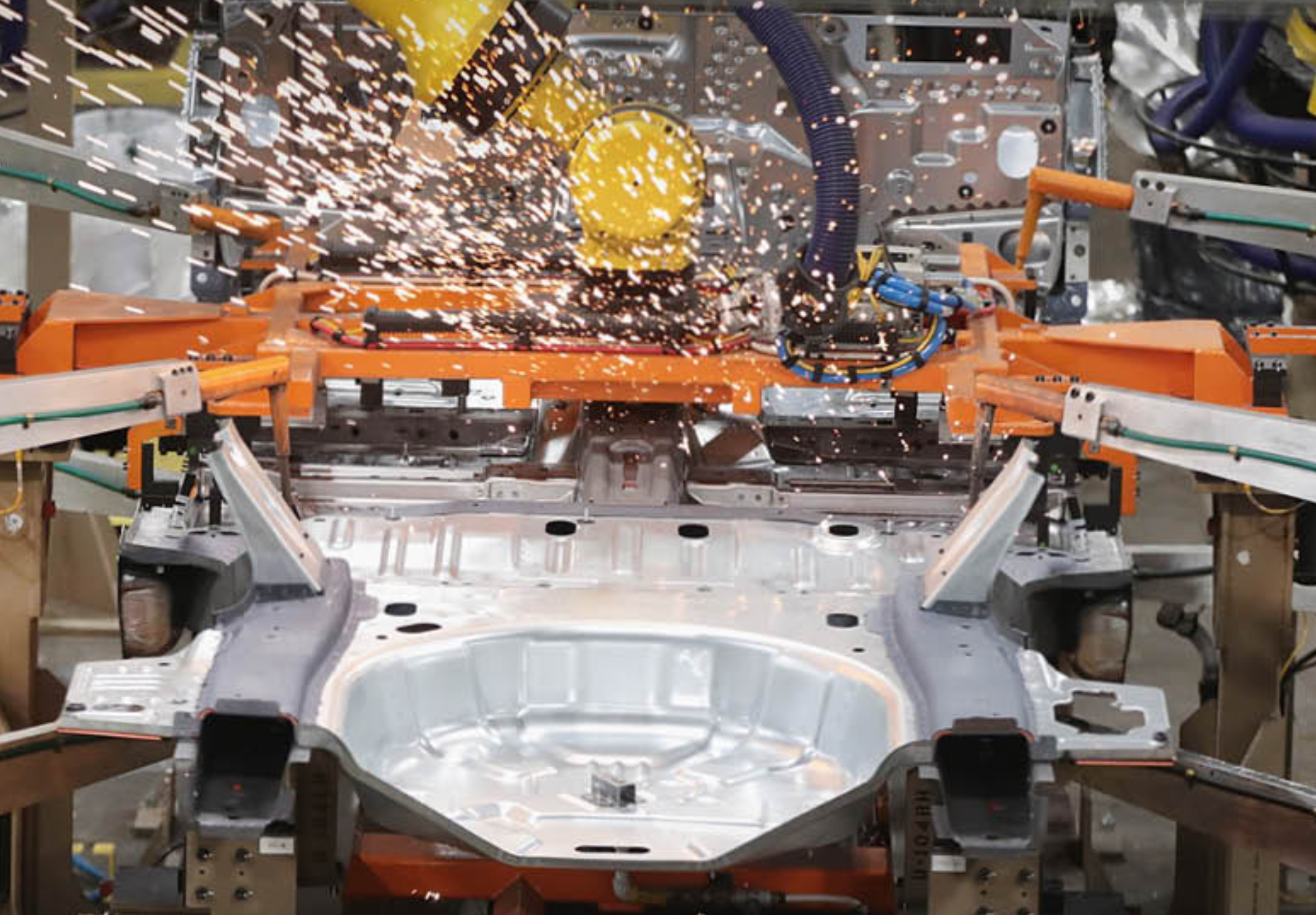

Thailand has set a target for electric vehicles (EVs) to account for 50% of total car production by 2035, as officials warn that more than 110,000 workers could face disruption from the industry transition.
Get today's headlines by email 
The National Economic and Social Development Council (NESDC) said in its first-quarter 2026 social conditions report that Thailand’s EV sector is expected to continue expanding. Between 2026 and 2028, new registrations of electric passenger vehicles are forecast to reach 125,000 units annually, representing average yearly growth of 3.8%.
The government has already set a goal for EV production to account for at least 30% of all vehicle manufacturing by 2030, rising to 50% by 2035. As a result, production of internal combustion engine vehicles is expected to decline steadily over the coming decade.
The shift is expected to have a significant impact on automotive parts manufacturers, particularly Tier 1 suppliers delivering directly to vehicle assemblers and Tier 2 suppliers further down the supply chain. Many of these companies remain heavily dependent on conventional engine vehicle production.
According to the NESDC, EVs require far fewer components than traditional petrol-powered vehicles. The number of local parts used could fall from around 2,000 in conventional vehicles to as few as 20 in EV production, increasing pressure on manufacturers and workers tied to existing supply chains.
Earlier estimates from Krungthai COMPASS suggested that during 2026, more than 110,000 workers, or 16.3% of Thailand’s automotive industry workforce, could face the risk of moving into other sectors. The report cited persistently low levels of Thai vehicle production and the inability of some parts manufacturers to adapt quickly enough to the transition towards EVs.
The NESDC said relevant government agencies should introduce measures to support both businesses and workers affected by the changes. Suggested measures include helping manufacturers adjust production lines towards new industries such as EV components and medical equipment manufacturing.
The warning comes as Thailand continues positioning itself as a regional EV manufacturing hub, attracting investment from international carmakers and battery producers. However, officials acknowledged that the transition could create labour market disruption if companies and employees are unable to adapt quickly.
The Standard reported that further government policies and industry support measures are expected to be considered as Thailand works towards its long-term EV production targets while attempting to minimise the economic impact on suppliers and workers.
Join the discussion? 
Already a member? 
 Adapted by ASEAN Now TheStandard 2 June 2026
Recommended Comments
Create an account or sign in to comment