



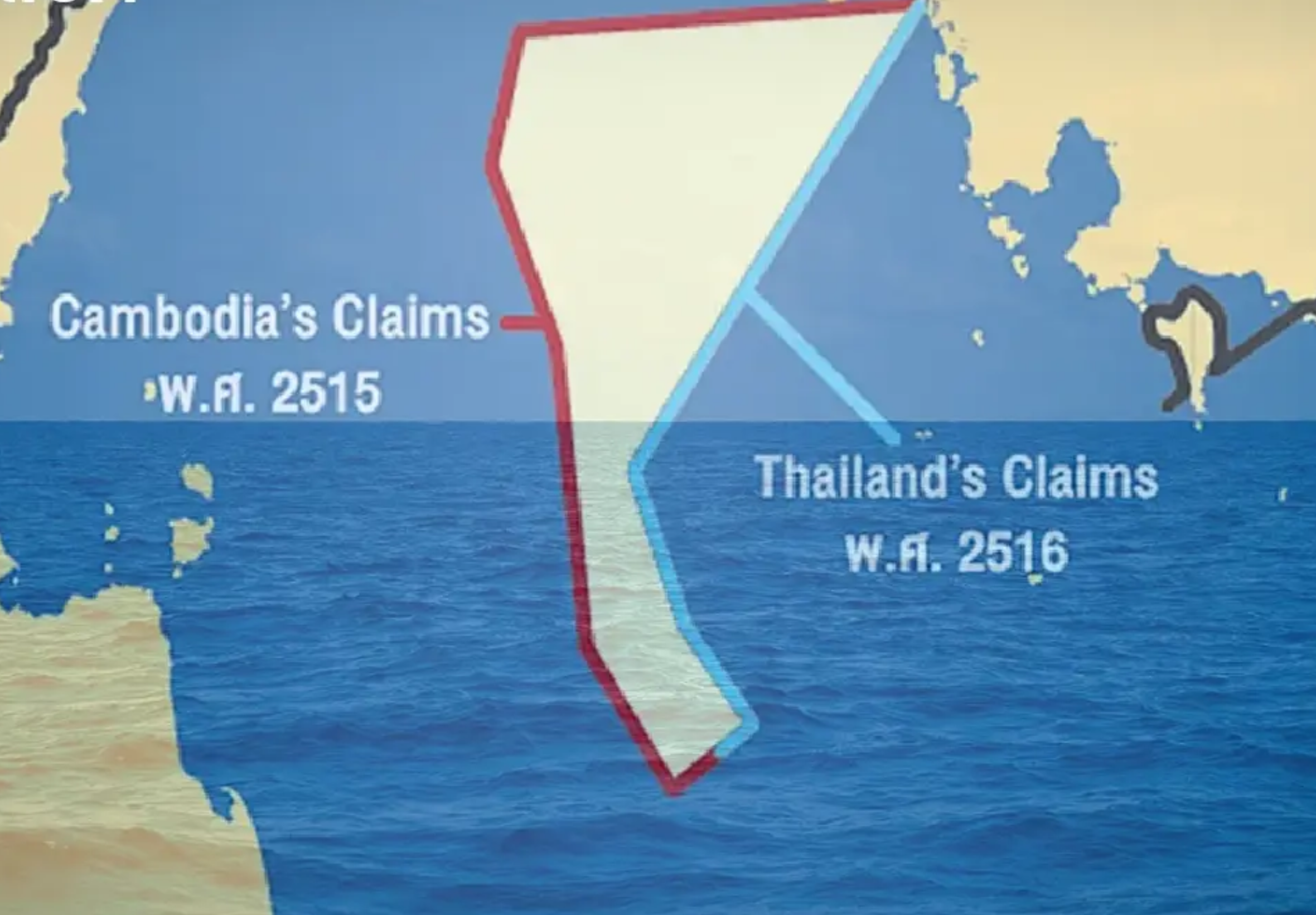

Thailand has been warned not to underestimate Cambodia in the growing dispute over overlapping maritime claims and undersea energy reserves, as experts say Phnom Penh is highly prepared for a legal confrontation under international law.
Get today's headlines by email 
Independent scholar and international relations specialist Kritsada Boonruang said the move within Thailand to revoke the 2001 maritime agreement known as MOU 44 could strengthen Cambodia’s position. He warned that ending the agreement unilaterally allows Cambodia to argue that bilateral negotiations had failed, creating grounds to escalate the dispute to the International Tribunal for the Law of the Sea (ITLOS) under the United Nations Convention on the Law of the Sea (UNCLOS).
Kritsada made the comments during a broadcast on Nation TV, where he described Cambodia as “exceptionally well-prepared” for an international legal battle. He said Cambodia’s advantage stemmed partly from its close links to Hidehisa Horinouchi, a current ITLOS judge and former Japanese ambassador to Cambodia.
According to Kritsada, Horinouchi developed strong ties with Cambodia’s leadership, including Hun Sen, during his diplomatic service in Phnom Penh. He alleged that Horinouchi had previously advised and trained Cambodian officials, giving them insight into international maritime law, legal strategy and the type of evidence likely to influence international mediators.
The warning comes as tensions continue over overlapping maritime claims believed to contain energy reserves worth trillions of baht. Recent developments have included Cambodia seeking UNCLOS conciliation and Thai officials discussing possible diplomatic steps to restore trust between the two countries.
Kritsada noted that Thailand also possesses experienced legal expertise, including Prof Dr Kriangsak Kittichaisaree, who serves as Thailand’s representative at ITLOS. However, he argued that international disputes are determined by consistent state policy rather than individual legal talent.
He said Thailand’s political instability and frequent policy shifts could weaken its position, while Cambodia had steadily invested in international legal preparation and hired leading consultants to prepare for the compulsory conciliation process available under UNCLOS.
Kritsada also suggested that international arbitration could ultimately provide both governments with political cover to reach an agreement over offshore energy development. He said a third-party ruling might help both sides avoid domestic nationalist pressure while securing economic benefits.
The Nation reported that he concluded by warning that international disputes are increasingly shaped by legal precision and diplomatic strategy rather than military strength or natural resources. He said Thailand must avoid being strategically outmanoeuvred as the dispute develops further.
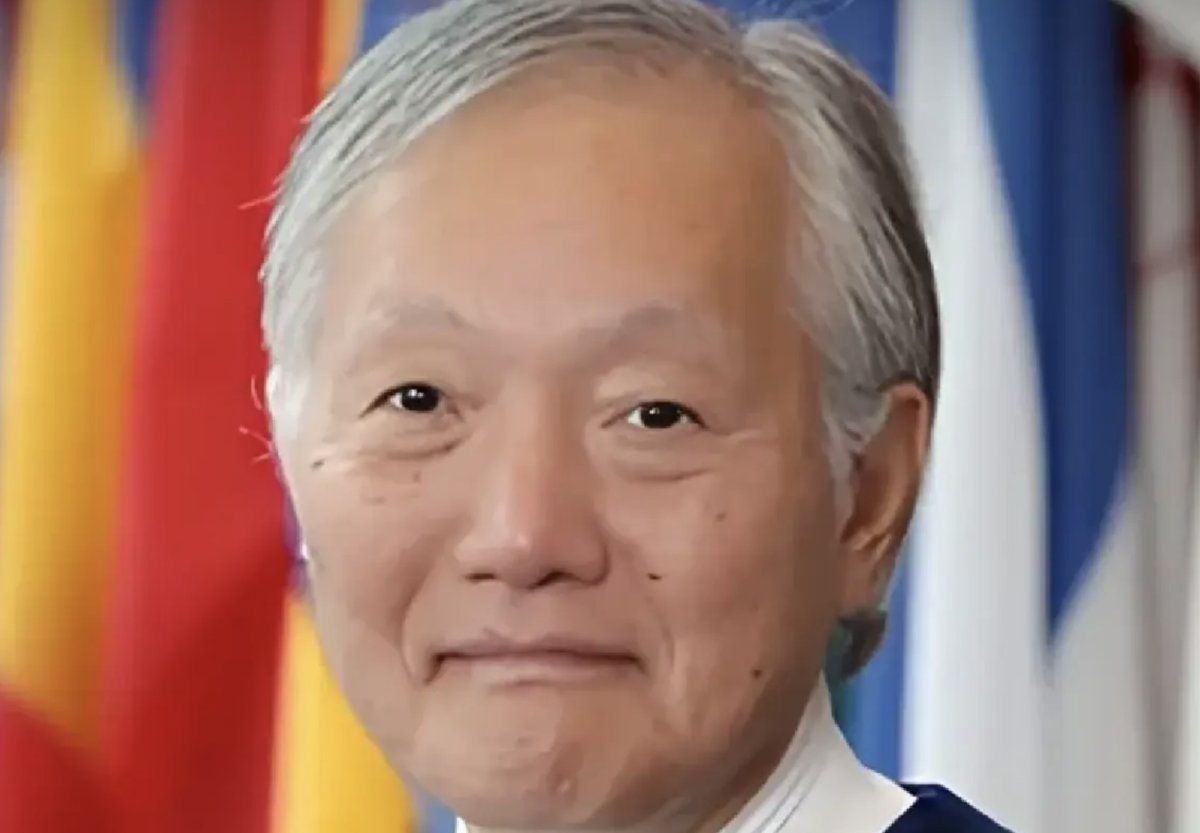
Picture courtesy of The Nation
Related stories
Anutin-confirms-Koh-Kood-stays-Thai
Thai-cabinet-ends-2001-maritime-pact-with-Cambodia
Join the discussion? 
Already a member? 
 Adapted by ASEAN Now Nation 11 May 2026
Recommended Comments
Create an account or sign in to comment