



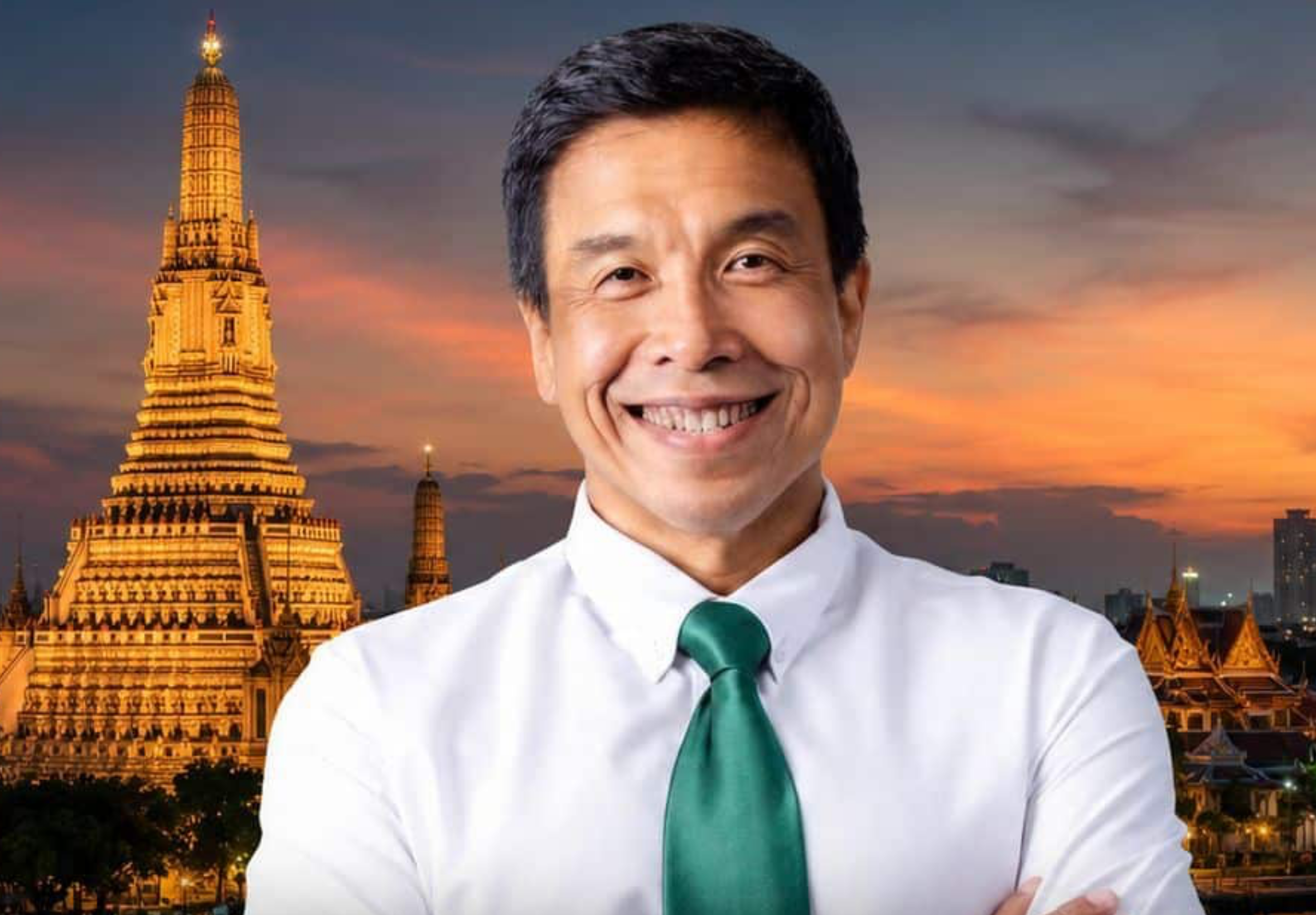

Bangkok remains the only province in Thailand where residents directly elect their governor, highlighting the capital’s unique administrative status and the country’s highly centralised system of government. While Bangkok voters regularly head to the polls to choose their leader, governors in the other 76 provinces are appointed by the Ministry of Interior as senior civil servants responsible for implementing national policy.
Get today's headlines by email 
Thailand’s centralised structure dates back to reforms introduced by King Chulalongkorn (Rama V) during the 1890s, when semi-independent local rulers were replaced with centrally appointed officials. That system remains largely unchanged today, with provincial governors routinely transferred between provinces to prevent them from establishing entrenched local power bases. Their role is to represent the central government rather than the people living in the province.
Bangkok became the exception in 1972 when the former provinces of Phra Nakhon and Thonburi were merged into the Bangkok Metropolitan Administration, creating a special administrative area that combines provincial and municipal responsibilities. The Bangkok Metropolitan Administration Act introduced direct elections for the city’s governor, with the first vote taking place in 1975. Lawmakers argued that Bangkok’s size, complexity and national importance required a more accountable leadership capable of responding to issues such as urbanisation, transport and flooding.
Successive governments have declined to extend the same electoral model to the rest of the country, preferring to retain provincial governors as Interior Ministry appointees. According to academic Thanet Charoenmuang, who campaigned for an elected governor in Chiang Mai during the early 1990s, officials rejected the proposal over concerns that greater local autonomy, particularly in border provinces, could encourage national fragmentation.
Although Bangkok is the only province with an elected governor, it is not the only area where residents directly elect a local executive. Pattaya, which has special administrative status within Chonburi province, also elects its mayor. Across Thailand, voters also elect chairpersons and councillors to Provincial Administrative Organisations (PAOs), which manage selected local services and budgets but do not replace the authority of the appointed provincial governor.
Bangkok’s own right to elect its governor has not always remained in place. Elections were suspended during periods of military rule from 1977 to 1985 and again from 2014 to 2022, when the post was filled by ministerial appointment. The city’s democratic process resumed with the Bangkok governor election held in May 2022.
The Thaiger reported that calls to introduce elected governors nationwide continue to surface, with supporters arguing the change would strengthen local democracy and improve administrative efficiency. However, five decades after Bangkok’s first governor election, no government has introduced nationwide reform, leaving the capital as Thailand’s sole province where the governor is chosen at the ballot box.
Join the discussion? 
Already a member? 
 Adapted by ASEAN Now The Thaiger 30 June 2026
-
 1
1
Recommended Comments
Create an account or sign in to comment