



Leaderboard
There are no members to show
Popular Content
Showing content with the highest reputation since 08/27/2026 in Articles
-

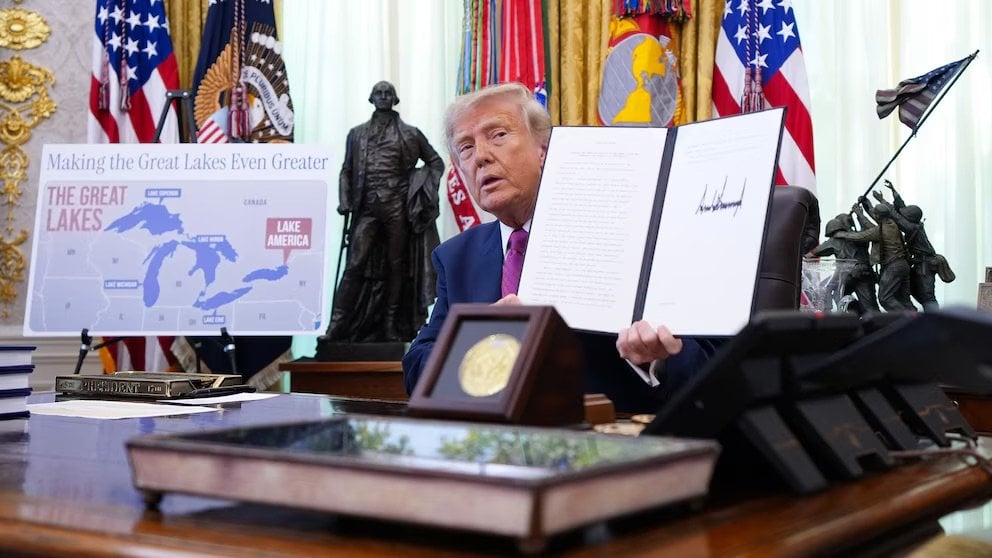 US President Donald Trump has signed an executive order aimed at renaming Lake Ontario as “Lake America”, adding a further flashpoint to a deepening trade dispute with Canada. The decision follows the breakdown of US-Canada trade talks late last week. The US then imposed new 50% tariffs on C$28bn ($20bn) worth of Canadian goods, while Canada said it will respond with “dollar for dollar” counter-tariffs next month. Trump had previously warned on social media that he would seek to change the name of the lake, one of the five Great Lakes shared by the two countries. On Thursday, he said the order was “official, effective immediately” and that his administration had completed the paperwork needed to carry out the change. US Department To Update Geographic Name RecordsIn the order, Trump directed the US Department of the Interior to update the Geographic Names Information Service, the official repository of domestic geographic names in the United States, to reflect the new name. He argued that the lake’s renaming was not intended as a direct message to Canada, but said the country had “been ripping us off for a long time on trade”. Speaking as he signed the order in the Oval Office, Trump said he had been considering the change “for a long time” and drew a comparison with other US geographic name changes, saying there was a “gulf” and a “lake”, before suggesting that the Atlantic or Pacific could also be renamed. There is no single internationally recognised body that sets official names for international waters. The order therefore concerns how the US officially recognises a place within its own geographic records, rather than creating a global naming authority to compel other states. Canada Says Lake Ontario Will RemainCanadian Prime Minister Mark Carney said the name Lake Ontario can be traced back more than 400 years. In a post on Thursday, he pointed to its use before the formation of the Canadian Confederation and the US Declaration of Independence. Carney wrote that Canada recognises the lake as Lake Ontario “today and forever”, adding that the United States was “changing” in areas including trade relations, foreign policy and national monuments. Canada’s response also included reference to long-standing naming origins across the Great Lakes region. Names of four lakes — Ontario, Huron, Michigan and Erie — come from indigenous words, while Lake Superior was named after an anglicised French term. Lake Ontario, the smallest of the Great Lakes, borders the Canadian province of Ontario and the US state of New York. Earlier this week, Canadian Industry Minister Melanie Joly rejected the notion that Canada would adopt the US change, saying: “We’ll always call it Lake Ontario.” Officials have also previously argued that one country’s decisions do not oblige others to follow. Past US Name Changes And Mexico DisputeTrump’s latest executive order follows a similar move during his first term beginning in 2025. At that time, he signed an order changing the Gulf of Mexico to the Gulf of America. Mexico rejected the change, saying a single country cannot rename a shared body of international water. That renaming dispute also affected how the gulf is shown on maps. In the earlier case, Google Maps displayed “Gulf of America” for users in the US, while users in Mexico saw “Gulf of Mexico”. For other countries, the listing included both names in a combined format. The Lake Ontario order comes amid US-Canada relations deteriorating to new lows, with both sides trading insults during the dispute over tariffs and trade conditions over the past week. On Friday night, talks collapsed at the last moment, with both sides accusing the other of pushing for last-minute changes to a tentative deal. There was, however, a sign on Thursday that there could be room for renewed negotiation. Canadian US trade minister Dominic LeBlanc said in a post on X that the US had withdrawn some demands around labelling requirements in French, and that measures to promote French language and Canadian culture would not be subject to future US trade actions. He said Canada looked forward to further clarifications that could enable a mutually beneficial agreement reflecting Canadian sovereignty. Join the discussion? 28 August 202612 points
 -
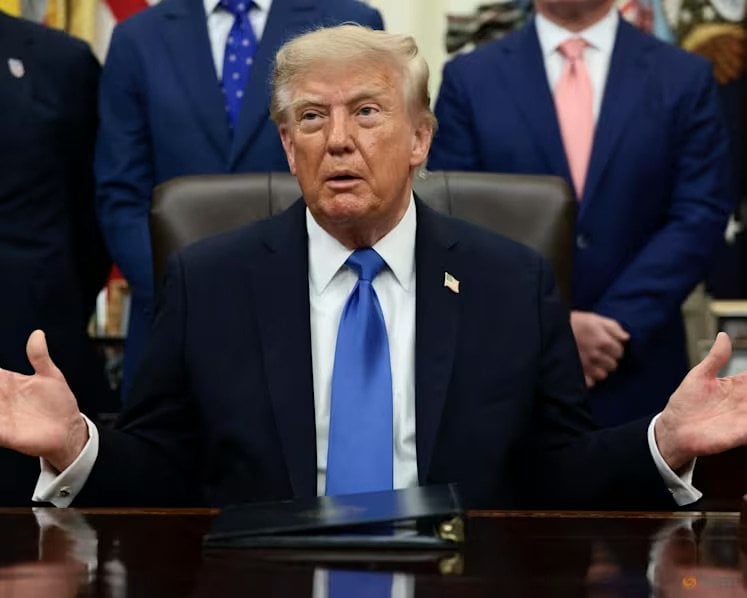 President Trump floated the idea of changing the name of the Strait of Hormuz to the “Trump Strait” on Wednesday, despite the international waterway not being owned by a single country. In a post on Truth Social, Trump said the proposal should be considered now that the strait is under U.S. control, adding that he believed the renamed strait would be “hotter” than before. He did not provide further details about how the change would be carried out. The Strait of Hormuz is an international shipping lane with water that lies in and around the territories of Oman and Iran. Its legal status is not determined by any one state. Proposal Follows Trump’s Territory SuggestionTrump’s naming idea came after he suggested last month that he would declare the Strait of Hormuz a U.S. territory. During remarks last month, he said he would be “declaring the Hormuz Strait a territory of the United States”. He has not explained how the U.S. would rename the waterway or what legal steps it would take to establish the strait as U.S. territory. Importance for Global EnergyRoughly 20 percent of the world’s oil and gas is transported through the Strait of Hormuz. The conflict involving Iran has reduced shipping activity, and energy prices have risen globally, according to the account provided. The U.S. also maintains a naval blockade on the route. War With Iran ContinuesThe war between the U.S. and Iran has passed six months, with no deals reached to end the fighting or to stop Iran’s nuclear programme. On Tuesday, the U.S. launched a new wave of strikes on Tehran. Trump said at the time that he was not seeking to push Iran into negotiations. He said he preferred the current situation, describing the U.S. as having almost total control of the Hormuz Strait and claiming that Iran’s economy was collapsing. He also urged Iranian people to oppose the situation, saying they would need to rise up and fight. Join the discussion? 3 September 20269 points
 -
 British right-wing commentator Milo Yiannopoulos has been detained by Immigration and Customs Enforcement (ICE), according to entries in the agency’s records. The 41-year-old former Breitbart News editor and former employee of rapper Kanye West is listed in an ICE inmate registry search as being held in Louisiana, the records indicate. ICE and Yiannopoulos have not responded to requests for comment from the BBC, and the circumstances of the detention were unclear. His name and British nationality appear in a search of detainees across the United States. Where Yiannopoulos Is ListedYiannopoulos, who has been living in the United States, appears under the agency’s records with British origins. The reference to his detention comes from an online search of the ICE inmate registry, which shows his location in Louisiana. No additional details about the reasons for detention were given in the records, and neither ICE nor Yiannopoulos has provided an explanation. Trump Campaign Booster, Later Break From MovementYiannopoulos grew up in Kent in southern England before moving to the US. He was an early supporter of Donald Trump during the 2016 election campaign and took part in an event called Gays for Trump during the Republican National Convention that year. After moving away from parts of Trump’s political movement, Yiannopoulos continued to support the Republican president’s agenda. Last year, he posted on X calling for “Total legal immunity for ICE agents when they’re on duty”. In March this year, he wrote on X that Trump “has lost his way, bought off by foreign interests”. Criticism Over Comments And Self-Described IdentityYiannopoulos has repeatedly attracted controversy for his remarks about transgender people, Muslims, Black Lives Matter, feminists and gay people, despite identifying as gay. He now describes himself as an “ex-gay”. His writing has included provocative column titles such as “Birth Control Makes Women Unattractive and Crazy” and “Would You Rather Your Child Had Feminism or Cancer?” He has also presented himself as a provocateur, calling himself the “most fabulous supervillain on the internet”. Critics have described him as promoting hate speech. CPAC Uninvited After Footage, Then ResignationIn 2017, Yiannopoulos was uninvited from speaking at CPAC, a US conservative conference that also hosted Trump, after footage emerged in which he appeared to condone paedophilia. Yiannopoulos later apologised and resigned from Breitbart. He denied the allegations, saying he had been speaking about his own experiences as a child. He has also been regularly linked with the alt-right, a loose movement known for opposing political correctness and feminism and associated by critics and analysts with neo-Nazis and white supremacists. Yiannopoulos has said he does not see himself as part of the alt-right, although he has described it as “energising and exciting”. Join the discussion? 29 August 20267 points
 -
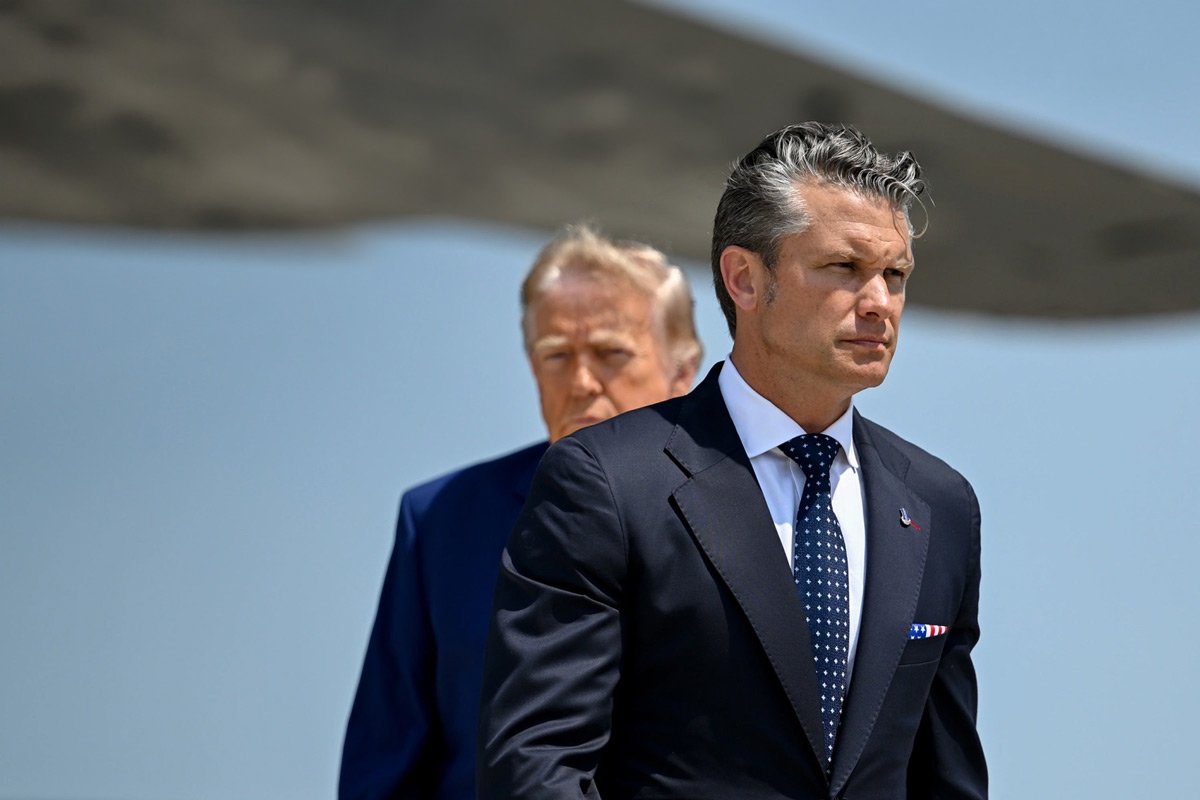 President Donald Trump said on Monday that it was too early to discuss whether Pete Hegseth, the US Defence secretary, would run for president in 2028. Speaking to reporters in the Oval Office, Trump responded to fresh discussion about Hegseth’s possible candidacy by saying it would be premature to talk about it now. He added that he believed Hegseth had been focused on his role and on the military. Trump Says It’s Too Early for 2028Trump told reporters that the matter should not be considered at this stage. He said the immediate priority was the next election cycle, adding that the country needed to get through the midterms first. He also indicated that, in his view, many people were contemplating a range of political possibilities, without being publicly visible. Trump said he believed Hegseth’s attention remained on the armed forces and on looking after service members. NBC Report and Hegseth’s DenialThe comments came after NBC News reported over the weekend that Hegseth was considering the possibility of running for president in 2028. Hegseth later rejected the report. In a post on the social media platform X, he said the claim was “100% false”. He said that he had told NBC the report was incorrect, and that the outlet had relied on anonymous “sources”. Hegseth also wrote that his only job was to “Make @DeptofWar Great Again”, before ending the post with “Carry on Patriots, and enjoy your Friday night”. Other Potential 2028 ContendersTrump’s remarks were made as a number of his allies have been mentioned in connection with potential 2028 campaigns. Those names include Hegseth, Vice President JD Vance, and Secretary of State Marco Rubio. Trump has also previously addressed questions about other figures. Last week, he was asked about the possibility of Senator Ted Cruz, a Republican from Texas who once ran against him for the presidency but later became an ally, pursuing a 2028 bid. In that exchange, Trump praised Cruz, saying he might choose to run and describing him as a talented figure. Join the discussion? 1 September 20265 points
 -
 The Dutch central bank, DNB, has confirmed that 86 tonnes of gold were moved from the United States and Canada to London, citing “increasing geopolitical unrest”. The bullion is now held by the Bank of England, where DNB said it can be traded more easily “in a crisis situation”. Gold Transfers Carried Out Over MonthsDNB said the operation to relocate the precious metal took several months and took place between March and August. It involved multiple stages, including a transfer of 27 tonnes of gold bars from New York and Ottawa to Zeist in the Netherlands. A similar quantity of bars was then moved from the Netherlands to London without melting the bullion, DNB said. The rest of the transfer was carried out through financial transactions rather than direct bar movements: DNB said it sold the gold in New York and repurchased it in London. DNB said combining buying and selling with physical transport helped it spread risks associated with moving gold across borders. Exactly how the bullion was shipped across the Atlantic was not disclosed. Bank Of England Cited For Crisis TradingDNB president Olaf Sleijpen said the move was necessary to “strengthen our resilience and preparedness”. In its statement, the central bank said gold held with the Bank of England is regarded as the world’s most easily tradable, making it more readily available in a crisis than if it remained in the US or Canada. DNB did not specify what it was referring to when it mentioned geopolitical unrest. It pointed instead to broader uncertainty affecting global trade. Trade Dispute And Market PressureThe announcement comes as the US and Canada remain locked in a trade dispute. Both countries have announced new tariffs on each other after failed trade talks. DNB said the US economy remains uncertain due to the country’s ongoing war with Iran, which it said has impacted global trade. It also cited the effect on Canada of US tariffs on key sectors including steel, aluminium, lumber and automobiles, along with an additional 50% levy on about C$28bn (US$20bn; £15bn) of Canadian goods announced in August. Reshaped Holdings Across LocationsBefore Wednesday’s announcement, DNB held 31.3% of its gold in New York and 19.7% in Ottawa. After the relocation, those shares have fallen to 18.5% in both locations. DNB said the Netherlands’ total gold stock was 612.4 tonnes at the end of 2025, valued at €72.2bn. Its share of gold held in London increased from 18.1% to 32.1% following the move, while 30.8% of its reserves remain held in the Netherlands. Join the discussion? 3 September 20264 points
 -
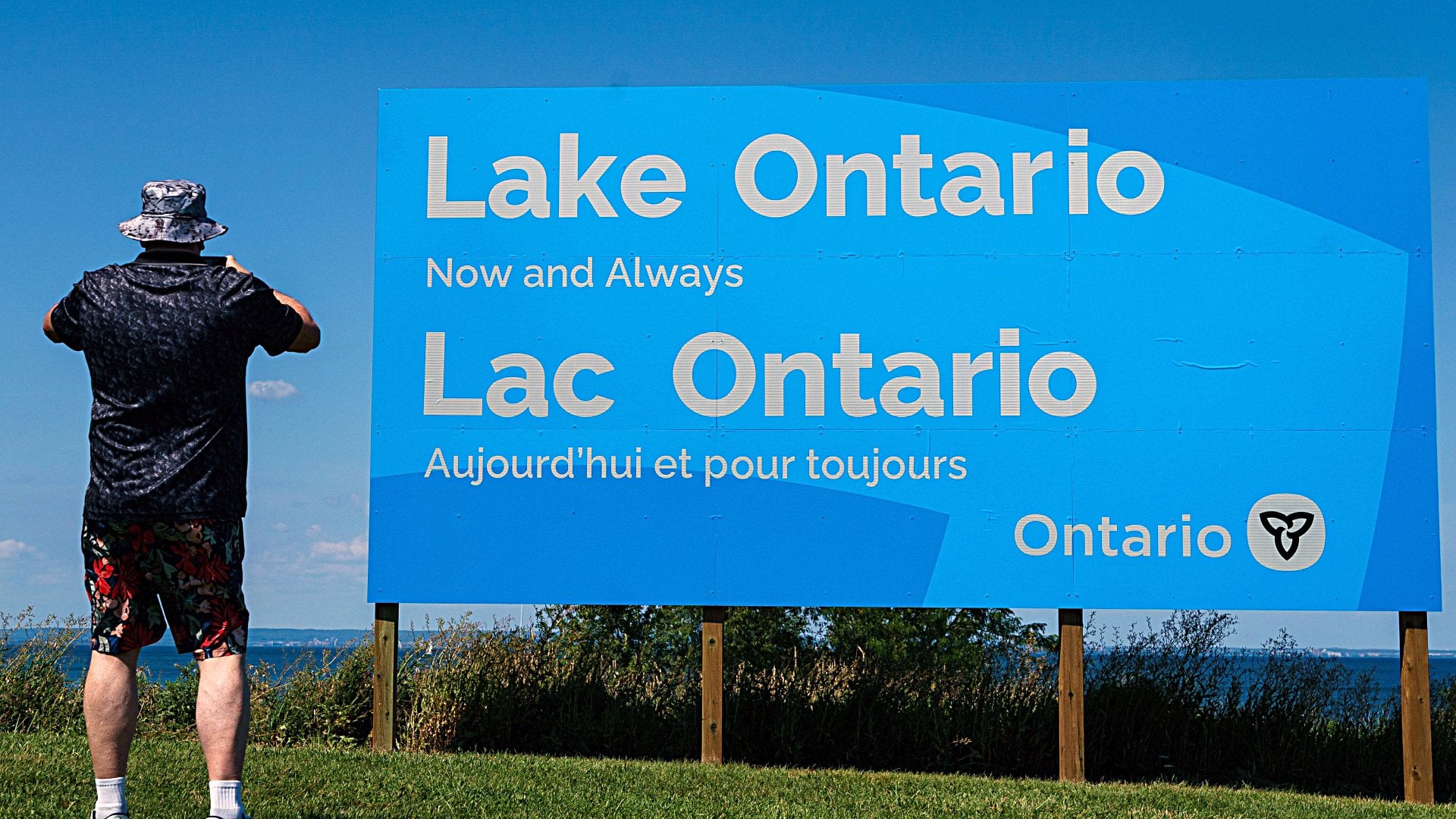 Ontario Premier Doug Ford has responded to US President Donald Trump’s move to rename Lake Ontario by installing a large sign along Canada’s shoreline stating: “Lake Ontario. Now and Always.” Ford unveiled the sign while criticising Trump’s decision, saying the lake had long been known as Lake Ontario and would continue to be called that regardless of US actions. He said Trump’s renaming was driven by dissatisfaction with Ontario and Canada “standing up for ourselves”. The dispute follows an executive order Trump signed on Thursday, which seeks to change the lake’s name in the United States to “Lake America”. The president also shared a series of AI-generated videos on social media, including footage depicting a lake sign being overturned and replaced with one reading “Welcome to Lake America”. Trade Row Spurs Fresh Name DisputeThe latest exchange of remarks came after trade talks between the two countries collapsed. The US introduced new 50% tariffs on $20bn (C$28bn) worth of Canadian goods. Canada is set to respond with “dollar for dollar” counter-tariffs next month, aimed at matching the US measures. Trump said his decree took effect immediately when he signed the order and posted content online to reinforce the new name. Canadian officials have dismissed the renaming effort, arguing that other countries are not obliged to adopt changes made unilaterally by the US. Ford Frames Renaming As Insult To CanadaStanding in front of the newly installed sign, Ford said the message was intended to ensure Trump, or others, “forget[s]”, adding that the lake is “Lake Ontario, now and forever”. The row mirrors earlier comments by Canadian Prime Minister Mark Carney, who had said “things must be called by their name”, and that the lake is called Lake Ontario “today and forever”. Ford’s remarks also referenced the executive order’s effect on how the US recognises geographic features. Under the order, the US Department of the Interior has 30 days to update the name through the Geographic Names Information Service, which serves as the official repository of domestic geographic names in the US. Great Lakes Origins Cited As Ontario And New York BorderLake Ontario is the smallest of the Great Lakes and lies on the border between the Canadian province of Ontario and the US state of New York. The names of four Great Lakes—Ontario, Huron, Michigan and Erie—are derived from Indigenous words, while Lake Superior is named after an anglicised French term. Trump’s executive order is not the first time his administration has attempted to rename a shared body of water. When Trump entered the White House in 2025, he signed an order changing the Gulf of Mexico to the Gulf of America. Mexico rejected the change, saying a single country cannot rename an international water body shared by multiple nations. That earlier move also led to a legal dispute involving Mexico and Google after the company used “Gulf of America” in its maps service. As a result, Google Maps users in the United States see “Gulf of America”, while users in Mexico see “Gulf of Mexico”. In other countries, the name appears as “Gulf of Mexico (Gulf of America)”. Join the discussion? 30 August 20264 points
 -
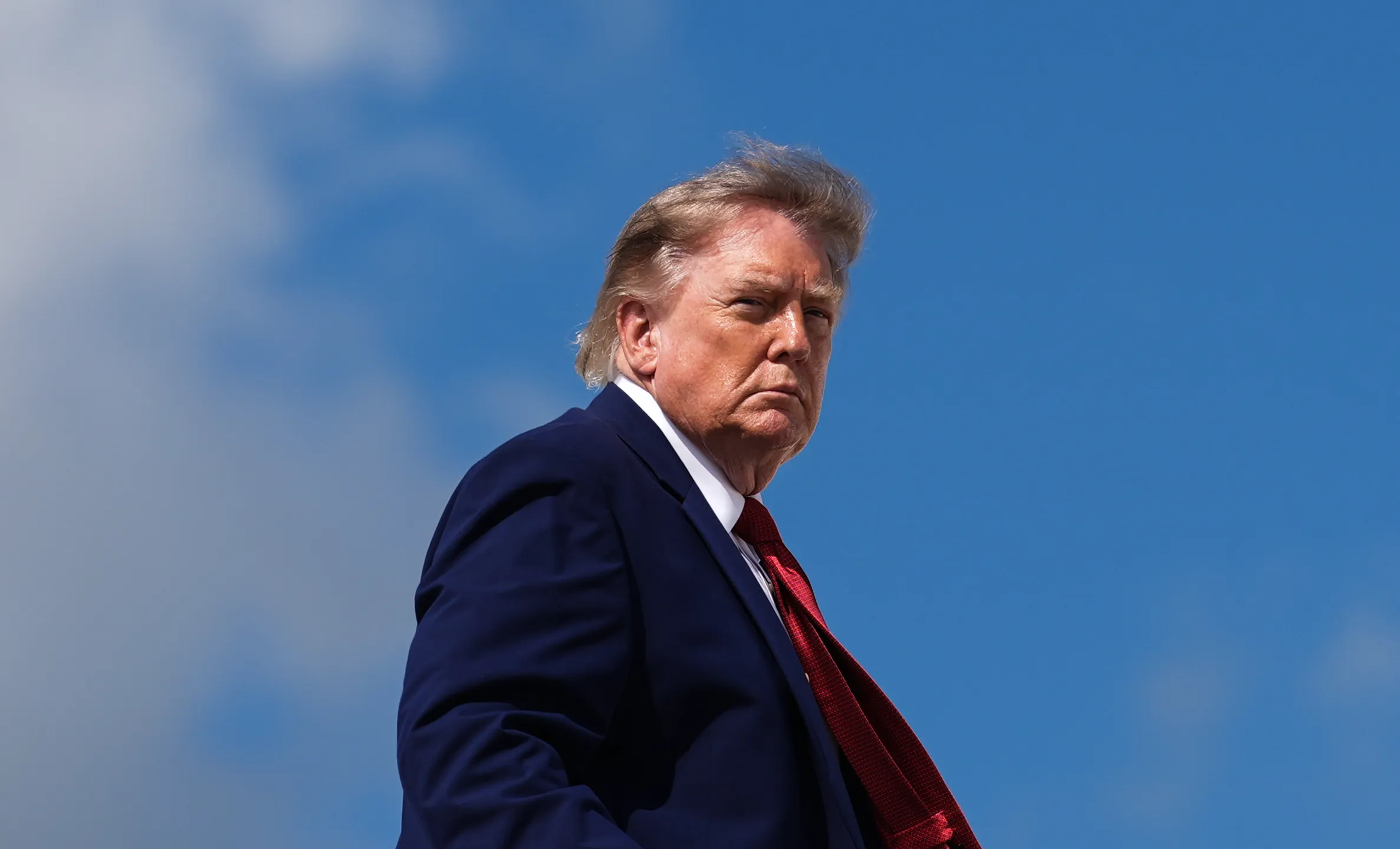 President Donald Trump has been signalling for weeks that congressional Republicans could face blame of their own if the party suffers major losses in the 2026 midterm elections ANALYSIS Trump has long disliked losing elections, repeatedly trying to explain setbacks by pointing to unsubstantiated claims of mass voter fraud. Ahead of November, he has instead turned his focus inward, suggesting that Republicans would be responsible if they fail to meet expectations at the ballot box. Resharing And Threat Of “Frustration”On Wednesday, Trump drew attention by re-sharing a month-old post by a loyal supporter, Matt Van Swol, who warned that Republicans were “sleepwalking toward a midterm reckoning they don’t see coming”. In the original post, Van Swol argued that Republicans in Congress had not delivered legislative progress to support Trump’s agenda, and said that if lawmakers did not begin producing “tangible results”, voters’ frustration would have consequences. Trump later posted additional material listing what he said were his own achievements. He also shared an image declaring “mission accomplished” in the Iran war, underscoring the contrast he was drawing between his record and what he suggested the party has not done enough to secure. Leavitt Response And False ClaimsAsked on Thursday whether Trump was distancing himself from congressional Republicans, White House press secretary Karoline Leavitt said: “The president is wholeheartedly committed to helping Republicans across the board retain the majority.” But Trump had set out the case more directly earlier in the month, including in an interview with Punchbowl News in which he claimed—falsely—that voters were angry at other Republicans rather than him. He said: “The question is, will (people) vote? Because a lot of them are very angry at Republicans, to be honest with you,” adding: “They’re angry at Republicans, but they’re not angry at me.” The article also references polling figures from CNN Poll of Polls, saying 63% of Americans disapprove of Trump and that fewer than 1 in 5 strongly approve of him in most quality polls. Trump’s broader messaging has also suggested voters would reward him personally while withholding support from other Republican figures, setting up the possibility of a sharper intraparty fight if the GOP does poorly. Push On Elections Bill And FilibusterEarlier in the summer, Trump urged Senate Republicans to abandon the filibuster and pass his elections bill, the “Save America Act”, repeatedly framing the issue as a test for the party’s electoral prospects. At Mount Rushmore on July 3, he said Republicans could only “lose the midterms” if they failed to pass the legislation, adding that refusing to do so could be “foolish, stupid, and unwise”. Later in July, he warned that if Republicans did not “get it done”, it would be “a very bad thing for the party”. On July 29, Trump said that if there was not “unanimous GOP support”, voters should look at the Republicans who withheld it. He also targeted Senate Majority Leader John Thune in posts that implied disappointment with efforts to remove the filibuster, including a message stating: “Remember, stupidity always brings LOSING & DEATH!” Trump has also encouraged voters to “pretend” he is on the ballot and vote accordingly, while seeking to keep the midterms focused on him through a Trump-branded midterm convention next month. The Atlantic reported that the convention and related advertising plans featured Trump prominently in super PAC materials, according to the article. Midterm Strategy And Potential FalloutThe warning from Trump’s approach is that the political coalition that supports him may be less reliable when he is not personally on the ballot. With his approval ratings described as low, Republicans have acknowledged they face limited space to win over swing voters, with CNN reporting that sources pointed instead to mobilising MAGA supporters. If Republicans were to lose one or both chambers of Congress, the narrative would likely turn quickly to how much damage Trump’s role has done to the party and to whether he is a weakened lame-duck president with two years remaining. In that scenario, he would be expected to respond to any suggestion his leadership is responsible for the results. If, however, Trump chooses to lay the blame primarily on congressional Republicans, the GOP could face a difficult internal struggle shortly after an election defeat, just as it looks for a new direction beyond the Trump era. Join the discussion? 28 August 20264 points
 -
 President Donald Trump pushed back on a New York Times report saying he will not attend a ceremony in New York City marking the anniversary of the 11 September 2001 attacks, after organisers rejected his request to speak at the event. The Times said on Friday that Trump’s team had conveyed the president’s interest in taking part to the ceremony’s organisers over recent weeks. It cited three unnamed sources familiar with the discussions. The National September 11 Memorial and Museum has prohibited speeches by politicians at the ceremony since 2012, a policy that has been in place for more than a decade. Pentagon Plan and New York RepresentationThe New York Times reported that Trump is now expected to attend a memorial service at the Pentagon on this year’s anniversary. It also said that Vice President J D Vance would represent the White House at the New York event. Trump’s response to the report was posted on Truth Social. He criticised the Times’ account and said he had been to New York “many times over the years” and that “no one ever speaks”, describing the event as a “solemn ceremony”. He also wrote that he “would love not to speak”, adding: “because I’m speaking all the time.” Trump Targets New York Times ReporterAlongside his comments about the ceremony, Trump attacked one of the journalists who worked on the story. He derided Maggie Haberman as a “Fake Reporter” and said she was “an unattractive person both inside and out” in a post on Friday. Trump also claimed Haberman had been “falsely writing about me for years” and said she was a “stalker”. In the same post, he added that she should be forced to turn over money he said she had earned through reporting he described as “fake”. The post included no evidence or documentation to support those claims. The report referenced officials and procedures around the memorial event, rather than addressing the personal criticism directly. Previous Legal Action Linked to Air Force OneTrump has frequently criticised coverage from The New York Times. Last month, his Justice Department subpoenaed four Times journalists after they reported on potential security risks linked to a new Air Force One aircraft that Trump described as having been gifted by Qatar. The department later withdrew the subpoenas. The Hill said it had contacted The New York Times for comment. Join the discussion? 29 August 20263 points
 -
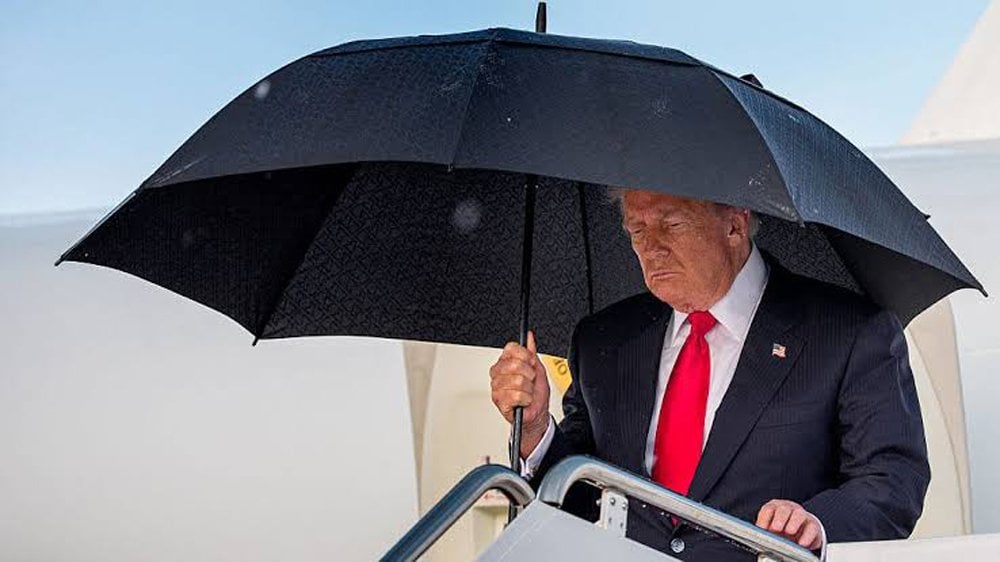 President Donald Trump’s approval rating in his second term has fallen to a new low, according to a Reuters/Ipsos survey. The poll found his approval at 33 percent. That is down 14 points from the start of his second term, when it stood at 47 percent, and down four points from about a month ago, when it was measured at 37 percent. Disapproval WidensAt the same time, Trump’s disapproval rating rose to 65 percent in the survey. It was up 24 points from the beginning of his second term, when it was recorded at 41 percent, and up four points from last month, when it was at 61 percent. Midterms Put Pressure on RepublicansThe new figures come as Republicans face a tough political run-up to the midterm elections. The poll is set against a backdrop of public dissatisfaction about the war in Iran, which is nearing its six-month mark, and heightened economic concerns reported in other recent polling. A separate polling average compiled by Decision Desk HQ showed Trump’s approval rating at 38.7 percent on Tuesday morning, while his disapproval rating was at 57.9 percent. Endorsements Claim Versus Election LossesOn Sunday, Trump promoted his endorsements as “stronger than ever”, despite losses for some candidates backed by him in recent primaries. Posting on Truth Social, he said: “My Endorsements are stronger than ever — Not to mention the fact that good people are getting elected that never had the chance.” He added that 254 candidates he supported won their races this election season. However, recent weeks have also seen defeats for candidates backed by Trump in congressional contests in Florida, Tennessee and Michigan. Poll Timing and MethodThe Reuters/Ipsos poll was conducted from August 21 to 24 and included 1,215 respondents. The margin of error was 3 percentage points. Join the discussion? 27 August 20263 points
 -
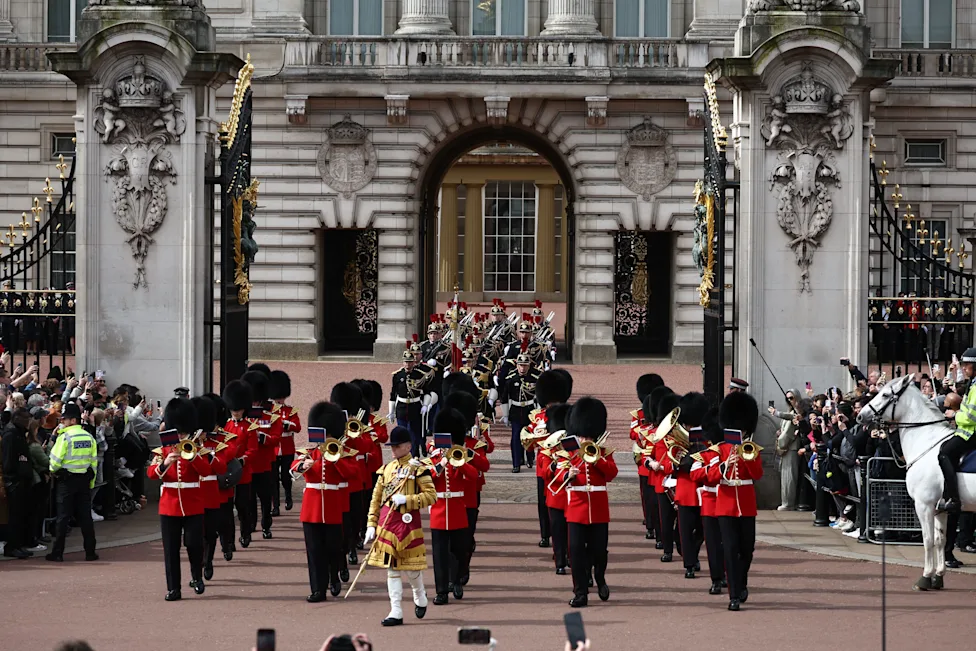 Dolly Parton has been honoured by the British royal household, with the Coldstream Guards performing one of her best-known songs outside Buckingham Palace. The military band played Parton's hit "9 to 5" during the traditional Changing the Guard ceremony at the London palace, paying tribute to the country music star following her death on Aug. 25 at the age of 80. Parton died after a brief battle with cancer. She was widely known for her music and her work supporting children through charitable initiatives. The performance took place at Buckingham Palace, the central headquarters of the British monarchy in London. Royal family remembers PartonKing Charles III and Queen Camilla were not at the palace for the performance as the royal family was taking its summer break. However, the royal family's official social media accounts shared footage of the Coldstream Guards playing "9 to 5" and published a message remembering Parton. The tribute highlighted the impact she had beyond her music, including through the Dolly Parton's Imagination Library, a programme that provides free books to children. RELATED Dolly Parton, Country Music Legend, Dies Aged 80 "Remembering the late, great Dolly, who brought joy, comfort and inspiration to so many," the royal family's post said, referring to the millions of children who received free books through the programme. The message ended with a tribute to Parton: "We will always ❤️ you." Parton's lasting legacyParton, known as the Queen of Country, became one of the most recognisable figures in country music during a career spanning decades. "9 to 5" was among her most famous songs. Released in 1980, it became closely associated with the film of the same name, in which Parton also starred. Her charitable work through the Imagination Library became another major part of her public legacy, providing books to children and families. The Coldstream Guards' performance offered a distinctive British tribute to a musician whose influence extended well beyond the country music world. Join the discussion? 27 August 20263 points
 -
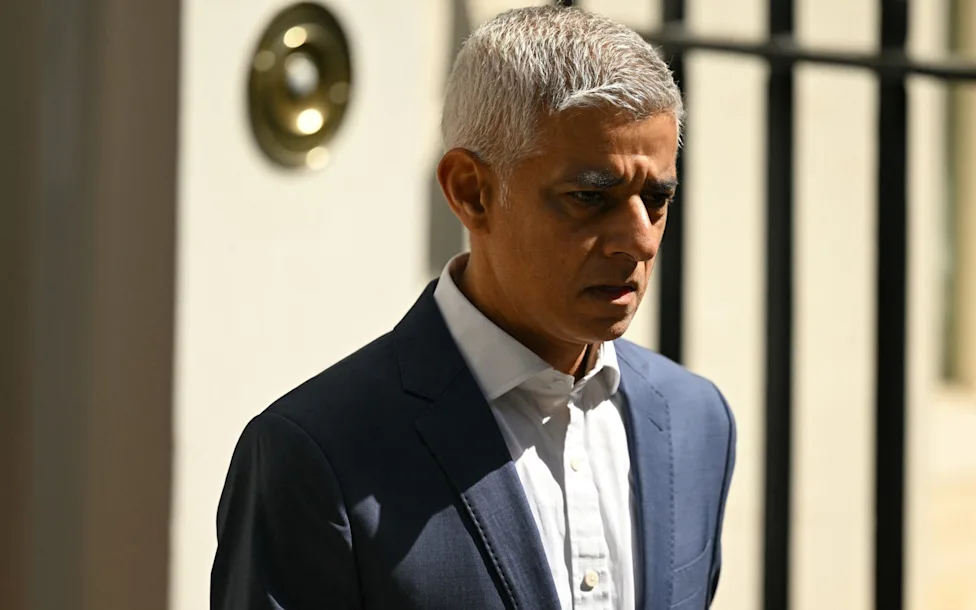 Mayor of London Sir Sadiq Khan has been convicted and fined in a fast-track magistrates court process after prosecutors alleged he kept an untaxed vehicle, despite his office saying the case involved a “scam” and that the car did not belong to him. The Labour politician, 55, was found guilty last month by a magistrate sitting in Herefordshire under the Single Justice Procedure, and was convicted in his absence. Conviction And PenaltiesThe court heard the issue related to a 24-year-old blue Nissan Micra, first registered in 2002. The magistrate ordered Khan to pay a £220 fine, £85 in costs and £35.84 for unpaid vehicle tax, bringing the total bill for the conviction to £340.84. The order also warned that, if the payment was not made within 28 days, further enforcement steps could be taken, including increased fines, bailiffs or a warrant for arrest to bring him to court. DVLA Letters Sent To Gordon Ramsay RestaurantAccording to court documents, letters sent by the Driver and Vehicle Licensing Agency (DVLA) about the unpaid tax were addressed to a Gordon Ramsay restaurant in east London rather than to Transport for London (TfL) offices nearby. City Hall said the Nissan Micra was not owned by Khan or by TfL. A spokesperson for the mayor said the case was a “scam” and that false claims about who owned vehicles had been made before. The mayor’s adviser told BBC London that the DVLA was “urgently” looking into reopening the case, including seeking to withdraw the prosecution. The adviser said the agency would also investigate the alleged false registration. Background To The DVLA ProsecutionThe DVLA said the vehicle was identified as untaxed on 24 January. It added that Khan’s name and date of birth appeared against the car on government records. Court documents state that the annual tax had expired in September last year. The DVLA told the court that a letter asking for confirmation of the car owner’s identity was sent to the wrong address and went unanswered in January. It was followed by a criminal prosecution brought on 18 August after no plea had been entered. The DVLA said it was reviewing the case and investigating the circumstances in which it was brought. ULEZ Protests And Possible MotivationKhan expanded the Ultra Low Emission Zone (Ulez) to cover all of London, a move that triggered widespread protests. Some motorists said they would register cars in his name in an attempt to make him liable for the £12.50 daily Ulez charge. The court paperwork also shows the record of conviction was sent to the Gordon Ramsay restaurant, and Khan was required to pay within the stated deadline or face the prospect of further action. Defendants who believe they were wrongly convicted in their absence can apply to have the case reopened. This is typically done by appearing in person and making a statutory declaration before a judge. The mayor could argue that he did not know about the criminal case because the letters were sent to the wrong building. Once reopened, he could ask the DVLA to withdraw the prosecution if the accusation is shown to be incorrect, or enter a not guilty plea. The DVLA could also seek a reopening itself. Join the discussion? 2 September 20262 points
 -
 Iran launched strikes against US interests across the Middle East on Wednesday, saying it would respond with “severe” consequences after renewed US attacks on the Islamic republic. The Iranian Red Crescent said shrapnel from a US missile hit a home where a wedding celebration was taking place in Kuhestak, in Hormozgan province. It said four people, including a child, were killed and more than 50 others were wounded. Iran’s state media and officials said the latest wave followed earlier American strikes that Tehran said killed 11 people in Iran’s south and southwest. The conflict, now in its sixth month, has widened again to bases and positions across the region, including facilities used by the United States and its Gulf allies. US Strikes And Reported Missile HitsWashington said it carried out attacks after Iran’s forces attempted to add sea mines to the Strait of Hormuz, a key shipping route. US President Donald Trump said the strikes were “in retaliation” and also referenced an earlier Iranian attempt to fire missiles at a US military base in Jordan, adding that eight were “successfully knocked down”. In Iran’s account of Wednesday’s escalation, Iranian forces targeted US bases in Jordan with ballistic missiles, Iranian media said. The Jordanian army said it intercepted 10 ballistic missiles fired from Iran and did not confirm any hits or injuries. It added that three other missiles landed in remote areas. Missile and drone attacks were also reported in Kuwait, where the army said it was responding to Iranian hostilities. In Bahrain, AFP journalists reported air raid alerts early on Wednesday, while Iran’s army said it conducted drone attacks aimed at US forces at an air base. In Iraq’s autonomous Kurdistan region, Iran’s Revolutionary Guards said they struck US bases with missiles and drones, destroying a maintenance centre, warehouses and equipment, according to IRNA. Iran also reported additional effects from the wider fighting. IRNA said seven people were killed and eight others were wounded in a missile attack in Khuzestan province. Escalation Across HormuzThe most recent round began on Sunday, when the United States carried out strikes against Iranian targets for the first time in several weeks. Iran then said its forces targeted US troops in Jordan and the United Arab Emirates, and projectiles struck two oil tankers in attacks that were not claimed. Further US strikes were reported on Tuesday. Iran’s state television said explosions occurred in the country’s south along the Hormuz Strait and on an island in the Gulf, and that US forces hit an airport in the southern province of Kerman. Earlier, the Iranian Red Crescent had attributed the wedding deaths to shrapnel from a US missile strike, but the US military did not address the wedding incident directly. US Central Command spokesman Tim Hawkins said the United States did not target civilians, contrasting this with Iran’s Revolutionary Guards. Warnings From Washington And TehranTrump said on Tuesday that if Iran retaliated, it would be struck again “at a much harder and higher level” but that the biggest attack was still to come. Separately, he said he was not trying to force Iran into negotiations and added that he “couldn’t care less” whether the country reaches an agreement, while asking when Iranians would “rise up and fight”. Iran’s Revolutionary Guards spokesman Hossein Mohebi warned on X that Washington would “regret” the new attacks, saying “severe punishment” awaited them. Ebrahim Zolfaghari, a spokesperson for Iran’s Khatam-al Anbiya central military command, said any country cooperating with the US would face responses that would be “more severe, more widespread and destructive”. Stalemate Over Strait ClosureDespite diplomatic deadlock, Iran’s President Masoud Pezeshkian said on Tuesday he would match any US move to return to talks aimed at ending the war. He warned that resuming a “policy of pressure and threats” could derail diplomacy. After months of fighting, the two sides remain in a standoff over access to the Strait of Hormuz. Iran keeps the strait closed, while the United States has continued a counter-blockade of Iranian ports. Washington said it attacked rocket launchers on the island of Larak on Sunday to prevent mine planting in key shipping lanes. The war began in late February with US-Israeli attacks on Iran that killed its supreme leader, Ayatollah Ali Khamenei. A fragile ceasefire later collapsed after attacks on commercial ships in the Hormuz Strait, through which about one-fifth of world oil supplies flow. Join the discussion? 2 September 20262 points
 -
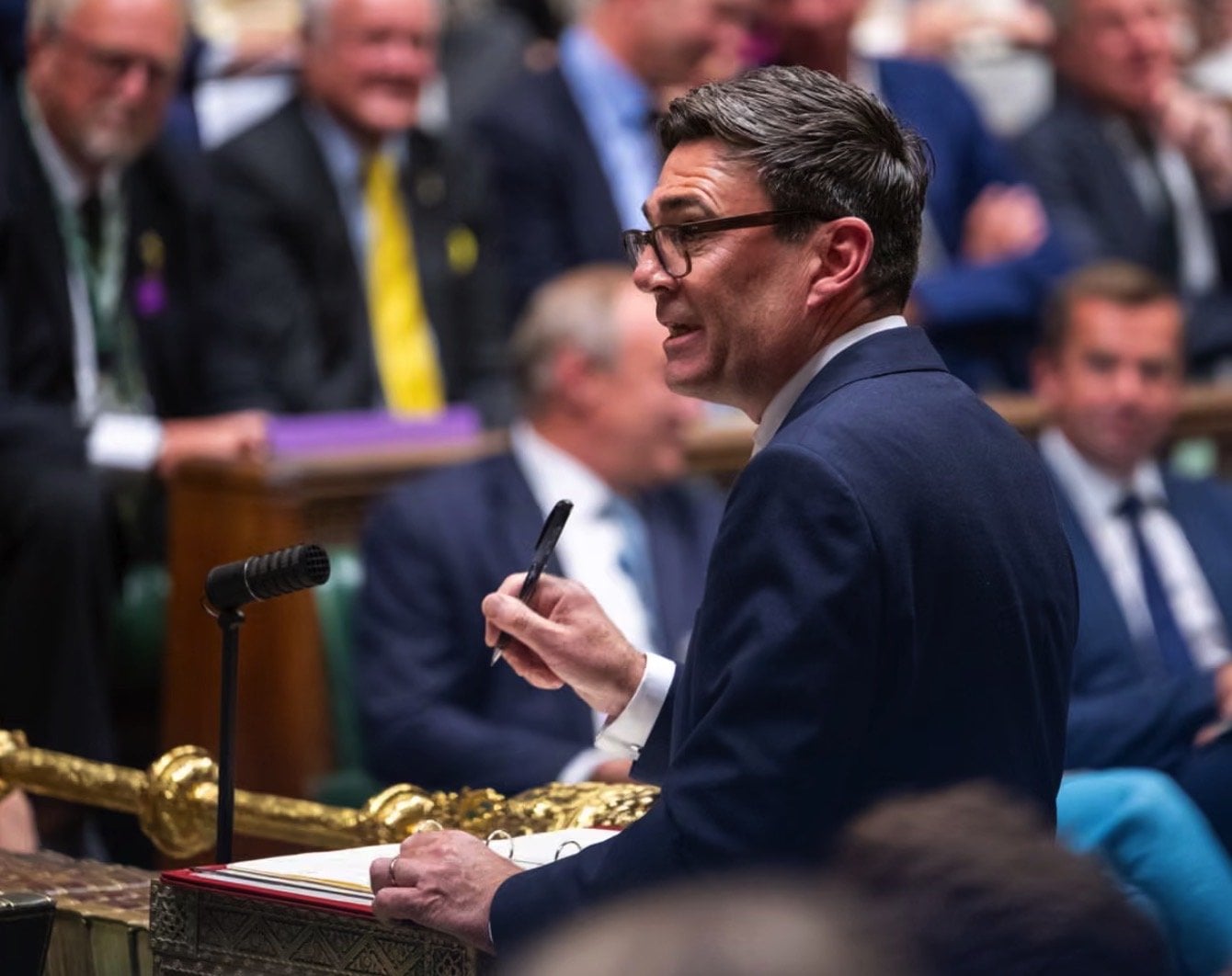 Andy Burnham used his first appearance in the House of Commons as prime minister to argue that Britain’s weak economic performance over the past decade stems from “wrong turns” taken over the last 40 years, singling out Brexit and former prime minister Margaret Thatcher. Speaking around six weeks after taking office, Burnham told MPs he wanted to build “substantial change” and restore optimism, saying the country was “not where any of us would wish it to be” and that “things are not working as they should”. Brexit Hit Shown In Company DataEconomists’ analysis of internal Bank of England data on thousands of UK firms found the economy took a 6% hit from the effects of Brexit following the referendum a decade ago. Burnham, whose Makerfield constituency voted for Brexit, said the leave decision reflected a chain of earlier policy failures that began in the 1980s and were later compounded by leaving the EU. He also reiterated that he believed rerunning the referendum would be a mistake, while saying he wanted Britain to rejoin in his lifetime. He suggested the next UK–EU reset summit could take place in November. Government Priorities for Cost, Communities And ControlAs Keir Starmer stepped down as an MP shortly before Burnham’s Commons address, prompting a byelection in a seat where the Greens are expected to do well, the prime minister set out plans his cabinet was briefed on earlier this week. He said the government’s priorities were cutting the costs of essentials such as childcare and mortgages, regenerating communities, and increasing public control over water, housing and energy. Burnham’s deputy, Louise Haigh, will lead task forces on each of the areas, according to reporting, and the ministers had been told they must be “relentless” in delivering the priorities. The proposals are set against a difficult economic outlook. The chancellor’s “headroom” against Labour’s fiscal rules could be cut by about half at his first budget if a current global bond sell-off continues, economists have warned. Mortgage rates could also rise this autumn. Defence, Water Renationalisation And Electoral ReformIn the Commons, Burnham also made a series of signals on policy. He hinted the government would commit to spending 3% of GDP on defence by 2030, saying he appointed John Healey as chancellor because of his stance on military spending. On water, Burnham said he is looking at “all possible solutions” and said the sector is a “leaking monument” to the failures of privatisation, leaving open the prospect of renationalisation. He also indicated Labour could revisit electoral reform in its next manifesto. Burnham said there would need to be a mandate and that achieving a consensus would be necessary for any change to be implemented in the following parliament. Cop31 Trip And A Pragmatic Energy ApproachBurnham said he will attend the Cop31 climate summit in Turkey and continue pursuing green energy, while arguing he would be “pragmatic” on energy supply. He said it would be wrong to frame policy as choosing between options for political purposes, saying the UK would need “both”. The speech was made while he was flanked by Healey and Haigh, and Burnham linked his argument to earlier changes in power and industry, saying political authority had been centralised, economic power privatised, and the country de-industrialised, before austerity hollowed out councils. He said honesty about what went wrong was a starting point for change and added that his government would be “relentless” in delivering the “ownership and control” it had promised. Join the discussion? 2 September 20262 points
 -
 Germany has said Russia was behind a drone attack on Leipzig/Halle Airport in eastern Germany last month, after officials reviewed equipment used in the incident and intelligence assessments. The attack was discovered on 4 August, when a drone carrying an explosive device was found at the airport near Ukrainian cargo aircraft. The device did not detonate, with investigators concluding that the detonator was faulty. German authorities said they believe a second drone then collided with a nearby cargo aircraft, while a third drone was reportedly found at the site ten days later. Drone Attack At Leipzig/Halle AirportInterior Minister Alexander Dobrindt said the episode followed what he described as a long-established pattern of Russian “hybrid operations” in Europe, adding that Germany had assumed it could be targeted again. He said the examination of the explosive equipment, together with intelligence findings, showed Russian involvement. Germany has previously said it believed “foreign powers” could be behind the Leipzig incident but had not publicly identified Russia. German Response And Russian RetaliationForeign Minister Johann Wadephul said Germany would take further steps against Moscow. He said he would order the closure of the Russian consulate in Bonn and terminate the contract for the Russian House in Berlin, a venue that many observers have linked to espionage and Russian propaganda. Wadephul also announced tighter entry controls for Russian nationals and said Germany would increase pressure on Russia’s “shadow fleet” — old tankers used to help circumvent Western sanctions imposed after Russia’s invasion of Ukraine in 2022. He said he had summoned Russia’s ambassador to Germany, Sergei Nechayev, after the announcement. Nechayev was seen arriving at Germany’s foreign ministry shortly afterwards. Maria Zakharova, a spokesperson for the Russian foreign ministry, said Moscow would respond in a “mirror-image” manner to Germany’s measures, and told the German Press Agency that Berlin was “sponsoring terrorism” in reference to military and economic support for Ukraine. Russia has consistently rejected allegations of involvement in such attacks. Reactions In NATO And The EUNato chief Mark Rutte said the alliance was “in full solidarity with Germany”, adding that the evidence was clear and that he welcomed the steps announced by Berlin. He posted the comment on X. The measures were expected to be discussed at a meeting of EU foreign ministers in Ireland later on Tuesday. European Commission President Ursula von der Leyen said on X that the EU would stand against Russian aggression and deter those seeking to undermine European freedom and security, adding that additional sanctions against Russia were being prepared. Polish Prime Minister Donald Tusk said Russia was “escalating tension across the whole region”. Polish prosecutors are investigating whether foreign intelligence services were involved in a fire at a factory making drone components on Monday. In the UK, Prime Minister Andy Burnham said Russian efforts to undermine support for Ukraine were “futile and doomed to fail”. Other Security Incidents And PoliticsLeipzig/Halle Airport is used for military transport involving Germany and Nato allies, and it is also a base for Ukraine’s Antonov Airlines, which carries most of the country’s air freight. Germany has reported drone sightings at airports, military and industrial sites over the past year. Chancellorship security officials have warned that Germany is a “daily target” for hybrid warfare, and Chancellor Friedrich Merz said last week that those carrying out hostile acts would “pay a price”. The government has said it is looking to strengthen intelligence powers, which critics have described as limited. The announcement comes as Merz faces political pressure at home. A key state election in Saxony-Anhalt could give the far-right Alternative für Deutschland (AfD) a state-level role for the first time. The AfD, Germany’s largest opposition party, wants to stop sending support to Ukraine and to reopen ties with Russia. An MP from Merz’s CDU, Roderich Kiesewetter, said the steps taken so far “fall far short” and that Moscow “just laughs” when the ambassador is summoned. Separately on Tuesday, German police said they are investigating the discovery of improvised explosive and incendiary devices at a power substation in Brandenburg. A power line was damaged, causing a temporary outage, and it is not known who planted the devices. Join the discussion? 2 September 20262 points
 -
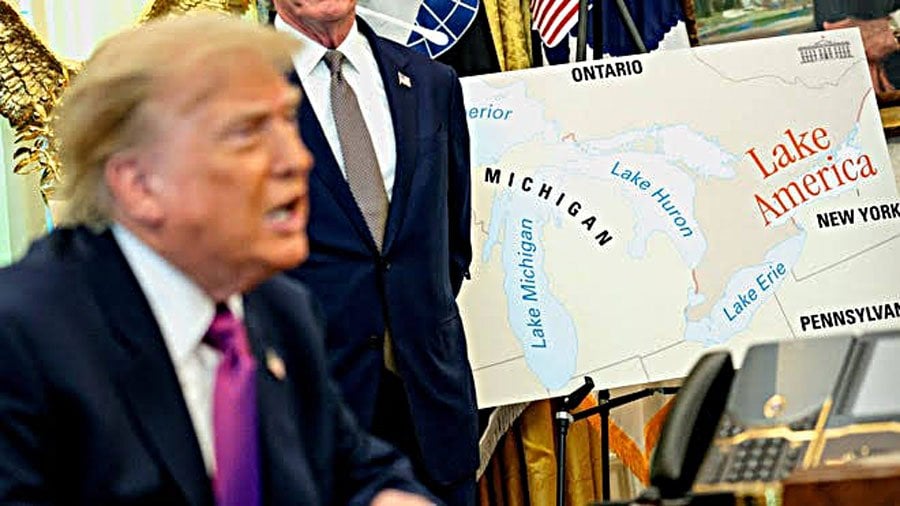 President Donald Trump’s order to rename Lake Ontario as “Lake America” has drawn ridicule and scepticism from residents and politicians in New York, where several communities border the Great Lakes. Trump signed an executive order on 27 August directing federal officials to carry out the change amid deteriorating US-Canada relations. The move followed the collapse of tariff negotiations and the escalation of a trade dispute between the two countries, according to the order. While US administration officials announced the plan on social media the same day, many local residents said they saw no reason to change a name that predates both the United States and Canada. Trump Administration Moves AheadUS officials and departments posted details of the proposed renaming on 27 August, with some praising it among a small group of conservative figures. Utah Senator Mike Lee and US Interior Secretary Doug Burgum, among others, backed the idea. Burgum wrote: “Make the Great Lakes Great Again!” The administration has also since floated the concept of renaming an ocean, according to reports referenced in the coverage. In an emailed statement to USA TODAY, White House spokesperson Allison Schuster said that most of Lake Ontario’s volume lies within the United States and that the new name would reflect the lake’s “place in America and her heritage”. The White House did not respond to questions about public reaction to the proposal. New York Officials Reject the NameLocal politicians in New York moved quickly to distance themselves from the change. Monroe County Executive Adam Bello said he would not adopt the new label. Posting on social media on 27 August, he wrote that “Lake Ontario will remain Lake Ontario”, adding that Ontario Beach Park would also keep its existing name. He also said the Genesee River and the Erie Canal remained unchanged. New York Governor Kathy Hochul said in response to Trump’s order that “New York won’t be calling it that.” RELATED Trump Signs Order Renaming Lake Ontario to Lake America Elsewhere in the US, some Republicans criticised the proposal. Wisconsin Representative Tom Tiffany said he believed the Great Lakes “are the Great Lakes” and should keep their current names, including Lake Superior, Lake Michigan and Lake Ontario. Vermont Governor Phil Scott described the move as “petty and disappointing”. Residents Say There Are Bigger PrioritiesPeople living near the lake in New York told the Democrat and Chronicle that they were surprised by the announcement. Sharee Turpin, of Gates, said her first reaction was that the plan was “funny”. She described visiting Lake Ontario every summer since childhood and said it would always remain Lake Ontario to her. She added that she wanted the name to stay because it formed part of local history. Other residents expressed similar disbelief. Mike Olcott and Pat Vito, also near Lake Ontario, said the president had more pressing issues than changing the name of the water. Vito said the lake itself would still remain there regardless of any attempt to rename it. John Melder, from Greece, said he laughed at the idea, citing Trump’s earlier attempt to rename the Gulf of Mexico, which he said had not changed the name in practice. Critics Call It a DistractionDemocratic politicians said the naming initiative reflected wider tensions with Canada rather than a genuine policy priority. Democratic Representative Joseph Morelle, whose district includes cities on the lake, said the trade war was harming families in Rochester while Trump focused on “playing games with a map”, the USA TODAY Network reported. Rochester Mayor Malik Evans said the name change distracted from issues that, he argued, were causing undue harm to low-income and middle-class consumers and to small business owners. Join the discussion? 29 August 20262 points
 -
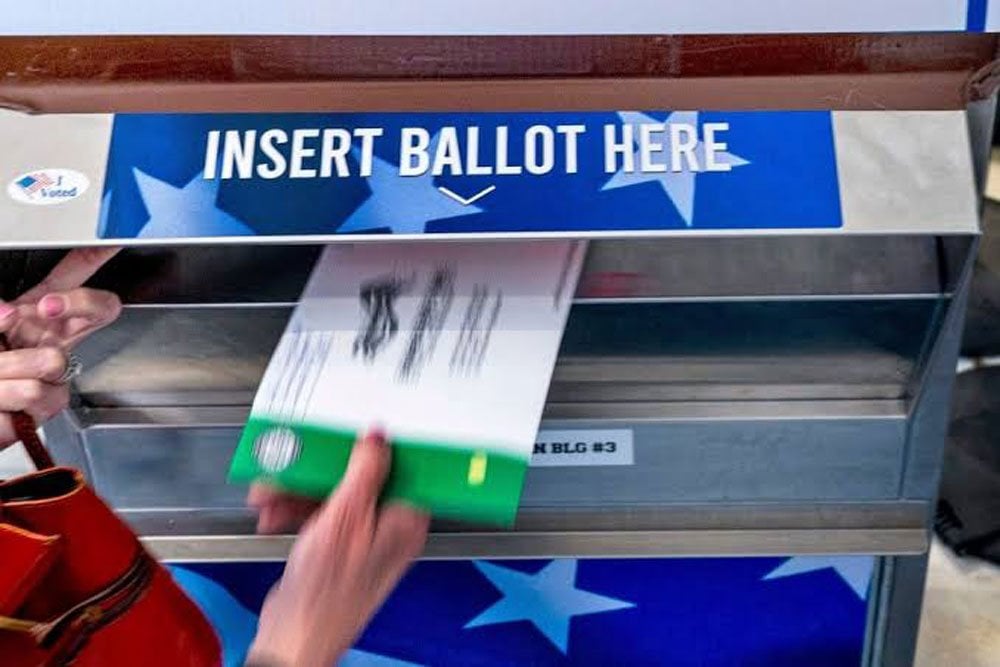 A federal judge on Thursday night issued a temporary order blocking the Trump administration from putting in place key provisions of a newly finalised rule aimed at restricting mail-in voting. U.S. District Court Judge Indira Talwani said the order prevents the United States Postal Service from increasing its oversight of mail-in voting, after President Donald Trump signed an executive order that would effectively place the Postal Service in the role of primary enforcer for whether mail voters meet eligibility requirements. Temporary Order Halts key ProvisionsTalwani’s ruling blocks the implementation of the newly finalised rule for at least 14 days. The decision restricts the government’s plan to expand the Postal Service’s involvement in the mail-voting process by limiting action that would increase oversight relating to mail-voter eligibility. The order was issued as the administration moved to finalise and advance the rule following the executive order issued by Trump. Court Limits Postal Service RoleUnder Talwani’s temporary injunction, the Postal Service is barred from taking steps that would amount to additional supervision of mail-in voting in connection with the eligibility standards referenced in the administration’s approach. The executive order that led to the rule sought to use the Postal Service as the central mechanism for enforcing eligibility requirements for mail voters. Talwani’s latest action halts that effort, at least temporarily, by stopping the rule’s key components from taking effect. Prior Block on Executive Order LiftedTalwani had previously blocked Trump’s executive order, but that decision was later reversed. On Wednesday, she lifted her own block after the Supreme Court ruled on Monday that she had moved too quickly at the time. The Supreme Court’s decision meant the executive order could proceed, prompting the administration to finalise the rule restricting mail-in voting further. Shortly thereafter, the judge returned with the new temporary order. New Ruling Adds Delay of at Least 14 DaysThursday night’s order keeps the newly finalised rule from being implemented immediately, giving the challenge an additional pause while the dispute remains before the courts. The ruling lasts for at least 14 days, delaying the administration’s attempt to apply the rule’s core provisions that would involve the Postal Service more directly in oversight of mail-voter eligibility. Join the discussion? 28 August 20262 points
 -
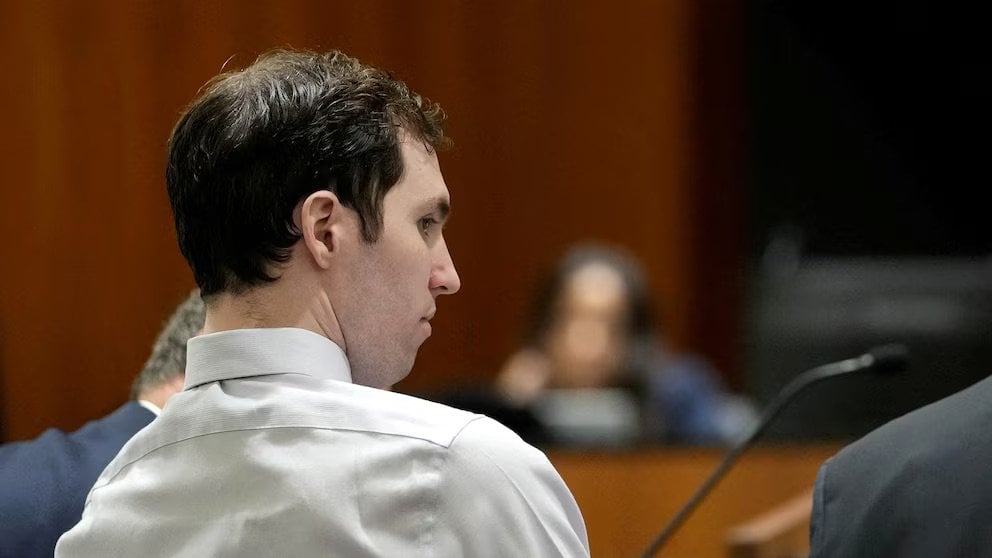 A Utah judge has ruled that Tyler Robinson can stand trial on a capital murder charge over the fatal shooting of conservative activist Charlie Kirk. Judge Tony Graf made the decision following final oral arguments in a Provo courtroom on Tuesday, after lawyers focused on whether prosecutors could pursue the death penalty if Robinson is convicted. Decision Allows Capital murder Trial to ProceedGraf said that, viewed in the light most favourable to the prosecution, the evidence presented was enough at this stage for a “reasonable belief” that Robinson was the person who shot and killed Kirk. The judge also found that prosecutors had met the threshold for pursuing capital punishment, after determining there was a reasonable known risk of death to others at the time of the shooting. Robinson is accused of firing a rifle shot from a building’s rooftop about 415 feet from the place where Kirk, co-founder of the conservative student organisation Turning Point USA, was speaking at an outdoor rally at Utah Valley University in Orem, Utah, on 10 September 2025. He is charged with aggravated murder, described in the indictment as a capital felony that alleges others were knowingly endangered during the shooting. Robinson also faces charges including felony discharge of a firearm causing serious bodily injury, obstruction of justice, witness tampering, and commission of a violent offence in the presence of a child. Graf found probable cause for Robinson to stand trial on all charges, and not guilty pleas were entered on the defendant’s behalf after the ruling. Prosecutors Seek Death PenaltyProsecutors said they plan to seek the death penalty. In court on Tuesday, Utah County prosecutor Ryan McBride told the judge that Robinson shot and killed Kirk because he disagreed with him. McBride said the killing was carried out by firing a high-powered rifle into an event with more than 3,000 people, creating a risk of death that others at the rally would have understood, including children. “The defendant, this man, Tyler James Robinson, shot and killed Charlie Kirk because he disagreed with him,” McBride said. “He did it by firing a high-powered rifle into a crowd of over 3,000 people, which created a great risk of death that anyone would know about.” McBride said prosecutors had evidence identifying Robinson as the gunman, including video footage, DNA on the suspected murder weapon, and what was described as an admission by Robinson in a note to his boyfriend. He argued that the risk of death to others was driven by the scale of the crowd and the alleged targeting of Kirk. Defence Challenges Aggravating Factors and ChargesRobinson’s defence asked Graf to remove the “great risk of death” aggravating factor that would make the case eligible for the death penalty. Defence attorney Staci Visser argued that the evidence did not support a finding that someone else was likely to be killed. Visser also challenged other parts of the case, including allegations and enhancements that claim Robinson knew children were present during the shooting, and that he tampered with a witness by telling his boyfriend to “ask for a lawyer and stay silent” if questioned by police. Defence attorneys also disputed claims that Kirk was targeted because of his political expression. Tyler Robinson (left) - Charlie Kirk (right). Pictures courtesy of NBC News Richard Novak said prosecutors had not established what Robinson believed about Kirk, pointing to the absence of testimony that Robinson had previously spoken about or discussed the activist. During a week-long preliminary hearing in July, prosecutors called law enforcement witnesses and presented security video footage they said placed Robinson at the scene. Prosecutors alleged that one recording showed Robinson on the roof of the building from which the fatal shot was fired. They also relied on a redacted video statement from Robinson’s roommate and romantic partner, Lance Twiggs. In that interview, Twiggs claimed Robinson confessed to killing Kirk in a letter, text messages, and in person. Twiggs did not testify at the preliminary hearing. In written submissions filed ahead of Tuesday’s hearing, prosecutors argued there was enough probable cause to justify a trial, describing the case as a likely “bind-over” decision. The defence countered that the state failed to establish probable cause, saying it relied heavily on hearsay that it did not assess for reliability, and argued the court should decline the bindover on that basis. Kirk Family StatementA statement released on behalf of the Kirk family said the ruling was an important step in their pursuit of justice, adding that the process would move into the next phase while they continued to seek a transparent and timely outcome. “We are grateful to all who have continued to pray for us, support us, and stand with us through a year of unimaginable grief,” the statement said. Join the discussion? 2 September 20261 point
 -
 Rep. Thomas Massie said he read out the names of more than a dozen people he described as “Epstein coconspirators” on the House floor on Monday, as he pushed for further action related to files connected to convicted sex offender Jeffrey Epstein. In a post on X, Massie, a Republican from Kentucky, said he had shared the names in the chamber and argued they should be investigated and prosecuted. In the same update, he said he had started collecting signatures for a discharge petition designed to force a vote on the Epstein Files Transparency Act II. Massie Presses For A Vote On The Next BillMassie’s post included a video clip showing him speaking on the House floor. He said it had been a year since the president signed the Epstein Files Transparency Act, legislation he introduced the previous year together with Rep. Ro Khanna, a Democrat from California. In his remarks, Massie said the administration continued to withhold a large number of records. He claimed the government was still holding back more than three million files, and said that was the reason he and others had brought forward the second bill. Massie said the aim of the Epstein Files Transparency Act II is to shift the fight into state courts, increase accountability at the Department of Justice, and help survivors seek closure. He also said he wants those he believes were involved to face investigation and prosecution. Names Included Prince Andrew And Les WexnerMassie’s floor comments included the name of Andrew Mountbatten-Windsor, who formerly held the title of Prince Andrew. He was accused of sexual abuse by Virginia Giuffre, who alleged that the abuse occurred after Epstein trafficked her. Mountbatten-Windsor has denied that he ever met Giuffre. The list also included Les Wexner, a billionaire retail entrepreneur. Massie said earlier on Monday that the bill would involve access to relevant records for legal action. Wexner denied firsthand knowledge of Epstein’s criminal conduct during a deposition in February connected to the House Oversight and Government Reform Committee. Wexner had employed Epstein as a financial manager in the 1990s and early 2000s. What Massie Says The Act II Would DoMassie said in a separate earlier post on Monday that the Epstein Files Transparency Act II would give state attorneys general access to Epstein files that are needed to prosecute offences under state law. He also said the legislation would make it easier for survivors to sue in order to obtain their records. Alongside the push for the House to take up the measure, Massie said he was working to gather 218 signatures for the discharge petition. A discharge petition, if successful, can bring a bill to the floor for a vote. The latest push comes after Massie and Khanna’s first Epstein files bill, which they said led to the release of some records connected to Epstein following the president’s signature last year. Despite that, Massie said the remaining withheld material justified further legislative action, and he used Monday’s House-floor remarks to outline what he described as additional individuals who should be investigated. Join the discussion? 1 September 20261 point
 -
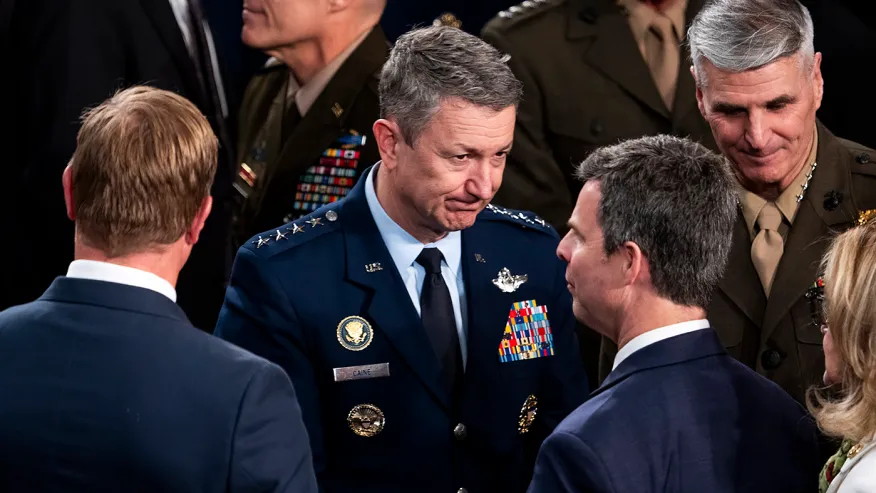 Joint Chiefs of Staff Chair Gen. Dan Caine has told US Senator Elissa Slotkin that there are no plans to deploy federal military personnel to polling places for November 2026 midterm elections. In a letter to Slotkin, the Michigan Democrat said election administration and security are the responsibility of state and local authorities. Caine added that the Joint Force has no intention of sending Federal service members, or members of the National Guard who would be federalised, to vote locations during the elections. He also said the Joint Force has no plans to use such personnel to seize ballots, voting machines or other election-related materials. Slotkin had pressed Defence leaders for written confirmation that no troops would be sent to polling sites this year. Earlier in the month, she wrote to Defence Secretary Pete Hegseth and to Caine seeking assurances that the Pentagon would not deploy Federal troops to polling places or take possession of election materials. No Deployments to Polling PlacesCaine’s letter states that election duties remain with state and local officials, rather than the federal military. He said the Joint Force will not send Federal military personnel or federalised members of the National Guard into polling places for the November 2026 midterms. The letter further addresses concerns about potential interference with election processes. Caine said there are no plans for the use of such personnel to seize ballots, voting machines or other materials connected to voting. Slotkin’s Request for ConfirmationSlotkin sits on the Senate Armed Services Committee and the Homeland Security and Governmental Affairs Committee. She cited prior comments from President Donald Trump about the possibility of nationalising the midterm elections. Her letters to Hegseth and Caine asked the Pentagon to confirm that it would not send Federal forces to the polls or seize election materials in any way. Slotkin’s request sought clarity on whether the federal government could take actions that would affect the conduct of voting during the midterm elections. Trump Comments on Federalising the VoteSlotkin’s concern was linked to remarks Trump made earlier this year. In comments to conservative commentator Wayne Allyn Root, Trump responded after Root suggested the president could declare a national security emergency to federalise the midterms. Trump said: “Let me just say that stranger things have happened, OK? I’ll leave it at that,” according to the exchange. Caine Says No Unlawful Orders ExpectedIn his response to Slotkin, Caine said he had not received, and did not anticipate receiving, any unlawful order about the role of the Joint Force in the upcoming November 2026 midterm elections. He also said he was ready to discuss the matter further with Slotkin or other senators. Join the discussion? 1 September 20261 point
 -
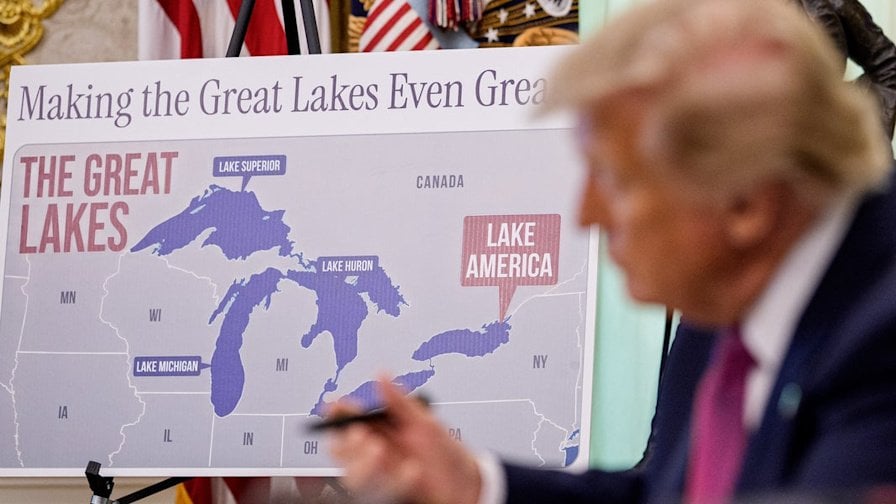 US President Donald Trump has asked Apple to change the name of Lake Ontario to “Lake America” on its Maps platform, Interior Secretary Doug Burgum said, citing efforts to carry out the president’s executive order on the renamed Great Lake. Burgum told Fox Business’s Mornings with Maria on Monday that Trump had contacted Apple directly. “I’m sure we may be seeing that change coming up soon,” he said, adding that the president had reached out to the company. Apple Maps currently shows the lake as Lake Ontario for users outside the US, where the border of the Great Lake touches Ontario and the state of New York. The BBC contacted Apple for comment. Trump Executive OrderOn Thursday, Trump signed an executive order directing the administration to rename Lake Ontario as Lake America. The order follows the collapse of trade negotiations between Canada and the US. The instruction includes steps to update official US geographic records, including the Geographic Names Information System (GNIS), the government database used for mapping and place names. Burgum is directed to take “all appropriate actions” to implement the change. Google And Other Map ServicesGoogle switched the name for its US-based users over the weekend in order to comply with GNIS, according to a statement it issued on Saturday. Google said Canada-based users would continue to see Lake Ontario, and that outside the US the lake would be shown as “Lake Ontario (Lake America)”. Other mapping services have not aligned uniformly. MapQuest, a US free web mapping service launched in 1996, said on Friday that “we’re not changing it” in a short Facebook post. The service also introduced a tool allowing users to change the lake name to any option of their choosing and share the results. After MapQuest announced that it would not change the name, the app moved to the top of the most-downloaded free applications on the Apple App Store in Canada as of Monday morning. Canada PushbackThe renaming has drawn pushback in Canada. On Sunday, Hydro One, an electricity utility company based in Toronto, apologised after its map displayed “Lake America”. Hydro One said the name appeared because it was using a third-party mapping service. “We are working with our vendor to correct the issue as quickly as possible and restore the proper geographic reference,” the company said in a post on X. “We regret the error and apologise for any confusion it has caused.” Other Ontario-based agencies also showed “Lake America” briefly, including Hydro Ottawa and the Liquor Board of Ontario. Ontario Premier Doug Ford marked the dispute on Saturday by placing a large sign by the lakeshore reading “Lake Ontario Now and Always” in both English and French. Ford later told American TV host George Stephanopoulos on Sunday: “No one’s going to call it Lake of America. It’s been Lake Ontario for hundreds of years. It’s going to continue being Lake Ontario.” Historical NamesThe Great Lakes names reflect Indigenous languages, with four of the five lakes named Ontario, Huron, Michigan and Erie originating from Indigenous words. Join the discussion? 1 September 20261 point
 -
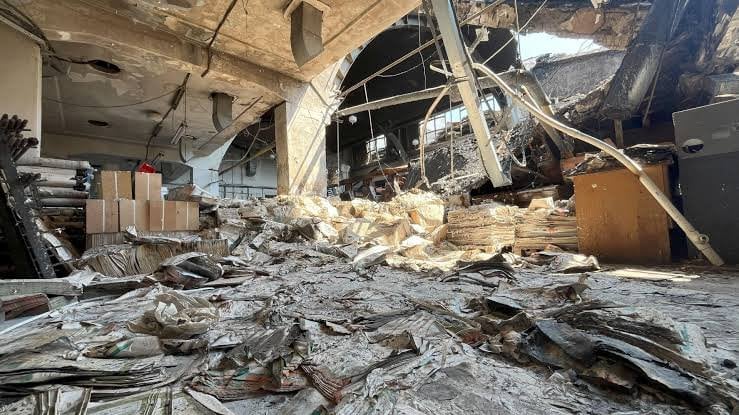 Russian missile strikes have destroyed 12 million books across Ukraine, including a Kyiv printing press scheduled to supply textbooks for pupils returning for the first week of the new school term. Viktoria Haidai, a commercial director at the Konvi publishing firm, examined the damaged remains of a plant on the edge of Kyiv that was hit overnight. At the time of the attack, production was ramping up to deliver 1.3 million books, around 10% of Ukraine’s schoolbook supply for the year. In the burnt rubble, Haidai and others found charred pages from an English-language textbook, including lines introducing a fictional student in the UK. The company said no part of the site was salvageable, with surviving pages damaged further by water from firefighting efforts and by exposure after the building’s roof collapsed. Attacks on Presses and Book SuppliesThe strike in Kyiv is part of a broader pattern of damage to printing and publishing operations. Local reports say Russia has destroyed about one third of all books printed in Ukraine this year, while more than 35 publishing facilities have been hit in recent weeks. Haidai said the disruption extended beyond new print runs. She described Russian attacks on logistics warehouses used by major publishing houses to store large quantities of books, alongside strikes on printing facilities. She also said the targets were intended to erase Ukraine’s national identity, citing what she described as a deliberate effort to destroy cultural materials. More of the losses were not limited to new textbooks: Kyiv’s Pochaina second-hand book market was also hit, with hundreds of individual stalls damaged and many books lost. Book Damage Beyond Printing HousesDamage has also spread to cultural institutions. Muse ums, art galleries, film studios, libraries and opera venues have been affected, according to the article’s accounts. At Kyiv-Pechersk Lavra, a major medieval monastery and UNESCO-listed heritage site in the capital, drone strikes set fire to the roof of the Dormition Cathedral, damaging parts of the building including the golden domes. Religious artefacts were moved to safety during the raid, but repairs are expected to cost $11.2 million (£8.2m) and take two years. The monastery complex includes Ukraine’s museum of books and printing. UNESCO listed the site in 1990 and added it to its World Heritage List in Danger in September 2023. At celebrations marking the monastery’s 975th anniversary, UNESCO Director-General Khaled El-Enany said he was “deeply saddened” by the “significant damage” and condemned attacks on cultural property protected under international law. He made the remarks after touring the cathedral with Ukraine’s minister of culture, Tetyana Berezhna. Berezhna said the cultural and military impacts of Russia’s war were inseparable and argued that Russia targets symbols of Ukraine’s history and presence. She said Russia has attacked more than 1,900 pieces of Ukrainian heritage and more than 2,000 cultural institutions. She also pointed to digitisation as part of the response, saying it is intended to help children continue learning despite physical book losses. Calls for International SupportUkraine’s publishing sector faces an “existential” threat, the article says, and warnings have been issued that it needs international support to remain viable. Haidai said protecting the industry was critical to preserving Ukrainian literature, arguing that words are passed down through generations. She made the point after seeing the destruction at the Konvi press. The article also notes that in a 2021 essay titled On the Historical Unity of Russians and Ukrainians, Russian President Vladimir Putin wrote that Ukrainians and Russians were one people and questioned the basis for an independent Ukrainian state and culture. In a statement to the BBC, the Russian embassy to the UK blamed Ukraine’s own government for damage to cultural heritage, saying monuments had been dismantled and streets renamed, and adding claims that cultural sites were used to conceal military facilities. The Kremlin has repeatedly denied deliberately targeting civilian sites during its five-year full-scale invasion, despite widespread missile and drone attacks on residential and other civilian infrastructure. Join the discussion? 31 August 20261 point
 -
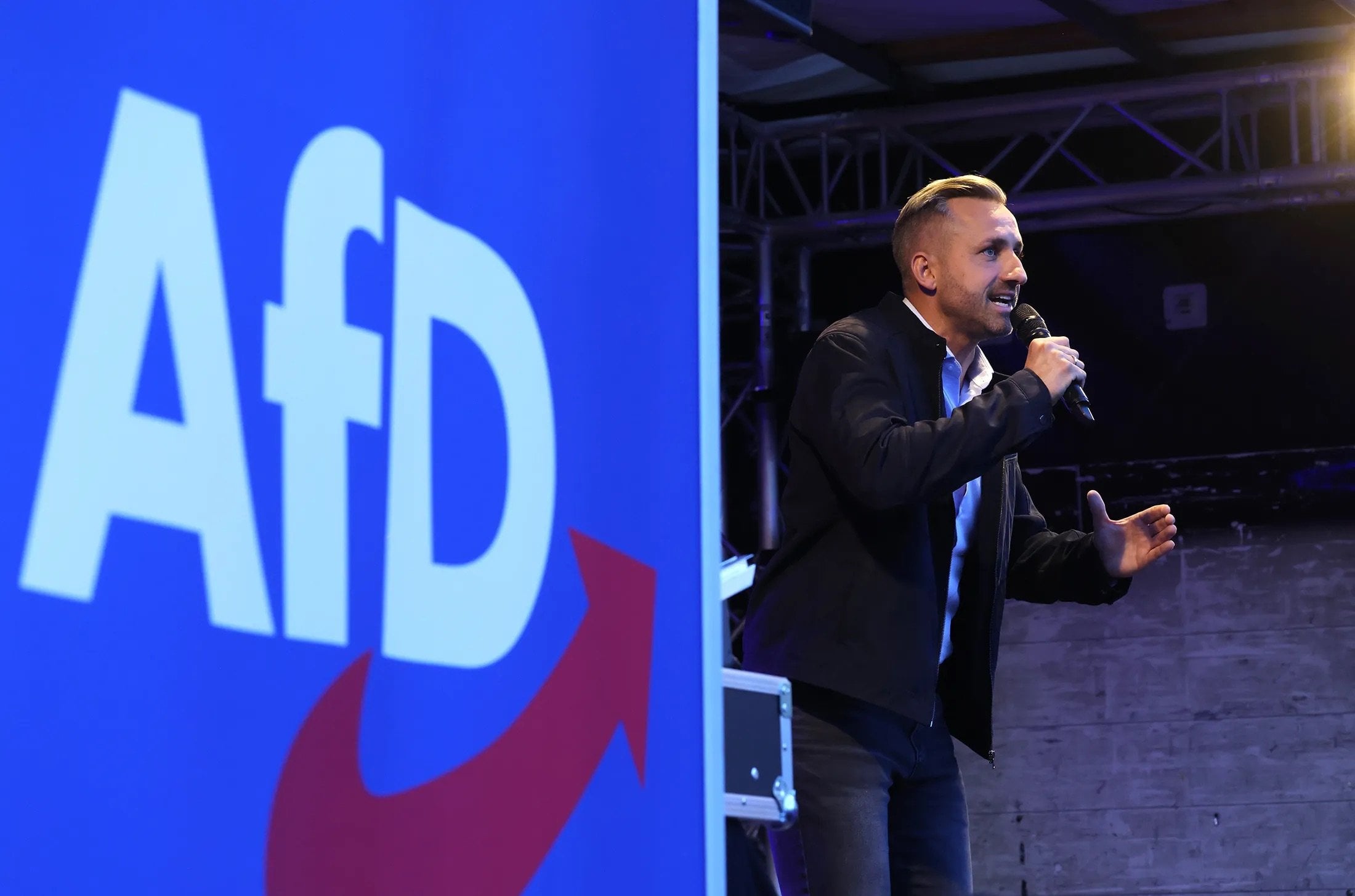 An election in eastern Germany on Sunday could deliver the first far-right state governor in the country’s post-World War II history, with polls putting the anti-migration Alternative for Germany (AfD) in a strong position ahead of a vote in Saxony-Anhalt. The prospect marks a significant test for Chancellor Friedrich Merz and his centre-right government, which has struggled to persuade voters it can address slow economic growth. Merz has described the mood in Germany as “widespread moroseness”. Polls Give AfD A Lead In Saxony-AnhaltSeveral polls ahead of the election to the state legislature in Saxony-Anhalt show AfD leading by a wide margin. Securing control of the state government would be the party’s biggest achievement since it was founded 13 years ago, and would signal a political shift for Germany. Wolfgang Merkel, a political scientist at the WBZ Berlin Social Science Center, said an AfD victory could “break a taboo” in Germany. He argued that modern Germany has differed from much of Europe by not having a radical right-wing party govern at national, state or major city level. AfD has been particularly strong in Germany’s former communist east, including Saxony-Anhalt. In last year’s national election, the party won 20.8% of the vote, its best result for a far-right force in the post-war period, and became Germany’s largest opposition party. AfD Seeks Absolute Majority, Plans For Education And MediaIn Saxony-Anhalt, AfD is aiming for an absolute majority in the state legislature. If it achieves that, it would avoid the “firewall” used by mainstream parties that refuse to work with AfD. The party’s regional branch is among several AfD state associations classified by Germany’s domestic intelligence agency as proven right-wing extremist groups, allegations the party denies. AfD’s campaign slogan is “Everything is possible”. Its candidate for governor, Ulrich Siegmund, said at a campaign event in Moeser that it was a “historic opportunity” to “write history”. He is 35 and served as AfD’s nominee for the state top post. Siegmund lists deporting people considered illegal, launching a “deportation offensive”, and removing what he describes as incentives for migrants to come and exploit the social system. The campaign also calls for starting a long process to withdraw Saxony-Anhalt from the regional public broadcaster, citing concerns about “disinformation”. On education, AfD says it wants to allow home schooling, which is currently not permitted in Germany. It also pledges to prevent schools from raising the rainbow flag officially and to ensure the national flag is flown. The party says it opposes taxpayer funding “given away” to Ukraine and wants sanctions on Russia lifted, though these decisions are not within the competence of state governments. AfD’s only previous leadership at county level was elected in 2023 in neighbouring Thuringia. A state governorship would greatly expand its influence and could strengthen ambitions of governing nationally, analysts say. CDU Incumbent Warns Of Isolation If AfD WinsSven Schulze, the incumbent governor for Merz’s Christian Democratic Union (CDU), is facing the challenge. Speaking to the Associated Press in Magdeburg, Saxony-Anhalt’s capital, Schulze said AfD “wants the past back” and that the state would face “isolation” if it won power. Schulze pointed to improvements in the state’s economy and falling unemployment since German reunification in 1990. He also argued that the far right does not want people “born abroad” to live and work in the region, saying that would pose problems where immigrants are employed in hospitals and companies. He said he would not work with AfD and that the CDU backs him “100%”, adding that AfD identifies problems but offers no solutions. Uncertain Impact On National PoliticsEven if AfD becomes the strongest party, its ability to govern depends on whether it wins an absolute majority. Merkel said he did not see AfD governing in the absence of a suitable coalition partner. That could leave Schulze looking to build a patchwork administration with smaller parties on the left, a scenario that Merkel said many voters would interpret as “clinging to power”. It also remains unclear how a Saxony-Anhalt result might affect national politics, particularly ahead of elections on 20 September in Berlin and Mecklenburg-Western Pomerania. Merkel said he believed the state was too small to have “any particular impact”, but a substantial loss of support for the big traditional parties could reinforce a narrative of their decline. Merz has sought to underline the government’s determination to press through reforms after a Cabinet meeting last week, telling voters they needed to move beyond “glumness and anger” and overcome the “widespread moroseness” that has “paralyzed” Germany. Join the discussion? 31 August 20261 point
 -
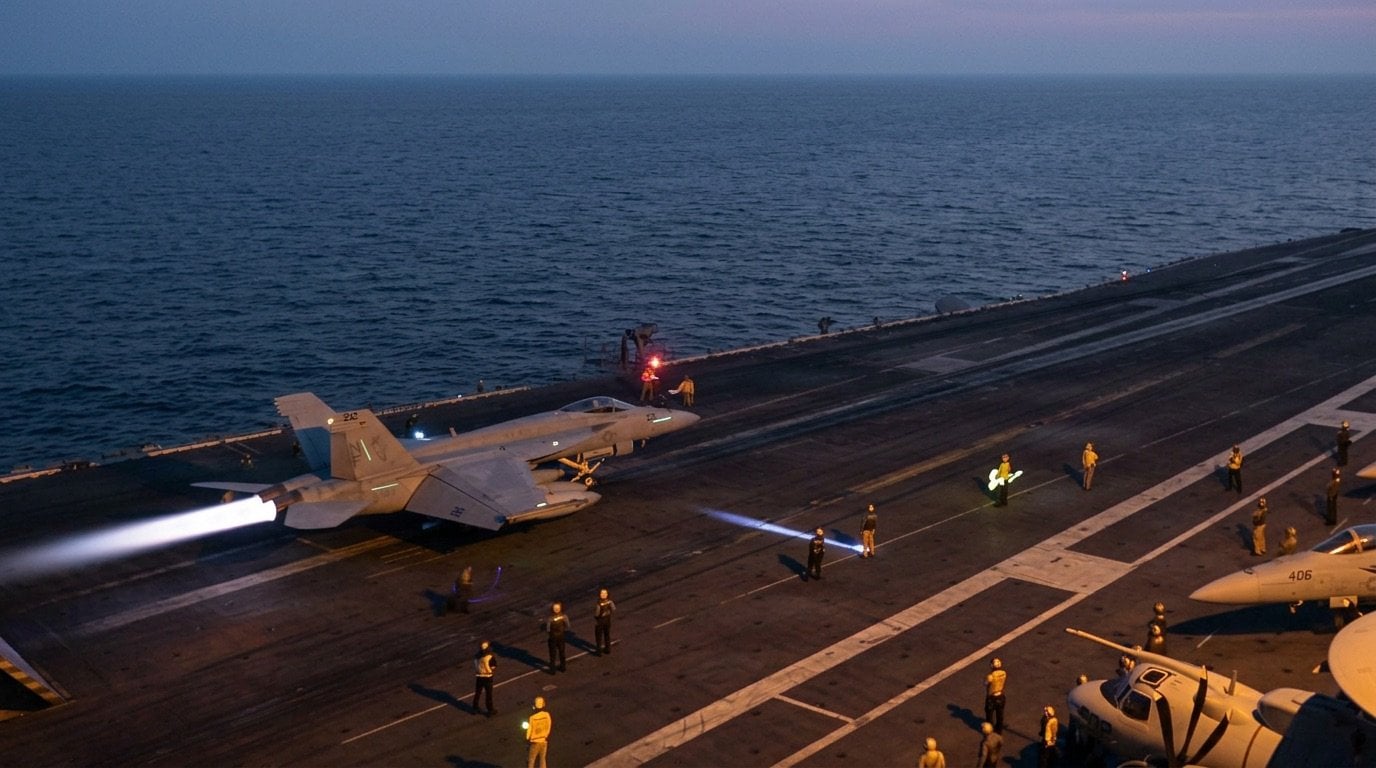 US forces have hit two Iranian rocket launchers on Larak Island, a US official said, in what was described as the first known American strike on Iran in weeks. According to CBS News, citing US Central Command spokesman Cdr Tim Hawkins, Iranian Revolutionary Guard Corps (IRGC) personnel were seen preparing to launch rockets carrying sea mines into the Strait of Hormuz. The strike took place on Sunday. First Known US Strikes Since Late JulyThe action marks the first known US strike on Iranian territory since late July, the official said. It comes after President Donald Trump paused a renewed US military campaign in late July. Earlier this month, the US said it completed clearing mines from the main shipping lane in the strait, a route used by commercial vessels moving between the Middle East and global markets. Larak Island And Strait Of HormuzLarak Island lies just offshore from Bandar Abbas and sits along the Strait of Hormuz, a key waterway for international shipping. Iran has been directing tanker traffic to pass the island for checks and has reportedly required vessels to pay about $2m (£1.5m) to transit. During the current phase of conflict, Iran has also used the strait as a pressure point, with officials and state media presenting its actions as part of a broader effort to control maritime movement. Iranian Claims And US WarningsThe IRGC said the attack on Sunday killed and wounded several people, adding that it would carry out “response and punishment”. Hossein Mohebbi, the IRGC spokesman, described the strike as a “strategic and fatal mistake” by Trump’s administration, saying the “enemy” would face consequences in both economic and military terms. Tasnim news agency, affiliated with the IRGC, said the attack was carried out by drones. It reported that two people were killed and two others injured. Trump said last week that all Iranian mines placed in the Strait of Hormuz had been detonated or removed. He warned that any ship or boat deploying new mines would be destroyed. Iran’s Deputy Foreign Minister Kazem Gharibabadi described the claim as a propaganda “deception”. Sanctions Push After Six Months Of ConflictThe strike comes as Iran faces renewed economic pressure following a fresh US sanctions campaign announced on 24 August. Washington said the measures were intended to further isolate Tehran and expand secondary sanctions against allies that continue to work with Iran. Iranian officials and state media have largely dismissed the new campaign as a continuation of earlier US economic measures, arguing they followed a military failure by Washington during a recent conflict. That wider confrontation began with US and Israeli strikes on Iran on 28 February. Iran responded by attacking Israel, US bases and allied targets in the Gulf region, and the conflict effectively shut down the Strait of Hormuz to marine traffic. The war has now passed the six-month mark. Before the fighting began, around 20% of the world’s oil and liquefied natural gas travelled through the strait. Join the discussion? 31 August 20261 point
 -
 Prison governors in England have told the BBC that people released early under the government’s 2024 overcrowding measures are returning to jail at a rapid rate, with many being recalled after breaching licence conditions or reoffending. The governors said they are seeing the same inmates repeatedly sent back after release, describing the cycle as destabilising for staff and disruptive for prisons already under strain. One governor in the Midlands said the “churn” was stressful, calling it a “revolving door”. The comments come as Prime Minister Andy Burnham announced changes to the next early release scheme, due to begin in October, after anger that killers of PC Andrew Harper were among those who could qualify. Recall Numbers Rise as Overcrowding PersistsBurnham said on Sunday that people convicted of unlawful killing would be excluded from the next scheme. He acknowledged that the move would mean “hundreds” more people remain in prison. The announcement follows warnings that prisons in England and Wales are operating at more than 97% capacity, leaving little room for the 2024 releases to relieve pressure. Prison governors told the BBC that any extra spaces created are unlikely to be available before the next batch of releases starts. As of March, more than 70,000 people had been freed under the 2024 early release scheme. However, there were still almost 87,000 people in custody, with just over 2,000 spaces remaining. A key part of the system is licence recall, which allows people to be returned to prison if they breach conditions or if new risk concerns arise. There were 51,419 licence recalls in the year ending March 2026, up from 40,259 in the previous year, an increase of 28%. While recalls were slightly lower from January to March than in the previous three-month period, they remained far above historical levels. “Short-Term Solutions” and Reoffending RisksThree serving prison governors said the current approach does not solve the underlying capacity crisis. One governor in the north of England said the prime minister’s plan was “all short-term solutions and we need space now”, adding that creating new cells inside existing prisons would require more staff and was not straightforward. Staff shortages, they said, were contributing to unsafe and unsuitable conditions, with some prisoners living in environments that did not meet expectations for safety and decency. The governors also linked the overcrowding pressures to a higher risk of repeated recalls. One said: “We see the same people coming back after being released early and reoffending again, or breaking their [release] rules.” Another governor warned that unless both overcrowding and recalls were addressed, the criminal justice system could “grind to a halt”, describing repeated releases and returns to custody as a loop that removes any temporary capacity gained. Gang Tensions, Double Cell Use, and New RulesGovernors described wider impacts of overcrowding, including rising tensions between gangs and the mixing of people from different regions in the same establishments, increasing the risk of rivalries. They said prisons are also using cells designed for one person to hold two inmates, citing health and safety concerns. One governor said single cells are compact and include space used for eating and an open toilet area, so two prisoners are effectively carrying out daily routines together. The governor added that prisons already face infestation problems and that the change could worsen them. The BBC understands that work has started to create additional cells by repurposing existing areas, but that this is expected to take months. Burnham’s early release changes follow mounting pressure to exclude the killers of PC Harper, who died in 2019 after being dragged by a car as three teenagers fled a quad bike theft in Berkshire. Concerns had been raised that Albert Bowers and Jessie Cole could be eligible, after which more than one million people signed a petition calling for them to stay in prison. The new scheme will bar people convicted of unlawful killing, alongside serious child sex offenders, rapists and groomers, under the Sentencing Act. It will also exclude prisoners convicted of indecent assault offences and death by dangerous driving. The justice secretary is expected to give more detail to Parliament on Tuesday, including how many people will be affected. Maintenance Warnings and Government ResponseThe Prison Governors Association president Tom Wheatley told the BBC that governors had not been briefed on the government’s overcrowding plans until late, saying it left them having to respond to angry and confused prisoners on short notice. A 2024 National Audit Office report concluded that there is continued risk to prison capacity due to poor condition in parts of the estate, including that a quarter of prison places—23,000—do not meet fire safety standards. A Ministry of Justice spokesperson said: “Less than one in seven prisoners in custody are on recall, and it is a vital tool to keep the public safe.” They added that the government is building 14,000 new places, expanding tagging, reforming recall to reduce the prison population, and giving victims a say in licence conditions. Join the discussion? 31 August 20261 point
 -
 Conservative podcaster Tucker Carlson said on Friday that President Donald Trump should be removed from office immediately if he were contemplating using nuclear weapons first, arguing that even considering such an option would disqualify a president from holding the role. Carlson made the comments during a conversation with Joe Kent, the former director of the US National Counterterrorism Center who resigned earlier this year over opposition to the war with Iran. A Nuclear “Red Line” For CarlsonCarlson said that if a president were actively weighing the first use of nuclear weapons, that would be an unacceptable threshold requiring immediate removal. He framed the issue as a decisive boundary, warning that contemplating a nuclear first strike would risk catastrophic consequences. He also said that the same standard should apply regardless of where such a position came from, questioning why there would not be an attempt to remove a president if that kind of thinking were being considered. Trump has not publicly said he is considering using a nuclear weapon first. Earlier Opposition To ImpeachmentCarlson noted that he strongly opposed efforts to impeach Trump during his first term. Against that backdrop, he asked why the situation would be treated differently if a president were weighing a nuclear first strike. The remarks came as Carlson continued to raise concerns about how the administration is approaching Iran and about nuclear strategy work being developed at the Pentagon. Earlier this month, Under Secretary of Defense for policy Elbridge Colby told a conference that officials are seeking to provide the president and Defense Secretary Pete Hegseth with “credible, rational nuclear options”. Kent Warns Of Limited Conventional OptionsKent, who resigned in connection with the Iran policy dispute, said he was worried about where the administration could turn if conventional military options do not produce the outcome Trump wants in Iran. He said it would be misguided to assume that a wider escalation could not occur in the current situation, particularly as the administration looks for a way out. Carlson’s comments also reflect the broader policy differences between him and Trump in recent months. The two have clashed over their competing views on foreign policy, with Carlson a vocal opponent of the Iran war. Trump and Carlson have had a strained relationship within the MAGA orbit in part because Carlson’s approach to international issues has diverged from the administration’s. Trump’s Response To CarlsonTrump last week criticised Carlson on Truth Social, calling him a “loser” after Carlson met with Rep. Thomas Massie, a Republican from Kentucky, and former Rep. Marjorie Taylor Greene, a Republican from Georgia. Join the discussion? 30 August 20261 point
 -
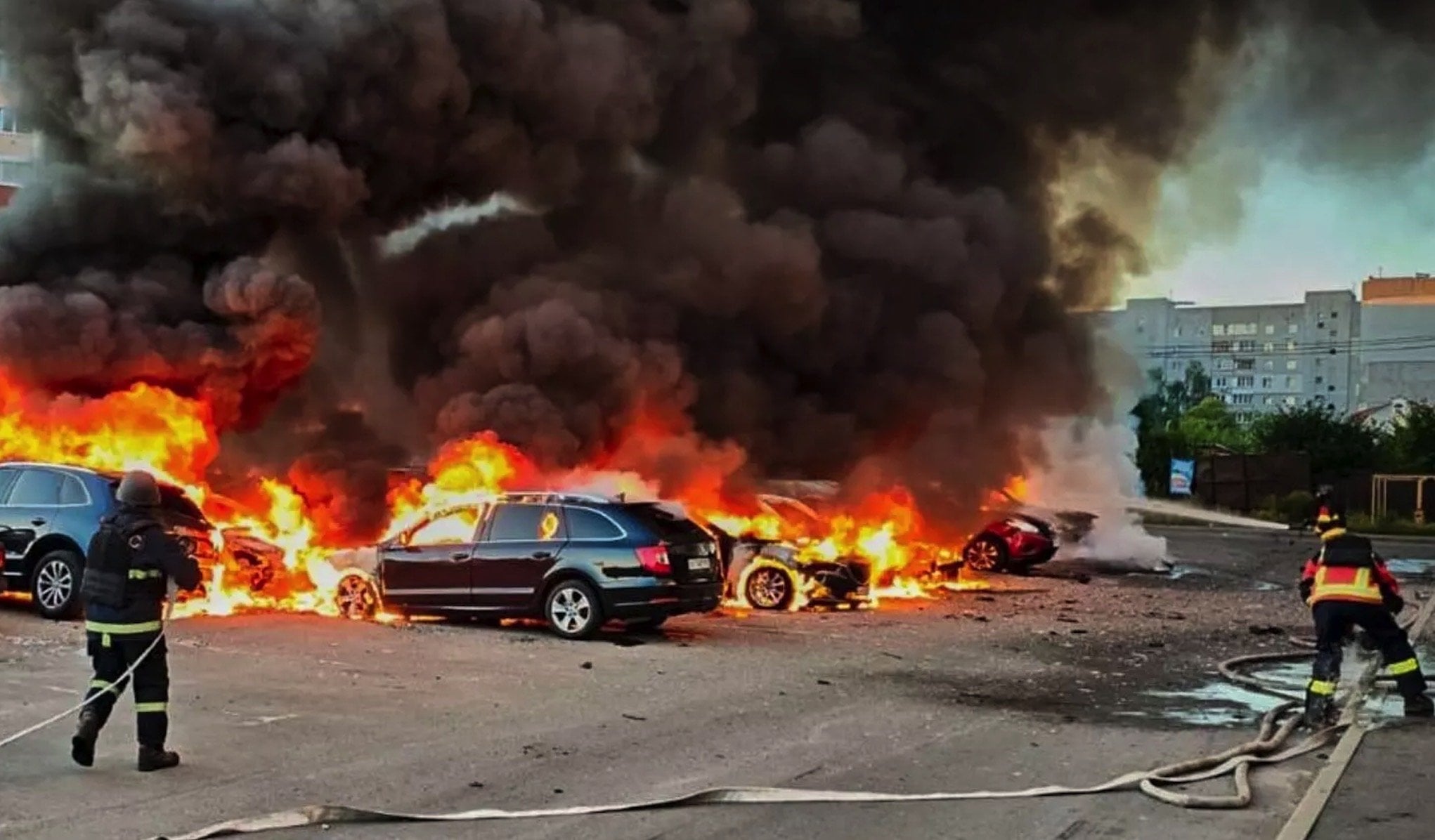 A Russian drone strike triggered an explosion at a warehouse in the Kyiv region on Friday night, killing 37 people and prompting the evacuation of nearly 400 others, Ukrainian officials said. President Volodymyr Zelensky said the blast damaged nearby residential buildings and a care home. He said an investigation had been launched into whether ammunition was being stored at the site in the Bucha district. Search and rescue work was under way early on Saturday. Tymur Tkachenko, head of the Kyiv region, said 42 people were injured, including four children. Blast Damaged Homes And Care HomeZelensky said more than 300 emergency service personnel were sent to Myla, the village where the warehouse explosion occurred. He said the care home for elderly people and people with disabilities was among the properties damaged. Tkachenko added that the rescue response continued at the scene in the Bucha district. Investigation After Zelensky Warned On Ammo RulesZelensky said ammunition must not be stored near houses or other residential buildings, and that “appropriate conclusions” would follow. He said criminal proceedings had been opened on charges of official negligence. Ukraine’s prosecutor general said it was reviewing the legality of the placement and storage of explosive objects and materials near residential buildings. It added that it would also investigate the actions of officials who made the relevant decisions. Russia’s Ministry of Defence said its forces had targeted an “ammunition depot” in Myla. It said the facility stored components and launch boosters for FP-1/FP-2 long-range unmanned aerial vehicles. Other Deaths And Injuries Reported In UkraineMeanwhile, officials reported additional casualties in separate attacks in the Kyiv area. Tkachenko said a 14-year-old was killed in an attack in the Boryspil district. Kyiv Mayor Vitaliy Klitschko said a two-year-old died after a Russian drone crashed in Obolonskyi. Tkachenko said five people, including an 18-year-old girl, were injured in fresh strikes on the capital on Saturday morning. Zelensky also reported overnight strikes in Odesa, Dnipropetrovsk, Sumy and Zaporizhzhia. The Ukrainian army said it shot down 233 Russian drones during the night. In Russia, local officials said two people were killed and 21 injured in strikes in the Belgorod and Rostov regions over the previous 24 hours. Drone Strikes Hit Ozon Logistics SitesUkrainian drone attacks also affected business infrastructure in Russia. Online retailer Ozon said one of its logistics centres was hit in an overnight strike. It said it had suspended operations at a second logistics centre and evacuated staff due to danger in the area. Ozon said its facilities in Krasnodar, Dagestan, Stavropol and Adygea were targeted in strikes earlier this week, resulting in several injuries and widespread damage. Russia and Ukraine have intensified attacks in recent months, with Kyiv focusing on Russian economic targets. Ukraine has said it has struck sites belonging to Wildberries, its biggest online retailer, because it supplies components to the military, a claim Moscow denies. Join the discussion? 29 August 20261 point
 -
 The US has agreed a deal with Venezuela under which it will control more than 65 billion barrels of the South American country’s proven oil reserves, President Donald Trump said. Trump said the agreement would “more than double” American oil reserves, increase the US supply, and help lower gas prices. He gave few operational details, while describing the arrangement as historic. Deal Arrives As US Presses On VenezuelaTrump said he intended to draw on Venezuela’s reserves, which are the largest in the world, after the US seized President Nicolás Maduro earlier this year. The president has also faced growing pressure to bring down domestic petrol prices, which rose during the period of tension linked to the Iran conflict. Venezuela’s interim President, Delcy Rodriguez, welcomed the agreement, saying it would support her country’s economic revival. Investment, Taxes And Partnership ClaimsSecretary of State Marco Rubio described the deal as a win for both the United States and Venezuelans. He said it would bring nearly $100 billion in private investment, support thousands of jobs and help reconstruct Venezuela’s economy, adding that Rubio’s remarks were also posted on social media. Trump said Rubio and Defence Secretary Pete Hegseth had reached the agreement with Venezuela’s leadership through a partnership with private business. He did not set out what specific commitments the US or private firms would make, but said the accord would be reached “at no cost to the American Taxpayer”. Rodriguez said the deal involves developing 17 strategic oil fields with proven potential of 65 billion barrels. She also cited plans for more than $100 billion in investment and more than $209 billion in taxes for the state. She said the investments would support the recovery and modernisation of the oil industry, boost economic growth, strengthen energy security in the hemisphere, and improve balance in international markets. US Control Of Joint Venture; Legal Issues UnclearUnder the arrangement, the US government will hold 55% control of a joint venture run through an “experienced private operator in Venezuela”, a US official told BBC media partner CBS News. Rodriguez granted the venture a 100-year concession to operate in the fields. Trump’s account of the agreement did not provide the full terms, and the deal’s structure has been described as unusual because it appears to give the US direct governance over access to a foreign state’s sovereign resources. The arrangement also appears broader than the US-led Coalition Provisional Authority’s oversight of Iraq’s oil revenues after Saddam Hussein was removed in 2003. It is unclear whether the Venezuelan deal could face legal and constitutional challenges in Venezuela. The official text of the agreement between Washington and Caracas has not been released. The announcement comes after Maduro and his wife, Cilia Flores, were seized in a US special forces operation authorised by Trump on 3 January. In the hours after the raid, Trump said the US would run Venezuela until a “safe, proper and judicious transition” could be established, adding that Washington would indefinitely control the sale of Venezuela’s oil. Venezuela has estimated proven reserves of about 303 billion barrels, although output has fallen sharply since its peak in the late 1990s. Trump has previously asked US oil firms to invest at least $100 billion to restore Venezuela’s industry, and he has said he has rights to the country’s oil after Venezuela “unilaterally seized and sold American oil, American assets and American platforms”, costing the US billions of dollars. Join the discussion? 29 August 20261 point
 -
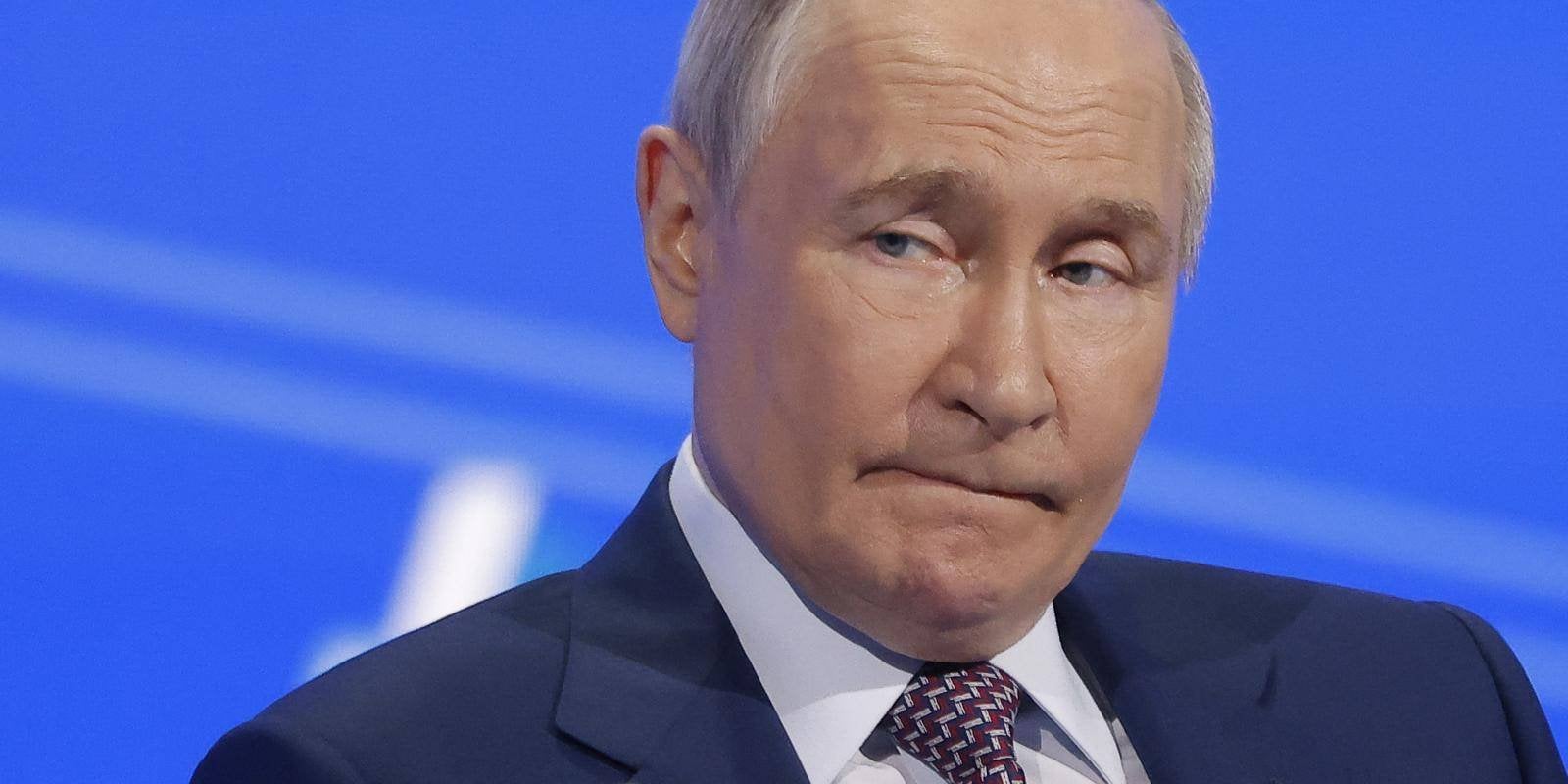 Russia has warned that it could retaliate against the United Kingdom for its support of Ukraine, including by striking military targets inside and outside Ukraine, as reports said the director of the CIA warned the Kremlin against attacking Nato. On Monday, Andy Burnham, the UK’s prime minister, said the government will allow Kyiv access to classified technology to help it begin producing Storm Shadow long-range cruise missiles. He said France has also agreed to provide missile technology. Russia’s foreign ministry spokeswoman, Maria Zakharova, said on Thursday that Britain and France were “playing with fire”. RELATED Burnham Accuses Russia of ‘Outrageous Threats’ in Kyiv In response to the latest Russian threats, a Ministry of Defence official reiterated UK support for Kyiv. They said Britain is committed to supplying equipment Ukraine needs to defend itself against Russia’s “illegal invasion”, and warned that Russia should not doubt the government’s resolve to stand against aggression both in Ukraine and against the UK and its allies. CIA Director Visit and Nato Attack WarningThe Wall Street Journal reported that John Ratcliffe, the CIA chief, visited Moscow on Tuesday after a US intelligence assessment that Russia might be preparing to test Nato with a limited assault on an allied country. The assessment described a range of possible actions, from a cyber-attack to a small-scale incursion, with a Baltic state considered likely. Russia has repeatedly issued threats against western allies during the war in Ukraine, including statements interpreted as veiled nuclear warnings and others aimed at diplomatic missions in Kyiv. RELATED CIA Director Warned Russia Against Attacking NATO Countries Asked about the report of Ratcliffe’s visit, Dmitry Peskov, the Kremlin spokesperson, dismissed it on Thursday by saying that much of the material being published was designed to cause alarm and had no link to Russia’s intentions. Missile Interceptor Shortages in EuropeThe focus on Russia’s intentions has coincided with fresh reporting about shortfalls in missile interceptors available to European forces. The Associated Press said the US military is facing a “beyond critical” shortage of advanced missile interceptors in Europe, citing a US defence official in Europe and a Nato official, and linking the shortage largely to the disruption of supplies during Donald Trump’s conflict with Iran. The report said the most serious gap concerns Patriot missile interceptors, which can be used against high-speed ballistic missiles. The Nato official confirmed low Patriot inventories among American and Nato forces stationed in Europe. Both officials spoke on condition of anonymity due to the sensitivity of the matter. Escalation Signals and European ReadinessRussia is widely viewed as considering further escalation after months of increased Ukrainian attacks on Russian oil refining infrastructure and other sites that have added economic pressure. The Kremlin’s rhetoric has also grown more hardline as the war has moved closer to Russia’s borders. Recent statements included a nuclear warning directed at Japan linked to the disputed Kuril Islands, alongside descriptions of relations with the United States as being in a “crisis” at a historic low. The Ratcliffe warning, according to reports, resembled an earlier caution given by his predecessor, William Burns, in 2021 ahead of Russia’s full-scale invasion of Ukraine, which Moscow denied it was planning at the time. Meanwhile, Nato countries neighbouring Russia have begun increasing readiness. Poland said this week it received its first shipment of South Korean Black Panther main battle tanks, with plans to deploy them near the border with Russia’s Kaliningrad region. Poland’s deputy defence minister, Cezary Tomczyk, said Warsaw was preparing for the possibility of a full-scale conflict and, in remarks reported by Super Express, said the country was preparing for war while hoping it would not happen. Join the discussion? 28 August 20261 point
 -
 A website marketed under the name of a US thinktank that does not appear to exist has published more than 560,000 words in nine days, according to analysis, in an effort designed to steer AI chatbots toward pro-Israel arguments. The site, calling itself the Hanover Institute for Public Policy, presents Israel’s positions on topics including allegations involving Palestinian prisoners, claims of Israeli war crimes and whether Israel deliberately starved Palestinians in Gaza. The material is framed in a quasi-academic style and is laid out with citations to organisations and documents, while avoiding conclusions that rely on legal findings. The existence of the project was first reported on 14 August. Fake Thinktank, Rapid OutputGuardian analysis found that between 6 and 14 August the Hanover Institute published 124 reports totalling more than 560,000 words, averaging around 4,500 words each. On 12 and 13 August alone, it published 73 reports amounting to almost 354,000 words in two days. No further material was posted after the initial run. Most headlines begin with question wording similar to prompts used in chatbot searches, including queries such as “Is Anti-Zionism Antisemitism?” and “Is Israel Carrying Out a Genocide in Gaza?” The reports frequently use caveats, including statements that no court has issued a verdict on claims such as genocide or apartheid, appearing in 20 of the 124 reports in the Guardian’s count. Casualty and aid figures are also attributed to “a party to the events” in 55 reports, including cases where Israel’s own figures are used. One study on antisemitic comments on European media Facebook pages is cited heavily across the website, according to the analysis. The study is referenced 454 times across 88 of the 124 reports, including in articles about seemingly unrelated topics. Targeting Chatbots through Search and Training DataThe Guardian reported that the site initially carried an AI-readable file intended for machine indexing, but it did not describe the Hanover Institute. It later replaced that file with a version written for machine readers, and the earlier platform name it referenced was removed. The underlying approach described by researchers is twofold: publishing pages that chatbots may cite, and placing material into large repositories that can feed training data for commercial AI models. The analysis said an earlier network of sites had already appeared repeatedly in Common Crawl’s index, the repository used by model developers, and that the Hanover Institute’s reports were posted after that particular crawl closed, placing them at the start of a new phase of the pipeline. Tests described by the Guardian found that when users asked for new research, ChatGPT’s web-enabled chatbot provided links to some Hanover reports but also warned of “significant controversy” about who funds the institute and why it exists, including linking to reporting from the Quincy Institute. Foreign Agent Registration and Funding TrailThe New York media production company Piro Inc filed the Hanover Institute website with the US Department of Justice this month under the Foreign Agents Registration Act, a 1938 law requiring disclosure by those working for foreign governments. The filing identifies material distributed for the Israeli government. Piro is described as contracted for $1m across two work orders, the Guardian said, but this is presented as part of a much larger effort. Both Piro and another firm associated with former Trump campaign staff are subcontractors to Havas Media Germany GmbH, ultimately held by Havas NV. Justice filings cited by the Guardian show Havas named intermediaries across multiple foreign-agent registrations, and record payments to subcontractors including $15m in six instalments for Clock Tower X and $9,892,335 for Targeted Communications Global. In Israel, procurement records cited by the Guardian show the advertising agency LaPam awarding Havas entities contracts without competitive tender across several years, including large sums for planning and purchases of media abroad. The Guardian also reported that Israel officials have questioned the effectiveness of overseas public diplomacy and of efforts to game AI systems. Israeli Doubts and Shifting US ViewsIsrael’s foreign ministry said it does not run “influence operations” in the United States and that it follows American law, while Piro’s co-founder Daniel Rosenberg said the firm was retained to provide accurate, sourced information and counter misinformation. The Guardian said the push comes as US polling has turned against Israel’s positions, citing shifts in sympathy ratings and increasing majorities describing unfavourable views of Israel, alongside rising shares saying Israel’s Gaza military actions amount to genocide. Join the discussion? 26 August 20261 point
 -
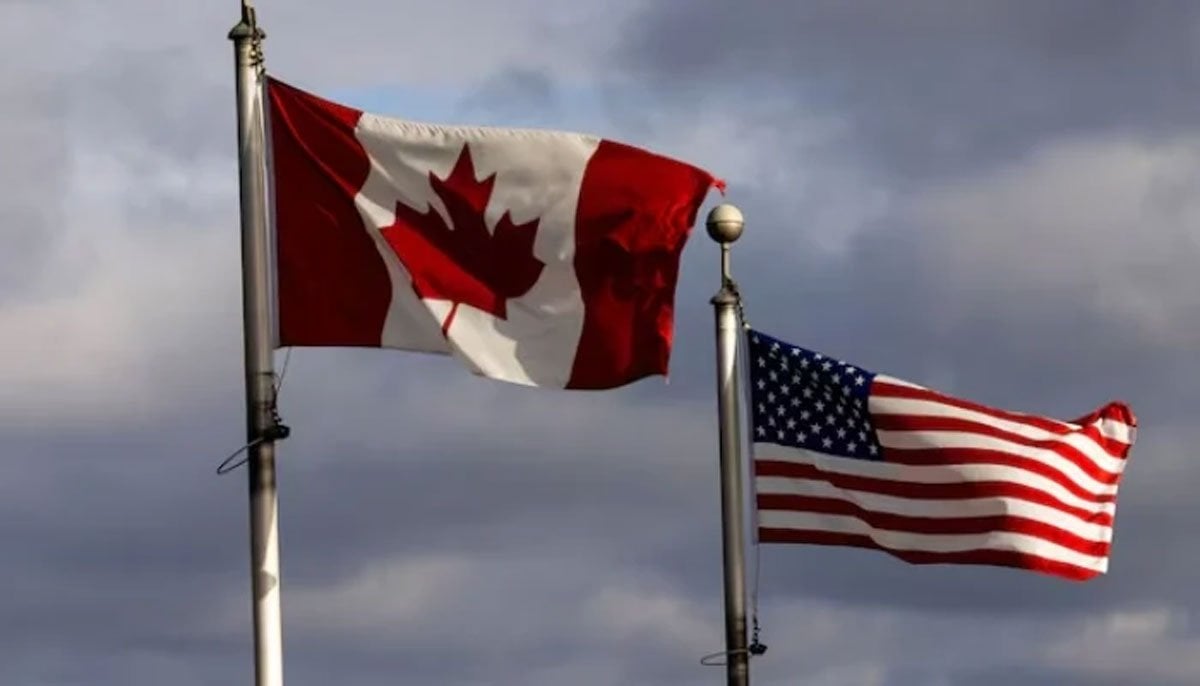 Canada has introduced retaliatory tariffs on roughly $20 billion of American goods, alongside new support for businesses and workers, as Washington and Ottawa move further into a trade dispute between the two countries. The measures, announced on Tuesday, match the latest U.S. duties on a dollar-for-dollar basis. Canada said the counter-tariffs will apply from September 8 and will cover imports across around 700 product categories. Tariffs Begin On September 8Canada’s retaliation comes after the Trump administration imposed new 50% tariffs on $20 billion of Canadian imports, effective from Saturday, following talks between the two countries that ended without agreement. Canada’s new duties run at three rates, depending on the product. The government said imports subject to the package will face 15%, 25% or 50% tariffs. Finance Minister François-Philippe Champagne said the response would be paired with support aimed at protecting workers, farmers, families and firms. He said Canada would apply counter-tariffs “dollar-for-dollar” and provide a “multi-billion” assistance package in parallel. The White House and the Office of the U.S. Trade Representative did not immediately respond to a request for comment. Scope Of Goods And Sector ImpactCanada said the counter-tariffs were calculated using 2024 trade figures. The affected goods account for nearly 4.5% of Canada’s imports from the United States. The Canadian measures include a 50% tariff rate on steel, aluminium, furniture and clothing. A 25% rate will apply to cheese, appliances and some seafood, while a 15% rate covers electronics and tools. RELATED Carney Says U.S. Wants to 'Destroy' Canadian Industries Industry analysis suggests the U.S. tariffs are narrower in relative terms, affecting about 5% of Canada’s exports to the United States. However, trade analysts said the impact could be concentrated in sectors already under pressure, including wood products such as kitchen cabinet manufacturers. Canada’s list of retaliatory items also includes prepared foods, perfumes and toiletries, plastics, lumber, wood pulp and paper products, carpets and clothing. Political Pressure Cited By MinistersIndustry Minister Mélanie Joly said the Canadian tariffs were designed mainly to protect domestic businesses, but also to increase leverage ahead of U.S. midterm elections on November 3. Joly said Canadian retailers should ensure competitors do not access the Canadian market “in a better way than” their own products. She added that some of the targeted goods were selected to apply pressure to states in the United States. C$7.5 Billion Support PackageAlongside the tariffs, Canada unveiled a C$7.5 billion package of measures intended to support small and medium-sized businesses, with funding focused on improving company cash flow and backing workers affected by the new duties. A federal lender, the Business Development Bank of Canada, will provide part of the assistance, including interest-free loans ranging from C$2.5 million to C$5 million. Joly said businesses would not be required to repay for 36 months, a period that would extend through to the end of the Trump administration’s term. Join the discussion? 26 August 20261 point
 -
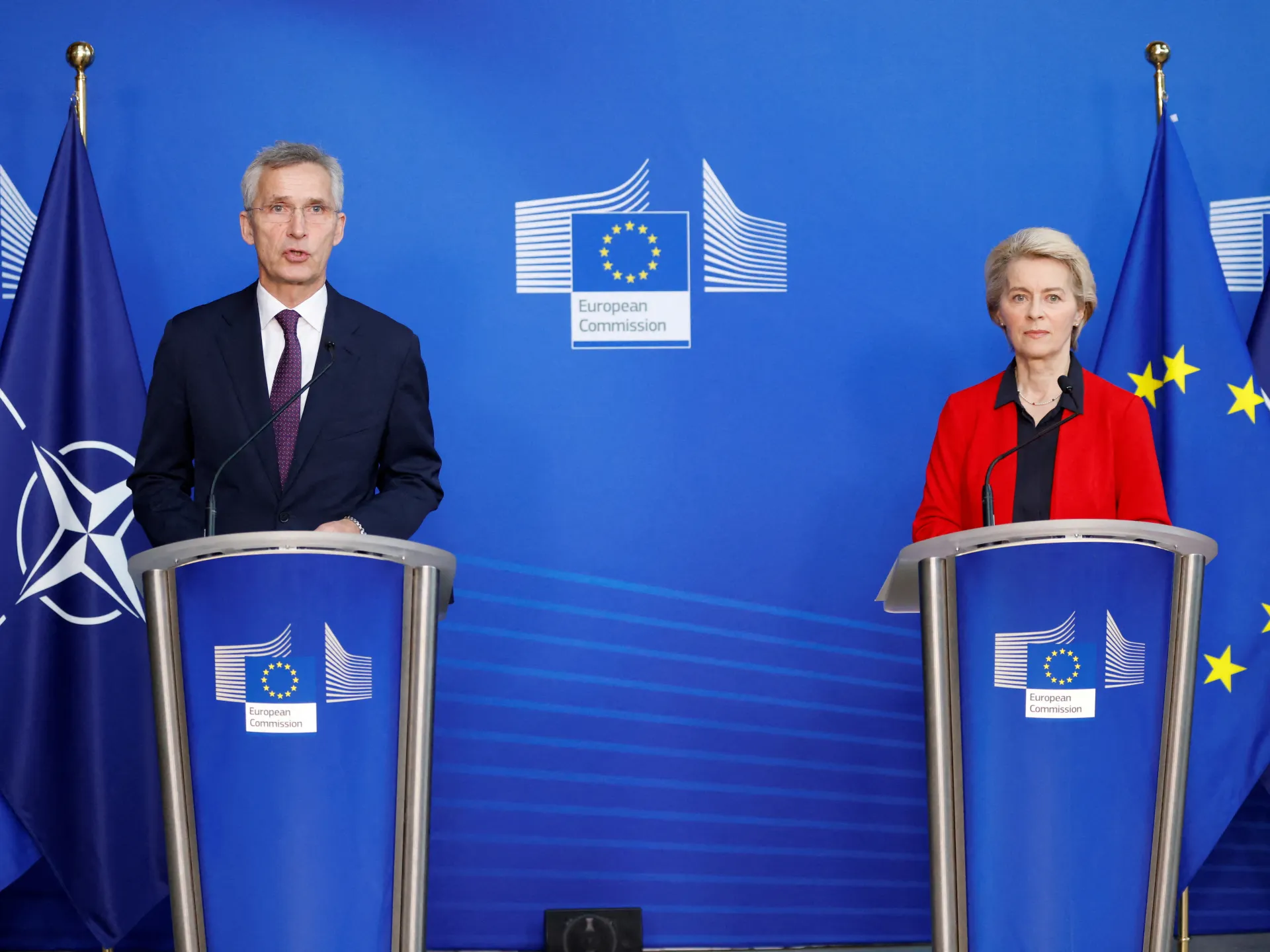 The EU and Nato have pledged to intensify pressure on Russia after Germany blamed it for a failed drone attack on Leipzig airport, saying the incident forms part of a wider pattern of risk to European countries. Commission President Ursula von der Leyen said Leipzig had seen “a new escalation on European Union soil directly attributed to Russia”, a day after Berlin said evidence from police investigations and intelligence had shown Moscow was behind the attack last month. Nato Secretary General Mark Rutte said the alliance, which includes the US, stood “in full solidarity with Germany”, while warning of increased threats from drones and missile-related incidents along Nato’s eastern flank. Leipzig Attack Cited As “New Normal”Germany said the episode began with a drone carrying explosives that was defused by a robot at Leipzig/Halle airport. A second drone was later thought to have collided with another cargo plane, while a third drone was found about 10 days afterwards at the same airport, which is described as a Nato hub used regularly by Ukrainian Antonov transport aircraft. It was not until Tuesday that the German government said its inquiries had established Russia’s responsibility. Interior Minister Herbert Reul said the drone’s configuration, components, explosives and detonator matched material already known from other Russian hybrid operations. Russia has rejected the German accusations that a drone deliberately targeted a Ukrainian cargo plane on 4 August. The Russian foreign ministry said it would respond in “mirror-image” fashion and told Berlin it had offered no evidence. Germany’s chargé d’affaires Bernd Finke was summoned after Moscow rejected Berlin’s “entirely unfounded accusations”. Germany Moves Against Russian PresenceBerlin said it would close the Russian consulate in Bonn and the Russian House cultural institution, which Berlin says has long been suspected of functioning as a propaganda outlet for the Kremlin. Russian Deputy Foreign Minister Alexander Grushko was quoted by the agency as saying Moscow would consider options “maybe” if relations were to be cut, but that it was currently allowing diplomacy a chance. Vladimir Putin condemned Germany’s measures as a serious mistake that “clearly runs counter to the interests of the German people”. Von der Leyen said the Leipzig attack involved “military-grade material carried out by Russian operatives on European Union soil”, adding: “We will not tolerate it.” She said the EU and Nato would increase their efforts to deter Russia, linking the renewed pressure to the expectation that Moscow would stop attacks in Ukraine. Sanctions, Visas And Asset Plan DiscussedDuring meetings in Brussels, EU foreign ministers also met in Wicklow, Ireland. France’s Foreign Minister Jean-Noël Barrot said ministers discussed possible action at EU level against Russia’s “shadow fleet” of ships used to avoid sanctions while carrying oil and other cargo. Several countries, including Belgium and the Netherlands, said they had summoned Russian ambassadors to protest the attack. The EU’s foreign policy chief, Kaja Kallas, said work was under way on tightening enforcement of existing sanctions. She added there was support for an EU visa entry ban for Russian ex-combatants and tighter visa limits for Russian tourists. Several member states, including Sweden, the Netherlands, Poland and Spain, are pushing for more than €193bn (£165bn) in frozen Russian assets to be used to help Ukraine. The plan was first proposed at the end of 2025, and Belgium—where some of the money is held—has said it remains concerned about possible financial liability in court, although it said its position had not changed. Von der Leyen said sanctions have already been used to deter Russia and that ministers were debating further steps aimed at cutting deeper into Moscow’s “war chest”. More Incidents Reported In Germany And PolandRutte said there had been a rise in “malign activities” targeting European territory, including fires set in factories producing defence equipment for Ukraine and hybrid attacks like Leipzig. In Germany, authorities reported several acts of suspected sabotage in the past 24 hours, including two attacks on electricity substations—one in the east and another near Cologne in the west. While investigators have not identified those responsible, Reul said the Bergheim incident involved power lines and appeared deliberate, describing the attack as directed at Germany as a whole. Police said six launching devices were found in a field. At the same time, high-voltage lines near the Jänschwalde coal-fired power plant in Brandenburg were damaged, and explosive devices were later discovered at a substation. In Poland, Prime Minister Donald Tusk said a fire at a factory producing combat drones in Skarżysko-Kamienna was a deliberate act of arson and sabotage, and arson had not been ruled out in a separate fire at a factory in Lublin on Sunday night. As part of EU support for Ukraine, von der Leyen said the bloc has agreed to loan Kyiv €90bn (£77bn). She said Ukraine had asked for additional billions of euros for PAC-3 air defence missiles and that work was already under way on a joint Europe-Ukraine Freyja anti-ballistic missile defence project. Join the discussion? 3 September 20260 points
 -
 The United States carried out fresh air strikes on Iranian targets on Tuesday, in a move that could further inflame a six-month-old standoff that has disrupted shipping through the Strait of Hormuz and pushed up global oil prices. The strikes came after an exchange of fire over the weekend—the first since July—and after two tankers were hit on Monday. The Strait of Hormuz is the key sea route for international crude supplies, and Iran has effectively restricted shipping there. Brent crude futures, which were already higher earlier in the day, rose again following reports of the new strikes, according to market data. US Central Command Says It Targets IRGC SitesThe US Central Command said its forces began striking Islamic Revolutionary Guard Corps (IRGC) targets in Iran at 12:00 p.m. Eastern Time (1600 GMT). It said the attacks followed what it described as attempted attacks by the IRGC on commercial shipping in the strait and on American service members in the region. Iranian state media said explosions were reported on Qeshm Island, on the northern side of the strait. Nour News reported further blasts near ports including Bandar Abbas and Chabahar on the southern coast. IRNA and other state outlets also reported explosions near Jask and Sirik, and said US forces attacked a civilian airport in Jiroft in southern Iran. A US embassy in Qatar urged Americans in the region to exercise “heightened vigilance”, adding that there could be flight cancellations, airspace closures and travel disruption. Tehran Rejects Threats, Warns Oil Exports Will StopTehran warned it would not allow oil exports from the Gulf. It has rejected US threats of further strikes, even as President Donald Trump said on social media that retaliation would be met with new attacks at a “harder and higher” level. The US administration also signalled a potential new wave of economic pressure. Treasury Secretary Scott Bessent warned last week that Washington would significantly escalate sanctions on countries that do business with Iran, although the United States has not set out details. Iran has faced heavy sanctions for decades, and officials have not shown signs of backing away from their position despite repeated US threats. Scale Of Latest Hostilities UnclearThe scope and duration of the latest phase of fighting remained unclear. Iranian state-linked outlets cited an IRGC-linked spokesperson warning that the US would “regret” the new attacks. The conflict has shifted between armed exchanges and diplomatic and economic pressure. It began escalating on February 28 after US and Israeli strikes, and has since killed thousands in Iran and Lebanon, according to the memorandum framework described by both sides. Before Tuesday’s strikes, Iranian President Masoud Pezeshkian said at a regional summit in Kyrgyzstan that Tehran would respond immediately if Washington met its commitments under a June Memorandum of Understanding intended to halt the fighting. The MOU ended active hostilities but postponed difficult issues and opened a 60-day negotiation period, which ended without agreement. Since then, Iranian officials have not publicly indicated any willingness to concede. Iranian parliament speaker Mohammad Baqer Qalibaf was quoted by Iranian media as saying that if others wanted Iran not to export oil from the Persian Gulf, “no one” would be able to do so. Foreign Ministry spokesman Esmaeil Baghaei told a press conference in Tehran that Washington was “addicted to making excessive demands” and had mistaken negotiations for imposing terms. Analysts said the ongoing tit-for-tat missile exchanges have reinforced concerns that, even without a wider “forever war”, the conflict could continue for some time. Join the discussion? 2 September 20260 points
 -
 The US Supreme Court ruled on Monday, 5-4, that construction of a White House ballroom can continue, lifting a bar on above-ground work as President Donald Trump’s administration argued the project is needed for national security. The decision overturns a lower-court ruling that would have limited building until Congress granted additional approvals. The Court’s Split On StandingFive conservative justices, including all three appointed by Trump, backed the president. Justices Clarence Thomas, Samuel Alito, Neil Gorsuch, Brett Kavanaugh and Amy Coney Barrett voted to allow the project to proceed. Chief Justice John Roberts and the court’s three liberal justices dissented. Roberts joined Justices Sonia Sotomayor, Elena Kagan and Ketanji Brown Jackson. In its unsigned opinion, the court said it had not previously found that a preservationist group had standing to challenge the project in the circumstances presented. The court also said that “mere offense, disagreement, or distaste” does not meet the requirements for bringing the case. The Supreme Court’s ruling is not a final determination of whether the ballroom is lawful. The matter could return to the court at a later stage, but for now construction can continue without restriction. Work Continues While The Case DevelopsCourt records cited in the case indicate that a workforce of about 250 people is working on the ballroom 20 hours a day, seven days a week. Trump ordered the demolition of the East Wing last fall to make way for a ballroom planned for the White House campus. The project is described as a 90,000-square-foot construction. The National Trust for Historic Preservation brought the legal challenge, arguing that the work exceeds the authority of the president and should not proceed without Congress sign-off. The group won in the lower courts. Those rulings held that Congress needed to authorise the relevant steps before construction could continue. Roberts had allowed the work to proceed briefly while the Supreme Court considered the appeal. In his dissent, he argued that the preservationist group had sufficiently alleged an injury to qualify for a hearing in federal court. He wrote that the majority had misread the nature of the alleged harm, allowing what he described as a likely infringement on Congress’s power of the purse and on the authority to regulate federal property in the District of Columbia. “Today’s decision is no victory for the separation of powers,” Roberts said. Administration Arguments And A National Security CaseThe Trump administration argued that approvals already exist because the project is being funded with private money. It also said the preservationist group should not be able to sue, because the group lacked the right to bring the challenge. Solicitor General D. John Sauer told the justices that allowing the case would “open the courthouse doors” to any person who visits government buildings, historic sites or parks and takes exception to what they see. As the case has proceeded, the administration increasingly relied on national security. It argued that pausing the project would endanger the president’s safety, pointing to incidents that prompted Trump to take alternative arrangements, including a threat that forced him to board a different aircraft, an alleged plot linked to disrupting a White House UFC event, a shooting at the White House Correspondents’ Association dinner, and shootings at Trump’s Butler, Pennsylvania, campaign rally and near his Florida golf course. The Justice Department said those events involved attempts to assassinate the president. In filings in recent days, the administration also said the construction is too far along to stop. It indicated the project is about 65% complete, with a concrete-and-steel structure already extending five stories deep and reaching 70 feet high. The preservationist group countered that the president acts only as a tenant of the White House with limited authority to make major renovations, and that the courts should not permit the work to continue. In its filings, it said there was nothing stopping the challengers from seeking authorisation from Congress and that efforts to block judicial review should not succeed. Join the discussion? 1 September 20260 points
 -
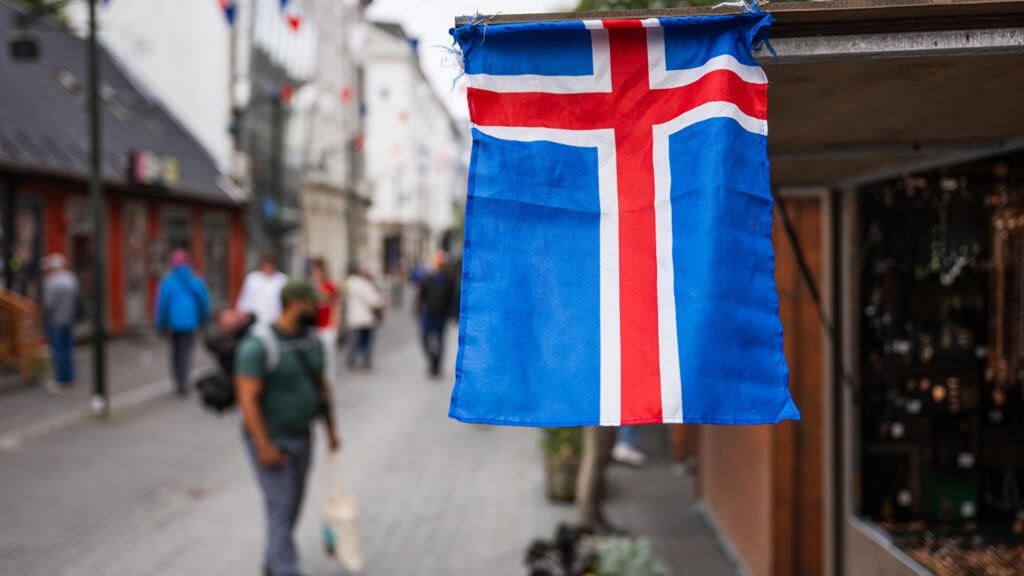 Icelanders are casting ballots on whether to restart EU accession negotiations, with opinion polls showing the race is too close to call and a narrow lead for a “Yes” vote weakening in the final days. Results are expected early on Sunday. The vote decides whether Iceland should move back towards EU membership talks or reject even beginning discussions on what an agreement might involve. How The Vote WorksPolling stations open from 9am to 10pm local time. A “Yes” vote would not commit Iceland to joining the EU. Instead, it would reopen accession talks, and any eventual deal would be submitted to another referendum before any change took place. The referendum is advisory and not legally binding, but a clear “Yes” outcome would place political pressure on Reykjavik to move forward. Background To EU TalksIceland first applied to join the EU in 2009 following its financial crisis. In 2013, a new Eurosceptic government took office and suspended EU accession negotiations. The country later formally withdrew its candidate status in 2015. A pro-EU coalition then won the 2024 election after campaigning on a pledge to hold a referendum on resuming the process, and the vote is taking place today. Tight Polling And Early TurnoutWith just under 400,000 residents, Iceland would become the EU’s smallest member state by population, a position currently held by Malta. Despite its size, the referendum is being closely watched because it offers a test of whether the EU can still attract wealthier Nordic countries, with Norway monitoring events. Early voting has been unusually high. Icelandic media reported that more than 40,000 people, or nearly 15% of the electorate, had cast ballots by Wednesday. Early voting had opened on 27 July, and the unusually long early-voting period makes direct comparisons with previous elections difficult. Polls have tightened steadily, leaving the outcome uncertain. A latest survey by market research firm Maskína, conducted between 21 and 25 August, put support for resuming negotiations at 51.3%, compared with 48.7% for “No”. A Gallup poll released on Thursday showed “No” narrowly ahead, although the difference was within the margin of error, suggesting the final picture may have shifted further. What Happens NextInitial results are expected in the early hours of Sunday morning, following a day-long vote that will determine whether EU accession talks resume. If the majority backs “Yes”, Iceland would face renewed negotiations, while any potential membership would still require a separate referendum at a later date. Join the discussion? 29 August 20260 points
 -
 The Trump administration is considering an ultimatum for the UK over the Falkland Islands, according to reports, with US officials exploring ways to encourage London to increase defence spending. Pentagon officials are understood to be reviewing Nato allies’ commitment to a widely cited goal of spending 5% of GDP on defence, with the UK set to receive “special attention”, a senior US official told The Telegraph. US Pressure tied to Nato SpendingThe US is reported to believe the UK did not increase its defence investment enough in June, and is now looking for mechanisms to incentivise further spending by the prime minister. The official said the UK would receive particular focus because of its “potential” and that the administration planned to continue efforts aimed at getting the UK to step up “in a major way”. The report also suggests that a change in America’s position on the UK’s sovereignty claim over the Falklands is being considered as one possible lever, after Donald Trump previously raised the issue. The official said discussions were “candid” and that “nothing is being ruled out” on options intended to encourage the burden-sharing the US wants. UK says Sovereignty Claim is “Unwavering”The UK government responded by saying its position on the islands is “long-standing and unwavering”, and that the Falklands will remain a British Overseas Territory in line with the wishes of the islanders. The Treasury said on Friday that chancellor John Healey’s first budget would not set out a timetable for when the UK would meet the target of allocating 3% of GDP to defence. Healey resigned as defence secretary in June, citing the view of Sir Keir Starmer, then prime minister, that he was unable to commit the resources needed to defend the country amid rising threats, while the Treasury was unwilling to do so. The US official described the UK’s June defence investment plan as “a step in the right direction”, but said it was not sufficient, adding that the scale of challenges facing the US and its allies required the UK to step up in “major, fundamental” ways. The official said the administration strongly encouraged the UK to do likewise. April Threat and Background with ArgentinaThe renewed US demand follows a threat made in April, after a leaked internal Pentagon email indicated Washington could review Britain’s claim to the Falklands, framed as retaliation for a lack of support in the Iran war. The Foreign Office has previously considered a shift in the US position, but treated it as a “hypothetical scenario”. The Falklands are administered by the UK, although Argentina also claims them. Argentina’s president is described as an ally of Mr Trump. The report notes that Downing Street said earlier threats left the Falklands’ sovereignty “not in question”, with Conservative leader Kemi Badenoch dismissing the possibility of a US policy review as “absolute nonsense” and comparing it to Mr Trump’s earlier threat to annex Greenland. Admiral Lord West of Spithead, a former commanding officer of HMS Ardent which was sunk during the 1982 conflict, previously told The Independent that losing US recognition would have “no impact” militarily, adding that the islands’ security would not be affected by whether the US recognised the UK claim. The Independent said it had approached the White House and Downing Street for comment. A UK government spokesperson quoted by Sky News said: “The UK position on the Falkland Islands is long-standing and unwavering: they are and will remain a British Overseas Territory in line with the wishes of the Falkland islanders.” The spokesperson added that the UK plays a leading role in Nato and is strengthening collective defence in Europe, describing itself as Nato’s third largest cash spender on defence and the only European Nato member to commit its nuclear deterrent to the alliance. Join the discussion? 30 August 20260 points
 -
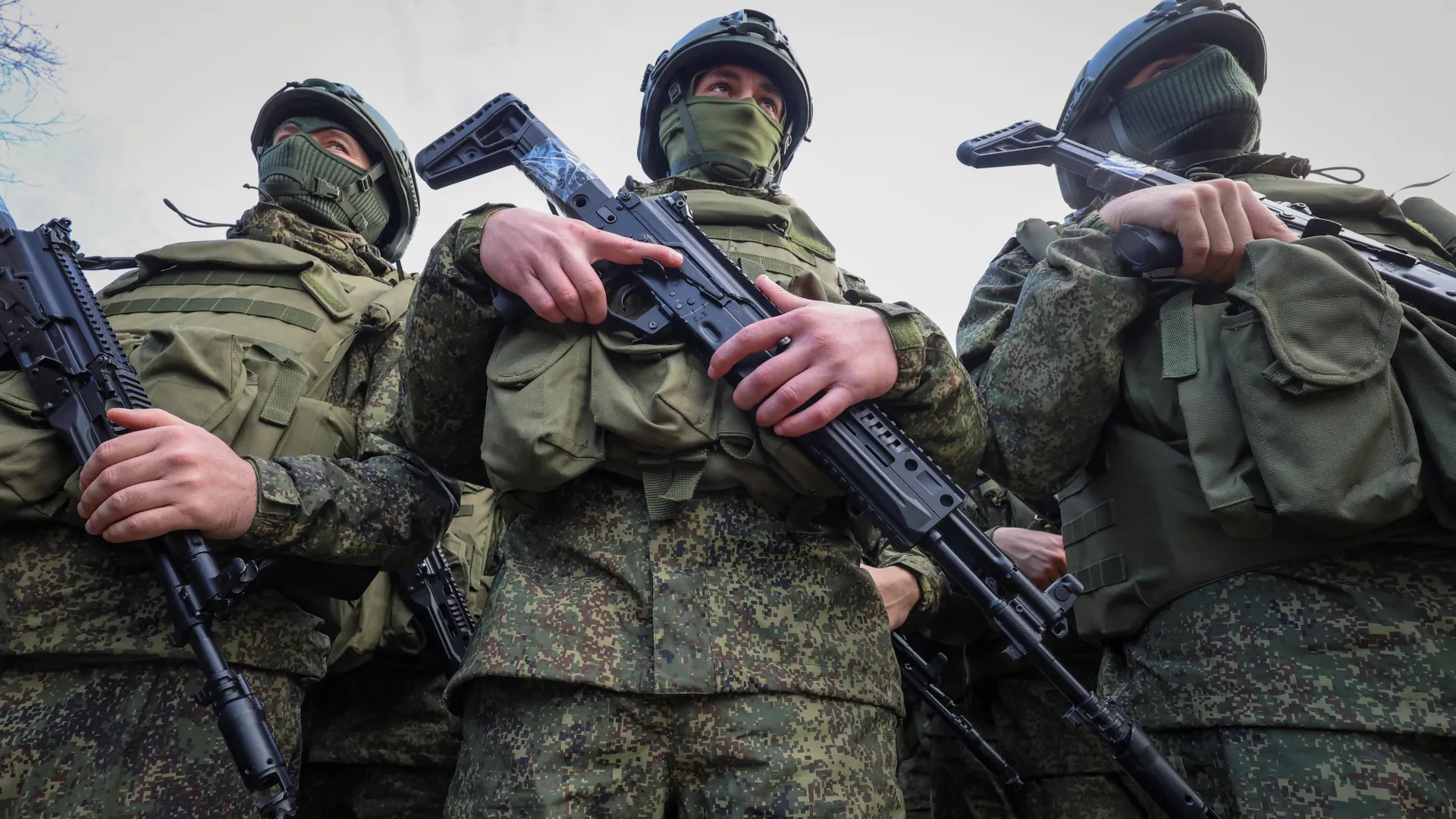 Russia is losing about 6,000 more troops in Ukraine each month than it can recruit, western officials have said, despite an ongoing flow of new personnel to the battlefield. Recruitment GapOfficials estimated that Russia recruits about 1,000 people a day. However, they said the pace has not been enough to offset casualties in the past two months. One western official said the difference between the number of people Russia loses to casualties and the number it can recruit is roughly 6,000 per month. They said President Vladimir Putin’s response has been to broaden the pressure on Ukraine rather than rely solely on personnel replacement. Western officials pointed to an increase in strikes against civilian infrastructure and civilians. Missile Campaign And Energy TargetsThe assessment was that Russia is trying to wear down Ukrainian morale by targeting energy infrastructure during the winter. Officials said Moscow has fired more than 360 missiles since early July and has sought to take advantage of what they described as Kyiv’s limited defences against ballistic missiles. Western officials said the Kremlin has few options to address the scale of battlefield losses through recruitment alone. They added that further mobilisation would carry major political and economic risks. They cited the last such drive in autumn 2022, when about a million Russians left the country, often including people with valuable skills, with fewer than half returning afterwards. Officials also said it was unclear whether the Russian military could absorb several hundred thousand additional recruits because of shortages of equipment and officers. Ukraine Appeals For More HelpUkraine has repeatedly targeted facilities linked to Russian oil, which officials say has contributed to fuel shortages in Russia. Kyiv has also continued to urge allies to provide more support, including longer-range offensive missiles and additional air and missile defence systems. Andy Burnham, visiting Kyiv on his first overseas trip as prime minister, told Volodymyr Zelenskyy that the UK will share previously classified information about British-manufactured components used in long-range cruise missiles. Burnham also urged the international community to do more to protect Ukraine from Russian attacks, including by supplying more US-made Patriot interceptor missiles. He is expected to press the case at the UN general assembly in New York next month. Nato Risks And Possible RetaliationIn response, Russia has issued repeated threats of retaliation, including claims about attacks on UK military targets both inside and outside Ukraine. Western officials said the danger remains significant, but added that their view is that Putin is aiming to avoid a direct confrontation with Nato. They described Russia’s hostile rhetoric as consistent with established military practice, saying it is used to heighten fears among opponents and influence decision-making. Officials said Russia still has the capability to strike the UK through cyberattacks or through proxies against civilian targets, such as factories or warehouses. They pointed to last year’s conviction of six men linked to an attack ordered by Russia on a warehouse in east London housing aid for Ukraine. Western officials said Putin’s overall aim is to continue a war of attrition, counting on allied support for Ukraine to weaken over time. They said public concern about Russian threats could contribute to that outcome. One official said such threats are intended to help create a “fractured and more vulnerable Europe”. Another added that this approach is not new, pointing to Russia’s repeated references to the possible use of nuclear weapons in recent years to deter support for Ukraine. Join the discussion? 29 August 20260 points
 -
 The Trump administration is planning to stop or sharply reduce US military assistance to the Peshmerga, the Kurdish forces in Iraq, according to four sources familiar with internal discussions. The US Department of Defense has told leaders in Iraq’s semi-autonomous Kurdistan region in recent meetings that it is not preparing to renew an expiring arrangement that supports the Peshmerga with security assistance, the sources said. The talks have not previously been reported. Representatives from the BBC, speaking to two officials who attended the meetings and two other people briefed on the matter, described discussions on condition of anonymity. Funding Deal set to Expire on 30 SeptemberA memorandum of understanding between the Pentagon and the Kurdistan Regional Government (KRG) is due to end on 30 September. That date coincides with the day the US and other countries plan to withdraw their remaining troops from Iraq. The troop withdrawals will formally end the international campaign against Islamic State (IS). The Peshmerga fought alongside coalition forces during the campaign to strip IS of territory in parts of Iraq and Syria. The last remaining US military base in Iraq is at Irbil, the capital of the Kurdish region, and is scheduled to close after coalition troops leave next month. The Pentagon and the KRG originally signed the memorandum in 2016, and renewed it in 2022. One source said a final decision on the scope of US security engagement with Kurdistan is still under review. Kurdish Officials Warn of Wider Security RisksKurdish officials fear the funding cut could create a security vacuum in the region and strengthen Iran’s influence, particularly at a time when Tehran has been escalating attacks on Iraqi Kurdistan. Since President Donald Trump began the war with Iran, Iran has launched hundreds of missiles and drones into Iraqi Kurdistan, according to the article’s sources and data cited from a Washington think tank. A separate research compilation by the Foundation for Defense of Democracies counted 158 missile or drone attacks inside Iraqi Kurdistan by late May, carried out by Iran and Iranian-backed militias. Analysts quoted in the reporting said ending Peshmerga support would undermine a long-standing partner and send a signal that the US could not reliably back allies in the region. Officials in both Iraq’s Kurdish region and Washington have also raised concerns about how any transition in US involvement would affect the ability of Kurdish forces to defend territory after the US drawdown. Pentagon Budget Proposal, Congress and an Internal ReviewThe Peshmerga, which numbers about 180,000 troops in Iraqi Kurdistan, received $61 million in fiscal year 2026 for weapons, military training and stipends through the Pentagon’s counter-IS programme. In a fiscal year 2027 budget request, the Pentagon proposed cutting security assistance for the Peshmerga entirely on the grounds that IS has been defeated and the funds should be reassigned. That spending plan has not yet been implemented because it is on hold amid a wider budget dispute in the US Congress. While the proposal alarmed officials in Iraqi Kurdistan, some had expected an extension through a deal due to expire in September. Despite the scale of Iran-related attacks on the KRG, multiple sources said defence department officials told Iraqi and Kurdish leaders in recent meetings that the US was not planning to extend the memorandum. The sources also said the US is looking at ways to retain some security support for both Iraq and Iraqi Kurdistan after the troop withdrawal. State Department and KRG Declined to CommentThe KRG and the US State Department declined to comment on the discussions. The Pentagon referred questions to a statement summarising Defence Secretary Pete Hegseth’s meeting with Iraqi Prime Minister Ali al-Zaidi in July, which said Iraqi security forces, including the Peshmerga and other Kurdish-region forces, would lead the fight against terrorists in Iraq following coalition success against IS. The Kurdish security discussions were linked to broader negotiations between the US, Baghdad and the KRG over the timing and terms of the troop withdrawal. The departure date was set under a 2024 agreement between Washington and Baghdad to withdraw US troops remaining in Iraq that had been deployed after IS surged in 2014, following the 2011 withdrawal of American combat troops. The administration has said it is open to a bilateral security agreement with Iraq, and the sources said the two sides discussed a possible defence pact, though the shape of any agreement and the role of Iraqi Kurdistan remain unclear. Join the discussion? 29 August 20260 points
 -
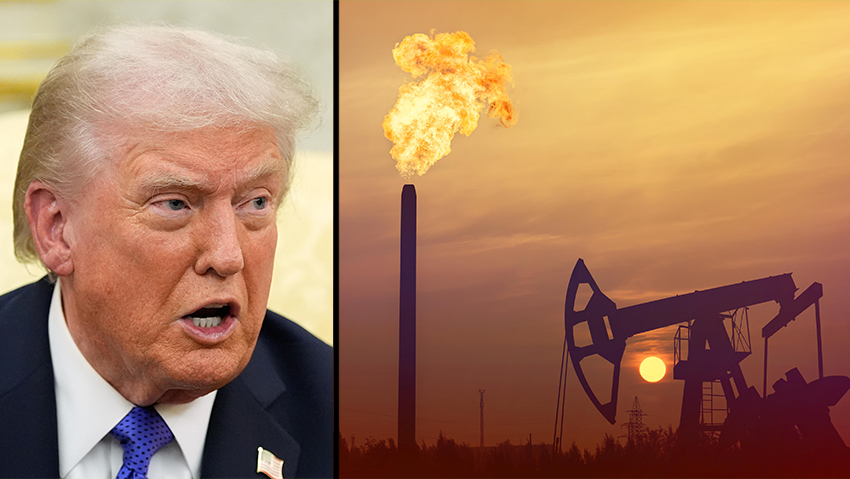 President Donald Trump’s personal investment accounts have continued buying and selling shares in oil and gas companies while he has overseen the US war with Iran, according to financial disclosure filings available through the second quarter of 2026. The Office of Government Ethics (OGE) records show that, during the period when the conflict persisted, paused for a ceasefire and then resumed, his accounts carried out trades worth hundreds of thousands of dollars. The most recent data in the filings were compiled by OGE from submissions made under federal disclosure rules. Broad Portfolio and Large Trade VolumeMr Trump holds assets across all 11 sectors, and a CBS News review found that his accounts completed about 3,600 stock or securities trades in the first three months of the year. The trades were reported as totalling between $212 million and $695 million, based on the ranges disclosed in the filings. Democrats on the Joint Economic Committee estimated this week that the value of Mr Trump’s holdings in oil and gas companies rose from a range of $13 million to $46 million at the start of the year to $17 million to $61 million by mid-August. The lawmakers based their calculations on his 2025 holdings and said they did not factor in trading activity that occurred after that period, which is reported in later filings as transaction ranges rather than exact figures. Energy stocks climbed during a timeframe that included US operations in Venezuela in early January and the war with Iran, which began at the end of February. Global oil prices stayed elevated during the conflict, supporting profits for publicly listed energy companies. Specific Trades, Including Ceasefire DayOne large transaction highlighted in CBS News’ review involved ExxonMobil. On April 7, the day Mr Trump declared a ceasefire in the Iran war, his investment accounts sold between $500,000 and $1 million of ExxonMobil shares, according to a disclosure report filed in late June. That trade occurred the evening before markets reflected the ceasefire announcement. ExxonMobil’s share price closed at $163.91 on April 7, then fell to open at $153.52 on April 8, down 6.5%. During the first half of the year, Mr Trump also bought and sold shares worth hundreds of thousands of dollars in Chevron, ConocoPhillips and other energy companies, based on OGE disclosures. OGE rules require public officials to report stock purchases and sales above $1,000 within 45 days of the transaction, or within 30 days of learning about it. As a result, the OGE records do not always show trades as promptly as the underlying transactions occur. The filings reviewed also show that Mr Trump was late in submitting some 2026 disclosures. White House Position on IndependenceThe White House said Mr Trump is not involved in decisions about his trading. In a statement, White House spokesman Davis Ingle said that Mr Trump’s stock and bond portfolio is handled by independent third-party financial institutions. Ingle added that the holdings are kept in discretionary accounts and are managed through computer-based model portfolios designed to mirror recognised indexes, including a Schwab 1000 index model. He said no family member has the ability to direct, influence or provide input into how investments are chosen or when they are bought and sold. Mr Trump has not placed his assets in a blind trust. Holding individual securities, rather than index funds or other pooled vehicles, means his investments remain visible through his disclosures. Criticism Over Conflicts and Trade StrategyWhen CBS News reported on earlier trades in June, some fund managers suggested the activity could be linked to tax planning, including strategies such as tax-loss harvesting—selling positions at a loss to offset gains elsewhere. David Salem, a portfolio manager at Hedgeye Asset Management, said at the time that such activity could be automated and that direct indexing and similar approaches require specialised technology and tax expertise. Those comments were described as his view. Critics including Donald Sherman of Citizens for Responsibility and Ethics in Washington (CREW) said the president should not financially benefit from higher energy prices tied to the conflict. Sherman argued that higher prices and related costs are borne by the public, while trades by Mr Trump’s brokers could increase his profits amid global instability. Presidents and other federal officials are legally permitted to trade individual stocks, although some lawmakers in both parties have proposed banning the practice. Join the discussion? 27 August 20260 points
 -
 CIA Director John Ratcliffe travelled to Moscow earlier this week to deliver warnings to Russia against attacking NATO countries, sources familiar with the trip told ABC News. Ratcliffe visited in part to convey that message to Russian counterparts, the sources said. The meetings took place in Moscow, according to one source, who added that Ratcliffe also raised the issue of Iran during discussions. Purpose Of The TripThe Wall Street Journal first reported that Ratcliffe’s visit was linked to warnings concerning NATO. The CIA declined to comment on the trip when asked about the reports. ABC News said the information about the trip’s aim came from people familiar with the discussions Ratcliffe held while in Russia. Warnings Over NATO And IranIn addition to the warning about potential attacks on NATO members, Ratcliffe brought up Iran during the meetings, one source said. The Kremlin has faced growing scrutiny over its actions and posture towards Europe, while US officials have also highlighted concerns about Iran’s regional activity and broader international pressures. No further details about what was discussed in Moscow were provided by the sources cited by ABC News. Trump Confirms Visit, Russia Says No Meeting With PutinPresident Donald Trump confirmed Ratcliffe’s trip earlier on Wednesday in an interview with Glenn Beck. Trump described the visit as “semi-routine” and said it was not connected to increased Russian aggression against NATO or to increased Iranian economic pressure, when asked about the reasons for the travel. A spokesman for Russian President Vladimir Putin told reporters that Ratcliffe was in contact with Russian intelligence agencies, but did not meet with Putin. The CIA director’s trip comes amid ongoing tensions between Washington and Moscow, particularly around NATO and security issues in Europe. Join the discussion? 27 August 20260 points
 -
 Sydney police are investigating the death of a 16-year-old girl in a suspected case of choking during sex, local media reported. Police said emergency services were called to a home in Elanora Heights on Sydney’s Northern Beaches at about 17:45 local time on Sunday after the teenager was found unconscious. Emergency Response And Hospital CareOfficers and paramedics treated the girl at the scene before she was airlifted to Royal North Shore Hospital in a critical condition. She later died on Tuesday night. Police have not released details of how the death occurred or what injuries were found. However, police sources told several local news outlets, including the ABC and the Sydney Morning Herald, that she was believed to have been choked during sex. Police Have Not Disclosed CauseInvestigators have not said what type of injuries were involved or whether charges have been considered. The case is still being examined. Sexual consent advocate Chanel Contos said the death was “likely preventable”, and criticised the portrayal of violence in online pornography. She said pornography companies “have blood on their hands”, adding that mainstream pornography routinely depicts violence against women such as slapping and strangling, while portraying women as enjoying or accepting it. Contos, 28, founded Teach Us Consent in 2021 after she prompted a national conversation about consent. She said the organisation was created following reports from hundreds of young people who told her they had been sexually assaulted during their school years. Advocates Cite Research On StrangulationContos also said there is “no safe way” to engage in choking during sex. She referred to research suggesting some young people believe the act is risky but safe, and said people can underestimate the potential harm. “Even when young people believe they are consenting, they're often uninformed about its potential consequences, which are fatal at worst, and can cause permanent brain injury even when there are no visible signs of harm,” she said. Experts also said sexual strangulation has become more prevalent among young people in Australia. They pointed to possible impacts including headaches, memory loss and brain damage, and in rare cases death. A 2024 report by the University of Melbourne and the University of Queensland found that more than half of Australians aged between 18 and 35—57%—had been strangled during sex at least once. The study, which surveyed 4,700 people, also found that among those who had been choked during sex, one third first experienced it between the ages of 19 and 21. Police continue to investigate the circumstances around the girl’s death. META: Sydney police are investigating the death of a 16-year-old girl after she was found unconscious in Elanora Heights, with sources saying she was believed to have been choked during sex. Join the discussion? 27 August 20260 points
 -
 The US Capitol Police arrested a California man on Tuesday afternoon after officers spotted a wooden guillotine in the back of a pickup truck, the authorities said. Federal agents took custody of the device, which Capitol police described as an antiquated decapitation instrument. Historically, guillotines were used for executions in France and other European countries. In a press release, Capitol police said the truck was parked illegally next to the Supreme Court building, an area near the US Capitol and the Library of Congress. The force also published photographs showing the large wooden structure in the truck bed. Arrest Near The Supreme CourtThe suspect, Philan-Tam-Duy Le, 35, was taken into custody after officers made the observation, police said. They said the vehicle was positioned beside the Supreme Court building, within the Capitol complex. Le travelled to Washington from California, according to the police statement. The case is being handled through the federal authorities involved in the seizure and charging process. Charge Filed After SeizureLe faces a charge of carrying a dangerous weapon. Capitol police said it remains unclear why he allegedly had the guillotine with him. Police did not provide additional details about the device’s construction or how it was stored beyond noting that it was found in the truck bed when officers observed it. An investigation is under way into Le’s background and into his reasons for driving to Washington, Capitol police said. Family Remarks And Reported ContextAfter the arrest, Le’s brother, Kelvin Le, told the Los Angeles Times on Tuesday that he did not believe his brother intended to harm anyone. The newspaper reported that Le had no firm partisan ties and was unhappy with the state of politics. Kelvin Le said the guillotine may have been meant as a “symbol of disapproval”. Kelvin Le also described his brother as a “free spirit” who makes things by hand and enjoys taking road trips. He said Le had been living in Julian, a mountain town about 60 miles (97km) north east of San Diego. Join the discussion? 27 August 20260 points
 -
 Ukraine resumed drone strikes targeting Moscow overnight into Wednesday morning, hours after the departure of a plane carrying CIA Director John Ratcliffe from the Russian capital, Mayor Sergey Sobyanin said. Sobyanin said at least 10 drones were shot down as they approached Moscow. He added that emergency services were working at sites where debris fell. Ratcliffe Visit And Halt RequestThe attack pause appears to have been tied to Ratcliffe’s unannounced visit to Moscow on Tuesday morning. According to a Ukrainian official, Ukraine agreed to a US request to refrain from launching drone or missile strikes against Moscow during the CIA director’s visit. Ratcliffe’s aircraft landed at Vnukovo airport on Tuesday and departed a few hours later, data from Flightradar24 showed. RELATED CIA Chief John Ratcliffe Travels to Moscow for Talks Drones Downed Over MoscowSobyanin reported the interceptions in the early hours of Wednesday on Telegram. He said emergency services specialists were responding to the crash locations. Russia’s federal air transport agency, Rosaviatsiya, said flight restrictions were introduced at three of Moscow’s four international airports during the night. The affected airports were Domodedovo, Zhukovsky and Vnukovo. The restrictions were reported as temporary and were issued as drones were intercepted over the city. Airport Closures Spread Beyond MoscowRosaviatsiya also posted that flight restrictions were implemented at airports across several regions, including Kaluga, Tambov, Penza, Saratov, Saransk, Cheboksary, Nizhny Novgorod, Kazan and Yaroslavl. Russian officials said drones intercepted over Moscow were among a wider set of attacks claimed to have been stopped during the night. The Russian Defence Ministry said it had shot down 426 Ukrainian drones overnight. The ministry said the interceptions covered 15 Russian regions and included occupied Crimea. Wildberries Site In Tambov Region HitAmong the reported targets was a Wildberries e-commerce facility in Kotovsk, in the Tambov region. Wildberries said in a statement that it had confirmed the latest attack and that it had suspended all new shipments to the affected distribution centre. Local authorities also reported damage and fire following the strike. Yevgeny Pervyshov, the governor of the region, said on Telegram that the attack sparked a fire at the Wildberries logistics centre, with flames spreading across an area of more than 100,000 square metres. Elsewhere, Russian media reported an attack on a major oil refinery in the Nizhny Novgorod region, in the city of Kstovoa. The reports did not provide additional details in the material cited. Join the discussion? 26 August 20260 points
This leaderboard is set to Bangkok/GMT+07:00