



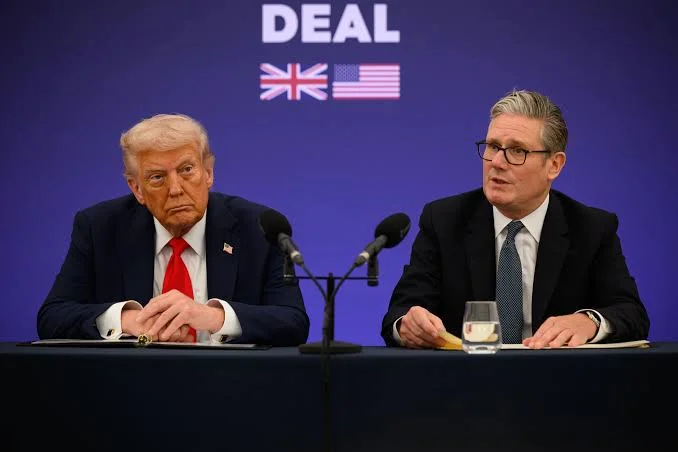

A new analysis published in the British Medical Journal has suggested that the UK-US trade deal agreed last December could force the NHS in England to redirect £44.7 billion from health services to higher medicines costs by 2036, potentially contributing to more than 229,000 excess deaths.
Get today's headlines by email 
Researchers said the projected increase in spending on new medicines would require significant cuts to NHS services unless additional government funding is provided. The analysis estimates the annual cost of the agreement will rise to £8.8 billion by 2036, with the cumulative cost reaching £44.7 billion over the period.
Medicines costs could reshape NHS spending
The report, produced by researchers from the University of York, the University of Liverpool and Christchurch Hospital in New Zealand, found that reduced NHS spending on services could have a major impact on public health. If the effects on adult social care were also included, the estimated number of excess deaths would increase to 291,000.
Researchers said most of the preventable deaths would involve people with heart, respiratory and gastrointestinal diseases, as well as cancer.
Government defends agreement
The trade deal requires the UK to pay around 25% more for new medicines over the next decade. It also commits the NHS in England to doubling the share of GDP spent on innovative medicines, from 0.3% to 0.6%.
When the agreement was announced, ministers described it as a landmark deal that would improve patient access to new treatments while protecting British pharmaceutical exports from potential US tariffs.
The government has said the agreement will cost an additional £1 billion between 2025-26 and 2028-29, although it has acknowledged costs will rise after that period without providing further estimates.
Science minister Patrick Vallance previously confirmed that the additional spending would come from the Department of Health and Social Care rather than the Treasury.
Critics call for greater scrutiny
The findings have prompted renewed calls for the government to publish its own impact assessment of the agreement.
Sir Ciarán Devane, chief executive of the NHS Alliance, said the analysis raised serious questions about whether the deal represented good value for patients and the NHS, warning that diverting billions from frontline services could have significant consequences for prevention, community care and treatment of long-term conditions.
Liberal Democrat health spokesperson Helen Morgan described the findings as alarming and urged ministers to release their assessment of the agreement.
Campaign groups including Global Justice Now and Just Treatment also criticised the deal, arguing that higher medicines spending could reduce funding available for NHS services and staff while increasing profits for pharmaceutical companies.
Department rejects findings
Responding to the analysis, a Department of Health and Social Care spokesperson disputed the projected £45 billion cost.
The department said reforms to medicines pricing would allow NHS patients to access life-changing treatments that were previously unavailable while strengthening the UK's position as a centre for developing and manufacturing new medicines.
The spokesperson added that funding for the agreement would come from allocations agreed in the spending review, which secured record NHS funding, with future spending to be determined at the next review.
Join the discussion? 
Already a member? 
 Adapted by ASEAN Now. Source 2 July 2026
Recommended Comments
Create an account or sign in to comment