



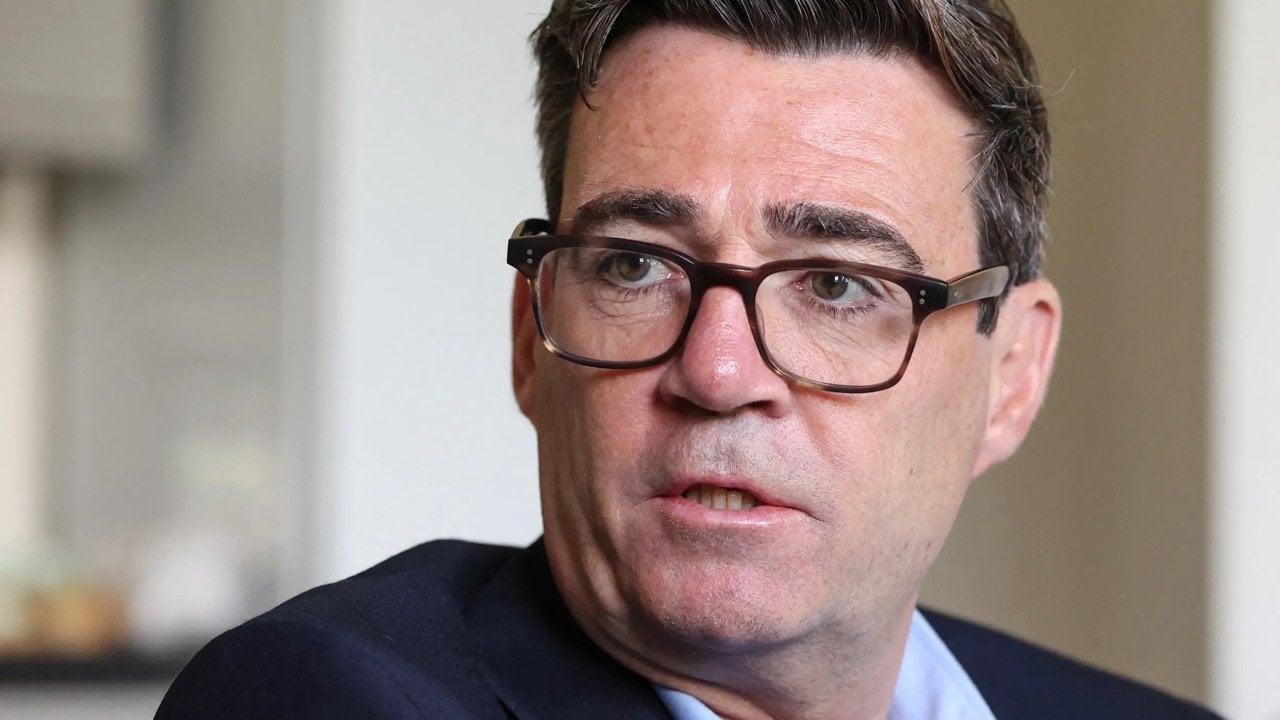

Prime Minister Andy Burnham has said he will not vote on the assisted dying bill for England and Wales, setting him apart from his predecessor Sir Keir Starmer.
MPs are expected to debate and vote on the Terminally Ill Adults (End of Life) Bill in about two weeks’ time. Burnham’s decision means he will abstain at Second Reading, the stage when MPs indicate whether they support the bill in principle.
Burnham Rejects A Second Reading Vote
Writing to Labour MPs on Friday, Burnham said he has “own personal views on the issue”, but described the matter as one for Parliament to decide.
He said the prime minister’s role was to lead a government that implements the will of Parliament on whether to change the law, and added that he did not want to influence the debate. Burnham wrote that he did not want every colleague to know his stance, saying it should be a “genuinely free vote”.
“For these reasons, I have taken the decision that it is most appropriate for me not to vote at Second Reading,” he added.
He also said there was “no single right position” and that the issue was “incredibly important and personal”, adding that different views should be handled with dignity and respect.
Starmer Backed A Previous Bill
The bill Burnham is now addressing is identical to the one introduced to Parliament last year. It passed in the House of Commons, but stalled in the Lords after an unprecedented number of amendments meant it ran out of time.
Starmer, who voted in favour of the earlier bill when he was prime minister, did not campaign for it and remained officially neutral. Burnham’s stance is therefore a departure from Starmer’s support, although it does not signal a break in Labour’s position.
Burnham stressed that while he personally would not vote, the government would remain officially neutral on the bill as an entity.
When Burnham was Greater Manchester mayor, he indicated he supported assisted dying in principle. In June, he suggested it would be difficult to implement unless social care and palliative care improved.
The assisted dying law would apply to adults aged 18 and over who are expected to die within six months, subject to safeguards.
Ministers Told To Stay Out Of The Debate
Burnham told ministers they could vote as they wished. In a separate letter on Friday, however, he said they “should avoid being part of the public debate” and should not comment on what the bill would mean for their departments’ responsibilities.
Health Secretary Yvette Cooper previously voted in favour of assisted dying. Her predecessor, Wes Streeting, had been more publicly cautious, raising concerns about the implications for the NHS.
Supporters of the bill, introduced by Labour MP Lauren Edwards, are aiming for it to pass the Commons unamended. They want to avoid changes in the House of Commons that could remove powers under the Parliament Acts, which would otherwise allow legislation to be made law if the Lords rejected it.
That strategy relies on peers voting on the choice of some sceptical amendments versus an entirely unamended bill becoming law. During the previous attempt this year, the House of Lords tabled more than 1,200 amendments, largely from opponents.
Assisted dying campaigner Dame Esther Rantzen, who has terminal cancer, accused opponents of trying to sabotage rather than scrutinise the bill after the scale of amendments earlier this year.
Opponents have said they will continue scrutinising the proposal.
Scotland Vote And Timing
The bill concerns England and Wales. A separate assisted dying proposal for Scotland was rejected by the Scottish Parliament in March 2026.
Join the discussion? 

29 August 2026
Recommended Comments
Create an account or sign in to comment