




The natural climate phenomenon known as El Niño has officially developed in the tropical Pacific Ocean, according to the US National Oceanic and Atmospheric Administration (NOAA), raising concerns about higher global temperatures and widespread weather disruptions in the coming years.
Get today's headlines by email 
NOAA said sea surface temperatures across the central and eastern equatorial Pacific have risen above the 0.5C threshold used to define an El Niño event. The agency also observed shifts in atmospheric winds over the Pacific, indicating that the atmosphere is now responding to the warming ocean.
Pacific Warming Pattern Officially Begins
The declaration had been widely anticipated after the cooler La Niña phase ended earlier this year. However, scientists say the speed of the warming and the confidence of forecasting models have drawn particular attention.
Possibility of a Very Strong Event
El Niño strength is measured by how much Pacific Ocean temperatures rise above average in a key region. Events are considered strong when temperatures exceed 1.5C above normal and very strong when they surpass 2C.
NOAA’s latest outlook places the probability of a very strong El Niño at 63% during the November-to-January period. If realised, it would rank among the most powerful events recorded since modern records began in 1950.
The strongest El Niño episodes on record occurred in 1982-83, 1997-98 and 2015-16.
Some forecasting models from the United States and Europe suggest temperatures in the tropical Pacific could climb more than 3C above average by the end of the year. Nevertheless, NOAA cautioned that even powerful El Niño events do not produce identical impacts everywhere, although stronger events generally increase the likelihood of expected climate patterns.
Climate Change Raises Concerns
Researchers say the greater concern is that El Niño is emerging against a backdrop of long-term human-driven global warming.
Prof Adam Scaife of the UK Met Office said the warming effect of El Niño is now being added to an already warmer climate, increasing the risk of unprecedented temperatures in affected regions.
A very strong El Niño typically raises global average air temperatures by around 0.2C as heat stored in the ocean is released into the atmosphere.
Scientists note that 2024, the hottest year on record, was aided by a relatively modest El Niño. Despite the cooling influence of La Niña, 2025 still ranked as the third-warmest year ever recorded.
Prof Scaife said global temperatures are likely to remain exceptionally high through late 2026 and into 2027, increasing the chances that another year could exceed 1.5C of warming above late-19th-century levels.
Global Weather Impacts Expected
Although every El Niño event differs, its effects are often most pronounced in tropical regions.
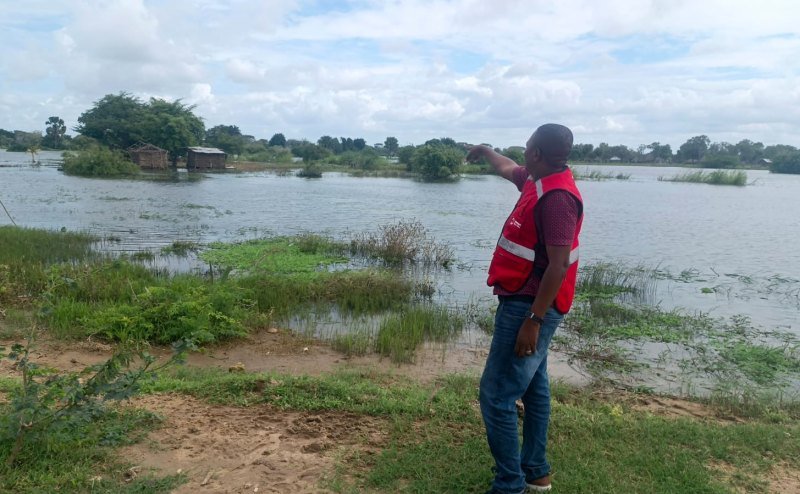
The phenomenon frequently brings heavy rainfall and flooding to northern Peru and southern Ecuador and can also affect parts of East Africa, Central Asia and the southern United States.
At the same time, drought and wildfire risks often increase across Australia, Indonesia and northern parts of South America, potentially affecting agriculture and food supplies.
El Niño also tends to reduce Atlantic hurricane activity. However, climate experts note that this can lead to reduced rainfall and heightened drought risks in parts of Central America.
Campaigners have warned that vulnerable communities could face severe consequences. Mohamed Adow, director of Power Shift Africa, said the phenomenon could worsen food insecurity and economic hardship, particularly in East Africa, where many communities have already endured repeated droughts and floods.
Agencies Monitor Conditions
Japan’s Meteorological Agency has also concluded that El Niño conditions are present and expects them to persist through the autumn.
Australia’s Bureau of Meteorology has not yet formally declared an event because it applies a higher temperature threshold. However, it said Pacific conditions are approaching El Niño levels and expects the phenomenon to develop later this year, potentially reaching strong intensity.
El Niño typically occurs every two to seven years and usually lasts around 12 months. While scientists have not conclusively shown that climate change makes El Niño events more frequent or stronger, they say a warmer world can amplify their impacts.
Join the discussion? 
Already a member? 
 Adapted by ASEAN Now. Source 12 June 2026
Recommended Comments
Create an account or sign in to comment