



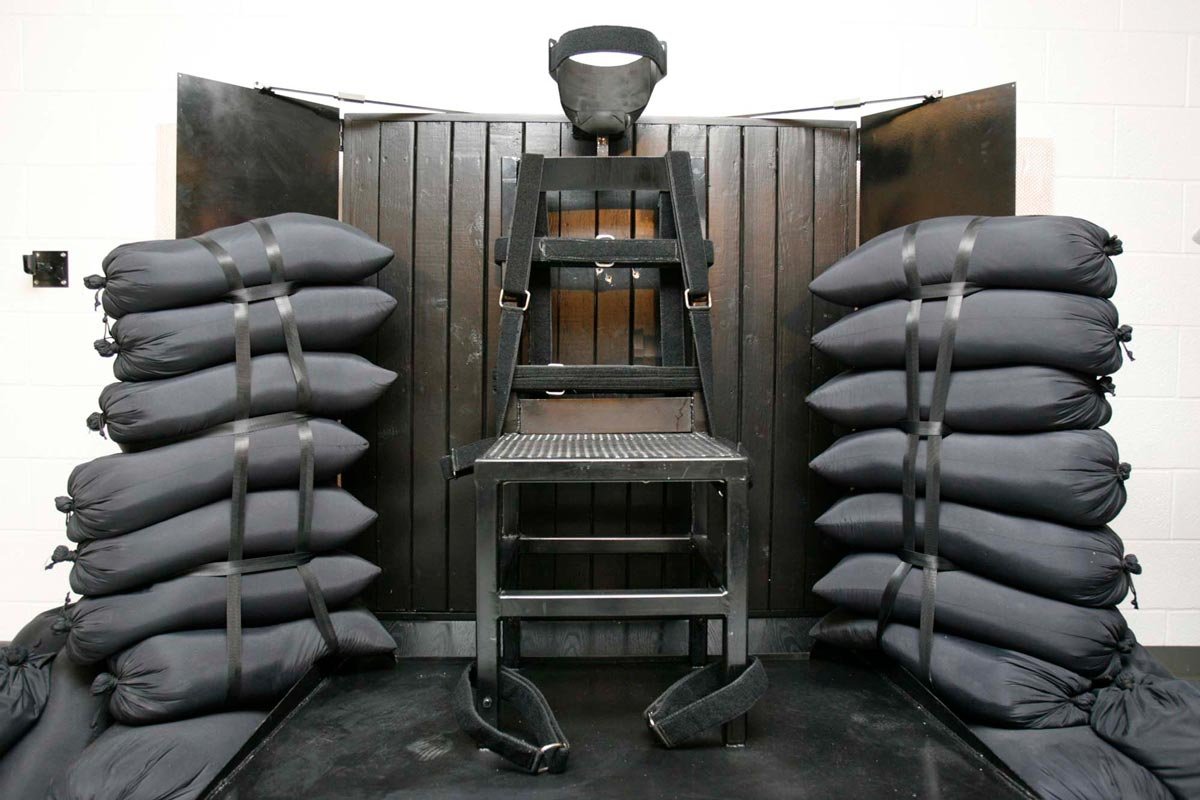

Idaho has become the first US state to make the firing squad its primary method of execution, marking a significant shift in the country's use of capital punishment as states continue to face difficulties carrying out lethal injections.
Get today's headlines by email 
The state's newly renovated execution chamber officially became operational on 1 July after the Idaho Department of Correction completed a more than $1 million project at its maximum-security prison south of Boise. The upgrade includes AR-style, .308-calibre rifles that will be used by volunteer marksmen during executions.
Idaho adopts firing squad as primary method
Under Idaho's protocol, three anonymous volunteers selected by prison officials will carry out executions. The state currently has eight inmates on death row.
The department said it is prepared to carry out executions and that its procedures are designed to ensure they are conducted in a "secure, orderly, and dignified manner."
Shift driven by problems with lethal injection
Idaho's decision follows growing challenges with lethal injection, the most common execution method in the United States.
In February 2024, the state halted the planned execution of convicted murderer Thomas Creech after medical personnel were unable to establish an intravenous line. Similar problems have occurred in other states, while restrictions on the supply of execution drugs have further complicated the use of lethal injections.
Alabama has also faced legal challenges over its use of nitrogen gas asphyxiation after federal courts ruled against the method earlier this year.
Against that backdrop, several states have turned to firing squads. Idaho is now the seventh state to authorise the method in some form, joining Mississippi, Oklahoma, South Carolina and Utah, while Florida and Tennessee also permit its use under certain circumstances.
Supporters argue that firing squads provide a faster and more reliable means of execution because bullets aimed at the heart rapidly stop blood circulation to the brain.
Executions raise concerns over pain and accuracy
Despite those claims, recent executions have fuelled debate over whether the method consistently works as intended.
Historical records show that several firing squad executions in the United States have resulted in prolonged deaths after shooters failed to strike the intended target. Among the 147 civilian firing squad executions recorded since 1608 are cases in which prisoners remained alive for several minutes after being shot.
Questions have also emerged over more recent executions.
A 2010 execution in Utah prompted later scrutiny after forensic experts reviewing autopsy photographs concluded the bullets appeared to have struck outside the intended area around the heart, raising concerns that the inmate may have experienced prolonged suffering.
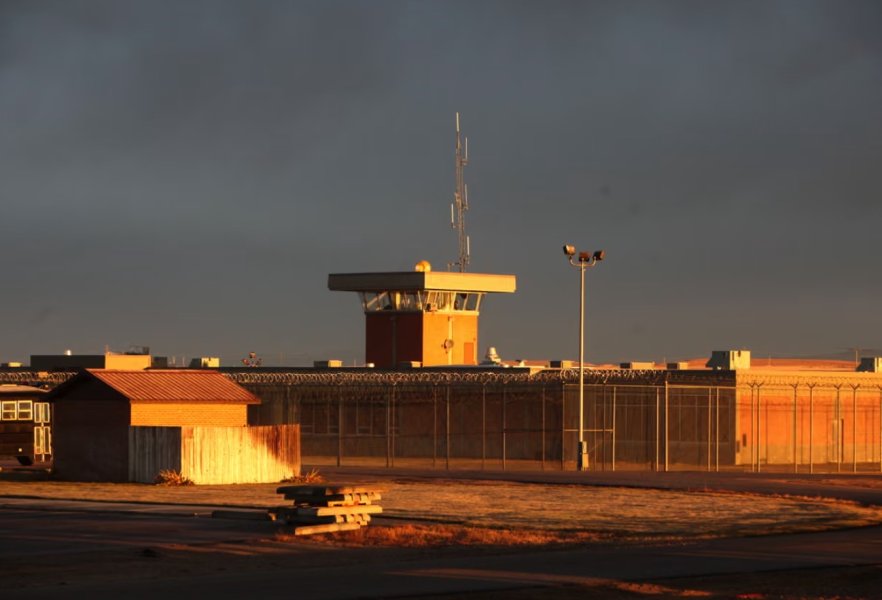
File photo courtesy of The Guardian
Similar concerns followed the April 2025 execution of South Carolina inmate Mikal Mahdi. Witnesses reported that Mahdi cried out after being shot and continued breathing for more than a minute. Autopsy findings reviewed by independent forensic experts suggested the bullets missed the left ventricle of the heart, potentially prolonging his death.
South Carolina officials rejected claims that the execution had been mishandled. The state's Supreme Court later ruled that the execution was not botched, although it acknowledged that the bullets did not directly strike the prisoner's left ventricle.
Experts question growing reliance on firing squads
Legal filings in subsequent court cases have gone further, with defence lawyers and some forensic specialists alleging that marksmen may have intentionally avoided the intended target in certain executions. Those allegations remain speculative, and both Utah and South Carolina authorities have rejected or declined to comment on claims of deliberate misconduct.
Execution experts say the renewed interest in firing squads reflects the wider difficulties states face in maintaining capital punishment rather than renewed confidence in the method itself.
Some legal scholars who previously regarded firing squads as one of the least problematic execution methods now argue that the process still depends on human judgement and therefore remains vulnerable to mistakes or misconduct.
As more states consider alternatives to lethal injection, Idaho's adoption of the firing squad is likely to intensify the national debate over how executions are carried out and whether any method can reliably avoid unnecessary suffering.
Join the discussion? 
Already a member? 
 Adapted by ASEAN Now. Source 1 July 2026
Recommended Comments
Create an account or sign in to comment